The animal world stores some of the world’s most fascinating beauties and wonders. One will undoubtedly have their mind blown if they delve into the mysteries of the fauna.
Intrigued already? You could start from anywhere. How about beginning with our intriguing exploration of animals with f as their first letter or delving into the life of animals in all three ecosystems? The possibilities are nearly endless!
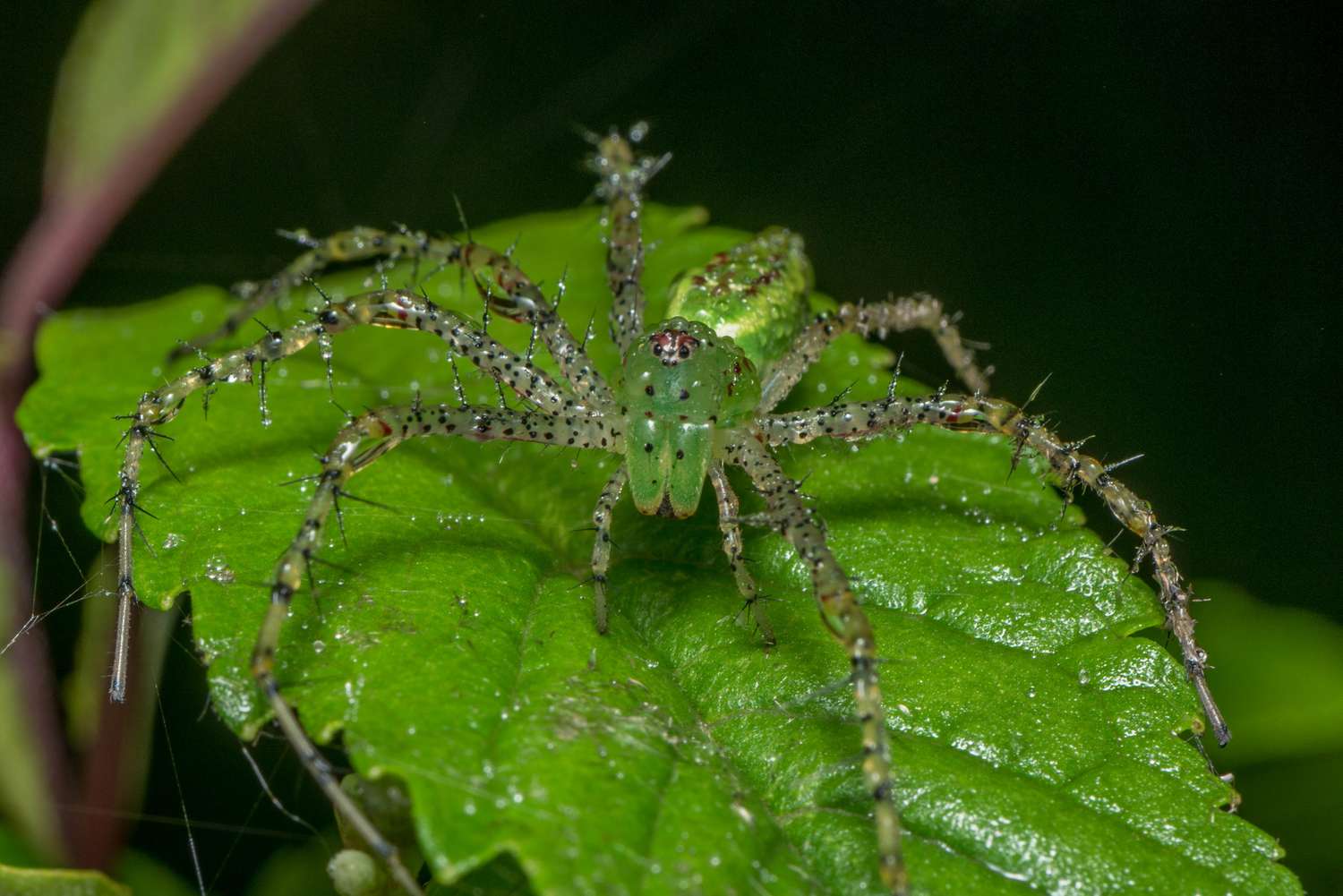
Or, on a more interesting note, we could help you out here with a resourceful insight into animals with 8 legs.
Is There Any Animal With 8 Legs?
If your answer to this is ‘insects,’ you may have missed out on a bit.
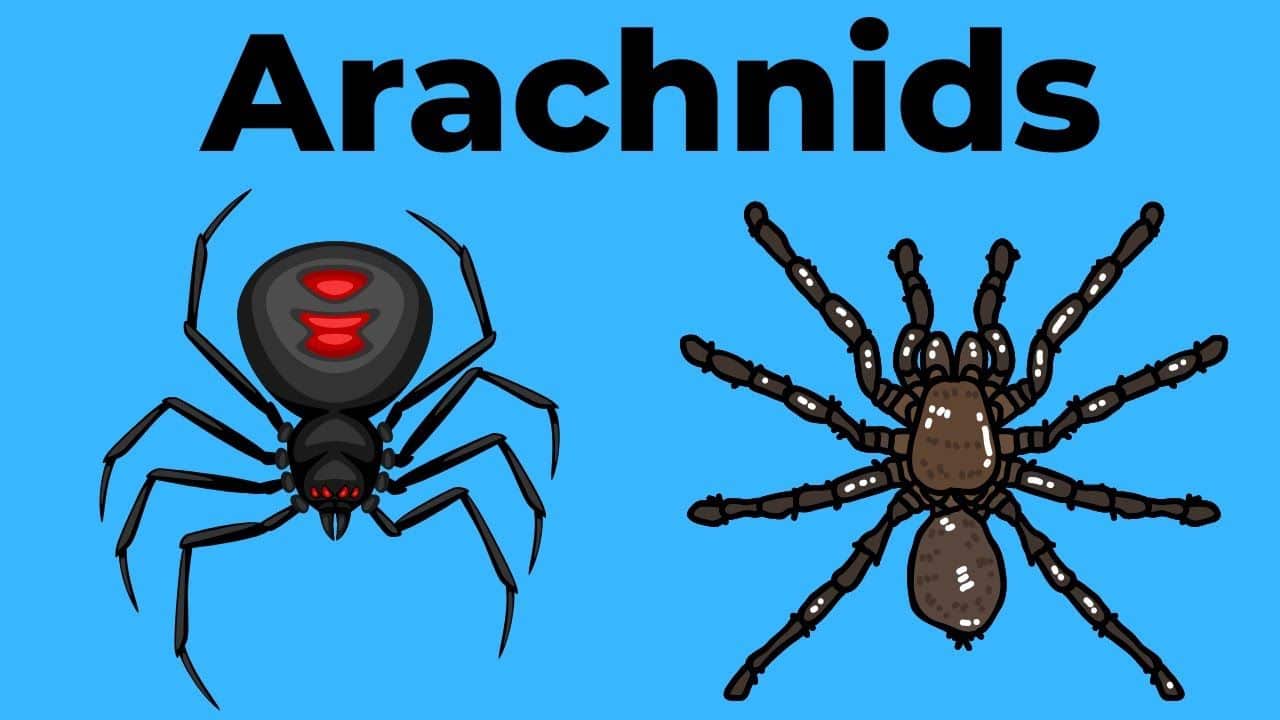
The correct answer would be, yes, there are animals with 8 legs, and they are called ‘Arachnids.’
They fall under the same group as insects, collectively termed ‘Arthropods.’
But they differ from them in several aspects, the most prominent ones being the presence of 8 legs in arachnids as opposed to 6 legs in insects and the absence of wings in arachnids, unlike insects.
In this aspect, it is also important to note that this one argument always comes up. Even squids and octopuses have 8 legs.
But both of these animals have tentacles rather than legs, and they use them as arms.
So, when making an 8-legged animals list, we refer to arachnids, excluding squids and octopuses.
Speaking of unique animal characteristics on a similar footing, there is a wholesome world of animals beginning with f.
If you are also interested in discovering fascinating facts about these creatures, you can check our detailed guide on animals with f.
So, without any further ado, let’s dive further into the enigmatic world of these creatures.
All About Arachnids
Arachnids are easily identifiable by their body structure. Their body is divided into cephalothorax or prosoma and opisthosoma or abdomen.
The cephalothorax comprises the head and thorax fused, the part where the four pairs of legs are attached.
The opisthosoma, or the abdomen, is also joined with the cephalothorax, which houses vital organs, including the lungs and heart.
Arachnids also have two additional pairs of legs shaped like pincers or fangs. The first additional pair is called chelicerae and is used for feeding.
The additional second pair of legs are called pedipalps and are used for various functions, including catching prey, sensation, reproduction, and locomotion.
The remaining four pairs of legs are solely functional for helping the arachnid to move around from one place to another.
A hard exoskeleton covering their body acts as a protective mechanism for these creatures.
These creatures hunt their prey by spraying digestive juices onto them, which dissolves the flesh of their prey and liquefies them.
This adaptation of arachnids is because they are unable to digest solid food.
Animals with 8 Legs
In this article, we have listed a few 8-legged animals and some amazing facts about them below, so keep reading to get the insightful aspects about the arachnids.
1. Spiders
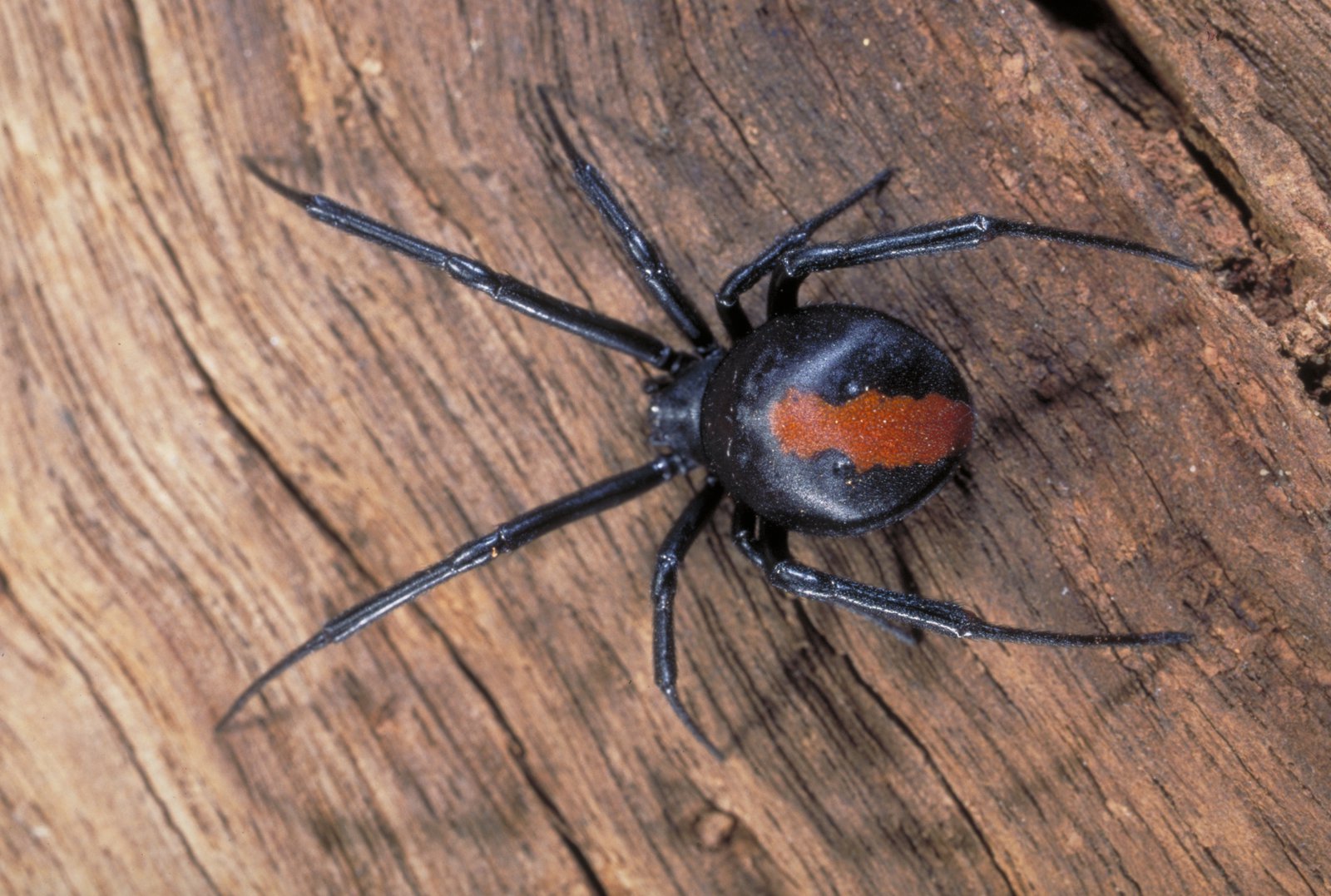
The most well-known arachnids are the spiders, with eight legs and eight eyes! Also, did you know that there are more than 50,000 different species of spiders in the world?
They have sticky hair on their feet called “spatulae” that help them crawl on walls and ceilings with ease.
2. Scorpions
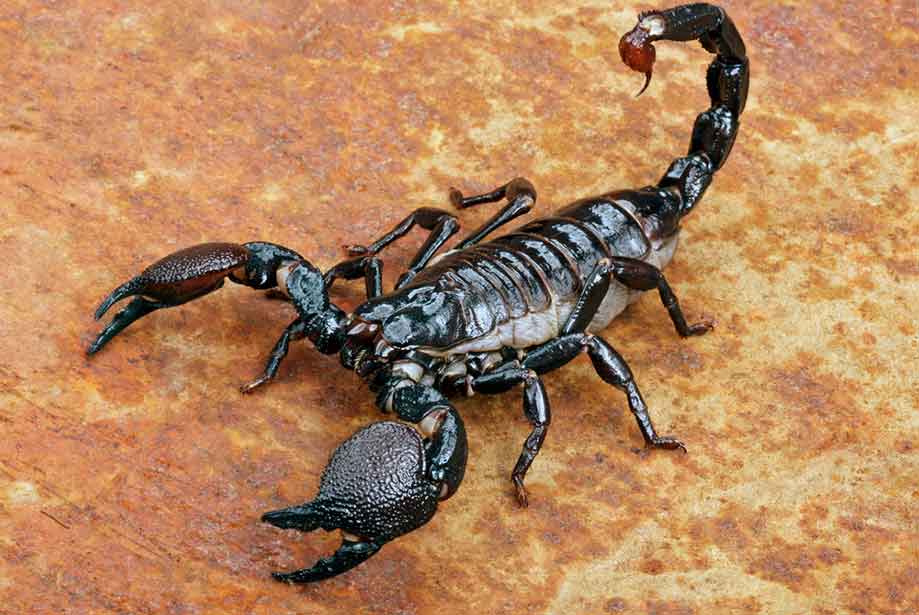
Popular for their venomous nature, scorpions are one of the earliest animals on Earth. They are nocturnal beings that may survive between 5 and 25 years, depending on their species.
However, the most significant characteristic of these arachnids is that they give birth to live ones, unlike other arachnids that lay eggs.
3. Tardigrades
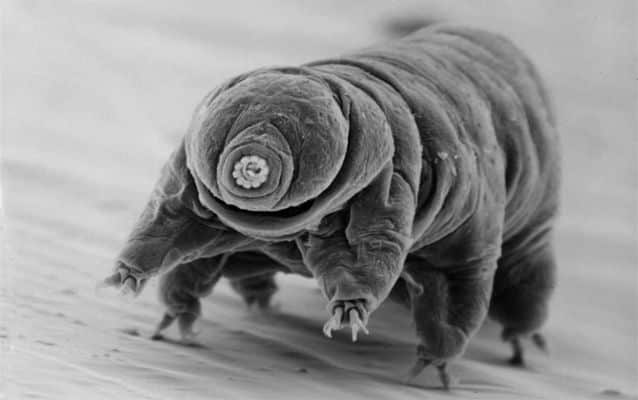
Not many readers may be familiar with these creatures, but tardigrades or water bears date back to at least a few billion years of survival on our planet.
They are, in fact, the first known creatures that can survive in outer space.
They may well be called immortals as they can survive up to a decade without food and water and withstand the effects of radiation!
4. Porcelain Crabs
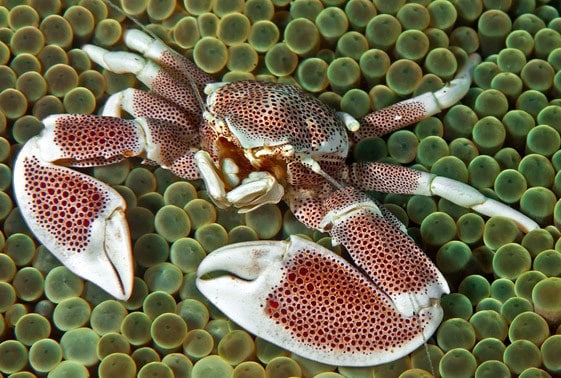
When threatened, these 8-legged creatures can literally “drop off a leg to distract its predator and regrow it back again later!
They are great creatures that help keep the environment in a reef tank healthy and thriving!
This is because they act as natural environment cleaners, as they help in reef scavenging.
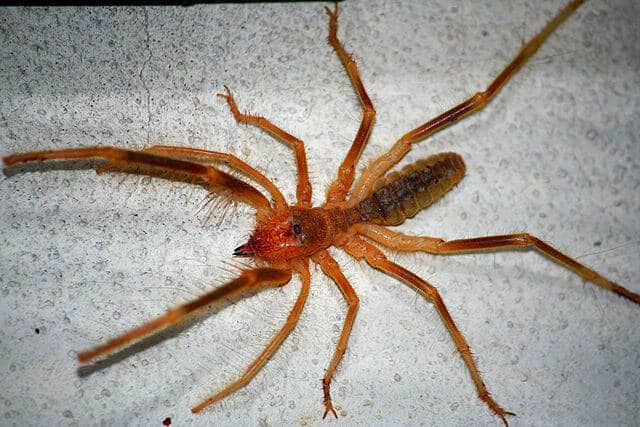
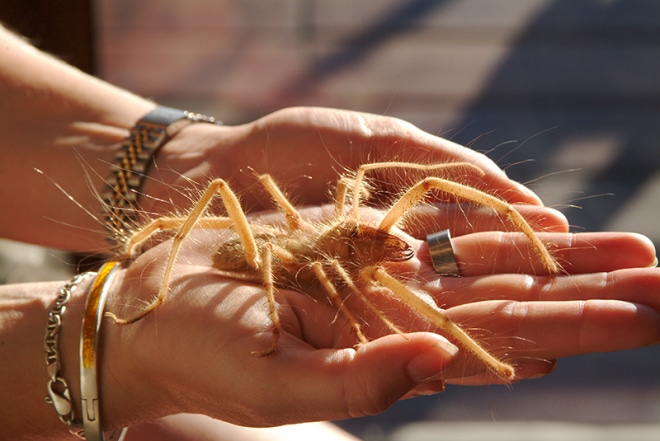
5. Camel Spiders
Not real, camel spiders are also known by other names like “wind scorpions” or “sun spiders.” They are carnivores that survive on rodents, lizards, small birds, and beetles.
These solitary animals are mostly active at night and vary widely in size, with the giant camel spider being one of the largest species.
Amazing Arachnids
Arachnids are a very interesting group of the species Arthropod. They are among the most sturdy groups of living beings inhabiting the planet.
Their survival and ability to adapt to changing environments make them stand apart from other creatures.
We are sure this interesting topic has most nature lovers hooked. Let us know what more insights can be added to the list, and if you have more of such, let us know in the comment section below!
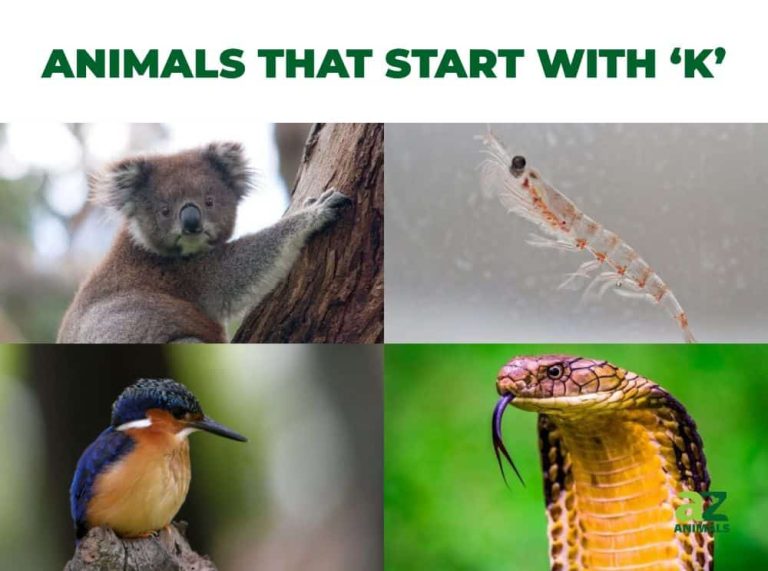
Are you ready to know the list of animals whose names start with K? If yes, you’re in for a treat!
From the kangaroos to the Kob, a list of unique animals is waiting to be discovered.
Why focus on animals that start with “K,” you ask? It’s a fantastic way to increase your kids’ vocabulary and teach them animal names.
In this blog, we’ll explore the list of fascinating animals that starts with K, each accompanied by facts, small descriptions, and images.
Let’s learn more about the animals whose names start with K. We agree they are uncommon. Hence, you will be able to increase your general awareness as well.
List of Animals that Starts with K
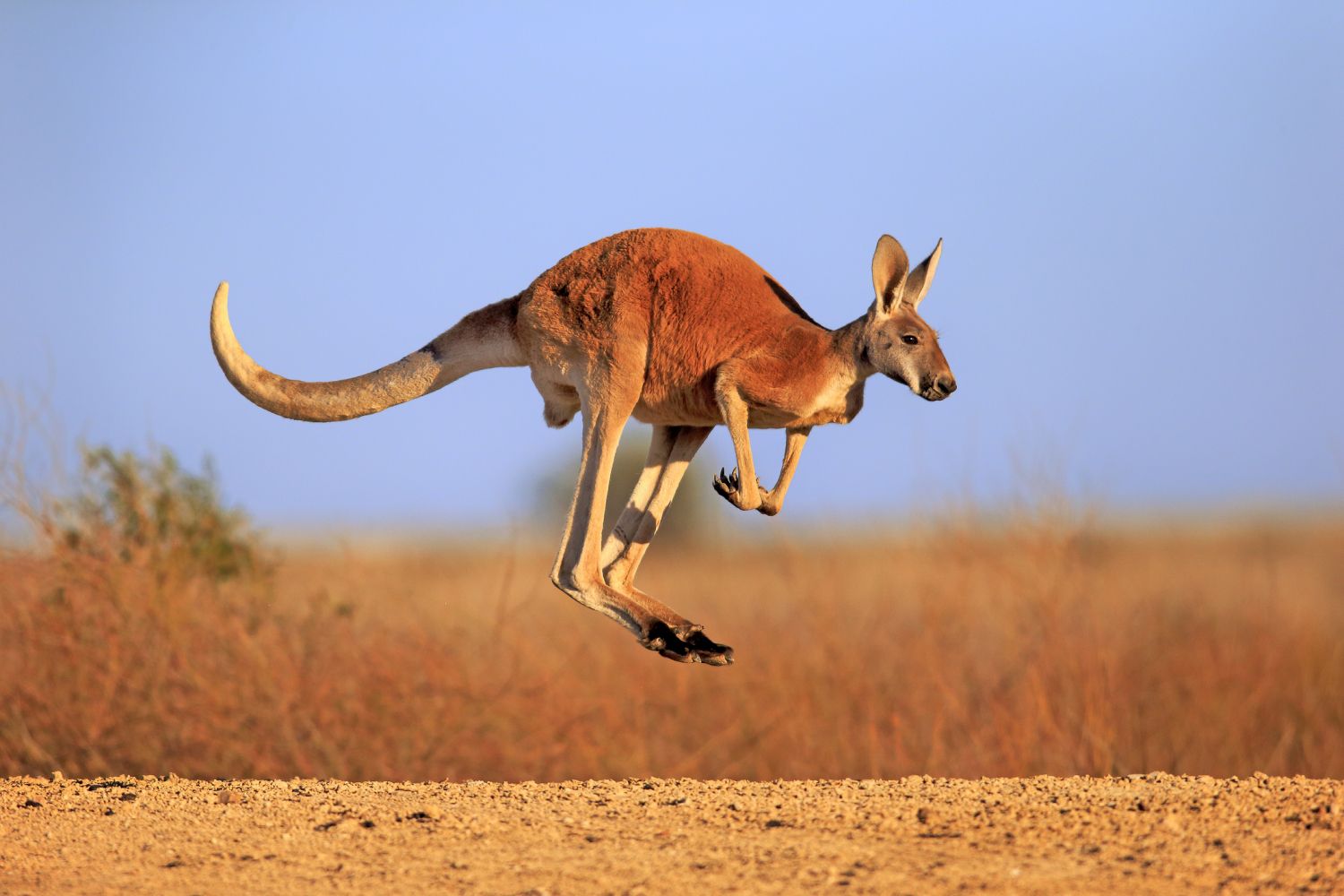
1. Kangaroo
Place of Origin: Australia Regions of Habitat: Grasslands, forests Scientific Name: Macropus rufus
A marsupial known for its powerful hind legs, large feet, and a tail that balances its body.
Kangaroos are adept jumpers. Kangaroos belong to the family Macropodidae, primarily found in Australia.
These unique creatures have a strong social structure, often moving in groups called “mobs,” they communicate through vocalizations and body language.
Interesting Fact: Female kangaroos have a pouch in which they carry and nurse their young.
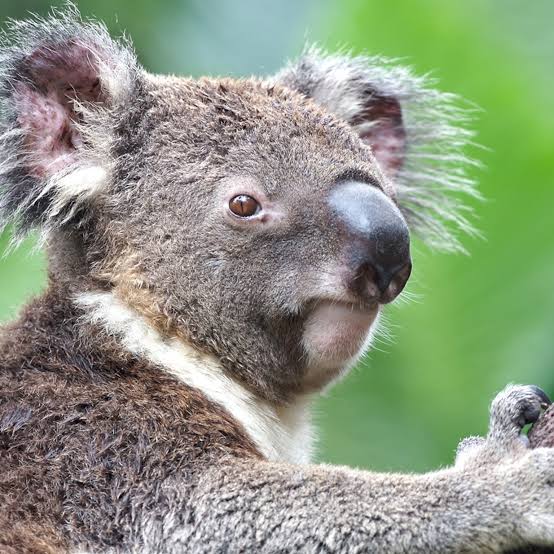
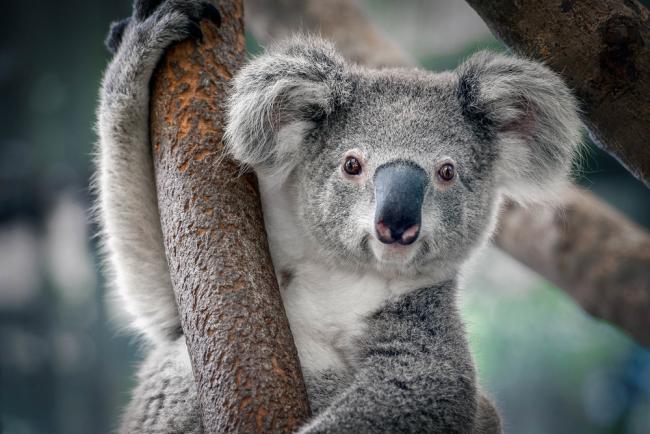
2. Koala
Place of Origin: Australia Regions of Habitat: Eucalyptus forests Scientific Name: Phascolarctos cinereus
The koala is an iconic Australian marsupial known for its distinct appearance and slow-paced lifestyle.
It feeds on eucalyptus leaves, which constitute almost its entire diet. Despite its teddy bear-like appearance, koalas have sharp claws and strong limbs adapted for climbing trees.
It is threatened by habitat loss and disease; conservation efforts are crucial to ensure the survival of this beloved species.
Interesting Fact: Koalas sleep for 18-22 hours daily due to their low-energy diet.
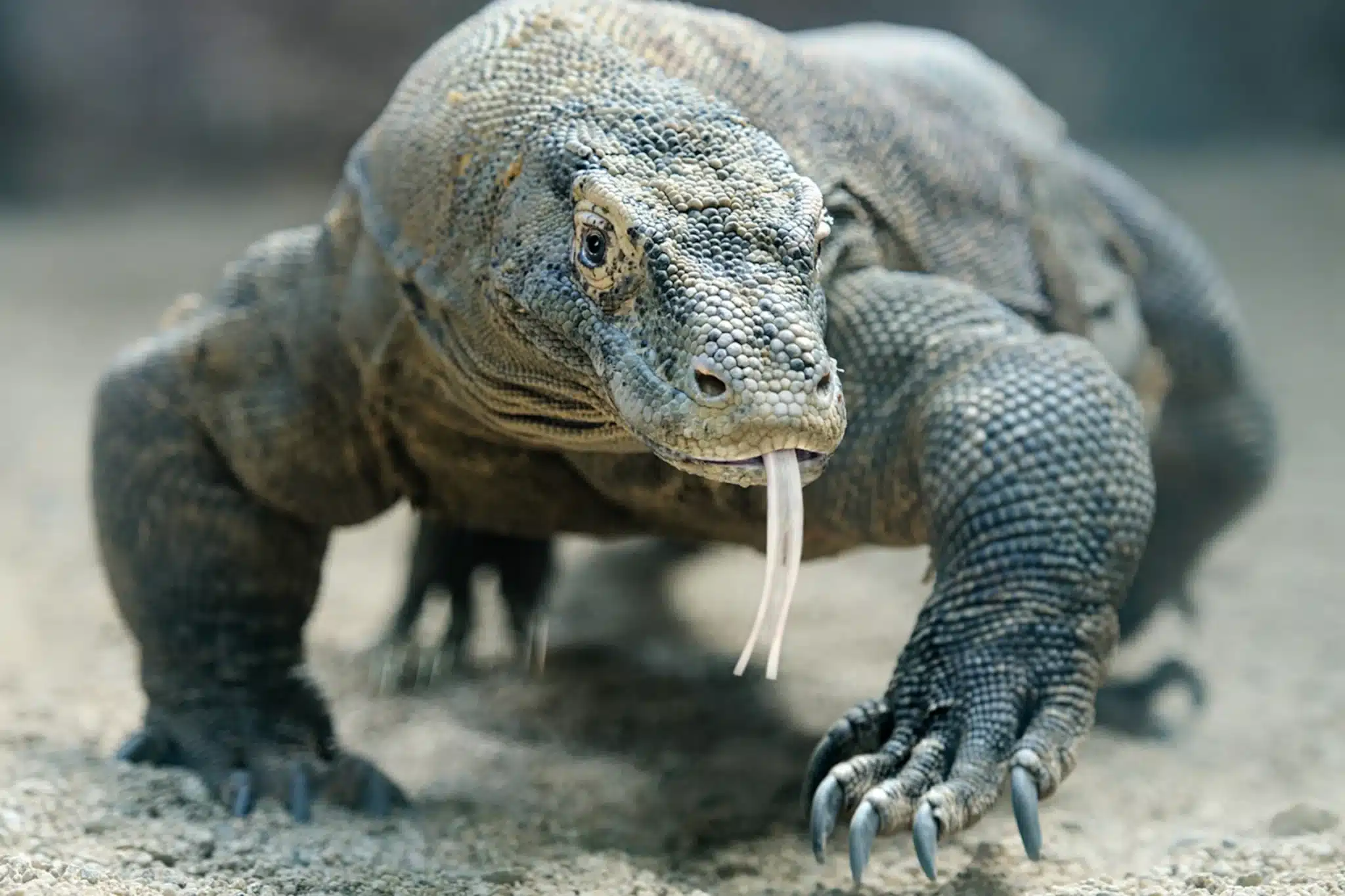
3. Komodo Dragon
Place of Origin: Indonesia Regions of Habitat: Islands of Komodo, Rinca, Flores Scientific Name: Varanus komodoensis
The Komodo dragon is the world’s largest lizard, native to Indonesia’s Komodo Island.
It possesses powerful jaws, sharp claws, and a keen sense of smell. These carnivorous reptiles primarily hunt deer and other large prey.
Their saliva contains harmful bacteria, making their bite lethal.
Interesting Fact: Komodo dragons have a venomous bite that can be lethal to their prey.
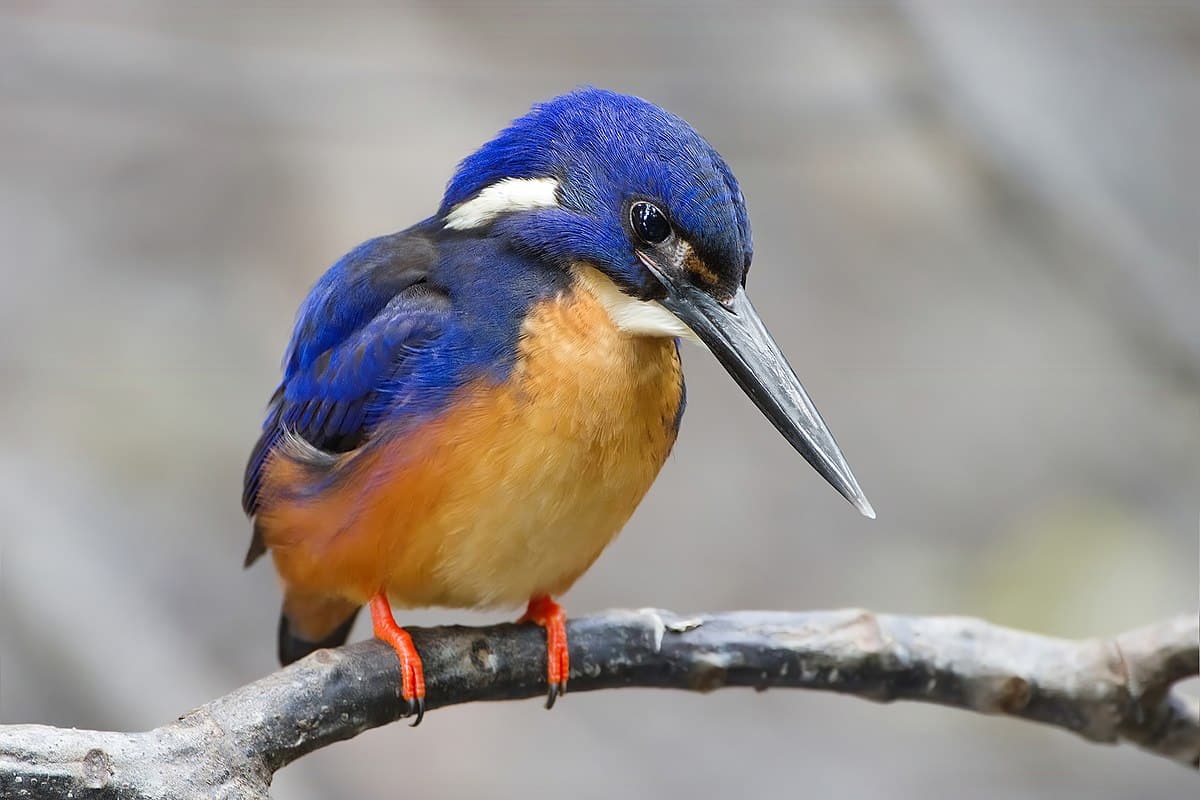
4. Kingfisher
Place of Origin: Worldwide Regions of Habitat: Near water bodies, forests Scientific Name: Alcedo atthis
The kingfisher is a vibrant, colorful bird known for its blue and orange color.
These agile hunters are often found near water bodies, where they dive to catch fish with remarkable precision.
They have a distinctive, long, sharp bill adapted for catching prey. The kingfisher’s call is a sharp, piercing whistle, adding to its unique charm in the natural world.
Interesting Fact: They dive into water at high speeds to catch fish, and their eyes can adjust to see underwater.
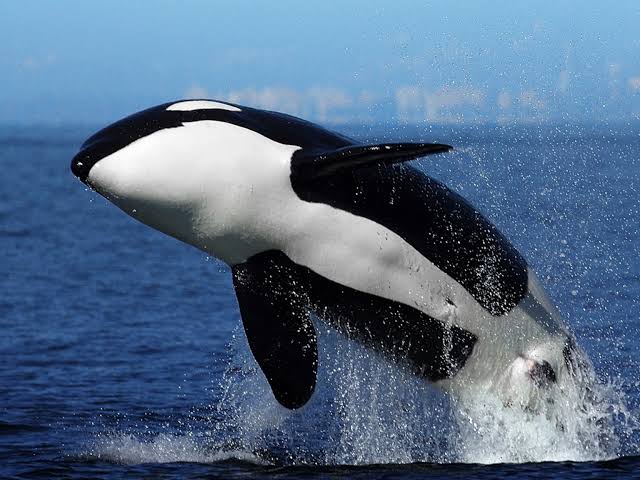
5. Killer Whale
Place of Origin: Global oceans Regions of Habitat: Oceans, seas Scientific Name: Orcinus orca
The killer whale is an apex predator in oceans worldwide.
Recognized by its striking black-and-white coloration, it has powerful jaws filled with sharp teeth.
Orcas are highly social animals, often traveling in pods led by a matriarch.
They have complex hunting strategies, preying on marine mammals, including seals and other whales.
Interesting Fact: Despite their name, killer whales are a type of dolphin.
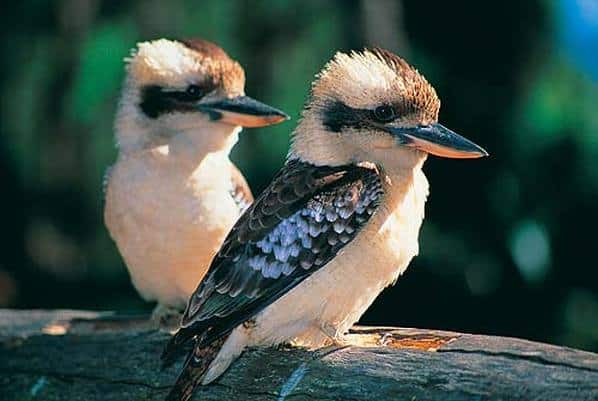
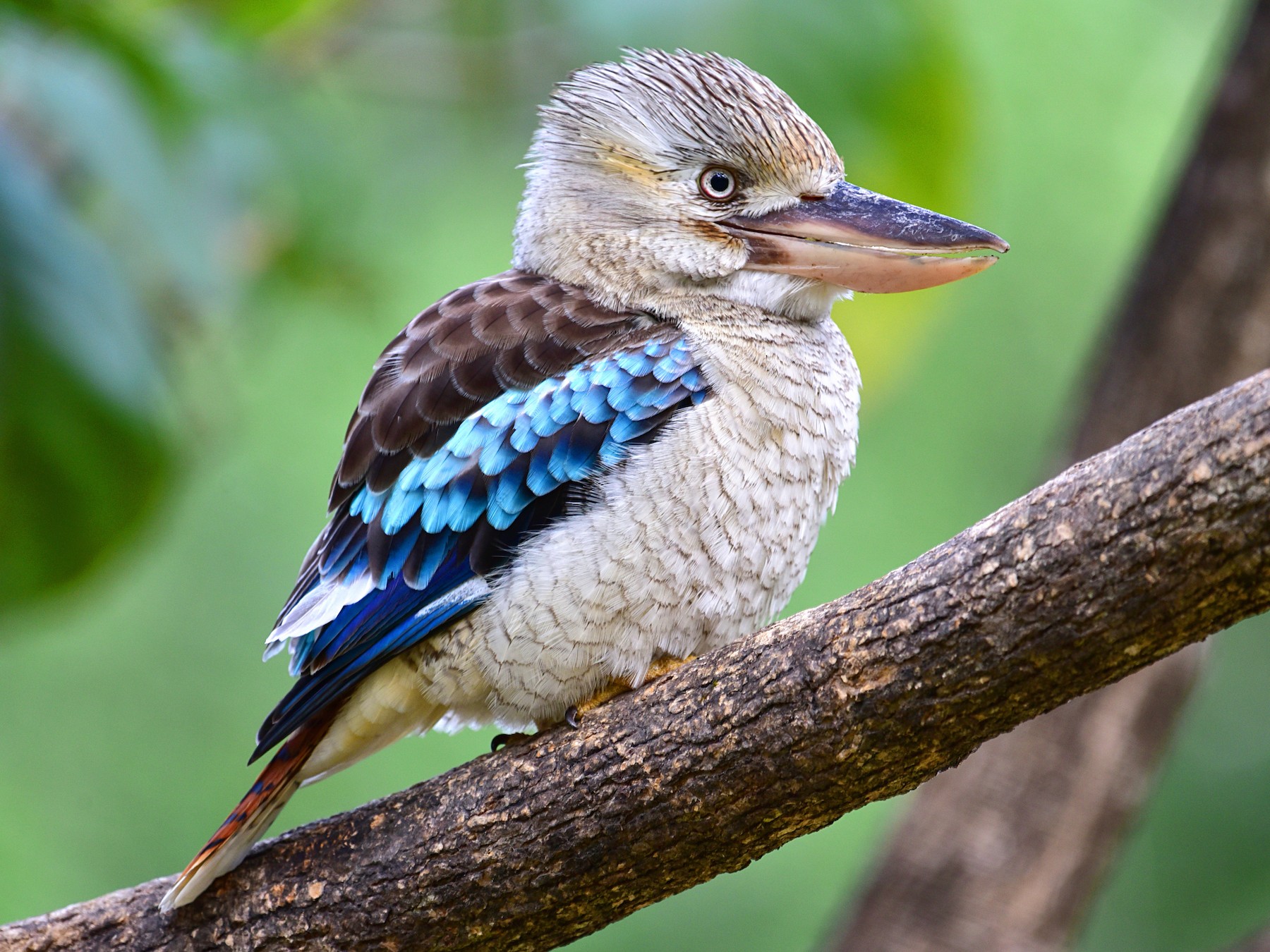
6. Kookaburra
Place of Origin: Australia, New Guinea Regions of Habitat: Woodlands, forests Scientific Name: Dacelo novaeguineae
The Kookaburra is a large, terrestrial kingfisher native to Australia. Known for its distinctive call, it produces a loud, echoing, laughter-like sound often heard at dawn and dusk.
It has a robust body with a large head, strong beak, and short wings.
It feeds primarily on insects, reptiles, and small mammals and is vital in controlling pest populations.
Interesting Fact: Kookaburras’ laughing call is often mistaken for human laughter.
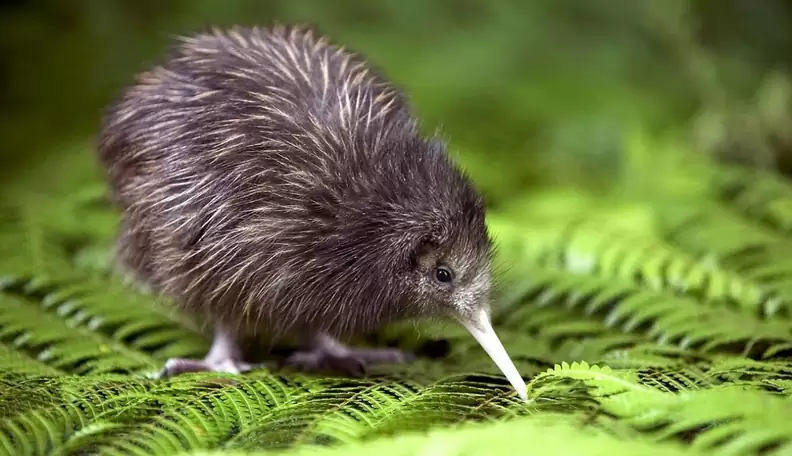
7. Kiwi
Place of Origin: New Zealand Regions of Habitat: Forests, grasslands Scientific Name: Apteryx
The kiwi is a flightless bird native to New Zealand, known for its unique appearance and nocturnal habits.
It has a long, slender bill, dense brown plumage, and tiny wings hidden beneath its feathers.
Kiwis are primarily carnivorous, feeding on insects, worms, and occasionally fruits.
Due to habitat loss and introduced predators, many species of kiwi are endangered, and conservation efforts are underway to protect them.
Interesting Fact: Kiwi birds lay the largest eggs relative to the body size of any bird species.
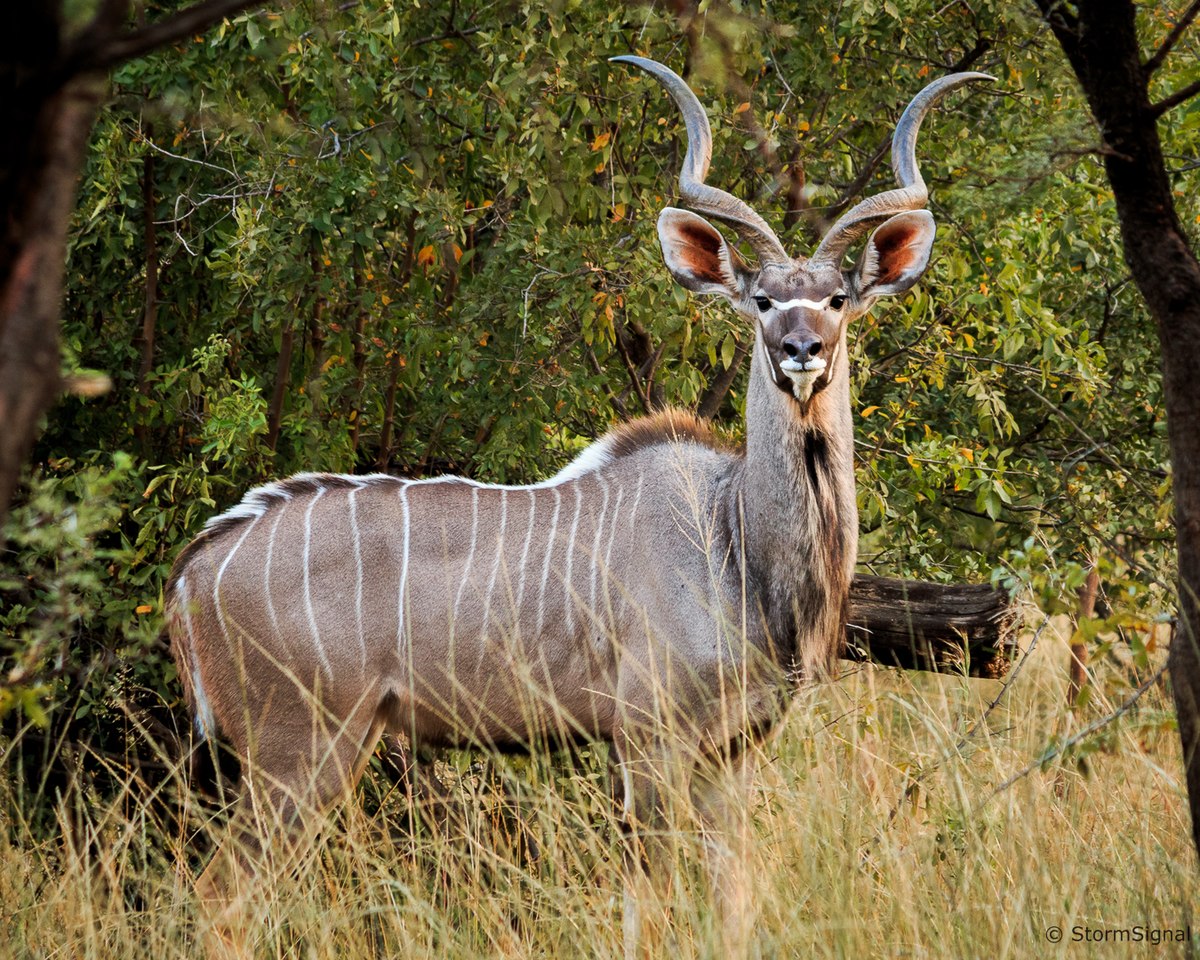
8. Kudu
Place of Origin: Africa Regions of Habitat: Savannahs, woodlands Scientific Name: Tragelaphus strepsiceros
The kudu is a type of antelope found in eastern and southern Africa.
They are known for their long, spiral horns; the male kudu possesses impressive, twisted antlers.
These antlers can reach up to 72 inches in length, making them one of the most distinctive features of the animal.
Kudus are primarily browsers, feeding on leaves, shoots, and fruits in their natural habitat.
Interesting Fact: Male kudus have a beard under their chin and a series of white stripes on their body.
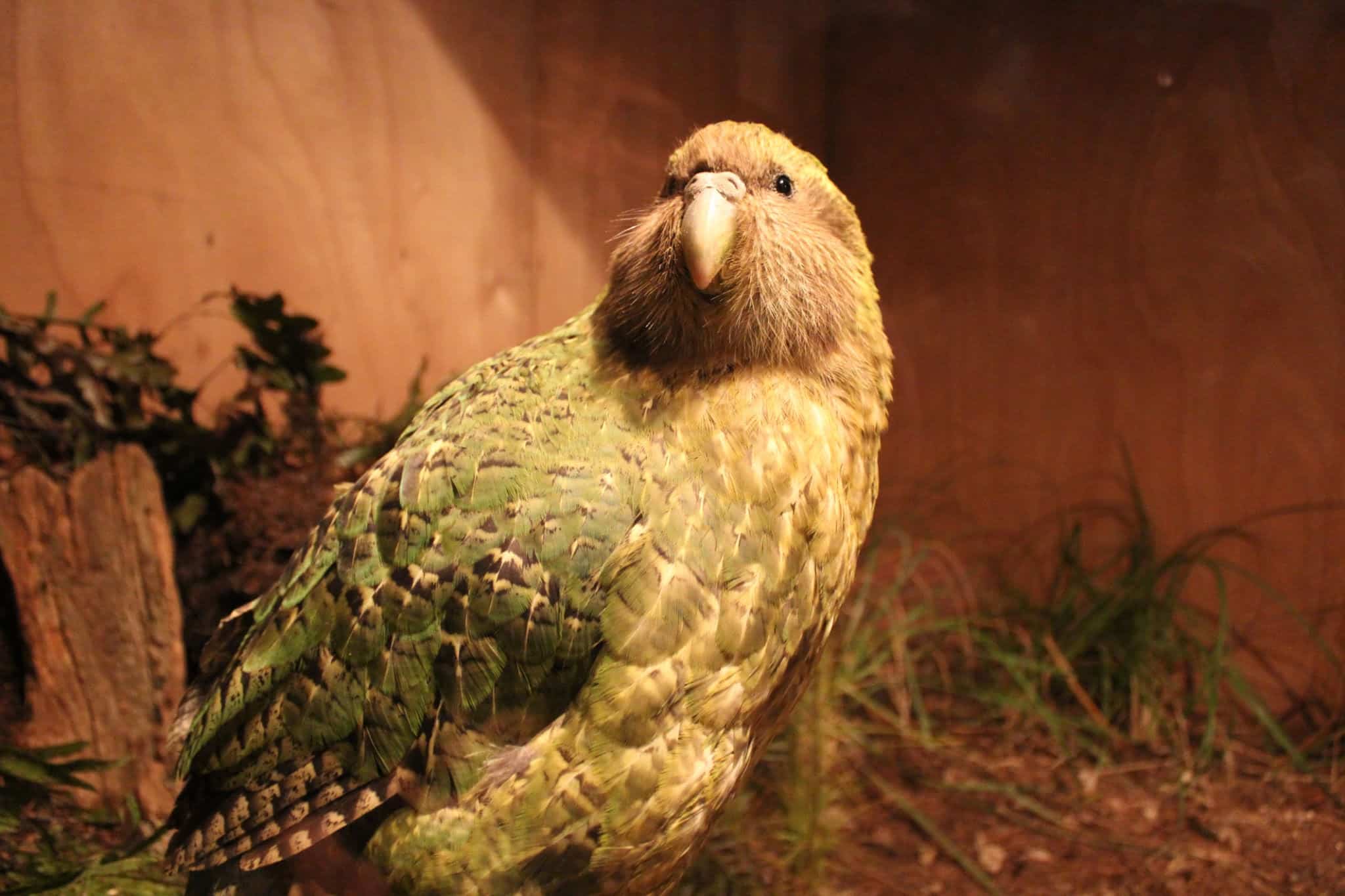
9. Kakapo
Place of Origin: New Zealand Regions of Habitat: Forests Scientific Name: Strigops habroptilus
The kakapo, the “owl parrot,” is a critically endangered flightless bird native to New Zealand.
It is famous for its nocturnal habits and distinctive moss-green plumage.
Once abundant, the kakapo population has dwindled due to habitat loss and introduced predators.
Conservation efforts aim to protect and increase the species’ numbers.
Interesting Fact: Kakapos are known for their peculiar mating calls and inability to fly.
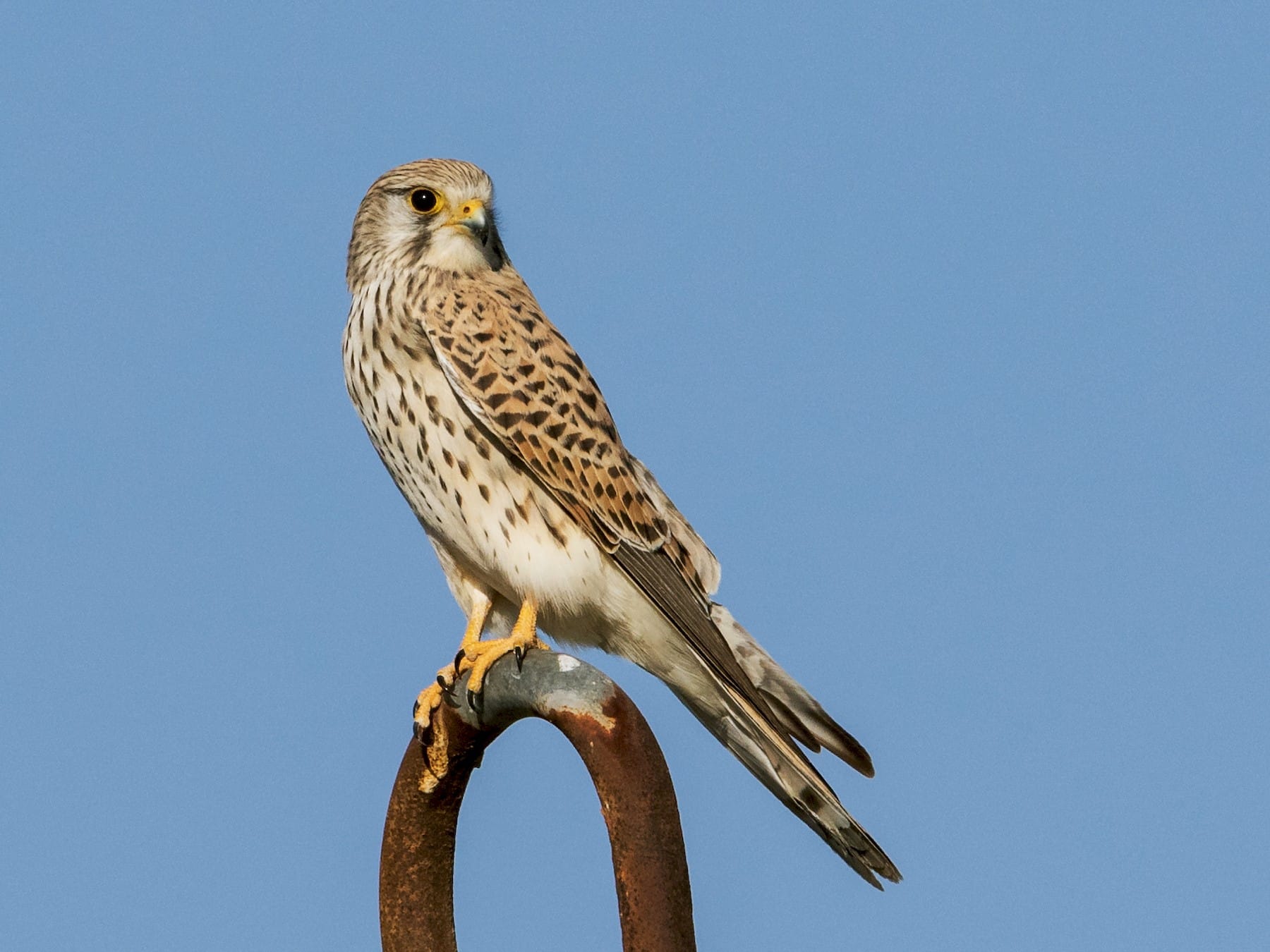
10. Kestrel
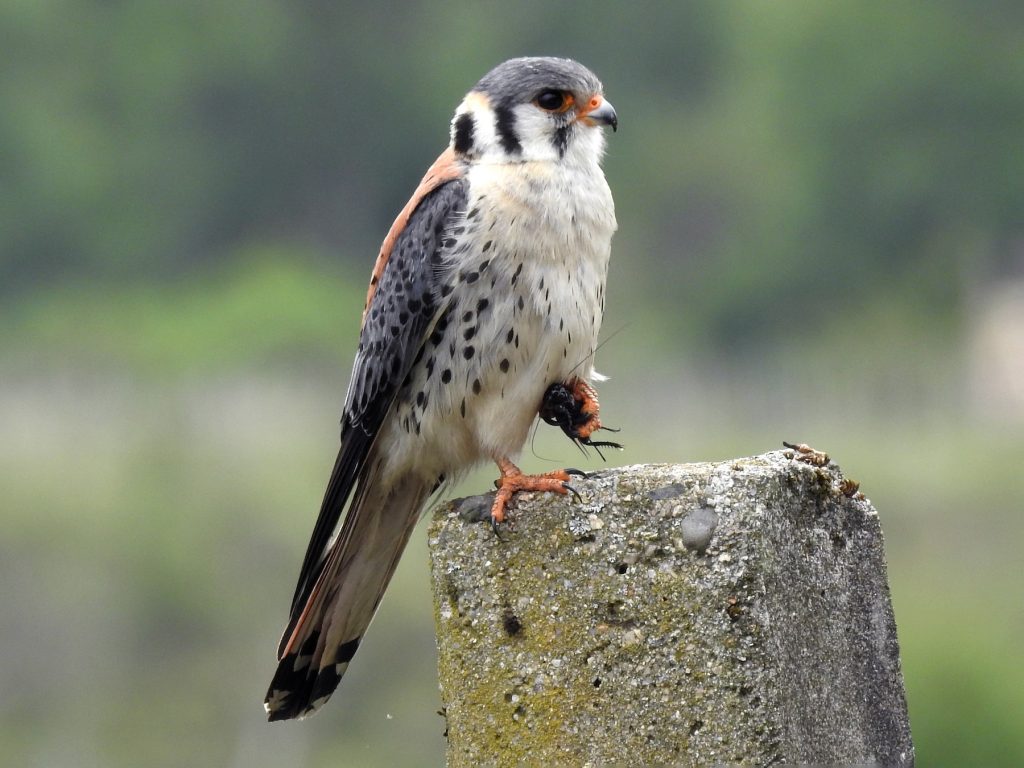
Place of Origin: Worldwide Regions of Habitat: Open lands, grasslands Scientific Name: Falco tinnunculus
The Kestrel is a small and agile bird of prey.
It is known for its hovering flight while hunting for prey. Its distinctive pointed wings and long tail make it adept at catching insects, small mammals, and birds.
The kestrel’s keen eyesight and swift movements make it a dangerous hunter in diverse habitats worldwide.
Interesting Fact: Kestrels can see ultraviolet light, which helps them detect the trails of voles.
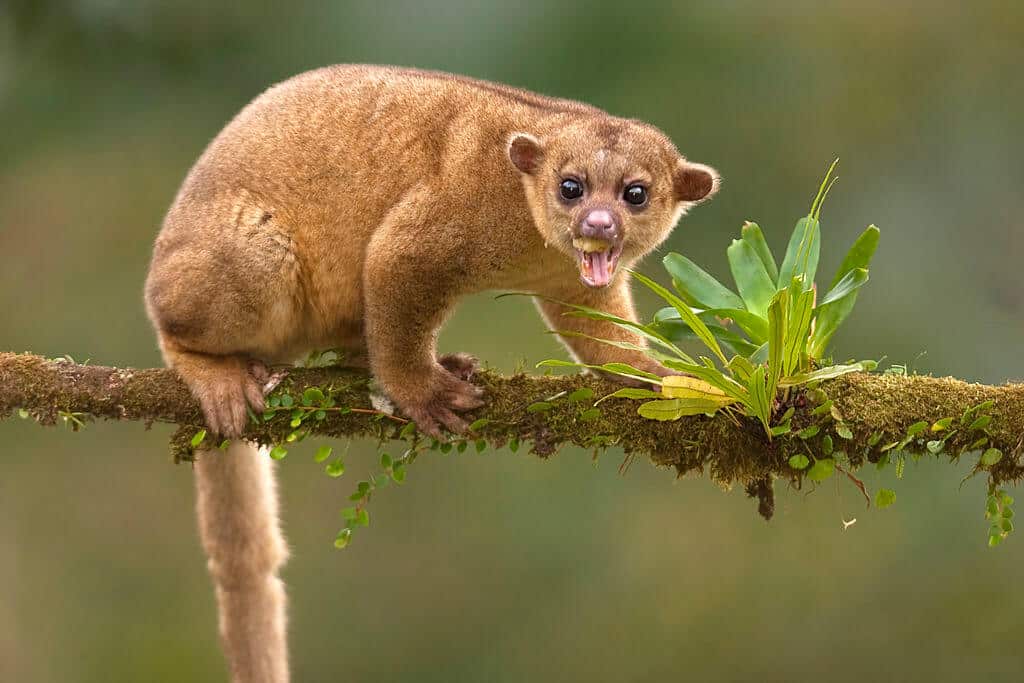
11. Kinkajou
Place of Origin: Central and South America Regions of Habitat: Tropical rainforests Scientific Name: Potos flavus
The kinkajou is a small mammal native to Central and South America.
It has a golden or brownish fur, a long prehensile tail, and large, round eyes.
They are primarily nocturnal; they spend their nights foraging for fruit and occasionally hunting insects.
Despite its cute appearance, it possesses sharp claws and can be aggressive when threatened.
Interesting Fact: Kinkajous have a long tongue that helps them extract nectar from flowers, much like some species of birds.
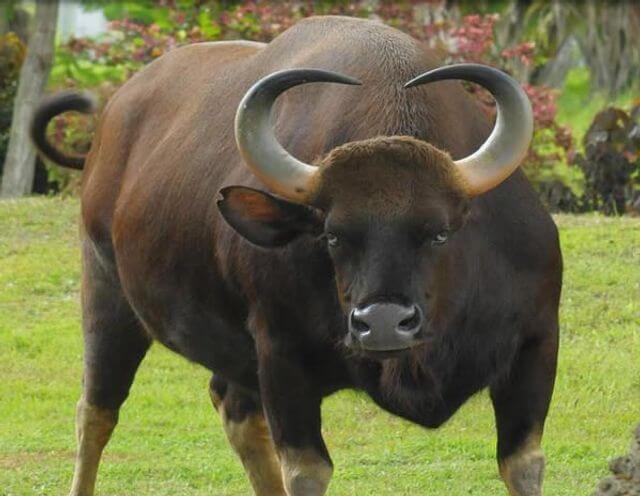
12. Kouprey
Place of Origin: Southeast Asia Regions of Habitat: Grasslands, forests Scientific Name: Bos sauveli
The Kouprey is a rare wild ox native to Southeast Asia.
It possesses a distinctive tall and narrow body with a dark chestnut coat.
This species is critically endangered, with its population dwindling due to habitat loss and hunting.
Efforts are ongoing to conserve and protect this unique and iconic creature.
Interesting Fact: The Kouprey is often called the “Cambodian forest ox.”
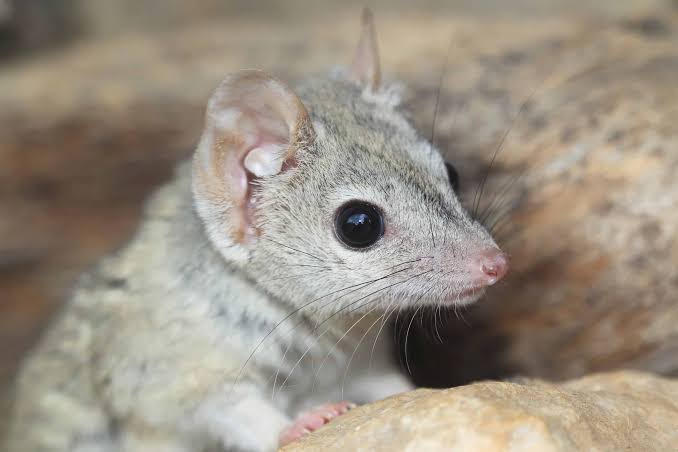
13. Kowari
Place of Origin: Australia Regions of Habitat: Deserts, arid regions Scientific Name: Dasyuroides byrnei
Kowari is a species of dasyurid, a group of carnivorous marsupials native to Australia.
This small, nocturnal creature has a distinctive coat pattern of white spots on a brown or gray background.
It primarily feeds on insects, small vertebrates, and fruits.
Due to habitat loss and predation, the Kowari is considered vulnerable in the wild.
Interesting Fact: Kowaris have large eyes adapted for nocturnal hunting.
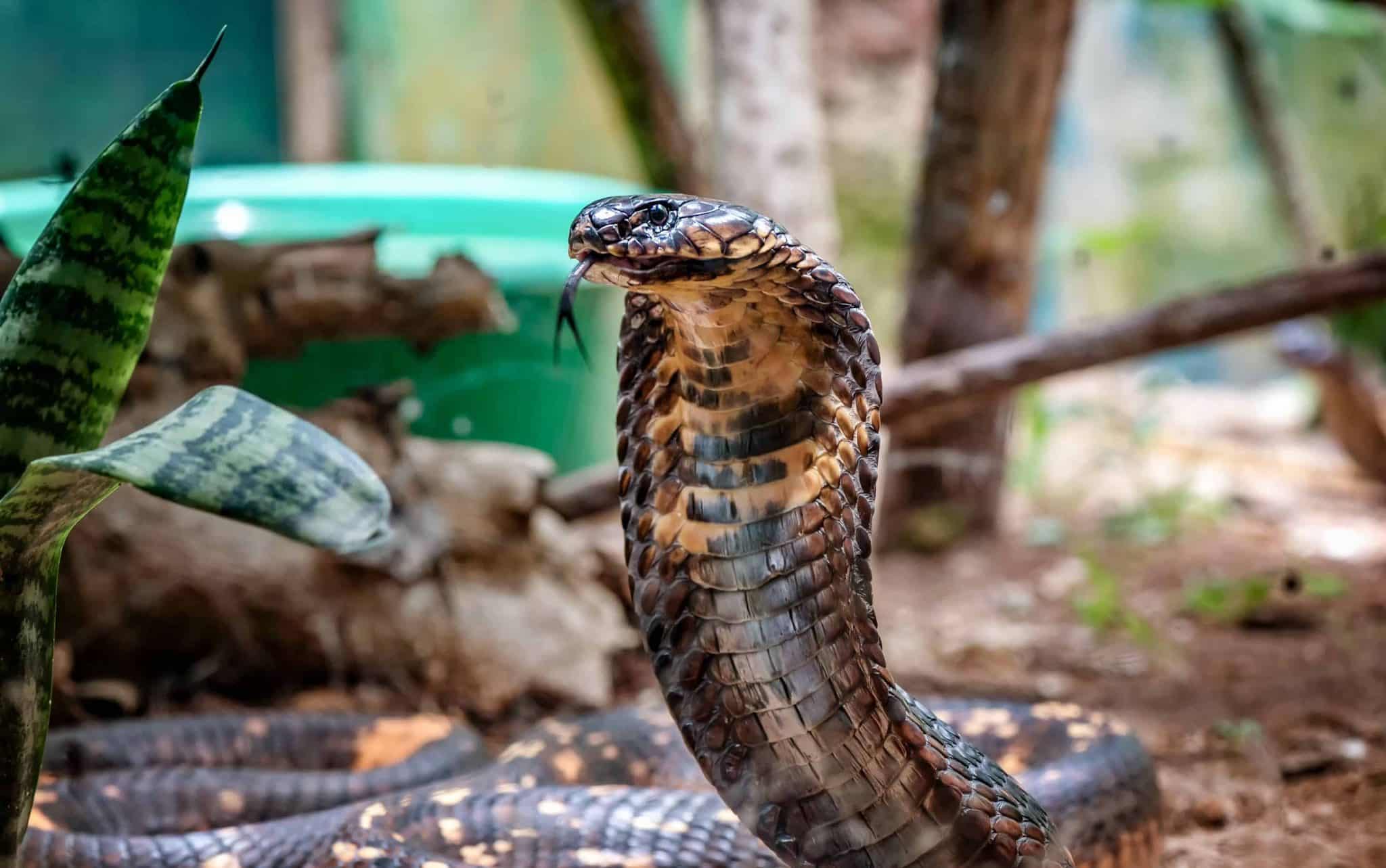
14. King Cobra
Place of Origin: Southeast Asia Regions of Habitat: Forests, grasslands Scientific Name: Ophiophagus Hannah
The King Cobra, scientifically known as “Ophiophagus hannah,” is the world’s longest venomous snake, reaching lengths of up to 18 feet (5.5 meters).
They are renowned for their potent neurotoxic venom; a single bite can deliver enough toxin to kill an elephant or 20 people.
Despite its fearsome reputation, the King Cobra primarily preys on other snakes, showcasing its specialized diet and predatory prowess.
Interesting Fact: King cobras are the only snakes that build nests for their eggs.
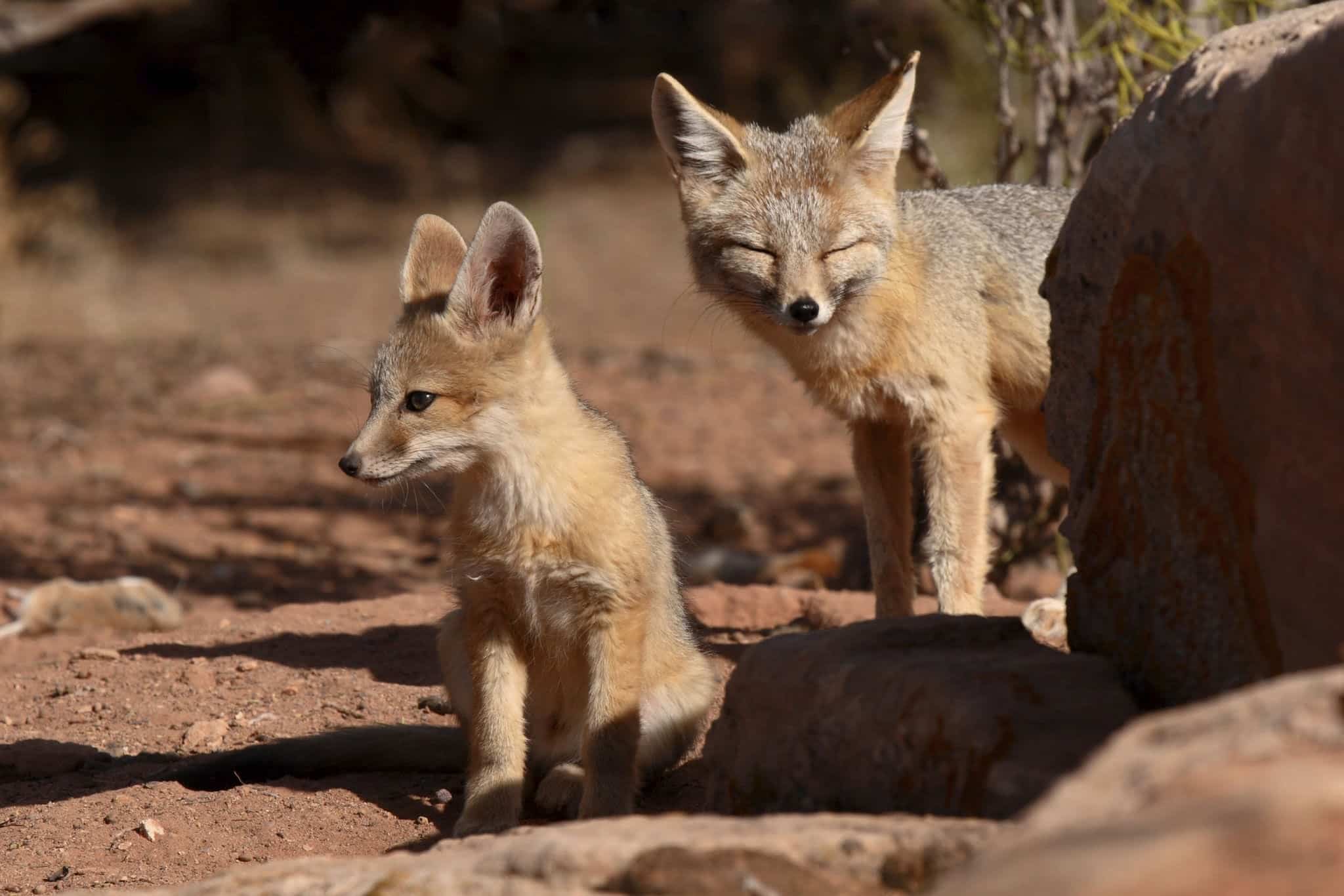
15. Kit Fox
Place of Origin: North America Regions of Habitat: Deserts, scrublands Scientific Name: Vulpes macrotis
The kit fox (Vulpes macrotis) is a small species of fox found in North America’s desert regions.
It has large ears that help dissipate heat and detect prey underground.
Nocturnal kit foxes are typically skilled hunters, primarily consuming small mammals, birds, and insects.
Conservation efforts are in place due to habitat loss and fragmentation threatening their populations.
Interesting Fact: Kit foxes can survive without drinking water, obtaining all the moisture they need from their prey.
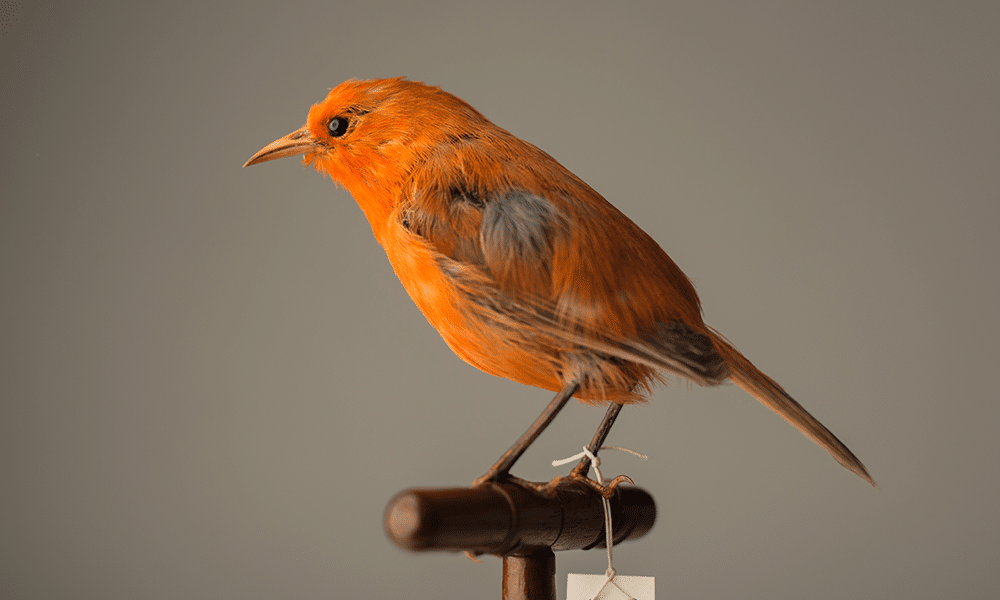
16. Kakawahie
Place of Origin: Hawaii Regions of Habitat: Forests, mountains Scientific Name: Paroreomyza flammea
Kakawahie, also known as the Hawaiian Stilt, is a slender, long-legged bird native to Hawaii’s wetlands and coastal areas.
It boasts a distinctive black-and-white plumage, with long, pink legs adding to its elegant appearance.
This species is primarily carnivorous, feeding small aquatic creatures like insects and crustaceans.
Conservation efforts are crucial for the Kakawahie due to habitat loss and other threats.
Interesting Fact: The kakawahie is one of the rarest birds in Hawaii, with only a few hundred individuals remaining.
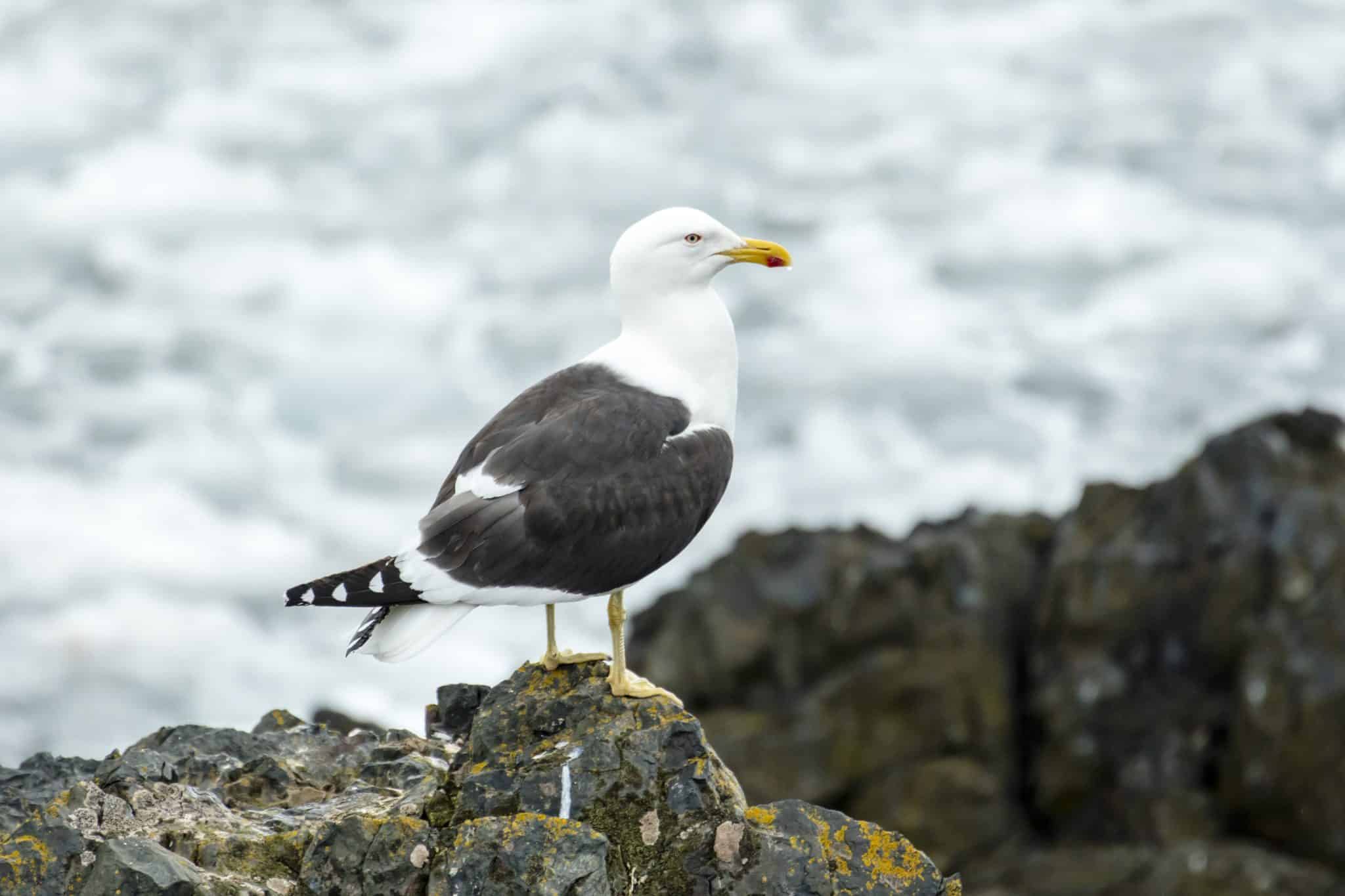
17. Kelp Gull
Place of Origin: Coastal regions worldwide Regions of Habitat: Coastlines, islands Scientific Name: Larus dominicanus
The Kelp Gull is a large seabird found mainly in the Southern Hemisphere.
It has a black and white plumage with a yellow bill and legs. These gulls are opportunistic feeders, often scavenging for food along coastlines.
They are known for their loud calls and adaptability to various marine environments.
Interesting Fact: Kelp gulls are opportunistic feeders and often scavenge food from human settlements.
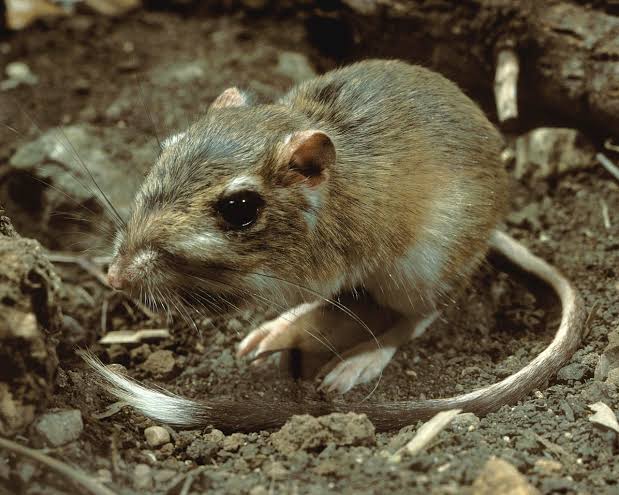
18. Kangaroo Rat
Place of Origin: North America Regions of Habitat: Deserts, grasslands Scientific Name: Dipodomys spp.
The kangaroo rat is a small rodent native to North America’s deserts.
It is known for its remarkable agility and can leap up to nine feet in a single bound.
Its large hind legs and long tail aid in balance and jumping.
Adapted to arid conditions, it obtains most of its water from the seeds it consumes.
Interesting Fact: Kangaroo rats can survive without drinking water, obtaining moisture from the seeds they consume.
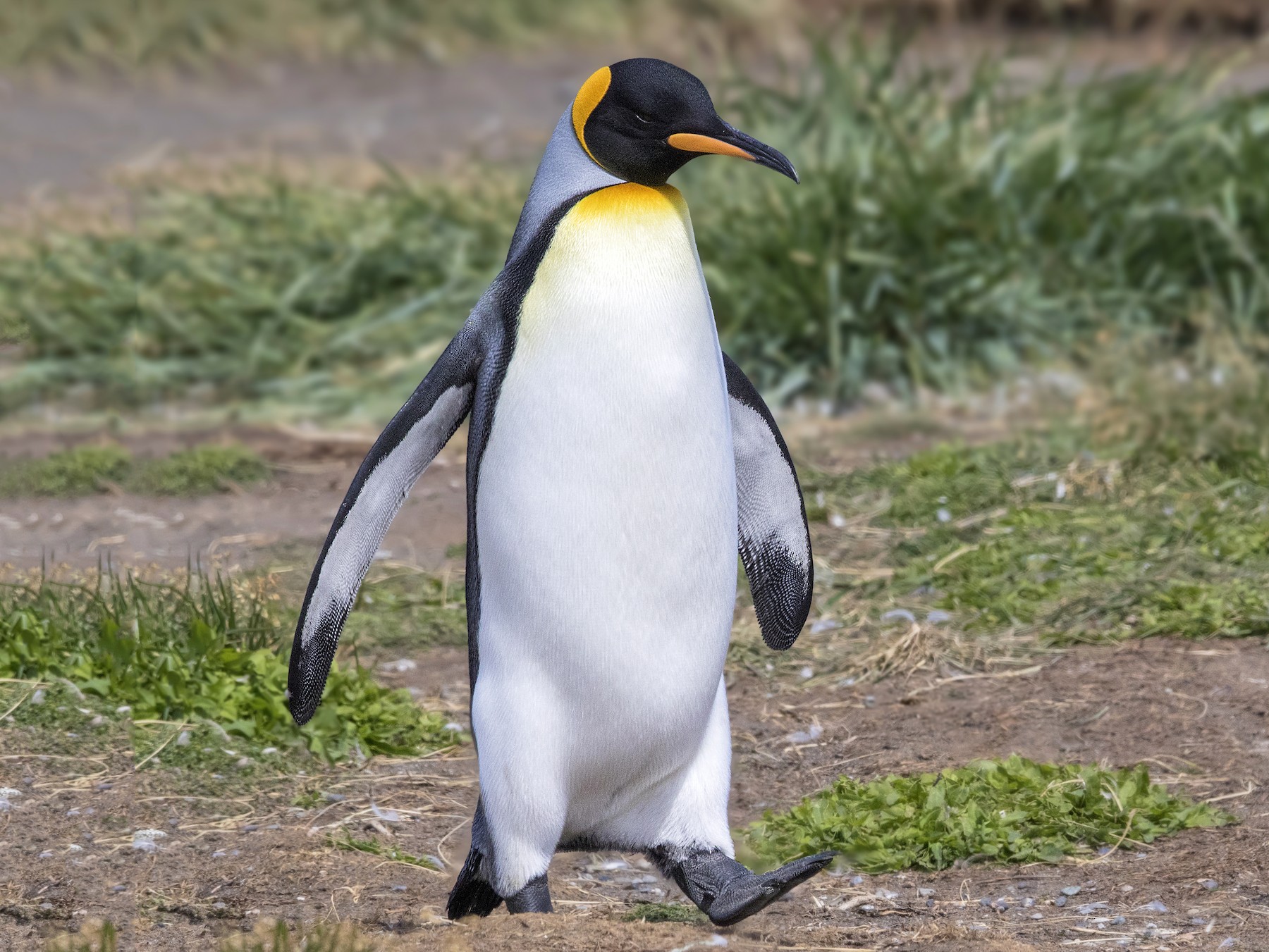
19. King Penguin
Place of Origin: Sub-Antarctic regions Regions of Habitat: Islands, coastlines Scientific Name: Aptenodytes patagonicus
The King Penguin is the second-largest species, surpassed only by the Emperor Penguin.
It has a distinct appearance with a bright orange patch on its neck and upper chest. Native to the subantarctic regions, these penguins are excellent swimmers who can dive to great depths for food.
They form large colonies for breeding purposes and show dedicated parental care for their chicks.
Interesting Fact: King penguins can dive to depths of over 300 meters in search of food.
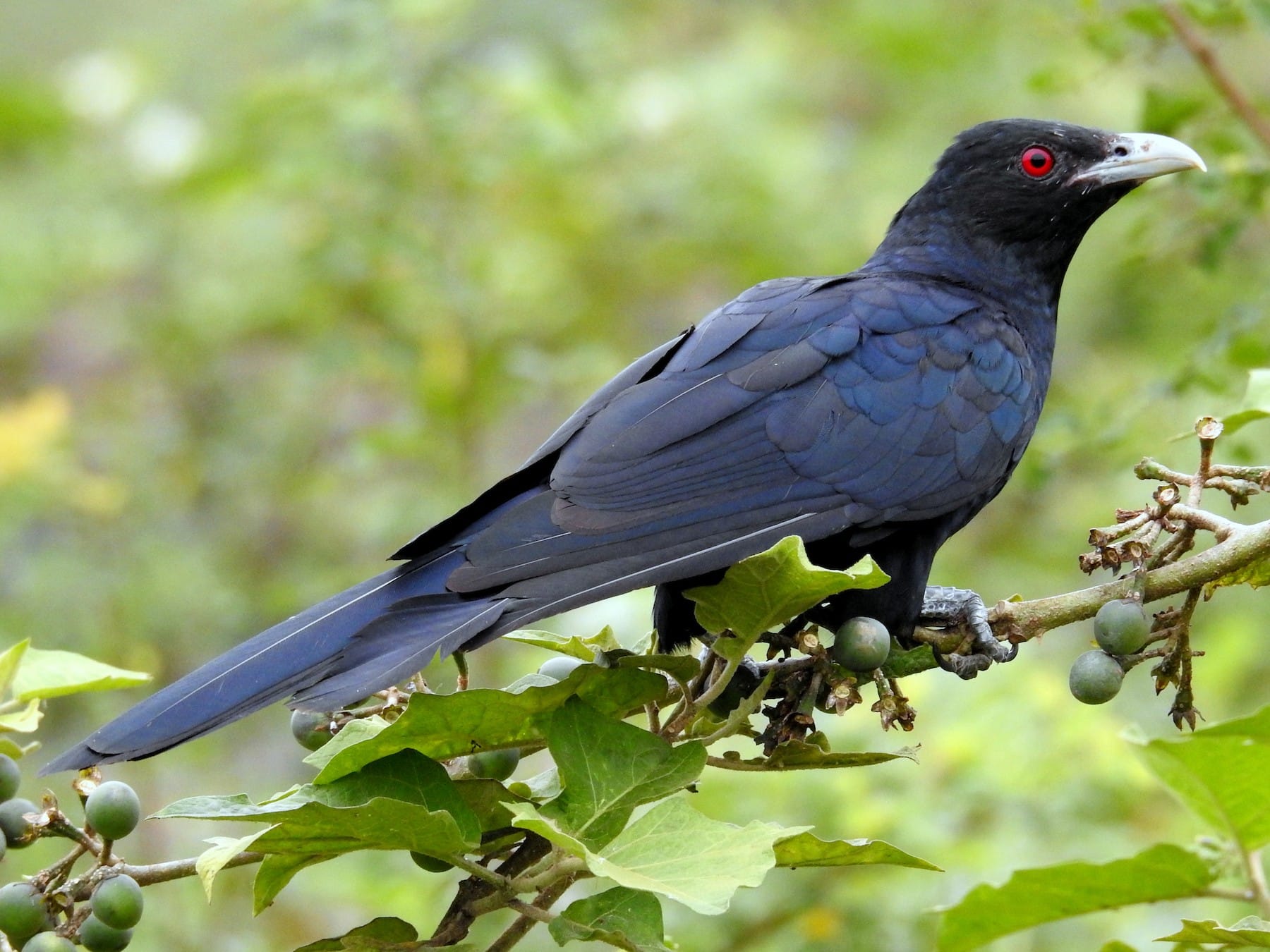
20. Koel
Place of Origin: Asia, Australia Regions of Habitat: Forests, urban areas Scientific Name: Eudynamys spp.
The koel bird, also known as the Asian koel, is a member of the cuckoo family.
Males are glossy black with striking red eyes, while females are brown with a heavily streaked appearance.
They are renowned for their loud and distinctive call, often heard during the breeding season.
Koels primarily feed on fruits, making them essential seed dispersers in their habitats.
Interesting Fact: Koels are brood parasites, laying their eggs in the nests of other bird species.
21. Koala
Place of Origin: Australia Regions of Habitat: Eucalyptus forests Scientific Name: Phascolarctos cinereus
The koala is an iconic marsupial native to Australia. Recognized by its fluffy grey fur, large ears, and distinctive black nose, it spends most of its time in eucalyptus trees.
Koalas primarily eat eucalyptus leaves, providing them with nutrition and hydration.
Due to habitat loss and other threats, they are considered a vulnerable species in the wild.
Interesting Fact: Koalas sleep for 18-22 hours daily due to their low-energy diet.
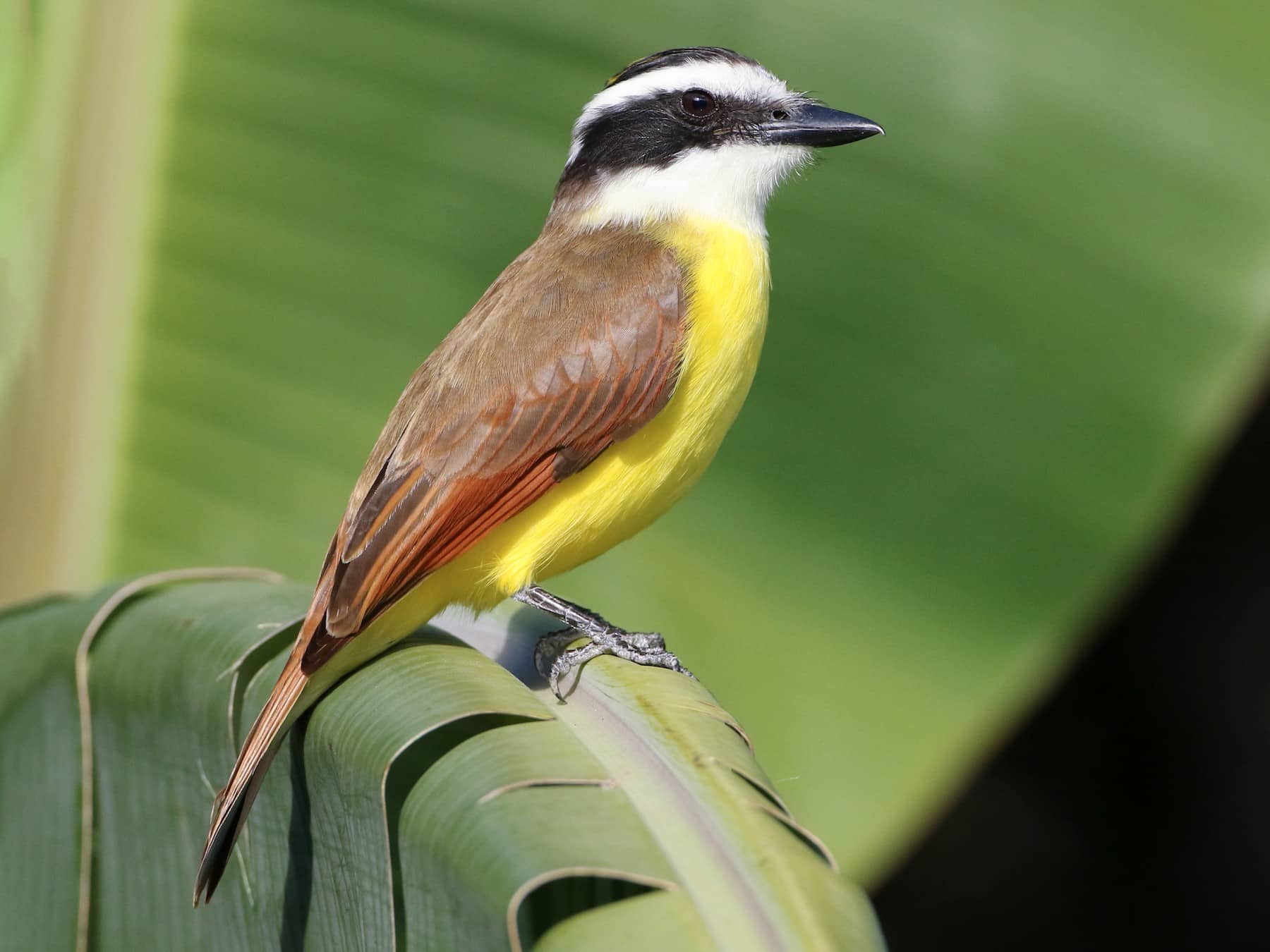
22. Kiskadee
Place of Origin: Americas Regions of Habitat: Woodlands, wetlands Scientific Name: Pitangus spp.
Kiskadees are vibrant, medium-sized birds known for their striking yellow and black plumage.
They have a distinct call often described as “kis-ka-dee,” from which they derive their name.
Native to the Americas, these birds are commonly found in open woodlands, gardens, and urban areas.
Their diet primarily consists of insects, fruits, and small vertebrates.
Interesting Fact: Kiskadees are known for their loud and varied vocalizations, often heard throughout the day.
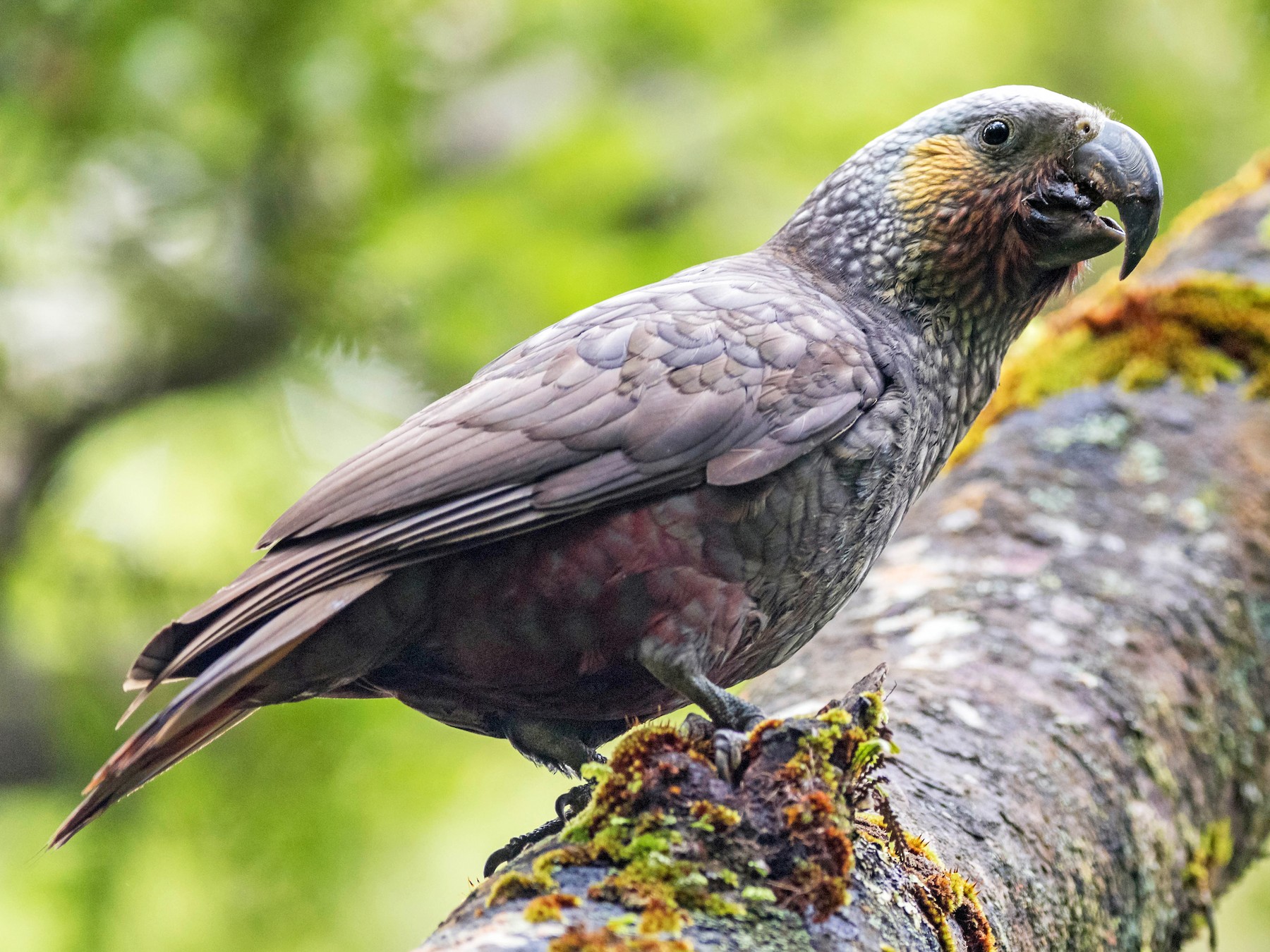
23. Kea
Place of Origin: New Zealand Regions of Habitat: Mountains, forests Scientific Name: Nestor notabilis
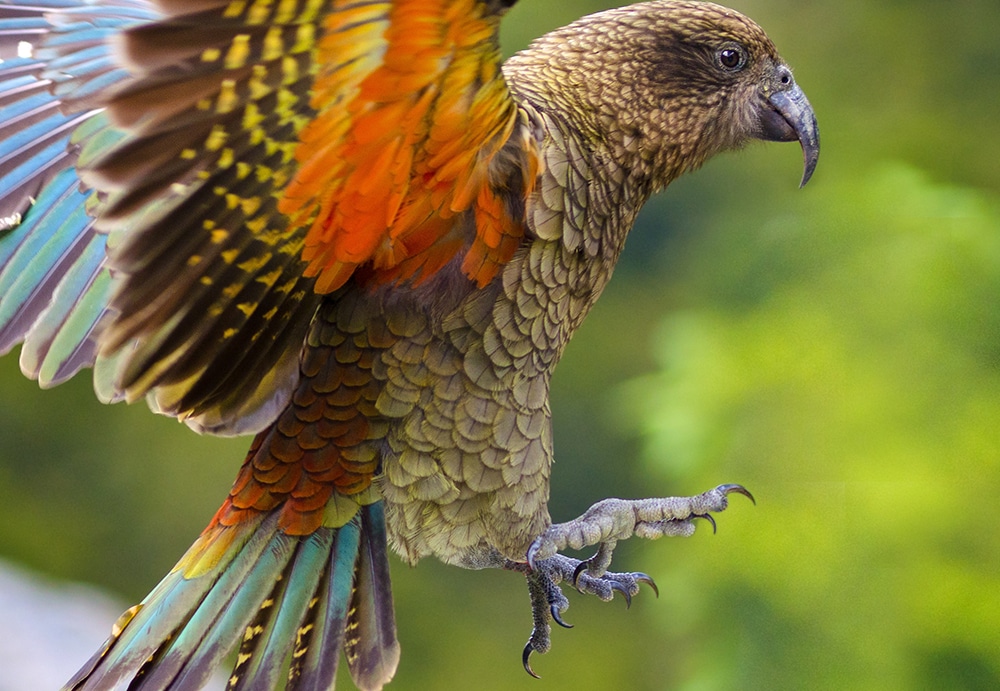
Kea is a species of large, intelligent parrots native to New Zealand’s forested regions.
They are known for their curiosity and playful nature and are adept at problem-solving and using tools.
Keas have vibrant olive-green plumage with bright orange underwings, making them visually striking.
Unfortunately, they are classified as endangered due to habitat loss and predation.
Interesting Fact: Keas are notorious for their mischievous nature, often exploring and sometimes damaging human belongings.
24. King Vulture
Place of Origin: Central and South America Regions of Habitat: Tropical forests, savannas Scientific Name: Sarcoramphus papa
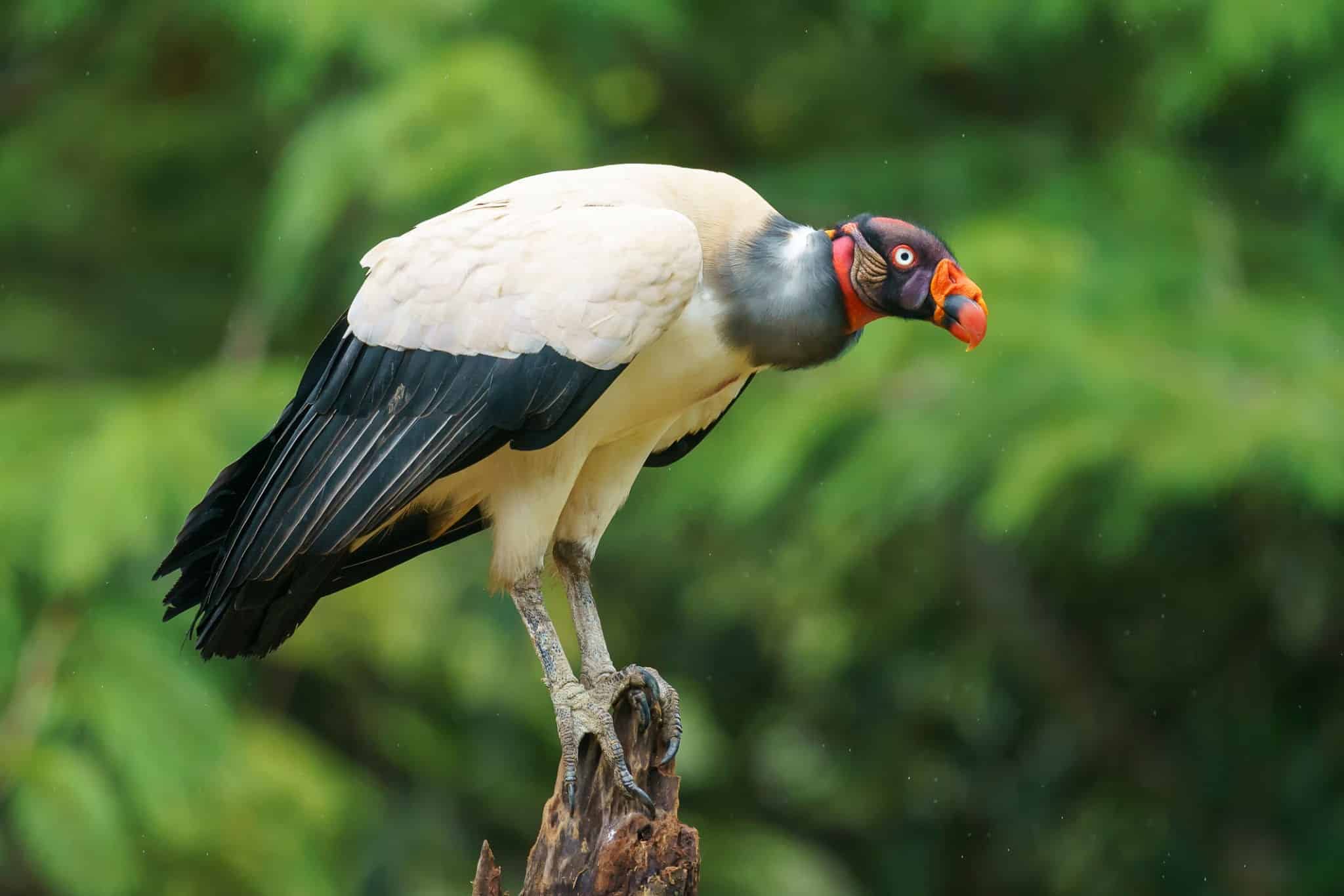
The King Vulture is a striking bird known for its colorful appearance and large size.
Its feathers display a mix of white and black and touches of red, orange, and yellow.
This vulture possesses a powerful beak designed for tearing flesh and plays a crucial role in cleaning up carcasses in its habitat.
They are found in Central and South America. They often soar high in the sky, utilizing thermal currents to glide effortlessly.
Interesting Fact: King vultures have a keen sense of smell, allowing them to detect carrion from great distances.
25. Kelpie
Place of Origin: Scotland Regions of Habitat: Mythical creature Scientific Name: Mythological
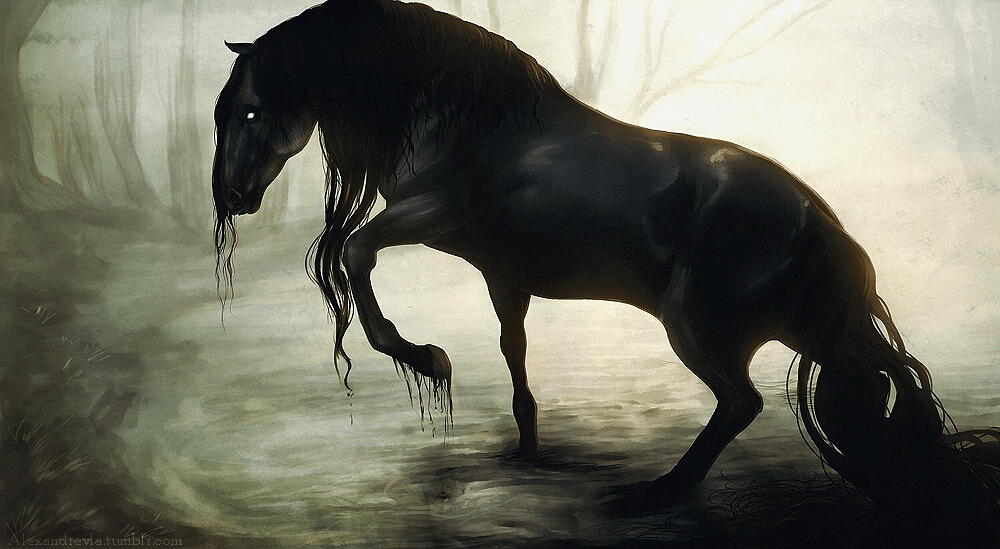
The Kelpie is a mythical water spirit or shape-shifting creature from Scottish folklore.
Often appearing as a horse, it lures unsuspecting travelers, especially children, into water bodies to drown them.
Some tales depict it as a powerful and cunning entity, capable of manipulating its appearance to deceive.
Legend warns of its treacherous nature as a cautionary tale for those venturing near water alone.
Interesting Fact: The legend of the Kelpie is deeply rooted in Scottish mythology, with various tales describing its appearance and behavior.
26. Killdeer
Place of Origin: North and South America Regions of Habitat: Grasslands, shorelines Scientific Name: Charadrius vociferus
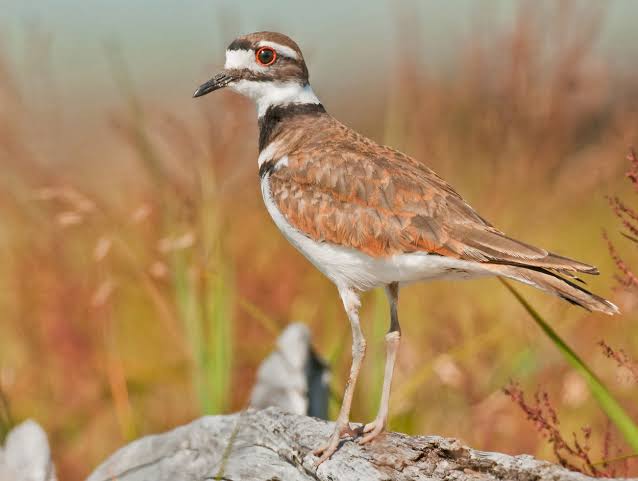
The Killdeer is a medium-sized plover known for its distinctive double breast band.
It has a brownish upper body and a white underbelly. One of its unique behaviors is the “broken-wing display” used to distract predators away from its nest.
Found in open areas like fields and shorelines, the Killdeer is widespread across North and South America.
Interesting Fact: Killdeers often feign injury to distract predators away from their nests.
27. Kiwa
Place of Origin: Deep-sea hydrothermal vents Regions of Habitat: Ocean floor Scientific Name: Kiwa spp.
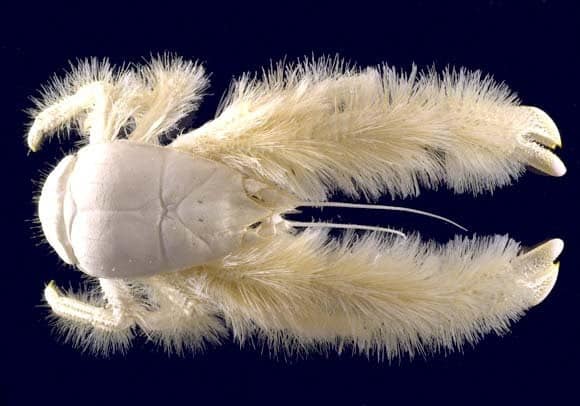
Kiwa is a genus of marine decapod crustaceans known for their distinctive appearance.
These animals are often found in deep-sea hydrothermal vents. They possess striking features, including hairy appendages and large, pincer-like claws.
Kiwa species are adapted to extreme environments, showcasing the wonders of deep-sea biodiversity.
Interesting Fact: Kiwa crabs thrive in extreme environments, with some species living near hydrothermal vents.
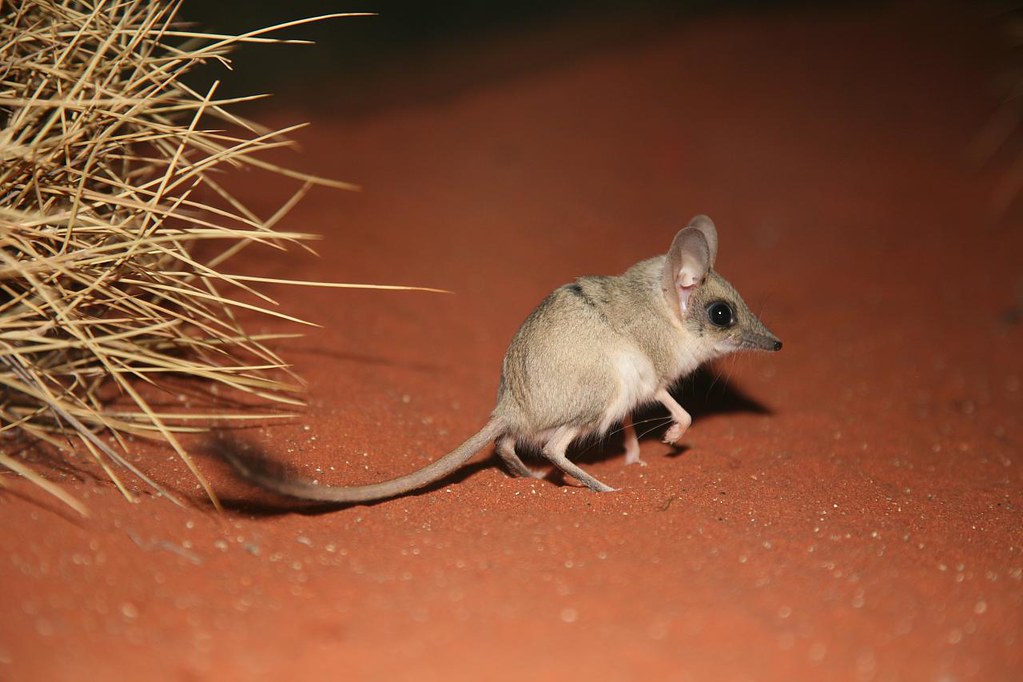
28. Kultarr
Place of Origin: Australia Regions of Habitat: Deserts Scientific Name: Antechinomys laniger
The kultarr (Antechinomys laniger) is a small, nocturnal marsupial native to Australia.
It has a distinctive, sandy-colored fur and a slender, elongated body, allowing it to move swiftly through its arid habitat.
Primarily insectivorous, it preys on various insects and other small invertebrates.
Due to its secretive nature and nocturnal habits, the kultarr is seldom seen by humans.
Interesting Fact: Kultarrs are agile climbers, using their sharp claws to scale trees and rocks.
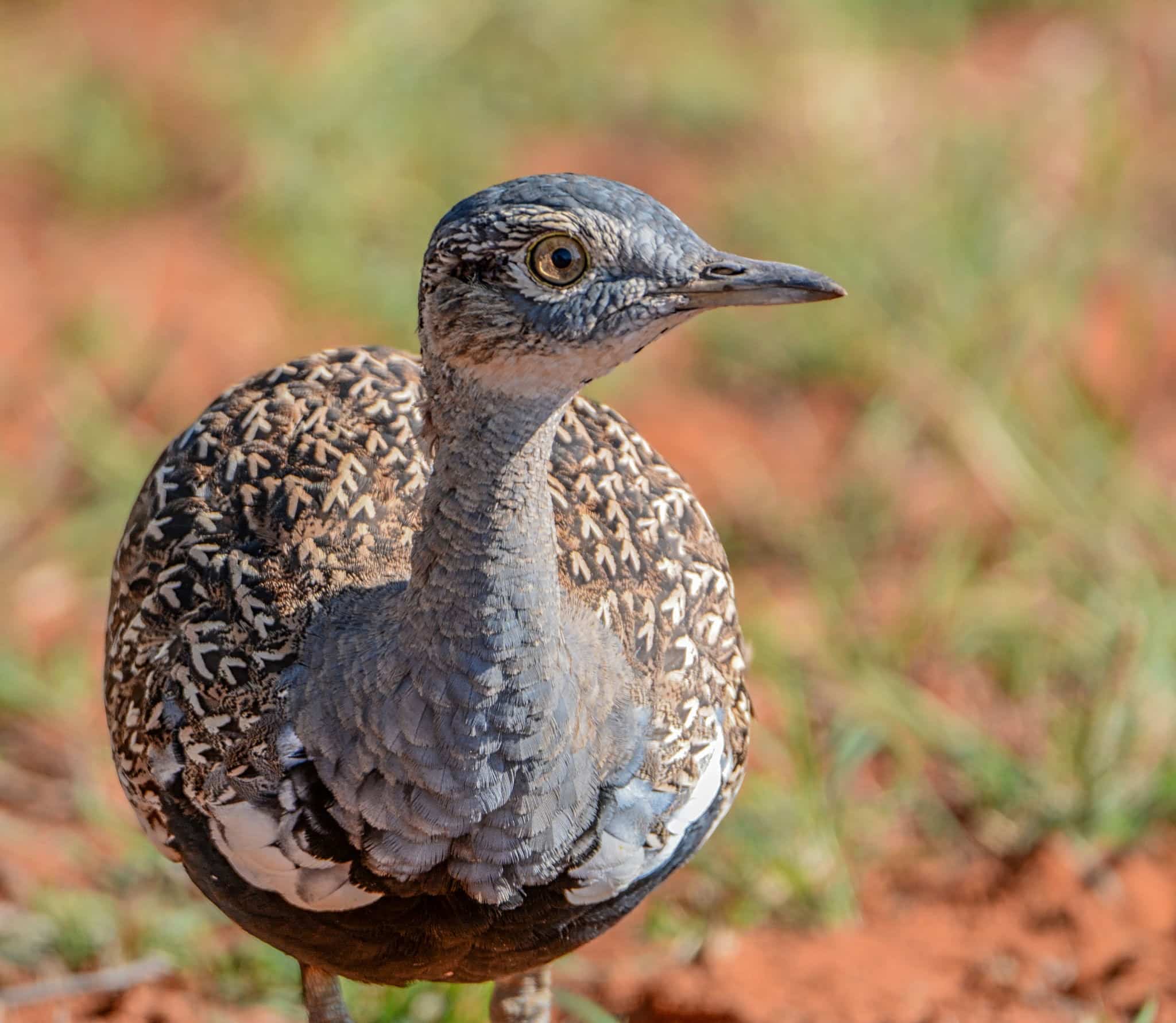
29. Korhaan
Place of Origin: Africa Regions of Habitat: Grasslands, savannas Scientific Name: Eupodotis spp.
Korhaans are large, ground-dwelling birds native to Africa.
They are known for their distinctive booming calls during mating displays. These birds have long legs and strong feet adapted for running rather than flying.
The males often have striking plumage patterns to attract females.
Interesting Fact: Male korhaans have inflatable throat sacs that they use to produce booming calls during courtship.
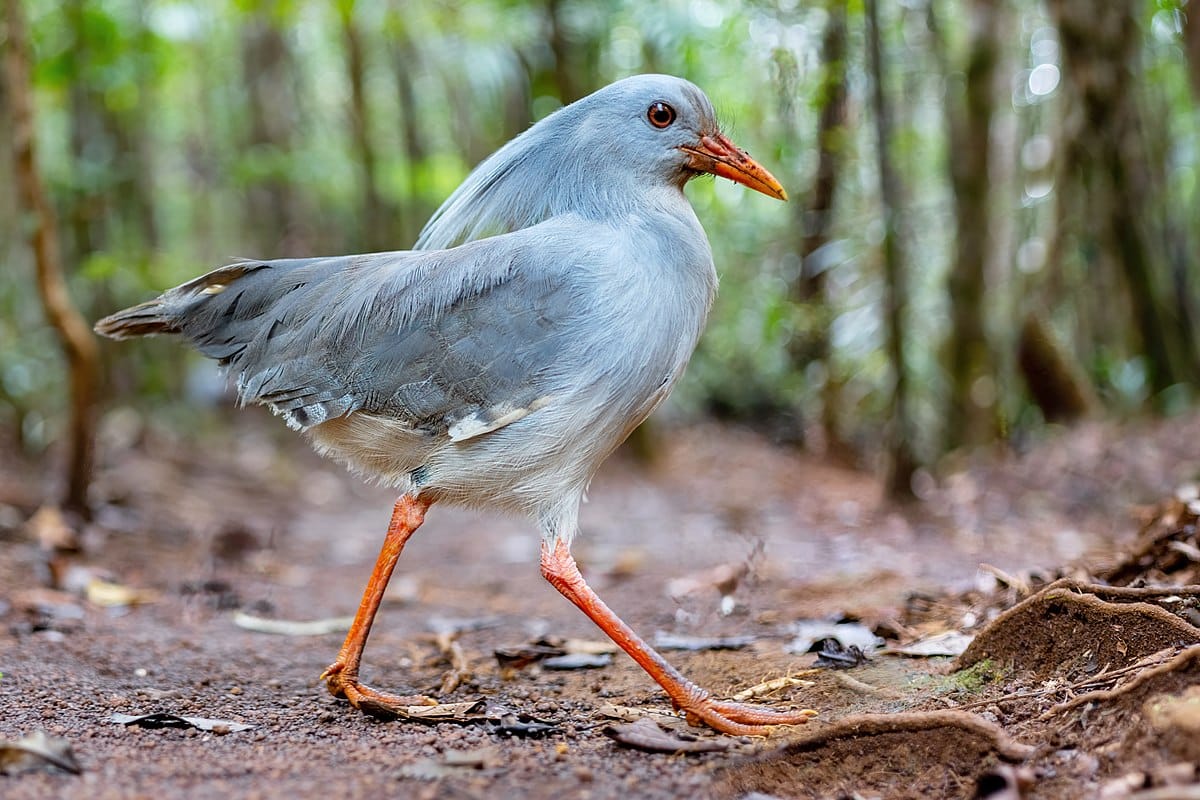
30. Kagu
Place of Origin: New Caledonia Regions of Habitat: Forests Scientific Name: Rhynochetos jubatus
Kagu is a unique bird native to New Caledonia, an island in the South Pacific.
It is known for its striking appearance, with slate-blue feathers, long legs, and an elegant crest.
The kagu is primarily a ground-dwelling bird, foraging for insects and small creatures in the forest.
Unfortunately, due to habitat loss and introduced predators, the kagu is considered endangered, making conservation efforts crucial for survival.
Interesting Fact: Kagus are flightless birds endemic to New Caledonia, making them vulnerable to habitat loss.
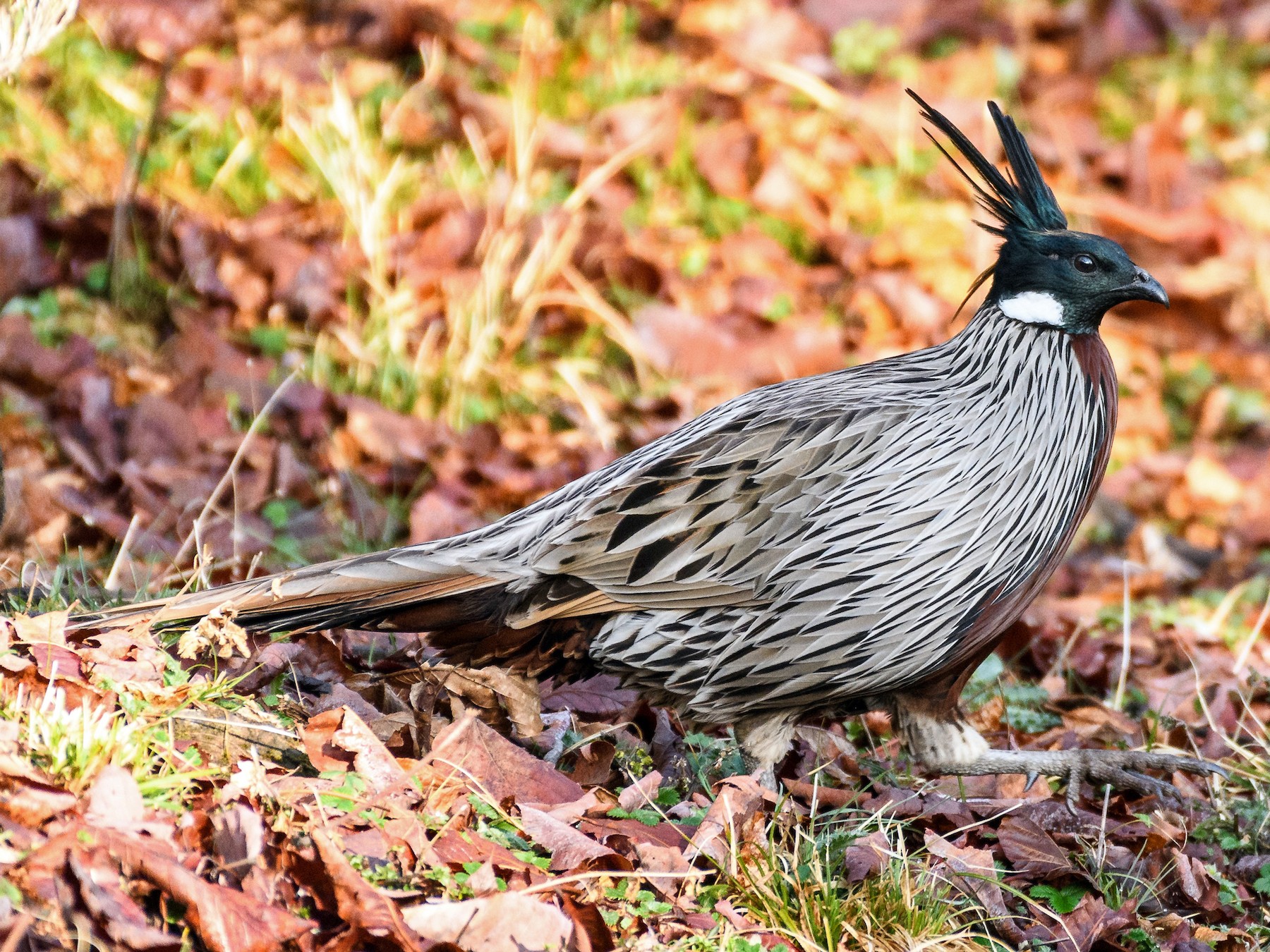
31. Koklass Pheasant
Place of Origin: Himalayas, Asia Regions of Habitat: Forested mountains Scientific Name: Pucrasia macrolopha
The Koklass Pheasant is a medium-sized bird native to the forests of the Himalayas and parts of Central Asia.
It is known for its striking plumage, with males featuring a distinctive blue-grey head and chestnut-brown body, while females exhibit more muted colors for camouflage.
Their diet primarily consists of seeds, berries, insects, and plant matter on the forest floor.
Due to habitat loss and hunting pressures, the Koklass Pheasant faces conservation concerns in some regions.
Interesting Fact: Koklass pheasants are monogamous and form strong pair bonds, often remaining together for life.
32. Kaka
Place of Origin: New Zealand Regions of Habitat: Forests Scientific Name: Nestor meridionalis
Kakapos, also known as “kaka,” are native parrots of New Zealand. They are known for their vibrant green plumage and distinctively long, curved beaks.
Unlike many parrots, kakapos are flightless, spending much time on the forest floor.
Unfortunately, they are critically endangered due to habitat loss and introduced predators.
Interesting Fact: Kaka parrots are excellent climbers, using their strong beaks and claws to grip tree trunks and branches.
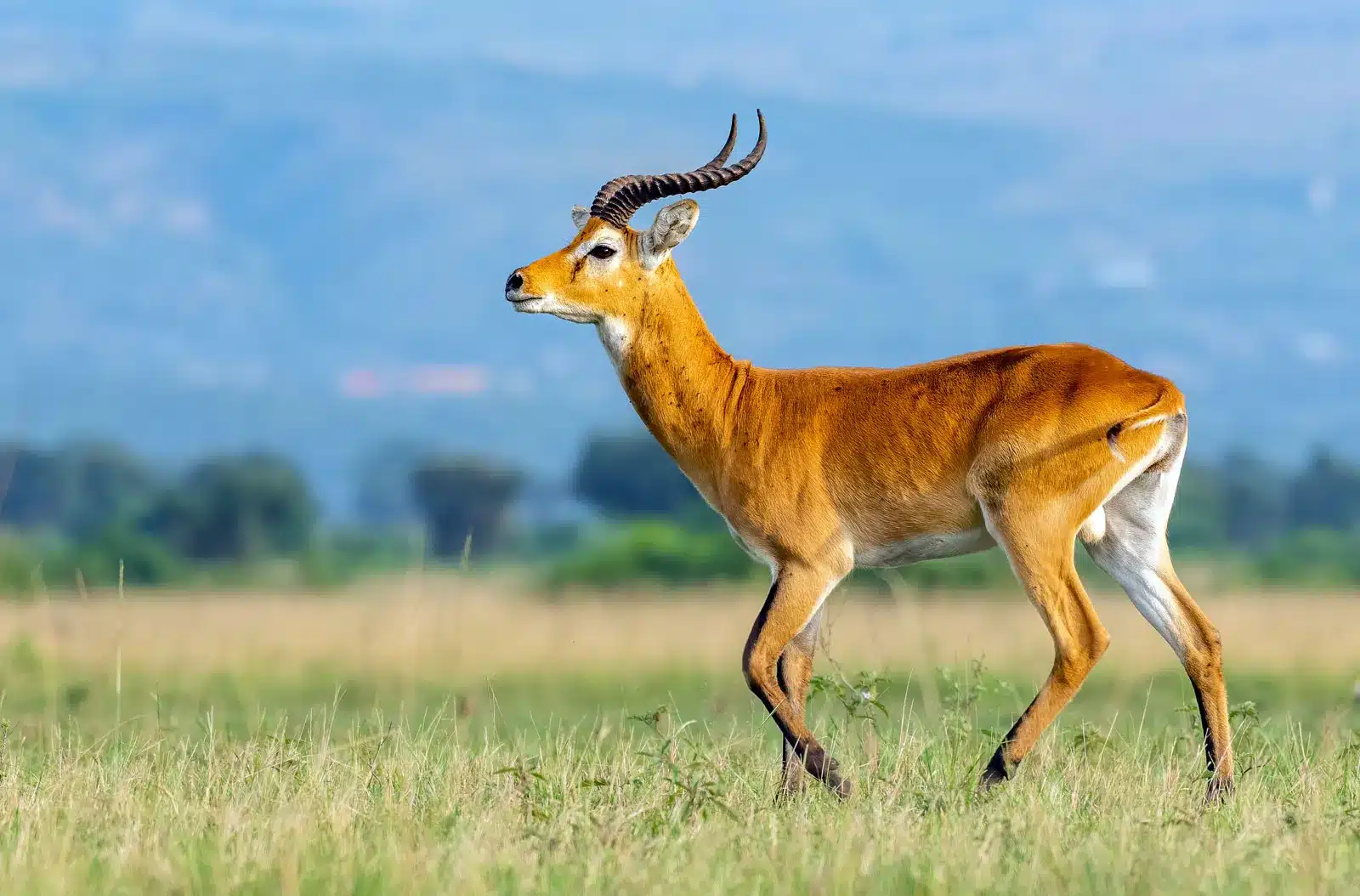
33. Kob
Place of Origin: Africa Regions of Habitat: Grasslands, savannas Scientific Name: Kobus kob
Kob is a term that refers to the kob antelope, native to Africa.
They are known for their reddish-brown coat and distinctive lyre-shaped horns in males. Kob are social animals, often forming large herds for protection.
Their habitat includes grassy savannahs and floodplains, where they graze on grass and shrubs.
Interesting Fact: Male kobs establish territories during the mating season and use visual and olfactory cues to communicate with rivals.
34. Kookaburra
Place of Origin: Australia Regions of Habitat: Eastern Australia, including Tasmania. Scientific Name: Dacelo novaeguineae
The Kookaburra is a large bird species known for its distinctive call, often described as echoing human laughter.
These predatory birds feed on insects, small reptiles, and other birds. They are a popular symbol of the Australian outback with a striking appearance marked by a large head and a stout bill.
Their robust beak aids in capturing prey, while their keen eyesight ensures they spot potential meals from a distance.
Interesting Fact: Kookaburras are not only known for their laughter-like calls but are also territorial birds. They often establish dominance over their territory, and their call warns other birds to stay away.
35. Kangal
Place of Origin: Turkey Regions of Habitat: Sivas Province and neighboring areas in Turkey. Scientific Name: Canis lupus familiaris (domestic dog)
The Kangal is a breed of livestock guardian dog originating from Turkey.
Recognized for its loyalty and protective nature, this breed is adept at guarding livestock, especially sheep, from predators like wolves and bears.
Physically, Kangals possess a muscular build, a dense double coat, and a distinctive black mask around their eyes.
Interesting Fact: The Kangal dog has been declared a national treasure in Turkey. For centuries, their protective instincts and unwavering loyalty have made them invaluable to Turkish shepherds.
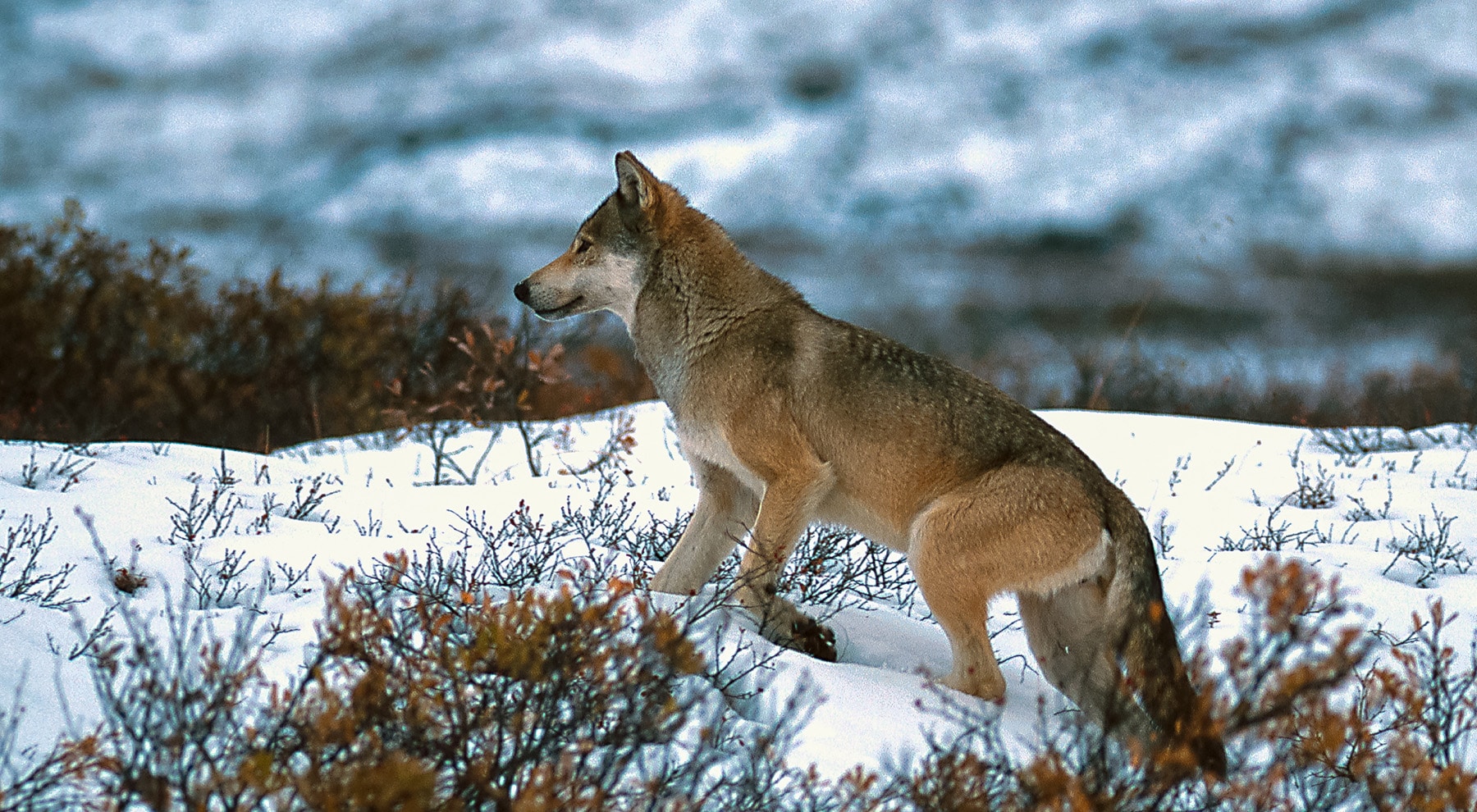
36. Kenai Peninsula Wolf
Place of Origin: Alaska, USA Regions of Habitat: Kenai Peninsula in Alaska. Scientific Name: Canis lupus alces
The Kenai Peninsula wolf is a subspecies of the gray wolf found exclusively on the Kenai Peninsula in Alaska.
They exhibit the typical behaviors and characteristics of wolves, including pack hunting and territorial behaviors.
Their diet primarily consists of small mammals, deer, and sometimes larger prey such as moose.
Interesting Fact: The Kenai Peninsula wolf’s isolation on the peninsula has led to unique genetic adaptations. Their distinct behaviors and characteristics make them a subject of interest for conservationists and researchers.
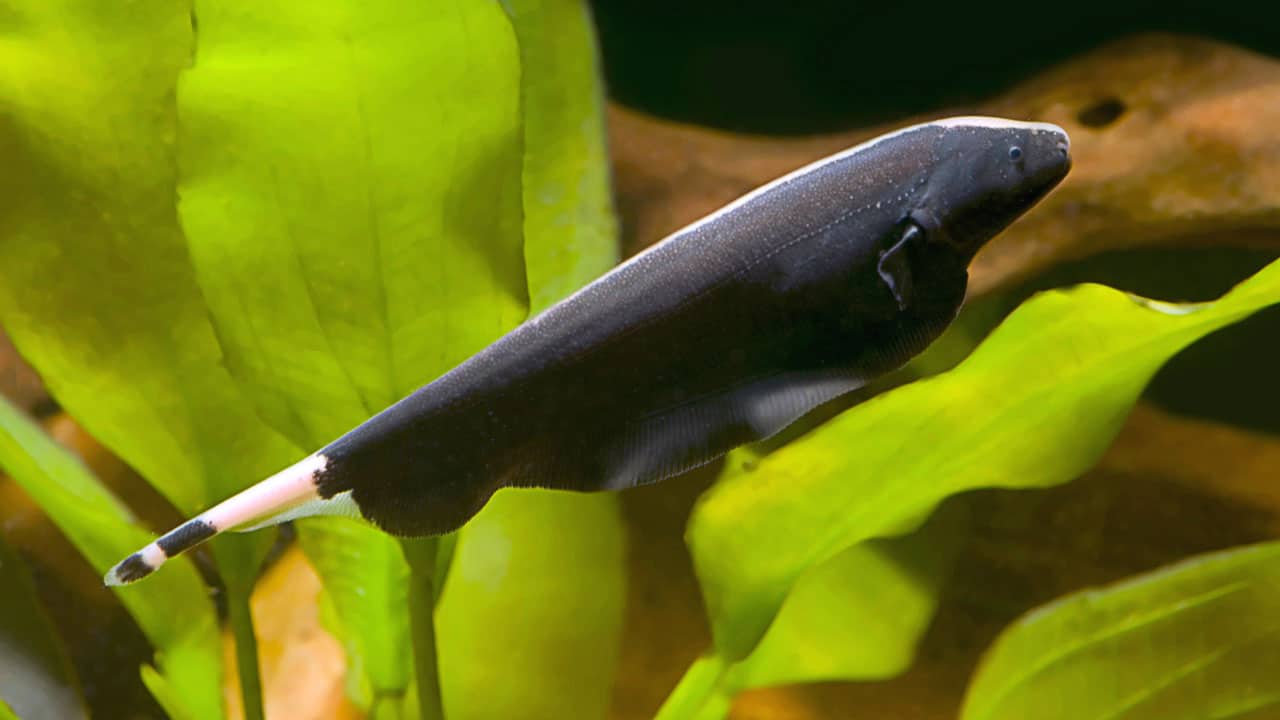
37. Knifefish
Place of Origin: South America, Africa, and parts of Asia. Regions of Habitat: Freshwater rivers and streams. Scientific Name: Gymnotiformes (order)
Knifefish, also known as electric fish, are a diverse group of fish known for their ability to produce electric fields.
These fish use electric fields for navigation, communication, and hunting. They possess elongated bodies and lack dorsal fins.
The electric discharge is produced by specialized cells called electrolytes in their tails.
Interesting Fact: The electric field produced by some knifefish species is so strong that it can stun or kill prey, making them efficient hunters in murky waters.
38. Kulinda Dog
Place of Origin: Siberia, Russia Regions of Habitat: Siberian taiga. Scientific Name: Canis lupus familiaris (domestic dog)
The Kulinda dog is a rare and ancient breed from the Siberian taiga.
They are believed to be one of the oldest breeds of sled dogs, renowned for their endurance and ability to thrive in harsh, cold climates.
Physically, they possess a thick double coat, erect ears, and a bushy tail.
Interesting Fact: The Kulinda dog’s unique genetics and adaptations to the cold Siberian environment make them invaluable to local communities for transportation and companionship.
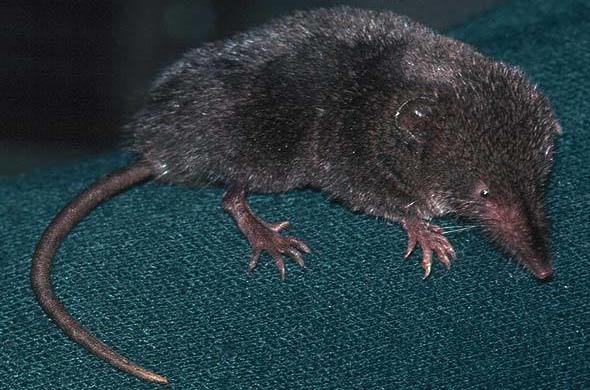
39. Kakamega Forest Shrew
Place of Origin: Kakamega Forest, Kenya Regions of Habitat: Kakamega Forest and surrounding areas. Scientific Name: Myosorex varius
The Kakamega Forest Shrew is a small mammal species endemic to the Kakamega Forest in Kenya.
These shrews have a slender body, long snout, and a short tail.
They primarily feed on insects and small invertebrates found within the forest floor.
Interesting Fact: Due to the fragmented nature of their habitat and human activities, the Kakamega Forest Shrew is considered vulnerable. Conservation efforts are underway to protect this unique species.
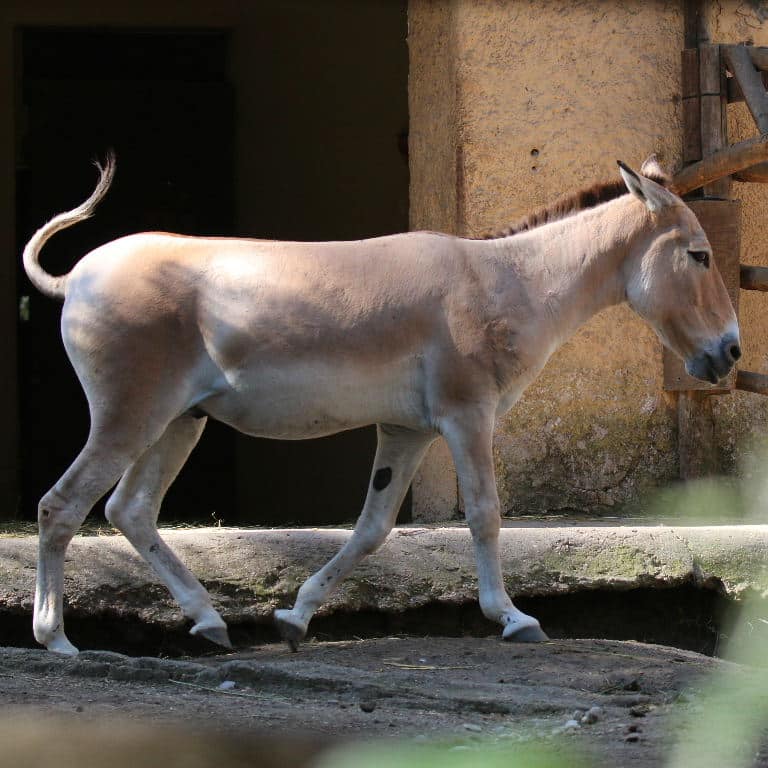
40. Khulan (Wild Asian Ass)
Place of Origin: Central Asia Regions of Habitat: Steppes and deserts of Central Asia. Scientific Name: Equus hemionus
The Khulan, also known as the Wild Asian Ass, is a species of wild equid native to Central Asia.
They resemble a small horse with a sandy-brown coat, short mane, and long ears.
Khulans are herbivorous, feeding on grasses and shrubs in their arid habitats.
Interesting Fact: The Khulan are known for their remarkable ability to survive in harsh desert environments, where they can go for long periods without water, obtaining moisture from their food.
Final Thoughts
Each animal, from Kangaroo to Khulan, has shown us the world’s diversity. As parents, we know how important it is to nurture our children’s curiosity about animals.
So, perhaps schedule a visit to the local zoo to see some of these animals up close or a nature hike to explore the habitats they call home.
Whatever you choose, keep encouraging your kids to ask questions, make observations, and share their experiences with others.
Comment below; which animal intrigued you the most? We are waiting to hear from you.
Rest assured, we have got your back! Today, we will repurpose DIY advent calendars with more creativity. Let’s begin!
What is the Importance of Repurposing Advent Calendars?
Undoubtedly, advent calendars bring us a daily dose of joy. They spread joy during the holiday season, birthday countdowns, or ceremonies.
However, they also generate a lot of waste. We blame the single-purpose effect of these calendars for making them flop.
Kilos of plastic, cardboard, and paper are in landfills right after the holidays. This situation calls for our immediate attention and a sustainable solution.
Therefore, here are a few fun, creative, and intelligent ways to repurpose our advent calendars.
Best Ways to Repurpose Advent Calendars
Yes, you heard that right. It is possible to repurpose the advent calendars you crafted earlier.
Here are the 7 best ways to give our favorite DIY a new life!
1. Shred to Make Confetti
The easiest way to recycle an advent calendar from last year is to shred it. This process will be easy for paper calendars. Hand-written notes, a calendar, a shopping bag, hand tags, or a paper bulb DIY advent can be shredded.
The upcoming new year, birthday, or anniversary will be snowy with artificial paper confetti.
2. Create Personalised Gift Cards
Is there a cartoon, superhero, or character figure you love from an old advent calendar? If so, it’s time to cut out their shape and paste it on your New Year card. An all-new card is ready to be someone’s gift.
However, you can still create a birthday card for your friends and family if you are way past the New Year.
3. Make Handmade Papers
Use the colorful papers from an old advent calendar to create new crafts. Cut them into any desirable shapes, make origami, or use them to make hand-made papers.
There is no limit to upcycling old paper. The sky becomes your limit as you allow yourself to imagine. We love reusing old papers to hand-make new ones at home.
4. Create a Storage Organizer
Creating a storage organizer is easy if you have a wooden box advent calendar from last year. Arrange those numbered wooden boxes and scrape out their paint. Apply a fresh coat of new color and name them.
An all-new storage organizer is ready! Repurpose these wooden boxes to store pins, dainty jewelry, art supplies, and more.
5. Manual Daily Goal Motivator
Repurpose an old advent calendar smartly to make it your new daily goal reminder. Staying motivated is tough. Therefore, you can pre-plan and write energizing and motivating quotes on the dates.
It will remind you of your strengths and motivate you to try consistently. You will be surprised to see how quickly you have achieved a set goal.
6. Gratitude Box
If you have yet to be aware of the power of gratitude, it is time to start a new habit. Recycle an old advent calendar to create a new gratitude box. Paste fresh envelopes under each date, and you can begin.
Before going to bed, write five things that you are grateful for. It can be anything from food to new clothes, good news, or surprise visits from a friend.
7. Create New Art
Art knows no boundaries. Use the power of your imagination to create a beautiful, quirky, or new artistic decor for your bedroom. Paint the old advent calendar and paste some beads, glitter, or pastel shades of your choice.
You can always look for creative ideas on the internet and seek fresh inspiration. Maybe it is time to let your fun side shine bright!
Top Eco-Friendly Advent Calander Ideas
Craft does not necessarily have to produce waste. Therefore, here are three fantastic and sustainable advent calendar ideas for you.
1. Mason Jar Advent Calander
Collect old mason jars and clean them. Now, fill the jars with sweet treats, marshmallows, glitter, notes, or cookies. Number their tin lids, and your sturdy new advent calendar is ready!
Open one jar every day and enjoy your festive countdown.
2. DIY Beer Bottle Calendar
Reuse your old beer bottles to make advent calendars. Now, clean the bottles and paint them. Tie wollen threads around their necks and number each one using glitter dust.
You can hang these bottles from a wooden or iron rod and enjoy a creative festive countdown. Do not forget to play with the shapes and sizes of these bottles for an extra dose of creativity.
3. Candle Advent Calander
Celebrations demand lights. Candles tick off both sustainability and creativity. Use the old method of carving numbers on thick, colorful candles. You can burn one as you patiently wait for the final celebration.
Summing It Up
Saying goodbye to the holiday season does not have to limit the use of advent calendars. There are creative ways to repurpose these crafts and prevent them from generating waste.
Where there is imagination, there is a way! Ideas like making confetti, storage boxes, gratitude envelopes, and cards help us transform old calendars.
In a way, it is our small contribution to promoting eco-consciousness and a healthy planet.
How do you plan to repurpose old advent calendars? Comment below and share your story with us.
If you are wondering how to create a geography quiz so that your students or your kids (if you are a parent) can learn this subject easily, you have come to the right place!
Geography is not just about knowing the names of countries and their capitals. The scope of geography as a subject is wide, ranging from knowing a place’s physical features to cultural phenomena.
An educational geography quiz for kids can be a good way to assess knowledge and promote competitive learning among the students. So, how do you craft one that’s both informative and engaging?
Let’s dive in!
Process of Creating an Educational Geography Quiz for Kids
1. Define Your Objective
Defining your objective is crucial when creating an educational geography quiz. This step sets the outline of your quiz.
Ask yourself: Are you gauging general knowledge of the kids or want them to learn about a particular region? The objective will help tailor the quiz’s content and format to engage participants best.
So, whatever your intention is, a clear objective ensures cohesiveness and relevance in your quiz.
2. Choose a Format
Choosing the right format for your geography quiz is crucial for engaging the kids.
For instance, multiple-choice questions are simple and clear, making them ideal for a larger audience. Fill in the blanks challenges the kids to think and helps them develop active recall.
Meanwhile, short answer or essay formats dive deeper, demanding more understanding of concepts by the kids and also require more effort.
Select a format that aligns with your objective, audience, and the depth of knowledge you wish to assess.
There are several quiz formats to consider:
Multiple Choice: Easy to grade and offers options to the participants.
True/False: Quick and straightforward, but ensure statements are not too misleading.
Fill in the Blanks: Tests specific knowledge but requires precise answers.
Matching: Connect terms or places with their correct descriptions or locations.
Short Answer/Essay: Allows for more in-depth responses but can be more challenging to grade.
3. Select the Right Topics
When selecting topics for a geography quiz, it’s important to know the depth of the subject.
Since geography is very wide and divided into several disciplines, its crucial to know what you want to test in the kids and how deep you want to go.
For insane, physical features like mountains, rivers, and deserts test how much the kid knows about the physical world and its formation.
Cultural aspects, including languages, traditions, and landmarks, can provide insights into human relationships.
Ultimately, the chosen topics should align with the quiz’s objective and help the kids learn more.
4. Craft Questions with Care
Ensure that the questions that you choose are clear, and fair, and should add to the educational value of the kids.
If the questions are not clear in one read, those questions should be framed better, or replaced altogether.
Also, make sure that the quiz is really balanced. In other words, offer a mix of easy, moderate, and challenging questions to help the kids gain knowledge on various levels.
When using visuals like graphs, maps, or charts, ensure they are clear and relevant. Visuals should help with understanding the question better rather than confusing participants.
You should also review questions several times to avoid any errors or potential confusion. Remember, the goal is not just to test the students but to also educate them.
5. Include Fun Facts
You can also try to include fun facts in your geography quiz. This will add a fun element and help the kids tackle the quiz calmly.
For instance, a fun fact like “Did you know that Canada has the world’s longest coastline, stretching over 202,000 kilometers?” Or that “Russia spans 11 time zones?”
These facts keep the test exciting and help the kids delve deeper into the world of geography.
6. Pilot Test Your Quiz
Pilot testing is crucial before giving out your geography quiz to your kids/students. To pilot test your quiz, start with a small group that represents your target audience and have them take the quiz.
Observe their responses and note any areas of confusion they face. This will give you invaluable feedback which will allow you to refine your questions better.
It ensures that when your quiz reaches its final audience, the quiz remains engaging, accurate, and achieves its intended objectives.
7. Make it Interactive
Keeping your quiz interactive can hold the attention of the kids longer and help the test not get monotonous after a while.
For instance, if the test is held digitally, then you can integrate maps where participants can pinpoint locations or drag-and-drop country names.
Use platforms like Kahoot! or Quizizz and create a gamified experience, where real-time scoring and leaderboards are visible to engage the kids.
Additionally, try incorporating bonus rounds or trivia questions into your quiz.
Therefore, by using technology, you can transform a standard quiz into an immersive learning quiz, with more engagement and enthusiasm for geography by the kids.
8. Review and Revise
After crafting your geography quiz, revisiting it with fresh eyes is essential.
Consider feedback, update outdated information, and adjust question phrasing for clarity.
By embracing this approach, you’re not only making the quiz better but also enhancing its educational value for the kids.
9. Promote Learning, Not Just Testing
Promoting learning goes beyond mere testing. In fact, learning should be the aim of testing and not the other way around.
Start by encouraging participants to ask questions, and encourage them to explore topics beyond the quiz.
Remember, the goal isn’t just to measure what’s known but to make the kids passionate about learning geography.
Conclusion
And there you have it, the whole process of making a quiz. As you can see, its not rocket science, but there are some crucial factors you need to know to get the best possible outcome for your quiz-making.
We clearly know now that crafting an educational geography quiz is more than just picking up random geography questions; it’s about encouraging learning and not rote learning.
Therefore, with careful planning and a bit of creativity, you can design quizzes that challenge, educate, and inspire the kids.
Learning games play a pivotal role in the dynamic world of child development. These games are more than just a source of entertainment; they are key tools in fostering a child’s cognitive, social, and emotional growth. By integrating educational concepts into playful activities, learning games transform the daunting task of acquiring new skills and knowledge into an enjoyable experience.
The beauty of educational games lies in their versatility. They make learning engaging and interactive, appealing to children’s curiosity and desire to play. Whether mastering basic math skills, exploring language and literacy, or developing problem-solving abilities, these games provide a foundation that supports various aspects of a child’s development.
Recognizing the immense value of these educational tools, this blog aims to present a carefully curated list of 10 fun and educational learning games. Whether you’re a parent, educator, or caregiver, this list is designed to help you choose the right games to enrich the learning experience of the children in your care.
SplashLearn is an innovative and interactive educational platform designed for children aged 3-10. At its core, SplashLearn is a comprehensive learning resource that offers various educational tools, including engaging ElA and math games, printable worksheets, and live classes. These resources are meticulously crafted to teach children essential early skills in math and reading. The platform stands out for its adaptive algorithm, which tailors the learning experience to each child’s individual pace and level of understanding. This personalization ensures that learning always aligns with the child’s current abilities and challenges. Additionally, SplashLearn’s progress tracking feature is a key component, providing parents and educators with insightful feedback on the child’s learning journey. This feedback allows for a more targeted approach to education, ensuring every child can achieve their full potential in a fun and engaging environment.
2. ABC Mouse: Early Learning Academy
ABC Mouse: Early Learning Academy is an all-encompassing online program for children between 2 and 8 years old. It covers various subjects, including reading, math, science, and art. The platform uses a step-by-step learning path that includes games, animations, books, and puzzles, making it a comprehensive tool for early childhood education.
3. Math Bingo
Math Bingo transforms the classic bingo game into a fun, educational experience for kids aged 4 to 10. It challenges children to solve math problems across different difficulty levels to complete their bingo cards. This game is excellent for reinforcing math skills like addition, subtraction, multiplication, and division in an entertaining and engaging way.
4. Endless Alphabet
Endless Alphabet is an interactive game for young learners aged 2 to 5. It introduces children to the alphabet and vocabulary through fun, animated word puzzles. Each word has playful characters and sounds, making the learning process delightful and effective. This game is perfect for building a strong foundation in language and literacy skills.
5. DragonBox Series
The DragonBox Series is a collection of innovative games introducing children aged 4 to 9 to fundamental math concepts. This series covers a range of topics from numbers and algebra to geometry. The games use intuitive and playful methods to teach complex concepts, making math accessible and enjoyable for young learners. The engaging gameplay ensures that children absorb mathematical principles almost without realizing they are learning.
Osmo’s Genius Starter Kit is a groundbreaking game system that blends physical play with digital technology for children aged 6 to 10. This kit includes various games covering math, spelling, and drawing. It encourages hands-on participation and interactive learning, making it a unique tool for developing cognitive and fine motor skills. The Osmo system is particularly notable for its ability to bridge education’s physical and digital worlds.
7. ScratchJr
ScratchJr is an introductory programming platform for young children ages 5 to 7. This game allows kids to create interactive stories and games by snapping together graphical programming blocks. It introduces basic coding concepts and fosters creativity, logical thinking, and problem-solving skills. ScratchJr is an excellent way for children to take their first steps into computer programming in a fun and age-appropriate way.
8. Stack the States
Stack the States makes learning about U.S. geography enjoyable for children aged 7 to 12. In this game, players learn state capitals, shapes, geographic locations, and flags to stack states to reach a set goal. It’s an engaging way to teach children about the United States, enhancing their knowledge of geography and state-related facts. The game’s interactive and visually appealing format makes it a hit among kids keen to learn more about their country.
9. Toca Lab: Elements
Toca Lab: Elements is a whimsical exploration game for children aged 6 to 8. It serves as an introduction to the periodic table and fundamental chemistry concepts. Kids experiment with different elements in this game, discovering their properties through playful interactions. The game’s intuitive and child-friendly design makes complex scientific ideas accessible and engaging, sparking curiosity about chemistry in young minds.
10. Reading Eggs
Reading Eggs is an expansive online program tailored to assist children aged 2 to 13 learn to read. The program encompasses various interactive games, guided lessons, and activities designed to enhance reading skills at every level. From phonics to comprehension, Reading Eggs makes learning to read an enjoyable and rewarding experience. Its structured, step-by-step approach is effective in building strong literacy foundations.
11. BrainPOP Jr.
BrainPOP Jr. is a comprehensive educational platform catering to kindergarten through third-grade children. It covers various subjects, including science, health, reading, writing, and social studies. The platform uses animated videos, interactive activities, and learning games to make complex concepts understandable and interesting. BrainPOP Jr. is renowned for its engaging content that encourages critical thinking and curiosity, making it a valuable resource for foundational learning.
In conclusion, these 10 educational games offer a diverse and engaging way for children to learn and grow. From mastering basic literacy and numeracy skills to exploring science and programming, each game provides a unique and enjoyable learning experience. We encourage parents and educators to explore these options and witness the joy and development they bring to young learners.
Do you know that you can purify water using soil and pebbles? What do you think about making a volcano at home? These amusing facts and precious gifts of science will take children by surprise.
As parents and teachers, we attach a label to science being a complicated subject. However, that might not be true for children.
When we look carefully, science is peeking from every corner. Yes, you heard that right! Scientific experiments and planet projects make learning super easy for children.
Are you wondering about its possibility? Well, grab your lab coat and safety glasses to join us on a fun-filled science expedition.
Fun Experiments for Young Learners
What better way to tickle your little ones’ brains than to learn from live experiments? Learning is fun when you indulge in the right actions. Youngsters will enjoy creating, smelling, building, and developing their emotions while learning live.
Here are our top ten experiments and planet projects.
1. Personalised Crystals
Kids usually love colorful and geometric shapes. The fun multiplies when crystals come in circles, squares, and start or moon shapes. All you need is borax powder and water to create crystals at home.
First things first! Only adults should handle borax and mix it with hot water. Children can add desirable food colors to the solution to participate in the experiment.
Now, make the geometric shapes with plastic straws. You can hang them using a thread in the borax mix and leave them overnight.
As the solution cools down, the borax solidifies on the straw. Tada! You made a beautiful star-shaped crystal at home.
2. Pin Compass
All the young adventurers, it is time for some fun action! We will create a compass to help you pick a direction for your upcoming journey. Gather a few essentials, like a magnet, pin, cork, and water bowl.
Start by rubbing the pin on the magnet. Make sure to stroke it in one direction only. Now, place the pin on the cork and allow it to float in the water. Give it some time to rotate. Soon, the pin will point in north and south directions.
Yes, creating a compass and deciding which way to travel next is that simple!
3. Powerful Paper Bridge
How much weight do you think a paper bridge can hold? Not much, it seems, right? Wrong! Let’s call on the engineers within ourselves and construct a paper bridge.
Take two sturdy plastic cups and an A4 sheet of paper.
The secret here is to experiment with different paper folding techniques. Different crisp folds will help the paper bridge hold the weight of at least ten pennies.
However, keeping a piece of paper without folds cannot hold the weight of a single penny. What we witness is the power of shapes and intelligent construction!
4. Water Cycle Project
Water is the most essential element on planet Earth. Every living organism needs water to survive. But where does all the water come from? Help your little one witness the magic of the Water Cycle Planet project with an easy home experiment.
Take a tub of water and add food color to it. Keep the water tub over high heat and cover it with a lid. The water evaporates to form steam as it boils. Later, turn off the heat and let the steam cool down. It will transform back to water upon cooling.
Further freeze water in ice trays to show how it turns into ice cubes as the temperature drops below 0 degrees.
5. Grow a Seed
Here is another planet project to help Earth become a better and greener place. Watching a seed grow into a big plant does not always need to be a lengthy process.
Help your young ones collect some herb seeds. For example, peas, coriander, cumin, green beans, and peanuts grow quickly. Find small planters or old cups, add soil, and sow the seeds.
Place the planters in the sun and let your children water them. Children can watch the seeds germinate within a few days.
6. Homemade Volcano
Build a water volcano at home to create an outdoor mess with your little ones. Have fun watching a volcano spit colorful foam and make a mess! You will need molding clay, baking soda, liquid soap, color, and vinegar.
Use molding clay to shape a mountain with a space in the center. Slide a plastic cup into the hollow area to pour all your ingredients. First, add a tablespoon of liquid soap, a desirable color, and baking soda to the cup.
Now comes the fun part. When ready, quickly pour in a cup of vinegar, and who! You will watch the foamy lava explode out of the mountain.
7. Water Purifier
Start by engaging children to collect small pebbles, soil, sand, and charcoal. Meanwhile, take an old plastic bottle and cut it in half. Use a pin or needle to punch small holes at the bottom of the bottle.
Now, call your children and begin the purification process. Fill the half bottle with a layer of pebbles, crushed charcoal, and coarse sand, and top it with soil. Now, take a glass of dirty water and pour it through the layers of soil. Place a big bowl underneath to collect the draining water.
The soil and charcoal in the bottle trap dirt and drain clean water. Your homemade water purifier is thus ready.
Summing It Up
Overall, fun and educational science experiments are very beneficial for young learners. Traditional bookish learning sometimes makes scheduling and learning a boring process.
Engaging young learners in these experiments helps them imagine better, feel appreciated, and experience the joy of creation. Besides, it prepares them to develop a problem-solving mindset.
How do you plan to engage your young ones in science experiments? What do you think they will enjoy the most?
Comment below and share your stories and experimentation ideas with us.
Don’t you think animals are super important for us and nature? They do many crucial things that help us and keep everything in balance. From tiny creatures to big ones, animals are like the threads that make up the big picture of life.
Bees, for example, work hard to pollinate crops, which helps us grow our food. And lions, the jungle kings, play a big role in keeping the environment right.
However, we also depend on animals for our jobs and food, like how insects help with farming and fish support our communities.
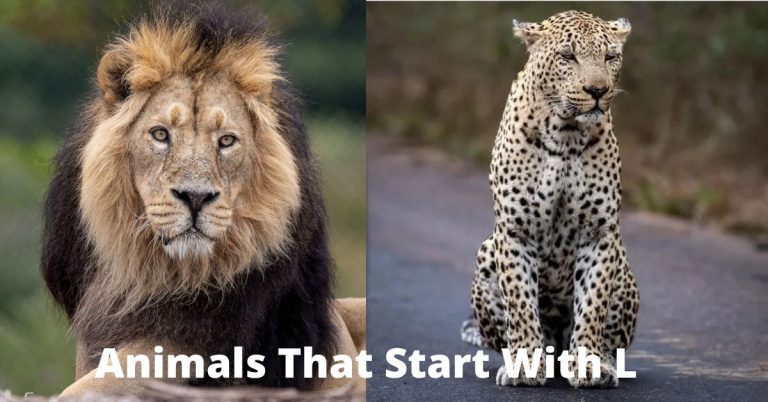
So, big or small creatures, especially “animals beginning with l,” are like the superheroes that keep our world in balance, and we must understand and appreciate them.
Animals that Start with L
Let’s explore 25 fascinating animals that start with L below.
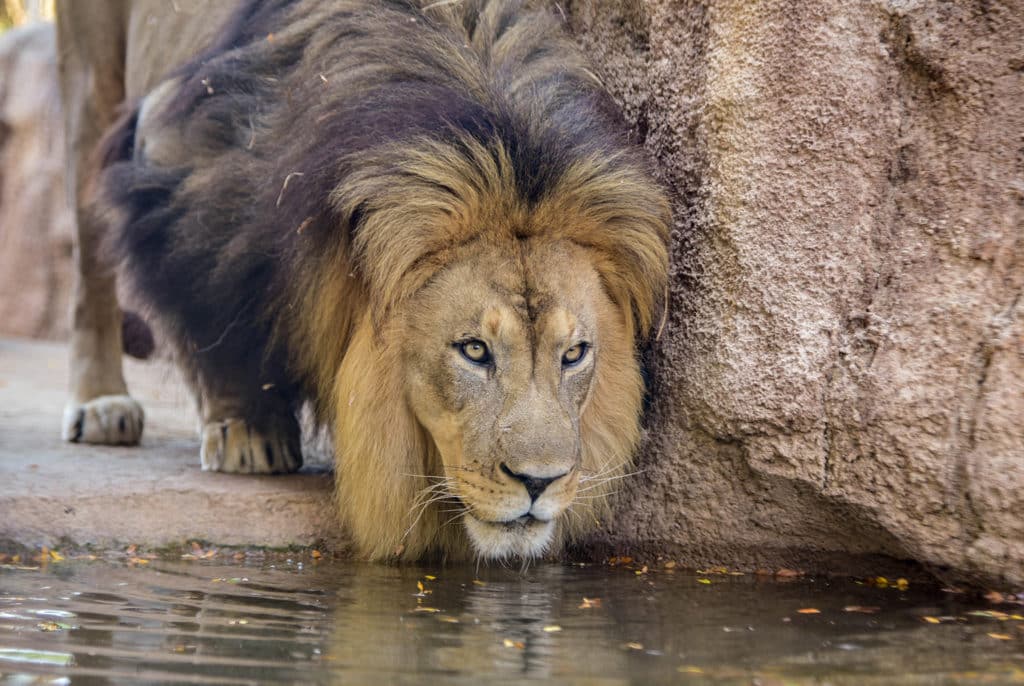
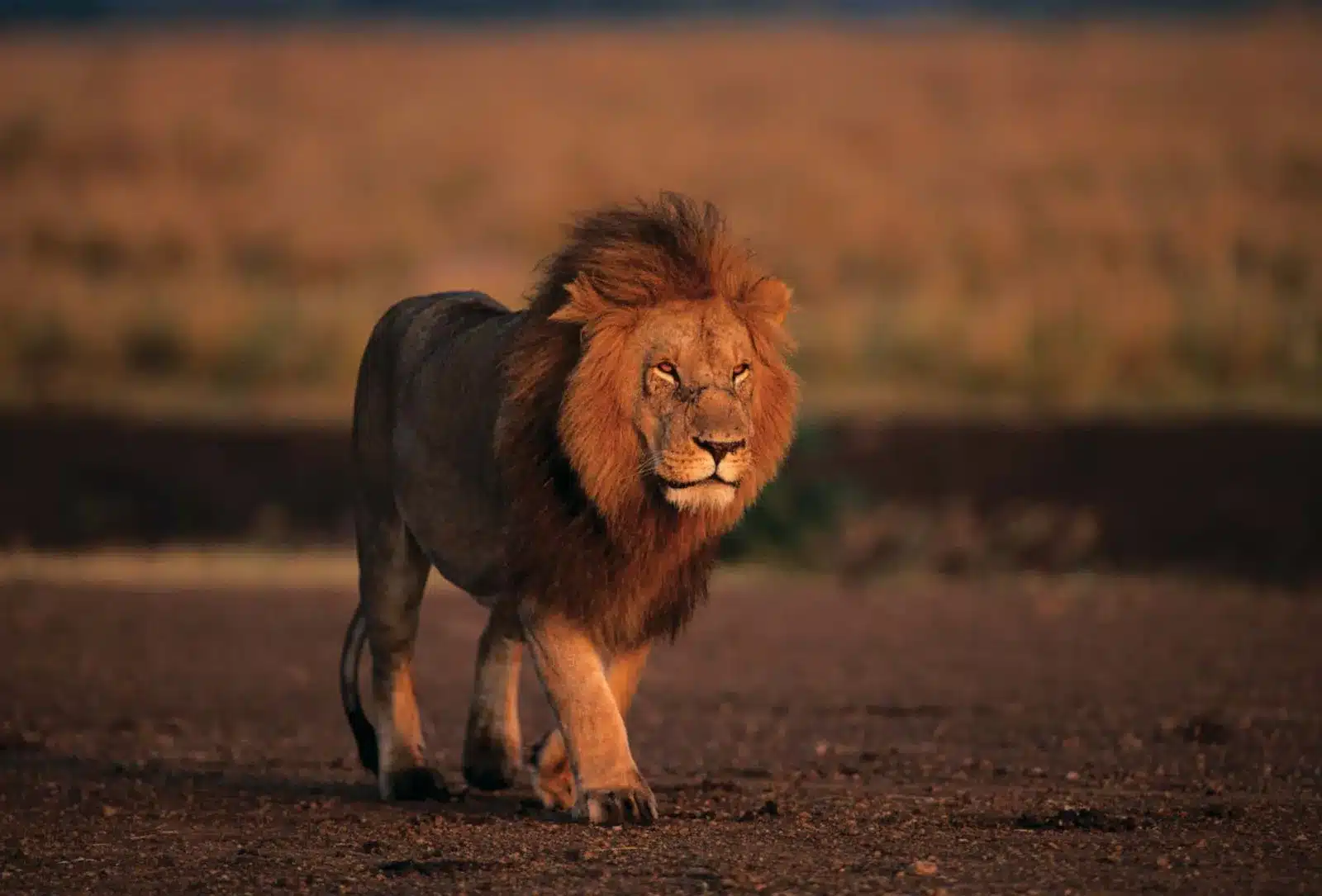
1. Lion
The lion is a large, majestic breed known for its golden fur and mane. They live in groups called pride and are often called the “king of the jungle.” They are found in the grasslands and savannas of Africa, showcasing their impressive hunting skills.
Lions primarily prey on zebras, wildebeests, and other herbivores. However, they use a powerful roar to talk, even far away.
Despite being known as fierce, they also like to relax and hang out together. These amazing animals show strength and togetherness in the animal world.
They vary in size, but generally, males stand about 3.5 to 4 feet tall at the shoulder and can weigh between 330 and 550 pounds.
Lionesses are a bit smaller, with a height of around 3 to 3.5 feet and a weight ranging from 265 to 400 pounds. In captivity, lions may be larger due to controlled diets.
As for lifespan, wild lions usually live around 8 to 12 years, while those in captivity may reach their late teens or early twenties.
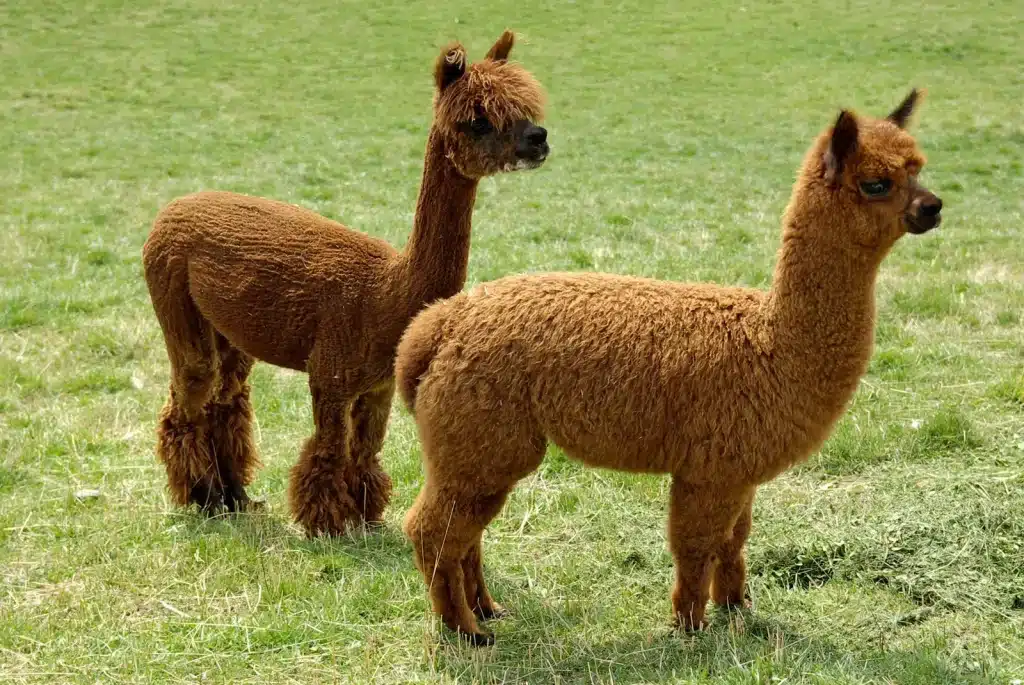
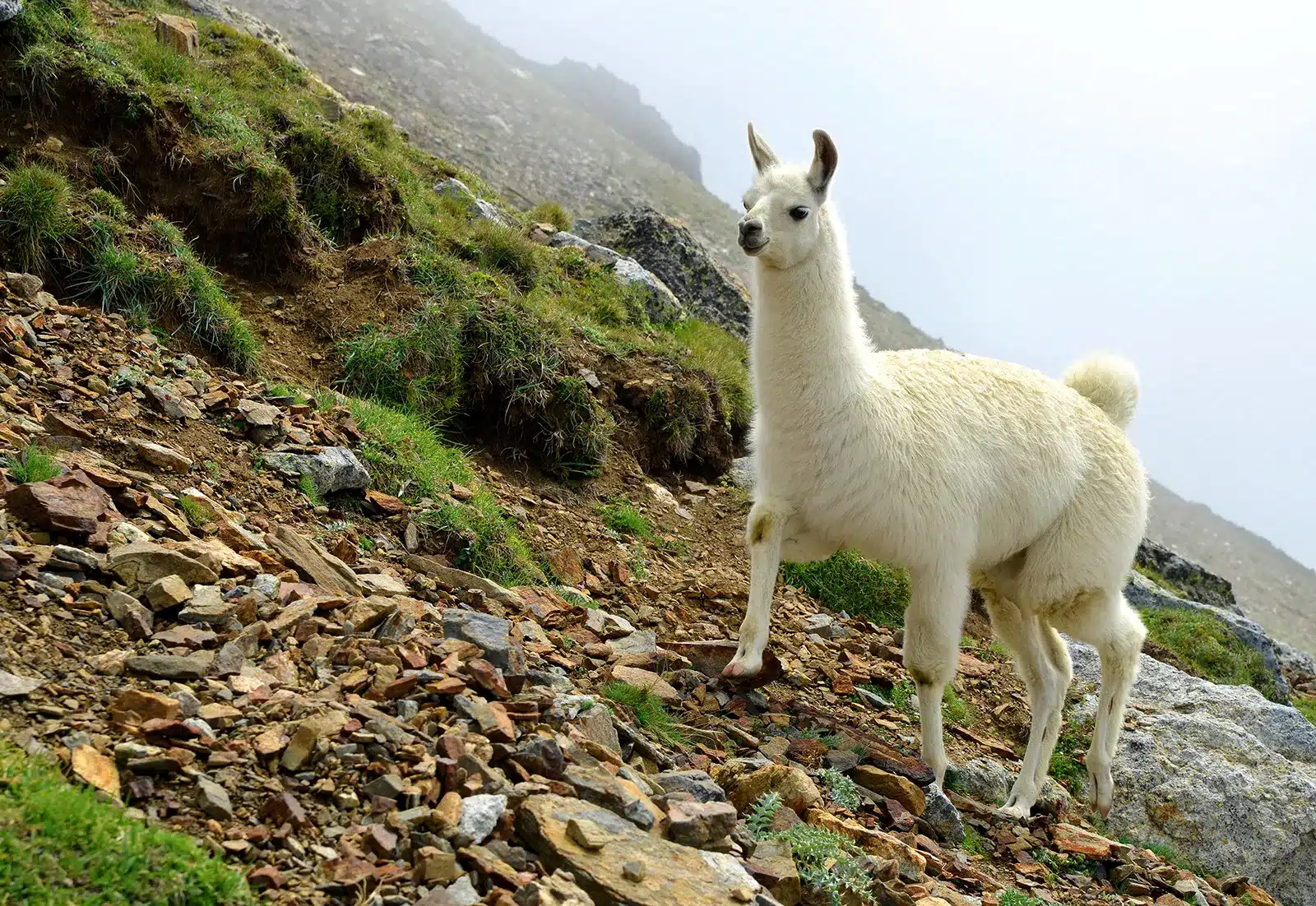
2. Llama
Llamas are domesticated animals related to camels. They are known for their long necks and woolly fur and are commonly used as pack animals in some regions. These South American creatures are often found in the Andes mountains.
Llamas have soft fur in various colors, like white, brown, and black. With a gentle nature, llamas are social animals that enjoy the company of others.
Interestingly, they can make funny humming sounds, and their spit is a way of expressing displeasure. Moreover, they add a touch of charm to the animal kingdom.
They are about 4 to 6 feet tall, weighing 280 to 450 pounds. They live around 15 to 25 years.
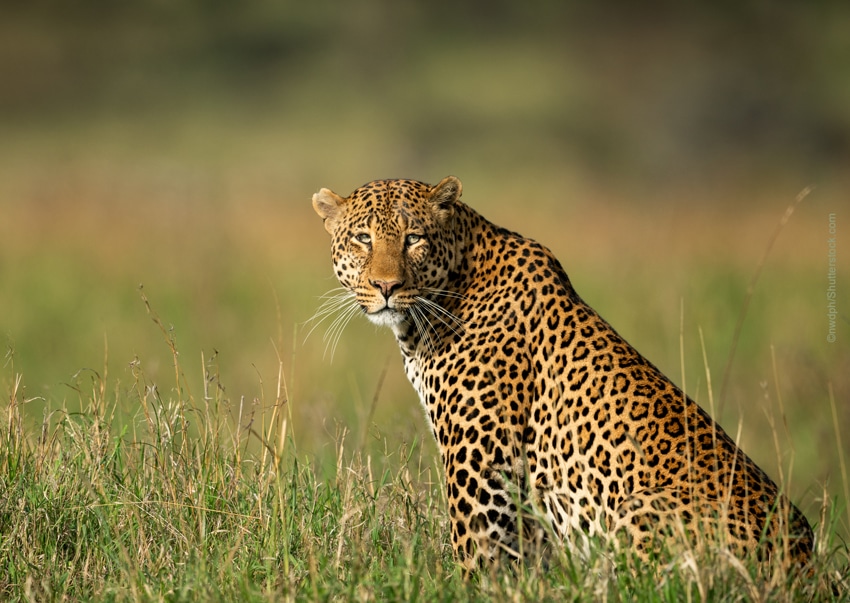
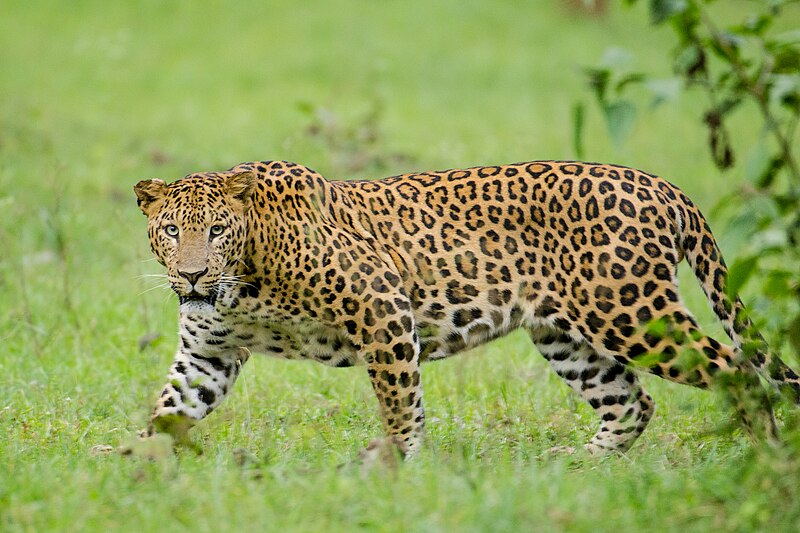
3. Leopard
Leopards are sleek and powerful big cats with a distinctive spotted coat. They are known for their strength and agility, often hunting from trees. These solitary hunters are found in Africa and parts of Asia.
They have sharp claws and strong jaws for catching and carrying prey. Leopards are adaptable, living in various habitats, from grasslands to forests. Their spotted fur helps them blend into their surroundings.
With a keen sense of hearing and sight, they’re skilled nocturnal predators.
Leopards are about 2 to 3 feet tall at the shoulder, weighing 80 to 200 pounds. They have a lifespan of 12 to 17 years.
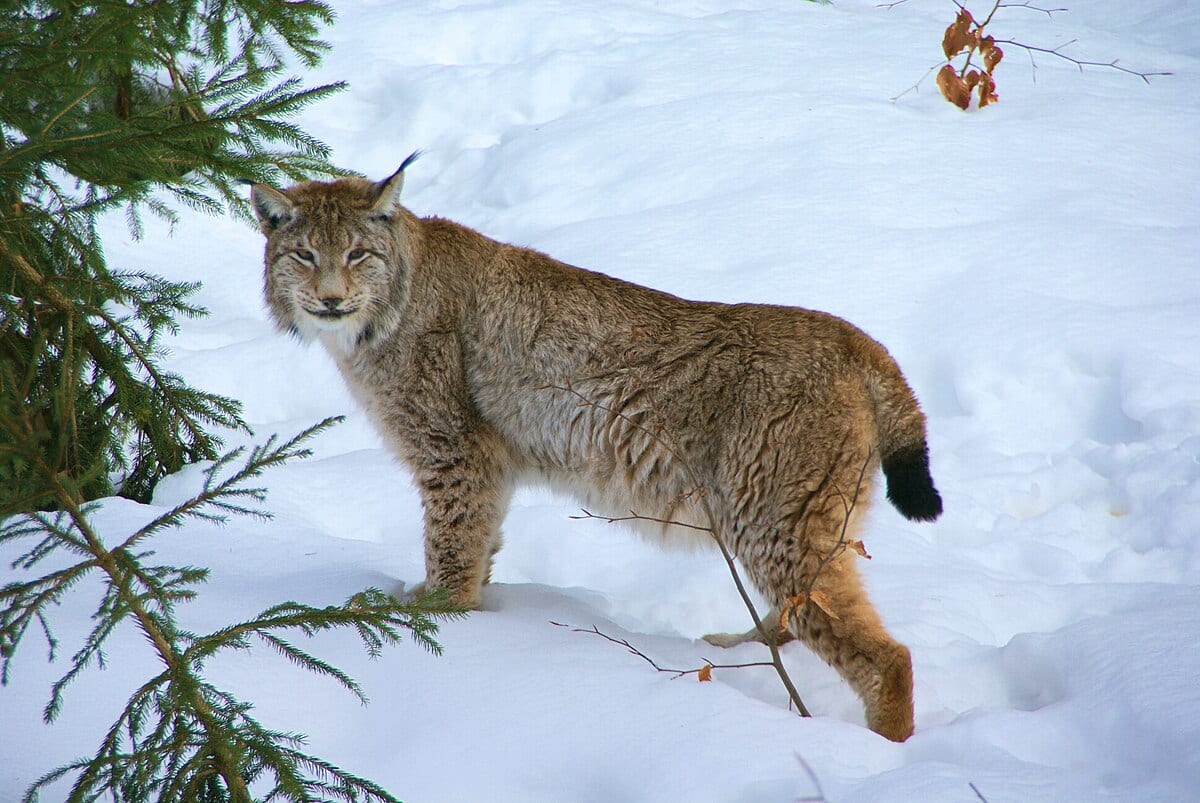
4. Lynx
The lynx is a medium-sized wild cat with tufted ears. They have short tails and are adapted for hunting in cold climates and are found in North America, Europe, and Asia.
With sharp eyesight and sharp hearing, they excel at hunting small prey like rabbits and birds. Lynxes are solitary creatures, preferring quiet forests and remote areas.
These beautiful cats play a vital role in maintaining a balanced ecosystem. They stand around 1.5 to 2 feet tall at the shoulder, weighing 20 to 40 pounds. They have a lifespan of about 10 to 15 years.
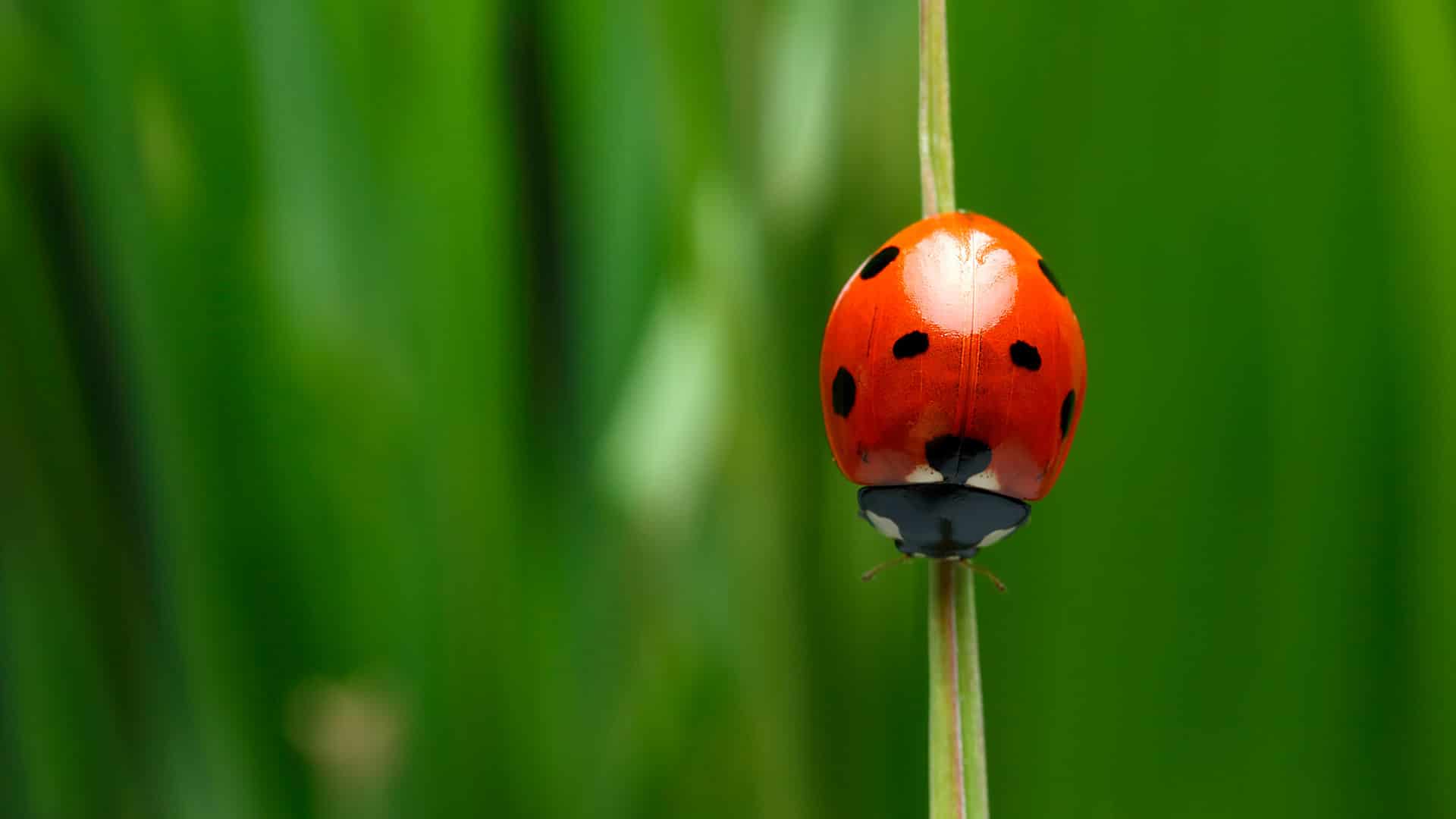
5. Ladybug
Ladybugs are small, brightly colored beetles with distinctive spots. These little beetles, usually red or orange with black spots, are beneficial garden guests.
They feast on pesky pests like aphids, protecting plants. Ladybugs are small, about the size of a pea, and have delicate wings tucked beneath their colorful shells.
However, they are found worldwide and are considered lucky by many cultures. These gentle creatures go through a fascinating life cycle, from eggs to larvae to the iconic round shape.
Ladybugs are mere millimeters in size, with a height of around 0.1 to 0.4 inches. They weigh only a fraction of a gram. Despite their tiny stature, ladybugs can live up to 1 to 3 years.
These beneficial insects play a crucial role in pest control, making them garden heroes.
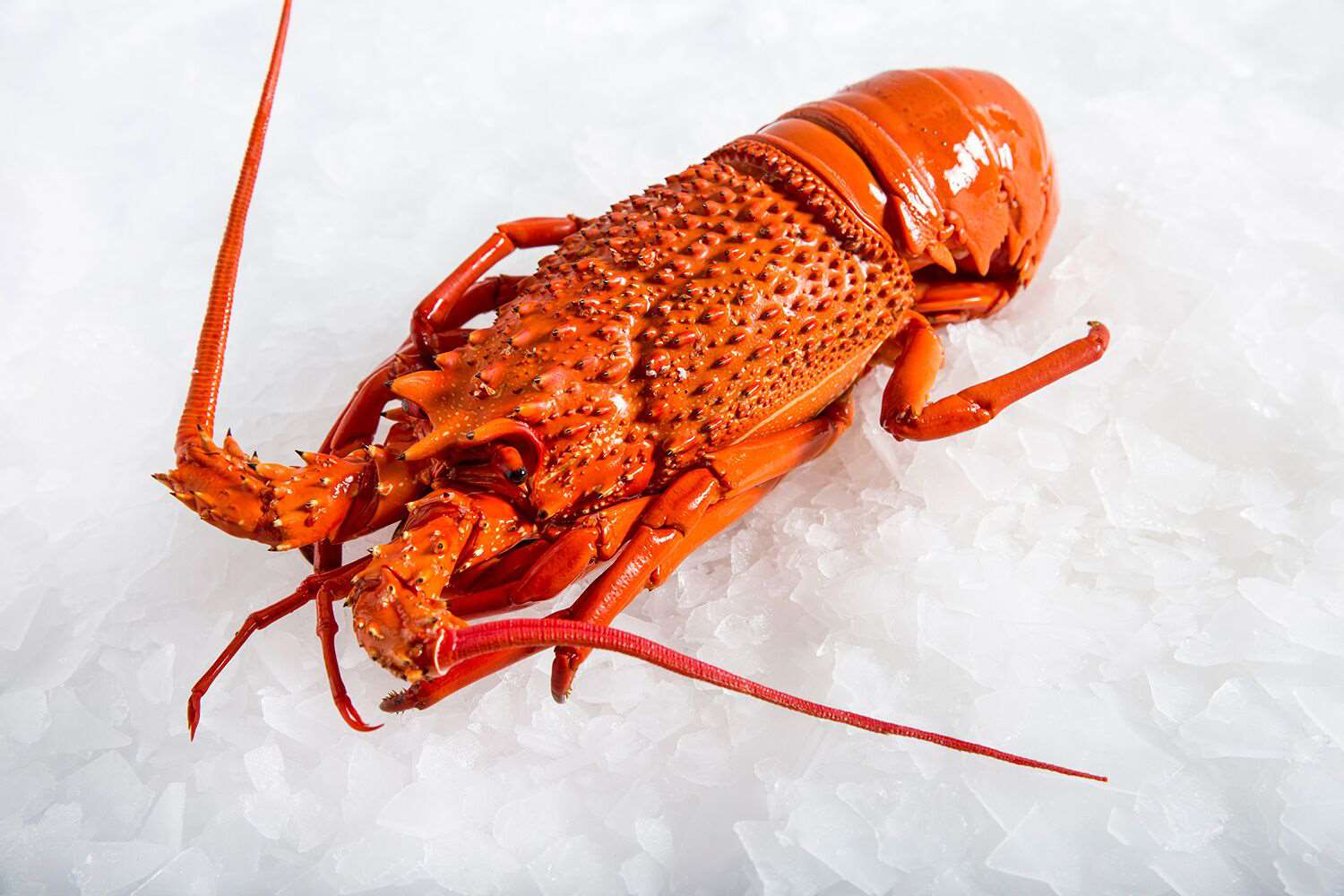
6. Lobster
Lobsters in the ocean have a tough exterior and are known for their delicious taste and distinctive claws. These crustaceans come in various colors, like blue, green, and red.
They grow by molting, shedding their hard shell as they outgrow it. They use their strong claws for defense and catching prey. Lobsters are bottom-dwellers residing in rocky crevices or sandy seabeds.
With a unique ability to regenerate lost limbs, they can live for decades. Popular in seafood cuisine, lobsters are tasty and fascinating marine creatures, showcasing resilience and adaptability in their underwater world.
However, they vary in size, with a length of about 6 to 24 inches and a weight ranging from 1 to 15 pounds. They can live up to 50 years, showcasing longevity in the ocean depths.
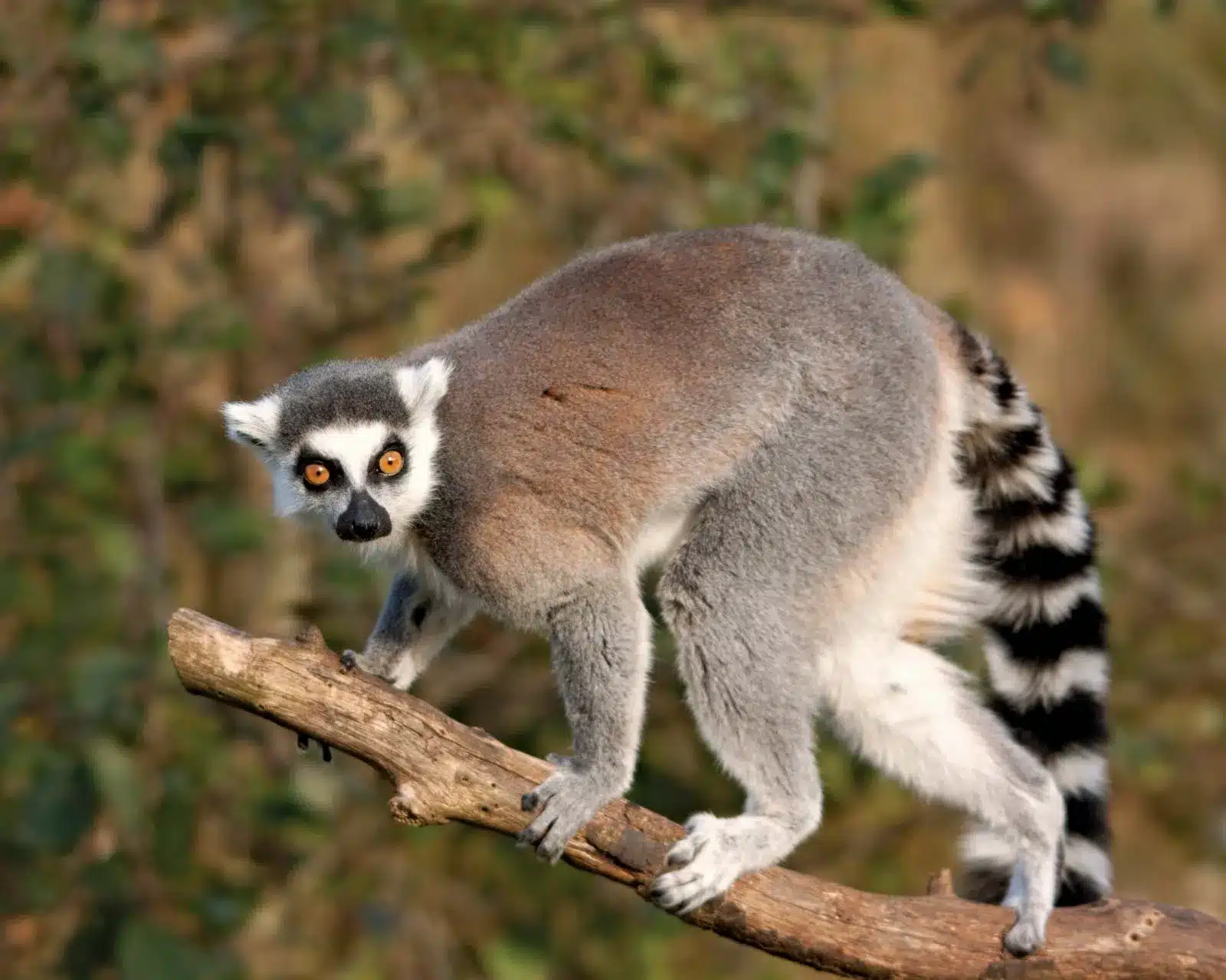
7. Lemur
Lemurs are found in Madagascar. They have large eyes and a bushy tail and are known for their playful behavior. Sporting various fur colors, from black and white to reddish-brown, lemurs are excellent tree climbers.
In social groups called troops, they communicate with unique calls and scent markings. Lemurs are herbivores, so they eat fruits and leaves. With a playful nature, they engage in grooming and leaping through the forest.
Sadly, many lemur species face threats from habitat loss. These charming creatures, resembling a mix of cats and monkeys, contribute to Madagascar’s rich biodiversity, symbolizing the island’s unique wildlife.
Moreover, they vary in size, with heights ranging from 1 to 2.5 feet and weights typically between 2 to 20 pounds. They have a lifespan of around 15 to 25 years, depending on the species.
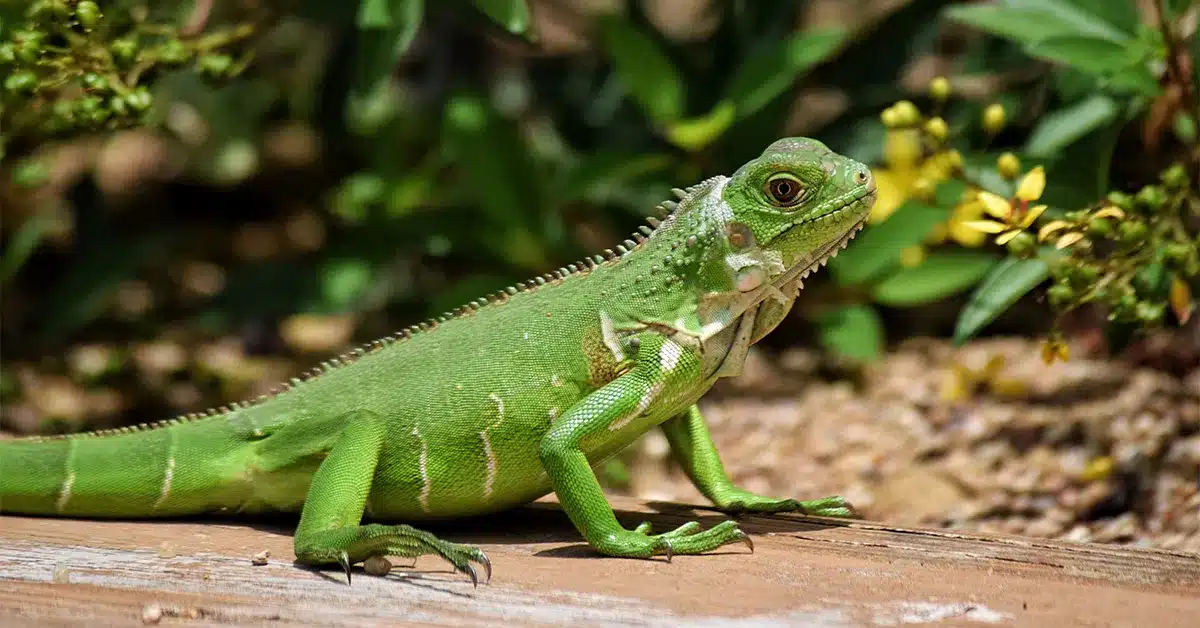
8. Lizard
Lizards are reptiles with scaly skin and long tails. They can be found in various habitats, from deserts to rainforests.
They are cold-blooded, relying on the sun to regulate their body temperature. They are also skilled hunters, so they catch insects and small prey using their sharp senses.
Some lizards, like chameleons, can change color for camouflage. Many species can regrow their tails if threatened. Lizards play vital roles in ecosystems, maintaining insect populations.
Lizards vary widely in size, from a few inches to over six feet. Weights range from a fraction of an ounce to several pounds.
Lifespan varies by species; some live a few years, while others can exceed two decades.
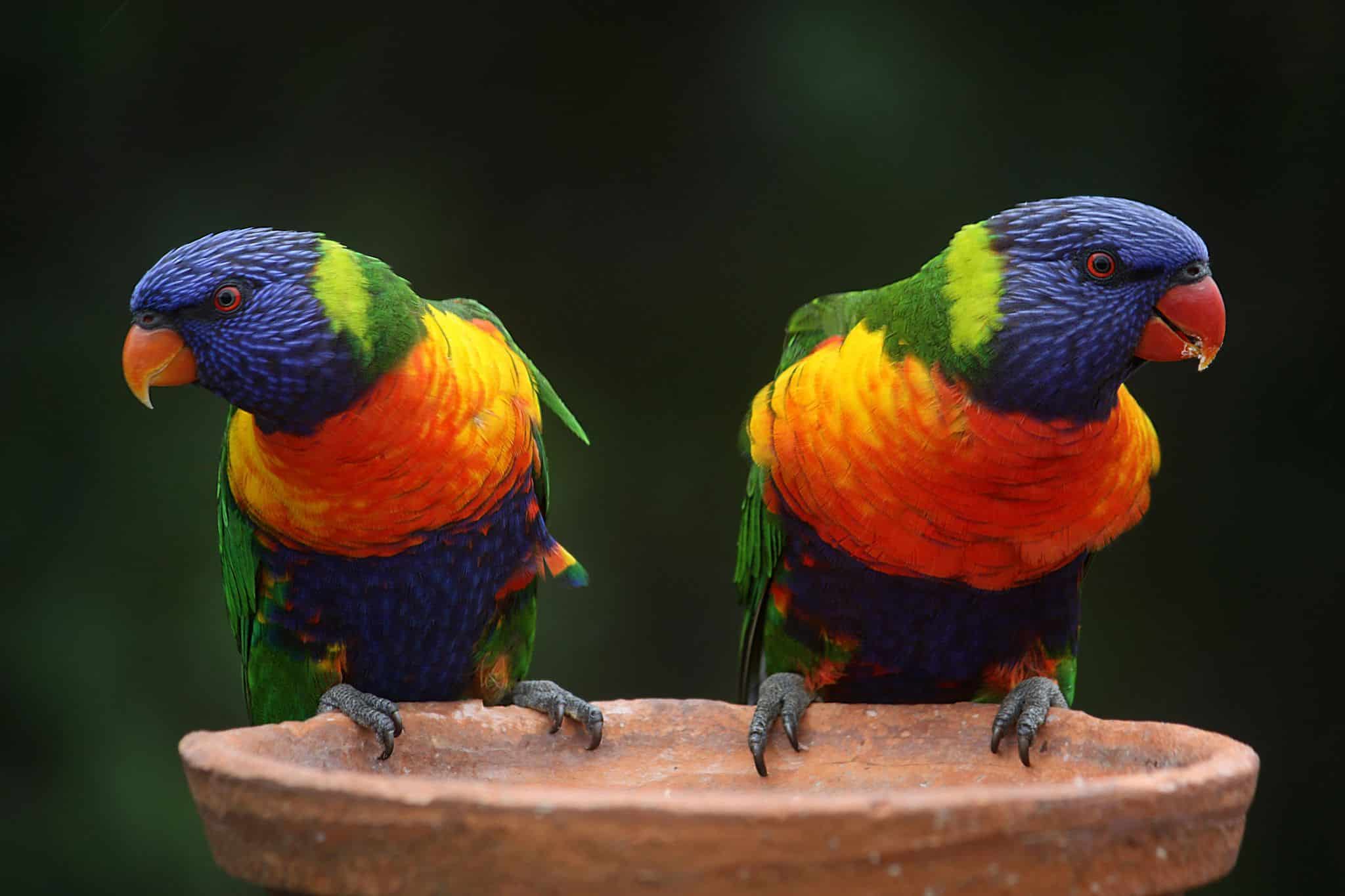
9. Lorikeet
Lorikeets are colorful parrots with vibrant plumage. They are known for their playful and social nature.
These beautiful creatures are found in Australia, Asia, and the Pacific. These social birds are nectar feeders, using specialized brush-like tongues to sip sweet flower nectar.
With a cheerful disposition, lorikeets engage in lively group chatter. They form strong bonds and often share affectionate gestures.
Their lively personalities and dazzling looks make them beloved pets, though they thrive best in the wild, adding a burst of color and joy to the tropical landscapes they call home.
Lorikeets are small, measuring 6 to 14 inches long and weighing 2 to 6 ounces. Their lifespan ranges from 10 to 30 years, varying by species.
10. Labrador Retriever
Labrador Retrievers are popular dog breeds known for their friendly temperament and intelligence. They are often used as guide dogs and in search and rescue missions.
They are known for their gentle nature, are medium to large-sized canines, and have a short, water-resistant coat in colors like yellow, black, or chocolate.
Labradors have a strong retrieving instinct, enjoying games of fetch. Their boundless energy and sociable spirit make them cherished members of households worldwide.
They are medium to large-sized dogs, standing about 21.5 to 24.5 inches tall and weighing 55 to 80 pounds. They typically live 10 to 14 years, showcasing their loyal and friendly nature.
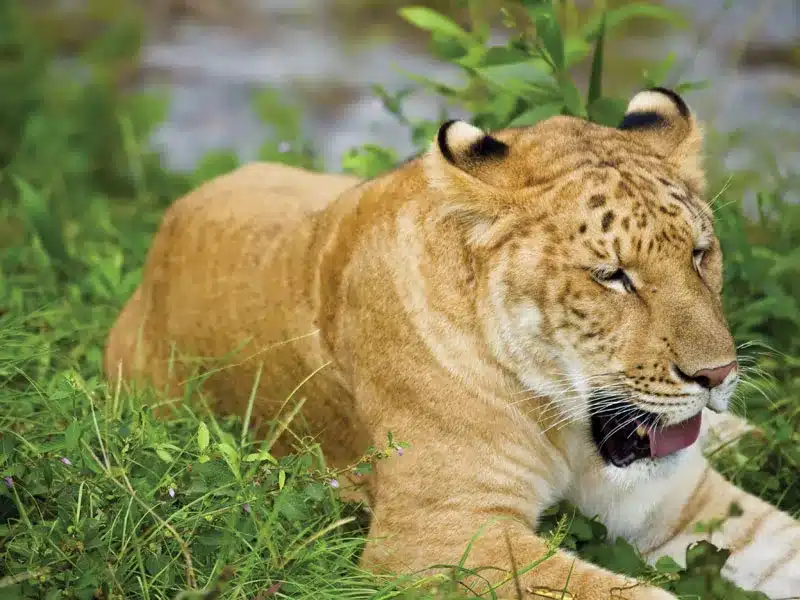
11. Liger
A hybrid cross between a lion and a tiger, ligers are large cats with characteristics of both parent species. They are among the biggest big cats.
They have a mix of features, like a lion’s mane and a tiger’s stripes. In zoos, ligers can be heavy, over 900 pounds, and about 10 feet long.
Even though they look impressive, ligers are usually friendly because they take after both lion and tiger parents. You mostly find ligers in zoos because lions and tigers don’t usually have babies together in the wild.
This mix of lion and tiger traits in one animal is a cool example of how different animals can mix it up in special ways.
However, their lifespan is similar to lions and tigers, usually around 10 to 15 years.
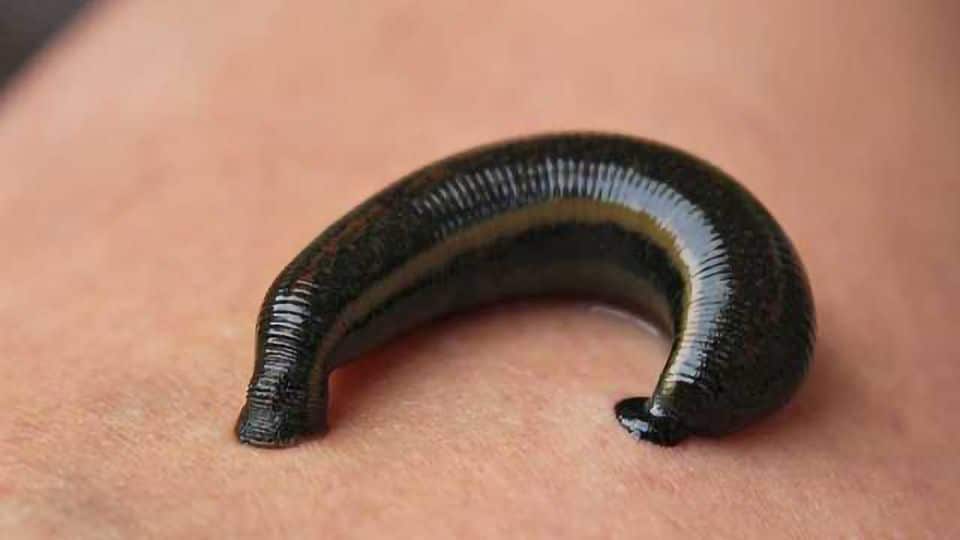
12. Leech
Leeches are segmented worms often found in water. Some species are used in medicine for their blood-sucking abilities. They are long and like damp places, using suction cups to stick to animals.
Leeches have a neat trick: they release stuff that makes their bites not hurt much. These creatures are important for keeping nature balanced.
Even though they might seem strange, leeches show us that the water world is full of interesting surprises.
However, these are tiny, usually a few centimeters long, and weigh very little. Their lifespan varies, but some can live for several years. These small creatures play important roles in aquatic ecosystems.
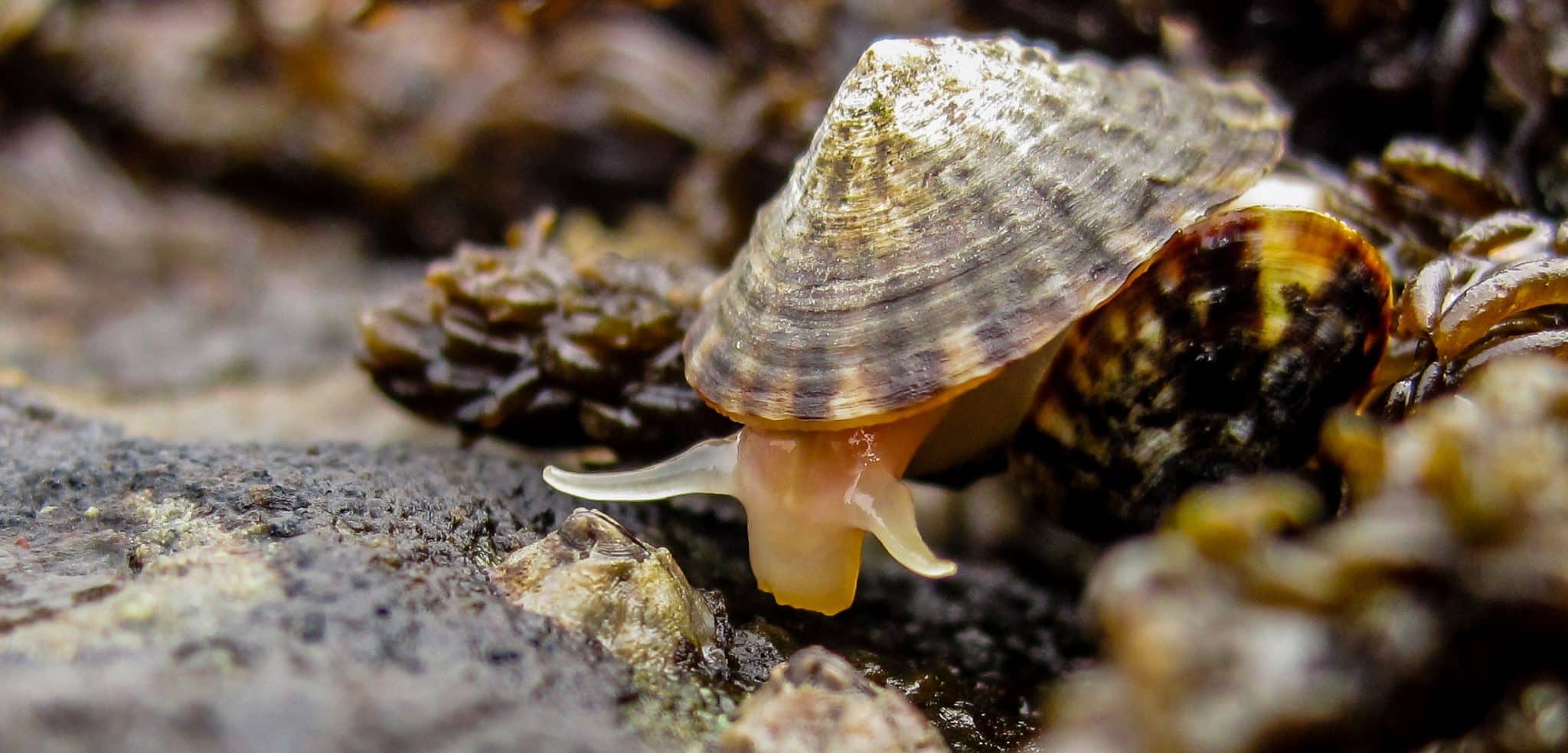
13. Limpet
Limpets are small, conical marine snails with distinctive shells. They cling to rocks in intertidal zones. It has a small, pointy shell and munches on algae using its tongue with tiny teeth.
These sea wonders hold tight with a strong foot, surviving tough tides and tricky predators. Limps are slow movers, leaving paths on rocks while eating.
Even though they look simple, limpets help keep the ocean areas clean by controlling algae. Their strong grip on rocks is like nature showing off, reminding us how amazing and adaptable life is in the ever-changing world of the sea.
Moreover, their lifespan varies but can be a few years. They play essential roles in coastal ecosystems.
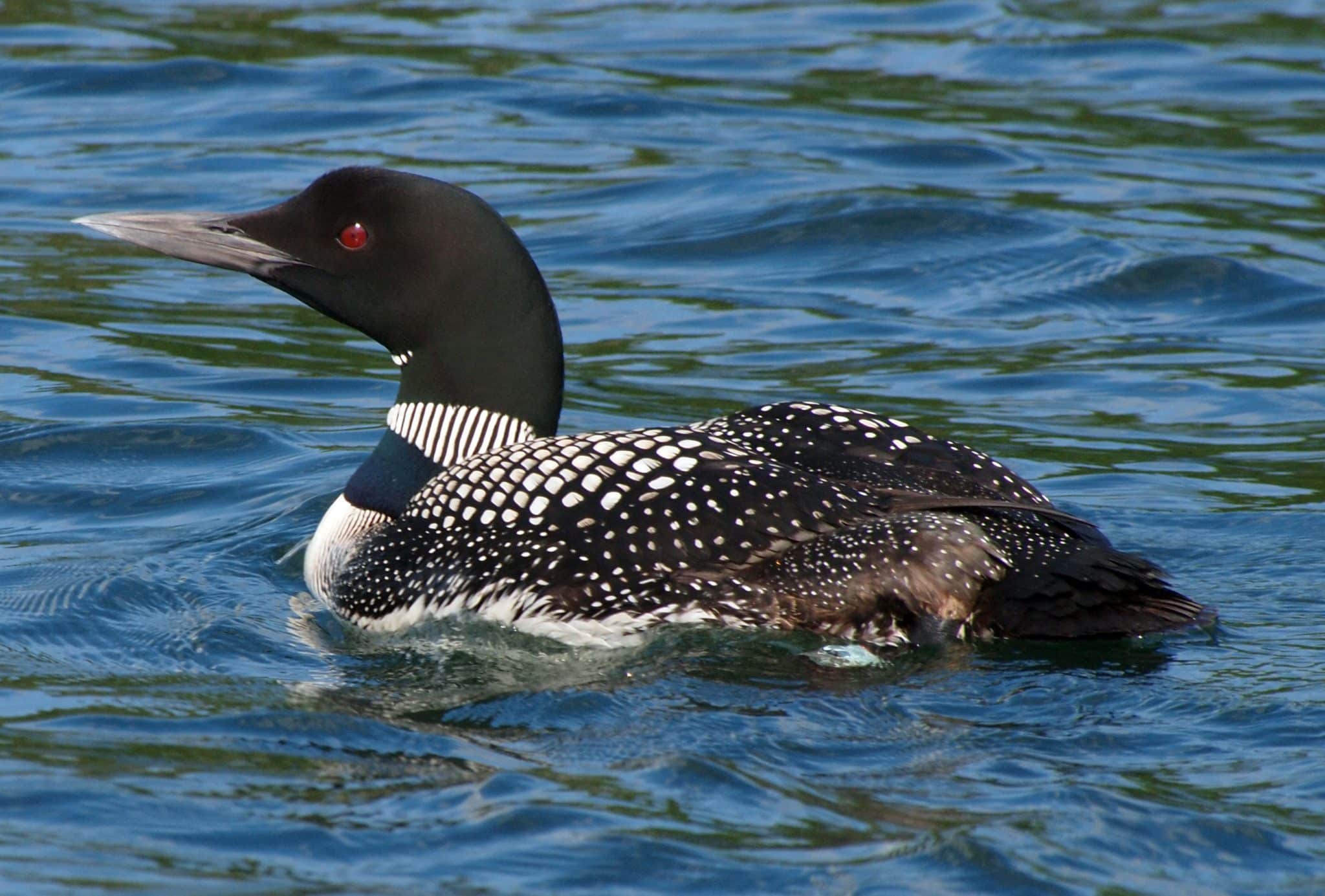
14. Loon
Loons are considered water-loving birds and are a familiar sight on lakes with their striking black-and-white coloring. They are skilled swimmers and are often found in northern lakes.
These creatures are also known for their excellent hunting fish skills beneath the surface. Their sleek bodies and webbed feet make them skilled swimmers but somewhat clumsy on land.
During the breeding season, loons form strong pair bonds and build floating nests. These avian wonders migrate south in winter, seeking warmer waters.
Despite their haunting calls echoing across lakeshores, loons symbolize peace and natural beauty. They are medium-sized birds, about 2 to 3 feet tall, weighing 6 to 12 pounds.
And they have a lifespan of around 20 to 30 years.
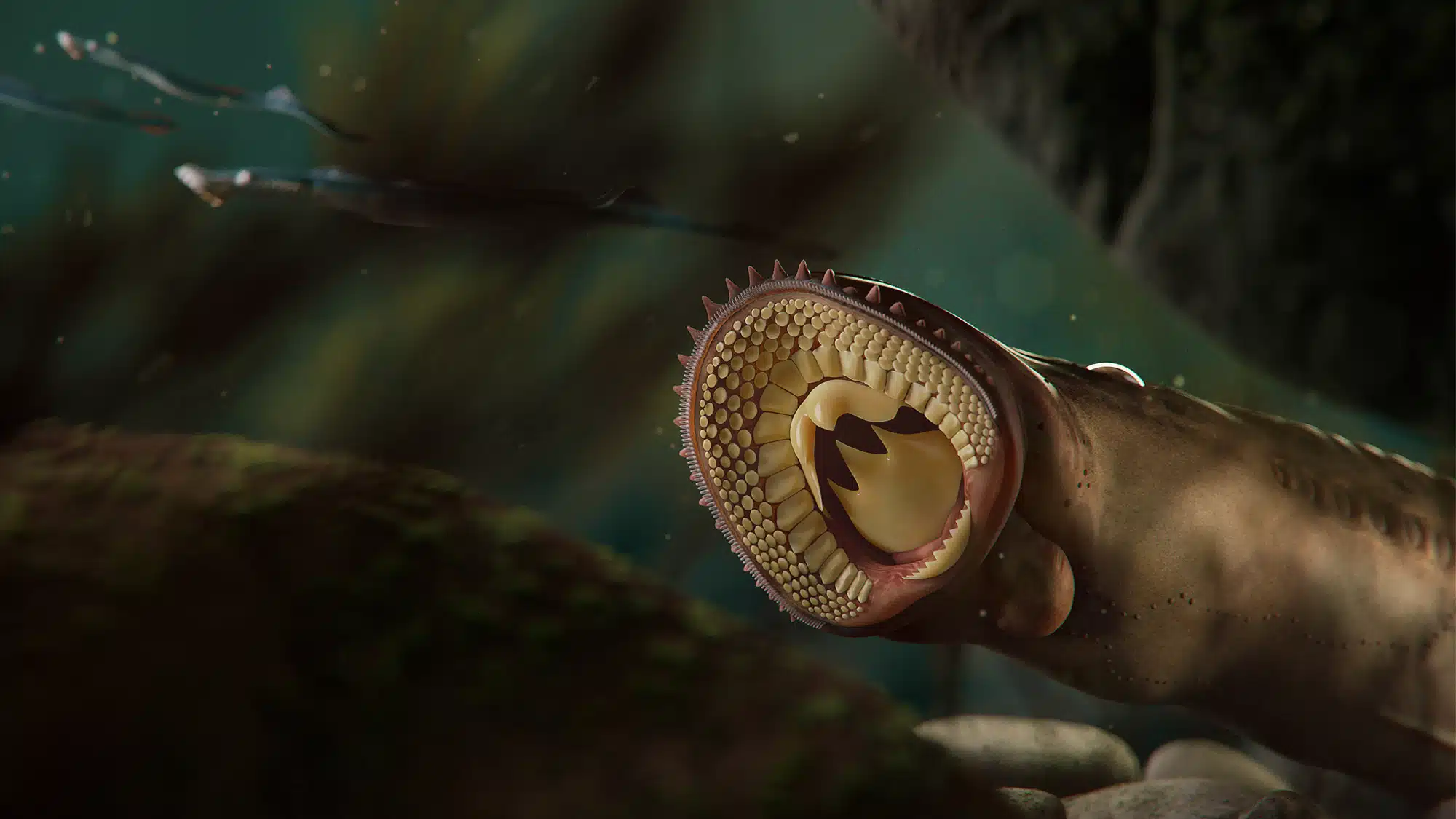
15. Lamprey
Lamprey is a unique fish with a distinctive eel-like appearance. It is a jawless fish known for its circular mouth and parasitic lifestyle. They attach to other fish to feed on their blood.
Generally, they are found in freshwater and the ocean. They feed by latching onto their hosts and consuming blood and bodily fluids.
Despite their slightly creepy reputation, lampreys play a role in aquatic ecosystems by keeping fish populations in check.
Some lampreys are migratory, traveling between freshwater and the sea. They are typically a foot or two long and weigh a few pounds.
They also have varying lifespans, with some living up to 20 years.
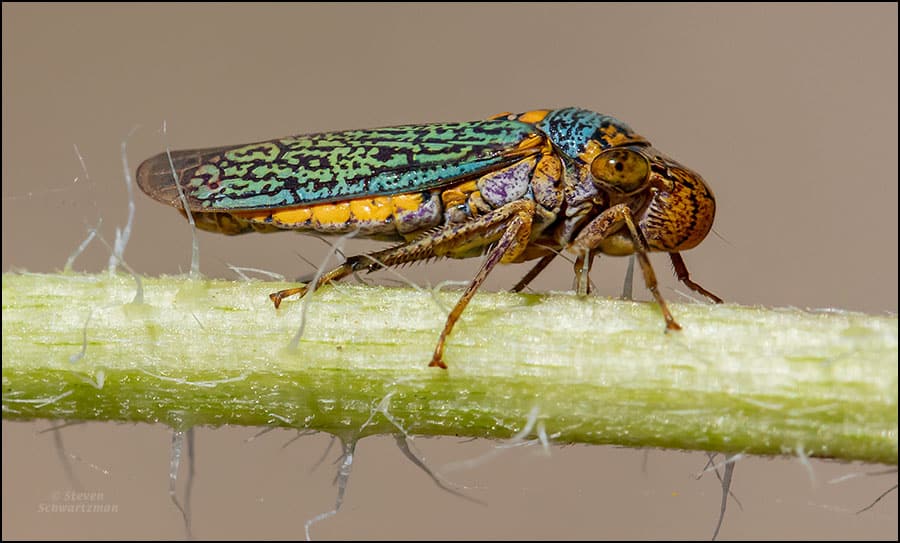
16. Leafhopper
Leafhoppers are small insects known for their jumping ability. They feed on plant sap and can be pests in agriculture. With vibrant colors and amazing patterns, they’re often mistaken for mini grasshoppers.
These creatures use their powerful hind legs to hop from leaf to leaf. While some species are garden pests, others benefit from controlling plant diseases.
Despite their minute size, they are essential creatures of nature. However, they are tiny insects, usually a few millimeters long and weighing very little.
Their lifespan is relatively short, often ranging from a few weeks to a couple of months.
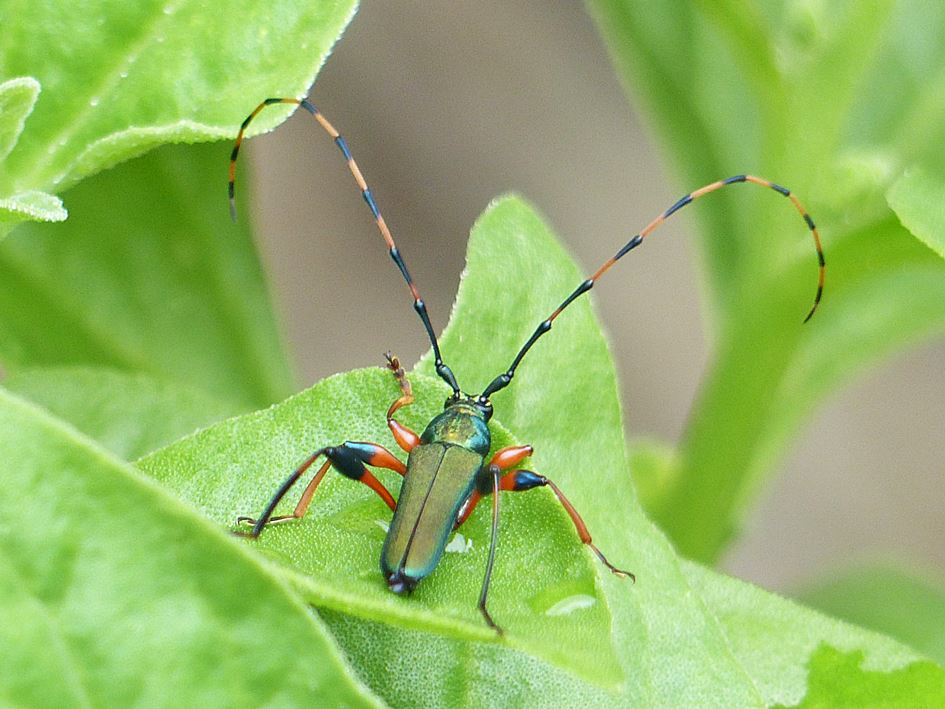
17. Longhorn Beetle
Longhorn beetles are stylish insects of the beetle world. They have long antennae and often colorful bodies. And are named for their long antennae.
These beetles are found in various habitats worldwide. With diverse sizes and colors, they often sport amazing designs on their hard-wing covers.
Longhorns play vital roles in ecosystems by helping decompose wood, as many species lay their eggs in trees. Despite their intimidating appearance, they’re generally harmless to humans.
They vary in size, typically from a few millimeters to a few centimeters long. These are lightweight, weighing just a fraction of an ounce.
Their lifespan is a few weeks to a few months.
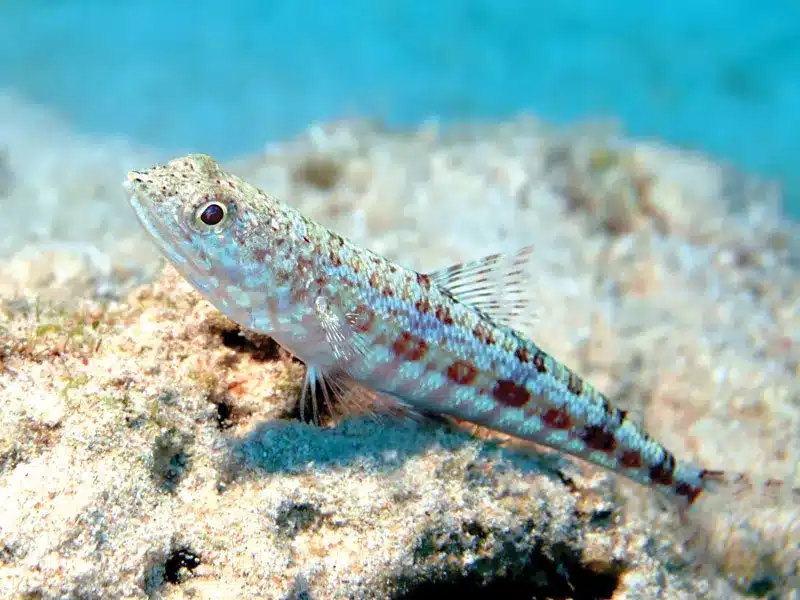
18. Lizardfish
Lizardfish are marine fish with elongated bodies and sharp teeth. They are often found near the ocean floor.
With slender bodies and sharp teeth, they look like miniature underwater dragons. They usually hide in the sand or among rocks, waiting for prey like smaller fish and crustaceans.
Their ability to blend into their surroundings makes them effective hunters. Despite their fearsome appearance, they’re not harmful to humans.
They vary in size, typically measuring 6 to 20 inches long. Also, they are relatively lightweight, ranging from a few ounces to a pound.
They can survive several years, with some species living up to a decade.
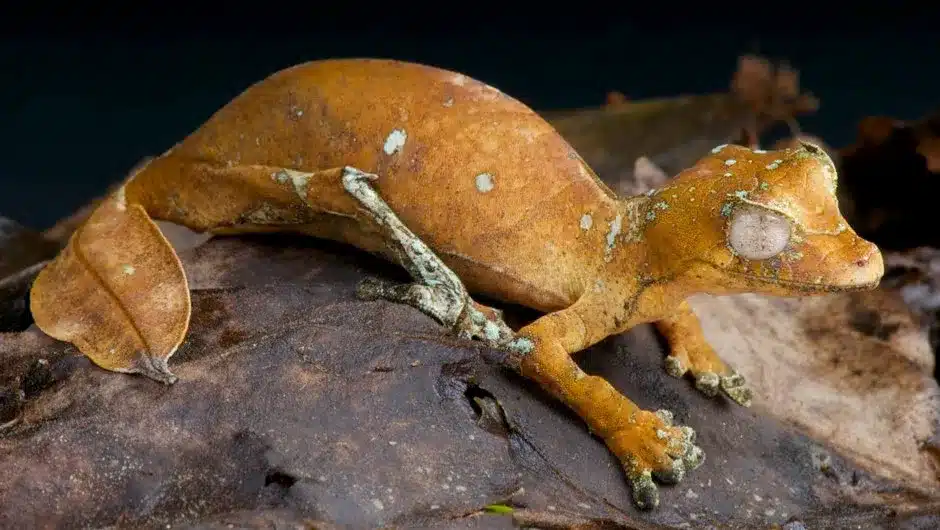
19. Leaf-tailed Gecko
Leaf-tailed geckos are amazing creatures that are rainforest experts in hiding. They disappear into the jungle with flat bodies and leafy looks, fooling hunters and prey.
At night, they catch insects with their sharp senses. Leaf-tailed geckos are superb at fitting in, showing how nature can be creative.
Even though they might look like something creepy, these special geckos help keep bug numbers in check in their rainforest homes.
These are small, measuring around 4 to 10 inches. They are lightweight, usually weighing just a few grams.
And they carry a moderate lifespan, ranging from 5 to 15 years in captivity.
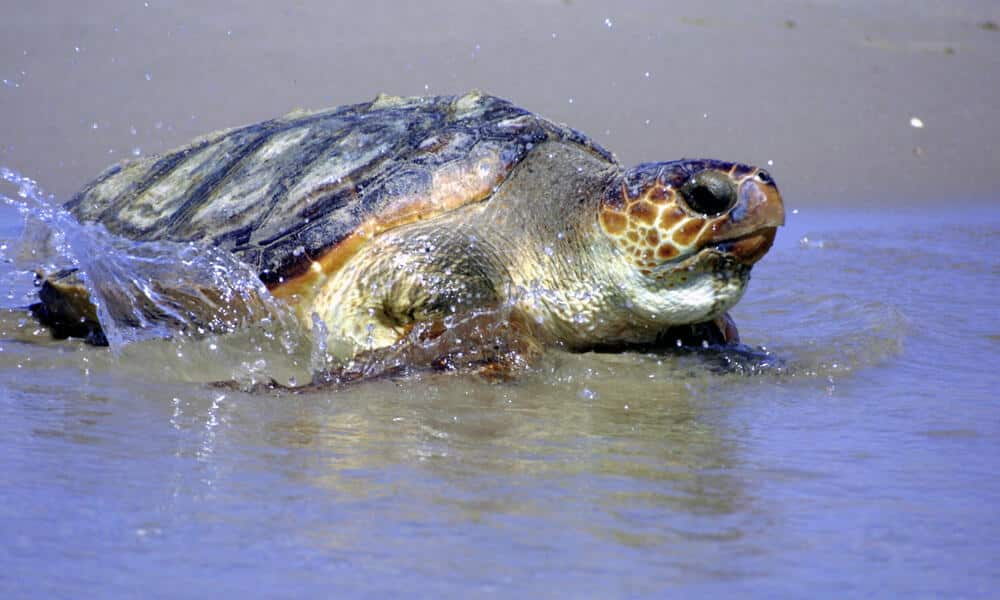
20. Loggerhead Turtle
Loggerhead turtles are large sea turtles known for their strong jaws. They are found in oceans around the world.
Generally, they eat jellyfish and feast on crabs and other sea life. Loggerheads undertake long migrations, returning to their birthplace to nest.
Despite their slow movements on land, they are amazing swimmers and easily cross oceans. Sadly, they face threats like plastic pollution and fishing gear.
They are large, around 2.5 feet, and weigh between 200 and 350 pounds. With a 50 to 70-year lifespan, they navigate the seas gracefully.
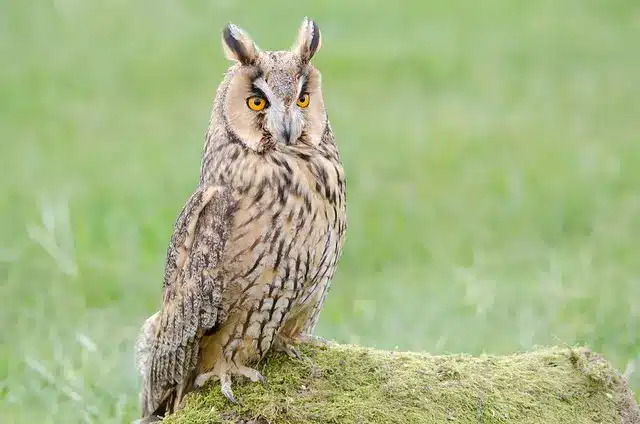
21. Long-eared Owl
Long-eared owls are clever birds that have distinctive long ear tufts. They are nocturnal birds of prey found in various habitats.
These owls are night hunters and live in areas like woods and grassy. With their special look and good hearing, they quietly catch small animals like mice and birds for dinner.
Even though they seem serious, they’re quite shy and hide in trees during the day. And surprisingly, those long “ears” are just feathers, not real ears!
Long-eared owls are medium-sized with a height of 13 to 16 inches and a weight of 8 to 16 ounces. They typically live up to 4 to 10 years in the wild.
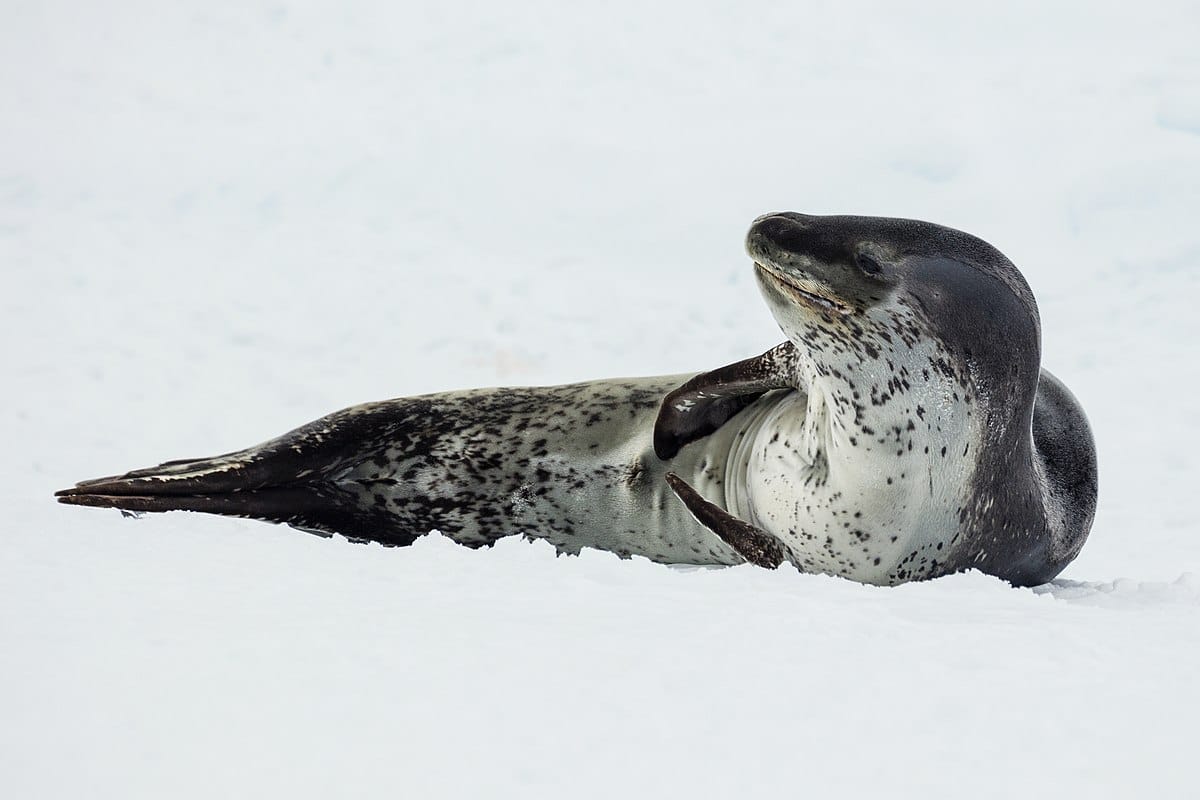
22. Leopard Seal
Leopard seals are large seals with spotted coats. They are skilled hunters in the icy waters of the Antarctic.
Leopard seals feed on fish and penguins, using their sharp teeth to catch prey. Despite their dangerous appearance, they’re curious and known for playing with their food.
However, their playful yet powerful nature makes them both fascinating and important characters in the chilly southern seas.
They are about 10 to 11 feet long, weigh between 800 and 1,300 pounds, and can live up to 15 to 25 years.
23. Lynx Spider
Lynx spiders are small spiders known for their excellent eyesight. With its sleek body and keen eyes, it’s named after the wild lynx due to its quick and amazing movements.
Lynx spiders don’t build webs. Rather, they rely on their hunting skills, trapping prey like flies and insects. These spiders are excellent jumpers, using their silk thread as a safety line.
Despite their small size, lynx spiders are skilled predators with a height ranging from 0.2 to 0.4 inches and a weight of just a few grams.
Their lifespan is relatively short, typically one to two years.
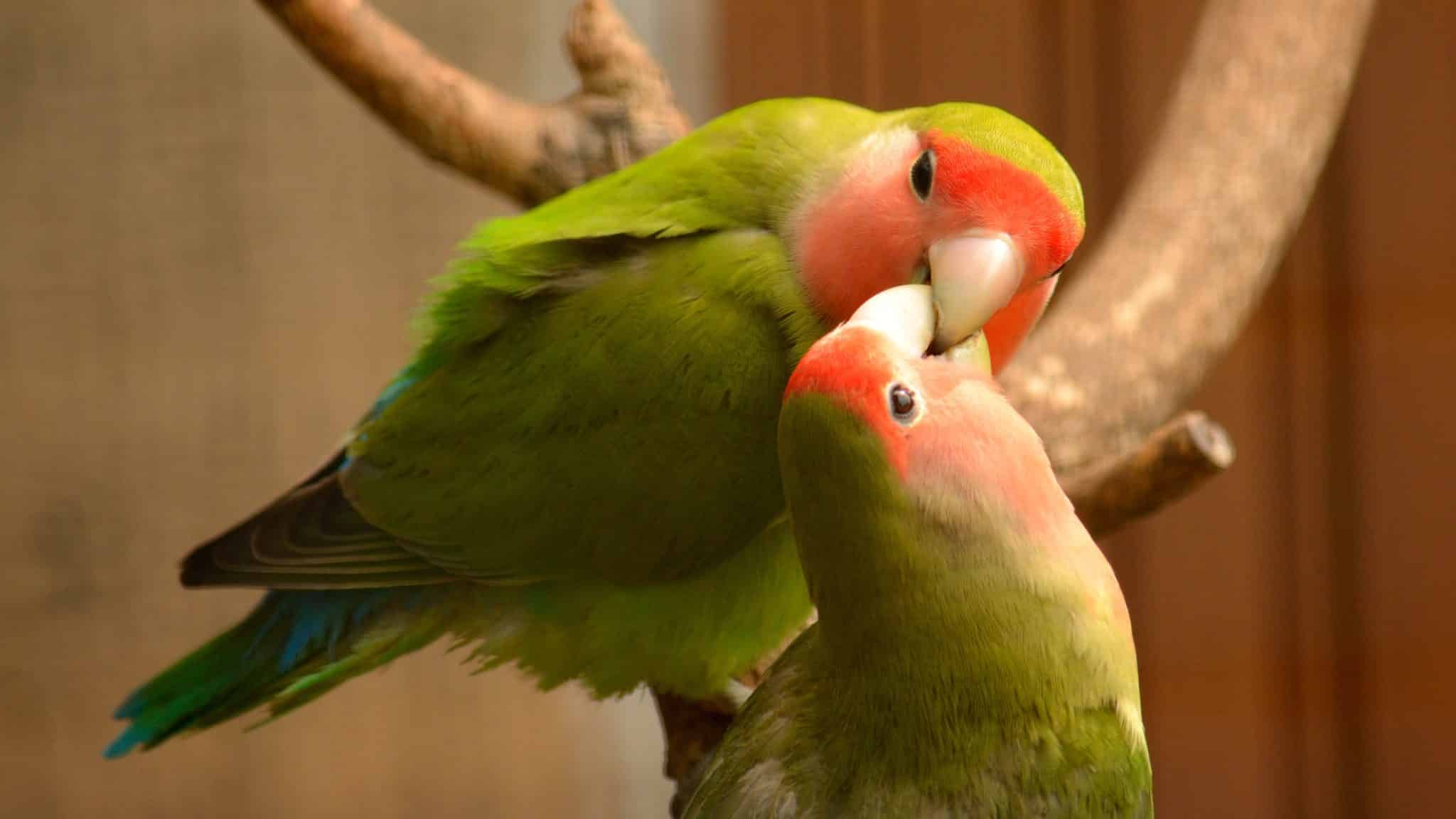
24. Lovebird
Lovebirds are small parrots known for their affectionate behavior. They are often kept as pets for their charming personalities.
Lovebirds enjoy being close to their mates, often sitting together and preening each other’s feathers. They are social creatures, thriving when kept in pairs.
Their melodious chirps make them popular pets, filling homes with love and lively energy. These charming birds remind us that love and companionship are precious elements of life, even in the feathered world.
These beautiful birds measure about 5 to 7 inches in height and weigh around 2 ounces. They can live up to 10 to 15 years as affectionate companions with proper care.
25. Labrabul
The Labrabul is a delightful mix of a Labrador Retriever and a Bulldog, combining the best of both worlds.
With their friendly behavior and loyalty, Labrabuls make fantastic family pets. They are known for their playful behavior; they get along well with children and other animals.
Labrabuls are easygoing yet protective, making them great companions. Regular exercise keeps them happy and healthy.
Whether enjoying cuddle sessions or outdoor adventures, Labrabuls is a lovable blend of Labrador’s warmth and Bulldog’s charm.
They may stand 18 to 26 inches tall, weigh 50 to 80 pounds, and have a 10 to 14-year lifespan.
Summing It Up
Lastly, all the creatures beginning with the letter “L” offer different characteristics and contributions to our world. Right?
From “the king of the jungle,” a lion, to lively lemurs swinging through the trees in Madagascar, each animal plays a unique role in ecosystems.
Each member of this animal group, from land to sea, brings its charm and importance, highlighting its existence on Earth.
So, which is your favorite animal? Let us know in the comment section below.
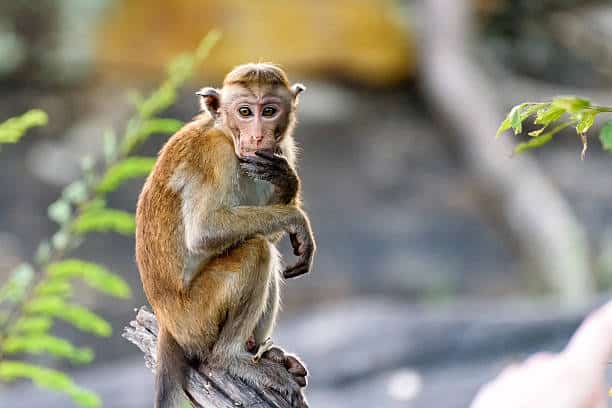
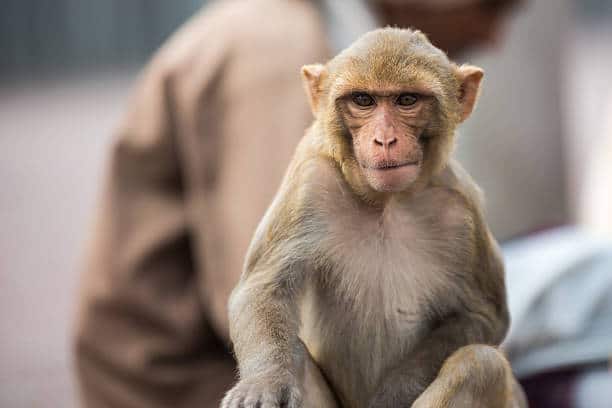
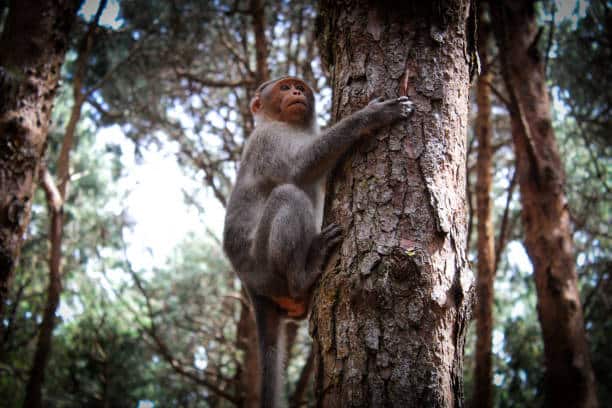
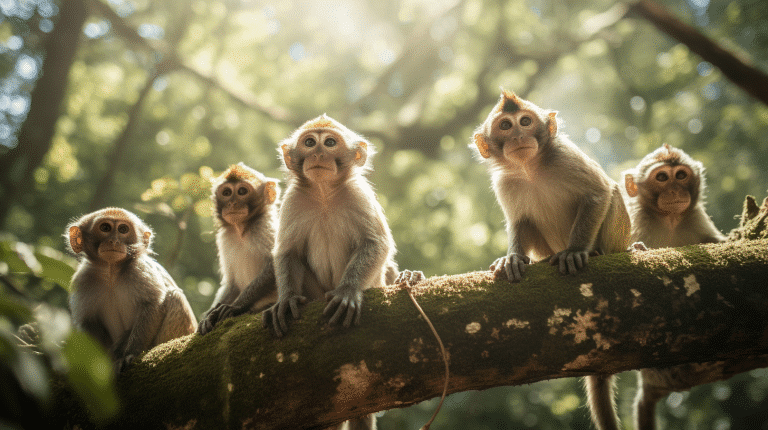
Monkeys are a cute group of animals you often find in the zoo. However, if you visit any Asian countries, like India, Indonesia, Thailand, Japan, and others, you can see them moving freely.
They are mammals and share the same characteristics as humans, apes, and gorillas. At present, there are more than 130 monkey species in the wildlife. It includes baboons, squirrel monkeys, spider monkeys, and so on.
Do you know that monkeys can also represent so many personalities and fortune?
In this blog, you’ll find the answer to whether a monkey bears a sign of good luck or not. You may have heard several monkey jokes for kids.
In addition, also read fairytale stories and nursery rhymes. They are also inspired by real monkey traits.
According to the Chinese zodiac, a monkey sign can symbolize several meanings. It might be associated with personality, fortune, sins, and courage.
An Overview of Monkeys
Monkeys are common mammals that belong to the Animalia kingdom. Several types of monkeys exist in the wildlife or ecosystem.
Monkeys are assumed to have the same characteristics as humans, apes, and lemurs. It includes baboons, spider monkeys, squirrel monkeys, black howlers, macaques, mandrills, etc.
At present, there are over 132 monkey species that have been observed worldwide. They are clever, cunning, and cheerful. However, they are also dangerous when they get angry.
Sometimes, they can be deceitful. Monkeys have good brain development, which is why they are very intelligent. They also have a clear vision.
Does a Monkey Represent Good Luck?
1. In terms of Life
If a monkey is your spirit animal per the Chinese zodiac sign, it’s a positive sign. According to the Chinese zodiac, a monkey is assumed to represent good fortune and a healthy life.
Apart from that, it also represents a person who can easily solve any difficult problems. The monkey sign also represents a skillful person who has a clever mindset.
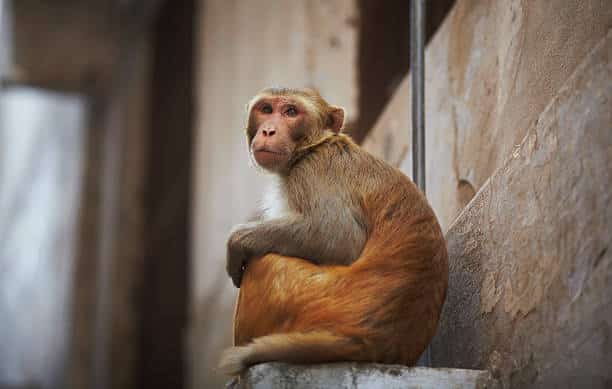
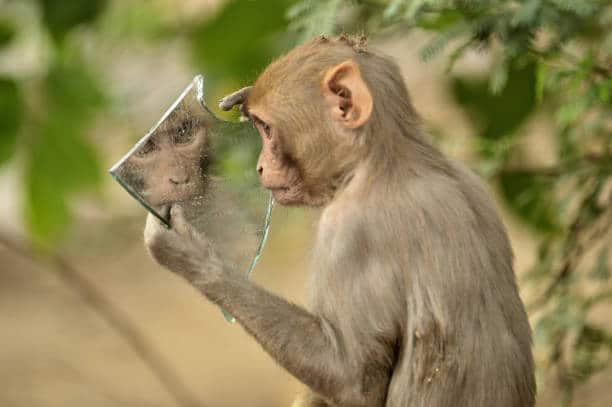
2. Career Terms
Not only in life but also in career, the monkey sign is a good fortune. Based on Chinese zodiac signs, people with a monkey spirit guide can succeed greatly in their lives and careers.
In addition, a person may not have many difficulties in finding their dream job or passion. A monkey sign also represents a person with a good decision-making approach.
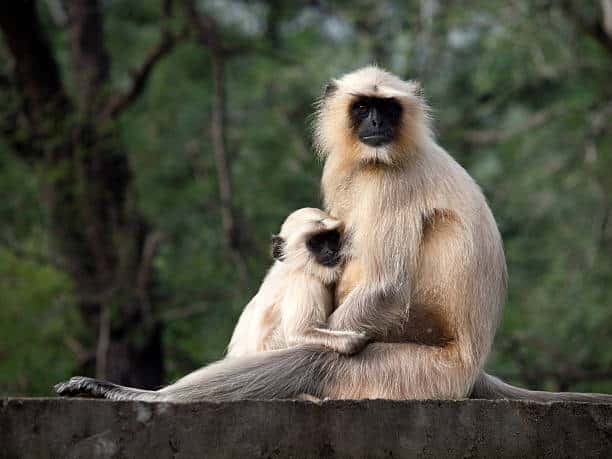
3. Love Life
According to the Chinese zodiac monkey sign, a person needs to be aware of the terms of love. When it comes to love, people with a monkey sign may not settle until they find their true partner.
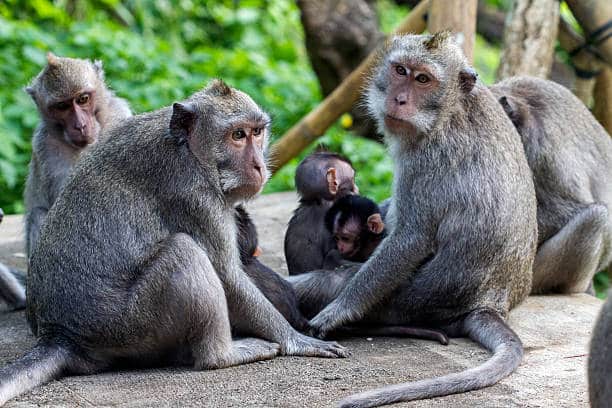
In other words, they don’t settle until they find someone who matches their vibe. However, when they find their true love, they make the best of it. They might face difficulties but find an ever-lasting love.
4. Dream Intepreteion
If a monkey appears in your dream, it can signify several meanings. It includes freedom, vitality, aggression, and other traits. For instance, observing a friendly monkey in your dream indicates your inner child or friendly side.
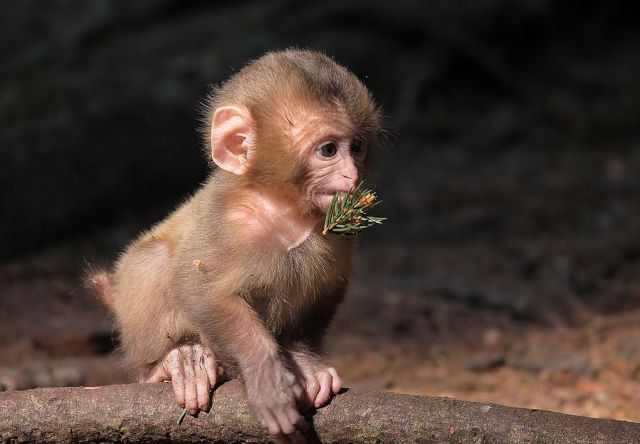
A baby monkey in a dream signifies your kind nature and suggests a self-care routine. Yet, if you see a monkey with a positive trait, then it indicates good fortune.
Positive Traits of a Monkey
1. Clever
Monkeys share almost the same characteristics as apes or gorillas. They’re cunning, so people treat them as wild animals. Most of the monkeys are very clever.
It includes spider monkeys, squirrel monkeys, macaques, capuchins, wolly, and other breeds. They almost share a few traits similar to humans. Thus, their brain is very developed, and they are very clever.
2. Intelligence
A monkey is not only clever but also intelligent. You may not observe it in any other animals. The intelligence of the monkeys makes them a unique type of species.
You may have heard several fairytales or nursery rhymes about monkeys. Yet, they are merely fairytales, as the adaptations are based on real monkey traits.
3. Friendly
Remember the famous American cartoon series “Dora: the Explorer”? The protagonist girl has a best friend, and his name is Boots. The character is a monkey.
Real-life monkey traits inspire it. Monkeys are wild animals but are also friendly if you pet them well. In a few regions, like the dogs, people also raise pet monkeys at home.
Negative Traits of a Monkey
1. Mischief
Despite having numerous positive traits, monkeys still have a few negative sides. Dogs and cats can be petted easily without causing any trouble. However, you must be more cautious when it comes to a monkey.
They can cause trouble with their mischievous trait. They may act like children, but sometimes they can hurt you. It’s a reason that they are treated as wild animals.
2. Manipulation
Manipulation is another negative trait of the monkeys. If you visit a few temples in India, Thailand, Indonesia, and other Asian countries, you’ll notice numerous monkeys.
Even in a few zoo parks, monkeys roam around freely. They can trick you if you pass by with any food, fruit, or juices. They will steal your food, and if you refuse to give it, they will harm you back.
Conclusion
A monkey is a popular wild animal that belongs to the Animal kingdom. They have both positive and negative traits.
A monkey can be friendly, wise, and clever. They have well-developed brains like a human and an ape. However, sometimes, they can be mischievous and rude.
A monkey is a popular sign in the Chinese zodiac. Based on it, a monkey symbolizes good luck, fortune, prosperity, and growth related to career, life, and love.
If you observe a monkey in your dream, it is also a sign. If you see a monkey with positive traits, then it’s a good sign. A monkey sign represents several personality traits of a person.
This blog has assisted you in learning whether a monkey is a sign of good luck.
Do you still have any concerns? Which monkey breed is your favorite? Let us know in the comments.
In the world as we know it today, harnessing the power of technology for the benefit of our children’s education can make a difference in how willing they are to learn. As parents, we strive to provide the best learning experiences for our little ones, and the integration of technology can make this journey not only effective but also immensely enjoyable.
Below, we look at ways you can leverage tech to encourage effective learning at home, making education a fun and engaging adventure for both you and your child.
1. Download Interactive Learning Apps
Gone are the days when textbooks were the primary source of learning. Today, there is a plethora of interactive educational apps designed to make education enjoyable. Having these apps on your child’s iPad can make them enjoy learning more, knowing how kids are more drawn to these devices.
From math games that turn numbers into a thrilling adventure to language apps that transform vocabulary building into a playful activity, these apps cater to various subjects and age groups.
Consider apps like ABCmouse, Duolingo, and Khan Academy Kids for a well-rounded educational experience.
Apart from imparting knowledge, these apps also engage children through colorful interfaces, captivating animations, and interactive quizzes. With a tablet or iPad, your child can dive into the world of learning with a touch of their fingertips.
2. Smart Learning with Smartphones
Your child has an iPad. Fine. But what about those times you find something really interesting on your iPhone that you’d love your child to get involved in?
You see, with a plethora of learning opportunities online, your phone can now be a pocket-sized wizard of possibilities. Smartphones bring the classroom to wherever you and your child happen to be.
You may also want to look for mobile games that combine entertainment with education, fostering creativity, problem-solving, and critical thinking.
3. Educational YouTube Channels
YouTube is not just a platform for entertainment; it’s a treasure trove of educational content waiting to be explored. Numerous channels are dedicated to making learning fun for kids.
Channels like National Geographic Kids, TED-Ed, and SciShow Kids offer engaging videos on a wide range of subjects, from science and history to language and arts.
Take advantage of technology by allowing your child to watch educational videos on a big screen. If you own an iPhone, consider mirroring the screen to your TV for a shared learning experience.
Discovering how to do screen mirroring on iPhone opens up new dimensions for effective learning. From interactive stories to virtual field trips, the TV becomes a window to a world of learning, creating an immersive experience for your child that feels like a big-screen adventure.
4. eBooks and Audiobooks
In the digital age, traditional storybooks have evolved into eBooks and audiobooks, providing a multi-sensory experience for young learners. Platforms like Audible for Kids and Epic! offer a vast library of children’s books that can be accessed anytime, anywhere.
Use the “Read Aloud” feature on eBooks or play audiobooks to enhance your child’s listening and comprehension skills. These digital alternatives not only make storytelling more dynamic but also foster a love for reading that can last a lifetime.
5. Learning Through Games
Learning doesn’t always have to be serious; it can be a game, too! Educational games on platforms like ABCya and Prodigy turn subjects like math and spelling into exciting challenges. By gamifying the learning process, these platforms make education more engaging and enjoyable.
Tech-savvy tip: Explore multiplayer games that allow your child to compete or collaborate with friends. This not only adds a social element to learning but also promotes healthy competition, motivating your child to strive for improvement.
6. Virtual Field Trips and Experiences
One of the perks of technology is the ability to transcend physical boundaries. Take your child on virtual field trips to museums, historical sites, and even outer space, all from the comfort of your home.
Platforms like Google Expeditions and Virtual Reality (VR) apps offer immersive experiences that can supplement your child’s understanding of various subjects.
Tech-savvy tip: Consider using VR headsets for a more immersive experience. Many educational VR apps are designed to be both informative and entertaining, making learning an adventure in itself.
Challenges with Tech-Infused Child Education
In this digital realm, challenges lurk like mischievous sprites. Parents must navigate potential pitfalls, ensure age-appropriate content, keep an eye on screen time, and strike a balance between tech engagement and other activities. It’s like being the superhero parent equipped with the gadgets to conquer every challenge.
Wrapping Up
Integrating technology into your child’s learning journey can be a game-changer. By incorporating technology into your child’s learning experiences, you not only provide a well-rounded education but also make the process enjoyable. As parents, let’s unlock the full potential of technology and inspire a love for learning that lasts a lifetime.
Don’t you think animals play crucial roles in maintaining the balance of nature? Well, Yes!
The creatures like bees and butterflies are essential pollinators, ensuring the growth of fruits, vegetables, and flowers.
Various mammals, such as moose and deer, contribute to seed dispersal as they move through forests.
Also, microorganisms, like bacteria and microbes, aid in nutrient cycling, enriching the soil.
Moreover, some marine animals, like mussels, act as natural water purifiers, keeping our oceans clean.
Overall, these magnificent animals, especially animals that start with M, collectively support ecosystems, promote biodiversity, and contribute to the well-being of our planet.
Let’s explore 50 amazing animals that help maintain the ecological balance well.
List of Animals that Start with M
1. Monkey
Place of Origin: Varied, found in Africa, Asia, and the Americas.
Regions of Habitat: Tropical rainforests, savannas, and mountains.
Scientific Name: Varies based on the species.
Intelligent and social primates, monkeys exhibit diverse sizes and appearances. Known for their playful behavior and prehensile tails.
Interesting Fact: Capuchin monkeys use tools like sticks to extract insects or scoop out honey.
2. Mouse
Place of Origin: Worldwide, with various species.
Regions of Habitat: Diverse habitats, including fields, forests, and urban areas.
Scientific Name: Mus musculus (house mouse).
Small rodents with pointed snouts and long tails. They play crucial roles in ecosystems as both prey and seed dispersed.
Interesting Fact: Mice are prolific breeders, with some species capable of producing litters every few weeks.
3. Mongoose
Place of Origin: Africa, Asia, Southern Europe, and the Caribbean
Region of Habitats: Savannas, forests, and grasslands
Scientific Name: Herpestidae (Family)
Small carnivores with long bodies, pointed snouts, and a bushy tail.
Interesting Fact: Mongooses are known for their ability to fight and kill venomous snakes.
4. Mosquito
Place of Origin: Global distribution.
Regions of Habitat: Wetlands, freshwater, and urban areas.
Scientific Name: Culicidae family, various species.
Small, flying insects with elongated mouthparts for blood-feeding. Some species are vectors for diseases like malaria and Zika virus.
Interesting Fact: Only female mosquitoes bite; they require blood for egg development.
5. Macaw
Place of Origin: Central and South America
Regions of Habitat: Rainforests, woodlands, and savannas
Scientific Name: Ara (Genus)
Colorful, long-tailed parrots with vibrant plumage and strong beaks.
Interesting Fact: Macaws are known for mimicking human speech and other sounds.
6. Moray Eel
Place of Origin: Worldwide in tropical and subtropical seas
Regions of Habitat: Coral reefs, rocky crevices, and deep-sea environments
Scientific Name: Muraenidae (Family)
Elongated, snake-like fish with a jaw capable of swallowing prey whole.
Interesting Fact: Moray eels have a second set of jaws in their throat, called pharyngeal jaws, to help pull prey into their digestive tract
7. Macaroni Penguin
Place of Origin: Sub-Antarctic and Antarctic region.
Regions of Habitat: Coastal areas and islands.
Scientific Name: Eudyptes chrysolophus.
Distinctive with yellow crests, macaroni penguins are medium-sized, social birds. They are adept swimmers and feed on krill and small fish.
Interesting Fact: Their name comes from the feathered hats (macaroni) that were fashionable in the 18th century.
8. Mole
Place of Origin: Worldwide
Regions of Habitat: Underground burrows in various environments
Scientific Name: Talpidae (Family)
Small, burrowing mammals with velvety fur adapted for a subterranean lifestyle.
Interesting Fact: Moles have specialized front limbs for digging and powerful senses to navigate in the dark.
9. Madagascar Jacana
Place of Origin: Madagascar
Regions of Habitat: Wetlands, ponds, and lakes
Scientific Name: Actophilornis albinucha
Wading birds with long legs and toes adapted for walking on aquatic vegetation. They have striking plumage.
Interesting Fact: Madagascar jacanas build floating nests on water.
10. Madora Moth
Place of Origin: Africa
Regions of Habitat: Savannahs and grasslands
Scientific Name: Gonimbrasia Belina
Large moths with a wingspan of up to 12 cm. Larvae, known as mopane worms, are a protein-rich food source.
Interesting Fact: Mopane worms are a delicacy in African cuisine.
11. Maggot
Place of Origin: Worldwide
Regions of Habitat: Carrion, decaying matter
Scientific Name: Various fly species in the larval stage
Maggots are fly larvae, often associated with decomposition. They play a crucial role in breaking down organic matter.
Interesting Fact: Maggot therapy has been used in medicine to clean wounds.
12. Magnolia Warbler
Place of Origin: North America
Regions of Habitat: Coniferous and mixed forests
Scientific Name: Setophaga magnolia
Small, colorful songbirds with distinctive black markings. They feed on insects and migrate to Central America during winter.
Interesting Fact: Named after the magnolia-like markings on its plumage.
13. Magpie
Place of Origin: Worldwide, except Antarctica
Regions of Habitat: Varied, from forests to urban areas
Scientific Name: Pica spp. (various species)
Black and white corvids are known for their intelligence and vocalizations. They are omnivores, scavenging on a wide range of food.
Interesting Fact: Magpies are known for their affinity for shiny objects.
14. Malayan Civet
Place of Origin: Southeast Asia
Regions of Habitat: Forests and urban areas
Scientific Name: Viverra tangalunga
Small carnivores with long bodies, short legs, and pointed faces. They are nocturnal and primarily insectivorous.
Interesting Fact: Civets produce a musk used in perfumes called civetone.
15. Mule
Place of Origin: Hybrid species, offspring of a male donkey and a female horse
Regions of Habitat: Domesticated, found in various countries
Scientific Name: Equus mulus
A hybrid between a horse and a donkey, with characteristics of both parents. Mules are known for their strength and endurance.
Interesting Fact: Mules are often sterile due to differences in the number of chromosomes between horses and donkeys.
16. Millipede
Place of Origin: Worldwide, diverse species
Regions of Habitat: Moist environments, forests, and grasslands
Scientific Name: Various species in the class Diplopoda
Long, segmented arthropods with numerous legs. Millipedes play a vital role in nutrient cycling by breaking down plant material.
Interesting Fact: Despite the name, millipedes don’t have a thousand legs; the number varies by species.
17. Malayan Tiger
Place of Origin: Peninsular Malaysia
Regions of Habitat: Rainforests, grasslands, and mangrove swamps
Scientific Name: Panthera tigris jacksoni
Largest cat species, recognized by distinctive orange coat with black stripes. Solitary and powerful predators.
Interesting Fact: Malayan tigers are critically endangered, with a declining population due to habitat loss and poaching.
18. Mallard
Place of Origin: North America, Europe, and Asia
Regions of Habitat: Wetlands, lakes, and ponds
Scientific Name: Anas platyrhynchos
Medium-sized ducks with distinctive glossy green heads (males) and mottled brown plumage. They are highly adaptable.
Interesting Fact: Mallards are the ancestors of many domestic ducks.
19. Mackerel
Place of Origin: Worldwide, found in both temperate and tropical seas.
Regions of Habitat: Coastal waters and open seas.
Scientific Name: Various species in the family Scombridae.
Fast-swimming pelagic fish with streamlined bodies. Mackerel is an important commercial and recreational catch.
Interesting Fact: Mackerels are known for their migratory behavior, traveling great distances in search of food.
20. Maine Coon
Place of Origin: United States (Maine)
Regions of Habitat: Domesticated, kept as a house pet
Scientific Name: Felis catus (domestic cat)
Large, long-haired domestic cats with tufted ears and bushy tails. Known for their friendly and pleasant nature.
Interesting Fact: Maine Coons are one of the largest domestic cat breeds.
21. Mamba
Place of Origin: Sub-Saharan Africa.
Regions of Habitat: Forests, savannas, and rocky areas.
Mudskippers are unique fish that can breathe underwater and on land. They have pectoral fins adapted for walking and eyes positioned on their heads.
Interesting Fact: Mudskippers can climb trees and use their pectoral fins to “skip” on mud, allowing them to move between aquatic and terrestrial environments.
43. Muntjac
Place of Origin: Southeast Asia, India, and China.
Regions of Habitat: Forests, grasslands, and cultivated areas.
Scientific Name: Muntiacus (genus); various species.
Muntjacs, or barking deer, are small, solitary deer with distinctive canine teeth and short antlers. They are adaptable and thrive in diverse environments.
Interesting Fact: Muntjacs are known for their distinctive bark-like calls, used to communicate with each other in dense vegetation where visibility is limited.
44. Monk Seal
Place of Origin: Hawaiian monk seal in Hawaii; Mediterranean monk seal in the Mediterranean.
Regions of Habitat: Coastal areas, sandy beaches, and rocky shores.
A sleek, torpedo-shaped body, a distinct face with wide nostrils, and a layer of blubber for insulation characterize monk seals.
Interesting Fact: Monk seals are one of the rarest seal species, with the Hawaiian monk seal critically endangered and the Mediterranean monk seal facing a high risk of extinction.
45. Mealybug
Place of Origin: Worldwide, with various species adapted to different climates.
Regions of Habitat: Plants, crops, and ornamental gardens.
Scientific Name: Pseudococcidae (family); various genera and species.
Mealybugs are small, sap-sucking insects covered in a white, waxy substance. They feed on plant sap, damaging crops and ornamental plants.
Interesting Fact: Female mealybugs are wingless and often remain in one location, while males are typically short-lived and have wings, facilitating species dispersal.
46. Marine Iguana
Place of Origin: Galápagos Islands (endemic to the region).
Regions of Habitat: Rocky shores, beaches, and coastal areas.
Scientific Name: Amblyrhynchus cristatus.
Marine iguanas are unique reptiles known for their ability to forage for algae in the ocean. They have flattened tails for efficient swimming and are often black or dark gray to absorb heat.
Interesting Fact: Marine iguanas are the only iguana species that forage in the ocean, diving to feed on underwater algae.
47. Mantis Shrimp
Place of Origin: Tropical and subtropical waters worldwide.
Regions of Habitat: Coral reefs, rocky substrates, and coastal areas.
Scientific Name: Stomatopoda (order); various species.
Mantis shrimps are aggressive crustaceans with powerful, club-like claws for hunting prey. They have remarkable eyes, capable of complex color vision and detecting polarized light.
Interesting Fact: Mantis shrimps have one of the fastest and most powerful punches in the animal kingdom, capable of breaking through the shells of prey with incredible speed.
48. Map Turtle
Place of Origin: North America, particularly in rivers and lakes.
Regions of Habitat: Freshwater habitats, including rivers, streams, and ponds.
Scientific Name: Graptemys (genus); various species.
Map turtles are named for the intricate map-like patterns on their shells. They have webbed feet and are well-adapted to an aquatic lifestyle.
Interesting Fact: Map turtles are excellent swimmers and backers. They often sunbathe on rocks or logs near the water to regulate their body temperature.
49. Mara
Place of Origin: South America, particularly in grasslands and open habitats.
Regions of Habitat: Patagonian steppes, grasslands, and scrublands.
Scientific Name: Dolichotis (genus); various species.
Maras, also known as Patagonian hares, resemble large rodents with long legs and ears. They are social animals that live in family groups.
Interesting Fact: Maras are known for their unique reproductive behavior. They engage in monogamous relationships and form stable family groups, with both parents actively caring for their offspring.
50. Marlin
Place of Origin: Oceans worldwide, with various species inhabiting different regions.
Regions of Habitat: Open ocean, deep-sea, and coastal waters.
Scientific Name: Makaira (genus); various species.
Marlins are large, highly migratory fish with distinctive elongated bodies, long bill-like snouts, and a dorsal fin that can be raised or lowered.
Interesting Fact: Marlins are renowned for their speed and agility. They are popular targets for sport fishing due to their impressive size and powerful swimming abilities.
Summing It Up
These amazing creatures populate the animal kingdom, and those beginning with the letter M showcase nature’s diversity.
However, animals like elephants, meerkats, and many more are precious to nature. But humans are causing them problems. So, we need to work hard to balance our ecosystems well.
And saving these amazing creatures is super important. So, let’s take care of them so they can keep playing their crucial role in the circle of life on Earth.