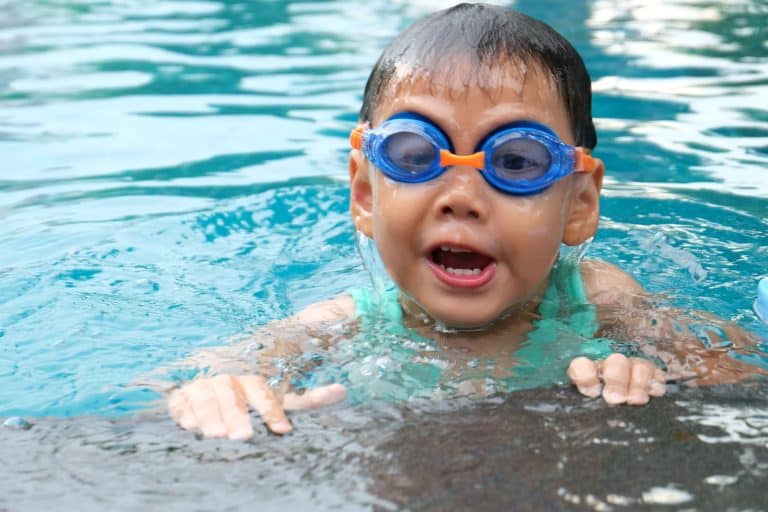
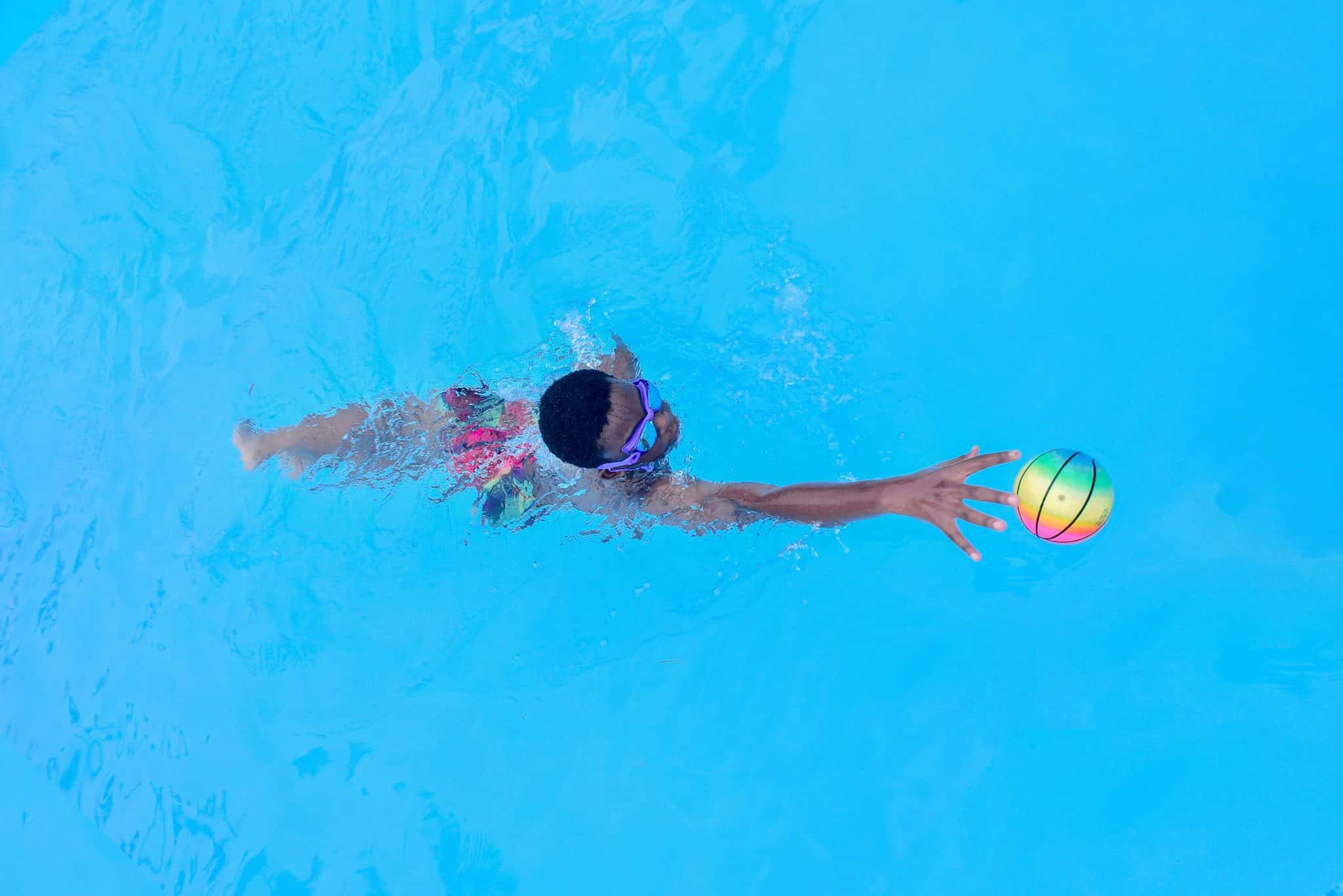
Summer is the perfect time for babies and toddlers to discover the fun of splashing, floating, and playing in the water. The right swimwear helps make every outing more comfortable while giving parents greater confidence. A few thoughtful choices can turn ordinary pool days into enjoyable family traditions that everyone looks forward to.
Choosing the RightSwimwearFrom the Start
Warm weather often means more time at the pool, the beach, splash pads, and backyard sprinklers. For babies and toddlers, the right swimwear does more than create adorable photo opportunities. It helps little ones stay comfortable while giving parents one less thing to worry about during a busy day outside. A thoughtful choice can reduce irritation, improve mobility, and make changing easier before and after water play.
Shopping for kids swimwear begins with comfort rather than style. Soft, stretchy fabrics help protect delicate skin, while quick-drying materials keep children from sitting in damp clothing for long periods. Rash guards provide additional sun coverage without restricting movement, and well-fitting swim diapers help prevent leaks while allowing babies and toddlers to move freely.
Fit matters just as much as fabric quality. Swimwear that is too loose may shift during play, while pieces that are overly tight can become uncomfortable once wet. Since young children grow quickly, it is tempting to buy a larger size, but oversized swimsuits often create more problems than they solve. Choosing the correct fit allows babies and toddlers to crawl, splash, and explore comfortably throughout the day.
Comfort Features That Make Water Days Easier
Parents quickly learn that the smallest details often have the biggest impact. Wide neck openings, stretchy waistbands, and easy-to-use snaps can make changing a wiggly toddler much less stressful. These features become especially valuable when dealing with wet swimsuits after a long afternoon outdoors.
Fabric quality deserves close attention as well. Chlorine, saltwater, and frequent washing can wear down inexpensive materials surprisingly fast. Swimwear made with durable blends tends to hold its shape better, which means it can last through multiple outings and sometimes even another season if growth allows.
Sun protection should also remain part of every swim routine. Even when a swimsuit offers built-in UV protection, hats, shade, and sunscreen remain essential for exposed skin. Combining protective clothing with regular sunscreen application helps create a more complete approach to outdoor safety, especially during the strongest afternoon sun.
Another practical consideration is visibility. Bright colors often stand out better in pools and open water than muted shades. While no swimsuit replaces careful supervision, choosing colors that are easier to spot can make keeping track of an active toddler a little simpler.
Packing Smart for Pools and Water Parks
Swimming adventures are not limited to sunny afternoons. Many families visit indoor water parks throughout the year because they offer warm water and weather-proof entertainment regardless of the season. Preparing for these trips requires a slightly different packing strategy than heading to a neighborhood pool.
Bringing two swimsuits for each child can make the day much more comfortable. After spending hours in wet clothing, changing into a dry swimsuit before another round of play helps reduce chills and irritation. Packing extra towels, waterproof bags for wet clothing, and a complete change of clothes also prevents small inconveniences from becoming major frustrations.
Footwear deserves attention, too. Soft water shoes can provide traction on slippery surfaces while protecting little feet from rough pool decks. Lightweight cover-ups help children stay warm when walking between attractions, especially if the facility keeps air temperatures cooler than the water.
Making Swimwear Last Longer
Quality swimwear represents an investment, especially for families with multiple young children. Fortunately, a few simple habits can help extend its lifespan. Rinsing swimsuits immediately after use removes chlorine, salt, sunscreen residue, and sand before they have a chance to damage the fabric.
Machine drying is another common source of wear. Air drying instead helps elastic fibers maintain their stretch while reducing fading. Although it may take a little longer, this simple step often keeps swimsuits looking newer throughout the season.
Proper storage matters as well. Avoid leaving damp swimsuits bunched inside beach bags or plastic containers for long periods. Allowing them to dry completely before putting them away helps prevent unpleasant odors and preserves the material.
Creating Happy Water Memories
Baby and toddler swimwear should support movement, comfort, and confidence rather than becoming another source of stress for parents. Thoughtful fabric choices, practical features, and the right fit all contribute to more enjoyable days around the water. With a little preparation before each outing, families can spend less time adjusting swimsuits and more time watching little ones splash, play, and discover the fun that every swim season brings.