
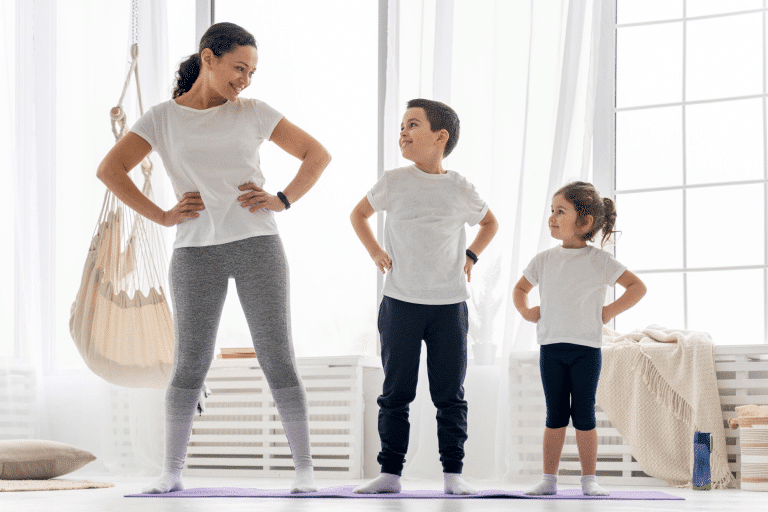
Dealing with the demands of parenting with personal health goals is a formidable challenge for modern parents. Weight loss can be a struggle when raising children and running a household, more so if they’re also managing a career. With over 41 percent of Americans considered obese, dealing with weight loss and parenting demands should be given more priority.
What practical techniques and solutions can help modern parents achieve sustainable weight loss?
The Unique Challenges Modern Parents Face in Weight Loss

Parenting responsibilities often lead to limited time and energy for weight loss efforts. Modern parents juggle many roles. This constant balancing act requires meticulous time management and can leave little room for personal endeavors, including health and fitness. The pressure to do well in each role can cause burnout and neglect of personal needs.
Parents must understand that staying healthy is also a decision they should make for their children. When they’re healthy, they can engage in physical activities with their children and be more present in their children’s lives. Their mental fortitude is also key to maintaining a positive home environment.
Conversely, neglecting personal health can lead to increased stress and health issues, which can negatively affect the entire family dynamic.
Time Management
Another obstacle parents face is the lack of time. Setting aside time for exercise and diet between school runs and household chores is the least of their priorities. Many parents focus on their children’s needs over their own. This leaves little room for personal health and fitness.
Stress and Emotional Eating
Parenting is inherently stressful. For many, this stress can trigger emotional eating. The temptation to finish off the kids’ leftovers and the lure of convenience foods contribute to unwanted weight gain. Stress management becomes a crucial component of any weight loss strategy for parents.
Lack of Personal Time
Modern parents’ busy schedules often leave little room for personal time. Between busy workdays and evenings filled with family activities, finding a moment to focus on one’s health can seem impossible. This lack of personal time is a significant barrier to weight loss.
Efficient Techniques for Weight Loss

Weight loss is a goal for many. Roughly 49 percent of Americans try to shed weight annually, with 17 percent following a specific diet. However, a considerable percentage of them end up becoming pathological dieters. That’s why it’s a must to follow efficient techniques to manage weight loss. Here are some that parents can follow:
Engage in Family-Friendly Workouts
Incorporating physical activities that involve the whole family, like biking or hiking, can be very effective. Plan a family activity that involves exercise, such as a park day with games. Do this at least once a week.
Home workout routines that are doable while supervising children can also be helpful. Use workout videos designed for parents. Enrolling in family fitness classes or community sports programs can also provide structured exercise opportunities. Find local community centers offering family fitness classes or join a family-friendly gym.
Introduce Dietary Changes
Diet and exercise complement each other. Parents are also responsible for providing their families healthy meals that meet everyone’s nutritional needs. One way to do it is via meal planning. This practice helps avoid last-minute unhealthy choices.
Start by creating a meal plan for the week and involve everyone to make it a family activity. It will help to replace processed snacks with fruits and vegetables. It also helps to have one new healthy recipe each week. If possible, keep a grocery list of healthy staples and ensure your pantry has nutritious options.
Another efficient solution that has gained popularity and can be incorporated into the busy schedule is diet shakes in Australia. These shakes offer a convenient and nutritious option for weight loss, providing essential vitamins and minerals while helping manage calorie intake.
Understand the Role of Medications and Professional Help
Sometimes, professional guidance is necessary. Nutritionists and weight loss coaches can provide personalized plans and support.
For those facing significant barriers to weight loss, medications prescribed by healthcare providers can play a critical role. These medications can help manage appetite or address underlying health conditions contributing to weight gain. Parents should not hesitate to seek help if they struggle to progress on their own. For example, semaglutide has shown excellent results for sustainable weight loss, especially for health reasons.
The increasing popularity of the medication for those needing additional support in their weight loss journey is noteworthy. Parents should ask health professionals where to buy compounded semaglutide. It will help them fact-check its legitimacy and efficacy.
Achieve Balance in Your Weight Loss Journey
Balancing weight loss with parenting responsibilities is challenging. However, it’s not impossible. Modern parents should learn to leverage the right strategies to achieve weight loss goals while creating a healthier family life.



 It’s normal for people to experience discomfort when they start wearing their aligners for the first time (or when they switch to a new set). Make sure your teen knows this is only temporary and the pain can be easily managed.




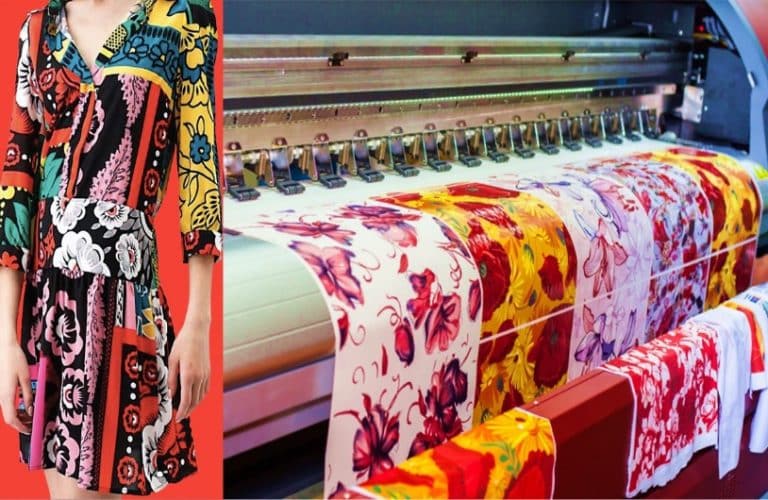
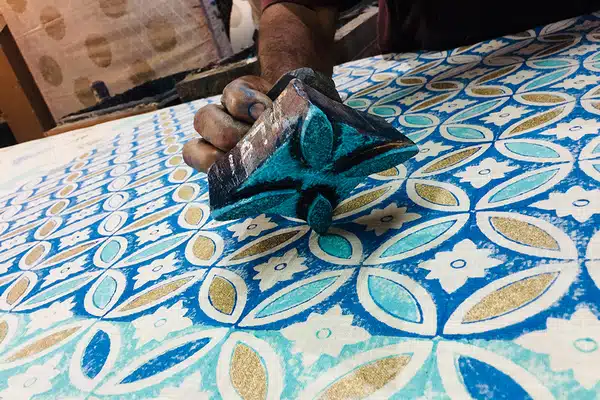 Textile printing is more than just a technique; it’s a vital part of the fashion industry. It allows designers to translate their visions into tangible, wearable art.
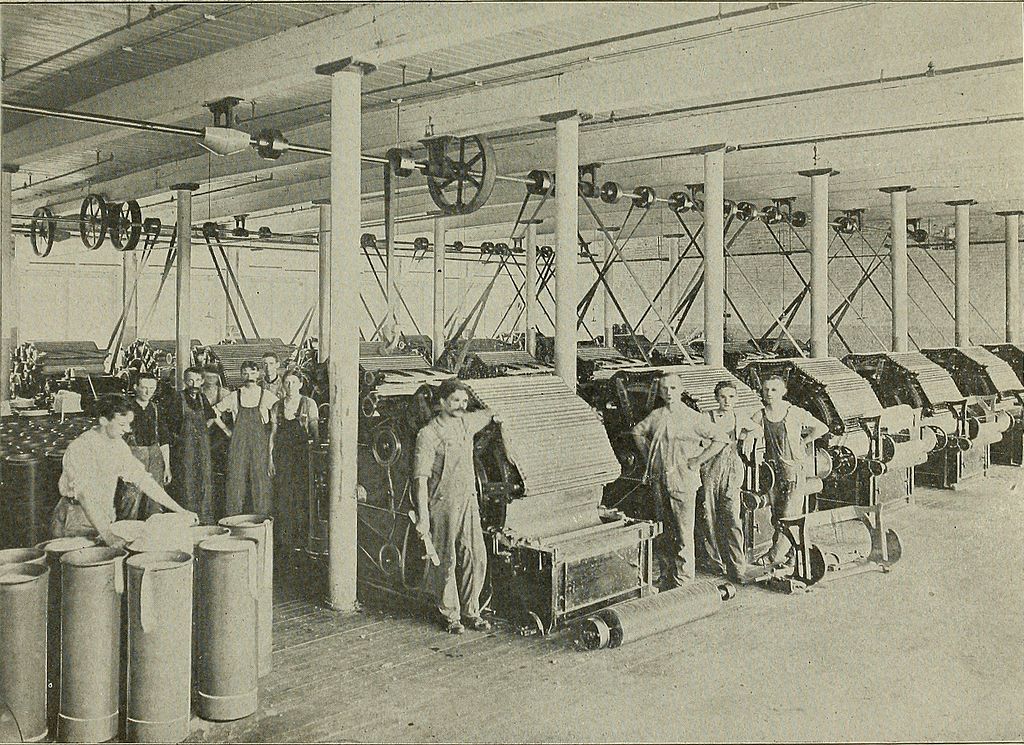 The history of textile printing dates back thousands of years. Ancient civilizations like the Egyptians, Chinese, and Indians were among the first to develop methods for decorating fabrics. Block printing, for example, originated in China around 220 A.D. and later spread to India and Europe.
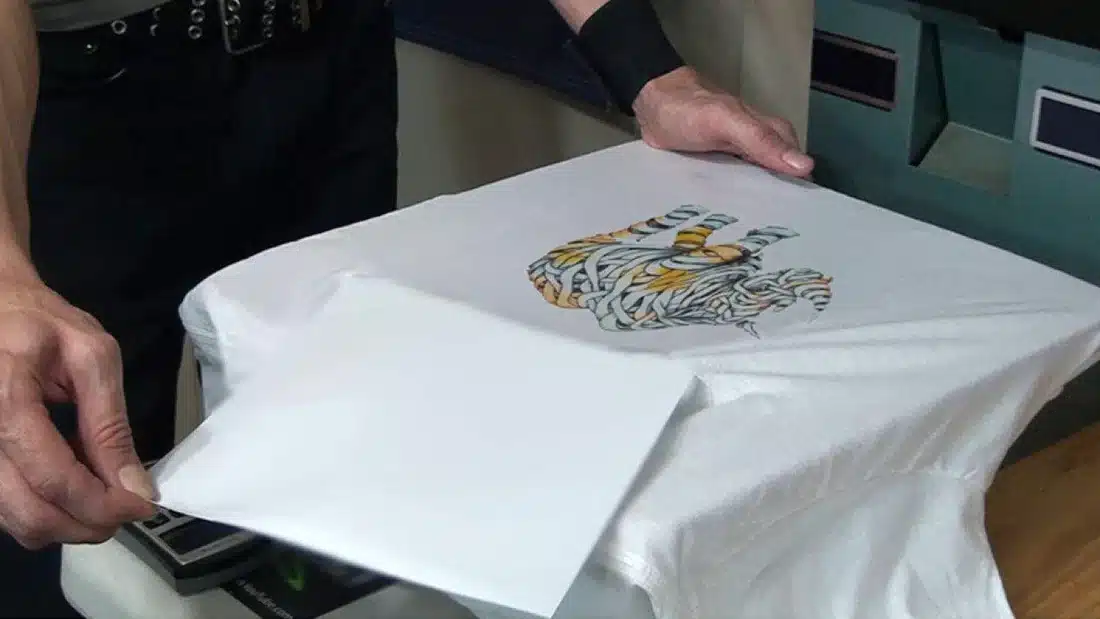 Today, textile printing encompasses a wide range of techniques, each with its unique advantages and applications. Let’s explore some of the most prominent methods used in the fashion industry.
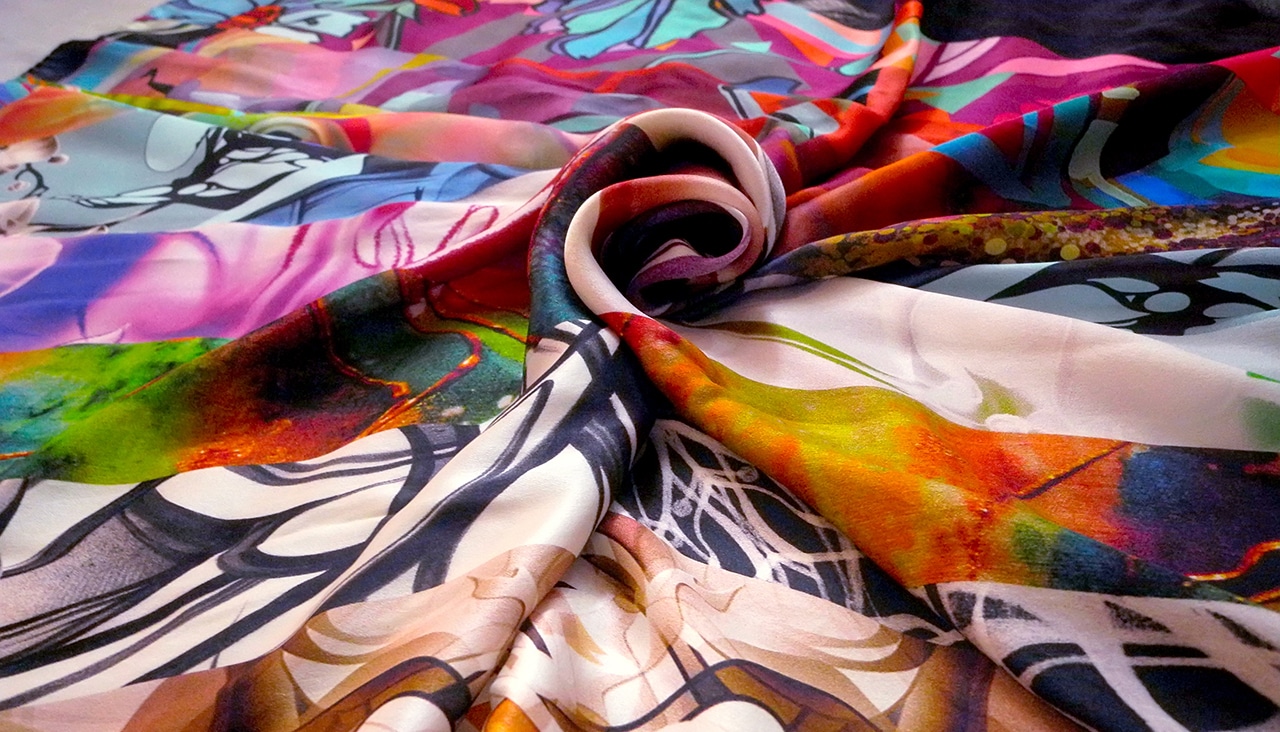 The textile printing industry is continuously evolving, driven by technological advancements and a growing emphasis on sustainability. Eco-friendly practices are at the forefront, with many companies adopting water-based inks, organic fabrics, and energy-efficient machinery. Innovations like 3D printing and smart textiles are also making waves, offering new ways to integrate functionality and aesthetics.
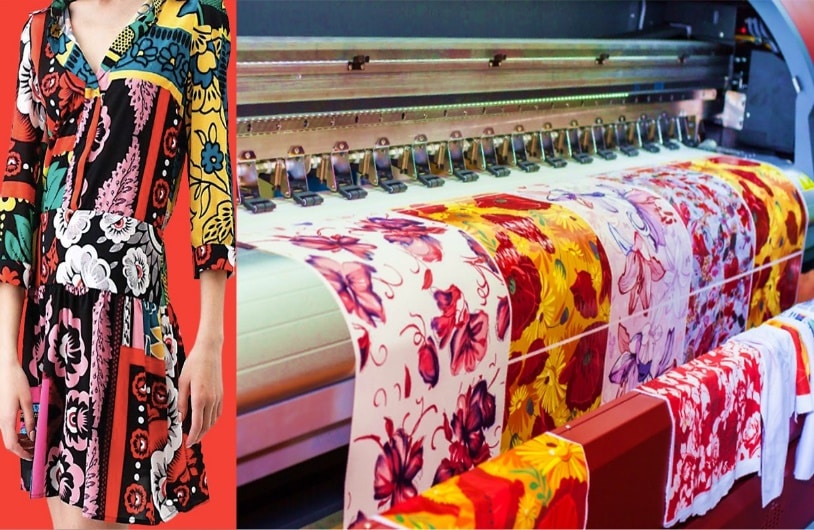 To understand the impact of textile printing, let’s look at some brands and designers pushing the boundaries of this craft.

 A spa day will always remain a classic gift for every lady. Book her a day at local spa and see her face lit up with smile as you appreciate her efforts. Let her know that you will handle all her chores while she can enjoy her day in the spa with a relaxing massage.
 If your wife is tech-savvy, it’s time to bring some technology into the house that is practical and exciting at the same time. Think about the gadgets that can add comfort factor to her life. It could be any ring or bracelet that can keep track of fitness and health metrics. Such gifts can fulfill her comfort needs and jewelry needs. It can’t be more stylish.
 Bring her thoughtful gifts to show her that you value her priorities. If she loves drawing or painting, give her high-quality art supplies. For the wife who is into gardening and loves spending time in the law, a set of beautiful planters can do the needful.

 Receiving a cancer diagnosis often triggers a whirlwind of emotions – fear, anger, sadness, and anxiety. Therapy provides a safe space for people to express and process these feelings, helping them cope with the emotional turmoil that accompanies their diagnosis and treatment.
 Chemotherapy, radiation, and other cancer treatments often come with debilitating side effects that can impact a patient’s quality of life.
 Cancer often prompts patients to reevaluate their priorities, values, and goals in life. Therapy encourages self-exploration and personal growth, empowering patients to discover new strengths, insights, and opportunities for positive change.