Author

Jonathan Green, M.Ed.

Browsing

Don’t you think the animals beginning with V play a crucial role in maintaining the balance of our ecosystems? Yes, definitely!

As the environment consists of various animals, from microscopic organisms to huge mammals, these animals contribute significantly to the well-being of our environment.

From Vampire Bat to Vietnamese Mossy Frogs, these animals play a crucial role in maintaining biodiversity.

Beyond their mesmerizing beauty and value, these animals serve an essential ecological role that sustains life on Earth.

Understanding how the animal kingdom safeguards our natural world is imperative for fostering a deeper appreciation of the interconnected web of life.

Let’s get started to see specifically the animals, starting with V.

List of Animals Starting with V

1. Vampire Bat
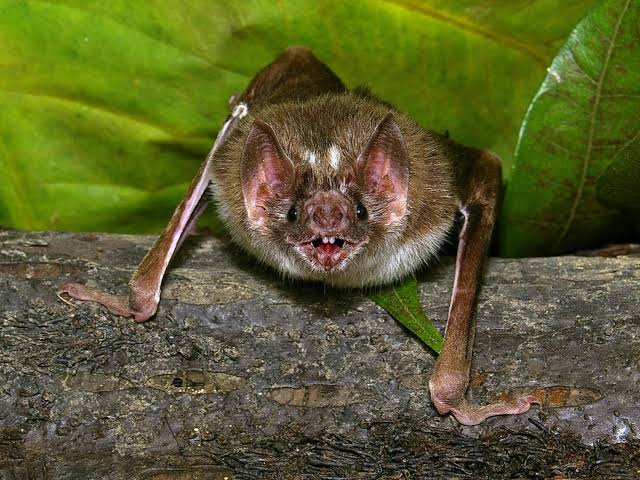
Vampire Bat

Place of Origin: Central and South America
Regions of Habitat: Found in Mexico, Brazil, Chile, and Argentina
Scientific Name: Desmodus rotundus

Vampire bats are small, nocturnal bats known for their unique feeding habit of drinking blood from other animals.

They have heat sensors on their noses to find blood vessels close to the skin.

Their saliva contains an anticoagulant that prevents blood from clotting while they feed.

Typically, they target livestock but occasionally feed on wild animals and birds.

Interesting Fact: Contrary to popular belief, vampire bats are not aggressive towards humans and are known to engage in social behaviors such as grooming and food sharing within their colonies.

2. Vervet Monkey
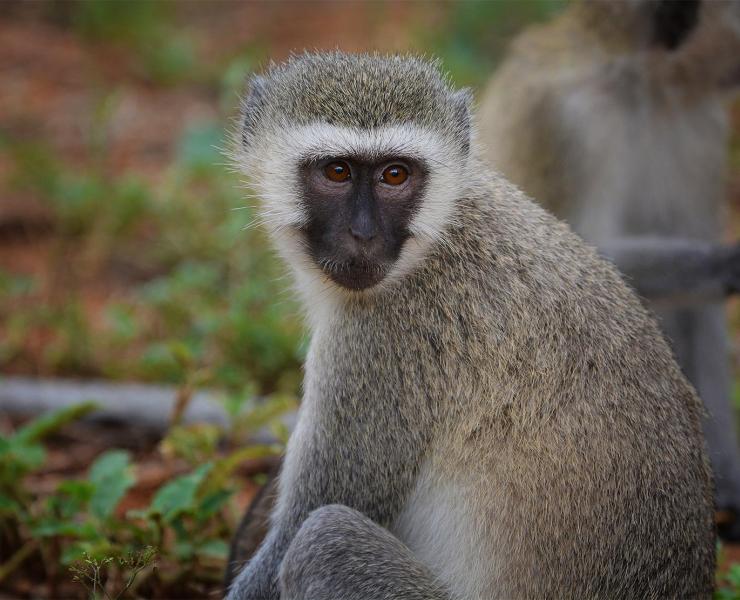
Vervet Monkey

Place of Origin: Africa
Regions of Habitat: Widely distributed across East and Southern Africa
Scientific Name: Chlorocebus pygerythrus

Vervet monkeys are medium-sized primates with grey body fur, black faces, and white-fringed hair.

They are highly social and live in well-organized troops led by a dominant male.

Their diet primarily consists of fruits, seeds, and occasionally small vertebrates.

Interesting Fact: Vervet monkeys are known for their remarkable ability to adapt to different environments, including areas impacted by human activities.

Their distinct alarm calls for different predators indicate their advanced communication skills.

3. Vicuña
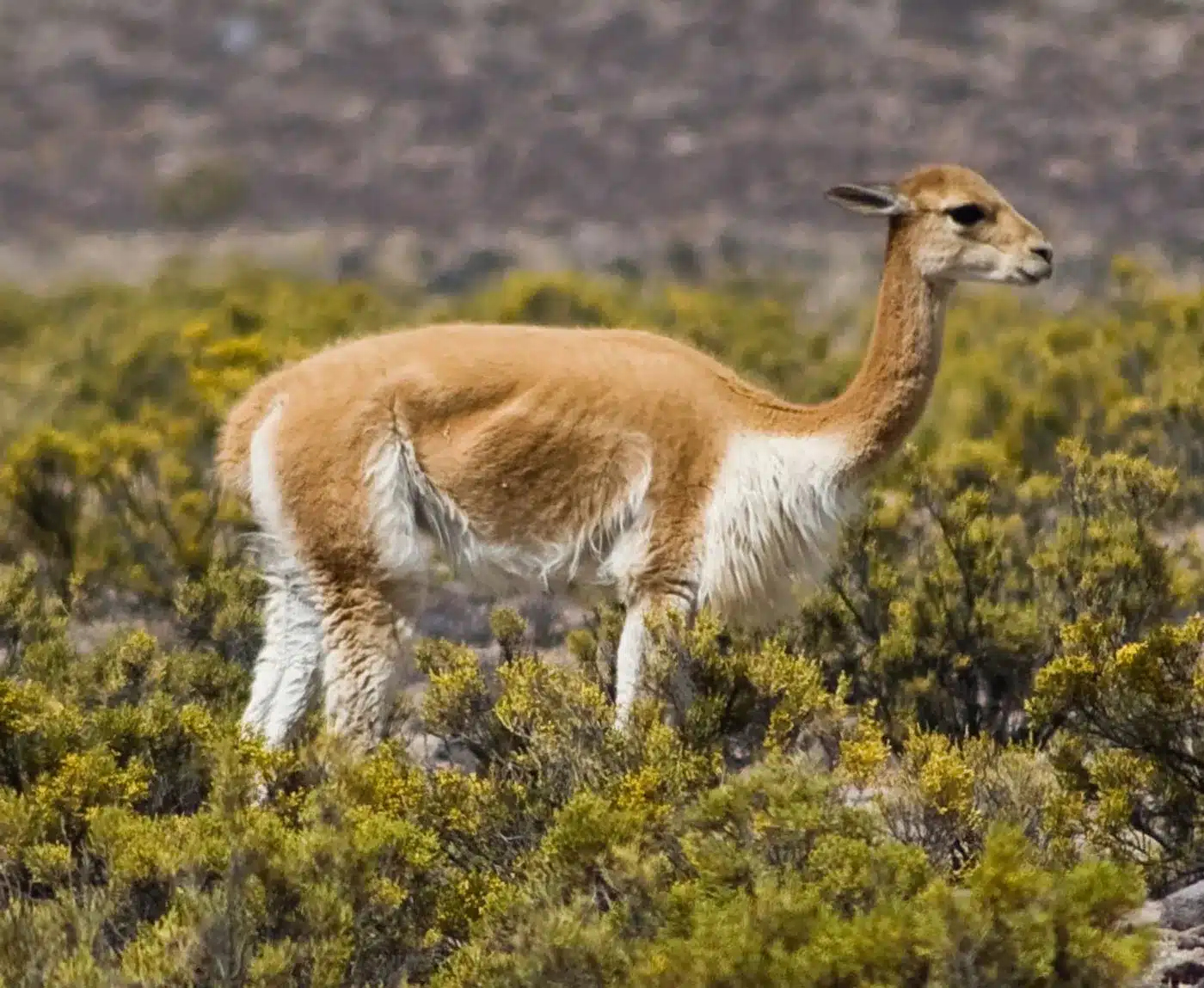
Vicuña

Place of Origin: South America
Regions of Habitat: Andean mountain regions of Peru, Chile, Bolivia, and Argentina
Scientific Name: Vicugna vicugna

Vicuñas are wild relatives of llamas and alpacas, known for their fine wool.

They are slender, elegant animals with long necks, large eyes, and soft, dense fur.

Vicuñas live in family-based groups and graze on high-altitude grasses and other vegetation.

Interesting Fact: Vicuña wool is extremely valuable due to its softness and warmth.

In Incan times, only royalty was permitted to wear garments made from vicuña wool.

4. Virginia Opossum
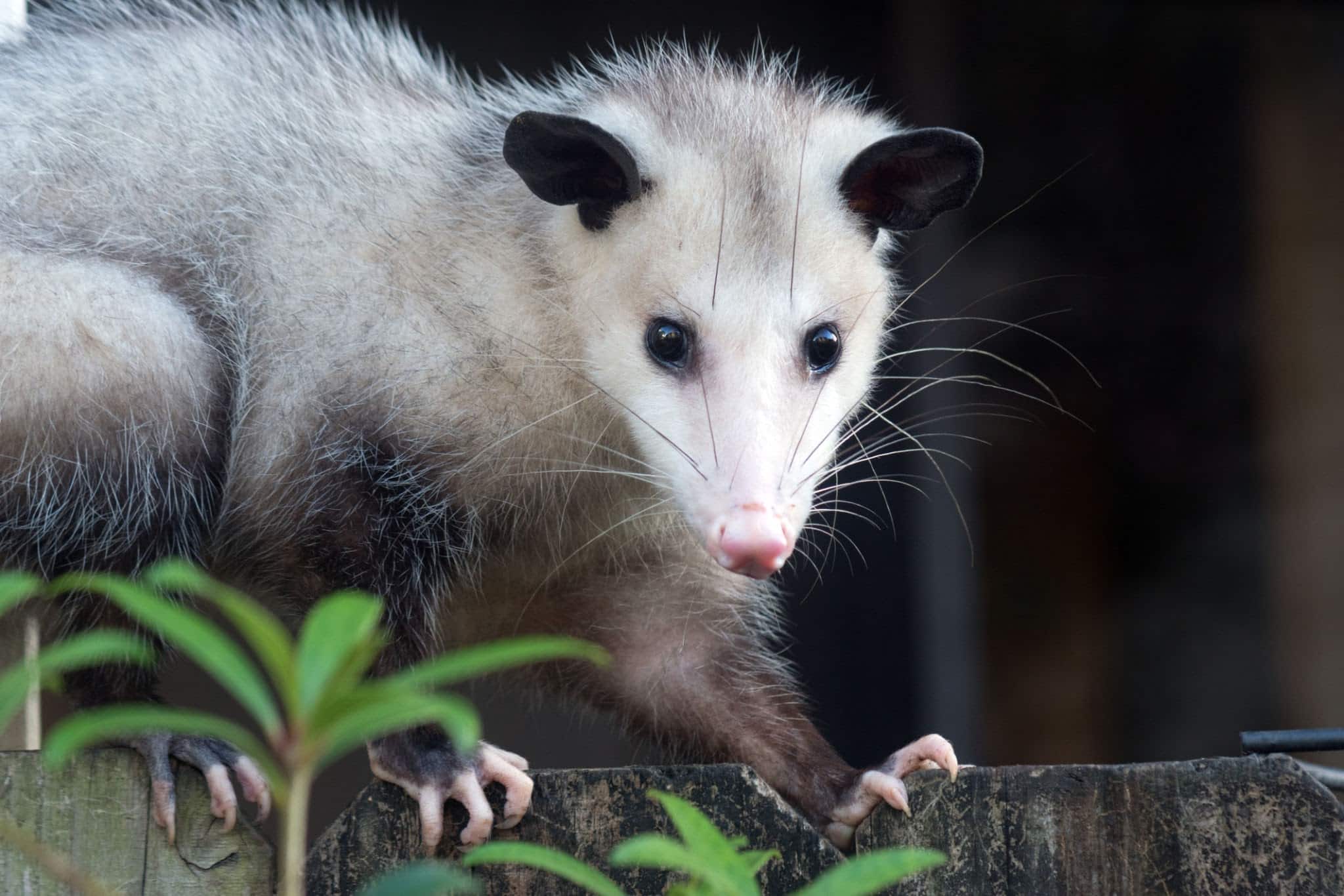
Virginia Opossum

Place of Origin: North America
Regions of Habitat: Widely distributed across the United States
Scientific Name: Didelphis virginiana

The Virginia opossum is a marsupial, notable for being North America’s only native marsupial.

It has a distinctive white face with dark eyes, a greyish body, and a long, hairless tail.

Opossums are nocturnal and omnivorous, feeding on various foods, including fruits, insects, and small animals.

Interesting Fact: When threatened, Virginia opossums can ‘play dead,’ a defensive mechanism where they become limp, close their eyes, and exude a smell of decay to deter predators.

5. Vulture
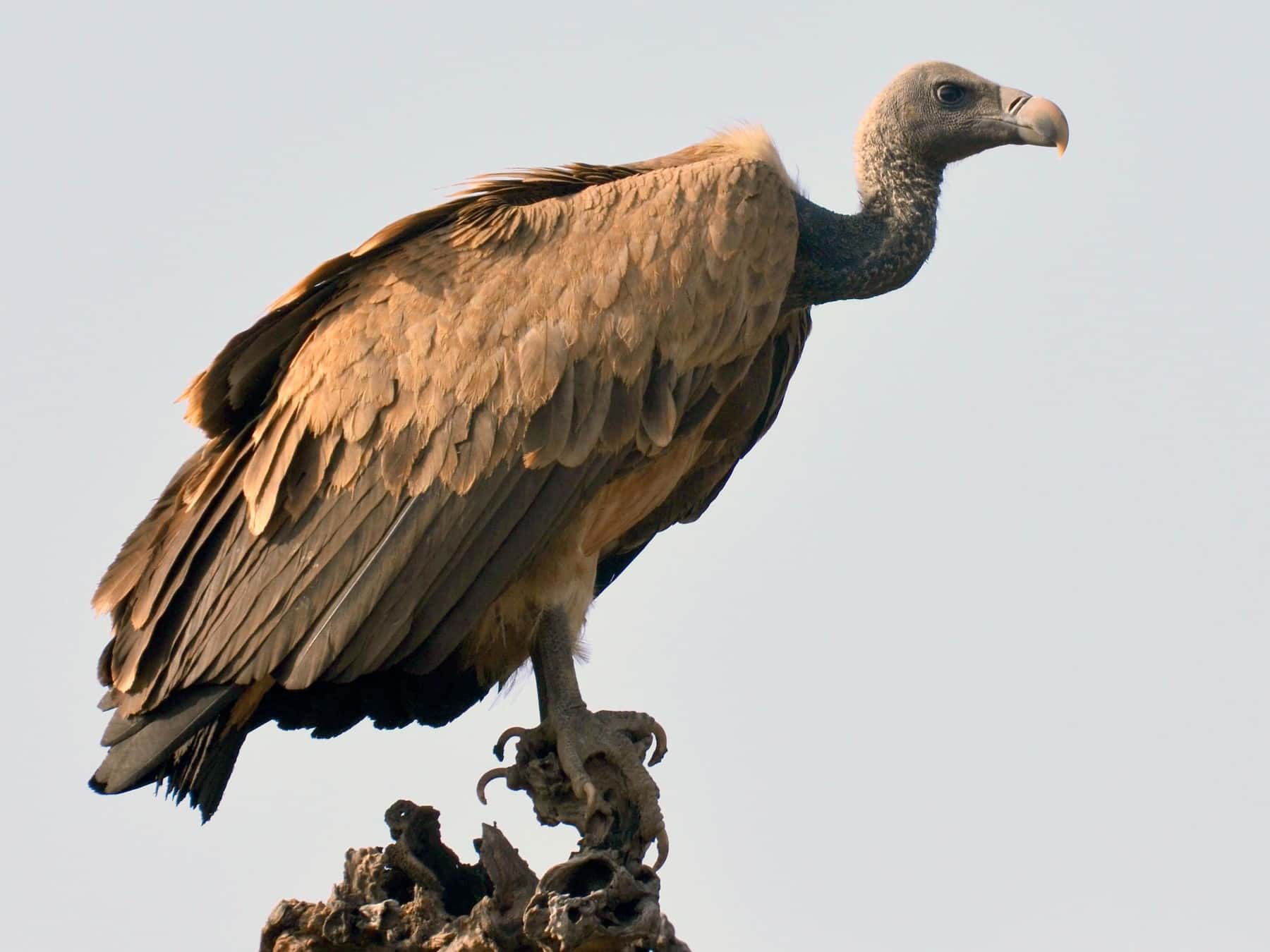
Vulture

Place of Origin: Various, depending on the species
Regions of Habitat: Found worldwide, especially in Africa, Asia, and Europe
Scientific Name: Varies by species

Vultures are large birds of prey, easily identified by their bald heads and powerful beaks.

They are scavengers, primarily feeding on carrion.

Vultures play a crucial role in their ecosystem by cleaning up dead animal remains, thus preventing the spread of diseases.

Interesting Fact: Vultures have an incredibly strong stomach acid, allowing them to safely consume rotting carcasses that would be lethal to other animals due to bacteria or toxins.

6. Velvet Ant
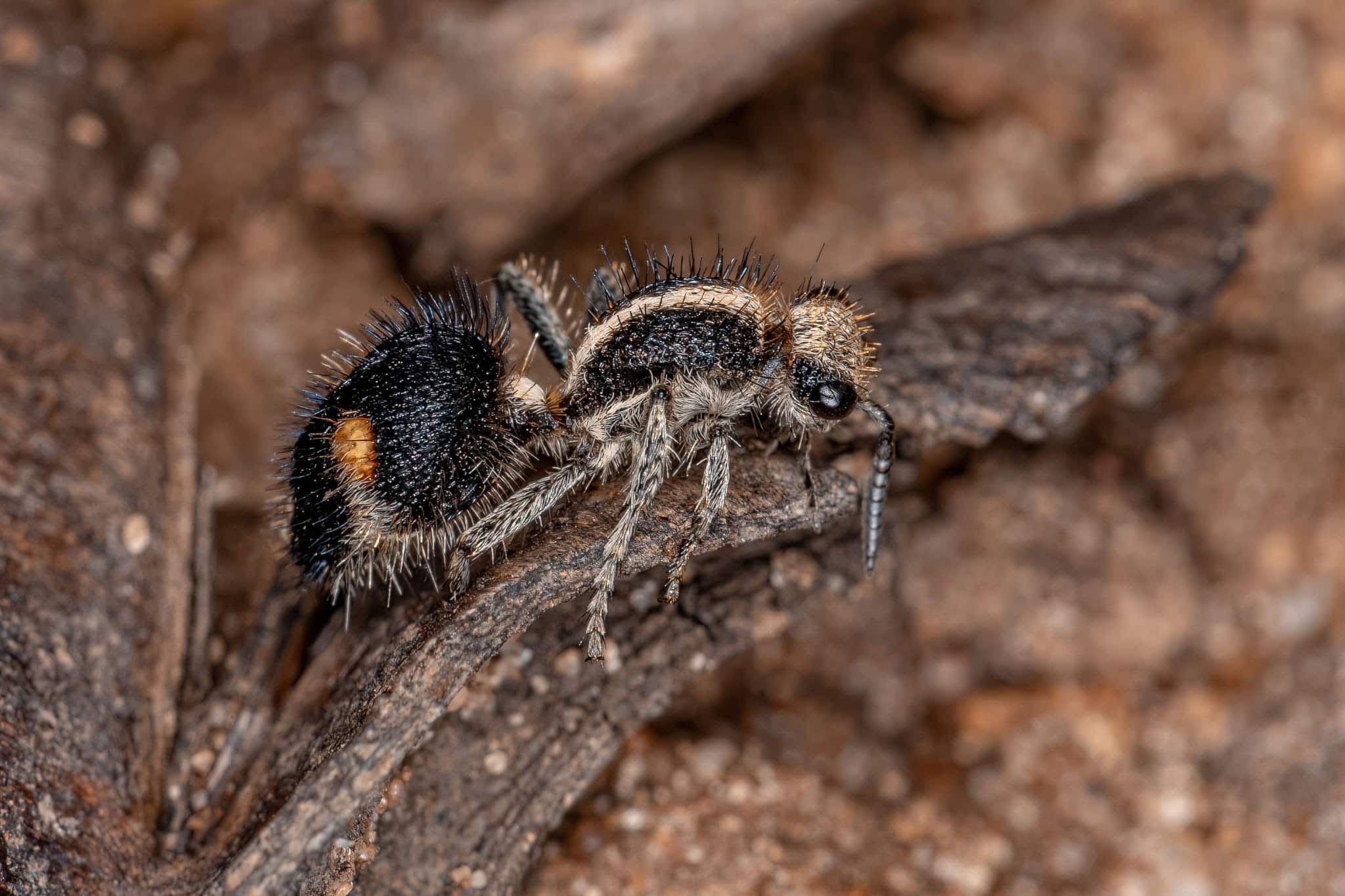
valvet ant

Place of Origin: Worldwide, particularly in warmer regions
Regions of Habitat: Found in desert and grassland areas
Scientific Name: Mutillidae (family)

Despite their name, velvet ants are wasps. Females are wingless and covered in dense, velvet-like hair, often brightly colored.

They are solitary insects, and females lay their eggs in the nests of other ground-nesting bees and wasps.

Interesting Fact: Female velvet ants are known for their extremely painful sting, earning them the nickname “cow killer,” although their sting is not typically dangerous to humans.

7. Vine Snake
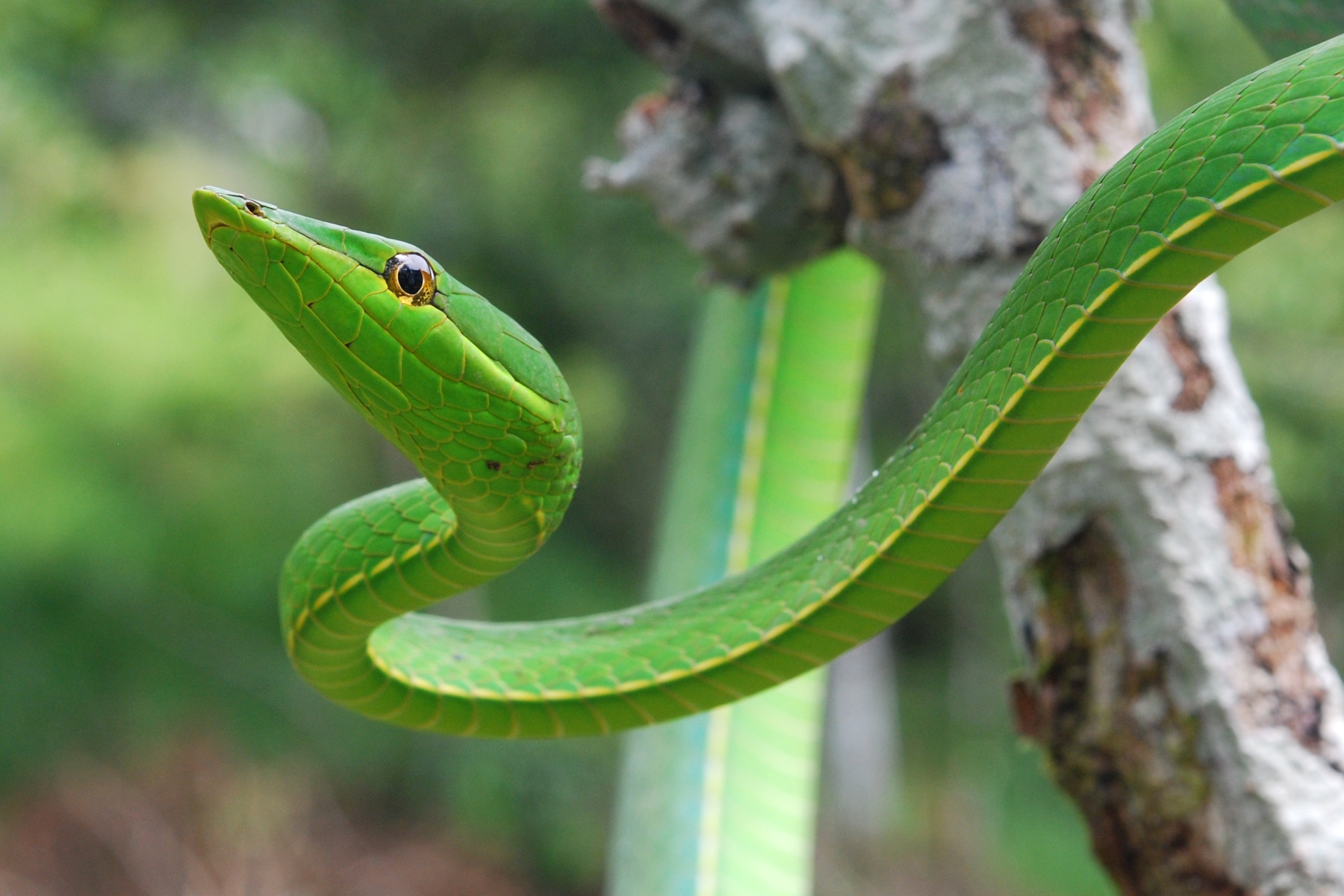
Vine Snake

Place of Origin: Asia and the Americas, depending on the species
Regions of Habitat: Tropical rainforests, woodlands, and grasslands
Scientific Name: Ahaetulla (genus)

Vine snakes are slender, arboreal snakes that closely resemble vines or branches, aiding in their camouflage.

They have long, narrow heads and are usually green or brown. These snakes are mildly venomous and prey primarily on small birds and lizards.

Interesting Fact: The vine snake’s ability to change color slightly, depending on its surroundings, makes it an adept ambush predator, blending seamlessly into the foliage.

8. Viper
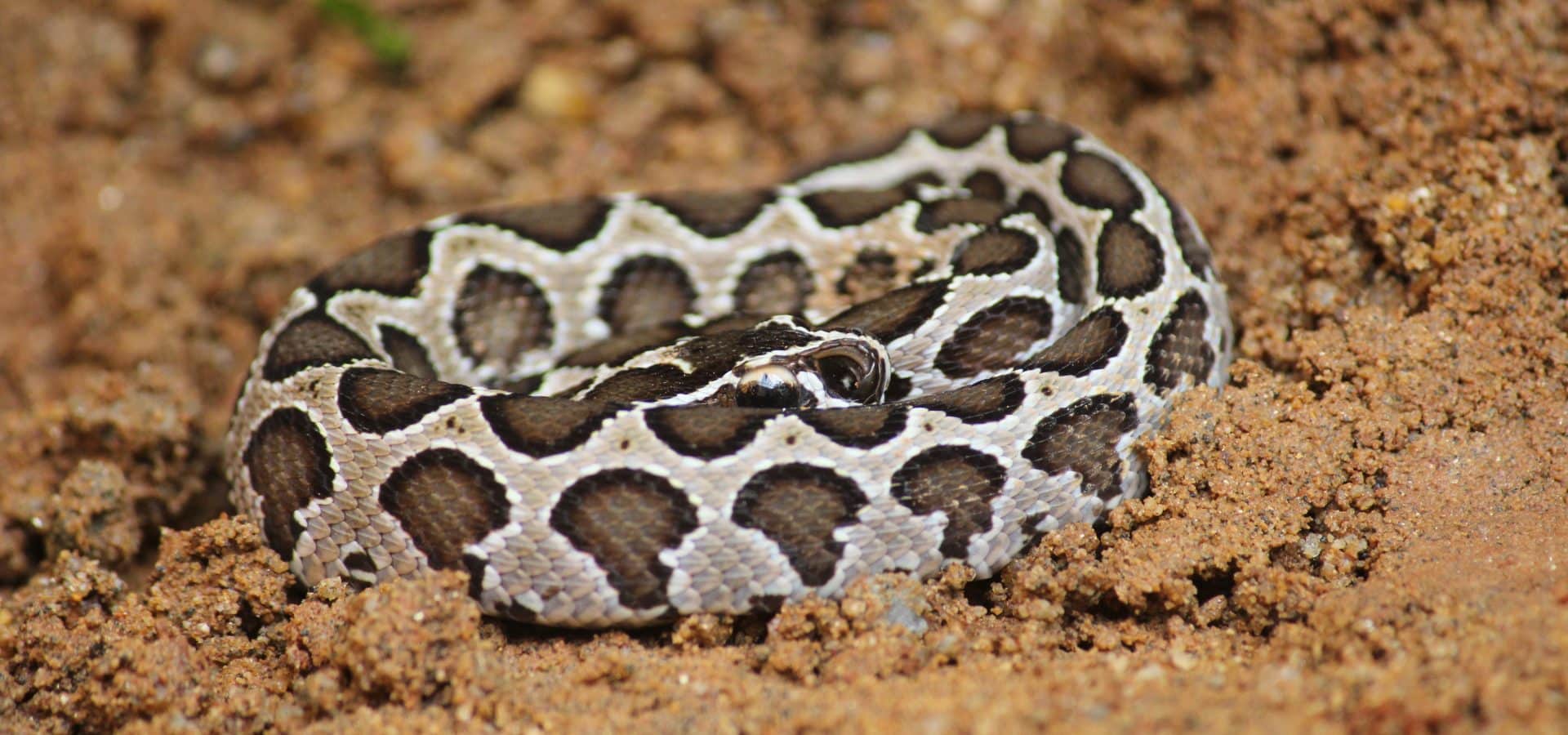
Viper

Place of Origin: Worldwide, except for Australia, Madagascar, and various islands
Regions of Habitat: Varies widely from forests to deserts
Scientific Name: Viperidae (family)

Vipers are a family of venomous snakes known for their long, hinged fangs that allow them to inject venom deeply into their prey.

They come in various sizes and colors, but most have a distinctive triangular head and keeled scales.

Vipers are mainly nocturnal and feed on small animals.

Interesting Fact: The viper’s venom is primarily used for prey immobilization and digestion, as it contains enzymes that help break down the body tissues of their victims.

9. Violet-Backed Starling
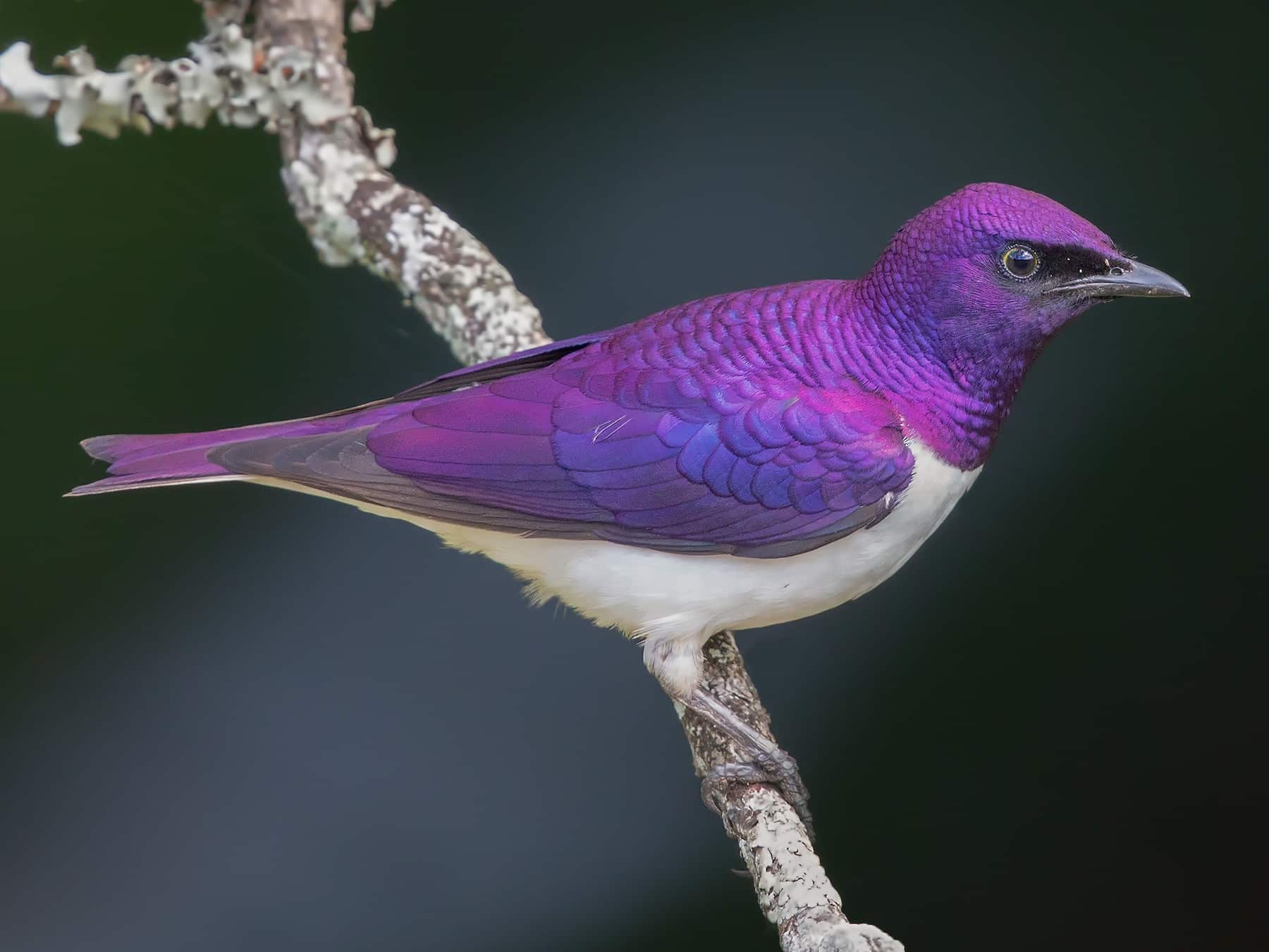
Violet-Backed Starling

Place of Origin: Sub-Saharan Africa
Regions of Habitat: Open woodlands and savannas
Scientific Name: Cinnyricinclus leucogaster

The violet-backed starling is a small bird with a striking appearance.

Males have iridescent violet backs and wings contrasting with their white underparts. Females, on the other hand, are brown with faint streaks.

They feed on fruits and insects and are known for their melodious song.

Interesting Fact: During mating season, the male violet-backed starling’s vibrant colors become even more pronounced, helping attract mates and deter rivals.

10. Vaquita

Vaquita

Place of Origin: Gulf of California, Mexico
Regions of Habitat: Shallow, murky lagoons in the Gulf of California
Scientific Name: Phocoena sinus

The vaquita is a small porpoise and the world’s rarest marine mammal.

Its small size, robust body, and distinctive dark rings around its eyes and mouth characterize it.

Vaquitas are shy and elusive, making them difficult to study in the wild.

Interesting Fact: The vaquita is critically endangered, with population estimates suggesting fewer than 30 individuals remaining, primarily due to accidental entanglement in illegal gillnets.

11. Variable Squirrel
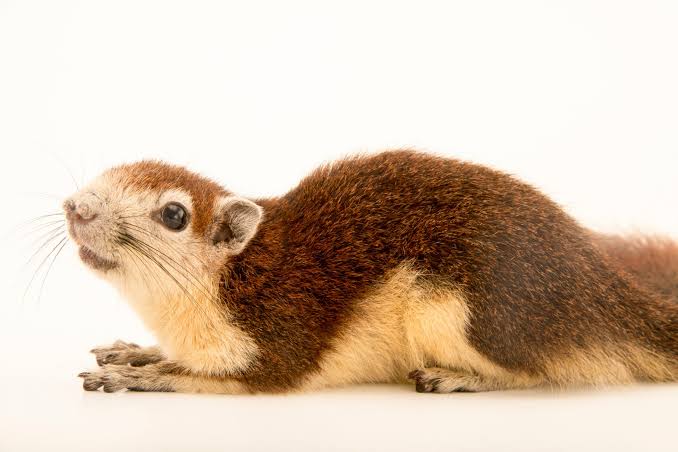
Variable Squirrel

Place of Origin: Southeast Asia
Regions of Habitat: Forests in countries like Indonesia and Malaysia
Scientific Name: Callosciurus finlaysonii

The variable squirrel is a tree squirrel known for its varied fur color, which ranges from grey to almost black, with some having cream-colored patches.

They have bushy tails and are medium-sized.

These squirrels are diurnal and feed mainly on fruits, nuts, and sometimes insects.

Interesting Fact: The variable squirrel’s ability to adapt its fur color to different environments is a remarkable example of camouflage, helping it evade predators in various forest habitats.

12. Vampire Squid
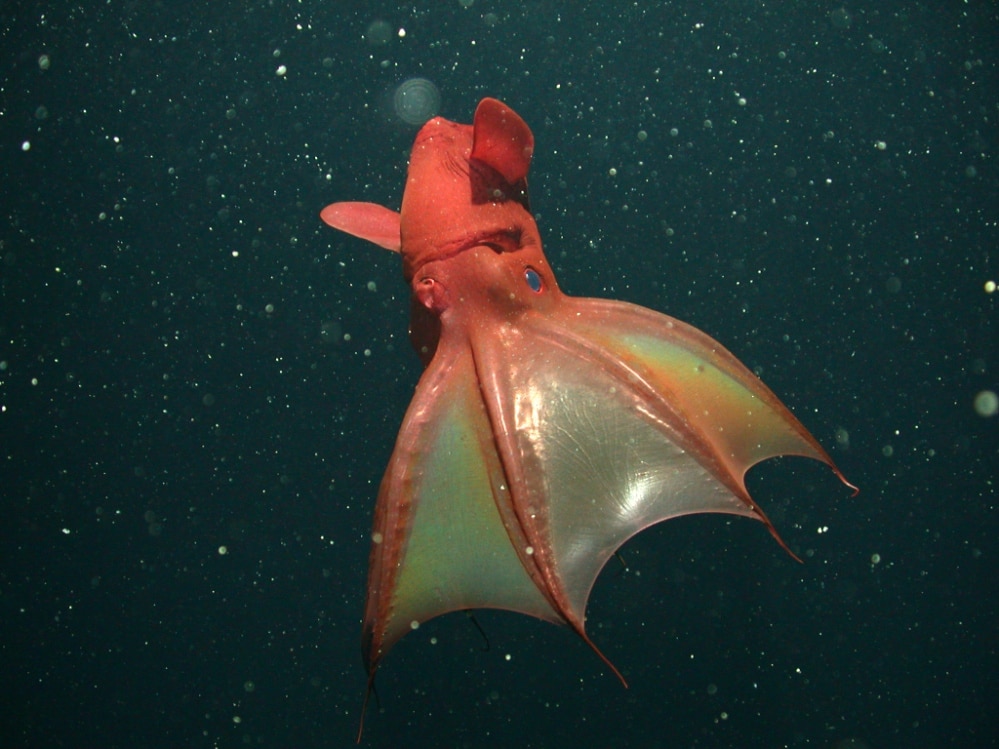
Vampire Squid

Place of Origin: Tropical and temperate oceans worldwide
Regions of Habitat: Deep ocean waters, often below 600 meters
Scientific Name: Vampyroteuthis infernalis

The vampire squid is a unique cephalopod with a dark, webbed body resembling a cloak.

Its eight arms are connected by a web of skin, making it look like a vampire’s cape. It has large, sensitive eyes and is bioluminescent.

Despite its name, it feeds mainly on marine detritus, not blood.

Interesting Fact: The vampire squid has a unique defense mechanism: it can invert its cape, covering itself with bioluminescent spines, which startle predators and may deter them from attacking.

13. Verreaux’s Sifaka
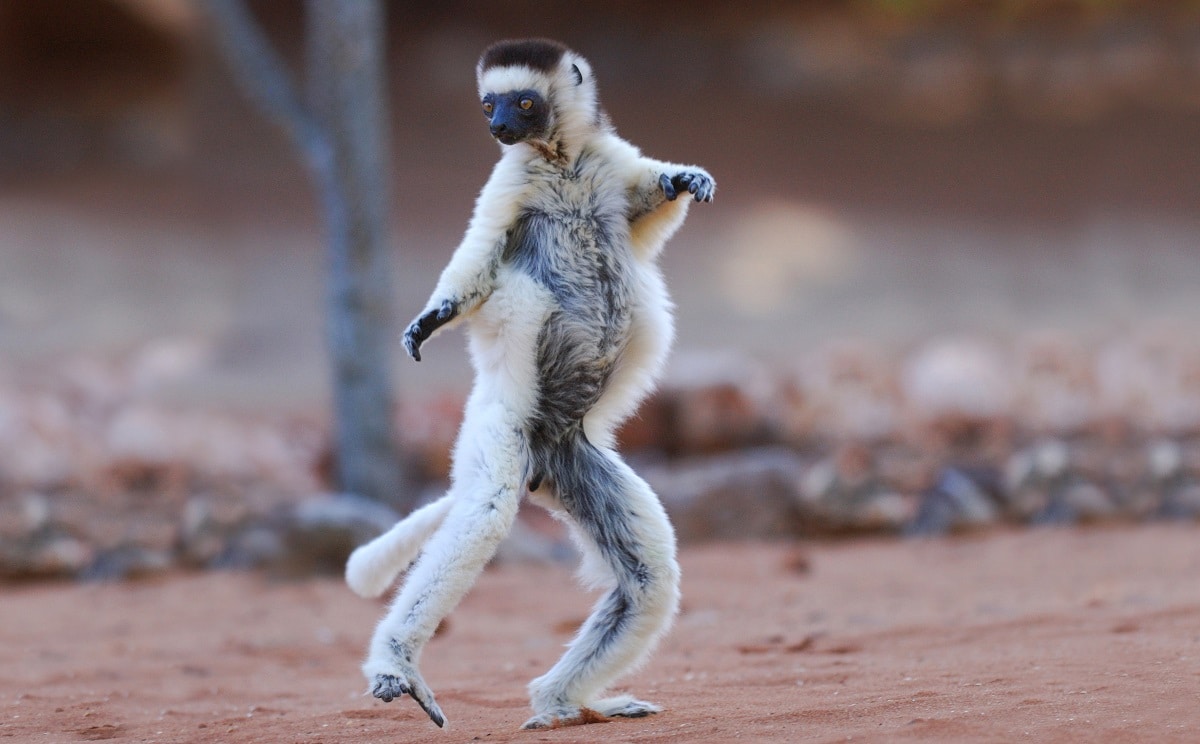
Verreaux's Sifaka

Place of Origin: Madagascar
Regions of Habitat: Dry deciduous forests in Madagascar
Scientific Name: Propithecus verreauxi

Verreaux’s Sifaka is a medium-sized lemur known for its long, thick, white fur with black face and limbs.

These lemurs are arboreal and are noted for their unique mode of locomotion, moving by leaping sideways through trees.

They are herbivores, primarily eating leaves, fruits, and flowers.

Interesting Fact: When on the ground, Verreaux’s Sifakas move by hopping on their hind legs, a behavior rarely seen in other primates, making them quite a spectacle to observe.

14. Violet Turaco
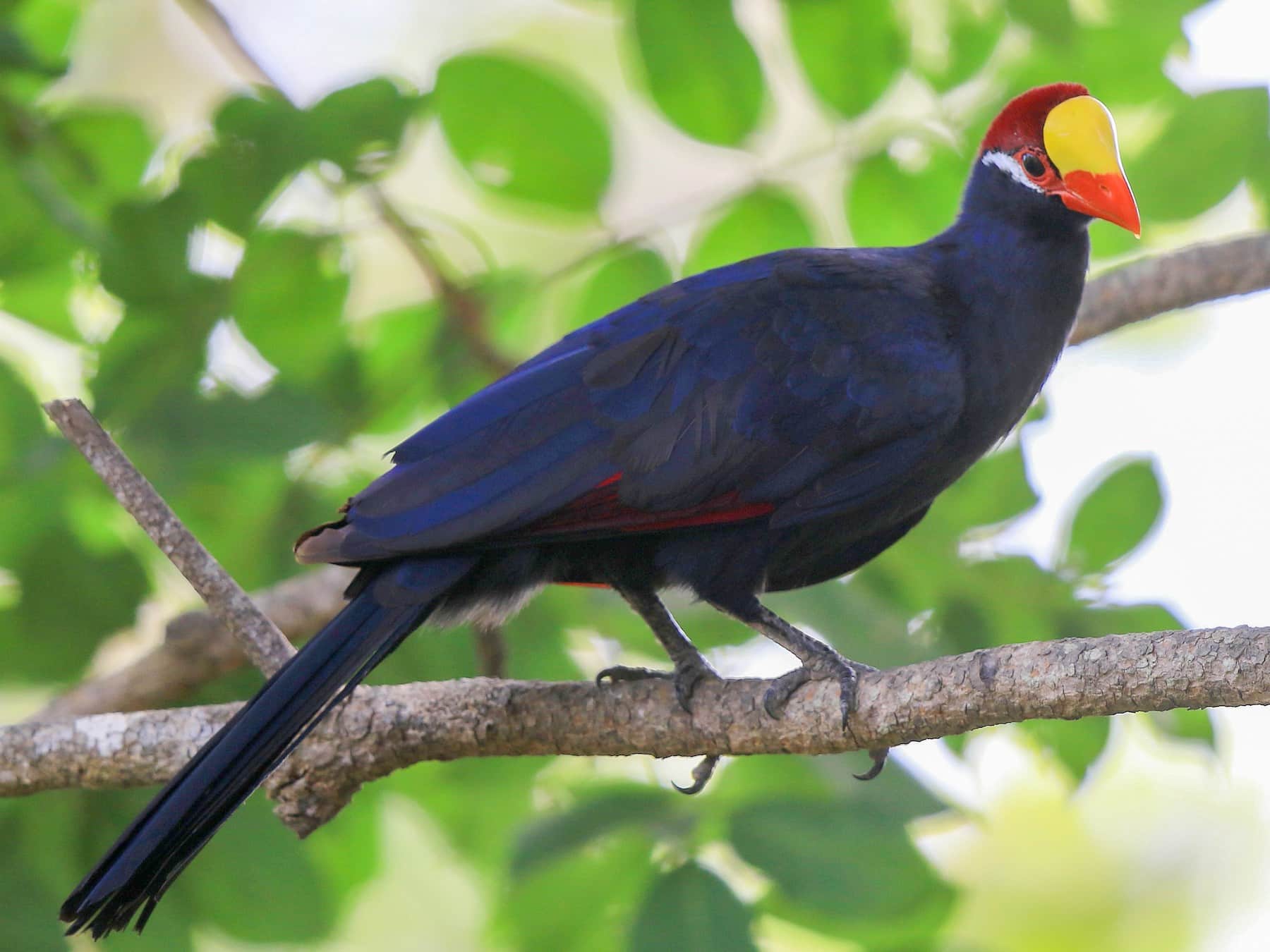
Violet Turaco

Place of Origin: West Africa
Regions of Habitat: Forests and savannas in countries like Senegal and Sudan
Scientific Name: Musophaga violacea

The violet turaco is a brightly colored bird with a vivid violet body, yellow bill, and striking red eye rings.

It is a large, fruit-eating bird often seen in small flocks.

When in flight, the wings are surprisingly red, contrasting with the violet body.

Interesting Fact: Despite its bright colors, the violet turaco is surprisingly difficult to spot in its natural habitat due to its shy nature and preference for dense forest canopies.

15. Visayan Warty Pig
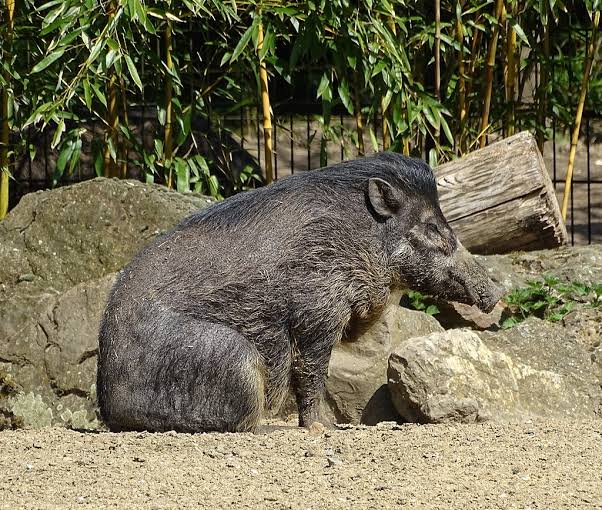
Visayan Warty Pig

Place of Origin: The Philippines
Regions of Habitat: Rainforests of the Visayan Islands
Scientific Name: Sus cebifrons

The Visayan warty pig is a small, critically endangered species of pig with distinctive tufts of hair and ‘warts’ or fleshy growths on its face.

Originally found across several islands in the Philippines, its numbers have significantly reduced.

They are omnivorous, with a diet including roots, fruits, and small animals.

Interesting Fact: Conservation efforts for the Visayan warty pig include breeding programs in various zoos worldwide to help increase their population and ensure the species’ survival.

16. Vulturine Guineafowl
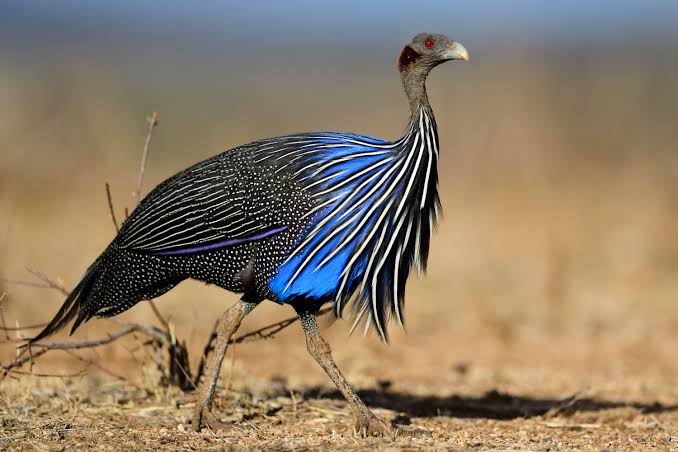
Vulturine Guineafowl

Place of Origin: Africa
Regions of Habitat: Dry savannas of Northeast Africa
Scientific Name: Acryllium vulturinum

The vulturine guineafowl is the largest and most spectacular species, with striking blue and black plumage and a long, flowing tail.

They have a bare, vulture-like head and neck, where they get their name.

These birds are ground-dwelling and feed on various seeds and small invertebrates.

Interesting Fact: Despite their heavy build and preference for walking, vulturine guineafowls can fly short distances, especially to escape predators or to roost in trees.

17. Venezuelan Troupial
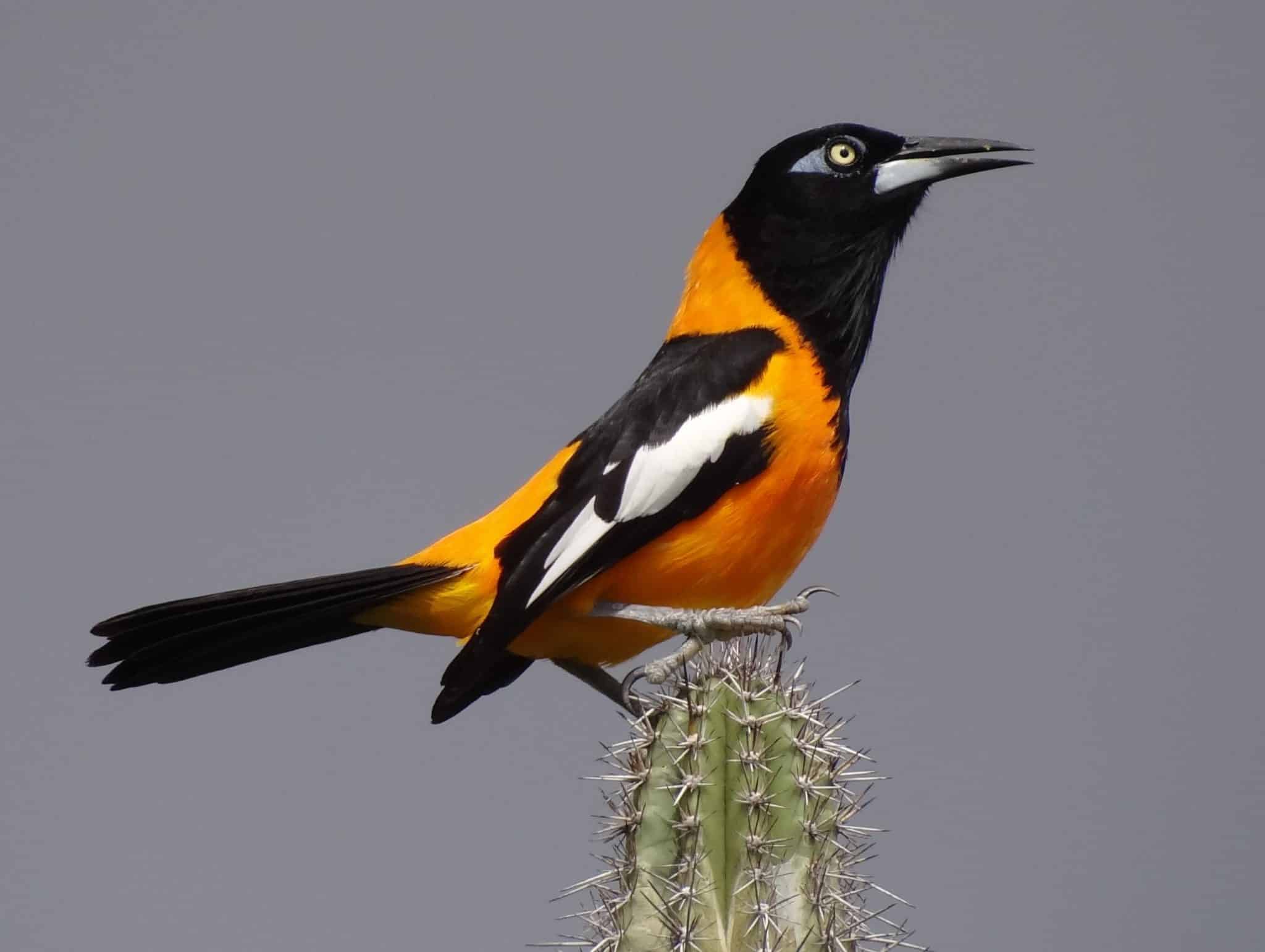
Venezuelan Troupial

Place of Origin: Northern South America
Regions of Habitat: Open and semi-open areas in Venezuela, Colombia, and the Caribbean islands
Scientific Name: Icterus icterus

The Venezuelan troupial is a brightly colored bird renowned for its striking orange body, black head, and white streaks on the wings and tail.

It is the national bird of Venezuela.

These birds are known for their melodic songs and are often found in gardens and parks.

Interesting Fact: Unlike many other birds, the Venezuelan troupial often takes over the nests of other birds rather than building their own.

18. Volcano Rabbit
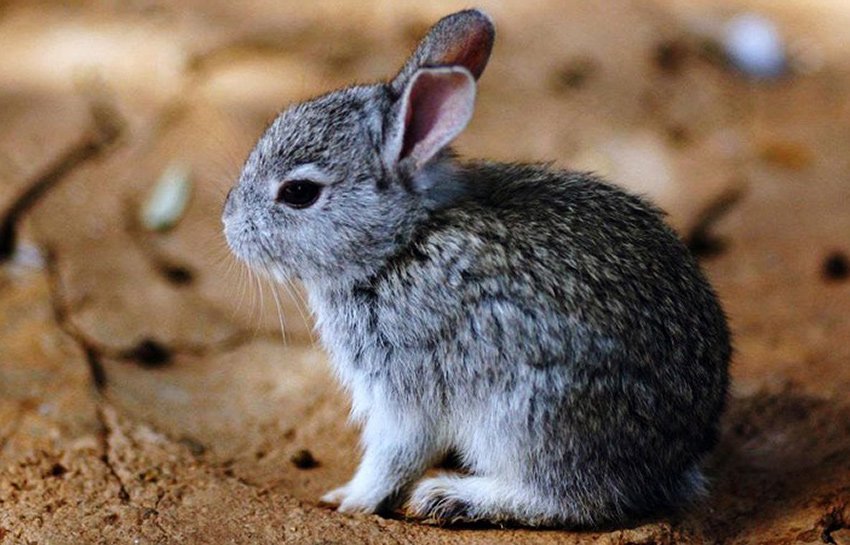
Volcano Rabbit

Place of Origin: Mexico
Regions of Habitat: Pine forests near volcanoes in Mexico
Scientific Name: Romerolagus diazi

The volcano rabbit is one of the smallest species known for its compact, rounded body and short, dense fur.

It is named for its habitat in the regions around Mexican volcanoes. These rabbits are nocturnal and feed on grasses and other vegetation.

Interesting Fact: The volcano rabbit communicates using a series of high-pitched sounds, unique among rabbits. It is also considered one of the world’s most endangered rabbit species.

19. Violet-Eared Waxbill
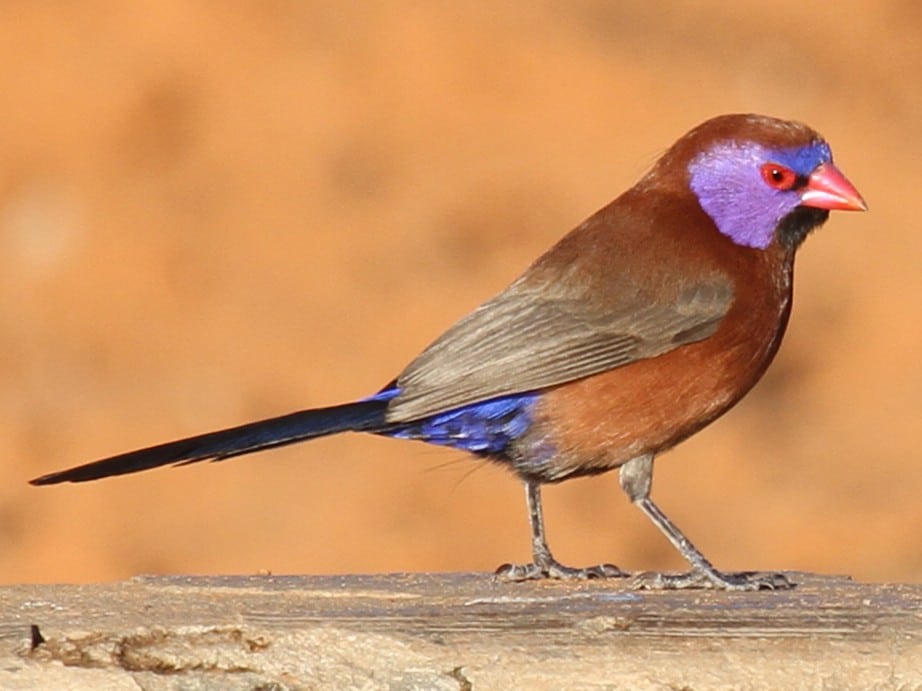
Violet-Eared Waxbill

Place of Origin: Southern Africa
Regions of Habitat: Grasslands and savannas of Namibia, Botswana, and South Africa
Scientific Name: Uraeginthus granatina

The violet-eared waxbill is a small, colorful bird known for its bright violet patches on the ears and under the tail.

Its body is brown and grey with a distinctive red bill.

They are social birds, often seen in pairs or small groups, feeding mainly on grass seeds.

Interesting Fact: During the breeding season, the male violet-eared waxbill performs a unique courtship display that includes song, fluttering flights, and presenting grass stalks or flower petals to the female.

20. Virginia Rail
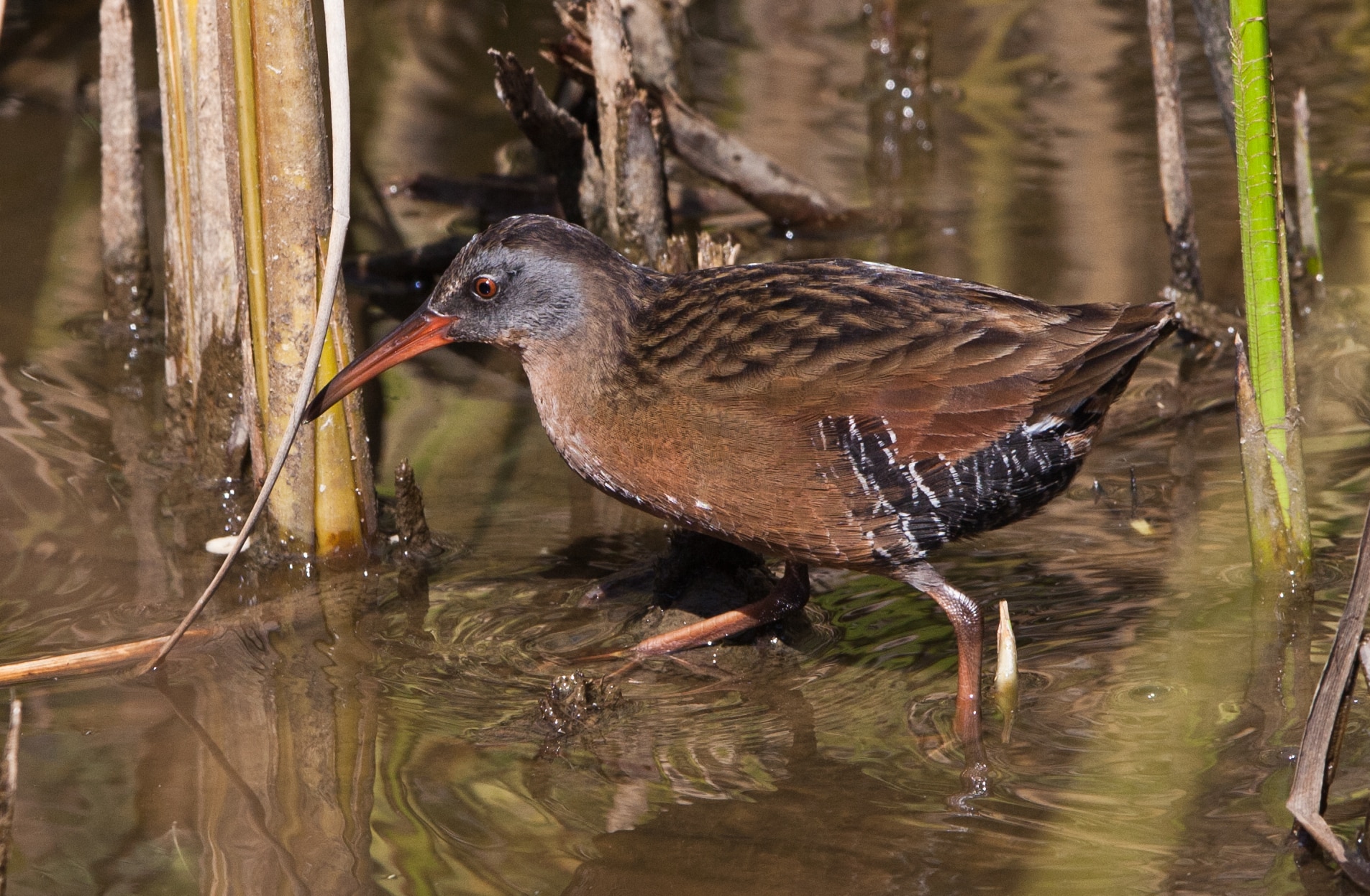
Virginia Rail

Place of Origin: North America
Regions of Habitat: Wetlands across North America, particularly in marshes
Scientific Name: Rallus limicola

The Virginia rail is a small, water-loving bird known for its elusive nature. It has a long, slender bill, a reddish-brown body, and a distinctive black-and-white barred pattern on its flanks.

These birds are often heard rather than seen, hiding in dense vegetation.

Interesting Fact: Despite their small wings, Virginia rails can make long-distance migrations and make nocturnal flights between their breeding and wintering grounds.

21. Velvet Worm
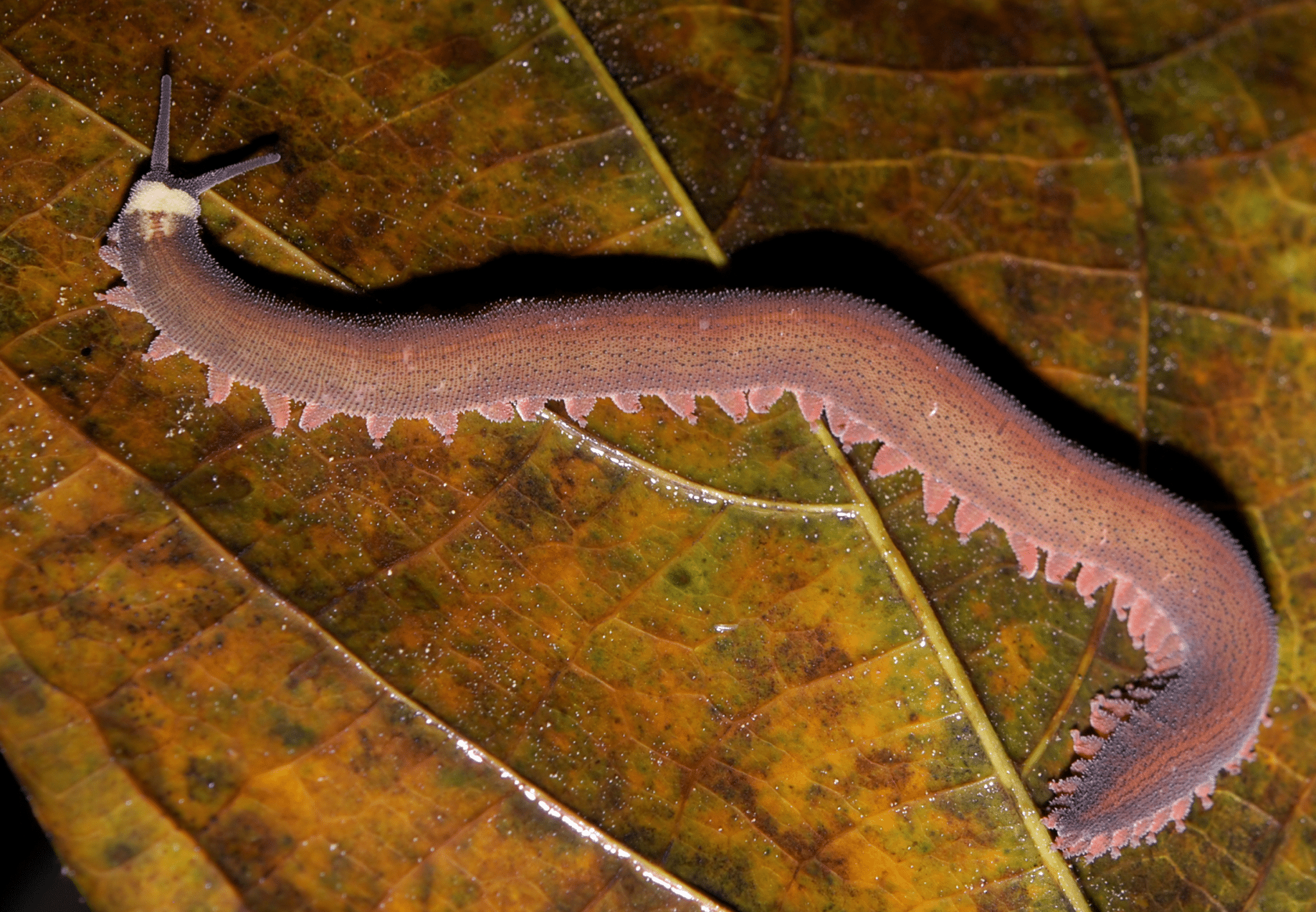
Velvet Worm

Place of Origin: Found in tropical and subtropical regions worldwide, from rainforests to mountainous areas.
Regions of Habitat: Velvet worms thrive in leaf litter, soil, and moss-covered environments, often hidden in humid microhabitats.
Scientific Name: Onychophora

Velvet worms are soft-bodied, caterpillar-like creatures covered in a velvety layer of fine, hair-like structures.

They exhibit a peculiar hunting mechanism, shooting a sticky slime to immobilize their prey.

Interesting Fact: Despite their appearance, velvet worms are ancient creatures with a lineage dating back over 500 million years. They are often considered “living fossils” due to their evolutionary stability over an incredibly long period.

22. Violet Carpenter Bee
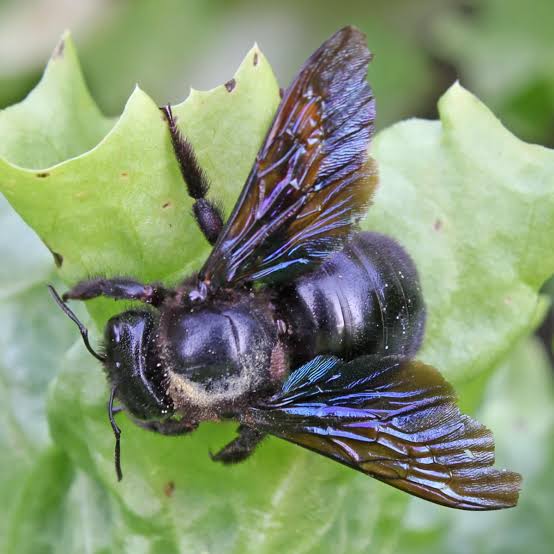
Violet Carpenter Bee

Place of Origin: Europe, Asia, and Northern Africa
Regions of Habitat: Woodlands, orchards, and gardens
Scientific Name: Xylocopa violacea

The violet carpenter bee is one of the largest bees found in Europe.

It has a black body with a metallic violet sheen and is known for its ability to drill into wood to make its nest.

They are solitary bees and are important pollinators for many wildflowers and crops.

Interesting Fact: Despite their intimidating size and loud buzzing sound, violet carpenter bees are generally not aggressive and are less likely to sting than other bee species.

23. Valais Blacknose Sheep
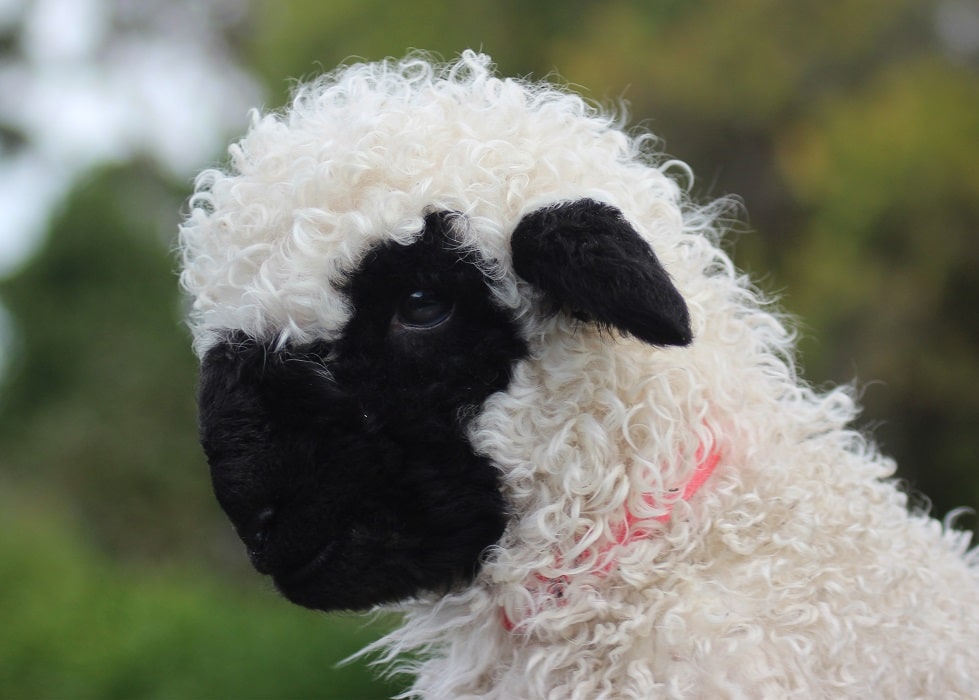
Valais Blacknose Sheep

Place of Origin: Switzerland
Regions of Habitat: Mountainous regions of Switzerland
Scientific Name: Ovis Aries

The Valais Blacknose Sheep is a domestic breed known for its distinctive appearance: a fluffy white coat with black patches on the face and ears.

They are primarily raised for wool and are well adapted to the harsh mountainous environment.

Interesting Fact: This breed has recently gained popularity due to its unique, cuddly appearance, and it’s often referred to as one of the cutest sheep breeds in the world.

24. Variable Hawk
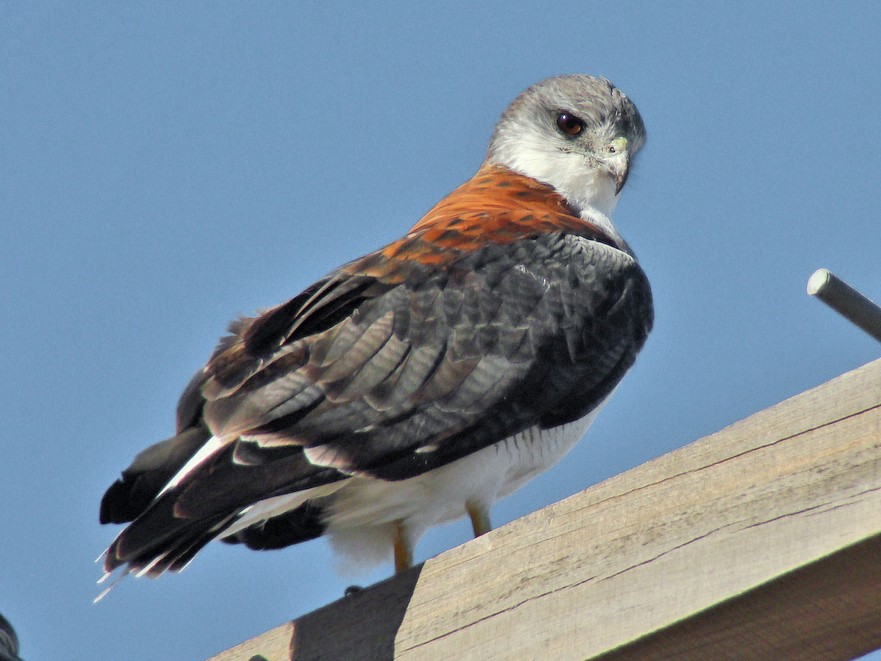
Variable Hawk

Place of Origin: South America
Regions of Habitat: Wide range, from coastal regions to high Andes
Scientific Name: Geranoaetus polyosoma

The variable hawk is a large raptor with a broad range of color morphs, from nearly all black to gray and rufous.

It is well adapted to various habitats and preys on small mammals, birds, and reptiles. It’s known for its powerful build and keen eyesight.

Interesting Fact: The name ‘variable’ refers to the significant variation in plumage among individuals, which makes this species particularly interesting to ornithologists and birdwatchers.

25. Velvet Scoter
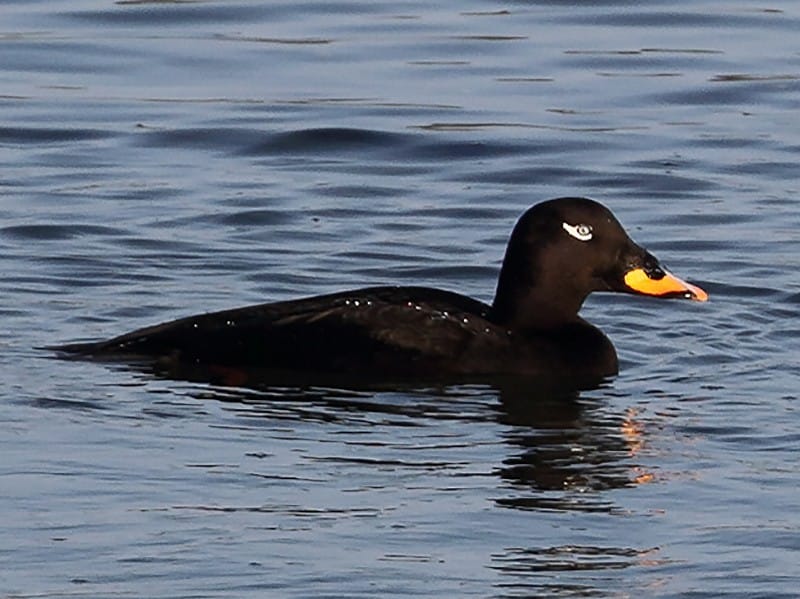
Velvet Scoter

Place of Origin: Northern Europe and Asia
Regions of Habitat: Breeds in freshwater lakes and rivers; winters in coastal waters
Scientific Name: Melanitta fusca

The velvet scoter is a large sea duck, predominantly black, with a white wing patch and a distinct bulbous orange bill.

It dives for mollusks and crustaceans and is known for its powerful, rapid flight.

Interesting Fact: Despite its bulky appearance, the velvet scoter is an agile and swift flier, capable of reaching impressive speeds, especially during long migratory flights.

26. Vasa Parrot
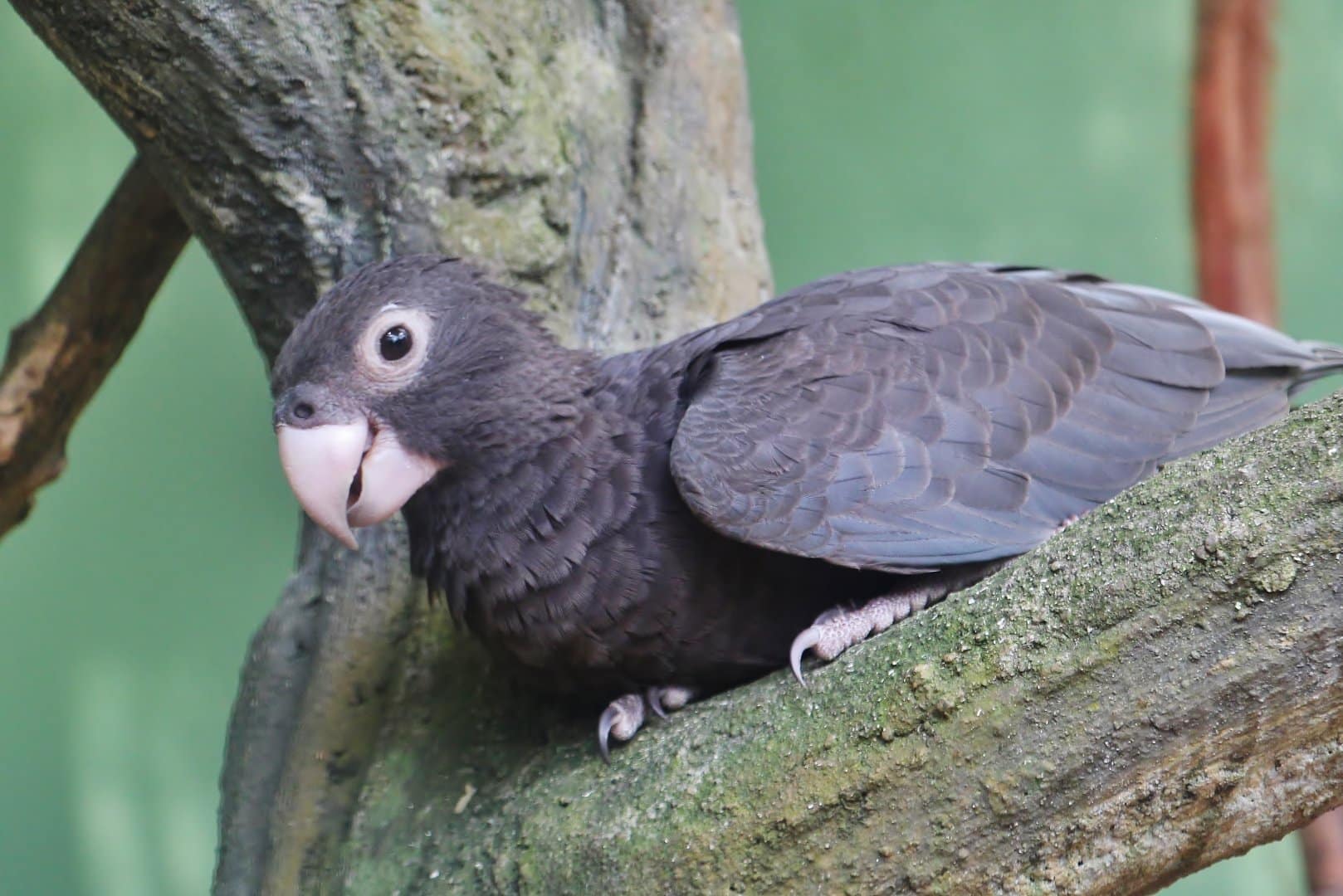
Vasa Parrot

Place of Origin: Madagascar and nearby islands
Regions of Habitat: Forests and woodlands
Scientific Name: Coracopsis vasa

Vasa parrots are unusual-looking birds with a predominantly dark grey to black coloration and a distinctive long neck and beak.

They are one of the few parrot species where the female is larger than the male. These birds are known for their intelligence and curious nature.

Interesting Fact: During the breeding season, the female Vasa parrot’s feather color can change, and she can lose her feathers entirely on her head, giving her a distinctive bald appearance.

27. Violet Sabrewing
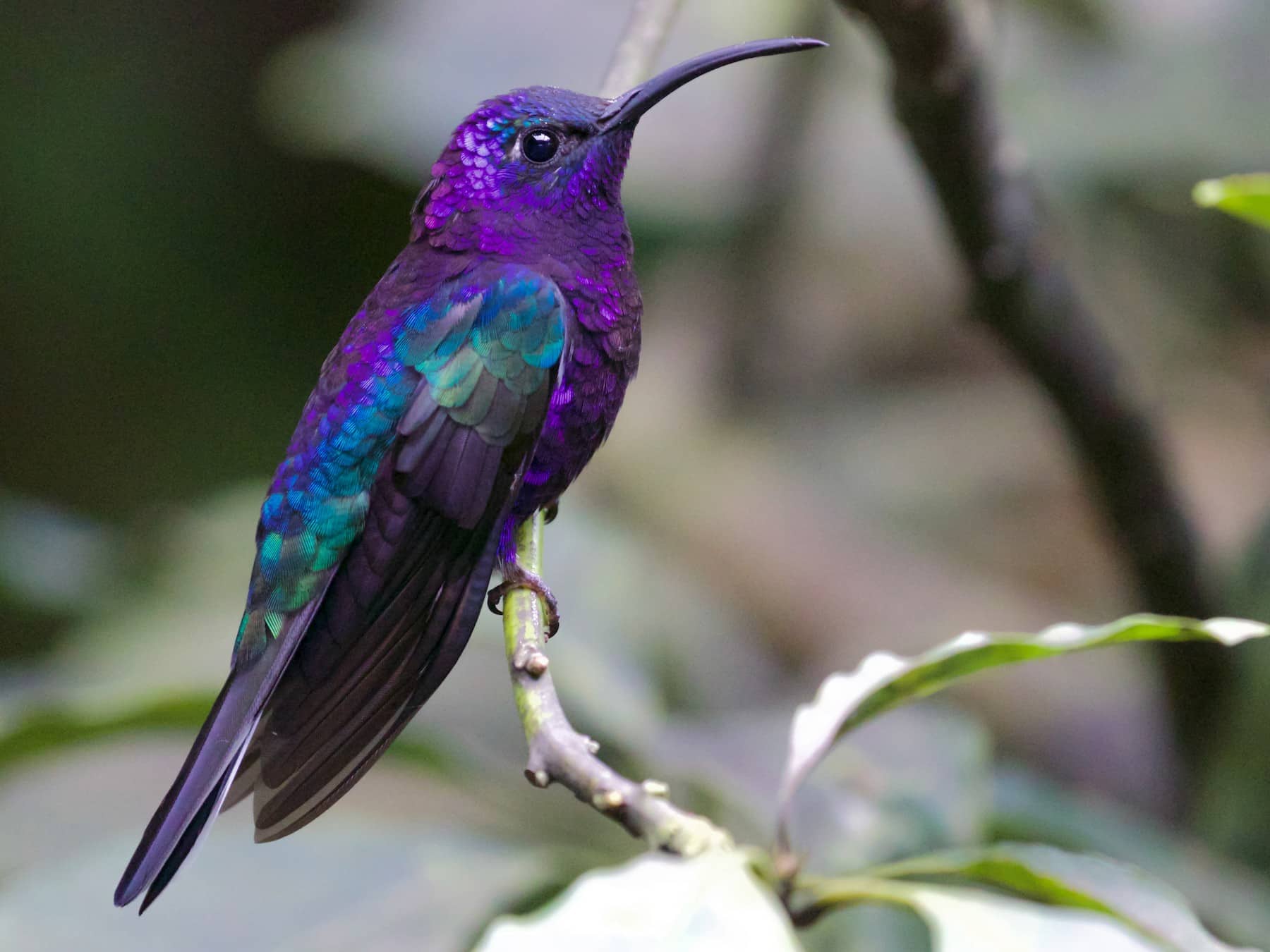
Violet Sabrewing

Place of Origin: Central America
Regions of Habitat: Humid forests and coffee plantations from Mexico to Panama
Scientific Name: Campylopterus hemileucurus

The violet sabrewing is a large, striking hummingbird known for its vibrant violet plumage and long, curved bill.

Males are particularly colorful with deep violet and blue hues. They are strong fliers and feed primarily on nectar from flowers.

Interesting Fact: Despite their small size, violet saber wings are quite territorial and can be seen aggressively defending their feeding areas against other hummingbirds.

28. Vicarious Spider
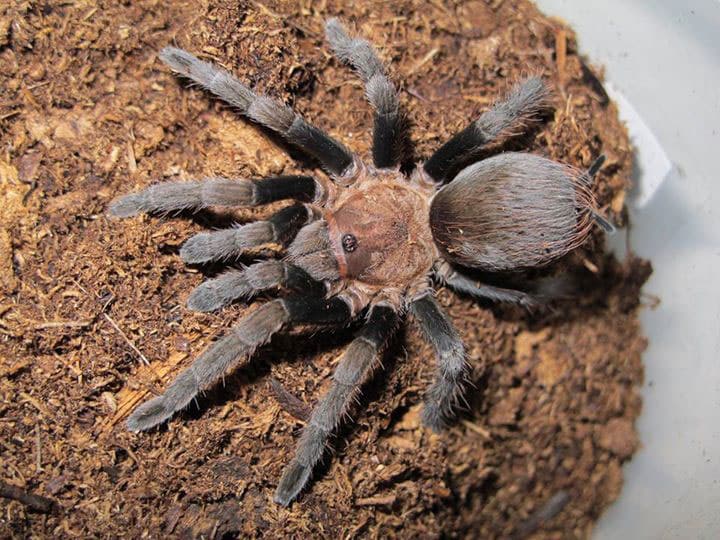
Vicarious Spider

Place of Origin: Worldwide distribution
Regions of Habitat: Varies widely, from forests to deserts and urban areas
Scientific Name: Varies by species

Vicarious spiders, a term for spiders that adapt to various habitats, come in many forms.

They exhibit a vast range of behaviors and appearances, from web-building to hunting, and their adaptability is a key to their survival in diverse environments.

Interesting Fact: Some species of vicarious spiders have developed unique hunting strategies, such as mimicking the prey of other predators or using vibrations to lure their prey.

29. Vulturine Parrot
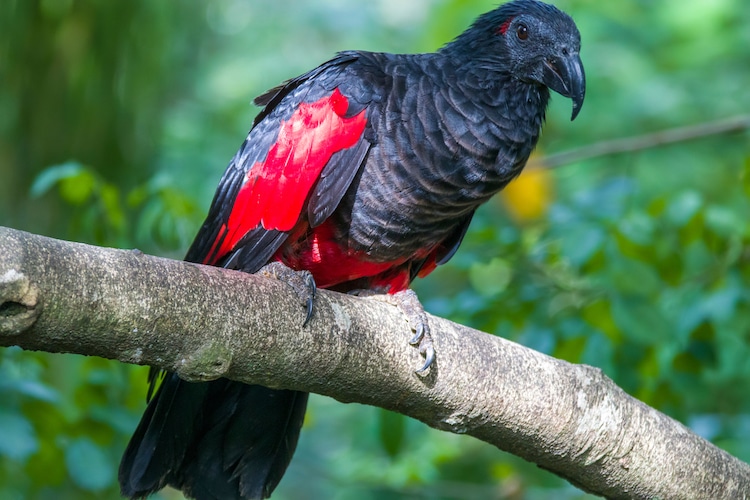
Vulturine Parrot

Place of Origin: New Guinea
Regions of Habitat: Lowland and hill forests of New Guinea
Scientific Name: Psittrichas fulgidus

The vulturine parrot, or Pesquet’s parrot, is a large bird with a unique vulture-like appearance.

It has dark plumage, bright red patches on its belly and wings, and a featherless face. It feeds primarily on figs.

Interesting Fact: This parrot is the only species in its genus and is notable for its featherless face, which is thought to be an adaptation to prevent feather matting from sticky fruit.

30. Vendace
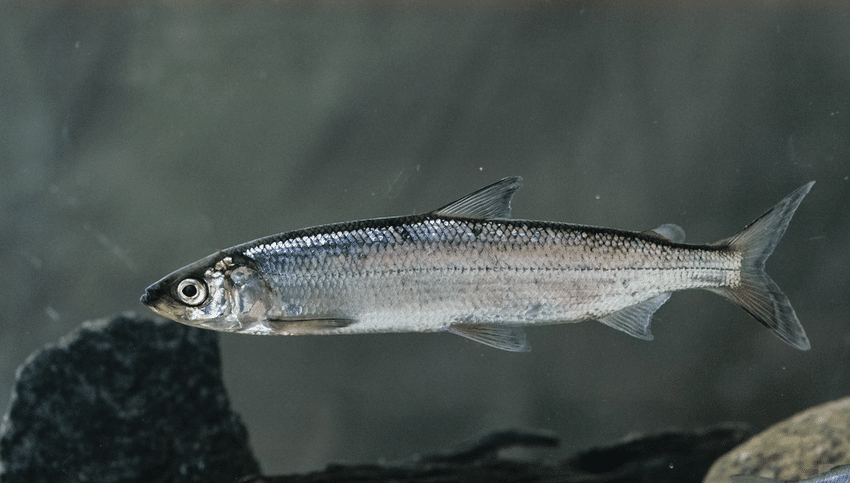
Vendace

Place of Origin: Northern Europe
Regions of Habitat: Freshwater lakes in Scotland, Scandinavia, and Russia
Scientific Name: Coregonus albula

The vendace is a small, silvery freshwater fish from the salmon family.

It prefers cold, deep, clear lakes and is primarily a pelagic fish, meaning it lives in the open water rather than near the bottom or the shore.

Interesting Fact: The vendace is known for its delicate flavor and is considered a delicacy in some parts of Europe. In Scotland, it’s the focus of conservation efforts due to its rarity and ecological importance.

31. Vulturine Fish Eagle
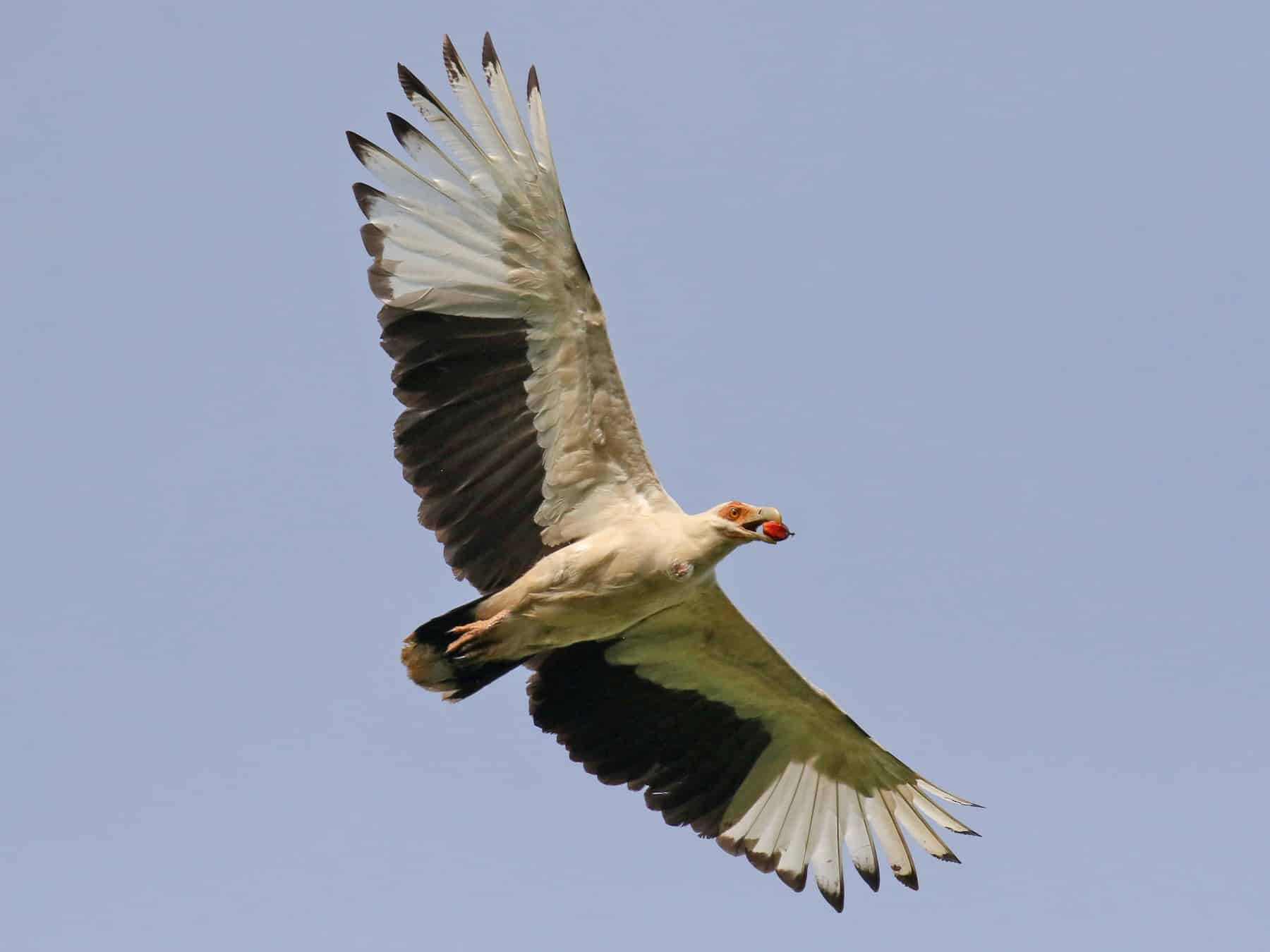
Vulturine Fish Eagle

Place of Origin: Sub-Saharan Africa
Regions of Habitat: Lakes, rivers, and coastal regions in Africa
Scientific Name: Haliaeetus vocifer

The vulturine fish eagle, also known as the African fish eagle, has a distinctive appearance: a white head, a brown body, and large, powerful, black wings.

Renowned for its haunting call, it primarily feeds on fish, which it skillfully catches from the water’s surface.

Interesting Fact: This eagle is a national symbol of several African countries and appears on the coat of arms of Namibia, Zambia, and South Sudan.

32. Violet-Tailed Sylph
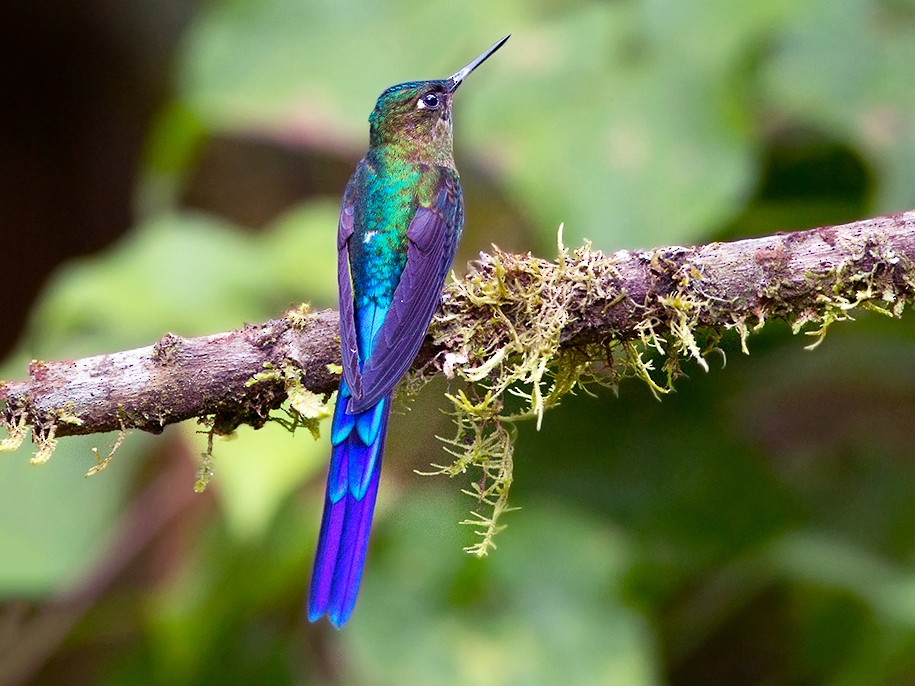
Violet-Tailed Sylph

Place of Origin: Western South America
Regions of Habitat: Andean cloud forests in Colombia and Ecuador
Scientific Name: Aglaiocercus coelestis

The violet-tailed sylph is a striking hummingbird known for its iridescent violet tail and metallic green body.

Males have a longer tails than females. These tiny birds are agile fliers and feed primarily on nectar.

Interesting Fact: The long, flowing tail of the male violet-tailed sylph is used in courtship displays and is a key feature in attracting mates.

33. Venezuelan Red Howler Monkey
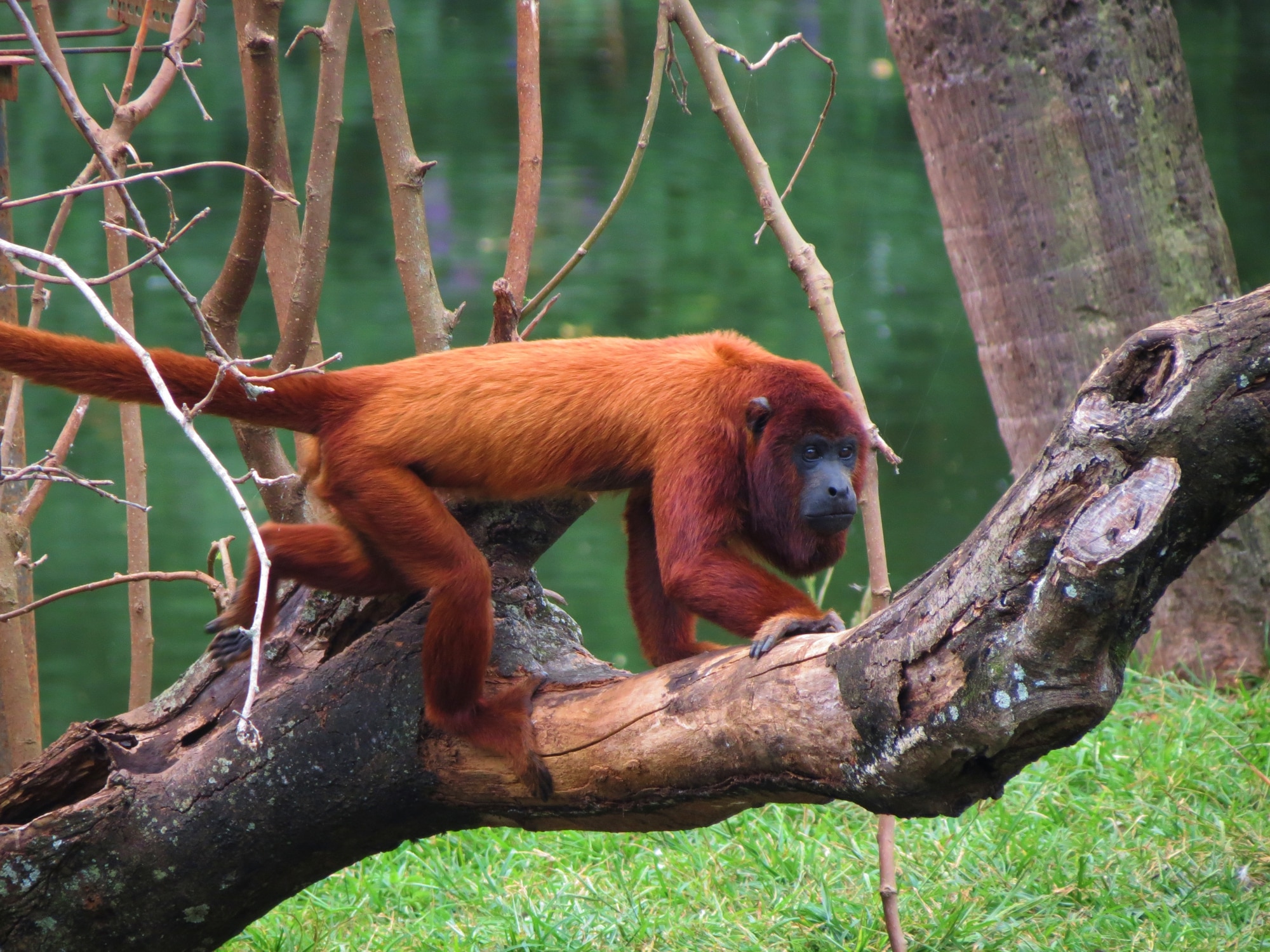
Venezuelan Red Howler Monkey

Place of Origin: Northern South America
Regions of Habitat: Tropical rainforests of Venezuela and Brazil
Scientific Name: Alouatta seniculus

The Venezuelan red howler monkey is known for its reddish-brown fur and large throat sac, which it uses to produce its distinctive howling calls that can be heard over considerable distances.

They are arboreal and herbivorous, living in groups.

Interesting Fact: Their howling is not just communication but also a means of establishing territorial boundaries and avoiding physical confrontations with other troops.

34. Valley Quail
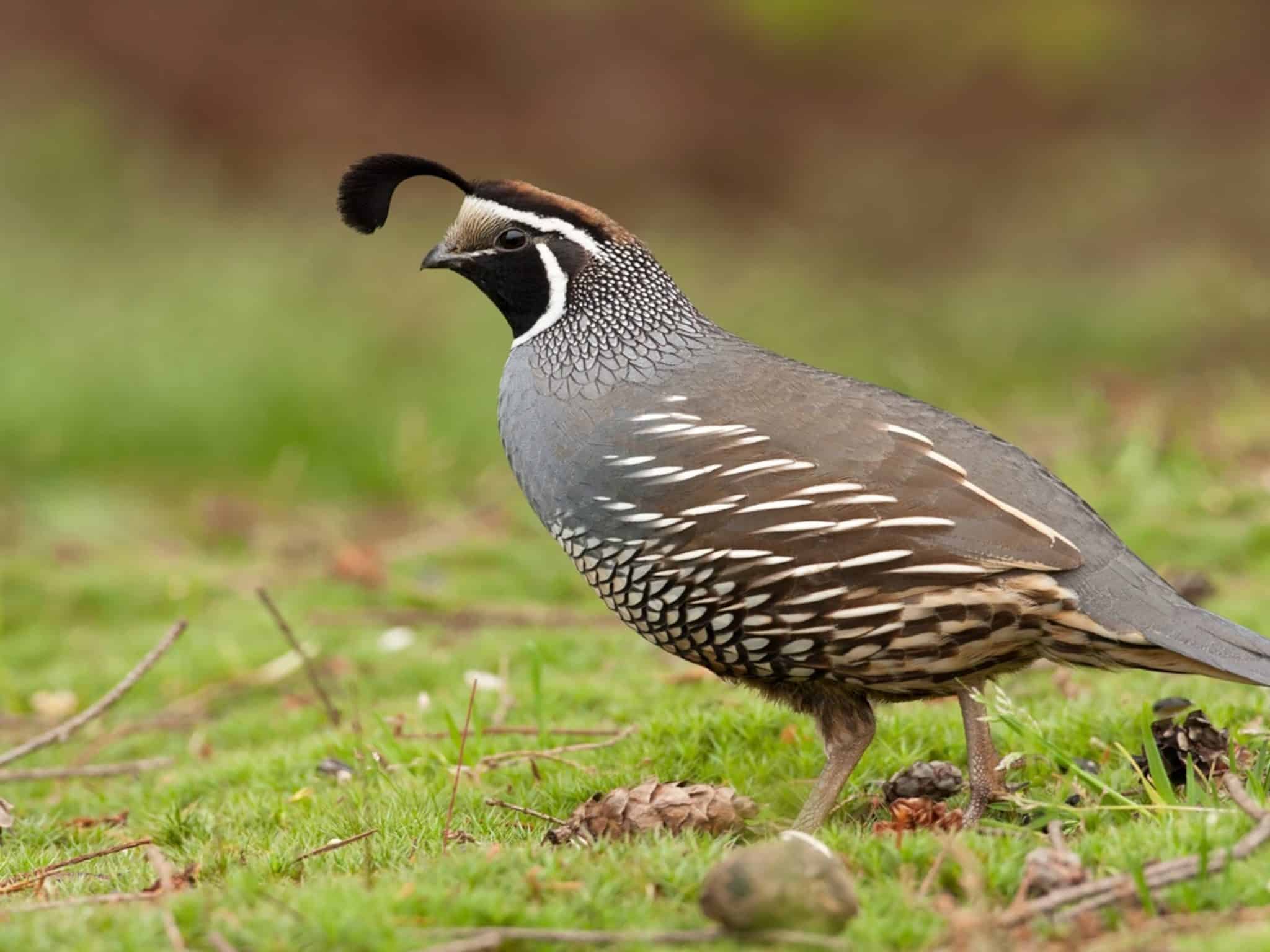
Valley Quail

Place of Origin: North America
Regions of Habitat: Chaparral, brush, and high desert of California and the Northwestern United States
Scientific Name: Callipepla californica

Also known as the California quail, the valley quail is a small, plump bird with a distinctive black plume that curves forward from its head.

They have a greyish-brown body with a lighter belly and a scale-like pattern.

Interesting Fact: The California quail is the state bird of California and is known for its hardiness and adaptability to various habitats.

35. Violet-Backed Hyliota
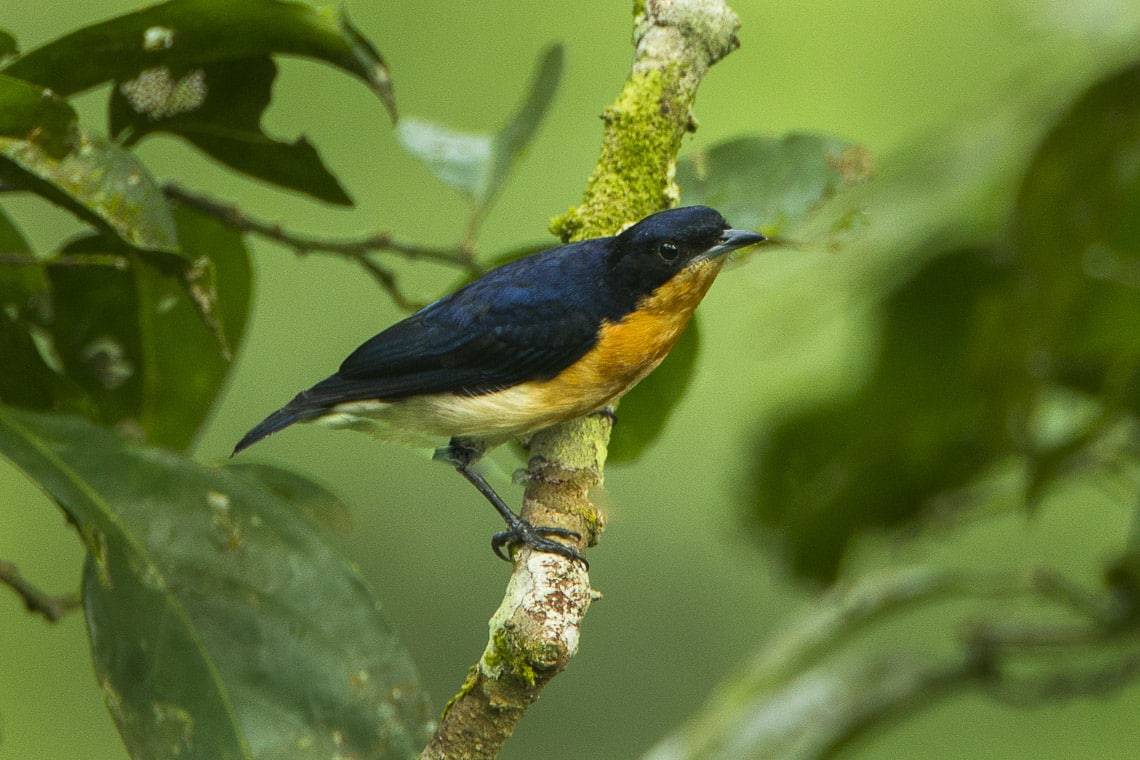
Violet-Backed Hyliota

Place of Origin: Sub-Saharan Africa
Regions of Habitat: Woodlands and forests
Scientific Name: Hyliota violacea

This small passerine bird is known for its striking appearance, with males having a vivid violet back and head.

They are insectivorous and often forage in small flocks, moving through the canopy for food.

Interesting Fact: Despite their vibrant colors, violet-backed hyliotas are often hard to spot due to their preference for high canopies and their fast, fluttering flight.

36. Visayan Spotted Deer
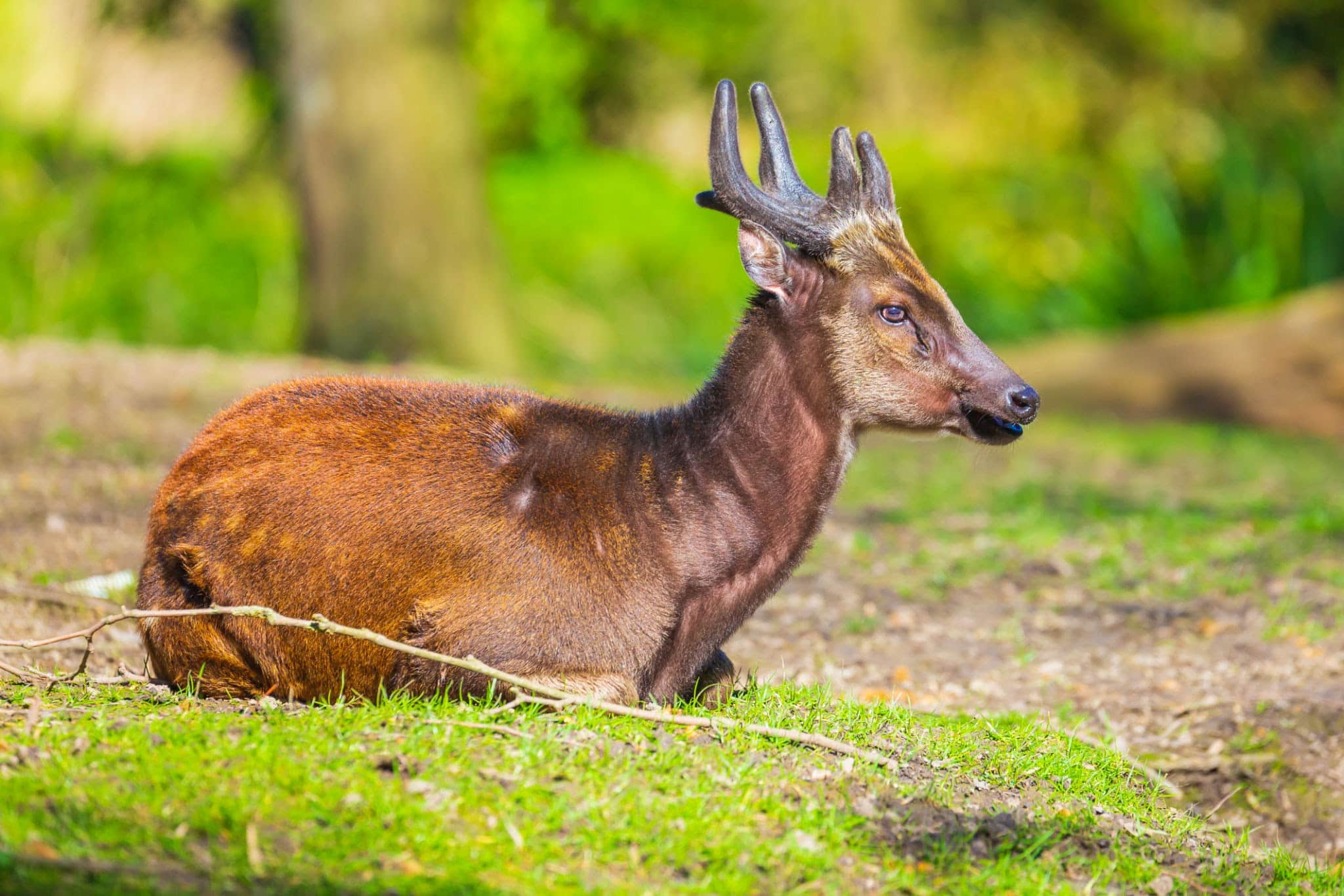
Visayan Spotted Deer

Place of Origin: The Philippines
Regions of Habitat: Tropical rainforests of the Visayan Islands
Scientific Name: Rusa alfredi

This small deer species is characterized by its reddish-brown coat with white spots, which helps camouflage it in its forest habitat.

They are nocturnal and feed on a variety of vegetation.

Interesting Fact: The Visayan spotted deer is one of the most endangered deer species in the world, primarily due to habitat loss and hunting.

37. Von der Decken’s Hornbill
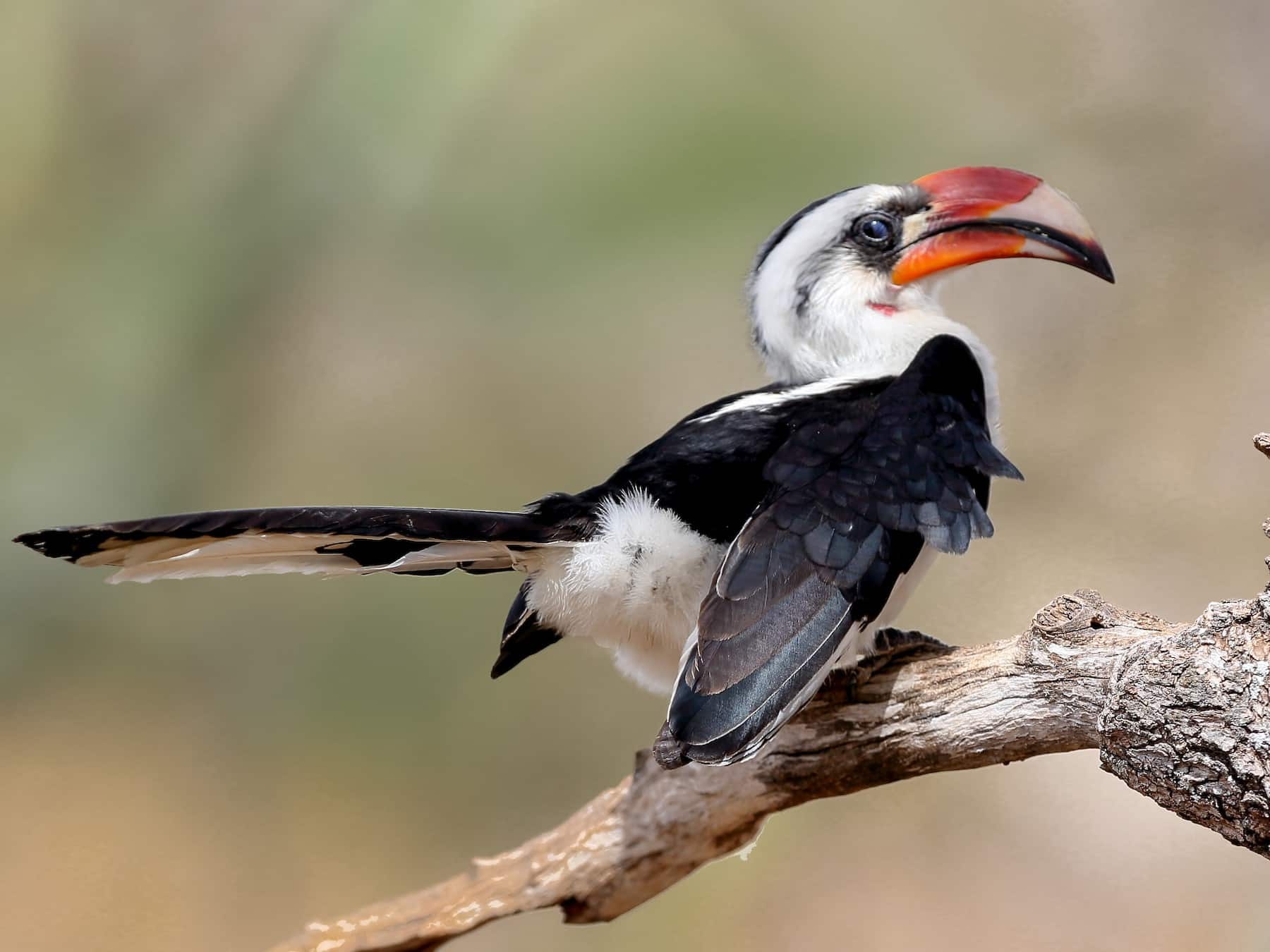
Von der Decken's Hornbill

Place of Origin: East Africa
Regions of Habitat: Savannahs and dry thornbush areas
Scientific Name: Tockus Deckeni

This bird is easily recognized by its striking black and white plumage and large, curved, red, and ivorybill.

The males have red bills, while females have black bills. They are omnivorous and known for their loud calls.

Interesting Fact: Named after the German explorer Baron von der Decken, these hornbills are known for their unique breeding behavior, where the female seals herself in a tree cavity to lay eggs and is fed by the male through a small hole.

38. Vipera Berus
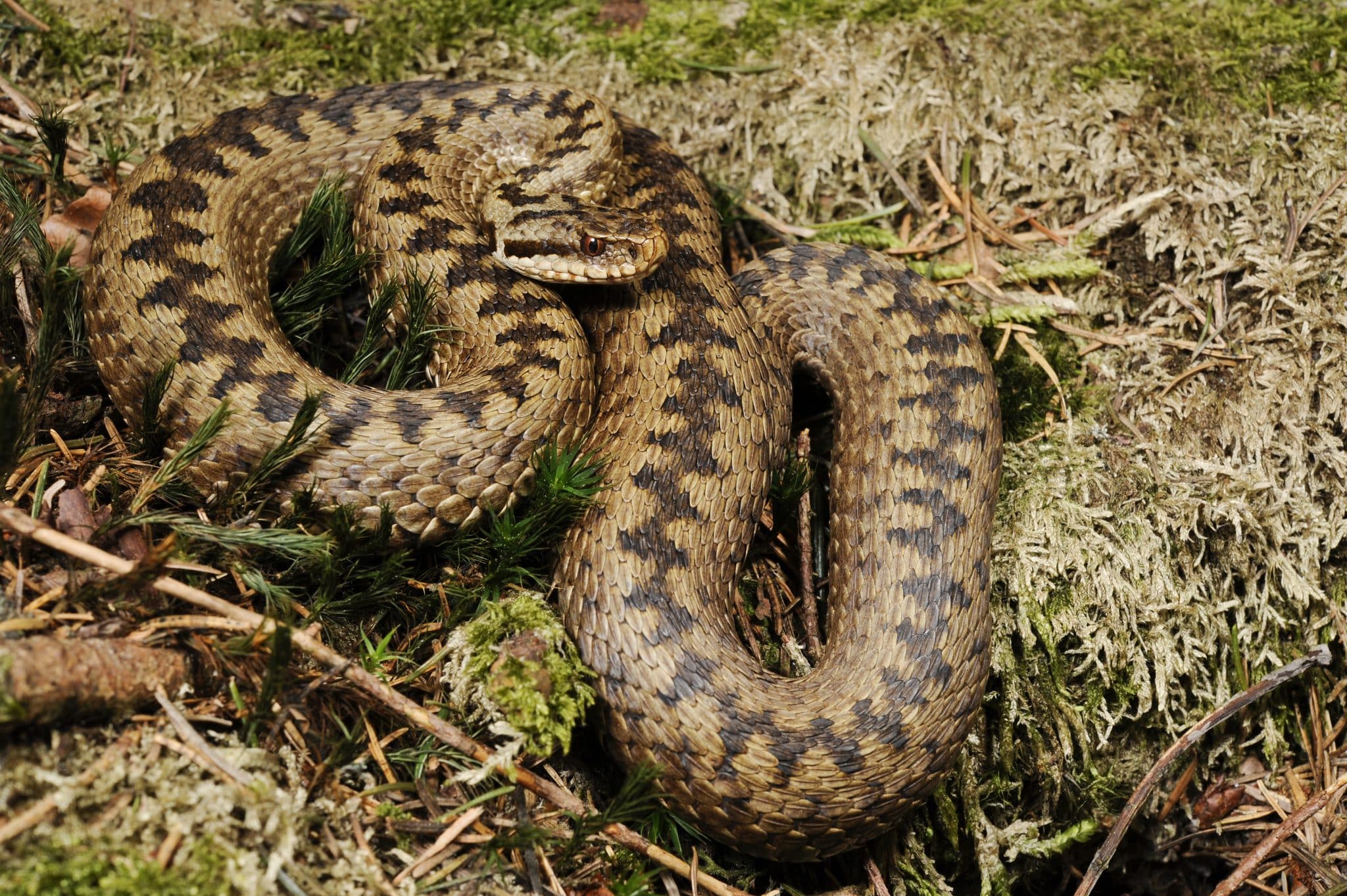
Vipera Berus

Place of Origin: Europe and Asia
Regions of Habitat: Forests, meadows, and rocky slopes
Scientific Name: Vipera berus

Also known as the common European adder or common European viper, this snake is distinguished by its zigzag dorsal stripe.

It is relatively small and venomous, with a diet of small mammals and birds.

Interesting Fact: The viper is the only venomous snake native to the British Isles and is known for its shyness and reluctance to bite unless provoked.

39. Violet-Green Swallow
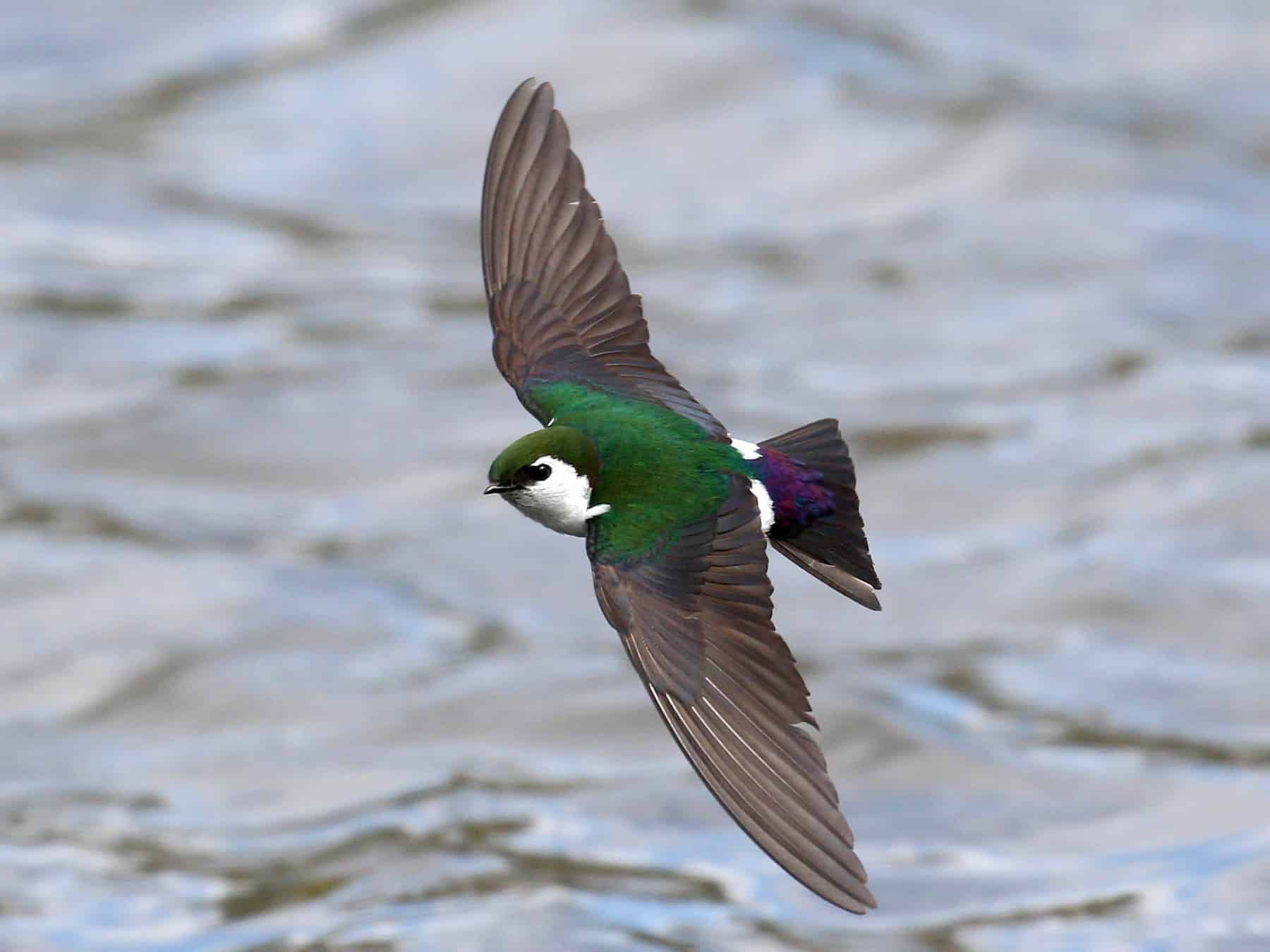
Violet-Green Swallow

Place of Origin: North America
Regions of Habitat: Open forests and woodlands, often near water
Scientific Name: Tachycineta thalassina

The violet-green swallow is a small, graceful bird with an iridescent green back and a violet rump.

They have white underparts and long, pointed wings. These swallows are excellent fliers and feed primarily on insects caught in mid-air.

Interesting Fact: During their aerial acrobatic displays, these swallows can often be seen flying very high in the sky, catching insects and showcasing their incredible agility.

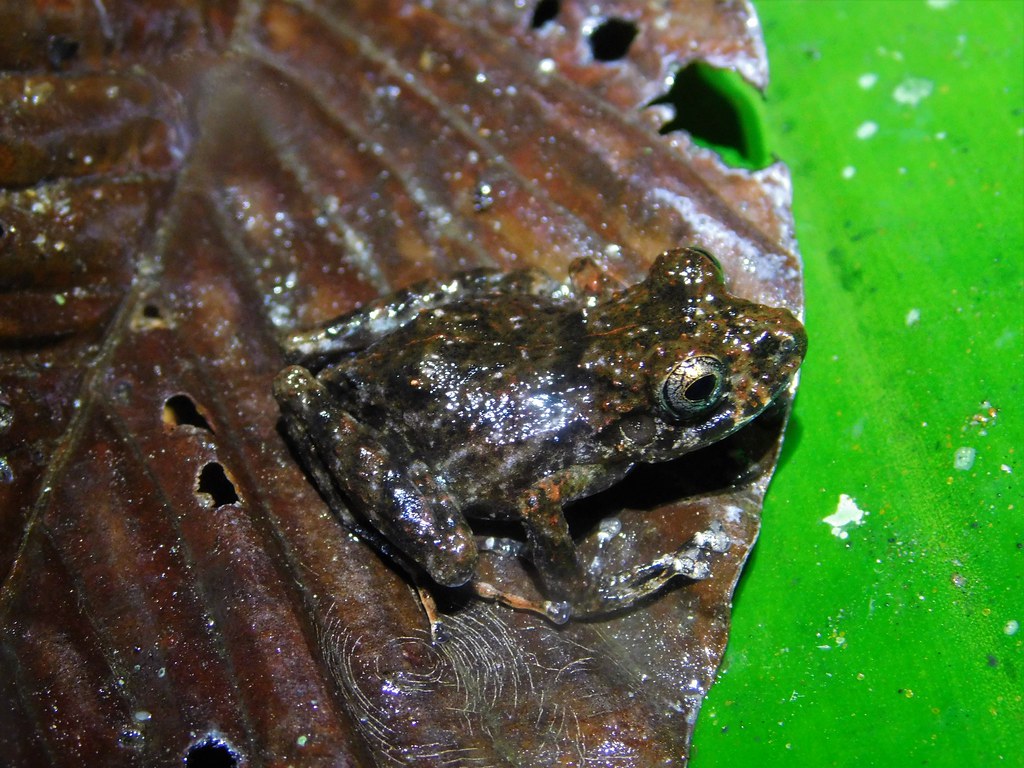
40. Vietnamese Mossy Frog
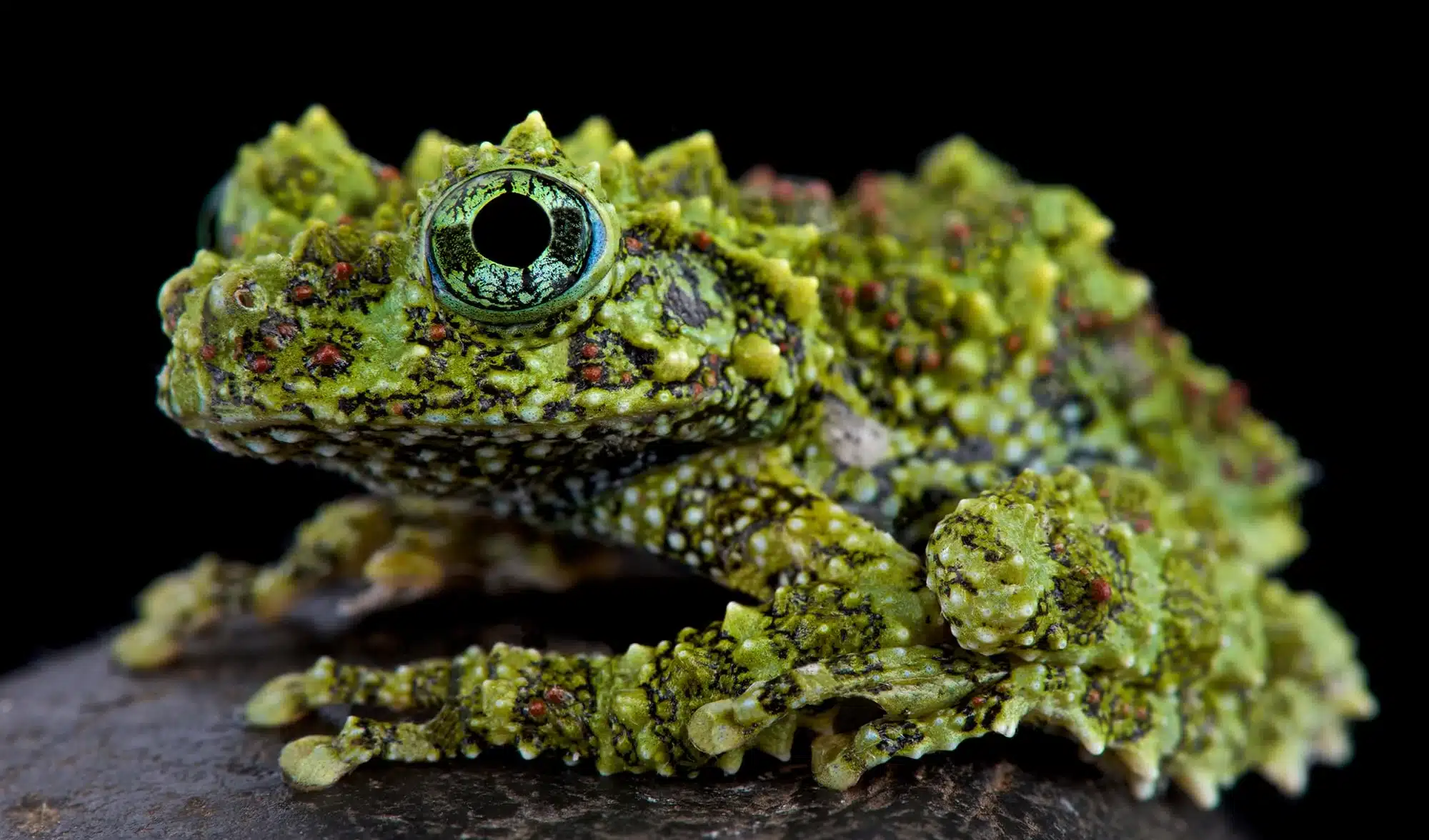
Vietnamese Mossy Frog

Place of Origin: Northern Vietnam
Regions of Habitat: Rainforests and rocky limestone areas
Scientific Name: Theloderma corticale

This unique frog species is known for its moss-like appearance, with a green, bumpy skin that helps it blend into its surroundings.

They are relatively small and are excellent climbers due to their specialized toe pads.

Interesting Fact: The Vietnamese mossy frog’s camouflage is so effective that it can be almost impossible to spot when it stays motionless against a backdrop of moss and lichen-covered rocks.

Final Thoughts

In the list of animals starting with V, we have uncovered different animals, each with unique characteristics and contributions to the ecosystem.

From the vulture soaring high in the skies to the vampire, the diversity within this subset is a sign of nature’s boundless biodiversity and the ecosystem’s beauty.

Going through different animals, starting with V, reminds us to cherish and protect our planet’s remarkable biodiversity.

We always think the letter V must not have enough animal names, but we were wrong.

This blog should inspire the explorer in you to continue exploring and appreciating the remarkable creatures that share our world.
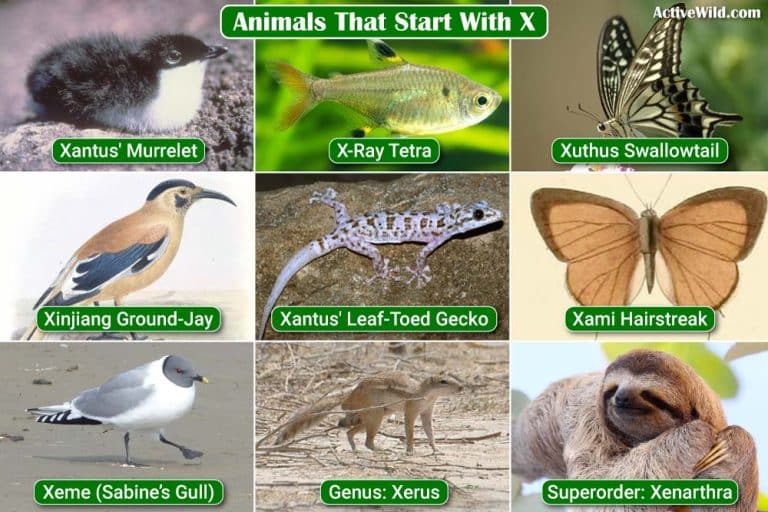
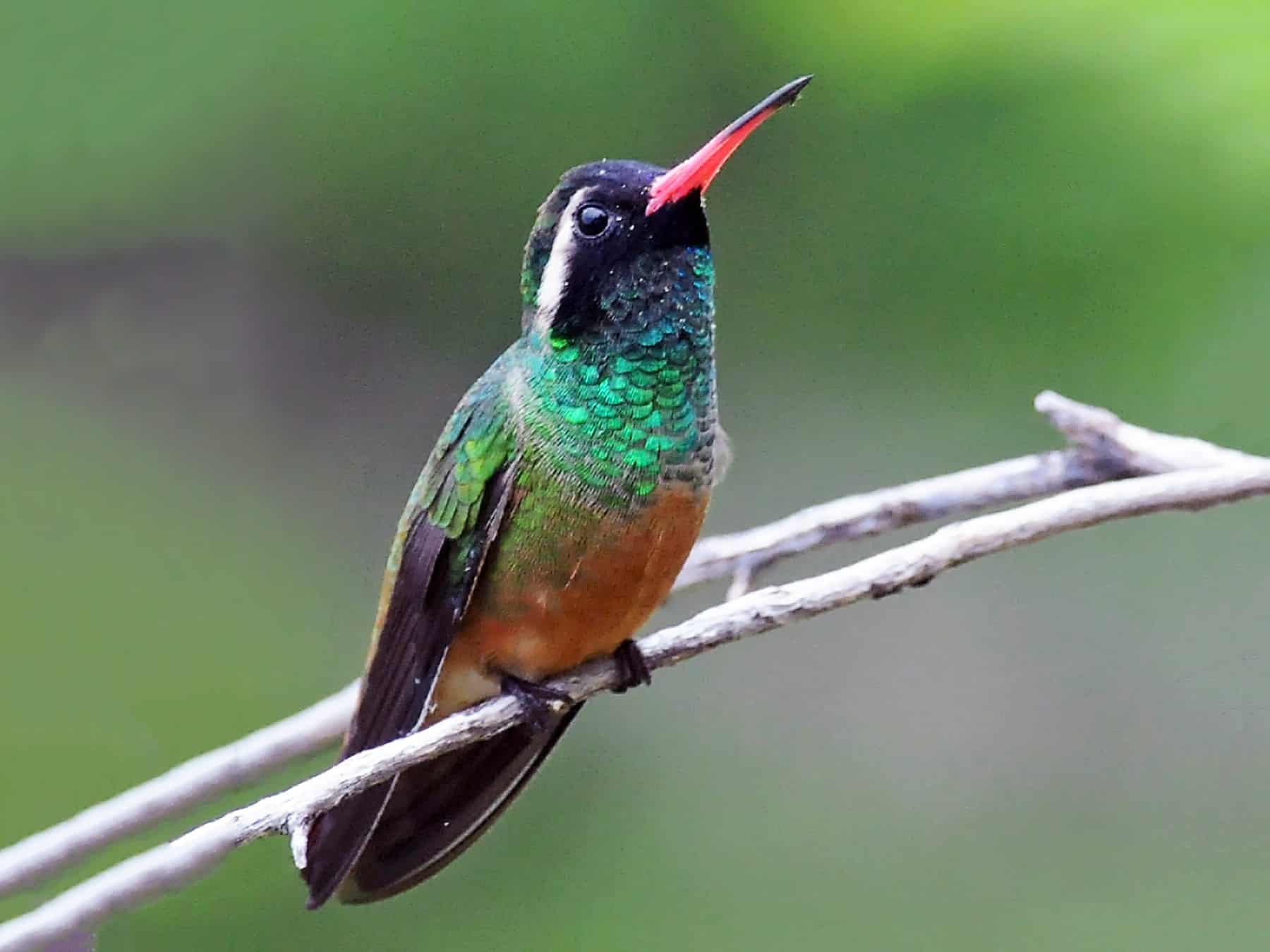
Animals that start with “X” may not be as common as others, but they still hold importance in nature.

However, despite their scarcity, these animals contribute to the balance of ecosystems, indirectly benefiting humans and the environment.

By fulfilling specific roles within their habitats, they help maintain biodiversity and ecological stability.

Their presence shows how many different types of animals there are and how nature is very complicated. This tells us we must work hard to keep all animals safe and ensure they don’t disappear.

Let’s explore some common to rare animals that start with X.

Extraordinary Animals Beginning with X

Below are the top 32 animals listed that begin with x.

1. Xantus’s Hummingbird

Xantus's Hummingbird

Origin: Baja California, Mexico
Habitat: Open woodlands and gardens
Diet: Nectar, insects
Size: 3.5 inches long
Scientific Name: Basilinna xantusii

It is a small bird with a green back, white underparts, and a red bill with a black tip.

Interesting Facts

  • Named after Hungarian zoologist John Xantus.
  • Males perform elaborate aerial displays to attract females.
  • Can hover in mid-air thanks to rapid wing flaps.

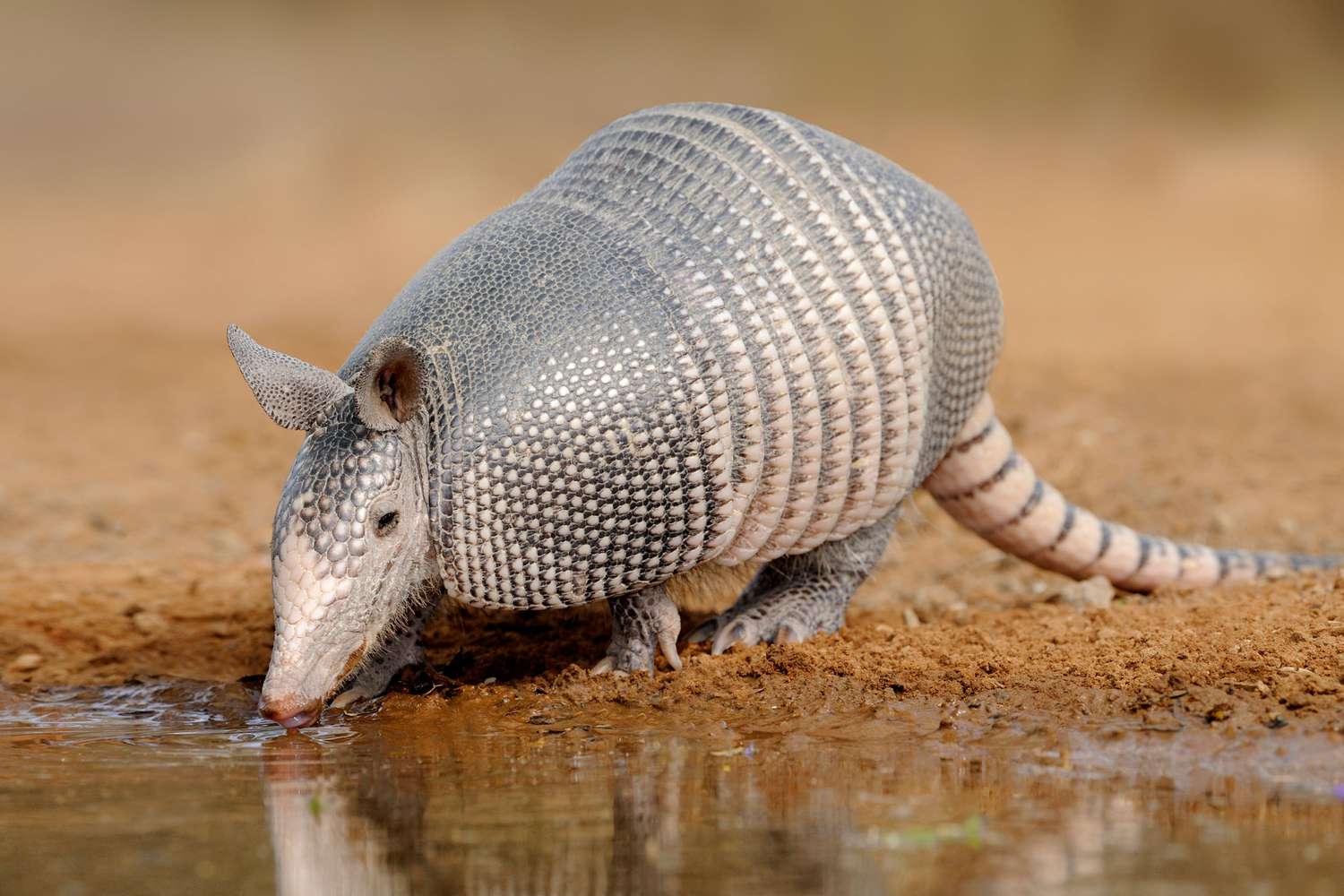
2. Xenarthra

Xenarthra

Origin: South America
Habitat: Various, from rainforests to grasslands
Diet: Varies (insects for anteaters, plants for sloths, omnivorous for armadillos)
Size: Ranges widely, from 5 inches to over 5 feet
Scientific Name: Xenarthra

A diverse group of placental mammals with unique vertebral joint structures.

Interesting Facts

  • They have extra articulations in their vertebral columns.
  • Some can roll into a ball as a defensive mechanism.
  • Sloths are among the slowest-moving animals on Earth.

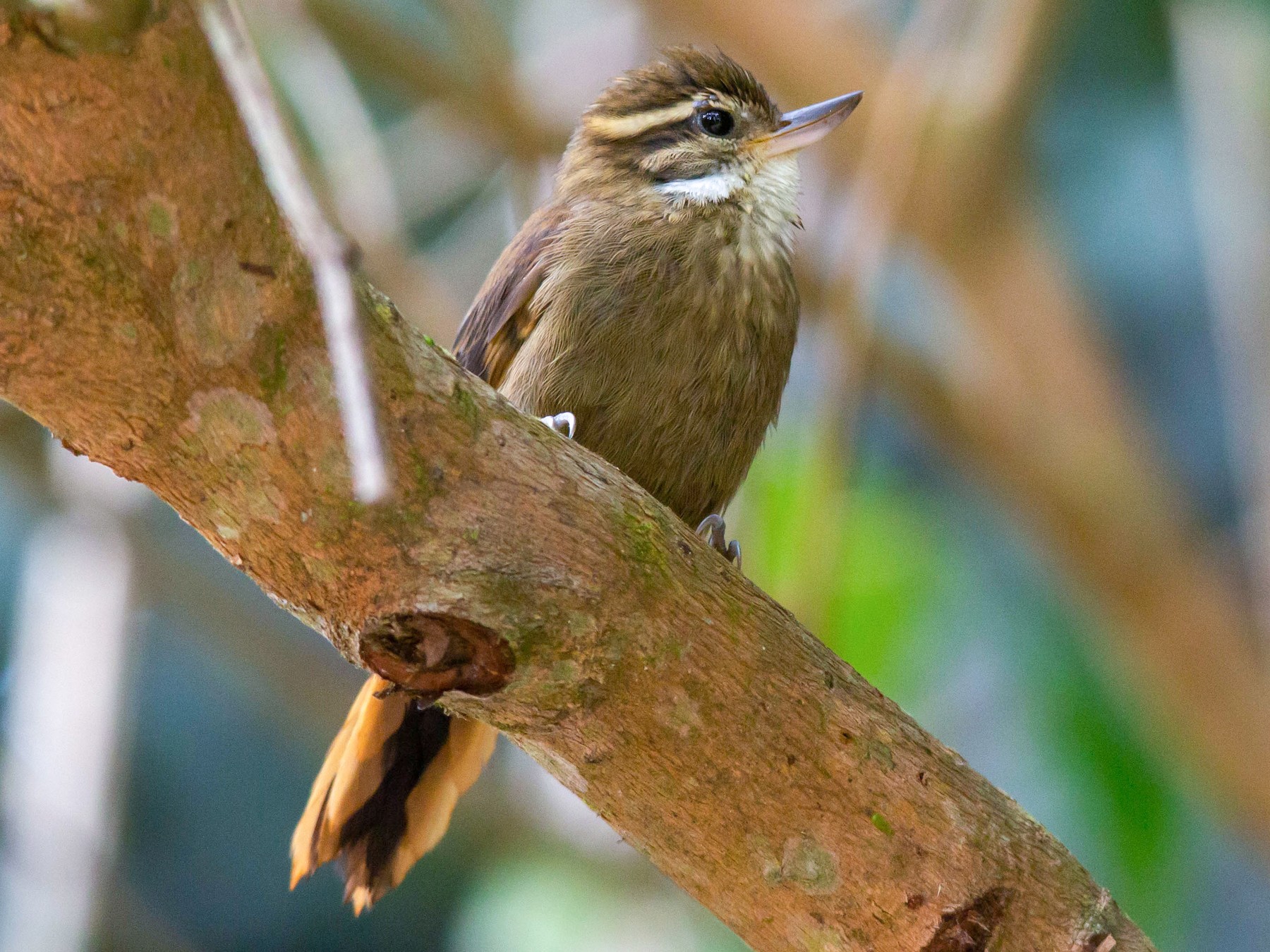
3. Xenops

Xenops

Origin: Central and South America
Habitat: Tropical rainforests
Diet: Insects
Size: Around 5 inches long
Scientific Name: Genus Xenops

Small, stubby-tailed birds with sharp, upturned bills.

Interesting Facts

  • Forages for insects by climbing tree trunks and branches.
  • Can hang upside down to find food.
  • Its call is a sharp “chit-chit.”

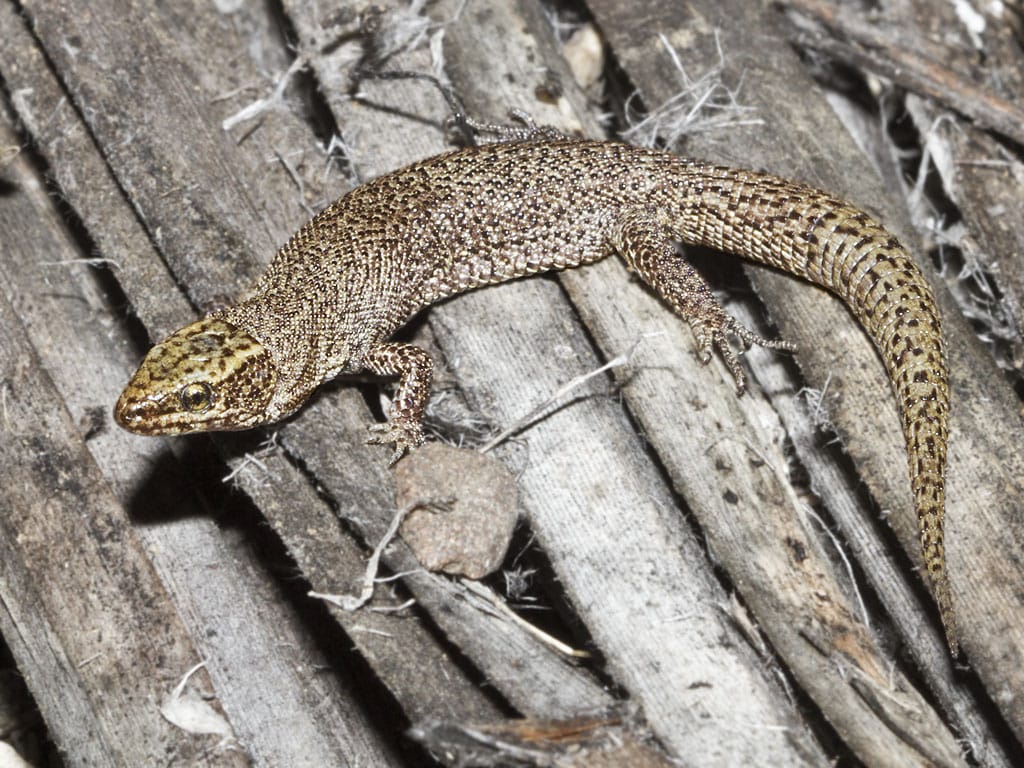
4. Xantusia

Xantusia

Origin: Southwestern United States and Mexico
Habitat: Desert and rocky areas
Diet: Insects and spiders
Size: 1.5 to 2.5 inches long
Scientific Name: Genus Xantusia

Small, nocturnal lizards with smooth, granular skin.

Interesting Facts

  • Named after John Xantus.
  • Can live up to 10 years or more.
  • Very secretive and seldom seen.

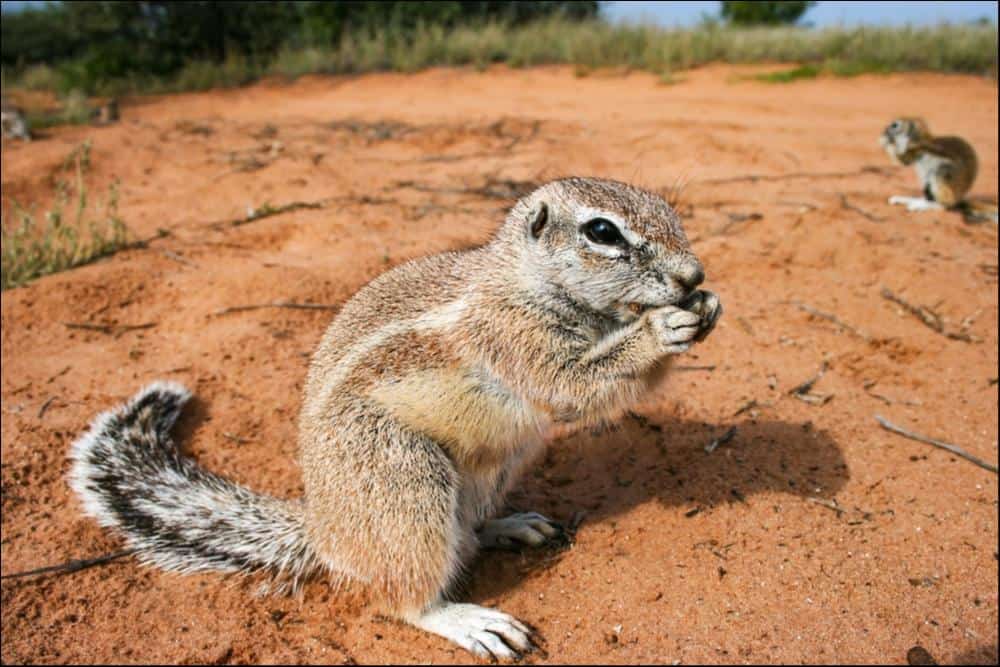
5. Xerus

Xerus

Origin: Africa
Habitat: Savannas, grasslands, and open woodlands
Diet: Omnivorous (seeds, fruits, insects)
Size: 14 to 20 inches, including the tail
Scientific Name: Genus Xerus

Long-tailed ground squirrels with a bushy tail.

Interesting Facts

  • Live in caves to escape the heat.
  • Their tail can be used as a shade from the sun.
  • Social animals are often seen in groups.

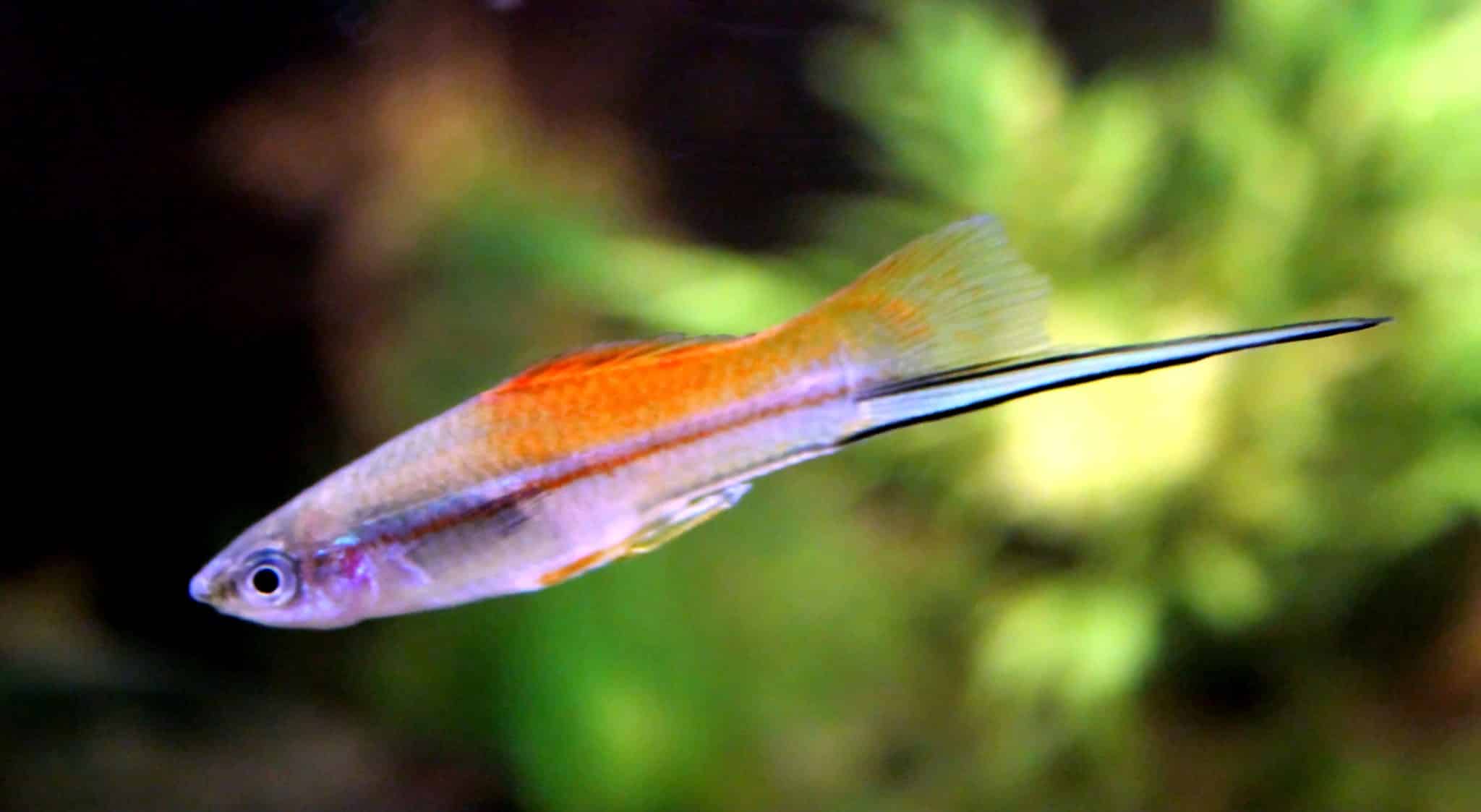
6. Xiphophorus

Xiphophorus

Origin: North and Central America
Habitat: Freshwater streams and rivers
Diet: Omnivorous
Size: 2 to 6 inches long
Scientific Name: Genus Xiphophorus

Small, colorful freshwater fish with a distinctive sword-like tail in males.

Interesting Facts

  • Popular in the aquarium trade.
  • Can hybridize between species.
  • The “sword” is used in mating displays and aggression.

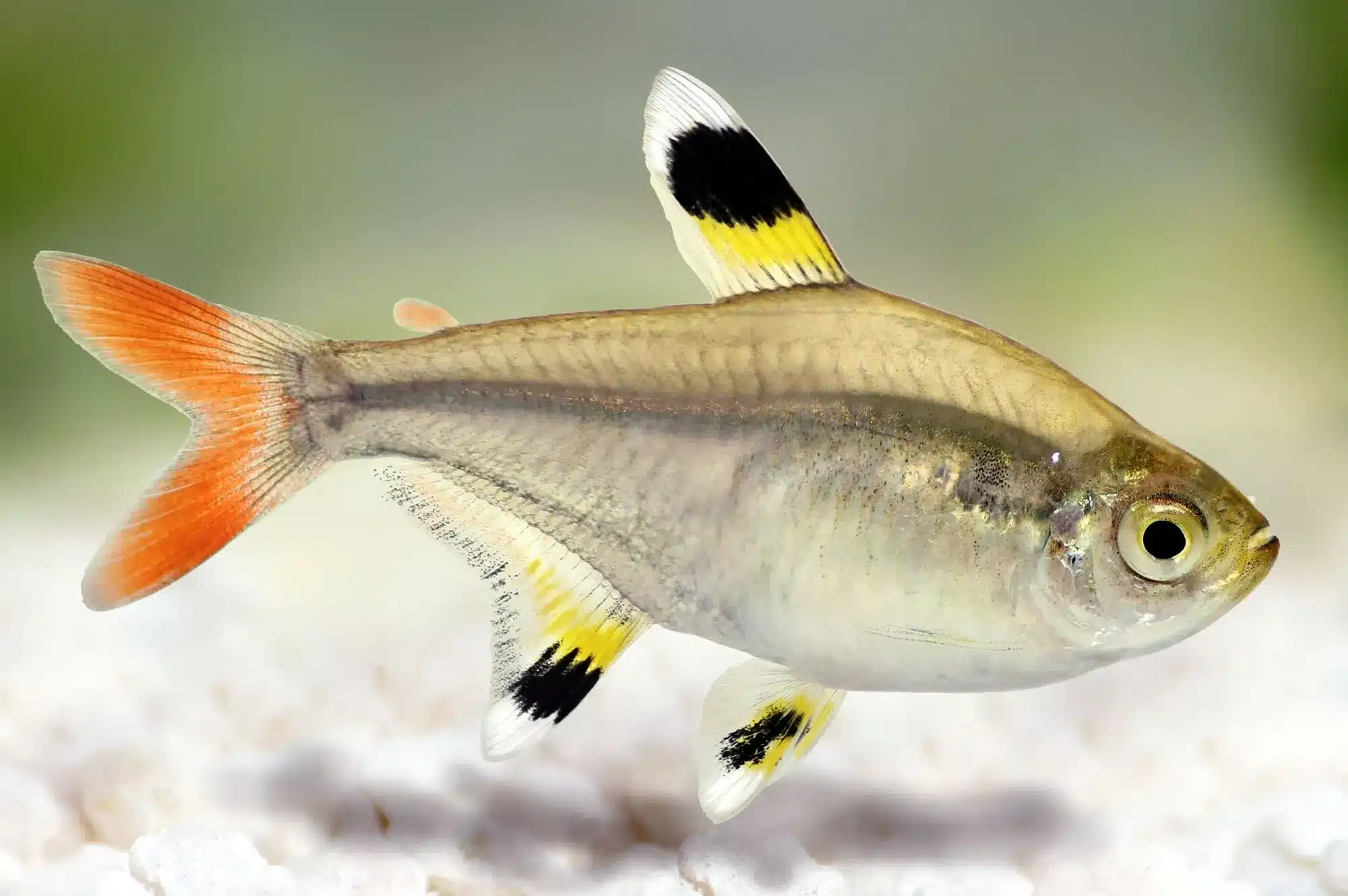
7. X-ray Tetra

X-ray Tetra

Origin: Amazon River Basin
Habitat: Freshwater rivers
Diet: Omnivorous (small invertebrates, plants)
Size: Up to 2.5 inches long
Scientific Name: Pristella maxillaris

Small, translucent fish with visible bones resembling an x-ray.

Interesting Facts

  • Its transparency is a form of camouflage.
  • Can adapt to various water conditions.
  • Social species prefer living in schools.

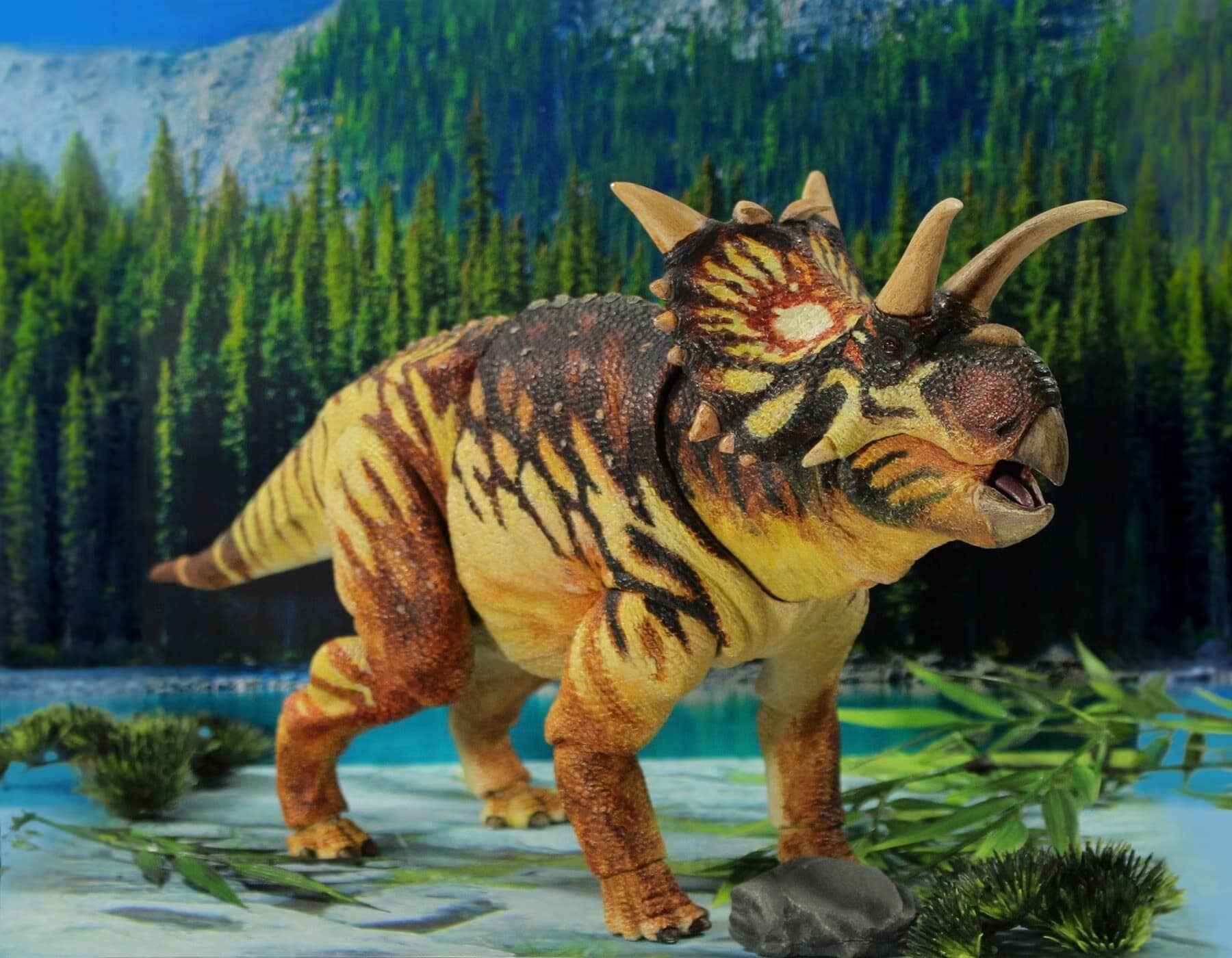
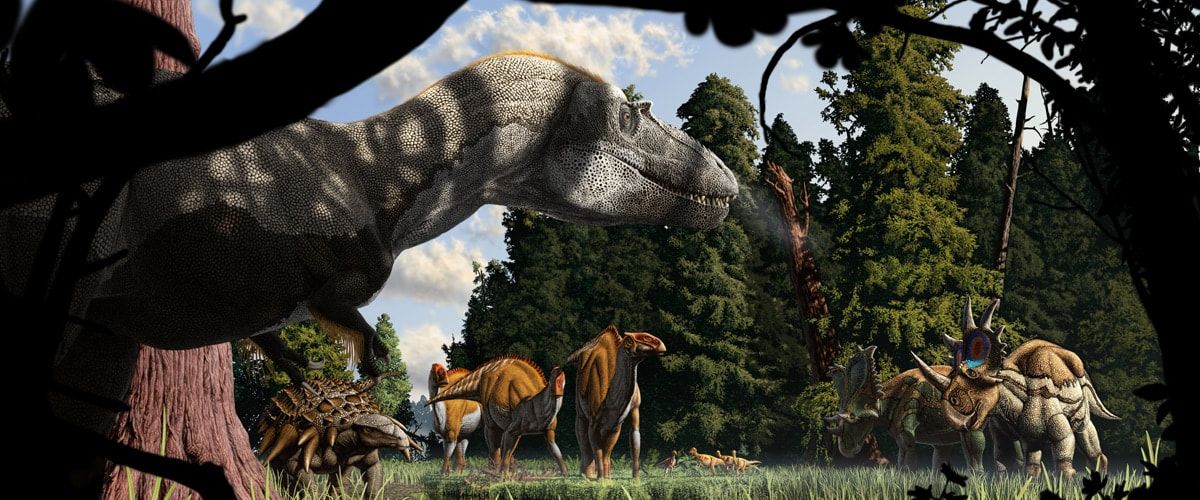
8. Xenoceratops

Xenoceratops

Origin: Canada
Habitat: Terrestrial
Diet: Herbivorous
Size: Approximately 20 feet long
Scientific Name: Xenoceratops foremostensis

Large dinosaur with distinctive horns and a frilled head.

Interesting Facts

  • Lived during the Late Cretaceous period.
  • “Xenoceratops” means “foreign horned face.”
  • Its horns and frill may have been used in display or defense.

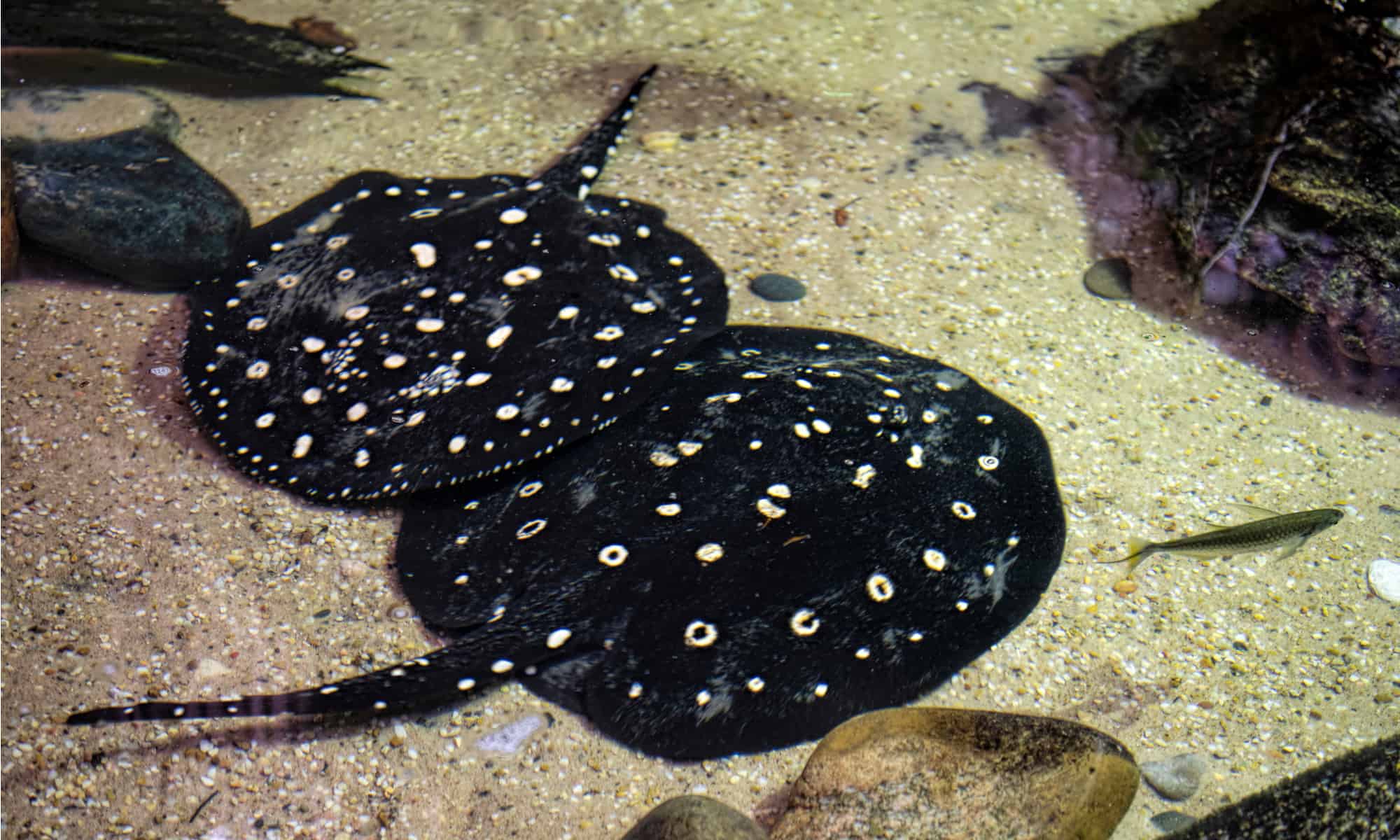
9. Xingu River Ray

Xingu River Ray

Origin: Xingu River, Brazil
Habitat: Freshwater river
Diet: Carnivorous (fish, crustaceans)
Size: Up to 18 inches in diameter
Scientific Name: Potamotrygon leopoldi

Freshwater stingray with distinctive black and white spots.

Interesting Facts

  • Also known as the Polka Dot Stingray.
  • Can deliver a nasty sting with its tail.
  • Endemic to the Xingu River Basin.

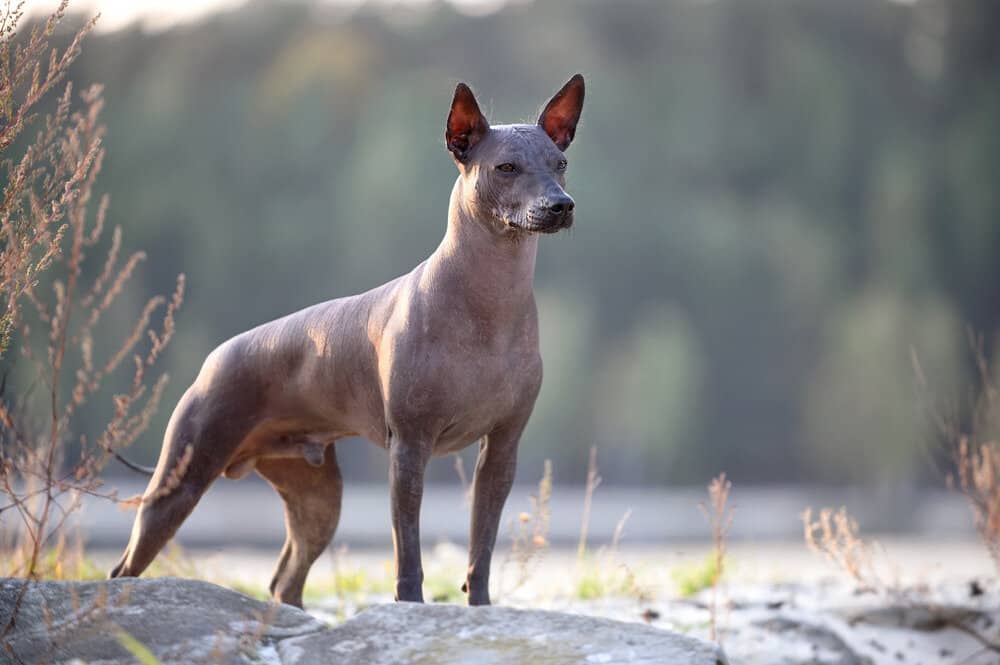
10. Xoloitzcuintli

Xoloitzcuintli

Origin: Mexico
Habitat: Domestic
Diet: Omnivorous
Size: Varies; toy, miniature, and standard sizes up to 30 inches tall
Scientific Name: Canis lupus familiaris

Hairless dog breeds have a sleek body and alert demeanor.

Interesting Facts

  • Ancient breed with ties to the Aztec civilization.
  • Considered a guide for the dead towards the underworld in Aztec mythology.
  • Its body heat has been used for therapeutic purposes.

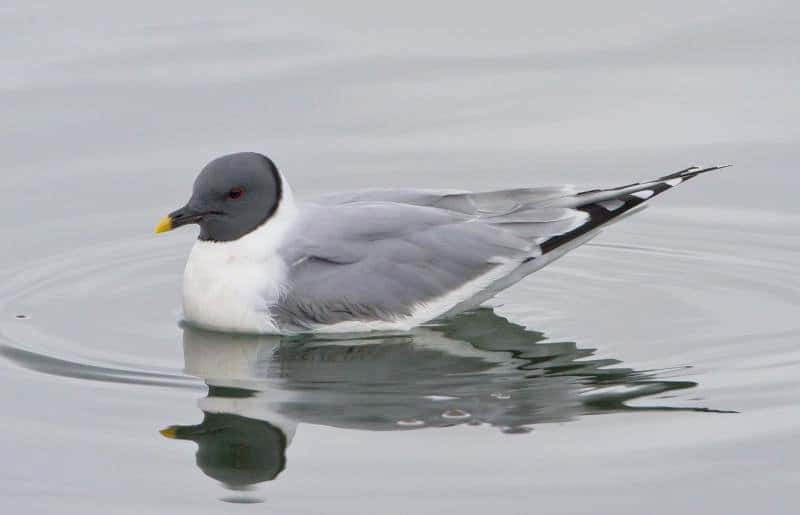
11. Xeme (Sabine’s Gull)

Xeme (Sabine’s Gull)

Origin: Arctic and subarctic regions
Habitat: Coastal, open sea during winter
Diet: Omnivorous (fish, insects, crustaceans)
Size: Approximately 13-14 inches long
Scientific Name: Xema sabini

It is a small gull with a black head, white body, and a distinctive forked tail.

Interesting Facts

  • Known for its long migratory patterns.
  • Breeds in the high Arctic tundra.
  • Its call is a high-pitched, cackling laugh.

12. Xenoposeidon

Xenoposeidon

Origin: England
Habitat: Terrestrial
Diet: Herbivorous
Size: Estimated over 20 feet long
Scientific Name: Xenoposeidon proneneukos

A dinosaur, known as a single vertebra, is believed to be a type of sauropod.

Interesting Facts

  • Lived during the Early Cretaceous period.
  • The name means “strange Poseidon.”
  • Its unique bone structure sets it apart from other sauropods.

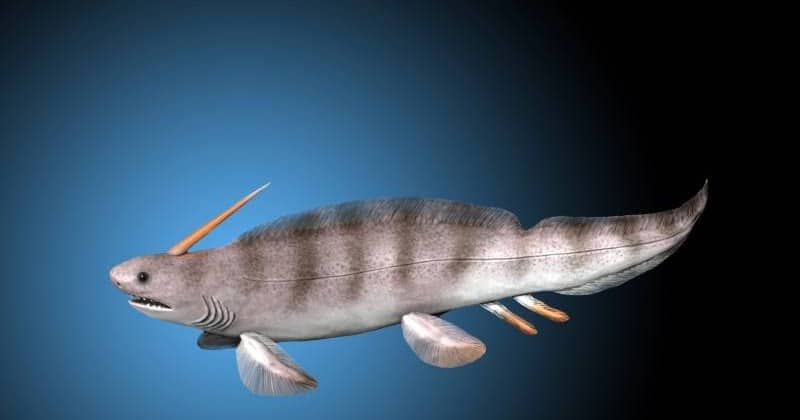
13. Xenacanthus

Xenacanthus

Origin: Worldwide, in fresh and brackish waters
Habitat: Aquatic
Diet: Carnivorous (fish, small aquatic animals)
Size: Up to 3 feet long
Scientific Name: Xenacanthus
Prehistoric shark with an eel-like body and a distinctive spine on its head.

Interesting Facts

  • Lived from the Late Carboniferous to the Early Permian period.
  • The spine was likely used for defense.
  • Its fossils have been found on every continent except Antarctica.

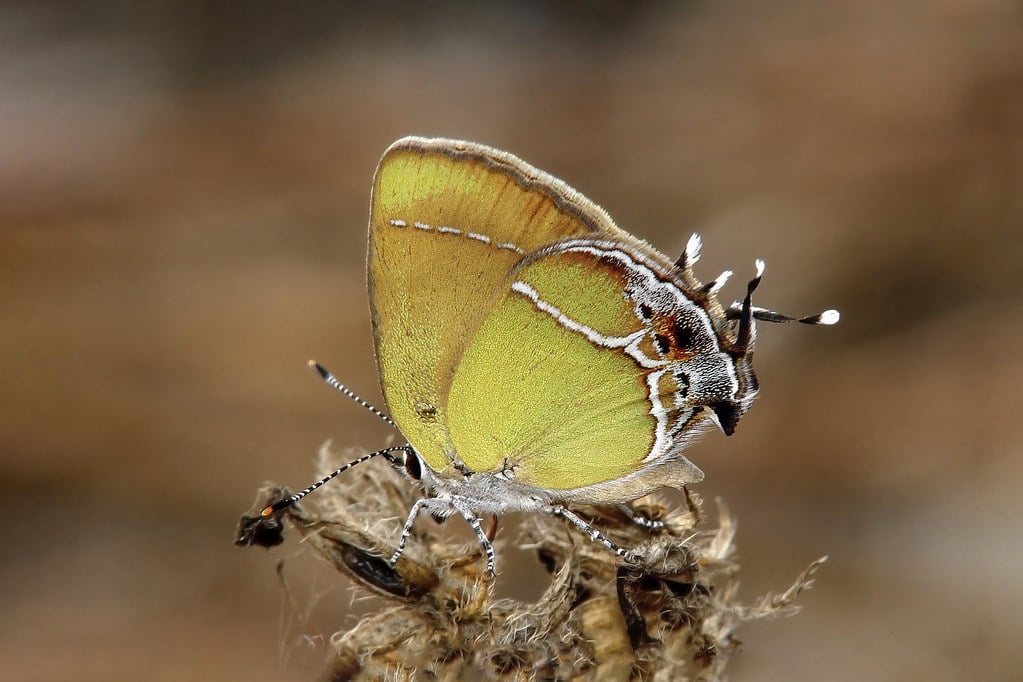
14. Xami Hairstreak

Xami Hairstreak

Origin: North America
Habitat: Scrub, woodlands
Diet: Herbivorous (larvae feed on plant leaves)
Size: Wingspan of about 1-1.5 inches
Scientific Name: Callophrys xami

This small butterfly has a beautiful green, white, and black pattern on its underwings.

Interesting Facts

  • The adults are nectar feeders.
  • Mimics leaves and branches when at rest.
  • Its larval host plants are in the genus Juniperus.

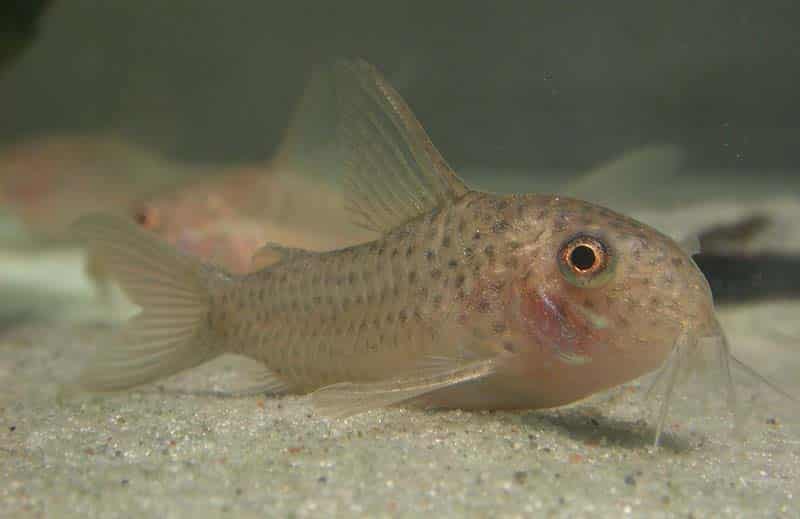
15. Xingu Corydoras

Xingu Corydoras

Origin: Xingu River, Brazil
Habitat: Freshwater rivers
Diet: Omnivorous (worms, small crustaceans, plant matter)
Size: Up to 2.5 inches long
Scientific Name: Corydoras xinguensis

Small, bottom-dwelling fish with distinctive armor plating.

Interesting Facts

  • It is known for its social behavior, often seen in groups.
  • Part of the armored catfish family.
  • Its body is adapted to sift through bottom substrates for food.

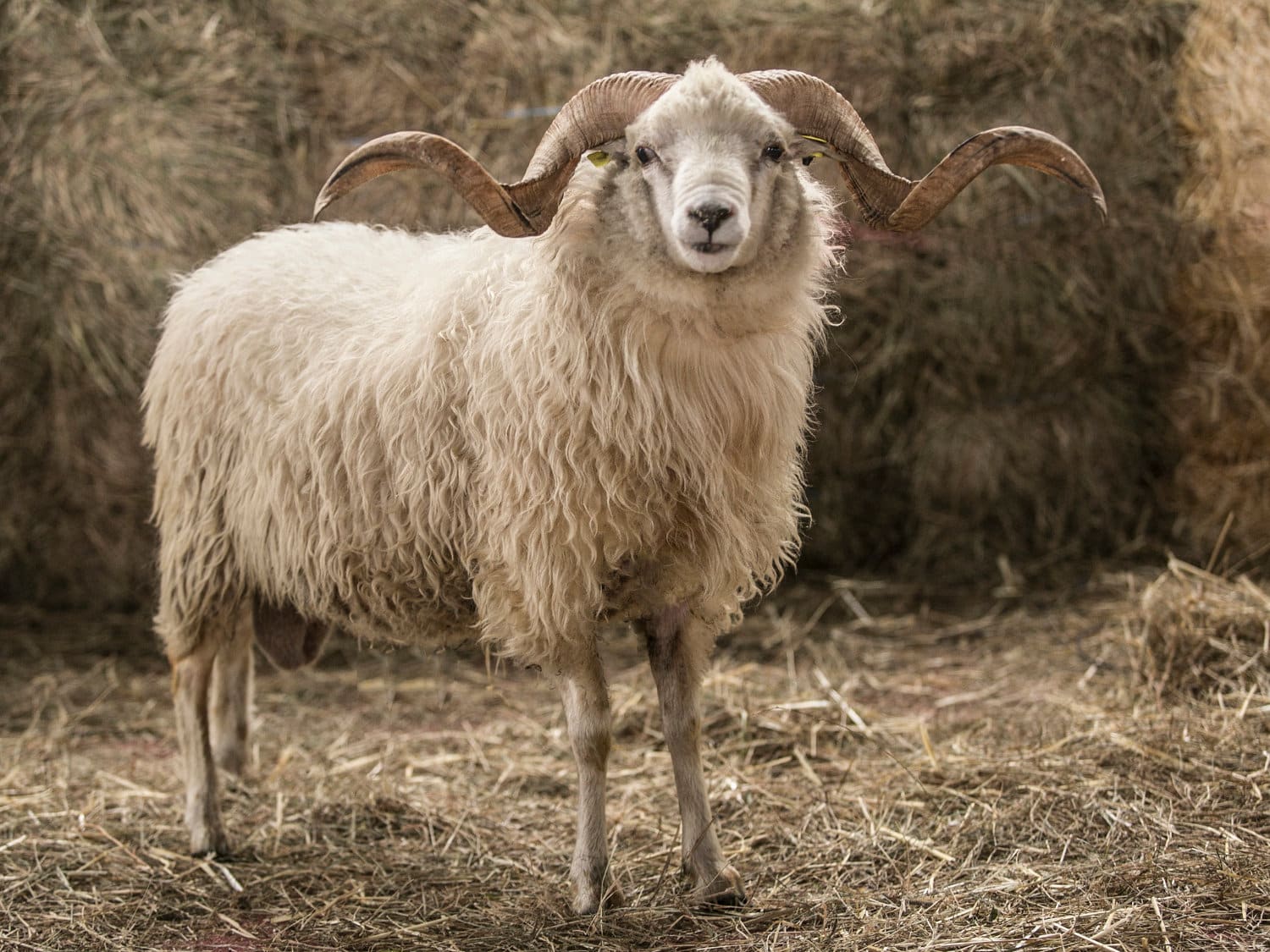
16. Xalda Sheep

Xalda Sheep

Origin: Spain
Habitat: Pastures and mountainous areas
Diet: Herbivorous (grasses)
Size: Medium-sized sheep
Scientific Name: Ovis aries (Xalda variety)

A breed of domestic sheep known for its long, coarse wool.

Interesting Facts

  • Highly adapted to harsh mountain environments.
  • Known for its resistance to diseases.
  • Its wool is prized for its quality and durability.

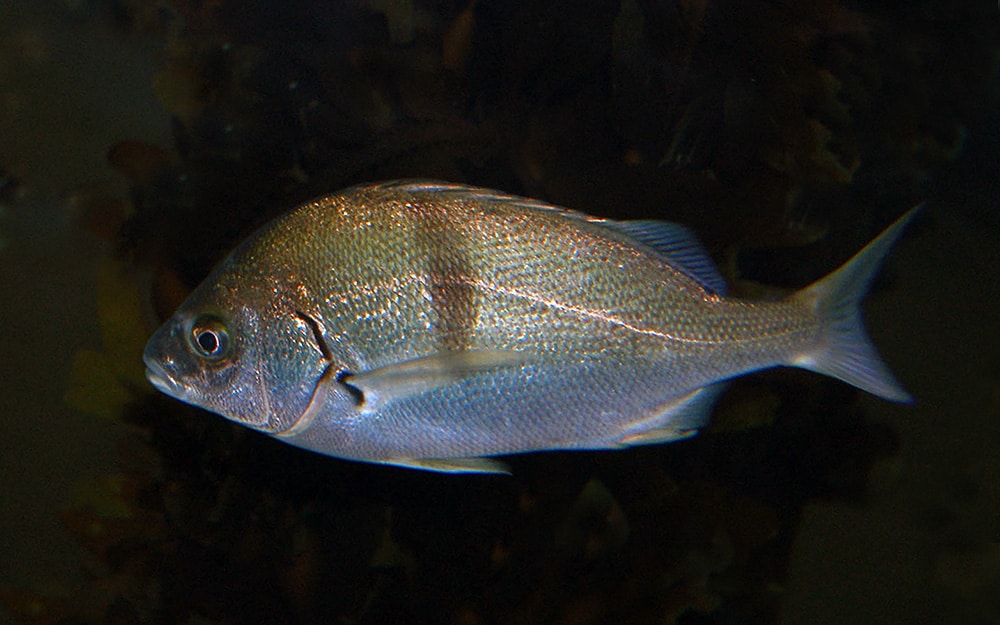
17. Xantic Sargo

Xantic Sargo

Origin: Eastern Pacific Ocean
Habitat: Coastal waters, reefs
Diet: Omnivorous (algae, small invertebrates)
Size: Up to 18 inches in length
Scientific Name: Anisotremus davidsonii

A medium-sized fish with a silver body and yellowish fins.

Interesting Facts

  • Forms schools around rocky reefs and kelp beds.
  • A popular target for recreational fishermen.
  • Its diet helps control algae growth on reefs.

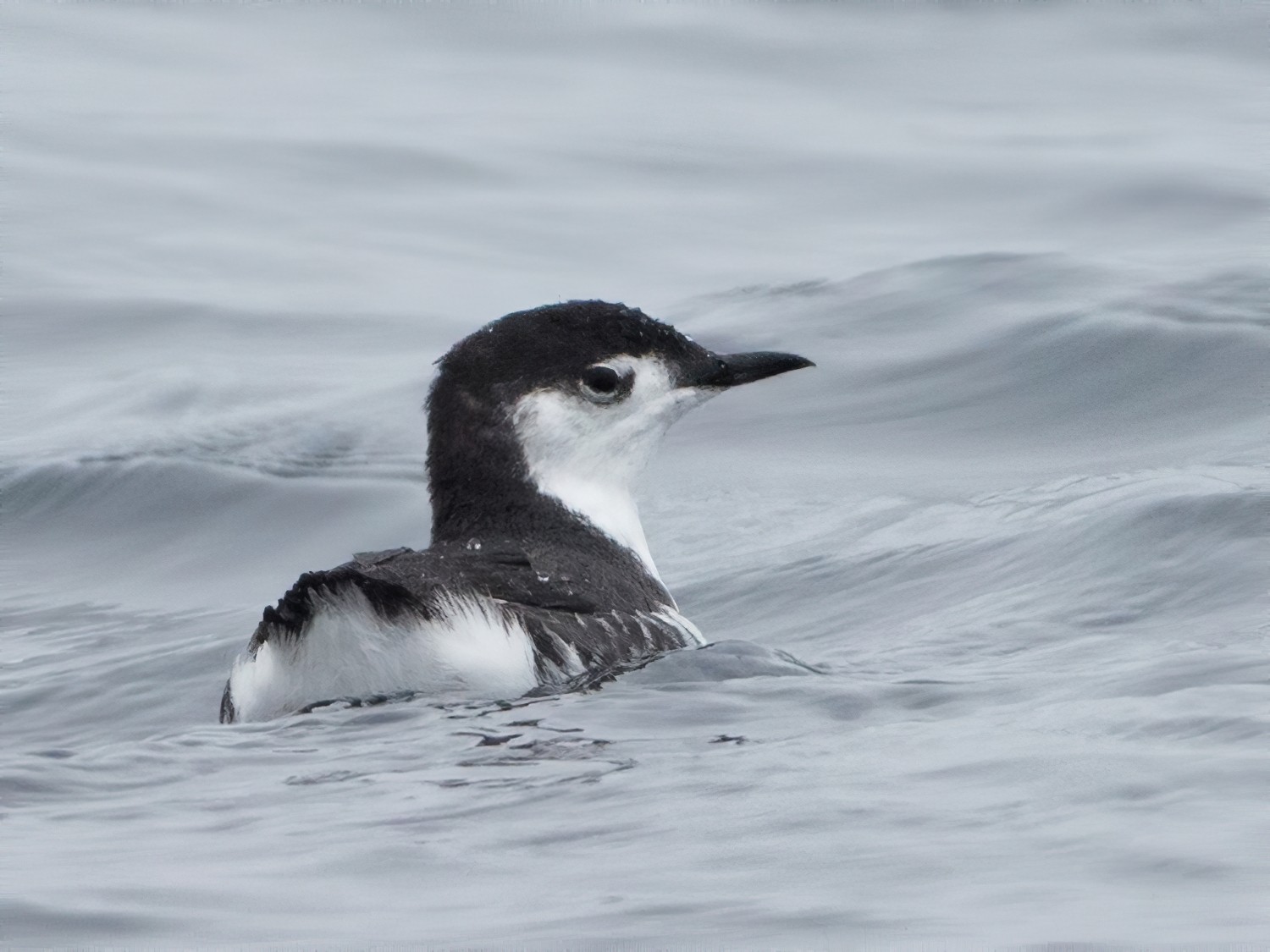
18. Xantus’s Murrelet

Xantus’s Murrelet

Origin: North America
Habitat: Open ocean and coastal islands
Diet: Carnivorous (small fish and squid)
Size: About 9 inches long
Scientific Name: Synthliboramphus hypoleucus

A small seabird with black and white plumage and a distinctive night-time vocalization.

Interesting Facts

  • Nests on the ground in islands’ crevices.
  • Known for its elusive behavior.
  • Its chicks are precocial and leave the nest within two days of hatching to head to sea.

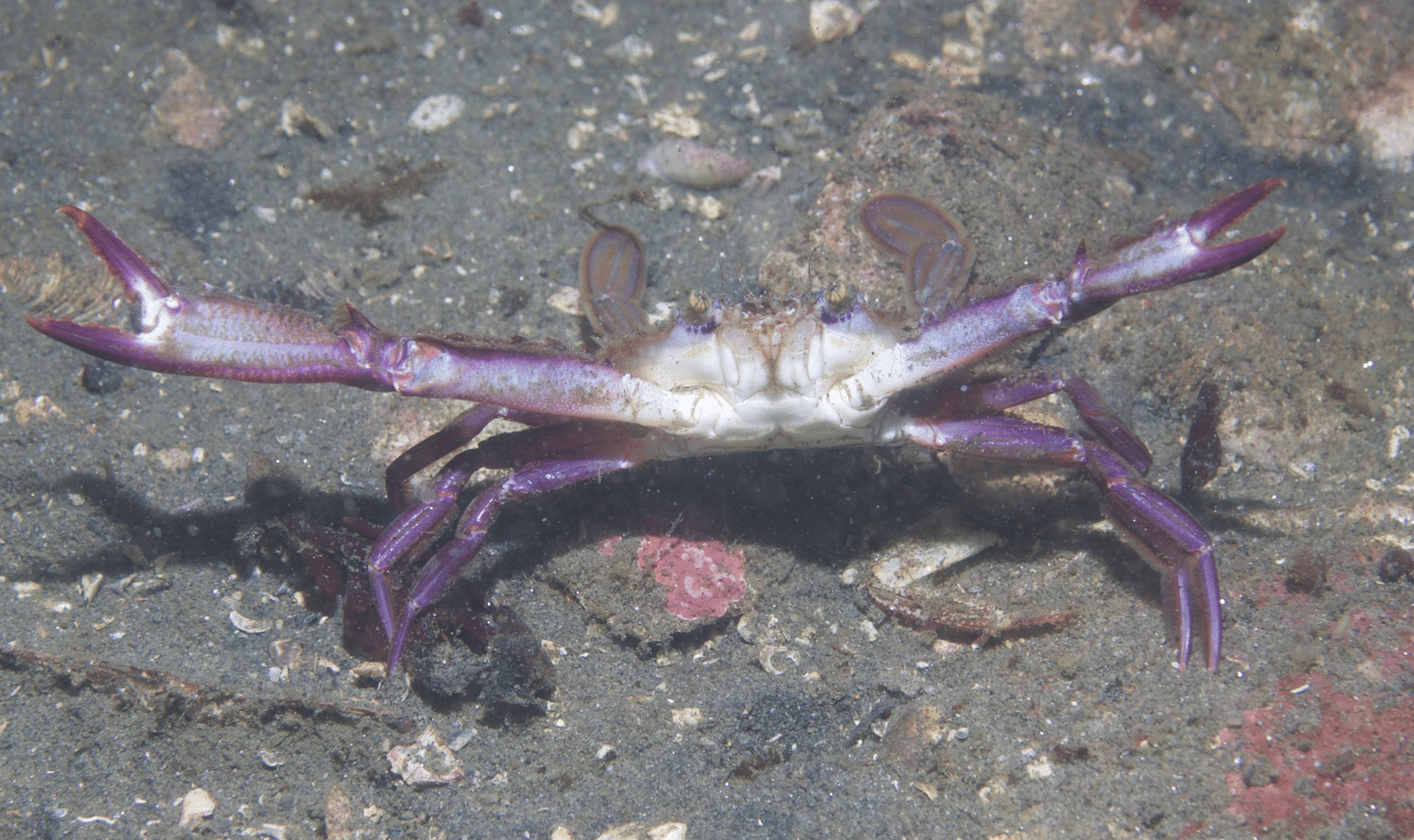
19. Xantus’ Swimming Crab

Xantus’s Murrelet

Origin: Western Atlantic Ocean
Habitat: Sandy and muddy bottoms near coral reefs
Diet: Omnivorous (detritus, small fish, and invertebrates)
Size: Up to 5 inches across
Scientific Name: Portunus xantusii

A colorful crab with a predominantly blue body and swimming paddles as rear legs.

Interesting Facts

  • Named after John Xantus, a Hungarian zoologist.
  • Agile swimmer, using its rear paddles to navigate.
  • Can bury itself in sand as a defense mechanism.

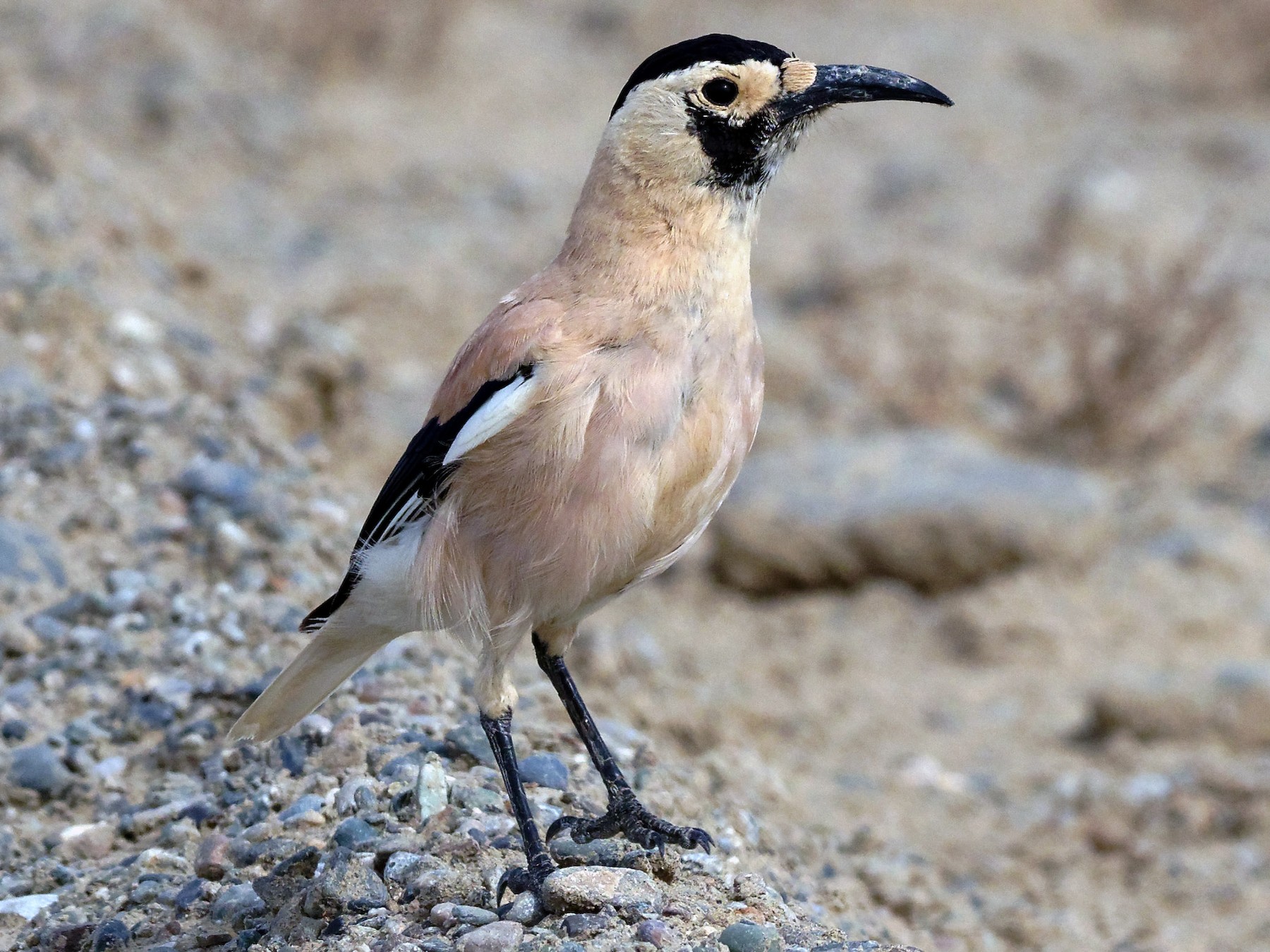
20. Xinjiang Ground Jay

Xinjiang Ground Jay

Origin: China
Habitat: Deserts and semi-desert regions
Diet: Omnivorous (seeds, insects)
Size: Approximately 12 inches long
Scientific Name: Podoces biddulphi

A bird with a long tail and cryptic brown plumage adapted to its desert surroundings.

Interesting Facts

  • Also known as the Biddulph’s ground jay.
  • Constructs nests on the ground.
  • Its behavior and adaptations are uniquely suited to life in arid landscapes.

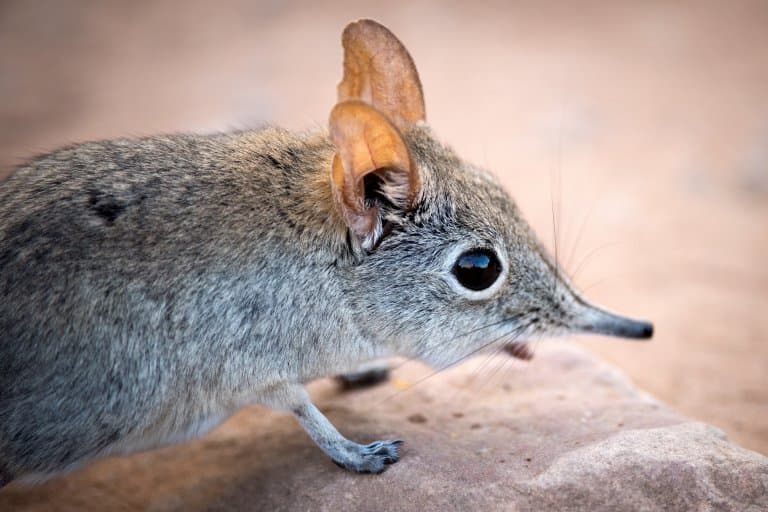
21. Xanthippe’s Shrew

Xanthippe’s Shrew

Origin: East Africa
Habitat: Forests and woodlands
Diet: Insectivorous
Size: Small, precise measurements vary
Scientific Name: Crocidura xantippe

A tiny mammal with a pointed snout and a dense, soft fur.

Interesting Facts

  • Named after Xanthippe, the wife of Socrates.
  • Active mainly at night (nocturnal).
  • Lives a solitary life, except during breeding season.

22. Xestochilus Nebulosus

Xestochilus Nebulosus

Origin: Indo-Pacific Ocean
Habitat: Coral reefs
Diet: Carnivorous (feeds on small invertebrates)
Size: Small, detailed size unavailable
Scientific Name: Xestochilus nebulosus

A species of reef fish with a distinctive pattern and coloration, blending into coral environments.

Interesting Facts

  • Part of the wrasse family.
  • It is known for its ability to change sex from female to male.
  • Plays a role in controlling populations of smaller reef invertebrates.

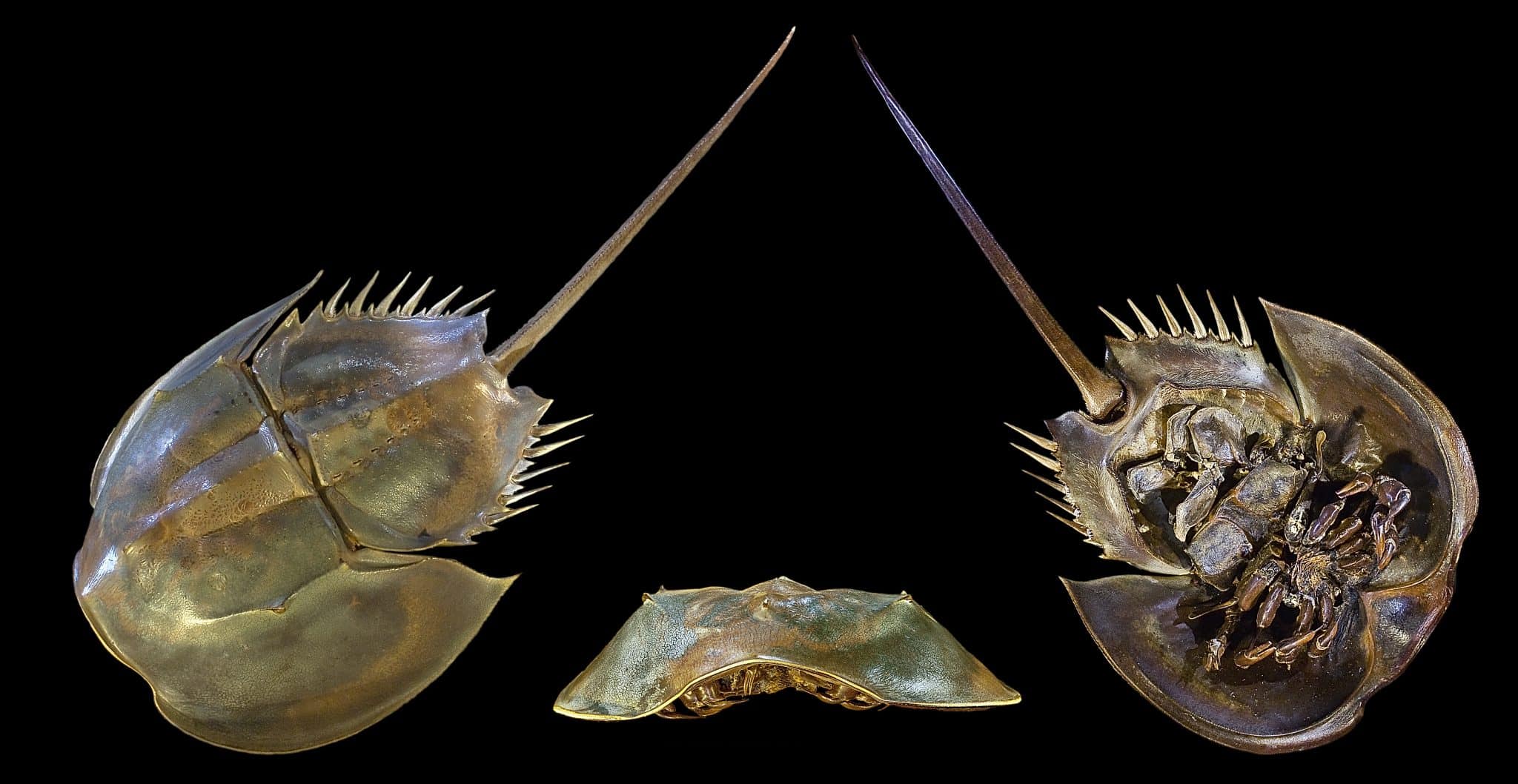
23. Xiphosura (Horseshoe Crabs)

Xiphosura (Horseshoe Crabs)

Origin: Coastal regions worldwide
Habitat: Shallow ocean floors, estuaries
Diet: Omnivorous (worms, mollusks, algae)
Size: Up to 24 inches long
Scientific Name: Subphylum Xiphosura

Ancient marine arthropods with a hard, horseshoe-shaped carapace.

Interesting Facts

  • Have blue blood that is valuable in medical research.
  • Fossils date back over 450 million years.
  • Play a crucial role in coastal ecosystems.

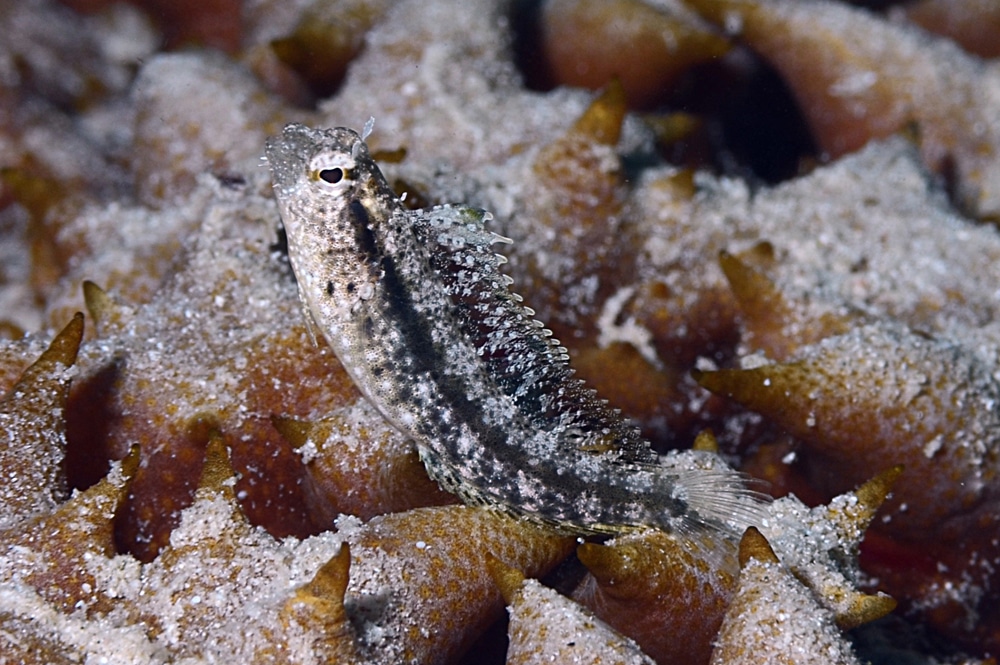
24. Xestus Sabretooth Blenny

Xestus Sabretooth Blenny

Origin: Indo-Pacific Ocean
Habitat: Coral reefs
Diet: Carnivorous (feeds on small fish and crustaceans)
Size: Up to 4 inches long
Scientific Name: Xestus fangblennius (hypothetical scientific name; real species may vary)

Small, colorful fish with elongated bodies and distinctive fang-like teeth.

Interesting Facts

  • Mimics the appearance of other reef fish.
  • Uses its sharp teeth to deliver a painful bite.
  • Often hides in crevices within coral reefs.

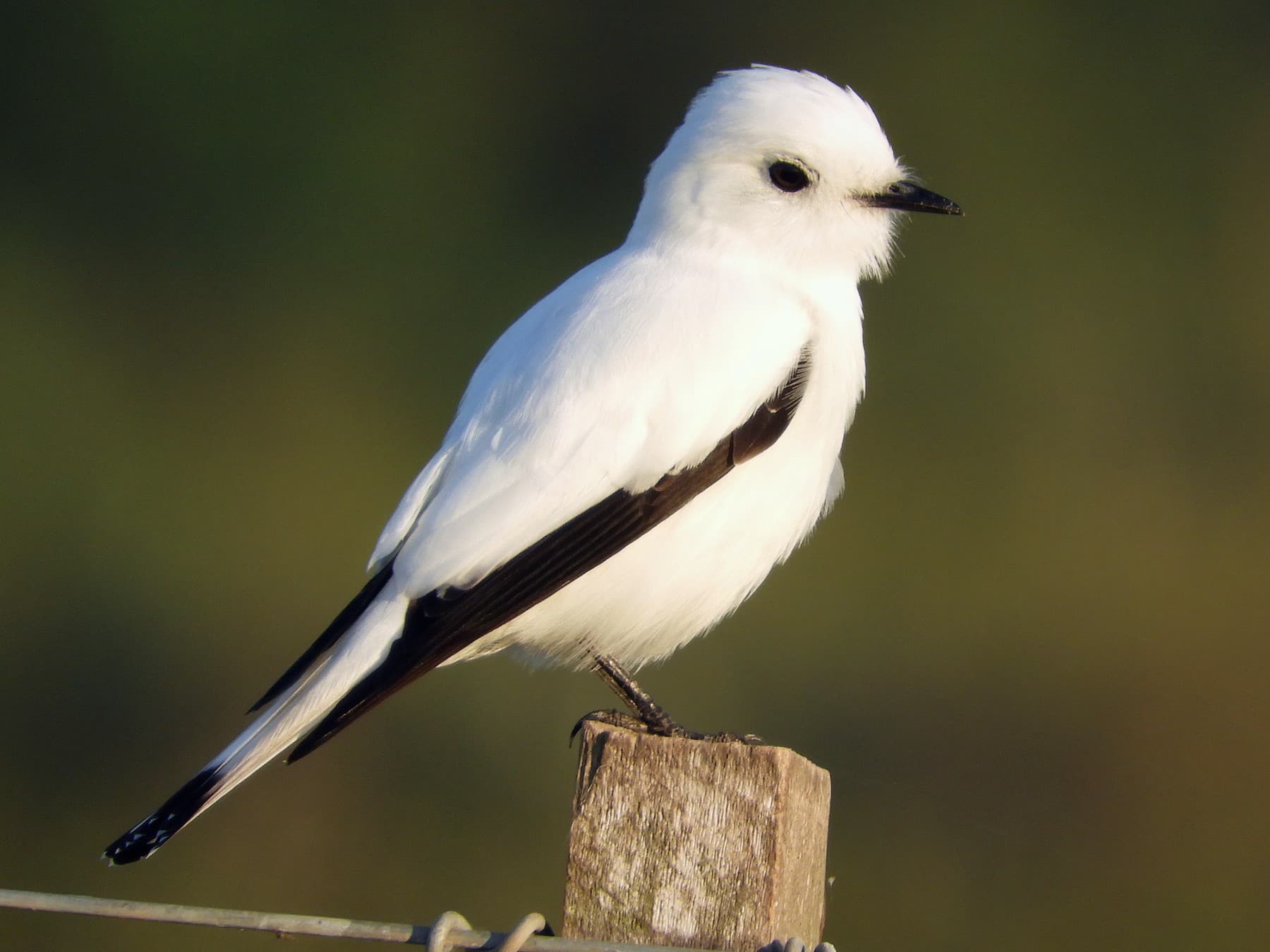
25. Xolmis (Monjitas)

Xolmis (Monjitas)

Origin: South America
Habitat: Open and semi-open landscapes
Diet: Insectivorous
Size: Varies, generally around 7 to 8 inches long
Scientific Name: Genus Xolmis

A genus of passerine birds characterized by their uniform gray or white plumage.

Interesting Facts

  • Known for their sallying flight behavior to catch insects.
  • Often found perched conspicuously on fences or bushes.
  • Some species are nomadic, moving in response to food availability.

26. Xucaneb Robber Frog

Xucaneb Robber Frog

Origin: Central America
Habitat: Montane forests
Diet: Insectivorous
Size: Small, precise measurements vary
Scientific Name: Craugastor xucaneb (assuming hypothetical, specific species may vary)

A small, terrestrial frog with a cryptic coloration blending into the forest floor.

Interesting Facts

  • Named after the Xucaneb area where it was found.
  • Capable of surviving in relatively cool, high-altitude habitats.
  • Its population is considered vulnerable due to habitat destruction.

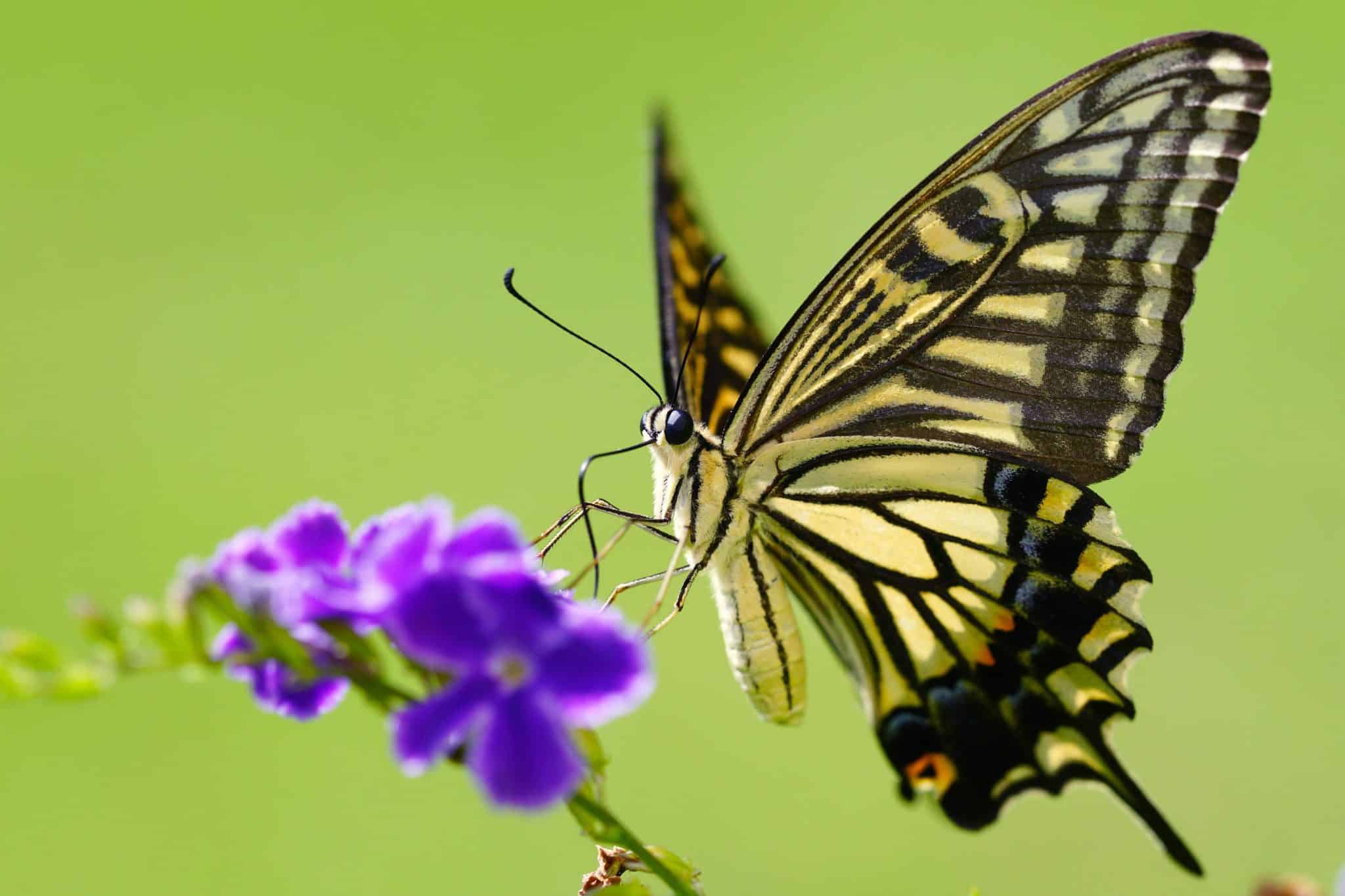
27. Xuthus Swallowtail

Xuthus Swallowtail

Origin: Asia
Habitat: Woodlands and meadows
Diet: Nectar (adults), host plant leaves (larvae)
Size: Wingspan up to 3 inches
Scientific Name: Papilio xuthus

A butterfly with yellow and black patterned wings, distinctive for its tail-like extensions.

Interesting Facts

  • Larvae mimic bird droppings for camouflage.
  • Adults have a rapid and powerful flight.
  • Widely distributed across East Asia.

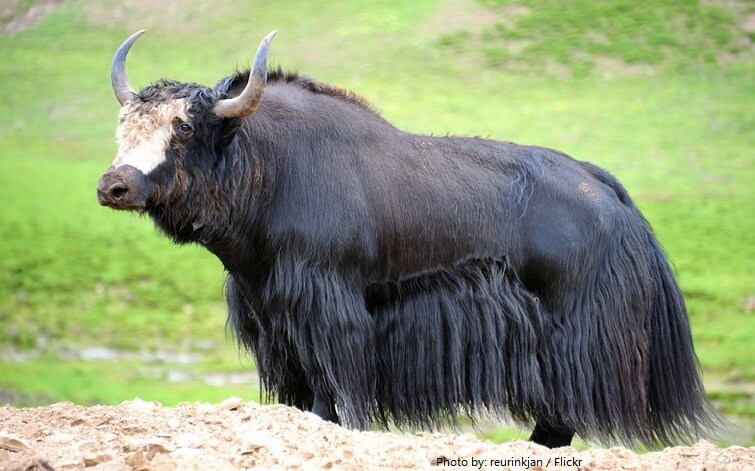
28. Xantis Yak

Xantis Yak

Origin: Himalayan region
Habitat: Alpine meadows, mountainous areas
Diet: Herbivorous (grasses, herbs)
Size: Up to 11 feet long and 6.5 feet tall at the shoulder
Scientific Name: Bos grunniens

Large, domesticated bovids with long, dense fur and large horns.

Interesting Facts

  • Vital to indigenous cultures for transportation, milk, and meat.
  • Can live at altitudes over 6,000 meters.
  • Known for their grunting sound.

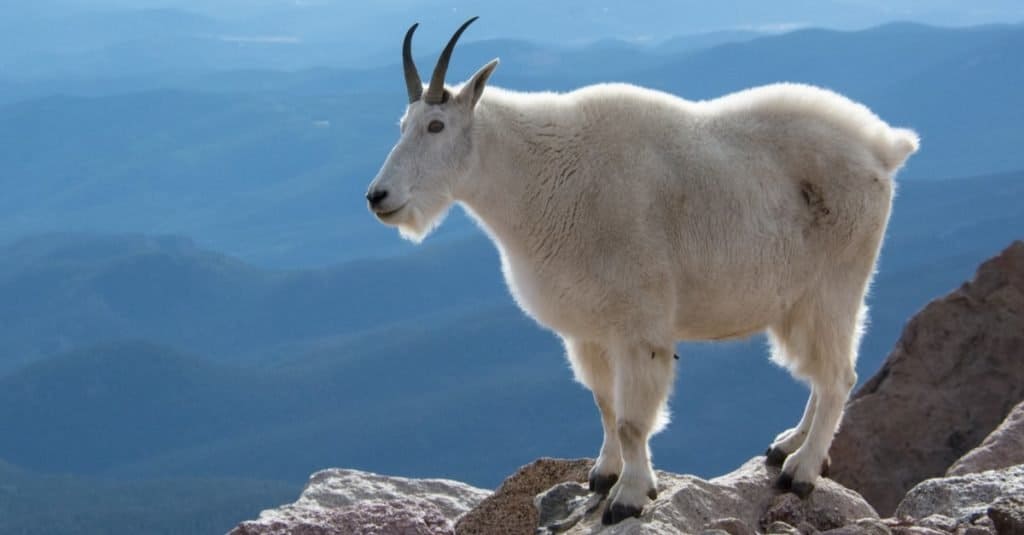
29. Xuhai Goat

Xuhai

Origin: China
Habitat: Rural farmlands
Diet: Herbivorous (grasses, shrubs)
Size: Medium-sized goat
Scientific Name: Capra aegagrus hircus (Xuhai variety)

A breed of domestic goat known for its productivity and adaptability.

Interesting Facts

  • Bred for both meat and milk.
  • Known for their hardiness and disease resistance.
  • Plays a significant role in local economies.

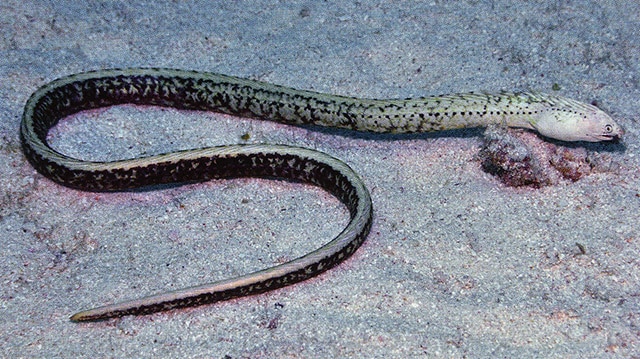
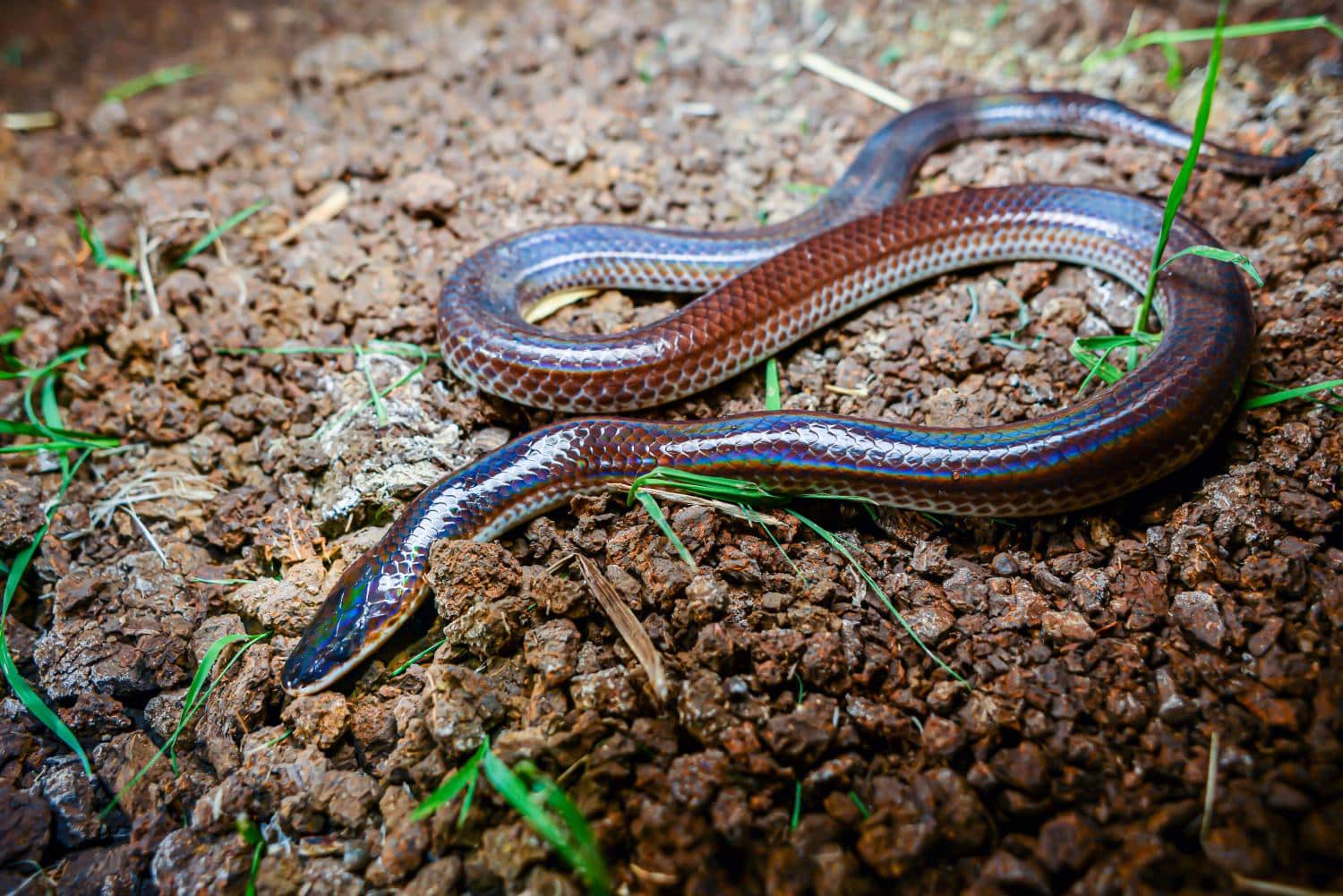
30. Xenopeltis Unicolor (Sunbeam Snake)

Xenopeltis Unicolor (Sunbeam Snake)

Origin: Southeast Asia
Habitat: Forests, rice fields
Diet: Carnivorous (small mammals, amphibians)
Size: Up to 4 feet long
Scientific Name: Xenopeltis unicolor

A non-venomous snake with smooth, iridescent scales.

Interesting Facts

  • When disturbed, it coils up and hides its head beneath its body.
  • Its scales refract light, creating a rainbow-like effect.
  • Burrows underground and is seldom seen during the day.

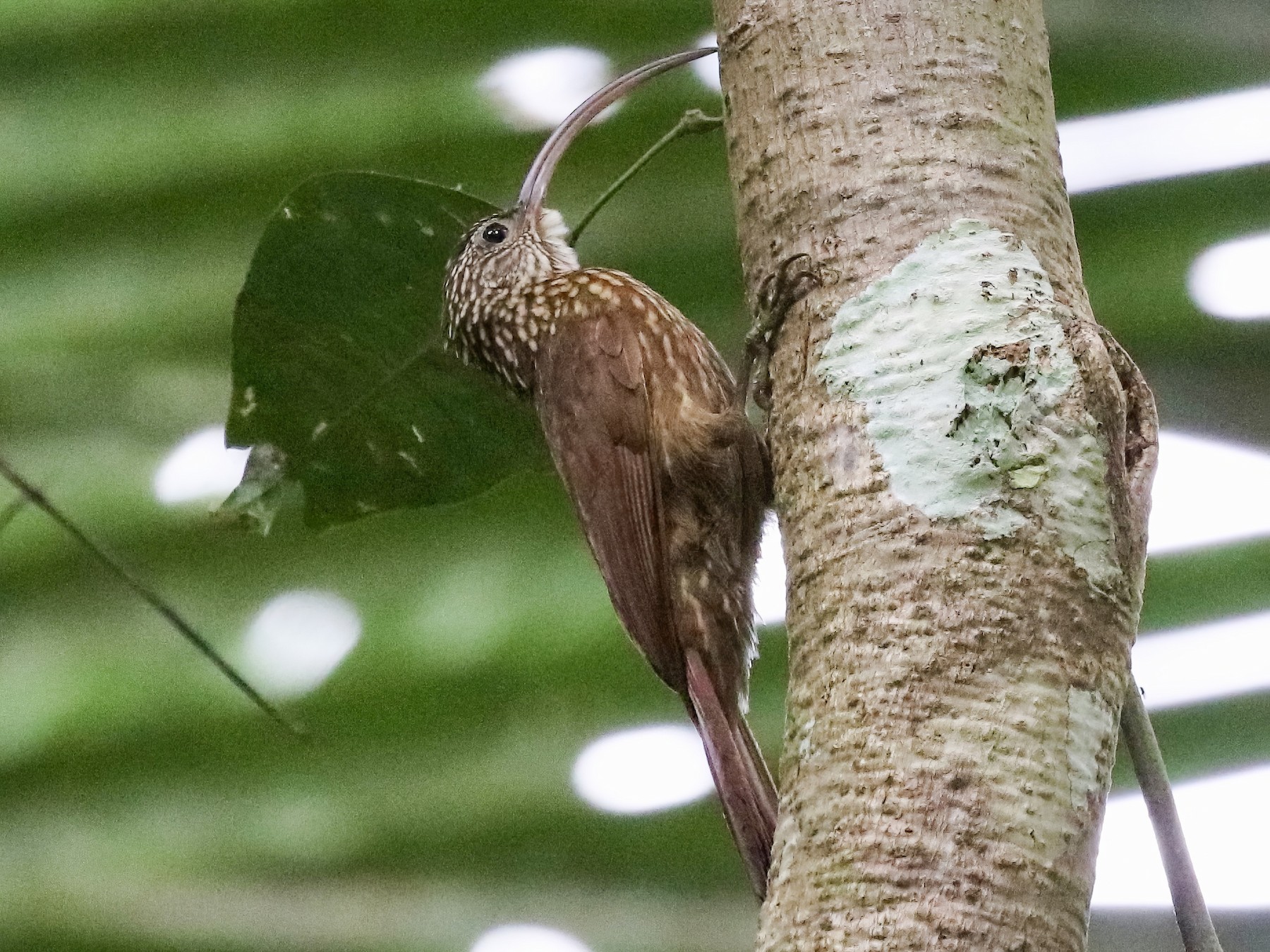
31. Xingu Scythebill

Xingu Scythebill

Origin: Brazil
Habitat: Amazonian rainforest
Diet: Insectivorous
Size: Approximately 7 inches long
Scientific Name: Campylorhamphus trochilirostris xinguensis (assuming subspecies of the Red-billed Scythebill)

A bird with a long, curved bill adapted for extracting insects from bark and crevices.

Interesting Facts

  • Specializes in foraging on dead and decaying wood.
  • Its distinctive bill shape sets it apart from other bird species.
  • Relatively unknown, highlighting the biodiversity of the Amazon.

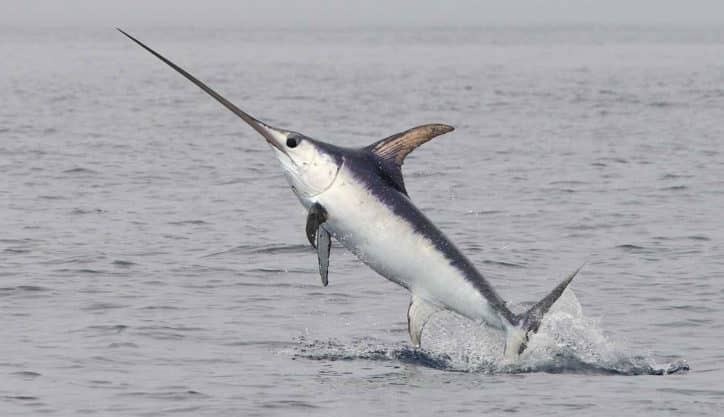
32. Xiphias Gladius (Swordfish)

Xiphias Gladius (Swordfish)

Origin: Worldwide oceans
Habitat: Open ocean
Diet: Carnivorous (fish, squid)
Size: Up to 14 feet in length
Scientific Name: Xiphias gladius

Large, predatory fish with a long, flat bill.

Interesting Facts

  • Capable of reaching speeds of up to 60 mph.
  • Uses its bill to stun prey during hunting.
  • They can dive to depths of over 2,000 feet in search of food.

Conclusion

Overall, it’s clear that every animal, no matter how rare or unusual, is important for keeping our world balanced.

By understanding and protecting animals that might not be well-known, we can help maintain the diversity of life on Earth.

Remembering to care for all creatures, even those starting with uncommon letters like “X,” is crucial for the health of our planet.

So, let’s continue to learn about and appreciate all the animals around us, big or small, popular or not.

Together, we can work towards a future where every species can thrive unitely with nature.

Don’t you think animal jokes are like little packets of laughter? Well, Yes! It makes kids laugh and helps them feel better at talking to others.

However, these jokes create a happy atmosphere so kids feel more comfortable sharing their feelings. Laughing together helps friends stay close, and animal jokes are the perfect thing to make that happen.

When kids listen to or tell these jokes, they learn how to be funny by getting the timing, tone, and way of saying the right things, which is very important when talking with others.

So, whether it’s about a chicken crossing the road, bear jokes for kids, or a monkey’s favorite fruit jokes, these are not just for laughs; they make childhood funnier and friendlier!

In this guide, we’ll explore the question: Do animal jokes make a difference in a child’s life?

Do Animal Jokes Enhance a Child’s Humor?

a boy sitting on a wooden bench laughing with book on his lap

Yes, definitely! Animal jokes are important in enhancing a Child’s Humor and Social Skills. Kids like animals because they’re interesting and do funny things. So, they also enjoy jokes about animals.

A good animal joke isn’t just about being funny. It’s about imagining animals doing silly things.

When kids hear animal jokes with their friends, they laugh and learn how to talk to others. Telling a joke means knowing when and how to say it and understanding how people react.

This helps them get better at talking and being with others. Animal jokes also make kids think and use their imagination.

Playing with words in a fun way makes them better at talking and understanding language. All this joking around helps them get good at talking and being in a group.

How Important is Humor to Your Child’s Social Development?

Smiling black mom and little son have fun reading

Kids with autism often struggle with telling jokes and making friends because they may not get humor like other kids. This can make it hard for them to connect and join social activities.

Some studies suggest that teaching jokes and laughter to kids with autism can help them improve their social skills and make friends. Tools like videos that show good social interactions can be helpful for them.

For these kids, especially those with communication delays, it’s important to teach them directly about jokes.

Visual aids and examples can make it easier for them to understand how jokes work.

However, video modeling is a great way to show autistic kids how to understand social situations. It helps them see the difference between laughing at someone and with someone, which is important for them to know.

After they have practiced and gained confidence in controlled environments, they can start working with other kids. Watching videos as a group helps them discuss, act out, and solve problems together.

Benefits of Animal Jokes for a Child’s Humor Development

Power of Laughter: Benefits & Humour Activities for Child - EuroSchool

Animal jokes are not just funny. Rather, they are good for kids in many ways. First of all, they make kids laugh and bring everyone together. When kids share a laugh, it helps them become friends and feel like they belong to the same group.

These jokes also teach kids different kinds of humor, making them more open-minded and accepting of different jokes. This is important for getting along with all kinds of people.

It’s also a fun way for them to learn about emotions and become nicer and more understanding. So, animal jokes are not just for laughs but also cool lessons that make growing up more fun!

Conclusion

In a child’s growth, being funny and getting along with others are super important. However, animal jokes are like magic tools for making these things happen.

They are simple and cute, perfect for helping kids become awesome at being funny and making friends.

So, if you ever hear a group of kids laughing and sharing animal jokes, know that it’s building a strong base for them to be even funnier and better at making friends in the future.

It’s like setting up a path for a happier and more connected life ahead.

Frequently Asked Questions

How Animal Jokes Can Enhance a Child’s Humor?

Animal jokes can boost a child’s humor and social skills by making learning fun. They encourage creativity, improve vocabulary, and develop a positive social environment.

Sharing animal jokes helps kids connect with others through laughter, promoting communication and empathy. It’s a playful way to develop social bonds and enhance a child’s sense of humor, making interactions enjoyable and enriching.

Are Animal Jokes Important for Kid’s Social Skills Development?

Absolutely! Animal jokes are super important for kids. When they share these jokes, it makes everyone laugh and feel good.

This helps kids talk to others, understand their feelings, and become good friends. Having fun with jokes helps children make strong friendships and enjoy being with others.

What Are the Common Animal Jokes that Kids Love?

Kids love animal jokes like: “Why did the cow go to space? Because it wanted to see the moon!” or “What do you call a bear with no teeth? A gummy bear!”

These jokes are silly and make them giggle. Animals are funny characters, and these jokes are a fun way for kids to enjoy humor and share laughs with friends.

Are There Specific Types of Animal Jokes That Are More Effective?

Certainly! Jokes featuring animals with relatable traits or funny behaviors resonate well with kids. Simple wordplay, puns, and gentle humor work wonders.

For instance, jokes about talking animals, clever pets, or silly animal scenarios can tickle a child’s mind and enhance their sense of humor. The key is to keep it light, age-appropriate, and easy for them to grasp.

Are There Any Books that Focus on Using Animal Jokes?

Absolutely! Fantastic books like “Laugh-Out-Loud Animal Jokes for Kids” and “The Big Book of Laugh-Out-Loud Jokes for Kids” use animal jokes to boost social skills and emotional intelligence.

These books make learning fun, teaching kids the value of laughter and positive interactions. It’s a delightful way for children to engage with humor while developing essential life skills.

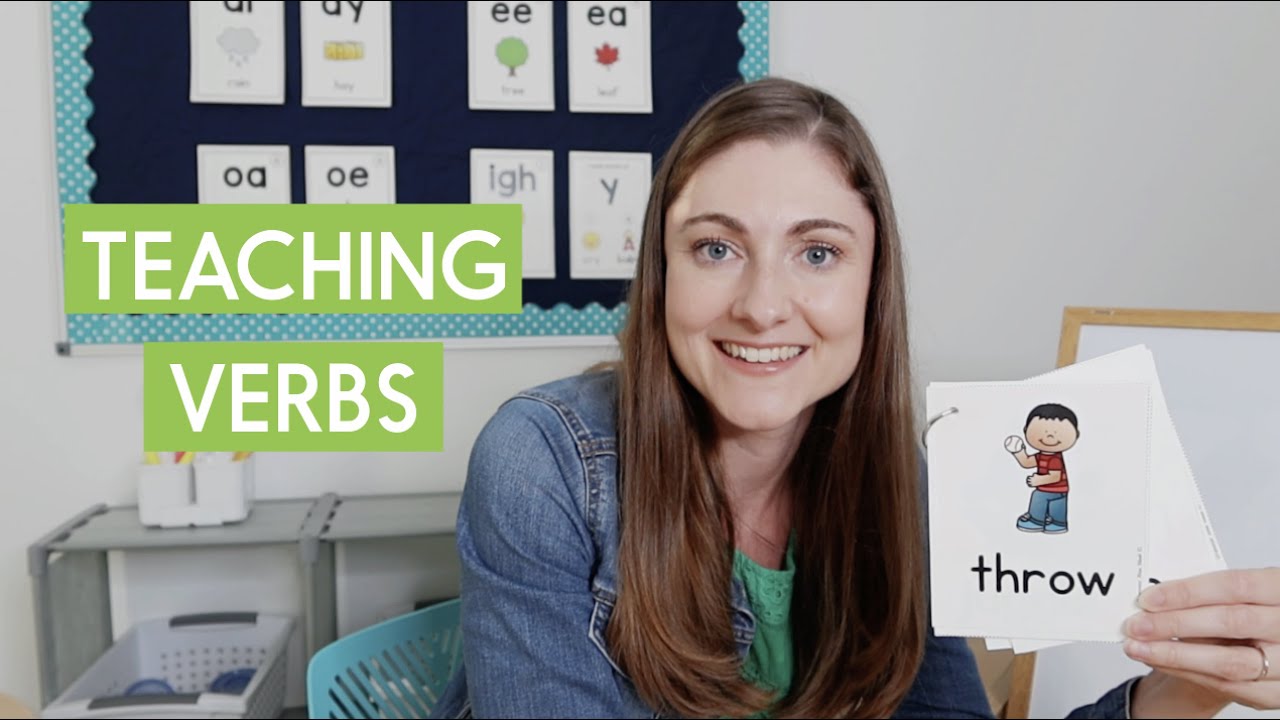
Are you confused about how to make the classroom activities interesting while making them learn verbs? Well, it’s not that difficult!

Teaching kids verbs doesn’t have to be dull and monotonous. Rather, it can be a fun-filled journey to make them more curious.

However, incorporating engaging classroom activities can make learning verbs an interactive and enjoyable experience for young minds.

Before diving into this content, read our previous blog to understand how it started. Our previous blog on verbs for kids provides essential context to this topic.

Engaging Classroom Activities for Kids to Learn Verbs

Let’s explore some amazing collections of action words and discover 11 creative ways to make verb learning interesting in the classroom.

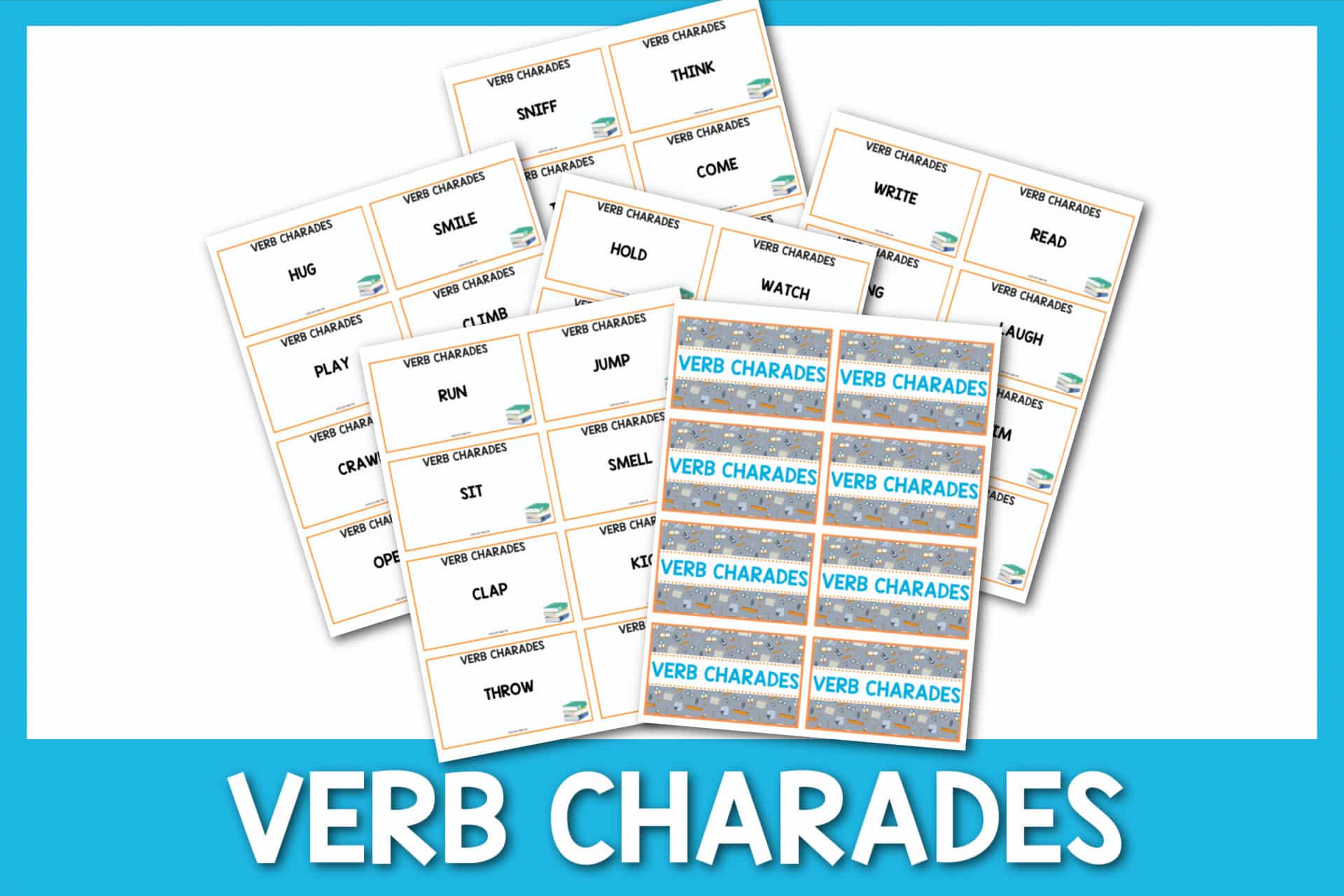
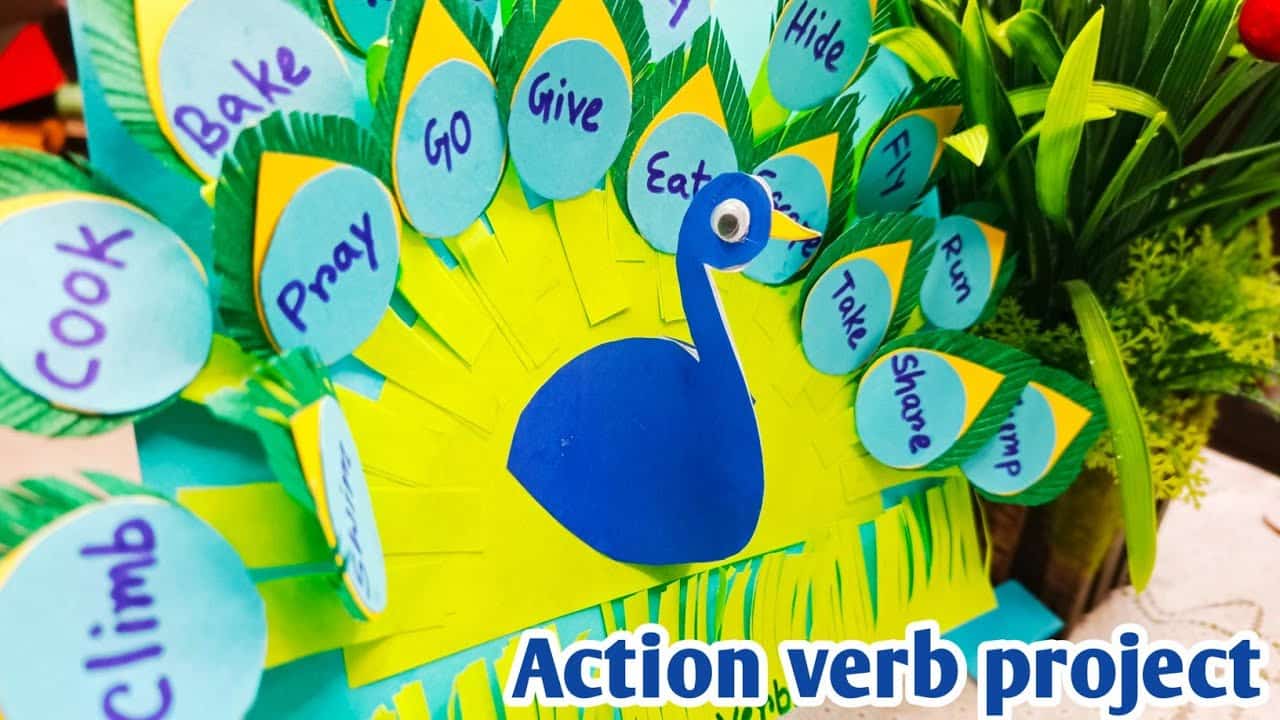
1. Verb Charades

Verb Charades

It is an amazing game with the association of verbs. In this game, you must write down various action words on cards and let the kids act them out without speaking.

This activity improves your verb vocabulary and encourages movement and expression.

2. Storytelling with Verbs

Storytelling with Verbs

How about showcasing creativity by having kids create stories using a given set of verbs? Isn’t it amazing?

This activity encourages them to think critically about sentence structure while expanding their verb knowledge playfully and imaginatively.

3. Verb Tic-Tac-Toe

Verb Tic-Tac-Toe

In this activity, you can easily transform the classic game of Tic-Tac-Toe into a learning adventure. Instead of Xs and Os, players use verbs to claim their spots.

This activity promotes strategic thinking and increases verb usage in a friendly competition.

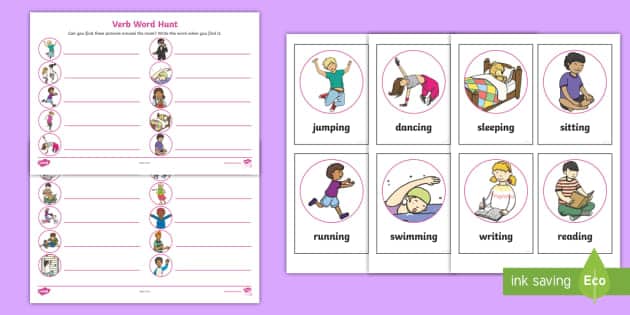
4. Verb Hunt

Verb Hunt

When the word hunt comes, the first thing that strikes the mind is that it might be an outdoor game. But here, you can play this while staying indoors in a classroom.

So, you must provide a list of verbs and challenge kids to find and identify actions around them.

This way of learning helps kids understand verbs better by relating them to real-life situations.

5. Verb Pictionary

Verb Pictionary

Isn’t the activity sound quite fascinating? Here, in verb pictionary, you can combine art and language.

Kids must draw images representing verbs while classmates must guess the action.

This enhances their understanding of verbs and nurtures teamwork and communication skills.

6. Musical Verbs

Musical Verbs

How about adding a rhythm to language learning with Musical Verbs? Sounds interesting, Right?

Here, play a catchy tune and have kids dance or move inside the classroom according to specific verbs called out.

This activity increases their verb recognition and adds a musical element for a multisensory experience.

7. Verb Bingo

Verb Bingo

BINGO? It’s the same game you usually love, whether outdoors or indoors. But a little twist has been added to it.

In this activity, you make learning verbs a bingo bonanza. Create bingo cards with various verbs, and as you call out definitions or sentences using those verbs, kids mark the corresponding action on their cards.

It’s a delightful way to improve verb comprehension and vocabulary.

8. Verb Sculptures

Verb Sculptures

Verb sculpture is another engaging classroom activity for kids to learn verbs innovatively.

Here, you must provide modeling clay or playdough and ask kids to sculpt objects or scenes representing different verbs.

This hands-on activity showcases the connection between verbs and actions while promoting fine motor skills.

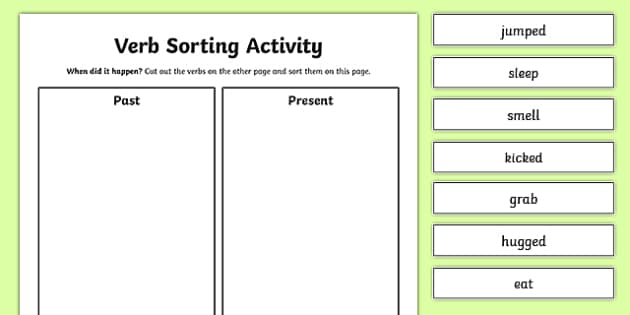
9. Verb Sorting

Verb Sorting

Have you ever heard about a verb sorting activity? Well, it’s very interesting!

In this fun and learning activity, you must provide a mix of verbs and nouns and challenge kids to categorize them correctly.

This activity enhances their understanding of verbs in the context of language structure.

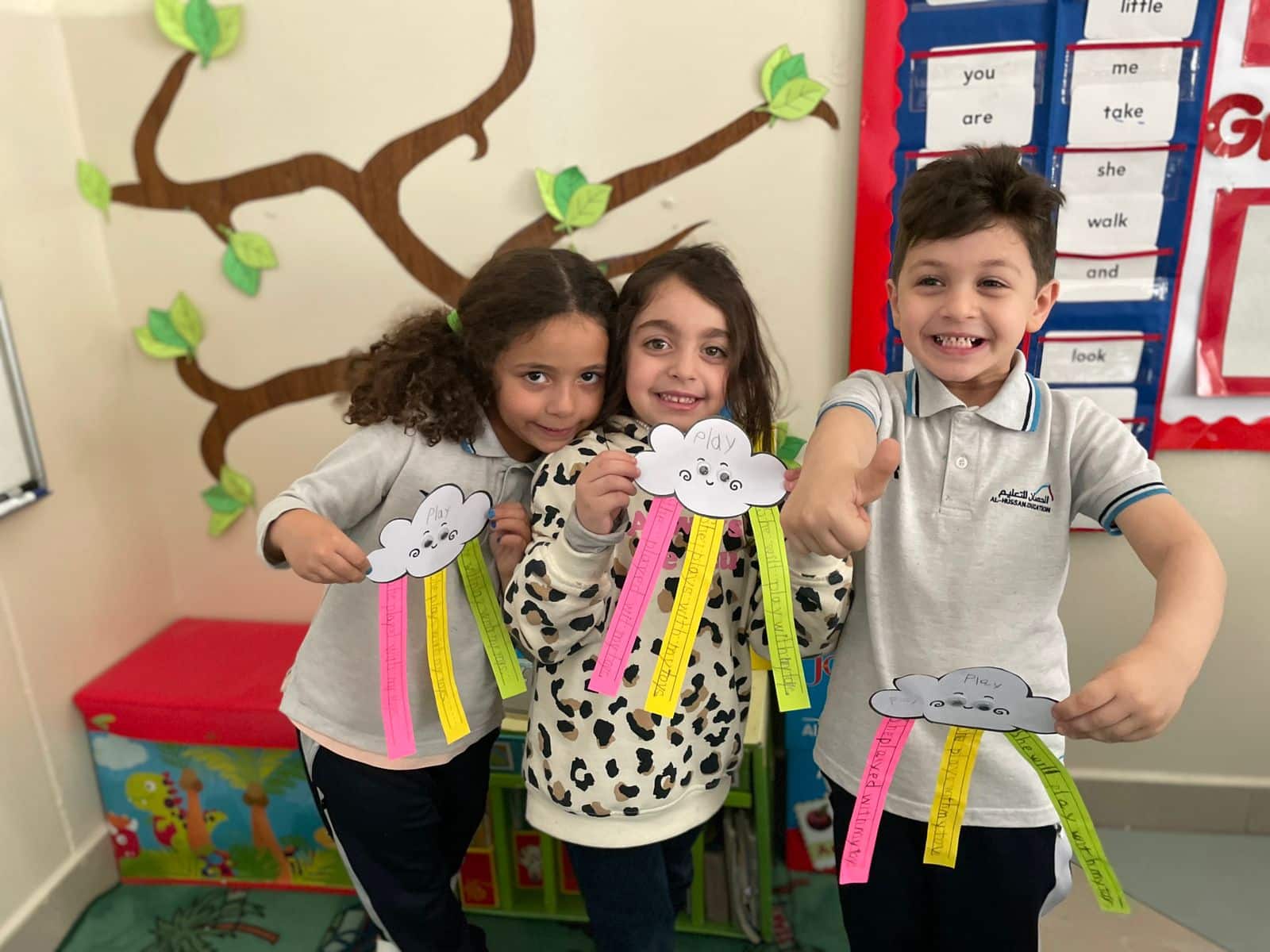
10. Verb Rainbow

Verb Rainbow

A beautiful picture comes to kids’ minds when it’s about the rainbow. Right!

But here, you can relate that beautiful rainbow to a learning activity.

It’s very simple. Make the kids write or draw verbs using various colors to represent different tenses.

This visual representation helps solidify their understanding of verb conjugation vibrantly and memorably.

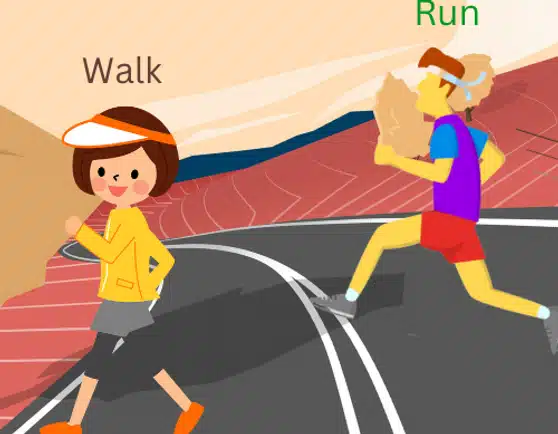
11. Verb Relay Race

Verb Relay Race

No doubt, the relay race is an outdoor game. But here, this verb relay race is completely an indoor activity.

You must divide the class into teams and set up a relay course.

Each station has a verb-related task, and teams race to complete the course.

This high-energy activity improvises verbs while promoting teamwork and collaboration.

Conclusion

Learning verbs doesn’t have to be difficult; it can be an exciting adventure that captivates young minds.

By adding fun activities in the classroom, teachers can make learning exciting. Students can see verbs in action through games, being creative, and working together.

From the laughter of Verb Charades to the strategic moves in Verb Tic-Tac-Toe, each activity serves as a building block for a solid understanding of verbs.

These interactive methods enhance language skills and improve critical thinking, communication, and teamwork.

Now, let’s begin an exciting journey with verbs! Each action word will help our kids have a more fun and colorful language experience.

Frequently Asked Questions

What Are the Activities for Teaching Verbs?

Engage students with fun verb charades, acting out actions. Create verb flashcards for visual learning. Play verb bingo or use interactive online games.

You can also incorporate storytelling, prompting students to identify verbs in narratives. Keep it lively and interactive for effective learning.

What Are the Examples of Verb Activity?

The best examples of verb activity are running, cooking, reading, swimming, writing, sitting, speaking, learning, traveling, dancing, skipping, and many more.

How Do You Teach Kids Verbs?

Teaching kids verbs involves making them fun and interactive. Use games, stories, and actions to demonstrate different verbs.

Play “Simon Says” to act out actions, read engaging stories, and encourage kids to use verbs in their daily activities for a hands-on learning experience.

What is the Best Way to Learn Verbs?

Practice regularly. Use verbs in sentences, talk about daily activities, and create stories. Flashcards with verb forms and meanings can help.

Watch videos or read books to see verbs in context. Be patient and consistent in your efforts; soon, verbs will become second nature in your language skills.

How Do You Introduce Verbs to Students?

Verbs are action words that show what someone or something is doing. They bring sentences to life by describing activities or states.

For example, in “The cat sleeps,” “sleeps” is the verb telling us what the cat is doing. Verbs are like the engine that drives a sentence’s action!

How about teaching verbs to children? Well, it’s always a crucial part of their language development.

Verbs are the action words that bring sentences to life and allow children to express themselves more clearly. So, choosing the right resources is key to making this learning process engaging and effective.

Various websites like ABCmouse and Starfall have fun games that teach about verbs. The best part is that these games make learning verbs easy and enjoyable.

So always remember that keeping it fun and interactive helps kids understand verbs without any trouble.

In this guide, we’ll explore some of the best books on verbs for kids so that they can focus on the importance of this linguistic skill for their overall development.

Best Books for Teaching Verbs to Children

Multiple books are available to teach your children about the verb, but some of the best ones are listed to help them understand the basics.

Let’s explore the best picks!

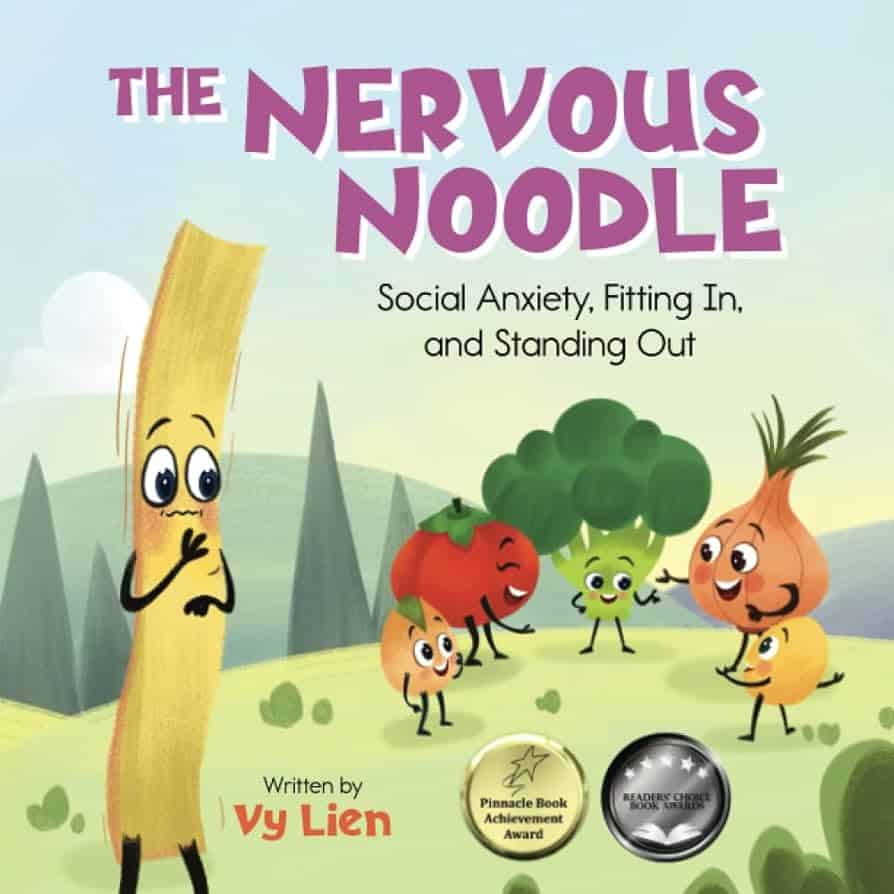
1. The Nervous Noodle: Social Anxiety, Fitting In, And Standing Out

the nervous noodle book

This Nervous Noodle is an amazing book! In this book, Nervous Noodle is a friendly character who faces challenges talking to people.

Vy Lien is a storyteller who talks about feeling nervous in social situations, trying to fit in, and why it’s okay to be yourself.

Through this, you can learn useful tips for handling social situations, welcoming your uniqueness, and beating nervous feelings.

It’s like a friendly helper for children who want to feel comfortable and confident in social places.

The story helps kids understand and be kind to others who may feel the same way.

2. Spanish Verbs Made Easy Workbook

Spanish Verbs Made Easy Workbook

This workbook is designed to make learning Spanish verbs easy and enjoyable. Lingo Mastery has created a helpful resource to assist you in learning Spanish verbs effortlessly.

The workbook provides practical exercises and activities to enhance your understanding of Spanish verbs, making learning fun and effective.

Whether you’re a beginner or looking to improve your skills, this workbook is tailored to make Spanish verbs accessible to all learners.

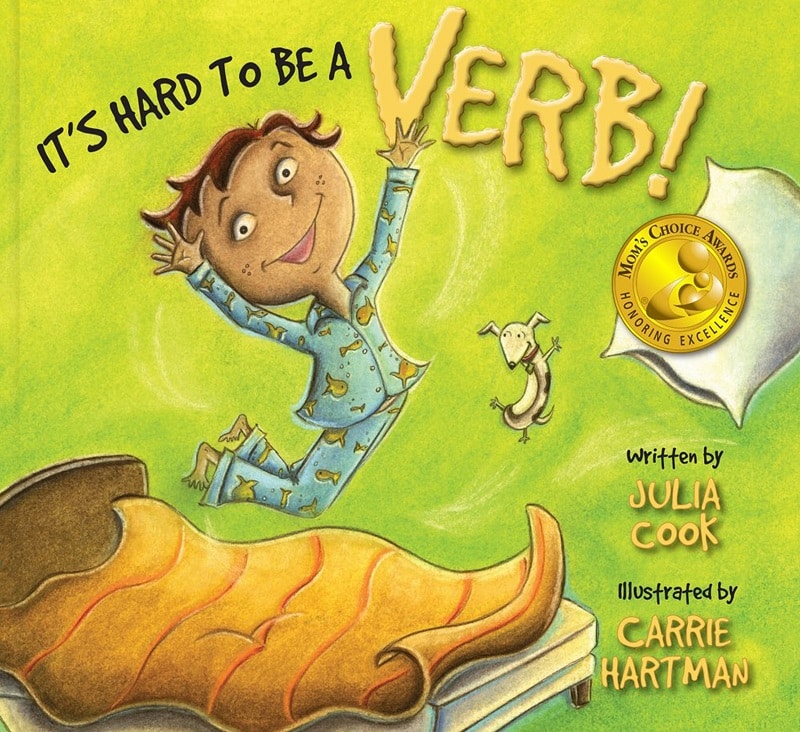
3. It’s Hard To Be A Verb Activity and Idea Book

It's Hard To Be A Verb Activity and Idea Book

Julia Cook’s activity and idea book, inspired by her popular work, “It’s Hard To Be A Verb,” offers simple sentences and engaging activities.

It is designed for children who creatively manage the challenges of participating actively.

The book’s interactive approach makes it an excellent resource for educators and parents looking to teach children about actions, responsibility, and involvement.

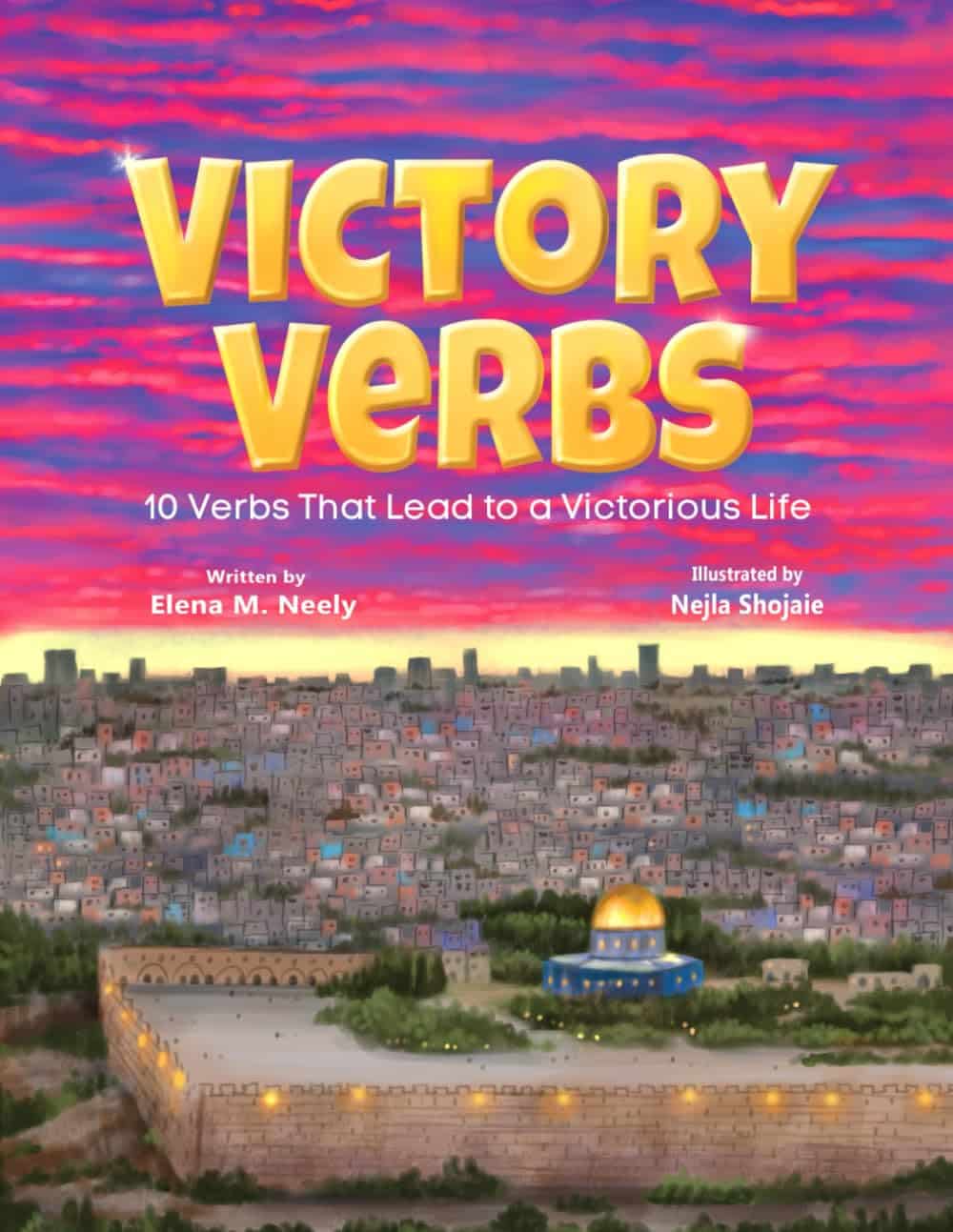
4. Victory Verbs: 10 Verbs That Lead to a Victorious Life

Victory Verbs: 10 Verbs That Lead to a Victorious Life

This book introduces strong words that can lead you to success. Elena M. Neely, in her book, talks about important actions that make life fulfilling and successful.

Using these words can increase your chances of success in different parts of life.

Elena M. Neely’s guide gives practical advice and a positive way to succeed.

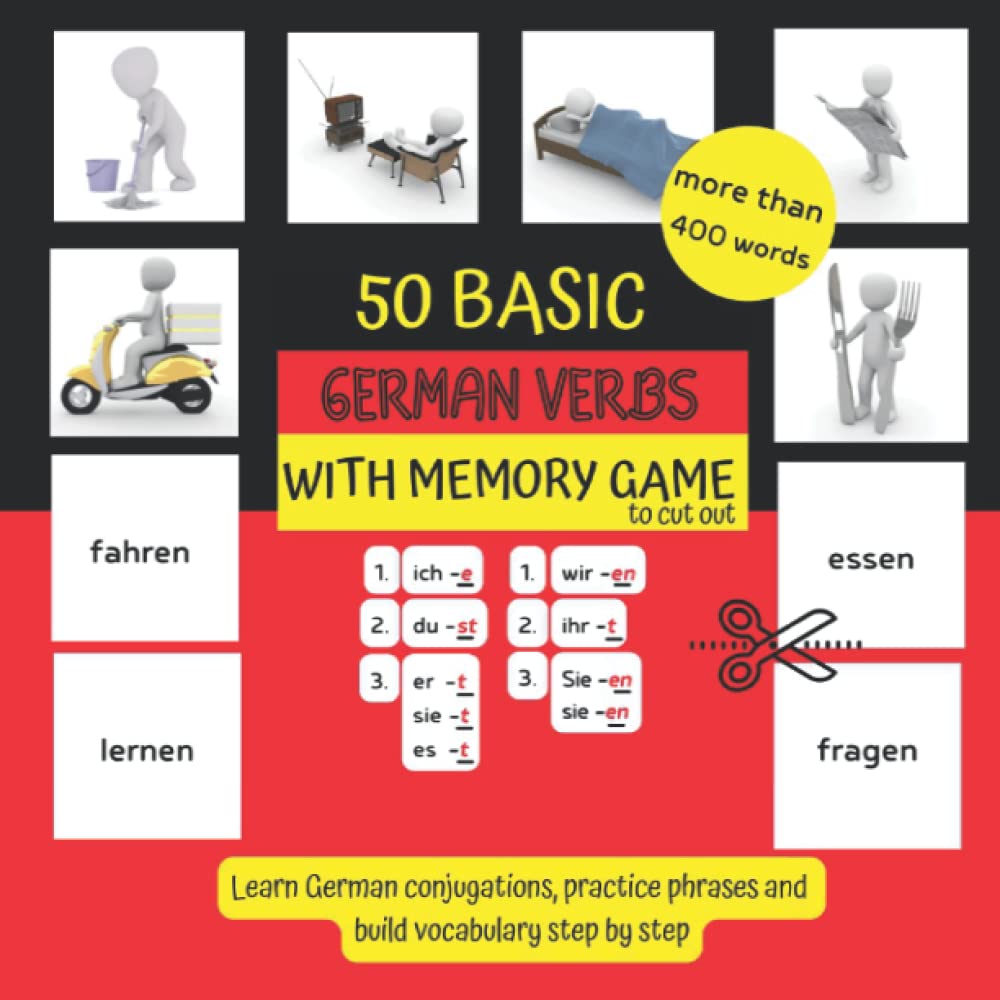
5. 50 Basic German Verbs with Memory Game to Cut Out

50 Basic German Verbs with Memory Game to Cut Out

This “50 Easy German Verbs with a Fun Memory Game” by Jane Owl helps you learn basic German verbs in a fun way. This memory game makes learning simple and fun!

Jane Owl created a helpful tool for beginners, ensuring you understand important German verbs and have fun doing it.

It adds a fun twist, making it easier to remember the verbs. So, forget boring memorization and welcome a fun language-learning experience.

6. Irish Verbs (Collins Easy Learning) (English and Irish Edition)

Irish Verbs (Collins Easy Learning) (English and Irish Edition)

“Irish Verbs (Collins Easy Learning)” by Collins UK is a great help for people learning Irish. It makes understanding Irish verbs easy for beginners and more advanced learners.

The book is in English and Irish, so it’s easy to follow.

It uses simple and short sentences to explain Irish verbs. The book takes complicated grammar and breaks it into smaller, easy-to-understand parts.

This makes it perfect for learning on your own or in a class. If you’re starting or know a bit already, this Collins Easy Learning guide is for you.

It’s easy to use with clear examples, making learning Irish verbs fun and doable. No matter your level, this guide helps you get better at Irish, step by step.

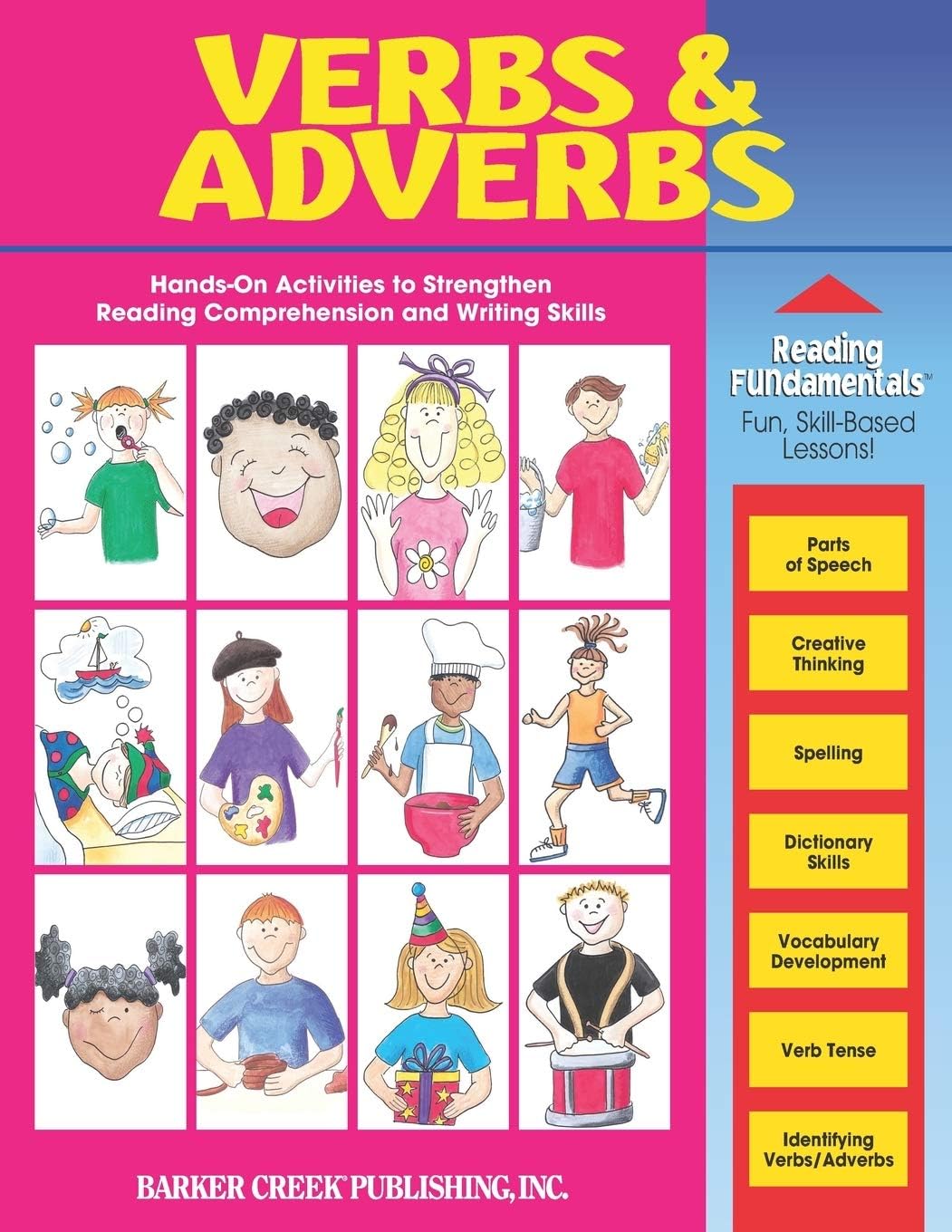
7. Reading Fundamentals – Verbs and Adverbs

Reading Fundamentals - Verbs and Adverbs

Don’t you think verbs are like the action heroes in sentences? For example, “The cat jumps,” “jumps” is the verb, telling us the cat is jumping.

Now, think of adverbs as verb sidekicks. They add details like how, when, or where. In “She sings beautifully,” “beautifully” is the adverb describing how she sings.

To get better at reading and writing, mix up verbs and adverbs. Instead of “The dog barks,” say “The excited dog barks loudly.”

So, enjoy playing with words to make your writing fun. Then, practice using different action words and describing words to make your sentences interesting.

Why Teaching Verbs to Children is Important?

Why Teaching Verbs to Children is Important?

Well, teaching verbs to children is essential because it is the engine of a sentence, driving the action and providing context to communication.

By mastering verbs, children enhance their ability to convey ideas, express emotions, and engage in meaningful conversations.

Additionally, a strong foundation in verbs helps improve writing skills, creativity, and comprehension. As children navigate different educational stages, a strong understanding of verbs becomes increasingly vital.

So, ensure your child is well aware of the basics of verbs from the beginning.

Summing It Up

Overall, teaching verbs to children is a foundational step in their language development journey. The above resources offer diverse approaches, from interactive books to online platforms and flashcards.

By including these materials in educational practices, parents and educators can create an amazing environment that develops a strong grasp of verbs in children.

Remember, the key is to make learning enjoyable, interesting, and enthusiastic for language exploration.

As children become more adept at using verbs, they gain a powerful tool for effective communication and self-expression.

Don’t you think outdoor activities for kids are super fun learning adventures? Imagine a world where classrooms are not just four walls but the great outdoors.

Because learning outdoors makes them love nature and learn how valuable they are to us. And when it comes to outdoor educational activities, it’s like the cherry on the cake for the kids. Right?

However, various activities can be done outdoors, and the best part is that all the activities are not only for fun but also make them learn new things while being connected to nature.

Want to expand your knowledge? Our previous blog post on the planet project offers a comprehensive look into this subject.

Exciting, right? Well, let’s dive into the fantastic outdoor educational activities for children.

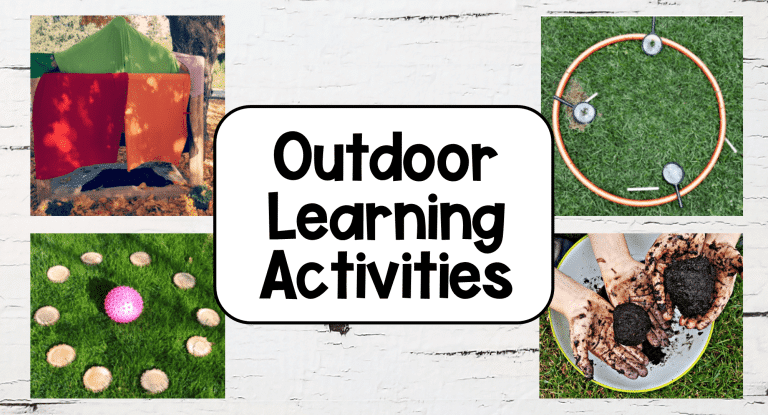
Outdoor Educational Activities for Children

Go outside and let nature be the best classroom for your kids. Discovering new things about the world can be fun; it makes kids happy and helps them understand why the world is so adventurous.

Below are the top 8 outdoor activities listed for the kids that are fun and important for learning new things.

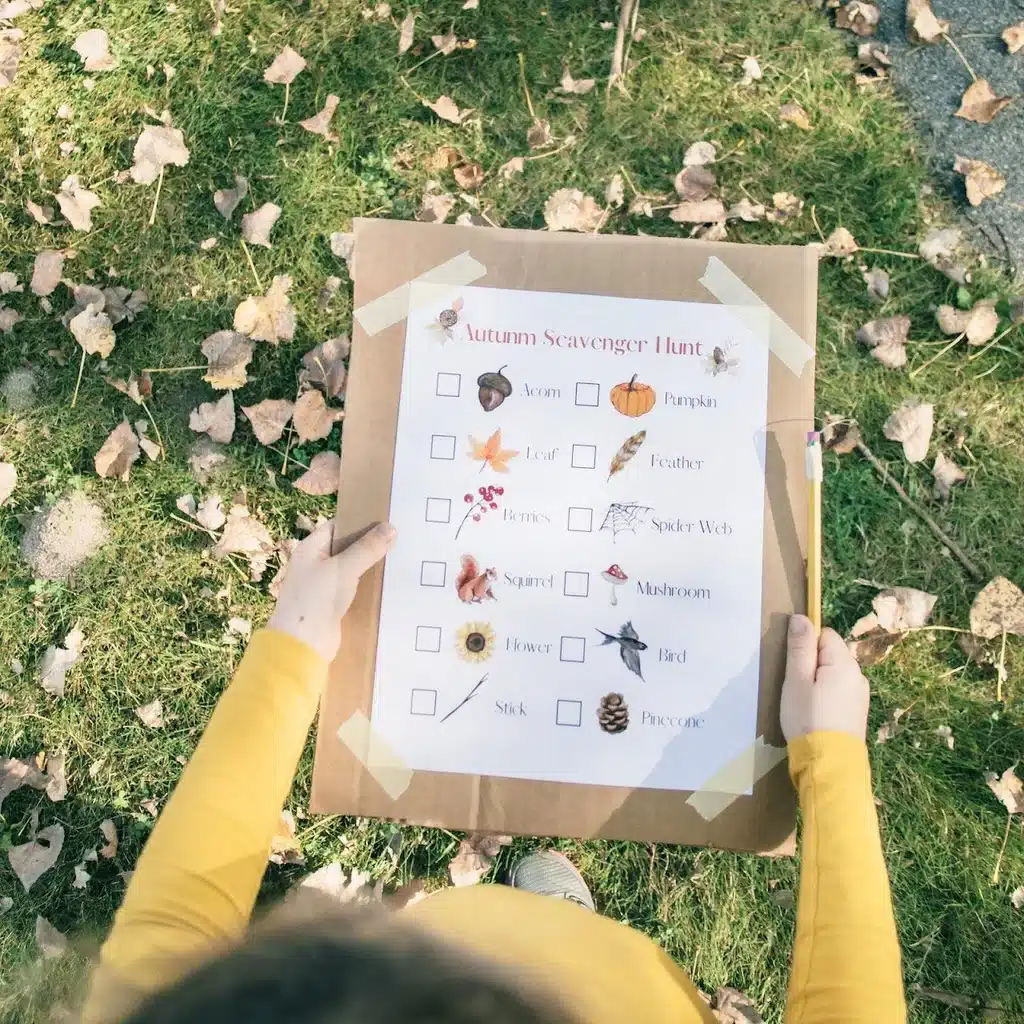
1. Nature Scavenger Hunt

Nature Scavenger Hunt Game

In this activity, you must grab a list, put on your explorer hats, and hunt for natural treasures!

However, this is about finding colorful leaves, smooth rocks, or even a hidden bug.

It’s like a nature puzzle, and you get to be the detective figuring it out.

2. Planting Party

gardening activities for preschoolers

Planting trees is super fun as well as messy. But to make your kids connected to Mother Earth, planting trees at least once a week is very important.

So, to make it happen, you can do it as an activity to make it more interesting. In which your kids have to plant some seeds.

Then, watch them grow into plants while learning about the magic of nature.

It’s like having their tiny garden.

3. Outdoor Art Gallery

girl cleaning glass painting

Outdoor art gallery is also an amazing educational activity.

You can use leaves, sticks, and rocks to create art in this. It might be messy, but it’s fun for kids and makes them learn new things.

It’s like using nature to make art!

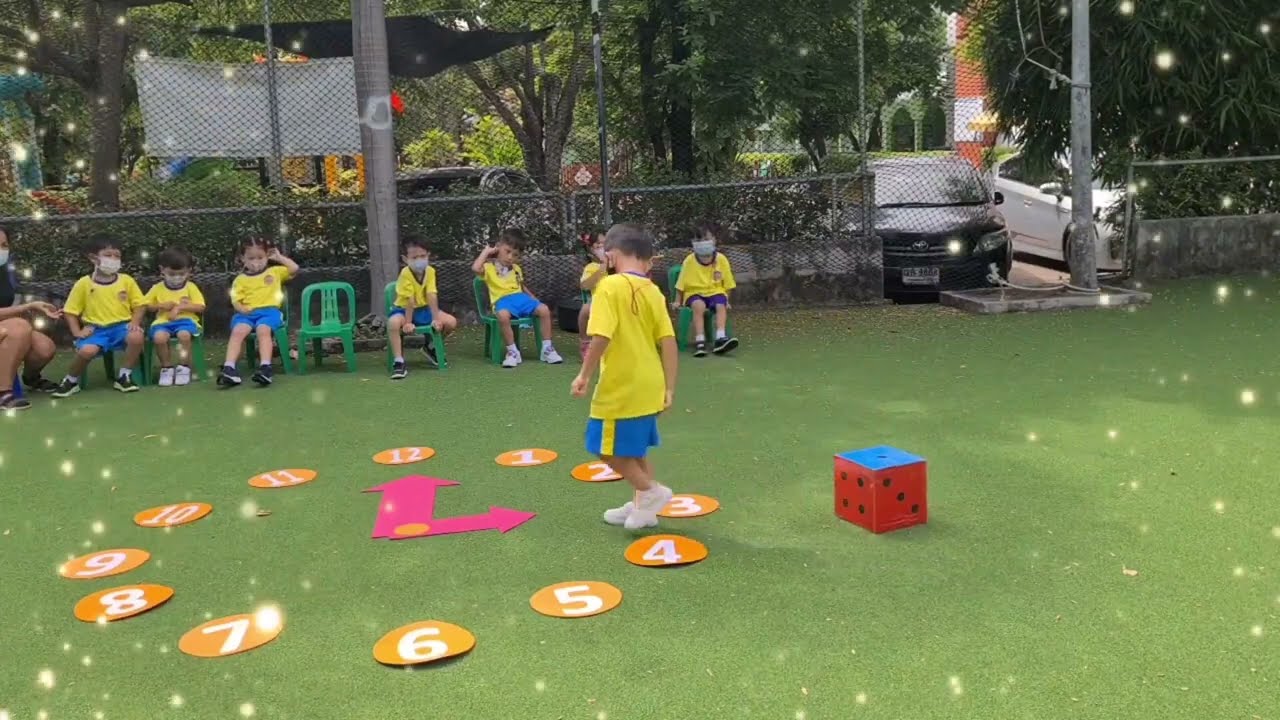
4. Math in the Park

kids doing a Math in the Park activity

Who said math can’t be fun? Yes, it can be, but only if you make it interesting for your kids.

To make this happen, use sidewalk chalk to create a math obstacle course with numbers and equations for them to solve.

You can also pick a tree and make your kids count the branches and leaves in each branch, which is helpful.

Blending math with outdoor fun means kids won’t even realize they are learning.

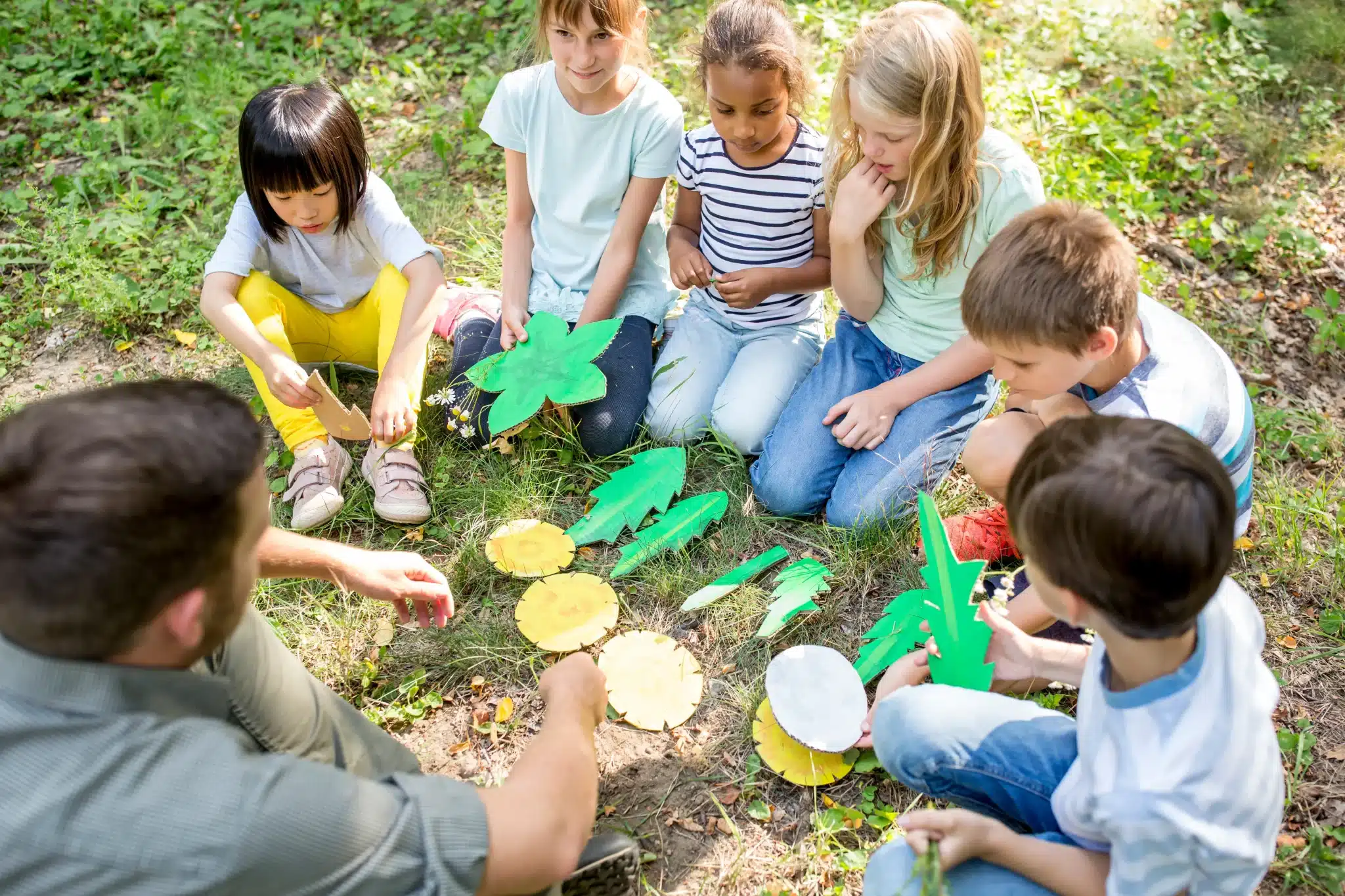
5. Rockin’ Science

Students outside learning about the shapes of leaves

Are you planning to explore the world of science with rocks as your guide? Well, it’s a fantastic idea.

In this activity, you can allow your kids to learn about different rocks, their shapes, and sizes.

It’s just like having a mini science lab right in your backyard.

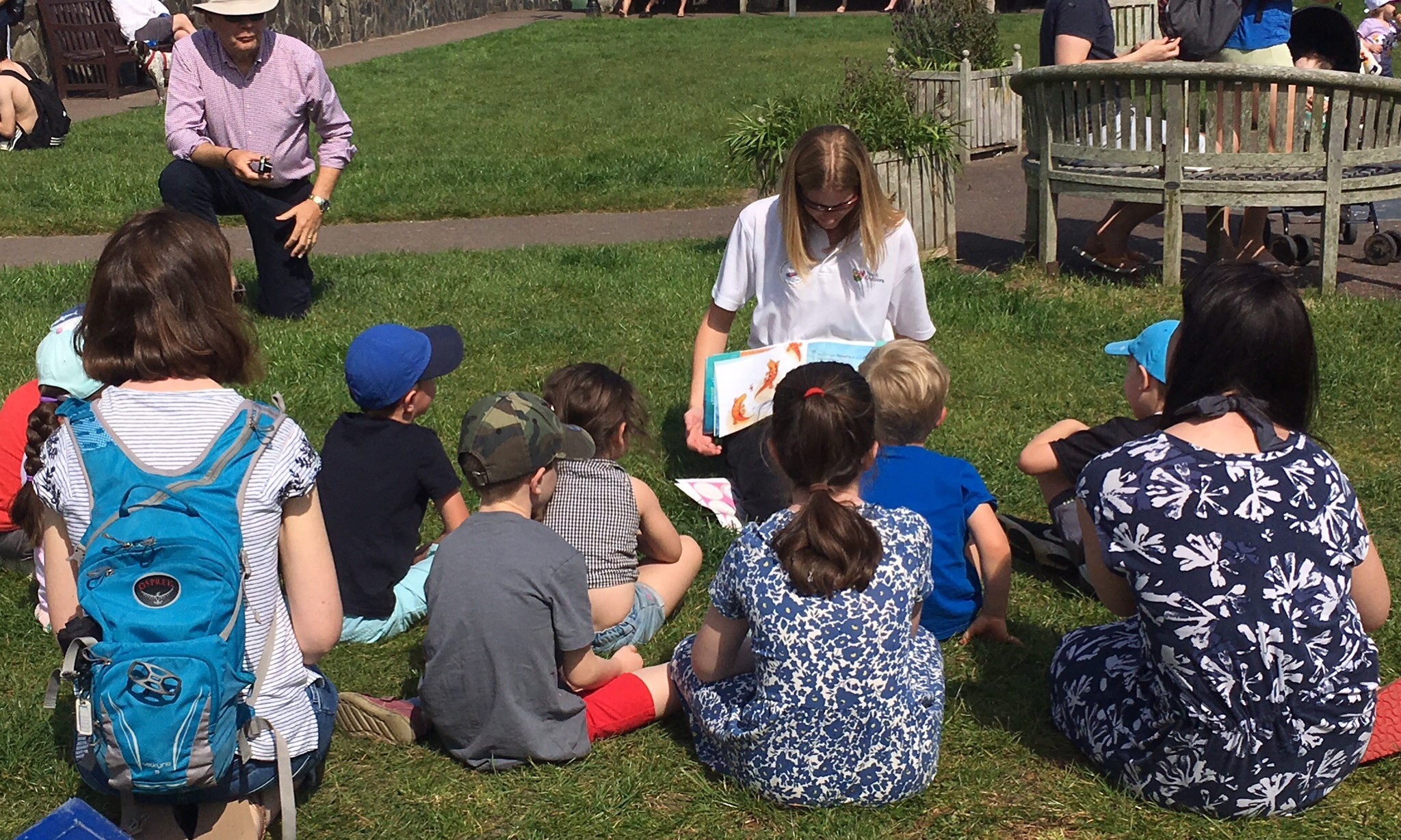
6. Storytelling Trail

Outdoor Learning for National Storytelling Week: 4 Ideas to take your Learning Outside - Teach Outdoors

Kids love bedtime stories. But how about conducting a storytelling session right in your garden?

However, you can start a storytelling adventure to teach your kids something meaningful.

You can create magical stories with nature.

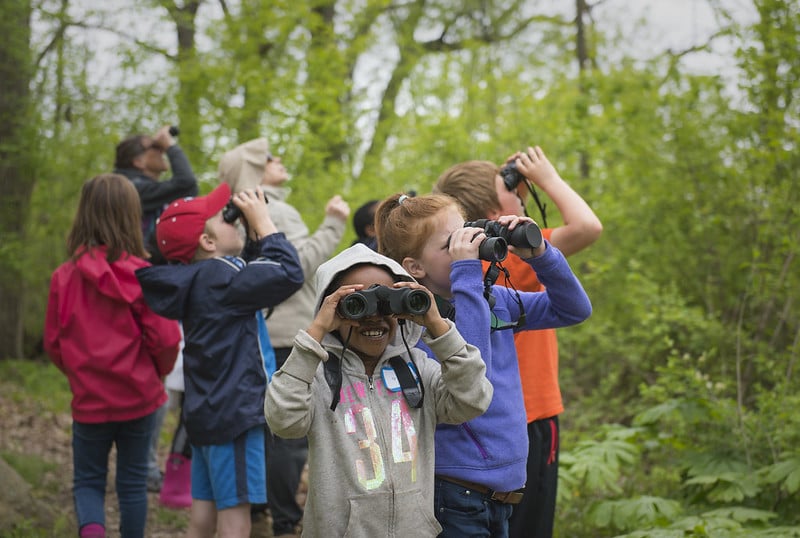
7. Bird Watching Bonanza

Bird Watching Fun Activity

Birdwatching is also another add-on to your outdoor activity list. In this activity, your kids will get to recognize different varieties of birds that they might have seen in the textbook.

However, recognizing them visually will make them remember quickly. So, for this, grab some binoculars and become a bird detective.

Spot colorful feathers and learn about different bird species.

It’s like having your birdwatching show in the outdoors.

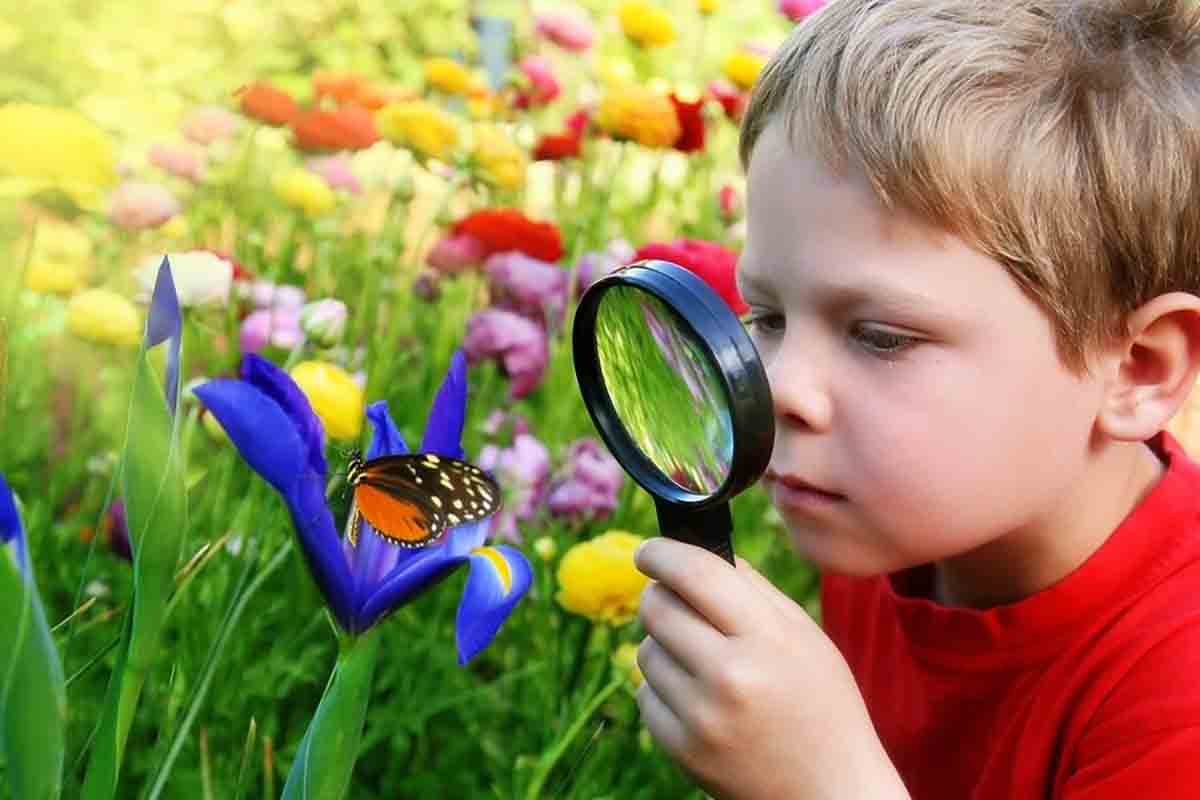
8. Sensory Nature Walk

a boy looking at a butterfly through manifying glass

Sometimes, it is very important to make your kids engage all their senses on a nature walk.

Because through this, they can feel the leaves, smell the flowers, and listen to the rustling of the trees.

It’s like a playground where nature becomes your teacher.

Why Educational Activities are Essential for Children?

kids blowing bubbles

Educational activities are like superpowers for children’s brains. They help kids explore, learn, and grow in ways textbooks can’t.

Outdoor activities, especially, provide hands-on experiences that make learning unforgettable. When kids step outside, they’re not just learning facts but discovering the world’s wonders.

These activities enhance mental skills, creativity, and problem-solving abilities. Moreover, outdoor education develops a love for nature, teaching children to appreciate and care for the environment.

Whether it’s a teamwork-focused scavenger hunt or a collaborative art project, kids learn to communicate, share, and work together.

Physical health also gets improved. Running, jumping, and exploring nature contribute to a healthy and active lifestyle.

Conclusion

Learning outside is super beneficial for kids. You can do fun things like watching seeds grow into plants and counting butterflies. It’s like going on a big adventure where you learn stuff in a cool way.

The outdoors is the best classroom ever because there’s so much to see and discover. It’s not just about learning things; it’s about having fun and being curious about everything around you.

So, when we tell kids to go outside and explore, we’re not just helping them learn; we’re making their hearts happy.

So, always remember that outdoor learning is like a big journey where fun and learning are the two sides of the road.

Make it special for every single child you love!

Frequently Asked Questions

What Are the Outdoor Activities for Kids?

The outdoor activities for kids are hide-and-seek, tag, bike riding, kite flying, nature scavenger hunts, picnics, and birdwatching.

They can also enjoy playing sports like soccer, basketball, or frisbee.

What Are Outdoor Learning Activities?

Outdoor learning activities make kids explore nature, observe bugs, and learn about plants.

They can do math with rocks, read under trees, and have science experiments in the fresh air.

What is the Meaning of Outdoor Activities for Students?

Outdoor activities for students mean taking learning beyond classrooms. It’s about exploring, playing, and discovering in nature. These activities help students stay active, improve focus, and learn important life skills.

From teamwork in sports to curiosity in nature walks, outdoor experiences make learning enjoyable and create well-rounded, happy students.

The world we live in today is driven by technology, and avoiding technology is inevitable. It is important to keep up with technological advancements.

If you just became a parent or expect a new member soon, you must wonder when to introduce your kid to technology.

Just like a coin, technology has two faces. As much as we need it to function properly daily, it comes with some disadvantages too, if not used properly.

Do not worry; even before introducing your kids to computers, you can familiarize them with the basics of computers using computer jokes!

Before determining the nitty-gritty of children using computers, let us quickly examine certain parameters.

Parameters for Deciding the Appropriate Age

a mother teaching her daughter about computer

Consider these parameters to decide the age to introduce your kid to computers.

1. Growth Stage of Your Child 

This is the most important factor to consider. Children grow at different paces. This ambiguity arises in response to environmental factors and people’s genetic makeup.

Because of this ambiguity, a specific age can not be pinpointed as the appropriate age for introducing kids to computers and technology.

Look closely at your child’s behavior and responses. This will tell you a lot about their developmental stage.

Your child should have developed enough motor skills to hold and operate parts of a computer, such as a mouse or keyboard.

Along with motor skill development, cognitive skill development is also crucial. Your child should be able to process and follow simple instructions to learn technology.

2. Consider the Needs

Is there any other need besides educating children about technology to keep up with the ever-evolving world? Absolutely. Technology enhances and aids in better understanding.

Schools teach computers to kids for academic needs. Educational institutions have used computers for a long time to foster better learning.

Audio and visual aids help better understand and retain everything being taught.

The other need can be nurturing a hobby or interest. While closely observing your children, you will know if they have a specific hobby/interest that can be learned better with technology.

3. Your Involvement as a Parent

Your involvement as a parent while introducing your kid to computers should be there. Supervision is required when kids use computers.

You should assess the level of supervision you can provide regarding time and attention.

Co-viewing educational content with your kid is also a good way to monitor and encourage them to learn.

You should also add appropriate restrictions and filters to prevent them from viewing inappropriate content.

Appropriate Age to Introduce Kids to Computers

Computer Classes for Kids

The role of computers and technology evolves with time. As we grow, the significance and utility increase to a certain age.

It is worth noting that the extent of use and the need for computers can vary depending on individuals and different cultures.

Nevertheless, let us examine the general trend across broad categories of developmental stages.

1. Infant Stage (0-2 years)

It is an early phase of development. During the infant stage, a lot of physical and sensory development occurs.

Infants explore their surroundings to develop motor skills and build basic social connections with their parents, family members, or caretakers.

During this stage, infants are not exposed to computers directly. Parents, however, use the resources available on the internet to take guidance.

This includes referring to parenting websites, participating in online forums, and taking help for general queries related to the baby’s growth and development.

2. Early Childhood Stage (3-6 years)

Parents and educators play a crucial role in introducing children to computers during this stage.

In early childhood, using computers is usually focused on learning basic concepts. These include learning numbers, colors, shapes, and alphabets.

The content for kids of this age is designed to engage kids and foster cognitive development. The content is usually interactive and playful.

Parents and educators use computers as a supplementary tool for early learning. Educational software and interactive websites feature colorful interfaces and graphics.

Computer complements conventional methods such as books and hands-on activities. However, supervision and assistance by parents and caregivers is required.

3. Middle Childhood Stage (7-11 years)

During the middle childhood stage, computers cover a major part of the learning process. Computers serve as educational aids, fostering formal learning at school and home.

Various educational software get more advanced at this stage and cover various subjects and concepts. Children in this age explore digital platforms for a wide variety of learning.

They use it to complete their homework, research, or skill development. Utilization of resources available on their computers fosters independent learning.

Children of this age group are capable of operating computers individually. However, monitoring and assisting are advised to ensure they are viewing age-appropriate content.

4. Adolescent Stage (12-18 years)

Teenagers are more independent and have a better sense of responsibility than kids younger than them. As a result, the role of computers expands in their lives.

The purpose of computers and technology is more than just educational. They use it for research, navigation, and communication. Social media platforms play a crucial role.

Some more uses of computers include gaming, digital art pursuit, audio/video editing, and music production. The internet has become an endless aid for using computers in almost every sphere of life.

Computers become a primary source of information and online collaboration for doing group projects and much more.

Summing It Up

As we have reached the end of this blog, we realize that there is no particular age to pinpoint regarding the use of computers.

It depends on several factors, such as the child’s cognitive development, the need for a computer at a certain age, the availability of parents for supervision, etc.

The introduction of children to computers and technology begins around the early childhood stage. Gradually, it becomes more diverse and independent as children enter their teenage years, involving a deeper integration of computers into different spheres of life.

Guidance and supervision are required on parents’ and educators’ parts. The emphasis should be laid on balancing the use of computers with other activities.

The verb is an important element of the part of speech. A sentence is incomplete without it. According to the dictionary, a verb is a word that indicates doing something.

In other words, they convey a sense of emotion and action. Thus, teaching your kids about it before visiting school would be best.

It’s not an easy task to teach your kids about verbs in an engaging way. It might take a lot of effort. However, it’s not impossible at all.

In this blog, you’ll learn about fun and engaging ways to teach what types of verbs for kids are important. Children can learn about it while listening to you or watching TV.

Playing various games with your kids to teach them about verbs can boost their brain development.

Top Fun and Engaging Ideas to Teach Verb

1. Play Charade Game

Young Parents and Their Children Are Having Fun and Playing Charades Together. Portrait of Happy Family of Four Having Fun at Leisure. Entertainment Concept.

It’s one of the best and easiest games you can play with your kids. You only need a piece of paper with a pen or marker and a bowl. Write a list of verbs on paper and put them in the bowl.

After that, pick a card and act based on what is written on the card. Then, your kid will guess it. For instance, if the card shows ‘cooking,’ act like you’re cooking something.

2. Play Simon Says

Family are playing charades at christmas time in the living room of their home. It's the mother's turn and everyone is trying to guess.

This game is almost the same as the “Charade.” However, all you need is to swap the roles. Write down several verbs on paper and put them in the bowl. Pick a paper and ask your kid to perform the activity.

For instance, if the verb written on paper is ‘dancing,’ then ask your kid to dance. After that, it’s your turn. It’s a brainstorming idea that can help your kids learn verbs quickly and positively.

3. Verb Card Games

A mixed group of students playing a card game at a desk druing breaktime

Verb card games are also a popular and fun activity you can play with your kids. It may engage your kids in learning the verbs more adequately. You can buy cards directly, or you can create them at home.

List down a few verbs in a book and write them on a few pieces of paper. Speak the verbs to your kids; they will find them on the cards on the floor.

4. Fishing Game with Verbs

Fishing Game with Verbs

Fishing game is another engaging activity that can help your kids learn the verbs. It almost follows the same procedure as the verb card games. Cut a few pieces of paper like a fish and write verbs. Then, pour them into a bucket or balloon pool.

Tell the word to your kids, and they will pick it up. For example, ask them to catch a fish named ‘running,’ and they will pick the paper fish of the same name.

5. Toss Game

A happy little boy smiles as he gets ready to throw his yellow football. He is standing in his garden with lush green trees in the background.

Toss games require almost the same procedure as the verb card and fishing games. All you need extra is a few softballs. Write the names of verbs on paper pieces and scatter them properly.

After that, tell your kid the word, and they will hit the ball on that paper. For instance, ask them to find ‘crawling’. Then, they will throw the ball on that paper that contains the same word.

6. Action Verb Game

Mother playing with her children at home in cards, Leisure activity at home

It’s one of the simplest activities you can play with your kids. You don’t need a vast number of equipment to play this game. Ask your kid to play a game with you where you both will be involved in finding a verb.

Ask your kid to remember a verb starting with “A.” Do the same with other letters. Whoever gives the most answers will win the game. It will boost your kid’s verb knowledge.

7. Musical Game

a young girl opens the parcel after the music stops

The musical verb game is almost similar to the musical chair game. This activity will effectively facilitate your children’s verb learning. Play a piece of music for 30 seconds and pass a pillow or a ball to each other.

Stop the music and ask them to give an example of a verb. After answering, play the music again and resume the game. You can do this activity with more than 2 people.

8. Crossword Game

Side view of one little boy playing with numbers toy puzzle.

Crossword games are often found in daily newspapers. You can also buy crossword board games from the market. Engage your kids to play the game with you. They will guess the riddle or question and find the answer. This activity can positively boost your children’s brain function.

In addition, they will learn about verbs rapidly. Crossword board games may also improve their thinking ability. So, you should purchase a crossword board as soon as possible.

Benefits of This Activity

Happy parents sitting at the table and playing with children in board game at home

Verbs are an essential part of our daily life routine. A part of speech is incomplete without verbs. If you notice your conversation with anyone, you’ll find the fact.

For instance, “They play soccer.” In the sentence, “Play” is the verb; without it, the sentence sounds incomplete.

Similarly, learning verbs can help your kids develop their language and conversation skills.

Learning verbs using fun games or activities can benefit your kids in the following ways:

  • It can improve their grammar skills.
  • Your kids may develop speaking skills quickly and adequately.
  • It also develops their conversation or communication skills.
  • They can be prepared before they are admitted to a school.

Summing It Up

A fun and playful activity can assist you in teaching verbs to your kids. Verbs are an important element in the grammar. No matter your language, you can’t develop a sentence without verbs.

Thus, teaching verbs to kids can help them in brain development. In addition, it will boost their confidence.

You can play charade. Simon says, and fishing games with your kids. You only need a few pieces of paper and a pen or marker. Besides these, you can play toss games and verb card games.

If you want to make it more creative, you can try a musical verb game. Bringing a crossword board game can also benefit you immensely.

In this blog, you’ve learned about the activities you can play with kids to teach them about verbs.

Do you still have any concerns? Which idea do you prefer the most? Let us know in the comments.

Would you love learning habitats for animals in fun and engaging ways? Well then, we have got you sorted on this.

If you tell your kids that rabbits live in caves, lions stay in their dens, and giraffes roam in wild grassland areas, you may not remember the stuff.

Therefore, you must engage them in kid-friendly activities while describing animals’ various habitats.

As we all know, kids learn through practical demonstration of activities instead of theoretical learning.

Let us look at the top 10 fun and interactive ways your kids can learn stuff.

1. Explore Shoe Boxes that Turn Habitats for Animals

a collage of animals

Do you have shoe boxes that are lying idle at home? Well, they may be accumulating dust and grime all day. Why don’t you put these shoe boxes to good use?

Rip open your shoe boxes and fill them with artificial grasslands. Now, you can take many plastic animals in your makeshift forest areas.

Ask your kids to name animals that only eat grass. Your kids will name herbivores; you have imparted knowledge to them using this super-fun technique.

2. Enacting Jokes

a monkey sleeping on a tree vine

As a parent, just getting a game sorted alone cannot raise the enthusiasm or joy your child needs concerning learning something new.

It would help if you spent that undivided time and attention while you would want to impart knowledge to your children. That being said, this is an activity for parents.

Do monkeys live in trees? Take a joke book and start enacting ‘monkey jokes for kids.’ This way, you can reiterate the habitat in which monkeys live.

Try enacting as many jokes as possible by associating monkeys with trees, bananas, and antics the fun animals do. Here, you help your kids learn in an interactive atmosphere.

3. Unveiling Exciting Games for Children

domestic animals figureines

You can recreate exciting games for children in a manner that will never cause them to become bored with learning new and creative stuff out there. Take 4-5 boxes and write down the names of habitats for different animals.

Taking a few images of animals while mimicking their plastic caricatures can also help your child learn. Now, ask your child to place the animal into the habitat box.

4. Visit an Animal Sanctuary 

a jungle safari and a journey of giraffes

Nothing can sharpen your child’s learning curve better than helping it through a visual demonstration. That being said, you can plan a visit to an animal theme park like, say, a Zoo or a wildlife sanctuary.

Here, you can show your kids how deer thrive in forest areas. You can show your kids how elephants drink water and visually demonstrate how lions leap through to catch their prey.

You can show your kids how rabbits munch on their carrots in a zoo. This way, you help them learn about animals’ habitats better.

5. Introduce Your Kids to Interesting Documentaries 

documentary-ideas-filmmaking

Sometimes, it may not be possible for you to go inside deep oceans or densely forested regions. Help your kids watch documentaries aired via The National Geographic channel.

Again, when your children look through a visual medium of representation of how those dolphins or fishes hunt for their prey inside waters, things register in their minds sharper and better.

6. Flipping Through Magazines

a magazine cover with a fish on front cover

Allow your kids to flip through magazines and ask them to name some of the interesting animals they had come across while they were flipping through the pages of a magazine.

Choosing an animal-specific magazine will help you locate more feature articles about animals and the respective habitats they stay in.

Ask your kids to name these animals Vs their habitats by closing the magazine cover. You can test their retention power this way and help them learn something creative.

7. Draw Out a Picture of An Animal

how to draw elephant, step by step illustrations

Ask your child which kind of animals only eat grass and live in wildlife forests. If it answers ‘Elephant,’ ask him or her to caricature the picture of an elephant.

To make the theme even more interesting, ask your child to draw a picture of an elephant and its calf playing over a pond of water or mud.

You can replicate a similar atmosphere at home, making learning much more fun!

8. Name-Place-Animal-Thing

an interesting game chart

Have you ever played the name-place-animal-thing game? Well, this was everyone’s all-time favorite game during childhood.

You have a group of 10 kids, and one participant becomes the denner. Ask him to start reciting A to Zee. At some point in time, he/she stops.

Now, ask the denner what the alphabet he/she stopped in. Other participants will name a country, thing, and animal with the starting letter of that particular alphabet.

While kids recite animals’ names, ask them to name the corresponding animal’s habitat. You have allowed your children to learn something new with simple modifications to the original game.

9. Create Fun Puzzles Using ‘match the Following’

animals and their habitat match the following game

You can create innovative puzzle cards using fun theme printables. In the first column, you have the habitats of animals, and in the corresponding next column, you have the names of animals put up there.

The kid will have to match the names of habitats with corresponding animals, and you can supervise to watch how fun the game is.

Make lemonades and crispy cookies and serve your kids once they have all their answers.

10. Where Do I Live?

a tiger crossing the river in the jungle

You can invoke the curiosity of children through this fun and interactive game. Take playing cards with animals on them. Now, ask your child to pick one of them. Suppose your girl has chosen ‘Tiger’; ask her

‘Where does the tiger live?’ Record her answers on a video cam, and you can repeat the process to help your child learn the habitats of various other animals.

Conclusion

These are the top 10 creative ways to impart learning to your children. At the same time, you add to the fun and interaction so that your kids do not feel bored or have a mundane attitude toward learning something new.

As a parent, you must look for innovative ways of making your kids learn stuff. It can be crosswords, hangman puzzles, or even mountain climbing expeditions.

This way, you can add to the all-rounded development of your children or your students in the classroom.

Playtime is a serious matter for kids. Play and fun times are necessary for the kids with their friends and siblings;

They have fun with their toys while playing and run wild with their imaginative scenarios.

All these activities are crucial for their body and brain development.

However, apart from the conventional leisure time, you can also incorporate educational concepts into their playtime.

It helps to boost their learning skills and make learning fun.

You can find various parlour games for kids that incorporate educational concepts.

These games help kids learn through fun games and activities. These types of games are popularly known as learning games or educational games.

Today, we will discuss more about integrating educational concepts into playtime.

This includes the benefits of play-based learning, ways to incorporate, and more. So, without wasting time, let us start exploring!

What is Play-Based Learning?

What is Play-Based Learning?

Play-based learning is an approach that helps kids learn about the world through natural exploration.

Unlike traditional education methods, play-based learning does not have a stern pattern or dictate to the child what they need to do.

Benefits of Play-Based Learning

Benefits of Play-Based Learning

Play-based learning has gained massive popularity in recent years as it combines educational concepts with fun games and activities.

Below, we will discuss some common benefits of play-based learning for kids:

  • Increased creativity: Playing games, especially those that involve creative imagination, helps to increase creativity in kids. For instance, when kids play games like role-play, it triggers their creative thinking, which is essential for innovation and creative work.
  • Improved problem-solving skills: Play-based learning helps improve children’s problem-solving skills. Several play-based learning games incorporate tasks that call for problem-solving abilities. It may teach how to get things done or work with a team in the future.
  • Motivation and engagement: Another crucial benefit of play-based learning is motivation and engagement. Kids often lack motivation and engagement in traditional education, irrelevant to play-based learning because it involves fun games that keep them engaged and motivated.
  • Improved vocabulary: Play-and-learn games have endless benefits. Among them, improved vocabulary is one. When kids engage in new games, they learn new words from their friends and game instructors (it can be family or teacher).
  • Increased concentration: In play-based learning, kids can choose a game. And when they get what they like, they tend to show more interest or concentration in the activity.
  • Emotional development: Play-based learning is a great scope for a child’s emotional development. With such activities, they can feel their emotions, such as empathy and kindness.
  • Cognitive development: Play-based learning activities such as role-play, matchmaking, puzzles, etc. help boost their cognitive ability.

Cognitive developmen

  • Social skill development: Play-and-learn games also help enhance children’s social skills because they interact with co-players and interactive toys during these activities.
  • Active learning: Play-based learning promotes active learning by encouraging kids to finish a task or solve a riddle to reach the next level.
  • Physical development: When kids get involved in games like dancing, jumping, or running, it boosts their physical development and keeps them healthy and fit.
  • Improved decision-making ability: Play-based learning games often involve kids making choices independently to carry the game forward. This contributes to building their decision-making ability.
  • Long-term retention: Children who learn through games engage in the process entirely. As a result, they remember what they have learned vividly for a long time.
  • Stress relief: Play-based learning often involves fun activities such as singing, dancing, and jumping. These kind of activities help kids relax and unwind

Ways to Incorporate Educational Concepts Into Playtime

Ways to Incorporate Educational Concepts Into Playtime

Integrating educational concepts into playtime has endless benefits for the child.

And you can integrate educational concepts into playtime through several play-based learning games. Here are a few ways you can try-

1. Hit The Ground

Playing on the playground has more benefits than just channeling the kids’ energy.

Hitting on the playground, where they can play on slides, tunnels, rope ladders, and more, improves their gross motor skills.

Such activities also help them strengthen their body and stay physically fit.

2. Choose The Right Toys

You must be surprised that even traditional playing items can teach kids something new.

For instance, costume games boost imagination and expand thinking, blocks teach problem-solving, and balls help them gain hand-eye coordination and cognitive ability. Just pick the right toy to teach certain skills.

3. Throw In Some Questions

Throwing in some questions can be a great way to utilize their playtime for learning. Do not always let the kids play quietly.

Try to ask questions like what are they doing and why are they doing that, etc.

It will boost their creative imagination and help them think out of the box.

4. Create Art

Involve kids in art activities such as drawing, crafts, pottery, etc.

These kinds of activities help them work with their creative abilities and self-expression.

Let the kids choose what to create and run their creative imagination.

5. Sing And Dance

Sing and dance are also great ways to teach kids to explore their feelings and express themselves freely through songs and physical movements.

It also helps them stay fit and flexible both physically and mentally.

6. Use Imagination

Playing imaginative games, such as costume games or pretend play, can help kids learn about a story interestingly and practice their creative imagination.

Key Takeaway

Integrating educational concepts into playtime requires in-depth knowledge about the subject you want to teach and how to incorporate it into kids’ playtime.

Using play-based learning games and activities such as making art, role-playing, creating art, etc., can be great options to help kids learn through games.

This will encourage them to play more, and as a result, they will learn more without getting bored or stressed.

Above, we have discussed everything you need to know about integrating educational concepts into playtime to help you teach kids using play-based learning activities.