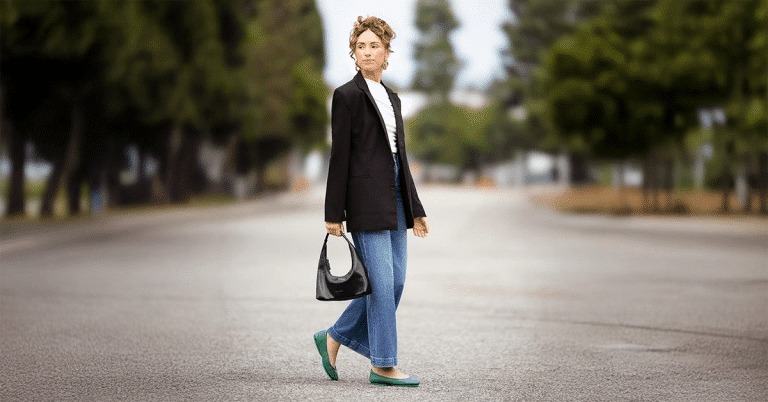
After a long shift, your feet shouldn’t feel like they’ve worked extra hours. But for teachers, nurses, and retail workers, this is often the harsh reality. However, a good pair of shoes can change that, and that’s where Tieks ballet flats shine.
These fashionable, foldable, comfortable work flats are designed to keep you relaxed and stylish from 9 to 5 and beyond. Offering a flexible design, high-quality materials, and all-day comfort, Tieks have created a following among professionals who are on their feet all day. So, what makes these flats such a game-changer for people who stand all day?
Let’s dive in.
Why Tieks Work for People Who Stand All Day
Standing long hours on your feet isn’t just a tiring task, but can also seriously affect your overall health and productivity.
In fact, an article by Continuum Outpatient shares on occupational wellness that prolonged standing can lead to muscle fatigue, back pain, and circulation problems.
This means that choosing footwear that supports your natural posture can make a big difference in how you feel by the end of the day.
Real-World Benefits Teachers, Nurses, and Professionals Care About
There is a big reason why so many professionals across different industries praise Tieks. These comfortable work flats offer actual convenience where it matters. They have:
- Cushioned insoles that absorb impact and reduce heel pressure
- Non-skid rubber outsoles that help prevent slips on polished floors
- A flexible split-sole design that supports natural movement
- Soft Italian leather that molds perfectly to your feet over time
- Durability that withstands daily wear without losing shape
It’s no wonder so many people call them the best flats for standing all day, and with dozens of glowing Tieks reviews to prove it, their reputation for reliability is well earned.
Quick Evidence — Why Standing Matters
Research suggests that professionals in a standing role for most of their shift experience a higher level of discomfort in their feet and legs. However, shoes that are cushioned properly with flexible soles can reduce strain on joints, aid with alignment, and even increase energy. In short, investing in supportive footwear like Tieks isn’t a luxury; it’s essential for long-term comfort and health.
Essential Tieks Features to Check Before You Buy
Another unique characteristic of Tieks flats is that not only are they designed to look chic, but they are also thoughtfully engineered to make the long hours on your feet feel a little easier.
1. Fit and Sizing
Tieks are renowned for their supple, high quality leather that molds to your foot, providing a “custom” fit after slight wear. If your feet are wide or narrow, you will love how they feel after a few wears. That’s what makes them the most comfortable work flats available.
Pro tip: break them in at home for a day or two to assure comfort.
2. Sole and Support
The signature split-sole design of Tieks helps set them apart from ordinary flat shoes. These shoes offer flexibility without compromising stability, which makes them the ideal option for wearers who have to stand or move throughout their shift.
- Cushioned back and non-skid rubber patches for added grip
- Flexible midsole that bends naturally as you walk
- Just enough support to ease foot fatigue during long shifts
In simple terms, it doesn’t matter if you are on the classroom floor or the hospital corridor; this thoughtful construction makes Tieks a reliable everyday choice.
3. Durability and Care
Tieks are made using premium leather, which adds to their durability. And, with a few quick maintenance habits, you can further extend their lifespan.
- Wipe clean with a soft cloth after wear.
- Use a gentle leather conditioner regularly.
- Rotate between pairs to prevent overuse.
Plus, their long lifespan easily justifies the investment.
How to Choose the Right Flats for Your Shift
When you’re spending more time on your feet than off them, picking the right pair of shoes matters. Here’s how to match your Tieks to your daily routine:
Match Your Shift Type
- Teachers — Opt for a cheerful primary color like Cardinal Red or Mustard Yellow. Flexible soles and cushioned backs help you handle constant walking and bending.
- Nurses — Choose a professional neutral like Matte Black or California Navy. Tieks’ anti-slip grip and breathable materials are perfect for long hospital shifts.
- Retail pros — Go for a fun print like Leopard or Silver Screen. Durable outsoles like Tieks’ can handle hard floors and long hours behind the counter.
No matter what color you choose, every Tieks style offers the comfort and support you need to keep moving confidently through the day.
Quick Size Checklist
Prior to buying your first pair, make sure to run through this quick checklist to find your perfect fit:
- Measure your feet at the end of the day for accuracy
- Review return and exchange policies before finalizing your order
- Once your Tieks arrive, est test them at home with the socks or tights you’ll wear at work
- Add a thin orthotic if you need extra arch support
With the help of these simple steps, you can guarantee your new Tieks fit like a dream, and be ready for even the longest shifts.
Real User Notes + Care Tips
There’s nothing like hearing from people who’ve been in your shoes, literally.
Quick Quotes and Buying Pointers
Numerous long-time wearers have referred to their Tieks as “buttery soft,” “surprisingly supportive,” and the “best flats for standing all day.” Tieks’ foldable design allows them to be travel-friendly, and their durability means you won’t be replacing them anytime soon.
You can find more genuine reviews and styling inspiration in the Tieks reviews section of their website.
Shift-Ready Shoes — Your Next Move
Ready to upgrade your workday comfort? Slip into a pair of Tieks — the ultimate flats for standing all day, combining style, flexibility, and function. Whether you’re teaching or healing, these comfortable work flats provide your feet with the support they deserve while keeping your style on point.



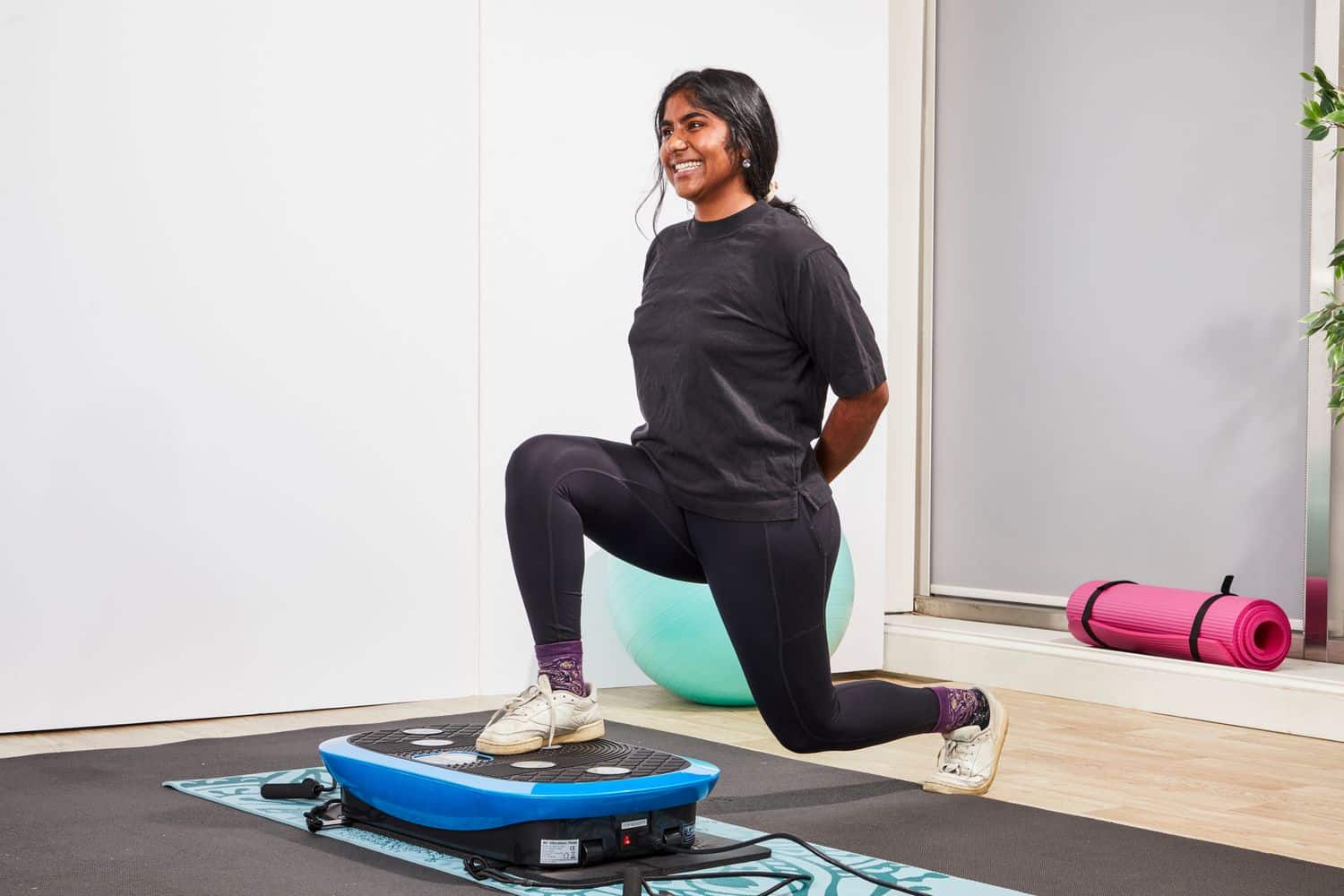 Ever heard of standing on a platform that vibrates rapidly while you perform exercises? That’s the concept behind vibration plates. These machines stimulate your muscles to contract and relax multiple times per second, purportedly enhancing muscle strength and flexibility.
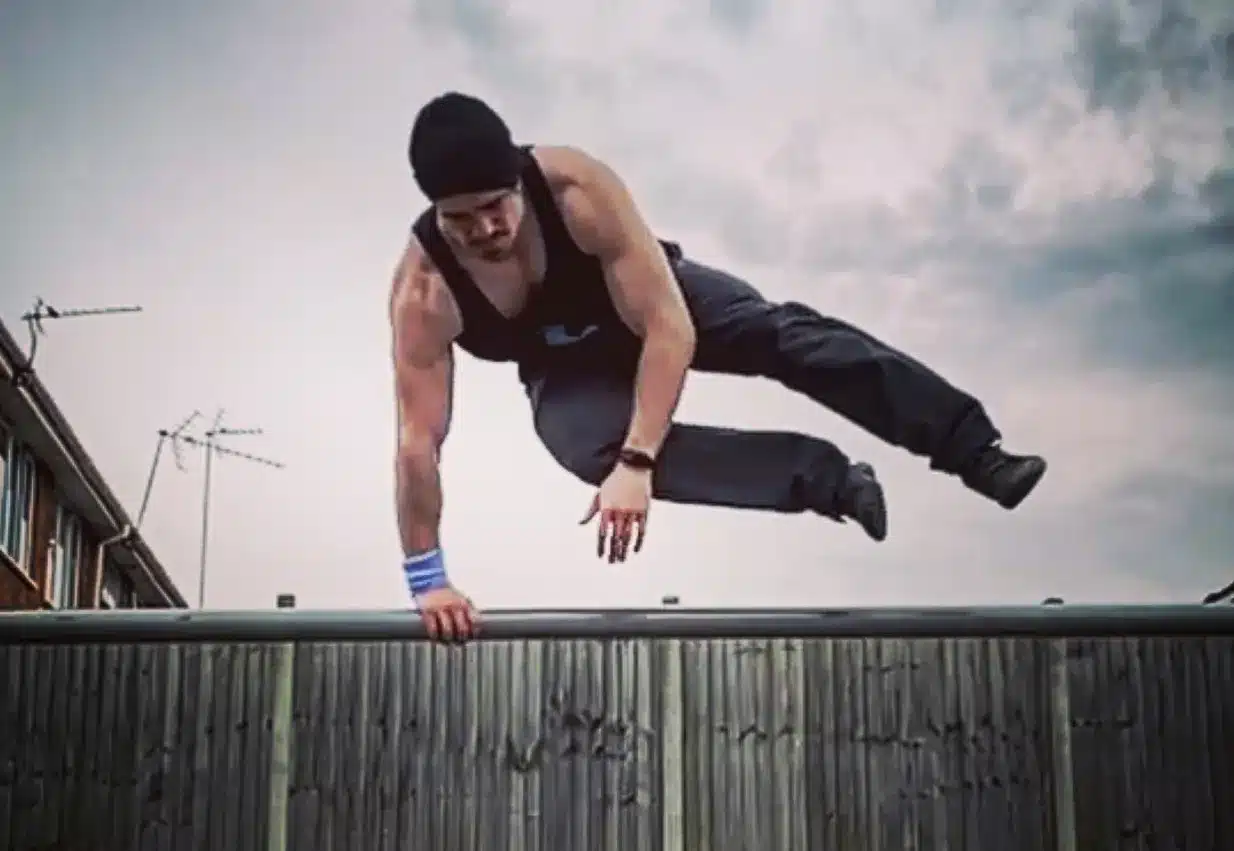 Channel your inner daredevil and embrace the
 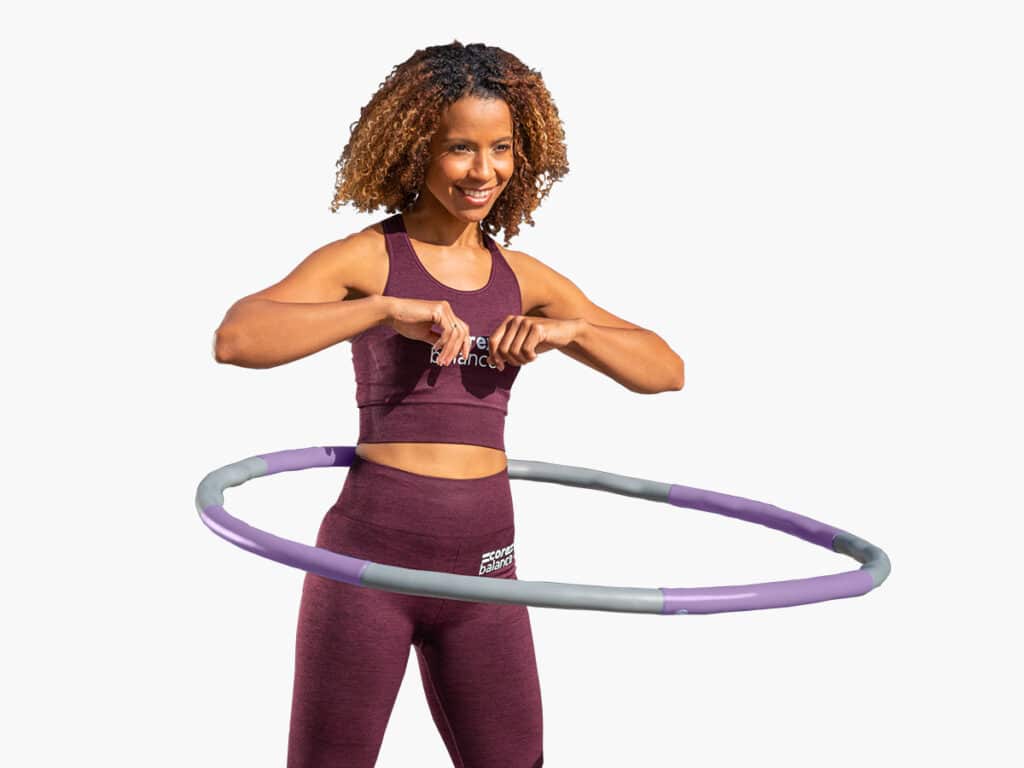 Who says exercise has to be serious? Grab a hula hoop and get ready to shimmy your way to fitness. Hula hooping isn’t just child’s play—it’s a legitimate workout that targets your core, arms, and legs.
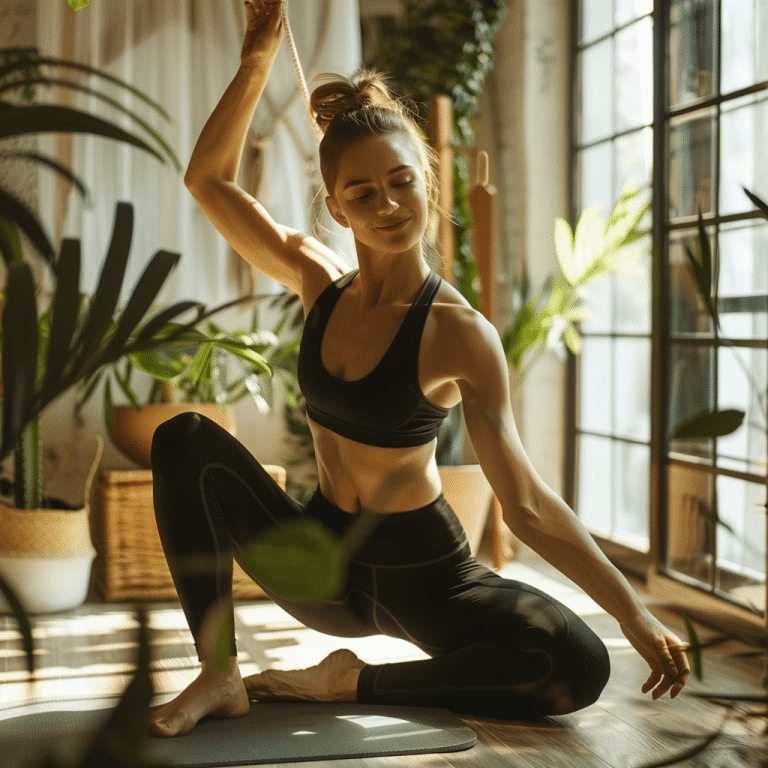
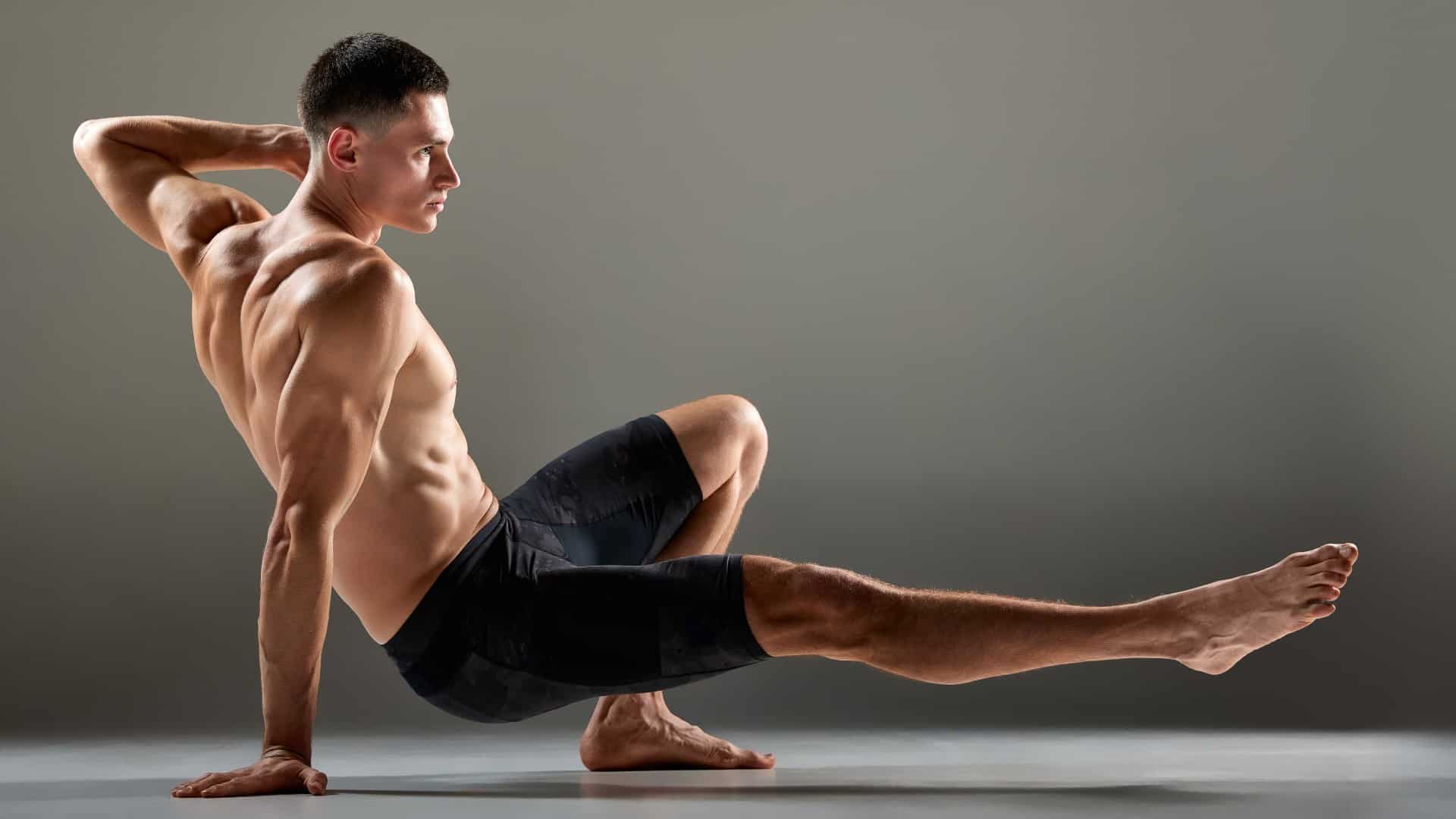 Unleash your primal instincts with animal flow—a fitness practice inspired by the movements of various animals. Combining elements of yoga, gymnastics, and breakdancing, animal flow challenges your body to move in unconventional ways.
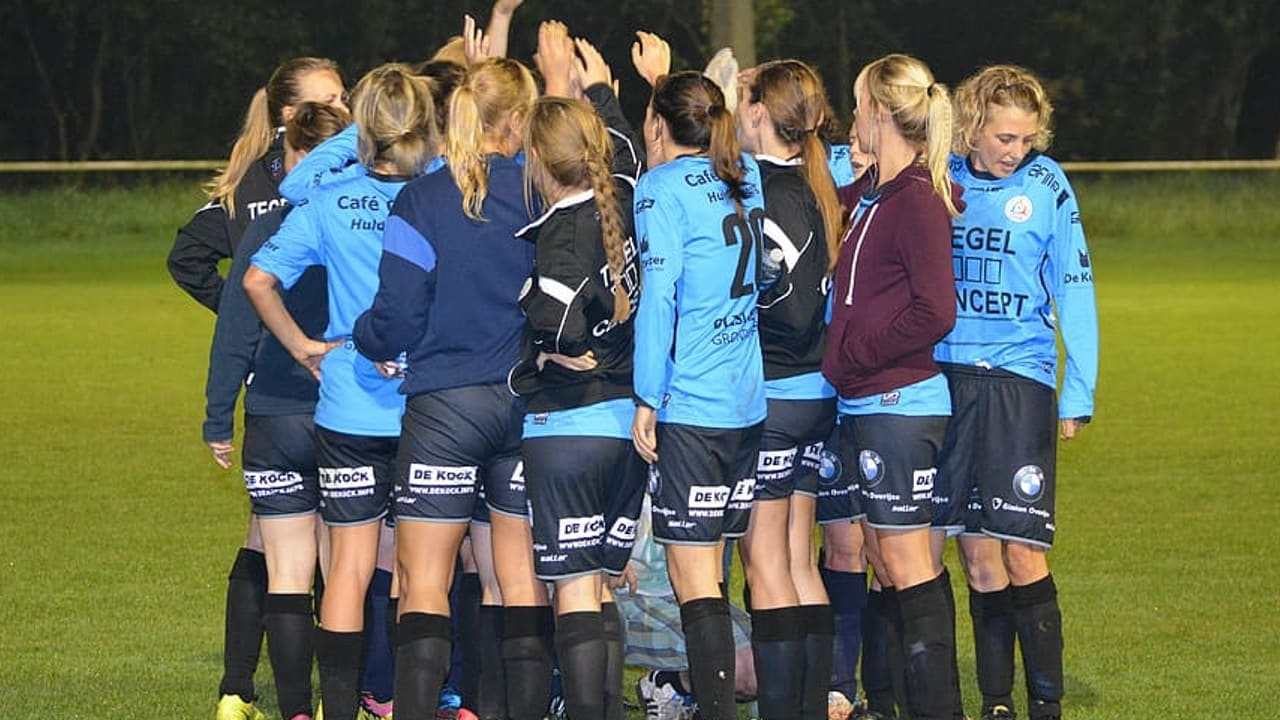
 Swimming is a great full-body workout and a refreshing way to cool off in the summer heat. Visit local pools, lakes, or beaches and spend the day swimming and playing water games.
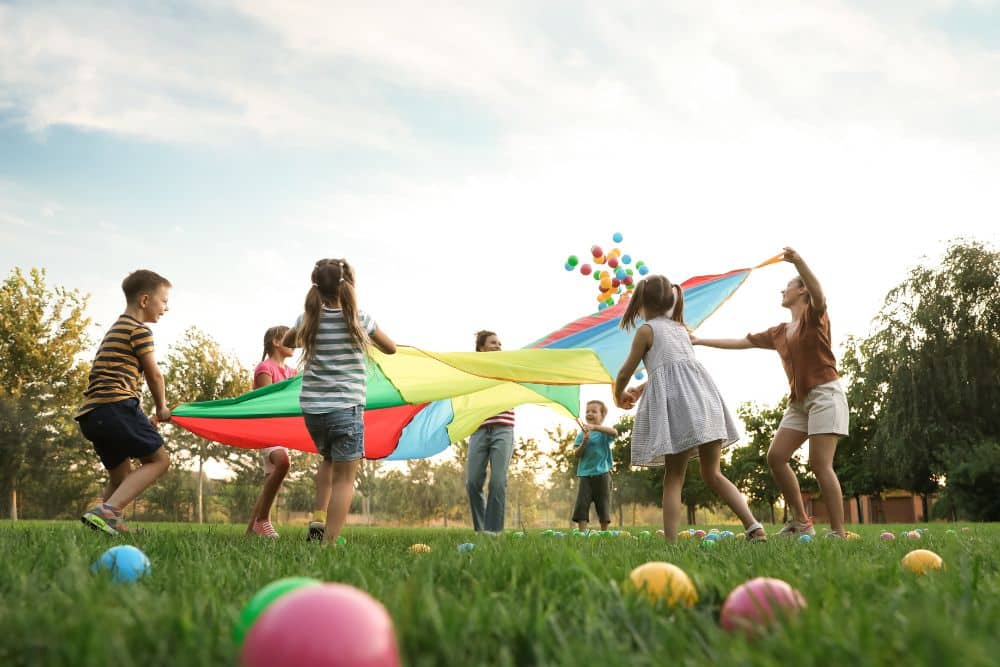 Create your own family Olympics in your backyard. Design a series of fun and challenging events such as relay races, long jumps, obstacle courses, and even tug-of-war.
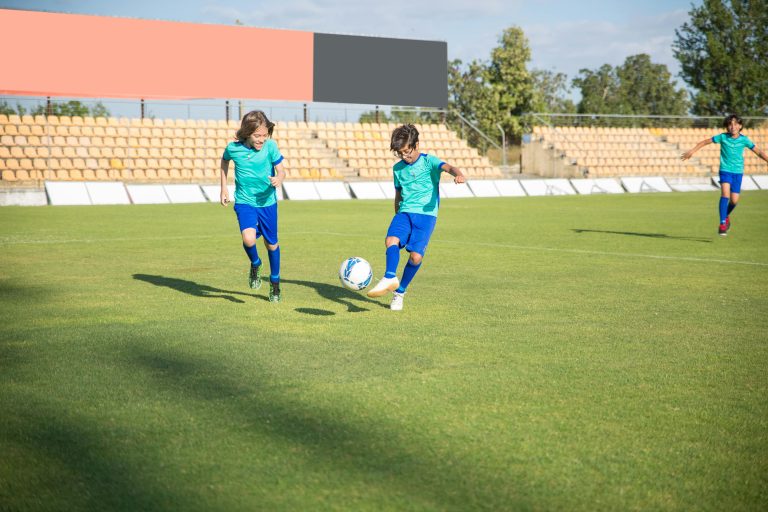
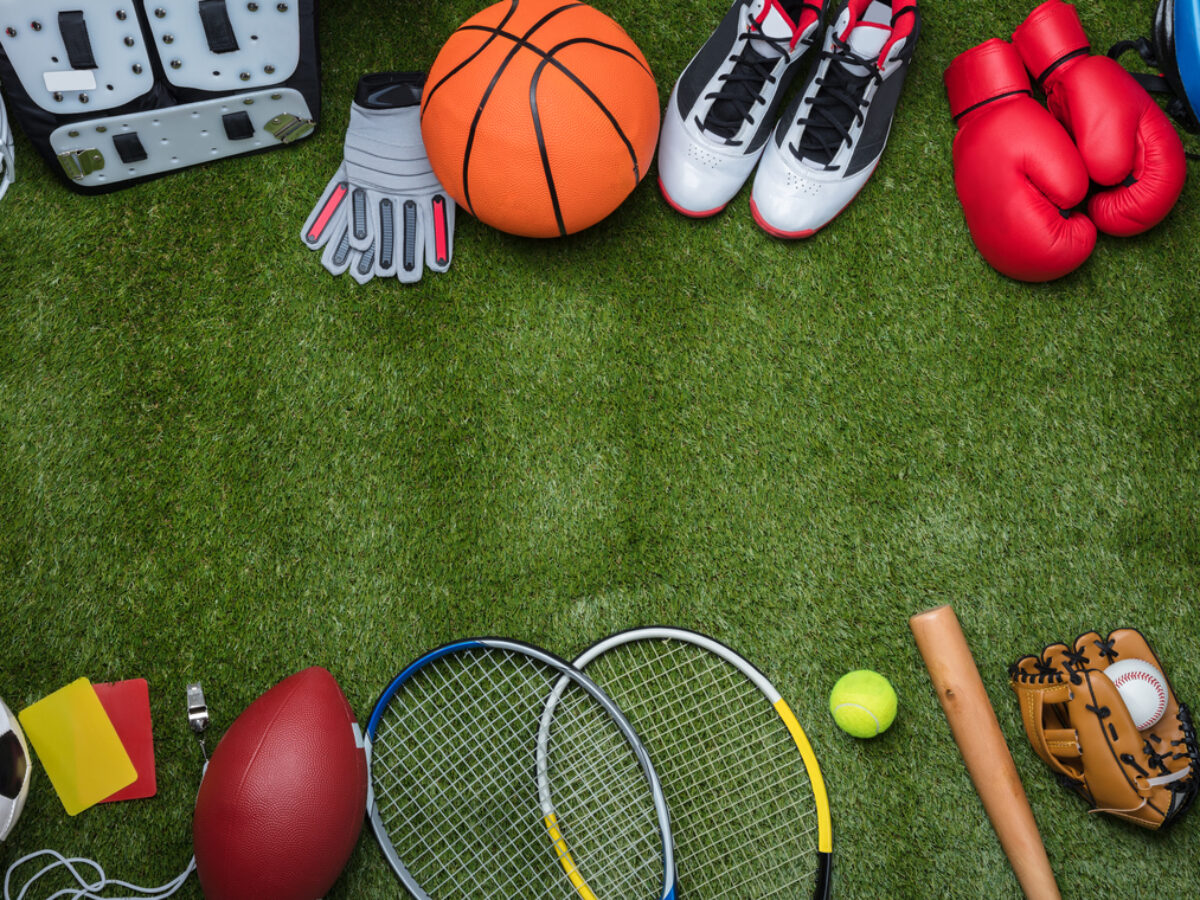 Many communities offer sports leagues for children and adults. Enroll the family in sports like baseball, basketball, or soccer.
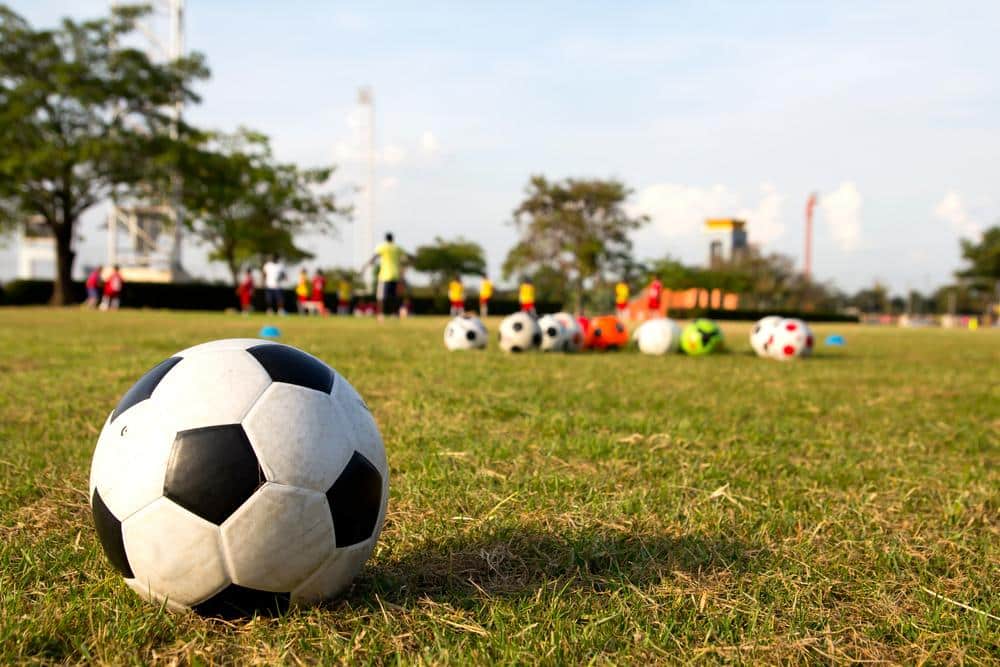 Enroll your children in summer sports camps that focus on specific sports such as soccer, basketball, or swimming. These camps provide professional coaching, structured training, and plenty of playtime, all of which can spark a lifelong interest in sports. Look for family-friendly camps that offer sessions for parents and kids to participate together.
 Understanding the odds is crucial when betting on the Belmont Stakes 2024. It will help you make informed decisions and maximize your potential winnings.
 The Belmont Stakes, an esteemed event in the Triple Crown of thoroughbred racing, always promises exhilarating competition and unparalleled pageantry. As we inch closer to the Belmont Stakes 2024, excitement is mounting around the exceptional horses slated to compete.
 One of the key updates about the 2024 Belmont Stakes is Fierceness skipping the Belmont Stakes race this year. Fierceness, last year’s champion 2-year-old male who was the favorite in the Kentucky Derby but finished 15th, will miss the $2 million Belmont Stakes scheduled for June 8 at Saratoga.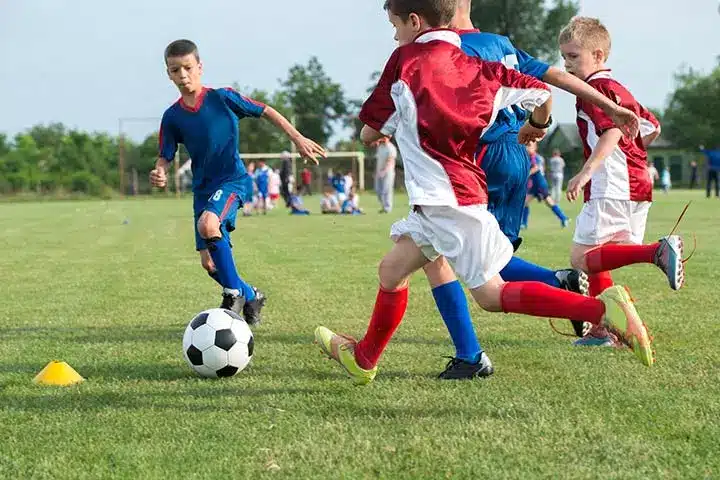
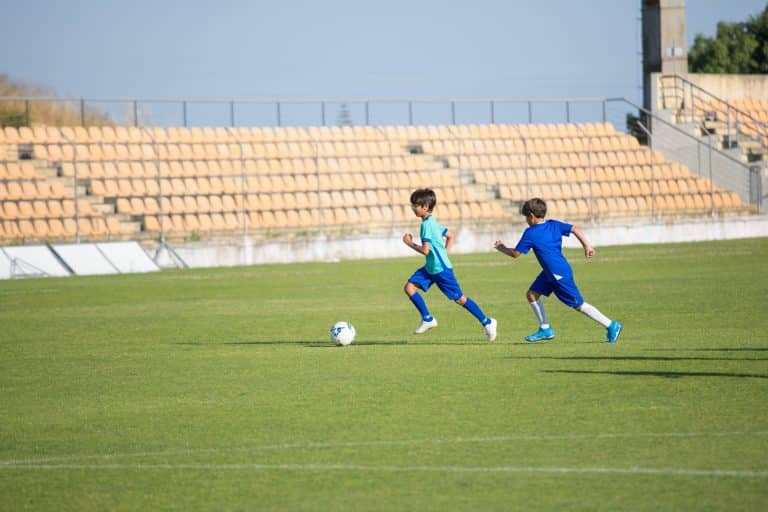
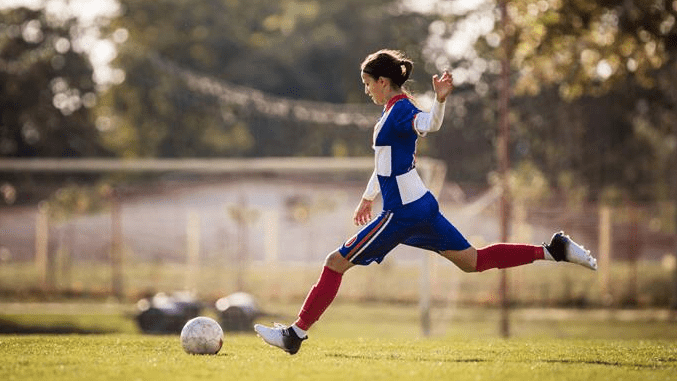 One of the biggest things about the sport is the sheer benefits that you get from it. As a kid, it gives you great development towards your motor skills, with your hands and your feet as they are both essential for the way people play football.
 All parents obviously want their kids to be the best version of themselves and I think “football” is a massive teacher for people and kids especially. Soccer uses a range of different skills that people will take with them for life and use in every aspect of their lives. Some of the key life skills that it uses are teamwork, discipline, leadership and toughness are all key things people can take with them forever.