Establishing a non-profit organisation is a noble and impactful endeavour requiring careful planning, dedication, and a clear understanding of the regulatory and administrative requirements.
From defining your mission and vision to navigating the complex process of obtaining charitable status, there are numerous critical steps in the establishment of a non-profit organisation that must be carefully considered and meticulously executed.
In this article, we will explore the key considerations, steps, and best practices for establishing a non-profit organisation, equipping you with the knowledge and guidance to successfully embark on this rewarding journey of making a meaningful difference in the community.
Choosing the Right Structure for Your Non-Profit
When establishing a non-profit organization, one of the key decisions you will need to make is choosing the right structure. Several different structures are available, each with its own benefits and implications. Nonprofit structures include charitable trusts, nonprofit corporations, unincorporated associations, and limited by guarantee company.
Charitable trusts are popular for non-profits because they offer tax benefits and limited liability for the trustees. Nonprofit corporations, on the other hand, provide a more formal and structured framework for governance and operations. Unincorporated associations are less formal than nonprofit corporations but still provide members a degree of legal protection.
When choosing a structure, consider your organisation’s goals and activities carefully to ensure it align with your mission and vision. Additionally, seeking advice from legal and financial professionals can help you make an informed decision that best serves your non-profit organisation’s needs.
Registering Your Non-Profit
Registering your non-profit organisation is crucial in establishing credibility and achieving legal recognition. The process typically involves applying for tax-exempt status with the relevant government agency, such as the Internal Revenue Service (IRS) in the United States.
To begin registration, you must gather important documentation, such as your organisation’s mission statement, bylaws, and financial records. Once you have all the necessary documents, you can submit your application for tax-exempt status and await approval.
It is important to note that the registration process can vary depending on the jurisdiction in which your non-profit operates. Some countries may require additional steps, such as registering with a national charity commission or obtaining a charitable solicitation license.
It is essential to thoroughly research the legal requirements in your area and consult legal counsel if needed to ensure compliance with all regulations. By completing the registration process successfully, your non-profit organisation can enjoy benefits such as tax-exempt status, eligibility for grants and donations, and increased credibility with donors and the community.
Drafting the Constitution and Bylaws
Drafting the constitution and bylaws of a non-profit organisation is a crucial step in establishing a strong foundation for its governance and operations. These governing documents serve as the organisation’s cornerstone, outlining its purpose, structure, decision-making processes, and rules of operation.
When drafting the constitution and bylaws, it is important to include key elements such as the organisation’s mission and goals, membership criteria and eligibility, board composition and responsibilities, meeting procedures, financial management policies, and conflict resolution processes.
The constitution typically outlines the organisation’s core principles and objectives, while the bylaws provide more detailed rules and procedures for its day-to-day operations.
It is essential to ensure that the constitution and bylaws are aligned with the organisation’s mission and values, reflect its legal structure and compliance requirements, and are clear, comprehensive, and easily understandable for all stakeholders. These governing documents should also be reviewed and updated regularly to adapt to changes in the organisation’s operating environment, leadership, or strategic direction.
Non-profit organisations may also include specific provisions in their constitution and bylaws to address unique governance issues, such as term limits for board members, conflict of interest policies, fundraising guidelines, and succession planning procedures.
By establishing clear and effective governing documents, non-profit organisations can ensure accountability, transparency, compliance with regulatory requirements, and smooth and efficient decision-making and operations that support the organisation’s mission and long-term sustainability.
Securing Funding and Resources
Securing funding and resources is a crucial aspect of establishing a non-profit organisation. One common way to secure initial funding is through grants and donations from foundations, corporations, and individuals who support your cause. It is important to research potential funding sources that align with your mission and values and to craft compelling grant proposals and fundraising initiatives to attract support.
Collaborating with other organisations, businesses, and government agencies that share your goals. By pooling resources, sharing expertise, and coordinating efforts, you can leverage the strengths of multiple stakeholders to maximise impact and sustainability.
Additionally, in-kind donations of goods, services, and volunteer support can help offset operating costs and enhance the capacity of your organisation to serve its beneficiaries effectively. By diversifying your funding sources and building strategic partnerships, you can create a solid foundation for the long-term success of your non-profit organisation.
Online casino gambling has seen a major transformation in the United States in the past few decades. It has emerged as a strong industry with significant growth rates.
The regulation of online casino gambling in the United States was indeed a challenging, and arduous process. It was shaped by technological advancements, changing societal attitudes, and evolving legal frameworks.
This has been the story from unregulated online platforms of some years ago up to the time of state-by-state legislation, and the regulation spread to more than one region. The road toward all-embracing regulation has been marked by significant milestones and the debate is still going on.
In the wake of such a dynamic, the rise of legal gambling-related innovative project Jackpot Sounds will keep the fun and involvement while at the same time observing the strict standards for fairness and safety.
Several states have already gone as far as legalizing and regulating online casino gambling, they also have found that they will get significant revenues from taxes and the economy of the county will be boosted.
And while this is happening, the focus is still on the making of strong regulatory bodies that will not only address consumer protection but at the same time promote responsible gambling practices, and at the same time encourage marketing.
Timeline of US Online Gambling Legislation History
1990s: Early Days of Online Gambling
1994: The Free Trade & Processing Zone Act is passed in Antigua and Barbuda, leading to the first online gambling licenses being issued.
1996: The first online poker site, Planet Poker, launches.
Early 2000s: Initial Legislative Efforts
2000: The federal government targets online gambling companies, focusing on credit card transactions related to online betting.
2006: The Unlawful Internet Gambling Enforcement Act (UIGEA) is enacted, prohibiting financial institutions from processing transactions related to illegal online gambling. This effectively forces many online gambling operators to exit the US market.
2007: The first prosecutions under UIGEA begin, targeting payment processors and gambling websites.
2011: Department of Justice Clarification
April 2011: “Black Friday” – The Department of Justice indicts major online poker sites (PokerStars, Full Tilt Poker, and Absolute Poker), leading to the shutdown of these sites in the US.
December 2011: The Department of Justice reinterprets the Wire Act, stating it only applies to sports betting, opening the door for states to legalize online casino games and poker.
2013–2014: State-Level Legalization Begins
2013: Nevada, Delaware, and New Jersey become the first states to legalize online poker and casino games.
Nevada: Launches online poker in April 2013.
Delaware: Launches full-scale online gambling (casino games and poker) in October 2013.
New Jersey: Launches full-scale online gambling in November 2013.
2015–2018: Expansion and Challenges
2015: Several states, including Pennsylvania and California, introduce but do not pass online gambling legislation.
2017: Pennsylvania becomes the fourth state to legalize online gambling, including poker, casino games, and lotteries.
2018: The US Supreme Court strikes down the Professional and Amateur Sports Protection Act (PASPA), allowing states to legalize sports betting, further fueling the push for online gambling legislation.
2019–Present: Rapid Growth and Adoption
2019: Several states introduce and pass online gambling legislation:
Michigan: Legalizes online casinos, poker, and sports betting in December.
2020: Michigan launches online gambling in January 2021.
2021: More states, including Connecticut and West Virginia, launch online gambling platforms.
2022: New York legalizes online sports betting, becoming one of the largest markets in the US.
2023: Several states continue to explore and introduce online gambling legislation, with varying degrees of success.
Projects like Jackpot Sounds become popular in online casinos, enhancing the player experience by providing auditory cues for wins and milestones. These innovations highlight the need for clear regulatory standards to ensure fair play and consumer protection.
Current Landscape and Future Prospects
Present Day: Online gambling is legal and operational in several states, with more states considering legislation. The focus remains on creating robust regulatory frameworks that balance consumer protection, responsible gambling practices, and market growth.
Future: The landscape of online gambling in the US is expected to continue evolving, with more states likely to legalize and regulate online gambling in response to consumer demand and the potential for significant tax revenues.
Strong Internet Revolution Beginning in the 90s
Emerging at the turn of the century, the connected era rolled out the red carpet for online casino gambling.
It is worth noting that it was at this time that gambling online was first legalized, as the first online casino started in the middle of the 1990s, with giants such as Microgaming and CryptoLogic, among others.
InterCasino, which was the first genuine money casino that was established in 1996, was one of the most successful online casinos among the first ones.
Unsurprisingly, this trend of the industry attracted more and more gamers worldwide, leading to an exponential growth of the industry.
Brief Glimpse of Government Regulation
Legal systems are in place to ensure that the relationship between the players and the operators is harmonious, yet the United States government was initially very slow to react to the emergence of online casinos.
In 1998, the Internet Gambling Prohibition Act was introduced in the House of Representatives but failed to make it law. This period was a time with basically no regulation at all, and this favored online gambling companies and brought them profits that were only growing year by year.
The Unlawful Internet Gambling Enforcement Act (UIGEA) of 2006
The Unlawful Internet Gambling Enforcement Act (UIGEA) of 2006 is a federal statute that prohibits the acceptance of payments for illegal online gambling operations. This law was created to prevent the use of financial institutions in the United States from spending money on legal online gambling.
The UIGEA did not ban online gambling but effectively restricted the processing of the money in question. Given the speed with which online gaming has proliferated, the law should adapt to the industry.
Background and Passage
A significant turning point came in 2006 with the passage of the UIGEA. The UIGEA, signed into law by President George W. Bush on October 13, 2006, aimed to curb online gambling by prohibiting financial institutions from processing transactions related to online gaming.
The Act did not explicitly ban online gambling but made it challenging for operators to conduct business in the US.
Impact on the Industry
The UIGEA led to the withdrawal of many online casinos from the US market. Major companies like PartyGaming and 888 Holdings exited the market to comply with the new regulations.
However, some operators, often based offshore, continued to serve US customers, creating a grey market.
The Black Friday Crackdown of 2011
The Department of Justice’s unprecedented crackdown on online poker sites, known as the Black Friday Crackdown in 2011, resulted in the suspension of online poker operations and the indictments of the key site operators.
Shutdowns happened because of the claiming of the wrong motive of online poker to draw a brisk gain by the government.
The online poker gaming platforms in the United States were shut down on April 15, 2011.
That day affected the customers of Full Tilt Poker, PokerStars, and Cereus. These sites were known as some of the largest brands in the industry.
Events Leading to Black Friday
On April 15, 2011, known as “Black Friday” in the online gambling community, the Department of Justice unsealed indictments against major online poker sites including PokerStars, Full Tilt Poker, and Absolute Poker. The charges included bank fraud, money laundering, and illegal gambling offenses.
Aftermath and Industry Shake-up
Black Friday had a significant impact on the online gambling industry. Full Tilt Poker and Absolute Poker faced severe financial difficulties, while PokerStars managed to settle with the Department of Justice and eventually re-enter the US market in regulated states.
This crackdown underscored the need for a clear regulatory framework for online gambling in the US.
State-by-State Legalization and Regulation
The scenario in the country of the United States in online gambling is created by a dozen or so regulations, in which one state has every right to take different ways of demand-making and regulating.
Opposite to numerous countries that are members of the online gambling regulation national system, the USA has made a big step bit-by-bit considerably. The method is based on a state-by-state model that reflects the unique political, economic, and cultural contexts of each state.
The fact that everything was done at the state level started right after the Department of Justice decided to say that the Wire Act, which is their main act, has prohibitions on betting on sports.
This opened the floodgates, so to speak, for the states that wanted to try and create their regulatory schemes for casino games and poker. Nevada, Delaware, and New Jersey were the first to take it, and each of them made their regulation and went online gaming by 2013
Each state’s road to legalization and regulation offers a different kind of landscape that takes new shapes all the time. Pennsylvania, Michigan, and West Virginia, for instance, are copying the pioneer states’ steps.
Each state individually has issued tailored regulations that meet the specific needs and priorities of the state.
This gradual method of states will give them the chance to try different models, exchange with other states about the best practices and challenges, and adapt to changing technological and market conditions.
New Jersey Leads the Way
As per recent trends, the State of New Jersey happens to be the first state that took a bold step towards legalizing and regulating Online Casino Gambling much to the astonishment and skeptical looks of other states.
On February 26, 2013, then-Governor Chris Christie went ahead and signed into law the ultimate approval of the online casino gambling bill for clear reasons hereby making the State of New Jersey the third and last state in the United States to approve online gambling-only after the first casino state to have laws that regulate such practices the state of Nevada and the second state comprising Delaware.
New Jersey, as shown above, has had a much more robust landscape for regulating online gaming industries in its practical approach through the formation of other groups of online gaming contracts, and strict licensing requirements for online gaming sites. These have all been accomplished by keeping security checks on the consumer transaction to shield their rights.
Expansion to Other States
The legalization of online gambling by New Jersey has set a precedent, leading to a domino effect wherein several other states have taken steps toward legalizing and regulating online gambling.
The subsequent states to legalize online gambling following this trend include Pennsylvania which implemented its laws in the year 2017 and Michigan moved to follow in 2019.
This snowballing effect has led to a situation where there are currently more than a dozen states in the United States that have all legalized some form of online gaming each with different interpretations or market conditions because every state mentioned here represented a different characteristic when it comes to online gaming.
When considering legal provisions applicable to different states it is been found that there are several differences in certain aspects.
Statistics and Market Growth
The enormous amount of money and the huge level of activities associated with the present evolution in the legal online casino industry are such that the role of a pioneer is both irresistible and of utmost influence in the lives of all individuals, companies, and the state in general.
According to the recent statistics provided by the New Jersey Division of Gaming Enforcement, Garden State experienced a 101.6% rise in online gaming revenues in 2020, with the overall earnings soaring to $970.3 million in revenue generation.
Federal Attempts at Regulation
The Wire Act Interpretation
The 1961 Wire Act was initially created with the intent to stop organized crime, but with the growth of internet gambling, the Wire Act has become a major area of dispute for government officials.
In 2011, DOJ made a formal interpretation of the bill, stating that the Wire Act was related to the prohibition of wagering through interstate wire communication thus excluding all other game of chances allowing US states to adopt relatively independent regulations.
The legislation was aimed at establishing a framework of laws for internet gambling at the federal level. However, even though the bill held a lot of desirable features and particulars, it was not backed by Congress, therefore it ended up dying away without much attention.
The Role of Technology and Consumer Protection
He referred to the influence technology has brought to the gambling industry in terms of the change it has caused, and the way the games are played, regulated, and experienced by the customers.
Simply put, the growth of online casino technology has seen its evolution with the help of technical improvements that have generated innovative opportunities and obstacles that have to be addressed in the form of consumer protection rules.
Digital technology has made radical changes in the kind of gambling now operated online with the result that they have become a lot more fun and easily within reach. The introduction of live dealer games, as well as virtual reality and interactive of the highest quality, not only has attracted users to be engaged but also increased satisfaction for them.
On top of this, state-of-the-art algorithms and the analysis of data have led to a new level of personalization, allowing the confirmation of the existence of factors in this industry such as the development of marketing strategies effectively, and the provision of cutting-edge customer service.
The accelerating pace of technology is also responsible for the occurrence of some big problems related to consumer protection. Issues like data security, fair play, and responsible gambling are at the forefront of concerns.
The juries which are the regulatory organizations, have to understand the dynamics of digital technologies enough to be able to invent and exercise regimes that safeguard the well-being of players.
A good example of it is displacing actions like putting in place measures to fight fraud, making sure the games are genuinely played, and encouraging safe gambling behaviors.
Most importantly, with the help of technology, regulators have become more efficient in monitoring and compliance enforcement.
Highly intelligent software can be utilized in catching gambling operations the KPI of the effect of gambling in real-time, tracing the behavioral data in real-time, and monitoring the legal and ethical standards that the industry players are compelled to stick to. They are one of the significant IT systems needed for the provision of a trusted and transparent online gambling platform.
Advances in Technology
Technological developments are among the major reasons that had huge impacts on online gaming firms, especially in the United States.
The use of innovative payment methods, advanced encryption, as well as the ability to integrate these platforms with mobile phones offer immense advancements in the industry for the safety and satisfaction levels of gamblers hence enhancing consumer trust and safety.
Over time, gaming changed from being the thing people say “I gamble” to doing online gambling with the emergence of technology as a whole. There would be no way to create the online gambling market as it is now if we had such role models like the MGM Resorts or independent gambling sites across New Jersey.
The above gaming institutions offer casino games on the internet without having any authorization from authorities; hence there might not be any software for securing the gamers and payments for their services and now everything has changed completely since various technological advancements have changed the business.
Consumer Protection Measures
Regulations for online gambling sites licensed by states within the USA have provisions in place to safeguard the interests of players who participate in legal online gambling. These protections are such as age checks, betting controls, and fair gaming practices that are put forward to protect each player from the malicious evil of games.
Economic Impact and Future Prospects of Online Casino Gambling in the US
The massive financial implications of online casino gambling in the United States, as well as the continuous growth due to the expanding stature of the regulated industry, are the major factors. The field has made a fair deal of money, launched technology innovations, modestly contributed to employment growth as well as promised a positive future.
Revenue Generation by State
New Jersey
New Jersey has been the front-runner in the online gambling market. Following the legalization of online casino gambling in 2013, the state has recorded a gradual rise in annual income:
2014: $122 million
2015: $149 million
2016: $196 million
2017: $245 million
2018: $298 million
2019: $482 million
2020: $970 million
2021: $1.36 billion
2022: $1.66 billion
Pennsylvania
The Keystone State traded alongside its predecessor, and in 2017 it approved online casino gambling. The state’s revenue figures express the surging rate of increase:
2019: $33.6 million (partial year)
2020: $565 million
2021: $1.11 billion
2022: $1.36 billion.
Michigan
The online gaming niche was legalized in Michigan far too late in 2019, and it went live only in January 2021. Such a market has observed the successful results of the regulation of offshore casino gaming, and it is further evidence that the industry has more to offer, as well:
2021: $1.41 billion
2022: $1.55 billion
This success for Michigan seems to be reflective of the nearly ubiquitous regulation that is done there taking advantage of the market’s potential.
Other States
There are a few other states that make money through online casino gambling:
West Virginia: Legalized in 2019, with 2022 revenue reaching $60 million.
Connecticut: Legalized in 2021, with 2022 revenue estimated at $150 million.
Delaware: The first state to legalize online gambling in 2012, with 2022 revenue of around $10 million due to its smaller market size.
Job Creation and Economic Benefits
Online casino gambling being made legal spurred job creation in many areas of the economy:
Technology and Software Development: Firms such as Microgaming and Playtech have gone a step further to support the production and oversight of game-designing platforms.
Customer Support and Operations: Internet gambling halls should also hire service personnel to make the service better for the customers and give them the assistance they need in their gaming.
Marketing and Advertising: The increasing need for player acquisition and retention has opened up jobs in marketing, advertising, and the development of affiliate networks.
Regulatory Compliance: Authorities have set up regulatory organizations that demand staff to perform monitoring, compliance, and enforcement activities.
The online gambling industry in New Jersey alone provides jobs to over 1,000 people, thereby boosting employment levels statewide.
Tax Revenue and Public Services
New Jersey: In 2022, gambling taxes on online casino games and sports contributed over $200 million to the state.
Pennsylvania: In 2022, the state got close to about $200 million from online gambling taxes.
Michigan: In 2022, business operations of online casinos lead to the public sector another $200 million. to the state’s coffers was about $200 million.
These profits have been earmarked for the necessary public services like finance for education, infrastructure, and health care. In this way, the bigger societal benefits of a licensed online gambling market, which is not only the creation of jobs or a means for tax influx to the government but also other ways that the revenue is spent on are shown.
Future Prospects
Market Growth Projections
The forthcoming days are thought of as bright for online casino gambling in the US, with analysts pointing out that significant growth is likely:
2025: The US online gambling market is projected to have more than $10 billion in annual income.
2030: They are the ones who are suggesting that the US online gambling market could do as well as bring money in both these numbers: there is the market that will for sure reach $20 billion while the main drivers of the industry such as the rise of the online gambling industry. More will be the emulation which subject should be legalized also in this jurisdiction.
Technological Innovations
Advances in technology are bound to play a decisive role in the online gambling field in the future:
Virtual Reality (VR): VR technology has provided an immersive gambling adventure; gamblers have been attracted to the platform which has nearly peaked at 100 million users at least.
Blockchain and Cryptocurrencies: Blockchain technology makes transparent and secure transactions possible, while cryptocurrencies provide privacy and ease of use.
Artificial Intelligence (AI): AI can help achieve this enhanced user experience by offering personalized suggestions for user fraud detection and responsible gambling measures.
Regulatory Developments
The regulatory situation will be dynamic:
Federal Regulation: In the short run, however, the local bodies can address the issue with the federal government without any complication. They can develop one approach and work on the compliance of online casinos and perform better, in fact, be operated simply and customers can be safer.
State-by-State Legalization: The victories achieved by New Jersey and Pennsylvania in their struggle for online casinos resonating with the authorities of other states probably will result in more states legalizing online gambling.
Social and Economic Considerations
When it comes to the growth of the online gambling industry in the US, the issue of promoting responsible gambling and reducing the negative social influences it might have on different persons as they engage in this activity cannot be left out
The corporal gesture shown by the relevant States and gambling operators has seen the initiation of several tools that they believe will help in addressing this issue in one way or the other.
This sweeping approach is rooted in research and industry feedback and works to develop sustainable and wide-ranging solutions.
Conclusion
Over the years, online gambling has brought about numerous positive economic advancements in terms of finance as it is increasingly pivotal in generating handsome revenue.
It provides ample employment opportunities it is estimated to have offered employment to millions of people in the US as well as rendering financial aid to states and governments who are in very desperate need of funding mostly through state public programs and infrastructural development.
The market is active with upward traction in the US and with the new technological advances it has made and those expected, it can only be said that the future is bright for it.
The chances or the threats that might be encountered are, and it has the potential for becoming a larger industry with new games and mechanisms and to be a likely avenue for innovation across the gambling sector in the country.
When it comes to home improvement projects such as siding replacement, price negotiation with contractors can often make you feel like you’re walking through uncharted waters. That being said, the information and method to get a good deal without sacrificing workmanship should enable you all to be fine. To help you negotiate effectively with an Everett home siding contractor, we have gathered some expert advice below:
1. Research and Compare Quotes
Get a quote from multiple contractors. This not only gives you an idea about the market rate for that work but also a negotiating power. Every individual contractor may offer a different price because they have included various items such as what kind of materials and warranties you require, so make sure you compare “apples to apples”.
2. Know Your Budget
You must know what your budget will allow for. Know How Much You Can Spend on Siding This information will also enable you to determine realistic anticipations and create well-informed decisions throughout talks. Also, you want your contracting proposals to be right within the budget they are working with which can help the litany of other contractors provide information.
3. Contact Reliable Contractor
While price is key, value always comes first. You need two things: the quality of materials that will be used and a reputable contractor/ company, such as 5th Generation Contracting in Denver. They will help you through tough decisions like what type of roofing material to buy and what their warranties are.
Rationalizing paying a bit more from an Everett contractor with a good reputation may be in your best interest if it involves better materials or a better warranty offer, which could save you money over time.
4. Be Prepared to Ask Questions
Feel free to ask pointed questions about the contractor bid during negotiations. Ask for confirmation of what materials are being used, how long the job should take, and if there will be any extra charges before signing on the dotted line. Knowing these specifics gives you more contextual knowledge and can reveal opportunities for negotiation.
5. Constraints and Flexibility
Workload may change throughout the year for contractors. You should ideally book the siding if it’s as low season as possible. During a slower season, contractors might have more room to compromise on price and are trying to fill their schedule so they could be open for discounts.
6. Negotiate in Person
Direct negotiation in general works better than through telephone or email. Meet with the Everett home siding contractor that seems like it may be your best option to work out all of the details. It is one of how you can afford some personal interaction with these professionals. This will make for a more detailed conversation and allows you to pick on their formality levels, how they communicate etc
7. Be Willing to Compromise
Deals require two sides. You should voice your preferences but also be realistic about what you may have to give in so far as those priorities are concerned. Some common suggestions are revisiting the project timeline, choosing alternate materials that fit into your budget, or arranging for mutual payment terms.
8. Get Everything in Writing
Once you have agreed on terms, take the time to document everything in a comprehensive contract. This should detail project specifics, materials to be used, costs, payment schedule, and timelines. A contract in writing provides you and the contractor with protection, sets forth expectations clearly, and guards against disputes.
9. Trust Your Instincts
Finally, always follow your gut in picking a contractor. In addition to price, reputation, references from previous clients, and how you feel around the contractor matter. Establishing a good rapport with your siders from the start can help lead to positive negotiations and the implementation of beautiful siding.
It may seem scary to haggle with a home siding contractor, but it is truly not that difficult. Be as prepared and level-headed as possible, ask follow-up questions where needed, address concerns proactively and hopefully, you will have a fair deal that accommodates your budget needs with the quality expectations of both article parties.
As the summer heat intensifies, finding ways to save energy and cut costs becomes crucial for homeowners. From storing excess heating oil efficiently to optimising window treatments, there are several strategies that can help.
Simple changes like using energy-efficient lighting, drying clothes naturally, and turning off technology when not in use can make a significant difference. These tips not only contribute to a more sustainable lifestyle but also help to reduce summer utility bills.
Window Treatments to Keep Heat Out
Effective window treatments play a crucial role in keeping homes cool during the summer. By selecting the right blinds, curtains, or shades, homeowners can significantly reduce indoor temperatures and minimise the need for air conditioning. Reflective or blackout curtains are excellent options for blocking out sunlight and insulating windows against heat.
Keeping vents open and unobstructed ensures proper air circulation, which helps in maintaining a comfortable indoor environment. Using light-coloured window treatments can reflect more sunlight, further aiding in temperature control.
It’s also beneficial to open windows during cooler parts of the day to allow fresh air to circulate, then close them during peak heat hours. These simple adjustments can lead to noticeable energy savings and create a more pleasant living space, even during the hottest summer days.
Energy-Efficient Lighting
Switching to energy-efficient lighting is a simple yet effective way to reduce energy consumption and lower utility bills during the summer. Traditional incandescent bulbs generate a lot of heat, adding to the overall temperature of your home. Replacing them with LED or CFL bulbs, which use significantly less energy and emit less heat, can make a noticeable difference.
Getting into the habit of turning off lights when they are not needed helps to save electricity. Consider installing motion sensor lights or timers to ensure that lights are only used when necessary. Natural lighting should be maximised during the day by opening curtains and blinds, reducing the reliance on artificial lighting.
Store Excess Heating Oil Efficiently
For homeowners that rely on heating oil for their home, understanding how to store fuel correctly during the summer months can lead to substantial savings and ensure a ready supply for the colder seasons. Homeowners often face the challenge of excess heating oil when the heating demand drops.
It is important to select the most efficient storage solution for your property. You should start by comparing above-ground or underground storage tanks. Above-ground or underground tanks can prevent wastage and preserve the quality of the oil. Above-ground tanks are easier to install and maintain, while underground tanks offer better insulation and space-saving benefits.
Ensuring that tanks are well-maintained and protected from extreme temperatures and contaminants is essential. Regularly inspecting and cleaning the tanks can prevent leaks and degradation, helping homeowners to properly store heating oil while it is out of regular use.
Drying Clothes Naturally
Using a tumble dryer during the summer can significantly increase energy consumption and indoor heat levels. The heat generated by the dryer can raise the temperature inside your home, potentially leading to the increased use of HVAC systems such as fans or air conditioning to maintain a comfortable environment. Instead, take advantage of the warm weather by hanging clothes outside to dry. Line drying is not only energy-efficient but also gentler on fabrics, extending the life of your clothing.
If outdoor space is limited, consider using an indoor drying rack placed near an open window or in a well-ventilated area. The natural airflow will help clothes dry quickly without the need for energy-intensive appliances. Drying clothes outside gives them a fresh, natural scent and can reduce the risk of indoor humidity issues often caused by tumble dryers.
Turning Off Technology When Not in Use
Many electronic devices continue to consume power even when they are in standby mode. This “phantom” energy usage can add up, leading to higher electricity bills and unnecessary energy waste. To combat this, make it a habit to fully turn off technology when it’s not in use. This includes televisions, computers, gaming consoles, and other household electronics.
Unplugging chargers and devices when they aren’t in use can also prevent this idle energy consumption. When leaving the house, ensure all non-essential tech is switched off to maximise savings. Investing in power strips with on/off switches can make it easier to control multiple devices at once.
Home to one of the most diverse, culturally rich, and economically successful populations in Texas – Houston is also home to some master-planned communities that stand out above all others.
As we have so many of them, it becomes difficult to choose the right one. Below are the three top criteria for what you might be looking for in a planned community amenity, location, or sense of community) and how to look to find your best master planned communities in Houston.
1. Define Your Priorities
Before you get overwhelmed with all the types of credit cards available, identify what is most important to you. Do you need good schools for your kids, somewhere near work to save time-strapped commuting hours, or is access to a large recreational area at the top of your agenda?
Your priorities will help you filter the selection and allow for more focused engagement with communities that match your lifestyle.
2. Research the Amenities
At the heart of any master-planned community is a multitude of included amenities. Find areas with lots of parks, pools, fitness centers, and walking trails along with community buildings. These resources contribute to both the quality of life and recreation/ socialization opportunities.
3. Location and Access to Offer
Think of how far it is from other amenities like your work, the schools for children with hospitals and pharmacies also including malls or shopping centers such as the city center. Make sure to go through the information about individual developments and any upcoming infrastructure projects that can impact accessibility, as well as property prices.
4. Read the Quality of Schools
The quality of schools – especially if you have kids who are in school (or getting close to it) is an important consideration for families. Look into the school ratings, curriculum offerings, and extracurricular activities so you know those details before moving to any of the new master-planned communities.
Distance to highly-ranked schools could make your children receive a better education and may also raise the resale value of our property.
5. Consider Aesthetics and Community Design
Master-planned communities contain specific architectural standards to create harmony and a visually pleasing environment. Look at the building, yard, and general feel of the neighborhood. Some active adult communities emphasize green spaces and conservation, while others strive for a more traditional suburban setting. Would you like to create a community that looks just the way you desire? Choose one with style.
6. Research On-Chain Governance & Laws
Master-planned communities have their own set of rules and governance structures specific to the community, typically backed by a homeowners’ association (HOA).
Read your community’s CC&R (Covenants, Conditions, and Restrictions) regarding improvements to be made on the property as well as what you can do or have done in terms of appearance in the exterior surroundings. Make sure that the rules of the community suit your lifestyle and preferences.
7. Examine Long Term Investment Potential
Buying a home in a master-planned community is an investment. Learn about the community’s historic property value trends, new conditions surrounding markets, and their future development plans.
A good subdivision that serves a growing area and has kept up its infrastructure will keep your property from deteriorating in value if you are not using it and could garner more interest whenever given time to sell.
8. Measure Sense of Community and Participation
The community feeling and neighborly spirit can improve your living experience. The only way to get a feel for how engaged and happy people are with their neighborhood is by going to community events or researching online forums/ social media groups. Join a community that promotes inclusivity and supports socializing with others, or engages the local inhabitants as well.
9. Seek Professional Guidance
Finding the right master-planned community in Houston can be complicated. Maybe get some advice from a local master planned community real estate agent?
When it comes to selecting the right master-planned community in Houston, there are many factors you will need to weigh such as your priorities, amenities offered by each MPC & surrounding areas, location, and community dynamics.
With research and site visits to discover the best community for you, there will be no question of whether or not your new neighborhood fits into what matters most in life. Houston has a great mix of options for whatever you prioritize in life: education, recreation, and community spirit.
Online poker has become a popular pastime for many, offering not only the thrill of the game but also the convenience of playing from the comfort of your own home. Whether you’re a seasoned player or a complete novice, online poker provides an exciting way to engage with a global community of players.
This guide aims to provide you with a comprehensive understanding of online poker, along with tips and strategies to enhance your gameplay and insights into the social and lifestyle benefits of this engaging activity.
Understanding the Basics of Online Poker
Online poker is a digital version of the traditional card game, allowing players to compete against each other over the internet. The most popular variant is Texas Hold’em, but there are many other types, such as Omaha, Seven-Card Stud, and more.
To get started, you’ll need to choose a reputable online poker site, create an account, and deposit funds. Most platforms offer a variety of stakes, so you can find a game that suits your budget and skill level.
One of the key aspects of online poker is understanding the rules and hand rankings. In Texas Hold’em, for example, each player is dealt two private cards and must make the best five-card hand using any combination of their two cards and the five community cards.
Familiarizing yourself with the hand rankings is crucial, as it will help you make informed decisions during the game. Additionally, many online poker sites offer tutorials and practice games, which can be invaluable for beginners.
Another important element of online poker is the use of software tools and features. Most online poker platforms provide various tools to enhance your gaming experience, such as hand history reviews, player statistics, and customizable settings.
These tools can help you analyze your gameplay, identify patterns, and improve your overall strategy. Understanding how to use these features effectively can give you a significant edge over your opponents.
Tips and Strategies for Winning at Online Poker
To succeed in online poker, it’s essential to develop a solid strategy and continually refine your skills. One of the most important tips is to be patient and selective with your starting hands.
Playing too many hands can lead to costly mistakes, so focus on playing strong hands and folding weaker ones. This disciplined approach will help you conserve your chips and increase your chances of winning.
Another crucial strategy is to pay attention to your opponents’ behavior and betting patterns. Observing how your opponents play can provide valuable insights into their strategies and tendencies. For example, if you notice that a player frequently bluffs, you can adjust your strategy to call their bets more often.
Conversely, if a player is very conservative, you can take advantage of their cautiousness by being more aggressive. Understanding your opponents’ tendencies is a key component of successful online poker play.
Participating in tournaments, such as the WSOP (World Series of Poker) online events, can also be a great way to improve your skills and gain experience. Tournaments often feature a mix of amateur and professional players, providing a unique opportunity to learn from the best.
Additionally, the structured format of tournaments can help you develop a more disciplined and strategic approach to the game. By regularly participating in tournaments, you can hone your skills and increase your chances of success in online poker.
The Social and Lifestyle Benefits of Playing Online Poker
Playing online poker offers numerous social and lifestyle benefits that extend beyond the game itself. One of the most significant advantages is the opportunity to connect with a diverse community of players from around the world.
Online poker platforms often feature chat functions and forums, allowing you to interact with fellow enthusiasts, share tips, and discuss strategies. This sense of community can be incredibly rewarding and can lead to lasting friendships.
Moreover, online poker can be a great way to unwind and relax after a long day. The game requires focus and concentration, which can help take your mind off daily stresses and provide a mental escape.
Additionally, the flexibility of online poker means you can play at any time that suits you, making it easy to fit into your lifestyle. Whether you prefer a quick game during your lunch break or a longer session in the evening, online poker offers a convenient and enjoyable way to pass the time.
For those who enjoy the competitive aspect of the game, participating in prestigious events like the World Series of Poker can be incredibly fulfilling. Competing against top players and testing your skills on a global stage can provide a sense of accomplishment and pride. Even if you don’t win, the experience of playing in such high-stakes events can be exhilarating and can motivate you to continue improving your game.
Final Thoughts
In conclusion, online poker is a dynamic and engaging activity that offers a wealth of benefits for lifestyle enthusiasts. By understanding the basics of the game, developing effective strategies, and embracing the social aspects, you can enhance your overall experience and enjoyment. Online poker provides a unique blend of excitement, challenge, and community, making it an ideal pastime for those looking to add a new dimension to their lifestyle.
As you embark on your online poker journey, remember to stay patient and disciplined. The game requires a combination of skill, strategy, and mental fortitude, so take the time to practice and refine your approach. Utilize the tools and resources available on online poker platforms to analyze your gameplay and continually improve.
Finally, don’t forget to enjoy the process. Whether you’re playing for fun or aiming to compete in high-stakes tournaments, the most important aspect of online poker is to have a good time. Embrace the challenges, celebrate your successes, and learn from your mistakes. With the right mindset and approach, online poker can be a rewarding and enriching addition to your lifestyle.
When considering assisted living, it’s crucial to grasp the various costs associated with it. This understanding will help you budget effectively and ensure that you or your loved ones receive the necessary care without financial strain.
Let’s dive into the key factors that influence the cost of assisted living and what you should be aware of. This article delves into the expenses involved in assisted living.
Factors Influencing the Cost of Assisted Living
Exploring the financial aspects of assisted living can be overwhelming. It is essential to understand these costs to make informed decisions for yourself as well as your loved ones Several factors play a significant role in determining the cost of assisted living.
The location of the facility, for instance, can greatly impact pricing; urban areas tend to have higher rates compared to rural locations. Additionally, the level of care required by the resident also affects costs, with more intensive care options leading to higher fees. Services offered by the facility, such as meal plans, housekeeping and medical support further contribute to the overall expenses.
Facilities with more amenities and luxury accommodations often come at a premium price. It’s important to assess which services are necessary for your situation to avoid unnecessary expenditures.
To make an informed decision, continue reading as we explore typical costs and how they break down across different regions. Another crucial factor to consider is the size of the living space. Assisted living facilities offer a range of options, from shared rooms to private apartments.
Opting for a larger or private living space will inevitably increase the overall cost. However, for some individuals, the added comfort and privacy may be worth the extra expense, while social individuals may enjoy spending time with others. It’s essential to weigh your priorities and financial means when deciding on the type of living arrangement that best suits your needs.
Typical Costs and Regional Variations
The average monthly cost of assisted living in the United States ranges from $3,500 to $4,500, but this can vary widely based on location and services provided.
For instance, in high-cost states like California or New York, you might find prices exceeding $6,000 per month. Conversely, states like Missouri or Arkansas may offer more affordable options closer to $2,500 per month.
It is important to research and compare facilities within your preferred region to get a clear picture of what to expect financially. Additionally, understanding what is included in these costs—such as utilities, meals and personal care—will help you avoid unexpected charges and better plan your budget. There is no need to rush, reach out to facilities for quotes and advice; they will be happy to help.
Funding Options and Financial Assistance
Funding assisted living can be challenging; however, several options are available to ease this burden. Personal savings and retirement funds are common sources used by many families.
Long-term care insurance policies specifically aimed at such needs can also provide substantial support. Veterans may qualify for benefits through programs like Aid and Attendance offered by the Department of Veterans Affairs.
Another avenue worth exploring is Medicaid, which offers assistance for those who meet certain eligibility criteria. Some states have Medicaid waiver programs that cover assisted living costs. Be sure to check both federal and state-specific programs that might apply to your situation and do your research.
Preparing for Future Needs
Planning ahead is essential when it comes to financing assisted living. Setting up a dedicated savings account to save money early on can help mitigate future expenses. Consulting with a financial advisor who specializes in elder care planning can provide valuable insights and strategies tailored to your unique circumstances. Reach out for assistance and ask acquaintances too, many people have been down this road and you shouldn’t fell alone.
Moreover, discussing potential future needs with family members ensures everyone is on the same page regarding expectations and resources. This proactive approach not only alleviates stress but also guarantees that you or your loved ones will receive appropriate care without compromising financial stability.
University students in the United States borrow around $32,637 to obtain a bachelor’s degree.
Students often apply for loans after exhausting financial resources. However, before applying, you must consider many factors that could affect your budget and credit score over time.
This guide will provide all the fundamentals to help you navigate student loans—from your options and the application process to management and repayment.
How Student Loans Work
Student loans are similar to other loan types, such as auto, mortgage, and personal. You borrow a lump sum from a private lender, the federal government, or your state government.
After finalizing a loan agreement, you’ll receive funds based on the cost of attendance (COA), which involves tuition, textbooks, student housing, university fees, and other educational expenses.
Most of the time, borrowers won’t repay student debts until after graduation, letting you focus on your studies rather than worrying about debt management.
Many student loans also have straightforward applications. For instance, you must only submit the FAFSA form—Free Application for Federal Student Aid—for federal student loans.
Meanwhile, some private lenders may require co-signers—usually parents or guardians.
Student Loan Types
The types of student loans available include:
Federal Direct
Federal Direct loans are U.S. government-backed student aid with two types: subsidized and unsubsidized.
Subsidized
Direct subsidized is eligible for undergraduate students with monetary needs. Your university determines the amount you’ll receive based on the COA, which won’t exceed your financial requirements.
The U.S. Department of Education (ED) covers the interest based on the following terms:
You at least attended the university half-time
A grace period of six months after graduation
When you postpone your repayments (deferment)
Unsubsidized
Direct unsubsidized are eligible for undergraduate and graduate students. You won’t need to present evidence of monetary needs.
Your university determines the amount you can receive based on the COA. However, unlike direct subsidized aid, the U.S. ED won’t cover the interest—you must pay for it throughout the loan period.
Direct PLUS
Direct PLUS aid is another federal student loan for parents of dependent undergraduates (Parent PLUS) and graduate students (Grad PLUS).
Parents can use this aid to pay for their children’s college, while graduate students use it to fund their career school.
The U.S. ED will perform credit checks, so your credit score must be high. However, you can still qualify with a poor credit score if you meet specific requirements.
The maximum amount you’ll receive is based on the COA minus other monetary aid received.
Private
Non-federal loans are private student aid provided by private lenders.
If the amount you receive from federal aid is insufficient to fund your education, you can consider getting a private student loan.
Private loan interest rates primarily depend on your credit history. You may opt to have a co-signer with a good credit score to receive better terms and lower fees and interest rates.
However, the co-signer will be financially accountable if you cannot make repayments.
Since the U.S. government doesn’t back these loans, they typically don’t provide borrower protections and flexible repayment conditions.
Health Professions
Student aid for health-related degrees is called Health Professions Student Loans or HPSL. You are eligible for this aid if you’re enrolled in one of these degrees:
Dentistry
Pharmacy
Optometry
Podiatric Medicine
Veterinary Medicine
Universities offering these health-related degrees are also eligible for HPSL.
Steps for Applying for Student Loans
The application process for student loans is as follows:
Ensure you meet the qualifications
Before applying, you must review your qualifications to ensure you meet all the requirements for approval.
Some examples of basic qualifications for federal and private loans include:
Federal student aid:
U.S. citizen or a qualified non-citizen with a valid Social Security number
Must maintain satisfactory academic standing
Enrolled as a regular student in a qualified degree or certificate program
Private student aid:
U.S. citizen or a qualified non-citizen with a valid Social Security number
At least 18 years old (some lenders require 19)
A high school diploma
COA
Enrolled as a regular student in accredited schools
Credit score (mid-600s or higher)
Complete and submit the FAFSA form
If taking out a federal loan, the next step is to fill out and submit the FAFSA form.
Take note of these FAFSA submission deadlines:
2023 to 2024: June 30, 2024, Sunday, 11:59 p.m., Central Time. Corrections and updates must be submitted on Sept. 14, 2024, 11:59 p.m.
2024 to 2025: June 30, 2025, Monday, 11:59 p.m., Central Time. Corrections and updates must be submitted on Sept. 14, 2025, 11:59 p.m.
Some states follow these general deadlines, but others have different deadlines.
Moreover, each college and career/trade school may have different deadlines, so review them before submitting.
Thoroughly review the Student Aid Report
Your Student Aid Report (SAR) outlines the federal aid you’re eligible for. You’ll receive this document after submitting the FAFSA form.
You’ll receive your SAR via email if you provide an email address. If not, you’ll receive a paper SAR acknowledgment. Depending on the mode of application, it may take up to three weeks to arrive.
Once you receive the document, thoroughly review the offers to determine whether you need a private student loan to cover the remaining costs.
Determine whether to apply for a private student loan
If taking out a private student loan, research the offers and interest rates. Other essential terms to compare include:
Co-signer release
Repayment conditions
Discounts
Perks (e.g., principal balance reduction for on-time graduation)
After choosing a private lender, prepare and submit the requirements. Once approved, the lender will send the funds directly to your university.
Your university will then use the funds for your tuition and other fees and disburse the remaining amount.
How To Manage and Repay Student Loans
Here are the tips to manage and repay your student debts:
Calculate the total and understand the terms
The first thing you should do is calculate the total amount.
Students typically graduate with several loans (federal and private combined) because they finance each year they are in university.
Knowing the amount you owe lets you devise a tailored plan to repay, consolidate, or apply for forgiveness.
At the same time, understand the terms of each loan, as they may have different repayment rules and interest rates, to avoid extra fees and penalties.
Review the grace periods
Grace periods are the time you have after graduation before you’re required to make repayments.
Since each loan has different grace periods, you must review them to plan accordingly.
For instance, some federal loans, like direct subsidized loans, have a six-month grace period. Perkins Loans, a type of direct subsidized aid, allows one initial grace period of nine months.
Meanwhile, grace periods for private lenders vary, but most offer six months.
Create a debt repayment budget
Your debt repayment budget must include the following:
Utilities
Housing (if applicable)
Transportation
Groceries
Smartphone plan
Cable and internet
Medical expenses
Emergency fund
Recurring memberships and subscriptions
After listing these expenses, identify where you can cut back. This could mean eating out less, reducing car use to minimize gas expenses, or canceling unused memberships and subscriptions to create a realistic monthly repayment schedule.
Pay the monthly minimum
Ensuring minimum payments is crucial in every loan.
Minimum payments are your lowest monthly repayment threshold. You can avoid late charges and other penalties by making punctual minimum repayments.
However, paying more than the minimum helps lower your interest rates. As soon as your income upsurges, you can gradually increase the amount you allocate for repayments.
Remember that the goal is to pay a little more each month when possible.
Extended – This plan lets you stretch out your loan for an extended period, such as 20 years rather than 10 years, resulting in lower monthly payments.
Graduated – This plan accommodates entry-level salaries by allowing early low payments. However, it increases your monthly repayments every two years over the loan’s 10-year life by assuming you’ll get raises or switch to higher-paying jobs.
Pay as you earn – This plan caps repayments for up to 20 years (10 percent of your monthly income) if you show evidence of financial hardship. The requirements can be challenging, but you may continue paying under the plan without financial difficulties if you qualify.
Direct consolidation – This plan lets you combine multiple federal loans to lower monthly payments or access forgiveness programs.
You can contact your loan servicer to choose the repayment plan that best fits your lifestyle. This government-assigned company will provide the comprehensive student loan help you need at no cost.
For private student loans, you must contact your lender to inquire about the options they offer. If requesting relief, you may need to present proof of financial hardships so the lender can help you stay out of default.
One option for private loans is refinancing, which can provide more flexible terms. You can also refinance federal student loans.
Although these plans help lower your repayments, you may also pay the interest for an extended period.
Navigate Student Loans With Smart Choices
Understanding student loans requires attention to detail. With the appropriate knowledge, you can develop a proactive management approach that ensures financial freedom and stability.
Although these plans help lower your repayments, you may also pay the interest for an extended period. If you have more questions or need further assistance understanding your options, you can visit Tate’s student loan repayment questions guide for detailed information on various repayment plans, strategies to manage your loans, and tips to avoid default.
Remember, your choices today can significantly impact your student loan management after graduation. It’s imperative to actively educate yourself and seek guidance to make decisions that benefit your long-term financial health.
In today’s fast-paced business environment, optimizing processes is essential for maximizing growth.
There are many ways to do so within your business, but one key approach is by enhancing your accounts payable process.
Traditional accounts payable processes are time-consuming, error-prone, and often inefficient. But with the rise of accounts payable software – or, AP automation – businesses can now streamline their AP operations and unlock various benefits.
Let’s explore four key areas where AP automation software can transform your business.
1. Invoice Processing
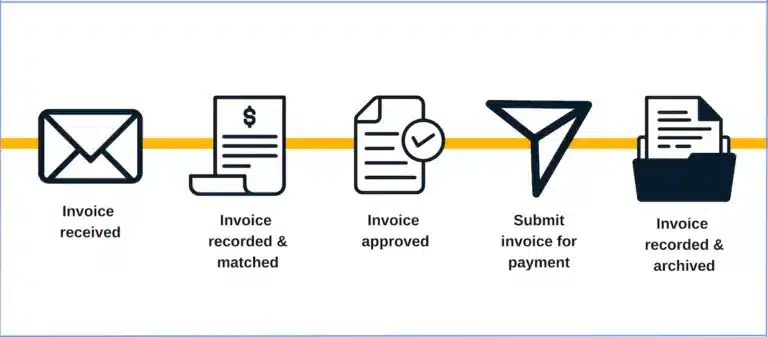
Invoice processing is one of the main areas where AP automation can boost efficiency. The more traditional and manual approach can be tedious and labor-intensive, often leading to delays and errors.
AP automation software removes the need for manual intervention and automates this process, allowing businesses to streamline invoice processing from receipt to payment.
When an invoice is sent through, the software will automatically capture the data on the platform, with high accuracy, and the invoice will be routed to the right department for approval. This saves time for employees and removes the risk of errors and discrepancies in the data.
2. Data Visibility
One of the significant challenges in traditional AP processes is the lack of visibility and control over payables – an area that AP automation software enhances.
The software provides real-time visibility into the status of invoices, approvals, and payments, enabling your business to track and manage invoices and payments more effectively.
On top of that, all the data is stored on a centralized platform with clear dashboards and reporting tools, so the relevant departments can easily access the information in one place. You’ll also receive comprehensive insights into AP performance metrics, such as cycle times, processing costs, and invoice accuracy, to further help you make strategic business decisions to facilitate growth.
Having efficient AP processes can positively impact supplier relationships by ensuring timely payments and reducing disputes.
You can even give your suppliers access to the status of invoices, so they’ll have full visibility over the process and more reassurance over the payment. Not only will this increase your supplier loyalty, but it will enhance your brand reputation.
4. Compliance and Risk Management
Manual AP processes are susceptible to compliance errors and fraud risks. Errors and discrepancies can lead to delays and added costs with invoice processing.
AP automation software helps mitigate these risks by enforcing compliance with company policies and regulatory requirements, all through automated validation. For instance, when you receive an invoice, it can be matched against other documents like contracts and purchase orders, to ensure accuracy and compliance throughout the process.
Additionally, features such as audit trails and user permissions help businesses track and monitor AP activities, reducing the risk of fraud and compliance breaches.
—
AP automation software can bring a wide range of benefits to your business and help improve key areas in your financial processes.
From streamlining invoice processing and enhancing visibility to improving supplier relationships, investing in AP automation can drive significant efficiency gains and cost savings.
What areas will you be using AP automation software to enhance?
Creating a video can effectively promote your business, share your message, or engage with your audience. However, the costs can quickly add up and exceed your expectations without careful budgeting. This is why strategic financial planning is crucial to ensure that your video production stays within budget while still meeting your objectives.
In this detailed guide, we will provide you with essential tips and insights on how to budget for your video production project effectively.
1. Define Clear Objectives:
Before setting a budget, defining clear objectives for your video production is important. What do you want your video to achieve? Are you aiming to increase brand awareness or generate leads? By identifying these goals, you’ll be able to allocate resources accordingly and plan a more accurate budget to hire a video production agency.
2. Research and Request Quotes:
After defining goals and understanding the scope of work required, it’s time to research and compare different professionals or production companies that specialize in the video production services you need. Request multiple quotes from at least three providers to assess costs accurately. Remember that the cheapest isn’t always the best option; consider expertise, quality of work, and reputation.
3. Be Realistic About Costs:
Once you have gathered quotes and compared prices from various vendors or agencies, it’s time to be realistic about the associated costs of producing a high-quality video. Consider factors such as pre-production planning, scriptwriting or storyboarding services (if needed), shooting equipment rentals or purchases (e.g., cameras, lighting), hiring actors or voice-over artists (if required), location permits, and transportation expenses.
4. Break Down Your Budget:
To avoid unexpected surprises along the way, break down your total budget into several categories such as equipment rental/purchase, crew/actor fees (if applicable), location/set expenses (props/decorations/etc.), post-production editing/VFX/audio/music licensing, and distribution costs. By breaking down your budget into smaller sections, you’ll gain better control over expenses and ensure all aspects of production are accounted for.
5. Allocate a Contingency Fund:
Mistakes or unforeseen circumstances can happen in any production process. To prepare for unexpected expenses, allocate a contingency fund of about 10-15% of your overall budget. This cushion will help cover any additional costs that may arise due to equipment failure, weather changes affecting shooting schedules, or even last-minute creative decisions that require rework.
6. Consider Alternative Approaches:
If you’re working with a tight budget, consider alternative approaches to achieve quality results within your price range.
For example, you could opt for stock footage instead of planning an expensive shoot on location and leverage the skills of aspiring filmmakers or film students who charge lower rates but still have the ability to deliver excellent work. Be open-minded and explore different possibilities.
7. Plan Your Timeline:
Budgeting doesn’t just apply to finances—it also extends to time management. Plan your video production timeline carefully; delays can lead to increased costs due to extended rental durations or rescheduling shoots if crew members are booked by the hour or day. Map out milestones throughout the process and communicate them clearly with everyone involved in the project.
8. Stay Balanced Between Quality and Cost:
Finding a balance between quality and cost is essential when budgeting for video productions. Based on the goals you defined initially, prioritize where you’re willing to invest more money while being mindful not to overspend on aspects that won’t significantly impact those goals.
9. Ask for Advice:
If this is your first time budgeting for video production or if you find yourself overwhelmed, don’t hesitate to ask industry professionals or experienced colleagues who have been through similar projects before. Their insights can provide valuable guidance in identifying potential areas where savings can be made without compromising the overall effectiveness of your video.
Conclusion:
Budgeting for your video production is a vital aspect of planning a successful project. By following these nine steps—defining clear objectives, researching and requesting quotes, being realistic with costs, breaking down the budget, allocating a contingency fund, considering alternative approaches, planning your timeline, finding a balance between quality and cost, and seeking advice—you’ll be well on your way to creating a high-quality video without breaking the bank. Keep these strategies in mind as you embark on your next video production journey.
























 Online poker is a digital version of the traditional card game, allowing players to compete against each other over the internet. The most popular variant is Texas Hold’em, but there are many other types, such as Omaha, Seven-Card Stud, and more.
 Playing online poker offers numerous social and lifestyle benefits that extend beyond the game itself. One of the most significant advantages is the opportunity to connect with a diverse community of players from around the world.

 Funding assisted living can be challenging; however, several options are available to ease this burden. Personal savings and retirement funds are common sources used by many families.
 The types of student loans available include:
 Student aid for health-related degrees is called Health Professions Student Loans or HPSL. You are eligible for this aid if you’re enrolled in one of these degrees:
 Here are the tips to manage and repay your student debts:
 Invoice processing is one of the main areas where AP automation can boost efficiency. The more traditional and manual approach can be tedious and labor-intensive, often leading to delays and errors.
 Another Crucial Area to Optimize with Your Ap Automation Software Is Your
 Before setting a budget, defining clear objectives for your video production is important. What do you want your video to achieve? Are you aiming to increase brand awareness or generate leads? By identifying these goals, you’ll be able to allocate resources accordingly and plan a more accurate budget to hire a
  Once you have gathered quotes and compared prices from various vendors or agencies, it’s time to be realistic about the associated costs of producing a high-quality video. Consider factors such as pre-production planning, scriptwriting or storyboarding services (if needed), shooting equipment rentals or purchases (e.g., cameras, lighting), hiring actors or voice-over artists (if required), location permits, and transportation expenses.
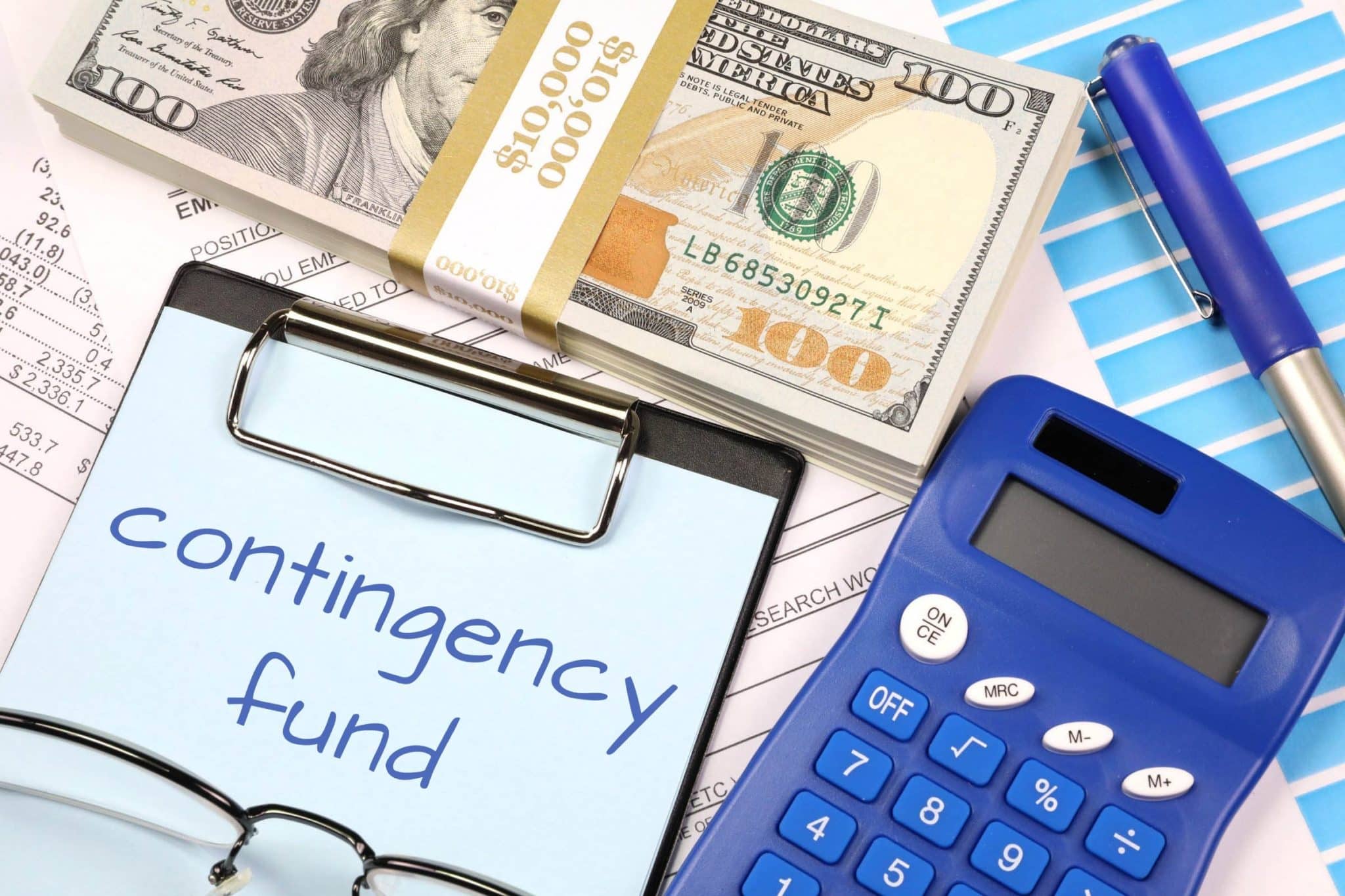 Mistakes or unforeseen circumstances can happen in any production process. To prepare for unexpected expenses, allocate a
  Finding a balance between quality and cost is essential when budgeting for video productions. Based on the goals you defined initially, prioritize where you’re willing to invest more money while being mindful not to overspend on aspects that won’t significantly impact those goals.