
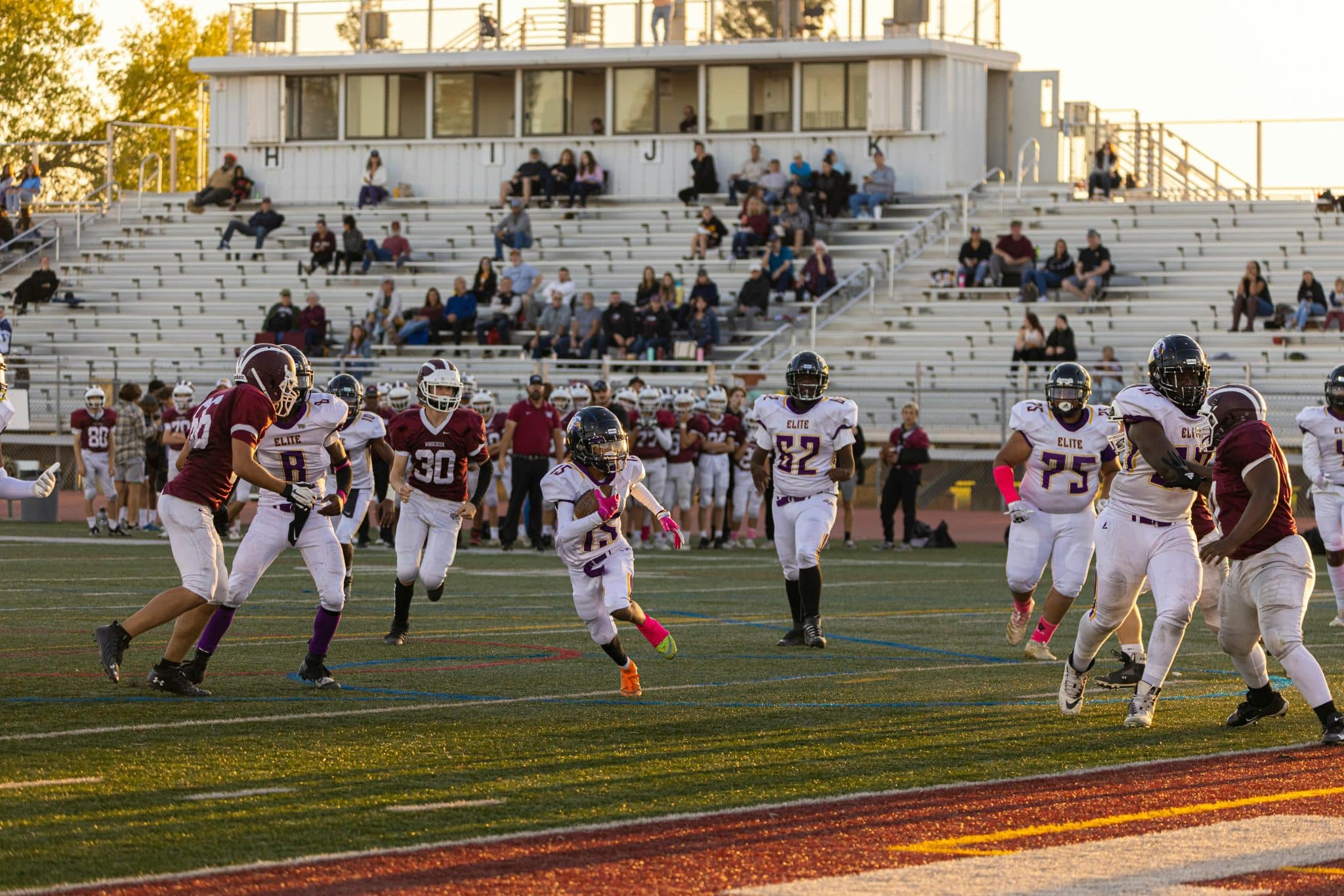
Every fall, American football finds its way back into family life, but not in the glossy, overproduced way you see on television. It shows up in grass stains that refuse to wash out, in carpool group chats that light up at 6 a.m., and in that familiar mix of nerves and pride when your kid jogs onto the field. For a lot of families, youth football has quietly become less about chasing trophies and more about building something steady and grounding together.
Parents are looking at the game differently now. They still love the excitement, the marching band, the roar after a long pass, but they are also paying attention to the details that make the experience feel safe, organized, and genuinely supportive. That shift is changing the culture around youth leagues in ways that feel practical and, honestly, long overdue.
Safer Fields And Smarter Prep Are Becoming The Norm
One of the biggest changes is happening before the first whistle ever blows. Families are asking better questions about equipment, field conditions, and practice routines. Coaches are responding with clearer communication about conditioning plans, rest days, and injury prevention. It feels less chaotic and more intentional.
Even the small details matter. Field crews now rely on materials like turf tape to secure seams and reduce tripping hazards on synthetic surfaces, which might sound minor until you see a kid catch a cleat on loose turf. Parents notice these things. They appreciate when leagues take the time to manage the field properly instead of treating it like an afterthought.
At home, preparation looks different too. Warm ups are not rushed. Kids are stretching in the driveway before practice. Water bottles are actually filled. There is less of that old school mentality that toughness means ignoring discomfort. Families are learning that discipline and care can coexist, and the result is a healthier, more confident player.
Practice Nights That Feel Like Community, Not Chaos
Drive past a youth field on a Tuesday evening and you will see more than drills. You will see siblings chasing each other near the bleachers, parents trading dinner ideas, grandparents bundled up with folding chairs. Practice nights have become informal gathering spots, and that sense of connection has real staying power.
Families bring folding tables with homework, snacks, and jackets layered for changing temperatures. It is not glamorous. It is a little messy. But it feels real. Parents who might not otherwise cross paths end up swapping stories about school projects or local events. The sideline becomes its own kind of neighborhood.
That community piece matters for kids as much as adults. They see their parents showing up consistently. They see families cheering for every player, not just their own. That collective investment sends a message that football is part of a larger support system, not a pressure cooker.
Game Day Fuel That Goes Beyond Concession Stands
There is still a place for popcorn and hot chocolate under the lights. No one is pretending otherwise. But families are thinking more carefully about what their kids eat before and after games. Performance and recovery are not reserved for elite athletes anymore. They are dinner table conversations.
Coolers now carry fruit, wraps, and yogurt alongside the usual treats. Parents talk about protein and hydration without turning it into a lecture. The goal is steady energy, not sugar spikes followed by a crash in the third quarter. It is practical and surprisingly easy once it becomes routine.
The shift toward smarter fueling is also changing what shows up at team gatherings. Potlucks feature options that are balanced and satisfying, with a quiet emphasis on nutritious snacks that actually keep kids going through double overtime or a long Saturday tournament. No one is policing plates. It is more about offering better choices and letting that become the norm.
Redefining Winning On And Off The Field
Scoreboards still matter. Kids want to win. Parents feel that surge of pride when the team pulls ahead in the final minutes. But there is a broader definition of success taking root in youth football culture.
Families are talking openly about sportsmanship, resilience, and handling disappointment. A tough loss is not treated like a catastrophe. It becomes a car ride conversation about what went well and what could improve next week. That tone sets the standard. Kids learn that their value is not tied to a single play or final score.
Coaches are leaning into this mindset too. Practices often include conversations about teamwork and communication, not just drills. Players are encouraged to support each other vocally, to celebrate effort, and to step up when someone else struggles. That culture does not eliminate competition. It just makes it healthier.
Making Football Fit Real Life, Not Take It Over
Families today are balancing school, work, church, music lessons, and a dozen other commitments. Youth football has had to adapt to that reality. Leagues are adjusting schedules, limiting excessive travel, and being more transparent about time expectations.
Parents are also setting boundaries more confidently. If a child needs a rest day or has a school obligation, it is no longer seen as a lack of dedication. It is part of managing a full life. That perspective keeps the sport sustainable over multiple seasons instead of burning families out by October.
The result is a rhythm that feels integrated rather than overwhelming. Football becomes one thread in the fabric of family life, not the entire pattern. Kids still experience the thrill of game day, but they also have space for other interests and responsibilities.
American football at the youth level is not disappearing, and it is not stuck in the past either. It is evolving in ways that reflect what families actually need. Safer fields, smarter fueling, realistic schedules, and a stronger sense of community are not flashy changes, but they are meaningful ones.