
Tag

pp

Browsing

Life moves fast, and without realizing it, family time can start feeling like a string of repetitive routines—school runs, work schedules, and the same old weekend plans. While structure helps keep everything in order, too much of it can make things predictable. The best way to keep family life exciting is to shake things up now and then.

Vacations are a perfect way to break out of the routine, and Pigeon Forge is the perfect destination for families who love adventure, great food, and easygoing fun. If you love hiking in the mountains, checking out live shows, or indulging in delicious meals, there’s always something new to experience here.

Making Time for Spontaneous Adventures

The best moments usually happen when you least expect them. While planned activities are great, leaving room for spur-of-the-moment fun keeps things interesting. Whether it’s deciding on a last-minute road trip, having a surprise picnic in the living room, or saying yes to an unexpected detour on vacation, spontaneity keeps family life feeling fresh.

Instead of overthinking things, sometimes it’s best to just go with the flow. Maybe the kids want to camp out in the backyard on a random Tuesday, or maybe a sudden rainstorm turns into a reason to throw on boots and splash in puddles. Even while traveling, ditching the strict itinerary for a day can lead to unexpected discoveries and laughs.

Enjoying Great Food Together

There’s something about food that just makes family time better. Whether it’s home-cooked meals, backyard barbecues, or restaurant outings, sitting down together over good food means lots of laughs, stories, and unforgettable memories. The best part? There’s always an excuse to try something new.

If you’re going on a family vacation, food adds to the entire experience and makes it truly unforgettable. Nonetheless, it’s best to try famous spots to keep things fun. Families visiting the Smoky Mountains often search for the top 10 places to eat in Pigeon Forge TN, and a few must-visit spots include Blue Moose Burgers & Wings, Mel’s Diner, Alamo Steakhouse, and Pottery House Cafe. Each of these places serves up delicious food in a fun, family-friendly atmosphere. Plus, staying at The Inn on the River puts you right near these fantastic dining spots and other top attractions. Where you stay matters a lot, so be sure to stay close to all the fun in Pigeon Forge.

Finding New Traditions

Traditions bring families together, but who says they have to stay the same forever? Adding new ones—or giving old ones a fresh twist—keeps things exciting year after year. Maybe instead of just decorating the Christmas tree, everyone picks out a weird or funny ornament. Or instead of the usual Saturday movie night, you turn it into a “watch something none of us have ever seen before” night.

Family traditions don’t have to be complicated. They can be as simple as a special birthday breakfast, an annual family challenge (who can build the tallest pancake stack?), or a silly game played every road trip. The fun part is having something to look forward to—something that feels special because it’s yours as a family.

Keeping Family Travel Exciting

As fun as it is to visit the same beloved spots, changing things up keeps travel from feeling predictable. A mix of mountain trips, amusement parks, city stays, and nature getaways makes every trip feel like a new adventure. Even going back to a familiar place can feel fresh with a different itinerary or new activities.

Pigeon Forge is a perfect example of a destination that never gets boring. One year, you might focus on outdoor adventures like ziplining and hiking; the next, it could be all about Dollywood and dinner shows. The variety makes it easy to keep things exciting without having to search for a brand-new destination every time.

Encouraging Everyone to Try New Activities

Routines are great, but doing the same things over and over can make life feel predictable. That’s why trying new activities as a family keeps things exciting. Whether it’s something simple like testing out a new board game or something more adventurous like paddleboarding, stepping outside the usual routine adds an element of surprise.

The best part? It doesn’t have to be a huge commitment. Trying a new recipe together, signing up for a local class, or even swapping out the usual weekend plans for something totally different can bring unexpected fun. When everyone is open to new experiences, family time becomes way more interesting, and who knows? You might even discover a new favorite hobby along the way.

Balancing Everyday Life with Special Experiences

It’s easy to get caught up in the cycle of work, school, and errands, but making time for fun moments keeps family life from feeling like one long to-do list. Special experiences don’t have to be expensive or time-consuming; they can be as simple as an impromptu ice cream run, a themed movie night, or a mini road trip to a nearby town just to explore.

Even small changes to everyday routines can add excitement. Maybe dinner gets eaten outside on the patio instead of at the table, or a regular walk turns into a scavenger hunt. The goal is to mix things up enough that even the most ordinary days have something to look forward to.

Staying Connected Through Technology and Creativity

Technology is often blamed for pulling people apart, but when used right, it can actually bring families closer. Virtual game nights with faraway relatives, shared playlists for road trips, or group chats full of funny memes keep connections strong no matter where everyone is.

Getting creative with technology can make everyday interactions feel more special. Making silly home videos, creating a shared digital scrapbook, or even challenging each other to a photo contest while on vacation keeps things interactive. When families find fun ways to use technology together, it becomes a tool for bonding rather than just another distraction.

Making the Most of Local Comforts

Keeping life exciting doesn’t always mean traveling far—sometimes, the best adventures are right in your country or city. Trying a new restaurant, discovering a hidden hiking trail, or visiting a local attraction can bring just as much joy as a big vacation.

A great way to make the most of local comforts is to treat your town like a tourist destination. Are there places you’ve never visited because they’re “always there”? Are there fun seasonal activities you tend to skip? Making a bucket list of things to do nearby keeps things fresh and adds little bursts of adventure throughout the year.

Keeping family life fun and exciting means being open to fun, saying yes to unexpected moments, and making even the smallest things feel special. This way, every year can be packed with new adventures, stronger connections, and plenty of laughter.


Family vacations are supposed to be fun. In theory, they’re about making memories, escaping the routine, and spending quality time together. In reality, they can feel more like a marathon—keeping kids entertained, navigating meal times without a meltdown, and squeezing in something that doesn’t feel like a chore for the parents.

That’s where Sevierville, Tennessee, comes in. This mountain town is where outdoor adventure meets Southern charm, offering plenty of ways to keep the whole family happy. It’s less crowded than some nearby destinations, but just as exciting, with scenic spots to explore, delicious food to try, and fun attractions that don’t require standing in endless lines.

In this blog, we will share the best places to eat, play, and explore in Sevierville as a family, making sure your trip is more about enjoying the moment and less about managing chaos.

Where to Stay for a Stress-Free Trip

Choosing the right accommodations can make or break a family trip. The wrong choice can turn a fun getaway into a stressful experience. You need a place that’s comfortable, convenient, and roomy enough so everyone has space to relax. While there are plenty of great places to stay in Sevierville TN, staying in a cabin offers the best way to soak in the area’s charm. Many cabins provide breathtaking views of the Smoky Mountains, giving families a peaceful retreat after a full day of adventure.

For families looking for recommendations, Visit My Smokies is a great resource. They offer insider tips on the best places to stay, along with travel guides, event calendars, and local secrets that help make planning easier. Whether you’re searching for a cabin with a hot tub, a budget-friendly hotel, or a spacious rental home, they make sure you find a spot that fits your family’s needs.

Eating Well Without the Hassle

Every parent knows that finding the right place to eat can make or break a trip. Kids want food they recognize, parents want something that actually tastes good, and everyone wants to avoid a two-hour wait. Sevierville has plenty of restaurants that strike the perfect balance between delicious and family-friendly.

For breakfast, local diners and pancake houses serve up stacks of golden pancakes, warm biscuits, and country ham that fuel up the whole family for a day of adventure. Many of these places have been around for years, serving generations of visitors who come back for the fluffy waffles and syrup-drenched goodness.

Lunch and dinner options range from classic barbecue joints to casual spots offering everything from burgers to home-cooked comfort food. Whether you’re grabbing something quick before heading to an attraction or sitting down for a leisurely meal, there’s no shortage of spots that welcome families with open arms. And if you’re craving something sweet after dinner, Sevierville is home to some fantastic ice cream parlors and bakeries that serve fresh pies, homemade fudge, and cinnamon rolls big enough to share (or not).

Playtime for Everyone

Sevierville is packed with activities that bring out the kid in everyone. Whether your family is into nature, adventure, or something a little quirky, there’s no shortage of ways to have fun.

One of the most famous spots in town is the Dolly Parton statue. It might sound like just another photo-op, but for many visitors, it’s a must-see. The statue honors Sevierville’s most beloved hometown legend, and even if your kids don’t know much about Dolly, they’ll probably recognize her name. Plus, it’s a great excuse to talk about one of country music’s biggest icons while snapping a fun picture.

If your kids love animals, head to one of the local wildlife parks or petting zoos, where they can see everything from kangaroos to zebras. For something more thrilling, adventure parks in the area offer ziplining, go-kart racing, and indoor trampoline fun—perfect for burning off energy.

And of course, you can’t visit Sevierville without spending some time outdoors. The Great Smoky Mountains National Park is just a short drive away, offering hiking trails, picnic spots, and scenic drives that make it easy to enjoy nature without an extreme workout. Families who prefer a more laid-back experience can check out the local waterfalls or take a guided horseback riding tour through the mountains.

Exploring Beyond the Basics

A great family trip isn’t just about the big attractions. Sometimes, the most memorable moments come from unexpected places. Sevierville has plenty of hidden gems that are worth checking out if you have extra time.

Local artisan shops offer handmade crafts, wood carvings, and souvenirs that go beyond the usual touristy trinkets. Visiting these spots gives kids a chance to see artists at work and maybe even try their hand at a simple craft.

For history-loving families, local museums tell the story of Sevierville’s past, from its pioneer roots to its role in shaping Tennessee culture. Many of these exhibits are interactive, making them a fun way for kids to learn without feeling like they’re in school.

And if your family enjoys quirky roadside attractions, Sevierville has a few surprises. A drive around town might lead you to a giant replica of the Titanic, an upside-down building, or even a place where you can mine for gems. These unexpected stops add a little extra fun to your trip and give you stories to tell long after you’ve gone home.

The Best Kind of Family Vacation

The best family trips aren’t the ones packed with endless activities. They’re the ones where parents and kids actually enjoy the time together—whether that means laughing over a giant stack of pancakes, exploring a hidden hiking trail, or taking a silly photo in front of a statue.

Sevierville makes that kind of vacation easy. It’s the kind of place where families can slow down, have fun, and make memories without the stress of overcrowded attractions or exhausting schedules. It doesn’t matter if you’re here for a weekend or a full week, you’ll find plenty of ways to eat well, play hard, and explore everything this charming town has to offer.

So pack up the car, grab the kids, and get ready for a trip where the hardest part is deciding what to do first. Sevierville is waiting.

Most people don’t think twice about tiny leaks, small cracks, or clogged gutters. It’s easy to ignore little issues, especially when life is busy. But here’s the thing—those “small” problems can turn into big, expensive disasters before you know it.

A roof leak might seem like no big deal, until water starts dripping through your ceiling. A tiny crack in your foundation could slowly shift your entire house. Even something as simple as a clogged gutter can cause thousands of dollars in water damage.

Taking care of these issues early can save you a lot of money and stress. Here’s a look at some of the most common small problems that can lead to serious home damage—and how to stop them before it’s too late.

Roof Leaks: A Disaster Waiting to Happen

A small leak in your roof might not seem urgent. Maybe it’s just a drip when it rains, or a little stain on the ceiling. But what you don’t see is how much damage that water is causing behind the scenes.

Water can soak into insulation, weaken wooden beams, and create the perfect environment for mold. Left alone for too long, a minor leak can lead to structural damage, ruined ceilings, and expensive repairs.

If you notice water stains, missing shingles, or damp spots in your attic, don’t wait. Getting help from professional roofing contractors can save you from major headaches later on. They can find hidden issues and fix them before they turn into a full-blown emergency.

Clogged Gutters: A Flood in the Making

Clogged Gutters: A Flood in the Making

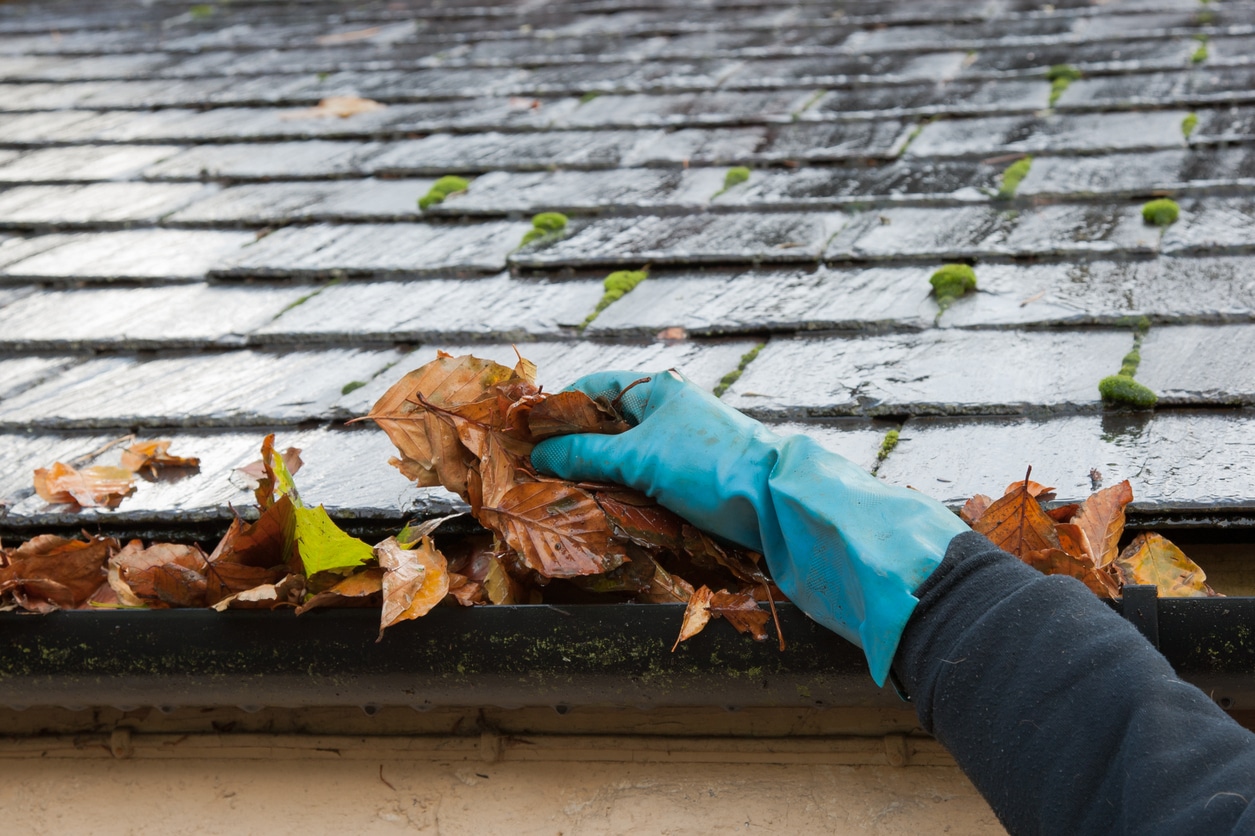
Gutters are designed to move rainwater away from your house. When they’re clogged with leaves, dirt, and debris, that water has nowhere to go. Instead, it spills over the sides and pools around your foundation, seeps into your walls, or leaks into your basement.

Over time, this can cause foundation cracks, wood rot, and mold growth. In the winter, clogged gutters can lead to ice dams, which force water under your shingles and into your home.

Cleaning your gutters at least twice a year—once in the spring and once in the fall—can prevent major water damage. If you notice water spilling over the edges when it rains, it’s time to grab a ladder or hire someone to clear them out.

Cracks in the Foundation: A Hidden Threat

Your foundation is what holds your entire house together. Small cracks might not seem like a big deal, but they can grow over time, leading to major structural problems.

Water can seep into these cracks, weakening the concrete and causing it to shift. In colder climates, water inside cracks can freeze and expand, making the problem even worse. Eventually, this can lead to uneven floors, doors that won’t close properly, and serious structural damage.

If you see cracks wider than a quarter-inch or notice water pooling near your foundation, it’s time to take action. Sealing minor cracks early can prevent bigger issues later on.

Slow Plumbing Leaks: Mold and Rot in the Walls

A dripping faucet is annoying, but a slow leak inside your walls is much worse. Leaky pipes can cause hidden water damage that weakens drywall, encourages mold, and even attracts pests.

You might not notice a small plumbing leak right away, but signs include:

  • A musty smell in your bathroom, kitchen, or basement
  • Water stains on ceilings or walls
  • Unexpectedly high water bills
  • Warped or bubbling paint

Fixing leaks early can prevent expensive repairs later. If you suspect a problem but can’t find the source, a plumber can help detect hidden leaks before they cause major damage.

Ignoring Peeling or Bubbling Paint

Peeling or bubbling paint isn’t just an eyesore—it can be a sign of a bigger issue. When paint starts to lift, it usually means there’s moisture underneath. This could be from a roof leak, a plumbing issue, or high humidity trapped inside your walls.

Over time, this moisture can lead to mold, rot, and even structural damage. If you notice peeling paint, don’t just paint over it. Find out what’s causing the problem first, and fix it before it gets worse.

Pests: Tiny Creatures, Big Problems

Termites, ants, and rodents might seem like minor annoyances, but they can cause serious damage if left unchecked. Termites can chew through wooden beams, weakening the structure of your home. Mice and rats can gnaw on electrical wiring, creating fire hazards.

Signs of a pest problem include:

  • Small piles of sawdust (a sign of termites)
  • Scratching sounds in walls or ceilings
  • Droppings in cabinets or along baseboards

If you notice any of these warning signs, call a pest control professional right away. The longer you wait, the harder (and more expensive) the problem will be to fix.

The Cost of Waiting Too Long

Many homeowners put off repairs because they seem small or not urgent. But here’s the truth: small problems almost always turn into big ones if you ignore them.

A $50 gutter cleaning can prevent thousands of dollars in water damage. Fixing a small roof leak now can save you from replacing an entire ceiling later. Catching a pest problem early can prevent thousands of dollars in structural repairs.

The key is to stay ahead of issues before they spiral out of control. Regular home maintenance, quick fixes, and calling in professionals when needed can save you time, money, and stress.

Taking Care of Your Home Starts with the Small Stuff

Your home is one of the biggest investments you’ll ever make, and keeping it in good shape doesn’t have to be overwhelming. By paying attention to small problems now, you can avoid major repairs and costly damage later.

If you see a leak, a crack, or something that doesn’t seem right, don’t wait. The sooner you handle it, the easier (and cheaper) it will be. A little effort today can save you from big problems tomorrow.


We don’t often stop to think about it, but the spaces we live in quietly shape our emotional state. Light, air, and the sense of connection (or isolation) from the outside world all influence how we feel in our own homes. Among these factors, windows play an outsized role.

They dictate how much natural light enters a room, whether a space feels open or claustrophobic, and how connected we remain to the rhythms of the world outside.

At their best, well-designed windows create a living environment that fosters comfort, clarity, and even happiness.

Companies like Casa Bella Windows & Doors are passionate about this impact, designing windows that maximize both aesthetic appeal and functional benefits. But beyond the immediate aesthetic element, how exactly do windows impact our mood and well-being?

Natural Light: A Built-In Mood Booster

Few things influence mood as immediately as exposure to natural light. Research confirms that daylight helps regulate circadian rhythms, improving sleep and overall energy levels. Sunlight also triggers serotonin production, which enhances mood and lowers the risk of depression.

The right windows—large enough, well-placed, and unobstructed—flood a home with natural light, making spaces feel vibrant and alive.

On the flip side, a lack of daylight creates dark, stagnant environments that sap energy. Poor lighting can contribute to fatigue, stress, and even seasonal affective disorder (SAD).

This is why window size, placement, and glazing matter. High-performance glass can maximize light while reducing glare and controlling indoor temperatures—ensuring that brightness enhances a space rather than overwhelming it.

Fresh Air and the Hidden Cost of Stale Spaces

Windows do more than offer a view—they control airflow, which directly affects air quality. A space without proper ventilation can trap pollutants, allergens, and excess humidity, making it harder to breathe and potentially triggering respiratory issues.

Fresh air circulation reduces these risks, refreshing the space and creating an environment that feels lighter and more comfortable.

Well-placed operable windows encourage natural cross-ventilation, preventing rooms from becoming stuffy or stale. Even in urban settings where outdoor air quality is a concern, modern windows with effective sealing and filtration options allow for controlled airflow while minimizing pollutants.

The Power of a View: What You See Shapes How You Feel

A window doesn’t just let in light—it frames a perspective. A view of greenery, an open sky, or even a dynamic cityscape can reduce stress, enhance focus, and provide a sense of connection to the outside world. Studies show that even brief exposure to natural scenery—through a window—lowers blood pressure and improves cognitive function.

But not all views are created equal. A poorly positioned window that faces a brick wall or an alley can make a space feel confining rather than expansive. Thoughtful design takes sightlines into account, ensuring that windows enhance rather than limit a room’s openness.

Where an ideal view isn’t possible, larger glass panes, mirrored placements, or carefully positioned indoor greenery can create a greater sense of depth and space.

Temperature Control: The Subtle Impact of Comfort

A comfortable home is one where temperature fluctuations don’t catch your attention. Well-designed windows contribute to a stable indoor climate by preventing heat loss in winter and reducing excess heat in summer. This means fewer thermostat adjustments, lower energy bills, and a space that simply feels better to exist in.

Energy-efficient windows—featuring double or triple glazing, low-emissivity coatings, and insulated frames—help regulate indoor temperatures naturally. This isn’t just a technical improvement; it’s a quality-of-life upgrade. When a home maintains a steady, comfortable temperature without constant intervention, it becomes a place of ease rather than frustration.

A Better Space, A Better Life

Windows are more than design elements; they shape how we experience our homes on a daily basis. Thoughtfully placed and well-crafted, they can make a space feel brighter, fresher, and more connected to the world beyond its walls.

Investing in quality windows isn’t just about aesthetics—it’s about creating a home that actively supports your well-being.

Travel souvenirs hold sentimental value, reminding us of special trips and experiences. However, as our travels accumulate over time, so do the souvenirs, which can quickly take up precious space. Historically, people stored their travel memories in photo albums or simple mementos, but with the rise of global tourism, people began collecting more items—making storage a challenge.

Today, there are many creative ways to keep souvenirs organized without overwhelming your living space. From functional storage solutions to creative displays, organizing your souvenirs can allow you to keep the memories while maintaining a clutter-free environment.

This blog will explore strategies for preserving your travel treasures in a practical way, making sure that each item is stored in a way that enhances, rather than detracts from, your home’s décor. Whether you want to store or display, you’ll learn how to find the balance between preserving memories and keeping your space neat.

Observation:
Interestingly, many people find that organizing their travel souvenirs allows them to relive memories without the visual clutter. By choosing thoughtful storage solutions, you can enjoy your memories without overwhelming your space.

Choosing What to Keep

Choosing What to Keep

Before storing your travel souvenirs, it’s important to assess what you truly want to keep. Not all items need to be preserved, and some may not carry as much sentimental value as others. Start by asking yourself a few key questions: What souvenirs bring back strong memories? Are there any items that are just taking up space?

Consider the following when making your selections:

  1. Does the souvenir hold personal meaning or evoke a specific memory?
  2. Is the item useful or purely decorative?
  3. Do you have duplicates or similar items?
  4. Can any items be donated or gifted?

By thoughtfully evaluating each souvenir, you’ll be able to keep only those that are truly meaningful. This process helps prevent clutter and ensures that your travel treasures remain something you cherish, rather than a pile of forgotten items.

Creative Storage Solutions

Historical Note: In the past, travelers often kept souvenirs in simple boxes or chests, often tucked away in attics or closets. These traditional methods sometimes led to the items being forgotten or damaged over time. As travel and tourism grew in popularity, so did the need for better storage solutions to protect valuable mementos. Over the years, creative storage ideas evolved to help keep souvenirs safe while maintaining organization.

When it comes to creatively storing your travel souvenirs, you want a solution that works for your space and lifestyle. Many people find that using decorative containers, such as wooden boxes or glass jars, can double as storage and home décor.

Additionally, for items that require more space, Secure Storage Units in New Hampshire offer a practical option for keeping your keepsakes safe while avoiding clutter. These units can provide ample space for larger collections that you may not want to display but still wish to preserve.

Climate-controlled options are especially valuable for keeping fragile or temperature-sensitive items in good condition. With a little creativity and the right storage method, you can ensure that your travel memories stay protected and organized.

Statistics: Around 60% of people use self-storage units to keep sentimental items, such as souvenirs, safe and accessible.

Displaying Souvenirs

Displaying your travel souvenirs in a thoughtful way is a great way to celebrate your adventures while keeping your space organized. Rather than letting your keepsakes gather dust in a drawer, consider turning them into a decorative part of your home.

For example, you can create a travel wall where you display postcards, photographs, and maps from different destinations. Shelves or shadow boxes are perfect for showcasing smaller items like trinkets, keychains, or figurines.

By grouping similar items together, you can create themed displays that tell the story of your travels. Displaying your souvenirs not only makes them easily accessible but also brings a touch of personality and memories to your living space.

You can even incorporate souvenirs into your everyday use, like turning a beautifully designed souvenir plate into a serving tray or using a unique scarf as a decorative throw. This way, your items are both functional and nostalgic.

When displayed properly, your souvenirs can spark conversations, reminding you of the great memories attached to each item. By thinking creatively about how to display your travel keepsakes, you can have your memories front and center while keeping your space clutter-free and visually appealing.

This approach allows you to enjoy your treasures every day without overwhelming your home.

Organizing by Category

Organizing your travel souvenirs by category can make your storage more efficient and help you keep track of your keepsakes. Grouping similar items together allows you to find them more easily and keeps your collection from becoming chaotic.

For example, you could store all your beach souvenirs in one box, while grouping your museum items in another.

When organizing by category, consider the following:

  • Separate souvenirs by type (e.g., magnets, postcards, or clothing).
  • Use labeled containers to keep each category organized.
  • Keep travel-related documents, like tickets or itineraries, together for easy access.

By categorizing your souvenirs, you prevent clutter from building up and make it easier to find a specific item when you’re feeling nostalgic.

This approach allows you to store your keepsakes neatly while also ensuring that you can enjoy them without having to dig through piles of mixed items. With everything organized, your memories will be easier to appreciate and preserve for years to come.

Maintaining a Clutter-Free Space

Keeping your travel souvenirs organized is essential to maintaining a clutter-free home. While it’s tempting to keep every item you collect from your travels, it’s important to regularly evaluate what you truly want to keep and what you can let go.

Consider rotating your displayed souvenirs so you don’t overcrowd your space, allowing some pieces to be stored and others to be showcased. This keeps the display fresh while also giving you a chance to reassess what’s meaningful.

Another helpful strategy is to invest in storage solutions that are both functional and visually appealing, such as storage boxes, baskets, or shelving units that blend seamlessly into your home decor.

By thoughtfully organizing your souvenirs and maintaining a balance between display and storage, you can ensure that your home stays neat and tidy. It’s also a good idea to periodically declutter by donating or gifting items that no longer bring you joy.

The goal is to create a space that feels inviting and organized, while still preserving the memories and experiences that are important to you. With these practices in place, your travel treasures can be safely stored and easily enjoyed without overwhelming your living space.

Final Tips for Storing Souvenirs

Storing your travel souvenirs in a way that maintains both organization and accessibility is key to preventing clutter. As you accumulate more keepsakes, it’s important to periodically reassess your collection.

Consider keeping only the items that have the most sentimental value or that fit into your storage system. Opt for compact storage solutions, such as stackable bins or decorative boxes, to minimize clutter. Another helpful tip is to establish a routine for rotating displayed items—this ensures that your souvenirs stay fresh and you don’t overwhelm your space.

When choosing storage options, look for those that keep your items protected from dust, sunlight, or humidity, so they stay in good condition. Lastly, don’t hesitate to recycle or donate souvenirs that no longer serve a purpose or bring joy.

By maintaining this thoughtful approach to storing your travel treasures, you can preserve your memories while keeping your home tidy and organized.

1. Introduction

A. What to Expect in a Winery Tasting Room

A winery tasting room is the gateway to a memorable wine tasting experience. Whether you’re a seasoned wine enthusiast or a first-time visitor, stepping into a tasting room allows you to explore different wine varieties, learn about the winemaking process, and immerse yourself in the winery’s unique atmosphere.

Each winery has its own approach to tastings, with some offering guided tours, exclusive wine pairings, and behind-the-scenes looks at the vineyard’s operations.

Understanding what to expect before your visit can help you make the most of your time. Most wineries have structured tasting menus, where guests can sample a curated selection of wines.

Some may include educational insights on the tasting process, wine characteristics, and ideal food pairings. Being prepared will ensure you fully appreciate the flavors, aromas, and stories behind each bottle.

B. Why the Wine Tasting Experience Matters

A wine tasting experience is more than just sipping different wines—it’s an opportunity to expand your palate, refine your tasting skills, and develop a deeper appreciation for viticulture.

By engaging in a structured tasting, you can identify nuances in wine, from fruit-forward notes to earthy undertones, and learn how factors like terroir and aging influence flavor.

Additionally, a well-planned wine tasting experience connects you with the people behind the bottle. Winemakers and tasting room hosts often share insights about the winery’s history, grape selection, and production methods. These interactions provide valuable knowledge that enhances your appreciation of the wines you’re tasting.

C. Planning Ahead for the Best Visit

Before heading to a winery, planning ahead ensures a smooth and enjoyable visit. Checking the winery’s website for reservation requirements, tasting fees, and special events can help you avoid surprises. Some wineries require advanced bookings, especially for private or premium tastings, while others operate on a walk-in basis.

Additionally, researching the types of wines a winery specializes in can help tailor your visit to your preferences.

If you love bold reds or crisp whites, knowing what’s available allows you to prioritize your selections. Dressing comfortably, hydrating, and eating beforehand will also contribute to a better wine tasting experience.

2. Choosing the Right Winery

Choosing the Right Winery

A. Researching Winery Specialties

Each winery offers a unique selection of wines, and understanding what they specialize in can enhance your wine tasting experience. Some wineries focus on classic varietals like Cabernet Sauvignon and Chardonnay, while others experiment with lesser-known grapes or unique aging techniques.

Checking a winery’s website or reviews can give insight into their offerings.

If you’re interested in organic or biodynamic wines, looking for wineries that follow sustainable practices can make your visit more rewarding. Similarly, some wineries produce limited-edition releases or reserve wines that are only available on-site, giving you access to exclusive tastings.

B. Checking Reservation Requirements

Not all wineries operate on a first-come, first-served basis. Many require reservations, especially for premium tastings or behind-the-scenes tours. Booking in advance ensures that you secure a spot, particularly during peak seasons or special events.

Some wineries also offer different levels of tastings, from standard flights to private, guided experiences. If you’re looking for a more in-depth session with the winemaker or a sommelier, choosing a winery that provides personalized tastings will elevate your wine tasting experience.

C. Considering Location and Atmosphere

The setting of a winery can significantly impact your enjoyment. Some wineries are set against rolling vineyards, offering breathtaking views, while others provide a more intimate, rustic ambiance. Deciding whether you prefer a bustling, social environment or a quiet, private tasting can help you choose the best location.

Additionally, consider the amenities available. Some wineries have picnic areas, live music, or on-site restaurants, allowing you to extend your visit beyond just a tasting. Selecting a winery that matches your preferred atmosphere will make your experience more enjoyable.

3. Enhancing Your Wine Tasting Experience

A. Following Proper Tasting Etiquette

To fully enjoy your wine tasting experience, it’s important to follow proper etiquette. Start by holding the wine glass by the stem to avoid warming the wine with your hands. Swirling the wine releases its aromas, while taking a moment to smell it allows you to identify different scent profiles before tasting.

Another key aspect of etiquette is pacing yourself. Tasting pours are small, but sampling multiple wines can add up quickly. Using the spit bucket when necessary can help you stay clear-headed and maintain a refined palate throughout the session.

B. Engaging with the Tasting Room Host

Tasting room hosts are knowledgeable guides who can enrich your wine tasting experience. Engaging with them by asking questions about the wine’s origin, flavor notes, and food pairings can provide deeper insights. They can also recommend wines based on your preferences, making your visit more personalized.

Many hosts enjoy sharing stories about the winery’s history, the challenges of winemaking, and the artistry behind each bottle. Showing interest and appreciation in their expertise not only enhances your knowledge but also fosters a more interactive experience.

C. Understanding Wine Characteristics

Wine tasting involves more than just identifying whether you like a wine or not. Understanding characteristics like acidity, tannins, and body can help you articulate your preferences. Learning to distinguish between dry and sweet wines, fruit-forward versus earthy flavors, and different aging methods makes for a richer wine tasting experience.

Taking notes as you taste can help you remember which wines stood out and why. Noting details like vintage, vineyard, and tasting impressions allows you to refine your palate over time and select wines more confidently in the future.

4. Making the Most of Your Visit

A. Pairing Wine with Food Options

Many wineries offer food pairings to complement their wines. Small bites like cheese, charcuterie, or chocolate can enhance the flavors of the wine and provide a more immersive experience. Learning which foods pair best with different wines will make your wine tasting experience more enjoyable and educational.

If the winery has a full-service restaurant, consider enjoying a meal alongside your tasting. Some wineries even offer curated tasting menus that highlight the synergy between food and wine, creating a well-rounded experience.

B. Taking Notes for Future Reference

Recording your impressions during a tasting ensures you remember the wines you loved. Writing down tasting notes, preferred varietals, and any special releases allows you to track your evolving palate and make informed purchasing decisions later.

Many wineries also offer tasting sheets where you can jot down details. Using these as a reference helps you find similar wines at local stores or plan future winery visits based on your tastes.

C. Purchasing Wines You Enjoy

If you discover a wine you love, consider purchasing a bottle to take home. Many wineries offer discounts for purchases made on-site or for joining their wine club. This allows you to continue enjoying your wine tasting experience even after you leave.

Buying directly from the winery also supports small producers and gives you access to wines that may not be available in retail stores. If you’re unsure, asking the staff about aging potential and storage recommendations can help you make the best choice.

5. Conclusion

After your visit, take a moment to reflect on what you learned and which wines stood out. Each wine tasting experience adds to your knowledge and appreciation of wine, helping you refine your palate over time.

If you enjoyed your visit, consider exploring more wineries in the region. Expanding your wine tasting experience to different locations exposes you to new varietals and winemaking styles.

Sharing your experience with friends or on social media can help others discover great wineries. Recommending wines you loved and recounting memorable moments ensures your wine tasting journey continues beyond the tasting room.

In today’s competitive market, establishing a strong brand is vital for any business, particularly for small businesses seeking to differentiate themselves. A brand encompasses more than just a visual identity or a memorable name; it embodies the company’s core values, reputation, and customer relationships.

Just as a contract lawyer Miami ensures your business agreements are legally sound, a strong brand protects your reputation and fosters trust. A strong brand helps businesses build trust with customers, attract new clients, and achieve sustained growth.

Trademarks play a key role in brand protection by providing exclusive rights to use specific elements that represent the brand, such as logos, slogans, or product names. This legal protection prevents others from using similar elements that could confuse consumers or diminish the brand’s value.

This article examines the reasons why trademarks are essential for small businesses and how they contribute to building a strong and recognizable brand identity.

What is a Trademark and Why is it Important?

A trademark is a symbol, design, or phrase legally registered to represent a company or product. It acts as a source identifier, distinguishing your goods or services from those of others in the marketplace.

Think of the Apple logo, the Nike swoosh, or the Amazon smile – these are all trademarks that instantly evoke recognition and association with specific brands.

Distinctiveness and Recognition

A trademark helps your business stand out from the competition. It creates a unique identity for your products or services, making them easily recognizable to consumers. This distinctiveness is crucial in a crowded marketplace where consumers are bombarded with choices.

A strong trademark helps you cut through the noise and establish a memorable presence in the minds of your customers.

Protecting Your Brand Identity

Trademarks provide legal protection for your brand. Registering a trademark gives you exclusive rights to use that mark in connection with your goods or services. This prevents others from using a similar mark that could confuse consumers or dilute your brand’s identity.

Trademark protection is essential for safeguarding your brand’s reputation and preventing others from unfairly capitalizing on your hard-earned goodwill.

Building Brand Value and Equity

A trademark is an intangible asset that can increase in value over time. As your brand grows and gains recognition, your trademark becomes more valuable. This brand equity can be a significant asset, especially if you decide to sell your business or license your brand to others.

A registered trademark provides legal evidence of your brand’s ownership and value, making it an attractive asset for potential investors or buyers.

The Benefits of Trademark Registration for Small Businesses

The Benefits of Trademark Registration for Small Businesses

While simply using a mark can provide some common law trademark rights, registering your trademark with the United States Patent and Trademark Office (USPTO) offers significant advantages.

Nationwide Protection

A federal trademark registration provides nationwide protection for your brand. This means you have the exclusive right to use your trademark throughout the United States, preventing others from using a similar mark in any state. This broad protection is crucial for businesses that operate across state lines or plan to expand their reach in the future.

Legal Presumption of Ownership

A registered trademark provides legal presumption of ownership. This means that in a legal dispute, you have the advantage of being presumed the rightful owner of the trademark. This can be crucial in defending your brand against infringement claims or in taking action against those who are using your mark without permission.

Deterrent to Infringement

The ® symbol, which you can use after registering your trademark, acts as a deterrent to potential infringers. It signals that your brand is legally protected and that you are serious about enforcing your rights.

This can discourage others from using a similar mark, reducing the risk of confusion in the marketplace and protecting your brand’s integrity.

Enhanced Brand Credibility

A registered trademark can enhance your brand’s credibility and professionalism. It signals to customers, partners, and investors that you are committed to protecting your brand and operating a legitimate business.

This can be especially important for small businesses seeking to build trust and establish a strong reputation in the market.

Navigating the Trademark Process: Seeking Legal Guidance

While the concept of trademark protection is straightforward, the process of registering a trademark can be complex and time-consuming. Seeking guidance from a trademark lawyer Miami Florida can streamline the process and increase your chances of success.

Trademark Search and Clearance

Before filing a trademark application, it’s essential to conduct a comprehensive search to ensure that your desired mark is not already registered or in use by someone else. A trademark lawyer can conduct a thorough search and provide clearance opinions, assessing the likelihood of your trademark being approved.

Application Preparation and Filing

A trademark lawyer can assist you in preparing and filing your trademark application with the USPTO. They can ensure that your application meets all the necessary requirements and is filed correctly, increasing the chances of a smooth and successful registration process.

Responding to Office Actions

During the examination process, the USPTO may issue office actions, which are requests for clarification or additional information. A trademark lawyer can help you respond to these office actions effectively, addressing any concerns raised by the examiner and advocating for the approval of your trademark.

Trademark Monitoring and Enforcement

Once your trademark is registered, it’s important to monitor the marketplace for potential infringement. A trademark lawyer can help you monitor your trademark and take action against infringers, protecting your brand from unauthorized use and maintaining its exclusivity.

Conclusion

A strong brand is a valuable asset for any small business. It represents your company’s identity, values, and reputation, and it plays a crucial role in attracting customers, building loyalty, and achieving long-term success. Registering a trademark is a crucial step in protecting your brand and establishing its distinctiveness in the marketplace.

While a small business lawyer Miami or a contract lawyer can provide valuable legal support in various aspects of your business, a trademark lawyer possesses specialized expertise in navigating the complexities of trademark law.

They can guide you through the registration process, ensure your brand is protected, and help you enforce your rights against potential infringers. By investing in trademark protection, you are investing in the future of your brand and its ability to thrive in a competitive marketplace.

Homeowners nowadays are increasingly searching for methods to improve the sustainability and energy efficiency of their living spaces. Smart renovations can have a major impact on the environment and your wallet, especially in light of growing worries about climate change and rising energy bills. Investing in green upgrades is a smart financial move because it lowers your carbon footprint and raises the long-term value of your house.

Whether you’re looking to be a proactive homeowner, want to do a big remodel, save some money, or do your part to help the planet, there are many things you can do to make your property greener and more sustainable. Here’s what you should know before you get started.

Understanding the Basics of Sustainable Home Renovations

When it comes to house renovations, upgrading for sustainability includes using eco-friendly materials, cutting down on waste, and using less energy. Many homes still use energy-wasting technologies, which raise electricity costs and produce needless carbon emissions. You can make a big difference by upgrading inefficient equipment, adding renewable energy sources, and improving insulation.

Knowing how much energy you currently use and where you can improve is one of the first steps to making your house greener. Your utility bills should have information about your monthly usage for key things like water, gas, and electricity. Be sure to keep seasonal fluctuations in mind when reviewing and determining your overall, average baseline.

From there, simple improvements like routine HVAC maintenance and using smart thermostats can help reduce your carbon footprint. Although they may cost more, large-scale initiatives like installing solar panels or replacing outdated HVAC systems with more energy-efficient models have significant long-term advantages. Dealing with these inefficiencies not only contributes to a healthier planet but also leads to considerable savings on monthly energy bills.

You can make further impacts by employing energy-efficient construction methods and sustainable materials. Reclaimed wood, low-VOC paints, and energy-efficient windows are just a few examples of how to make your house more environmentally friendly when remodeling or renovating it.

Homeowners can improve the comfort and efficiency of their homes and create a more sustainable living environment by making educated decisions about the materials and energy they use.

DIY vs. Professional Home Renovations

DIY vs. Professional Home Renovations

It’s critical to understand which green upgrades call for professional assistance and which you can manage on your own. Many energy-saving improvements, like installing smart thermostats, sealing drafts, and switching out outdated light bulbs for LEDs, can be completed without expert assistance. These minor adjustments can help you save energy and are usually low-cost.

Due to efficiency and safety concerns, certain renovations need specialized knowledge and abilities. To prevent expensive errors and possible risks, major renovations like plumbing and electrical work should be left to the experts.

There are significant safety challenges if you try to rewire electrical systems on your own. Calling a licensed electrician is the safest option for technical upgrades, but at the same time, it’s imperative to know basic tasks like understanding wiring color codes so that you are not clueless if something goes wrong.

Similar to this, homeowners can improve insulation by weather-stripping windows and doors, but skilled contractors are best suited for larger-scale tasks like installing solar panels or upgrading a complete HVAC system. It is more likely for renovations to be finished effectively and safely if you know what things to do yourself and when to contact a professional.

Ultimately, don’t move forward with home repairs or renovations if you aren’t confident in your ability to execute them well — and without compromising your and your family’s safety. Keep in mind that a botched project can ultimately affect both your short-term expenses (to get the issue corrected) and potentially the long-term value of your home if it isn’t dealt with properly. You can always go over renovation plans and documents in detail before work begins so that you’re on the same page as however you hire.

Transforming Your Home into an Energy-Efficient Haven

Every aspect of energy efficiency is prioritized in a truly sustainable home. Improving insulation is one of the best strategies to lower energy use. By keeping your house cool in the summer and preventing heat loss in the winter, proper insulation lowers the need for unnecessary heating and cooling.

Insulation is further improved by replacing outdated windows and doors with energy-efficient alternatives, which lowers energy costs and enhances indoor comfort.

Purchasing energy-efficient appliances is just another essential step in making your house greener. To find appliances that satisfy high energy efficiency criteria, look for those with ENERGY STAR ratings. Making the switch to a high-efficiency washing machine, refrigerator, or water heater can drastically cut down on water and electricity use.

Additionally, homeowners can better monitor and manage energy use by implementing smart home equipment, such as energy-efficient lighting and programmable thermostats.

Solar panels and other renewable energy sources offer a long-term way to lessen dependency on conventional energy sources. Solar energy systems sometimes pay for themselves over time through lower electricity bills and possible tax credits, even though the initial investment may be substantial.

Another environmentally friendly choice that uses the earth’s natural temperature to control indoor temperatures is geothermal heating and cooling systems.

Conclusion

Making intelligent renovations that prioritize sustainability and energy efficiency is a means for both you and the environment to benefit. In addition to lowering utility costs, homeowners can help the environment by using less energy.

There are several methods to make your house greener, whether it’s through minor do-it-yourself projects or more extensive professional changes.

Renovations can be finished safely and successfully as long as you know when to take on a project yourself and when to hire experts. Start with projects that have an immediate impact, like inefficient appliances or improving insulation. Energy efficiency can be further increased over time with other upgrades, such as adding renewable energy sources and modernizing heating and cooling systems.

You can have a more comfortable living space and help the environment by implementing sustainable practices. The secret is to make well-researched plans, prioritize energy-serving upgrades, and make green living a long-term commitment. In addition to increasing a home’s usability, smart renovations help ensure a more sustainable future for everybody.

In today’s fast-paced digital world, children are increasingly drawn toward screen-based activities rather than engaging in physical play. However, research shows that active play is crucial for healthy growth, cognitive development, and emotional well-being. Whether it’s running in the park, playing tag, or exploring nature, physical activities help kids build strength, improve motor skills, and develop social skills.

While many adults often find themselves drawn to pastimes like apostar futbol – an activity that, despite its excitement, caters to a completely different audience – it’s important to remember that for children, active play is an investment in their future health and happiness.

The Multifaceted Benefits of Active Play

Active play is much more than a way for kids to burn off excess energy. It is a vital element of a child’s development, affecting physical health, mental sharpness, and social behavior.

Physical Health

Regular physical activity in children helps strengthen muscles and bones, improves cardiovascular health, and reduces the risk of obesity. According to the Centers for Disease Control and Prevention (CDC), children should engage in at least 60 minutes of moderate-to-vigorous physical activity every day. This recommendation isn’t just about staying fit—it’s about laying the foundation for lifelong health.

Active play also encourages the development of fine and gross motor skills. When children jump, run, or throw a ball, they refine their hand-eye coordination, balance, and spatial awareness. These physical skills are not only essential for sports and recreational activities but also contribute to everyday tasks such as writing and dressing independently.

Cognitive Development

Active play stimulates the brain in ways that sedentary activities cannot. When children explore their surroundings, they engage in problem-solving, creativity, and decision-making. Playtime often involves planning, negotiating rules, and overcoming challenges, which are all critical components of cognitive development.

For example, building a fort out of blankets and chairs not only fosters creativity but also teaches children about structural balance and spatial relationships. The process of planning and executing such a task involves critical thinking and decision-making skills, which are beneficial both inside and outside the classroom.

Emotional and Social Growth

The emotional benefits of active play are equally significant. Outdoor activities and group games provide children with opportunities to learn important social skills, such as cooperation, conflict resolution, and empathy. When kids play together, they naturally learn to communicate, share, and work as a team.

The dynamic environment of active play also helps reduce stress and anxiety in children. Engaging in physical activities releases endorphins, the body’s natural “feel-good” hormones, which promote positive feelings and reduce the symptoms of depression. This emotional uplift is essential for overall well-being and helps children build resilience in the face of challenges.

Integrating Active Play into Daily Routines

Given the myriad benefits, integrating active play into daily routines is essential. However, in our increasingly digital world, finding the balance can be challenging. Here are some practical tips to encourage more active play:

Create a Structured Routine

Parents and educators can design daily schedules that include specific times for outdoor play. By dedicating a set period each day for physical activity, children are more likely to develop the habit of engaging in active play. For instance, a daily “play hour” after school can serve as a predictable and enjoyable routine that children look forward to.

Designate Safe Play Areas

Safety is paramount when encouraging active play. Ensure that the play areas—whether it’s a local park, backyard, or community playground—are safe and well-maintained. This not only gives parents peace of mind but also allows children to explore and play freely. Installing age-appropriate play equipment can further enhance the experience and cater to children’s varying interests and abilities.

Encourage Group Activities

Organizing group activities such as team sports or community playdates can provide children with additional social benefits. Group activities foster teamwork and help children learn how to negotiate, share, and support each other. Moreover, they offer a structured environment where children can learn the importance of rules and fair play.

Limit Screen Time

One of the most effective ways to promote active play is by limiting the time children spend on digital devices. Setting clear boundaries for screen time can motivate kids to seek more physically engaging alternatives. Parents can lead by example by participating in active play alongside their children, thereby reinforcing the value of physical activity.

Incorporate Variety

Variety is key to sustaining interest. Introduce children to different types of activities—cycling, swimming, hiking, and team sports—to keep them engaged. Rotating the activities not only prevents boredom but also allows children to develop a broader range of skills.

Data and Expert Insights on Active Play

Research and statistics consistently underscore the importance of active play. A study published in the Journal of Pediatrics found that children who engaged in regular physical activity had better academic performance, improved concentration, and higher levels of overall happiness. Additionally, the American Academy of Pediatrics (AAP) has highlighted that active play is critical for preventing childhood obesity and related health issues.

Experts in child development agree that the benefits of active play extend far beyond physical health. Dr. Jane Smith, a renowned pediatrician, emphasizes, “Active play is fundamental not only for building strong bodies but also for nurturing resilient, creative, and socially adept individuals. When children engage in play, they learn to navigate challenges and build relationships that serve them for life.”

These insights are backed by a wealth of data and real-life examples. In regions where outdoor play is a daily norm, studies have shown lower rates of childhood obesity and better mental health outcomes compared to areas with high screen-time prevalence.

The Future of Active Play in a Digital World

As technology continues to shape our lives, the challenge of integrating active play into our routines becomes more complex. Nevertheless, the trend is moving toward innovative solutions that blend digital experiences with physical activity. For example, interactive mobile applications and augmented reality (AR) games are emerging as tools that can encourage outdoor play while still engaging tech-savvy children.

These innovations offer a promising future where technology and physical activity coexist harmoniously. By leveraging digital tools to promote physical activity, we can help children reap the benefits of both worlds. This evolution represents a dynamic shift in how we approach health and wellness in the 21st century.

Conclusion: Embracing Active Play for a Healthier Tomorrow

In summary, active play is a cornerstone of healthy childhood development. It nurtures physical, cognitive, and emotional growth, laying a strong foundation for future success. By incorporating structured play routines, ensuring safe play environments, and encouraging group activities, parents and educators can make a significant impact on children’s overall well-being.

As we navigate the challenges of a digital age, it is imperative to strike a balance between screen time and physical activity. The evidence is clear: children who engage in regular active play are happier, healthier, and better equipped to handle life’s challenges.

By prioritizing active play, we are investing in a brighter, healthier future for our children. Let’s encourage them to run, jump, explore, and simply enjoy the world around them. The benefits of active play are too significant to ignore, and with collective effort, we can create an environment where every child has the opportunity to thrive.

Planning a home renovation in San Diego, California? Finding the right professional is key to ensuring a smooth and successful project. This guide to selecting a home renovation expert will help you navigate important factors like experience, licensing, customer reviews, and local expertise.

San Diego’s unique coastal climate and diverse architectural styles require a contractor who understands sustainable materials, energy-efficient upgrades, and city permit requirements. Whether you’re updating a historic home in Mission Hills or modernizing a beachfront property in La Jolla, choosing a skilled expert ensures quality craftsmanship and lasting value. Make informed decisions to turn your renovation vision into reality.

Acquire Knowledge

An individual’s professional background typically influences the standard of work they deliver. Those with expertise in home remodeling generally produce great outcomes. Assess their skills to gauge their capability in managing complex projects. Homeowners are advised to look for specialists who focus on the kind of renovation they seek—whether for kitchens, bathrooms, or entire homes.

Seek Suggestions

Family and friend recommendations can be extremely helpful when looking for guidance on services or professionals engaged in home improvement and repair work. They often provide personal insights and experiences that can be valuable in making informed decisions about who to trust with their projects and needs.

Review Project Portfolio

Review Project Portfolio

Exploring a renovation specialist’s portfolio provides insight into their design flair and skillful workmanship. The portfolio showcases a range of projects that reflect adaptability, imagination, and flair. This allows homeowners to assess whether the expert’s aesthetic resonates with their style while showcasing their choice of premium materials and meticulous attention to detail in projects.

Verify Credentials

Ensuring that an expert has proper credentials is essential to meet industry standards and regulations. A licensed professional follows guidelines to guarantee safety and quality in their tasks. Additional training and expertise are demonstrated through certifications. Homeowners should ask about any permits or approvals required for their home renovation project.

Check Insurance Coverage

Sufficient insurance protection shields homeowners from liabilities while renovating their homes. Professionals must have liability insurance and workers’ compensation insurance to guard against accidents or damages on the premises. The right insurance coverage reduces risks and offers peace of mind during project execution.

Ensure Effective Communication

Solid communication between homeowners and renovation professionals is key to the success of any project they undertake together. Professionals who listen attentively and tackle concerns effectively help create a collaborative atmosphere.

Regular updates and transparent communication about the project’s progress ensure that everyone stays in the loop. Homeowners should feel at ease sharing their thoughts and preferences with the expert in charge.

Enter Formal Agreements

Understanding the project scope and corresponding costs is crucial for homeowners before proceeding with any work in their homes. This helps prevent any surprises arising later during renovation or repair work.

Review Project Timeline

It’s essential to check if the expert is available and can meet the project timelines you have in mind as a homeowner. So, you must ask about their workload and any possible scheduling issues that might come up. A realistic timeline considers delays that may pop up along the way, and pros who stick to a schedule show they’re dependable and committed to getting things done on time.

Initiate Collaboration

A good rapport between homeowners and renovation professionals is essential for collaboration on home improvement projects. Experts who demonstrate professionalism in their interactions earn the trust and admiration of their clients. Homeowners are advised to evaluate the experts’ behavior and communication style to ensure a cooperative working relationship. A harmonious partnership leads to a pleasant and satisfying renovation process.

Consider Financial Constraints

Budget-making is crucial in renovation decision-making, as experts must balance renovation solutions within budget limits. At the same time, homeowners must consider expert advice and discuss expenses to avoid financial stress and ensure project success.

Final Thoughts

Choosing the right home renovation specialist requires assessing a range of elements that can impact a project’s success. Homeowners should prioritize expertise, reputation, and good communication when deciding whom to appoint. By taking these aspects into account, people can confidently start their renovation process with the assurance that they’ve selected a professional who can make their vision a reality.