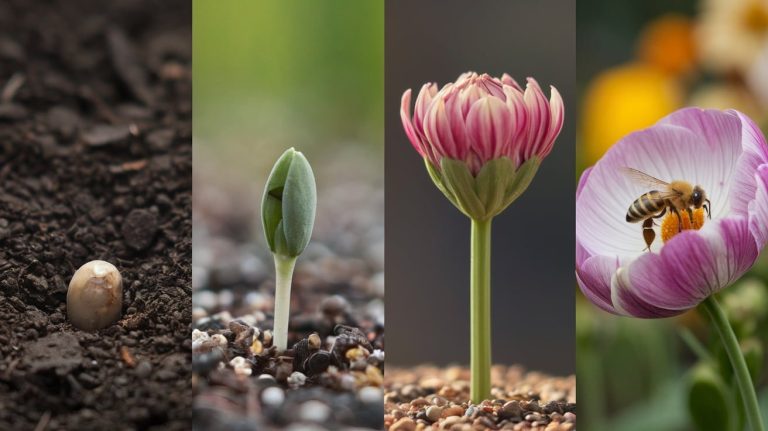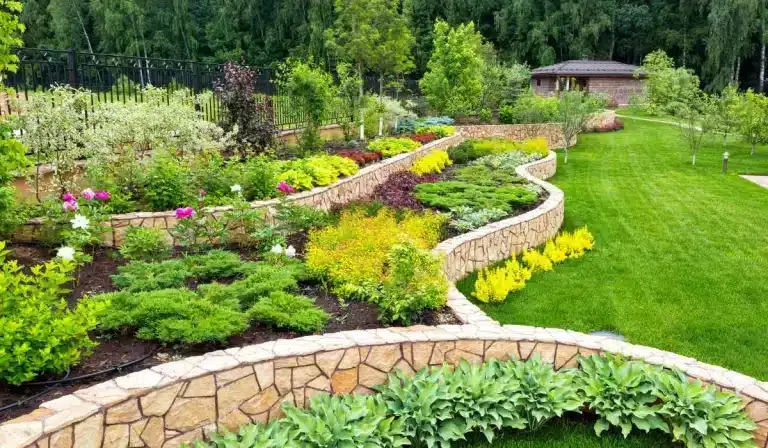

Sustainable gardening opens doors to fresh food production, improved personal wellness, and environmental stewardship—all without the heavy resource demands of conventional methods. This time-tested approach yields nutrient-dense produce while reducing stress and supporting biodiversity, making it perfect for anyone seeking practical, eco-conscious lifestyle changes.
Benefits of Sustainable Gardening for Personal Health
Having the right gardening tools makes all the difference in efficient soil preparation and planting, creating the groundwork for eco-friendly success that serves both you and the planet.
Fresh fruits and vegetables from your own garden pack significantly more nutrients than their store-bought counterparts. Homegrown harvests maintain peak vitamin, mineral, and antioxidant levels that typically fade during commercial shipping and storage. The hands-on nature of planting, weeding, and tending plants offers powerful stress reduction benefits, encouraging mindfulness and mental clarity—even in the smallest spaces.
Picture a simple backyard or balcony garden producing fresh herbs like basil, cilantro, and mint alongside leafy greens such as spinach and lettuce. This straightforward setup provides daily cooking ingredients while establishing a therapeutic routine that reconnects you with nature’s rhythms. The physical work of garden maintenance also supports cardiovascular health and strengthens your immune system.
Key Takeaway: Regular gardening reduces heart disease risk and enhances immunity through both fresh produce consumption and consistent outdoor activity.
Environmental Advantages and Biodiversity Support
Sustainable gardening practices substantially reduce environmental impact by limiting pesticide use, decreasing carbon emissions from food transportation, and preserving water resources. These methods foster healthier ecosystems that welcome beneficial insects, birds, and soil microorganisms—all vital for sustained garden productivity.
Native plants serve as cornerstones of sustainable gardens, bringing natural drought resistance and pest tolerance while nourishing local pollinators like bees and butterflies. These well-adapted species help prevent soil erosion and need minimal care once they’re established. Plants also act as carbon sinks, pulling atmospheric carbon dioxide from the air and improving air quality while strengthening ecosystem resilience against climate changes.
University extension services, including those from the University of Maryland, offer reliable native plant recommendations specific to regional conditions, helping gardeners choose species that will truly thrive in their local environment.
Essential Practices for Building a Sustainable Garden
Soil Health and Organic Amendments
Strong soil serves as the backbone of any successful sustainable garden. Enhancing soil structure through compost additions, mulching, and gentle cultivation helps sequester carbon while building natural fertility. Adding organic matter like biochar or mycorrhizal fungi boosts microbial activity and supports vigorous plant growth through better nutrient absorption.
Creating a compost system with kitchen scraps and yard waste generates free, nutrient-rich fertilizer while cutting household waste. This practical strategy shows how sustainable practices often deliver economic benefits alongside environmental ones.
Water Conservation Techniques
Smart water management protects this vital resource while lowering utility bills. Rainwater harvesting systems, drip irrigation, and drought-resistant plant choices can dramatically reduce water needs and prevent damaging runoff.
Proven water conservation methods include:
– Using mulch to preserve soil moisture
– Clustering plants by their water requirements
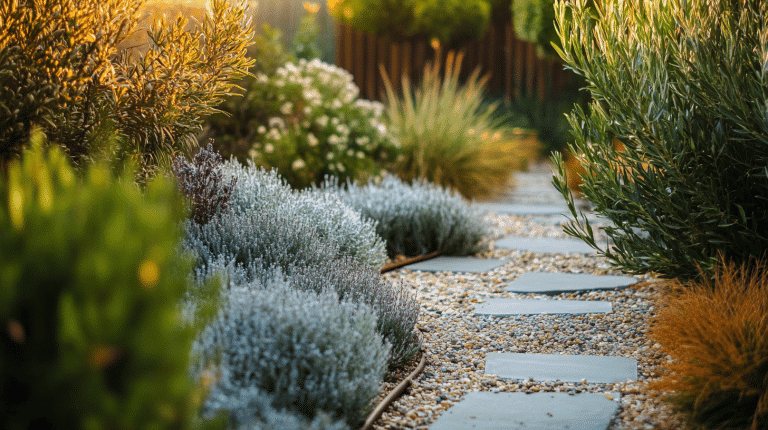
– Swapping traditional lawns for native ground covers
These tested strategies offer long-term savings while protecting soil integrity and creating wildlife habitat.
Plant Selection and Maintenance
Incorporating 70% native plants into your garden design builds resilience against pests, drought, and climate swings while preventing invasive species from disrupting local ecosystems. Native plants’ natural adaptability means less need for fertilizers and pesticides, protecting beneficial wildlife and water quality.
Even modest yards can become pollinator sanctuaries through native perennial plantings, creating meaningful environmental impact while delivering seasonal beauty and easier maintenance.
Overcoming Common Challenges in Sustainable Gardening
Limited space doesn’t have to derail sustainable gardening dreams. Vertical gardening systems and container growing allow urban residents to grow fresh produce in tight quarters. For pest control, attracting beneficial insects through companion planting and diverse plant communities works better than chemical treatments while maintaining ecological harmony.
Key problem-solving strategies include regular soil testing to track pH and nutrient balance, proper plant spacing to ward off disease, and adjusting seasonal timing based on local climate patterns.
Conclusion
Sustainable gardening offers remarkable rewards: health-boosting fresh produce, environmental protection, and ecosystem strength through native plant integration, thoughtful soil care, and smart resource use. Start by evaluating your available space, choosing a few native species suited to your area, and setting up a basic composting system for immediate, lasting results.
Each sustainable garden makes a difference for planetary health while enriching personal well-being, creating positive change one growing season at a time. This empowering practice transforms ordinary spaces into flourishing ecosystems that benefit both human and environmental health for years to come.