
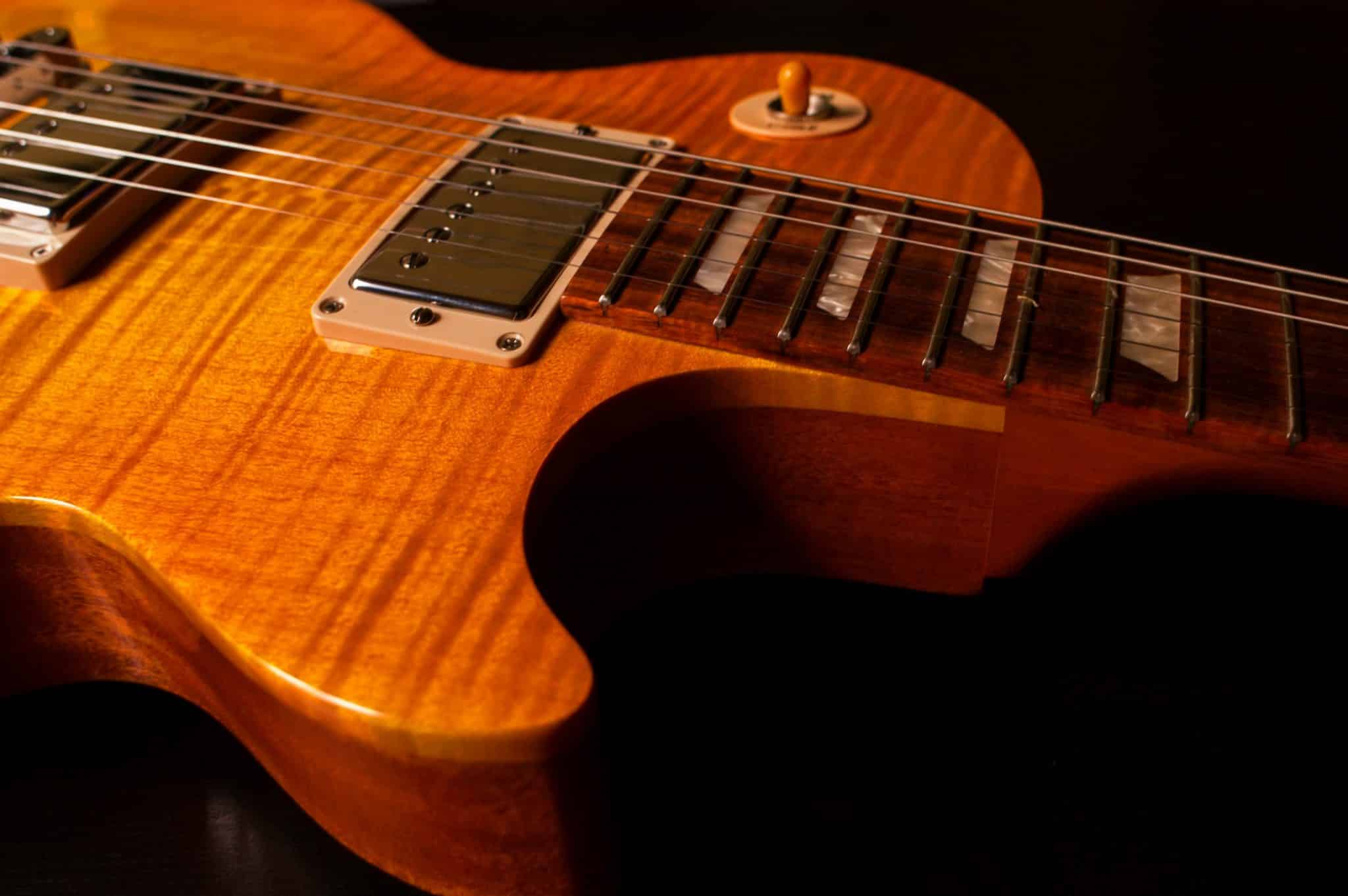
Walk into any rehearsal space or basement studio right now and you’ll notice something funny. The conversation isn’t only about riffs anymore. It’s about hardware. Tiny mechanical parts that most casual listeners never think about are suddenly getting obsessive attention from players who want their instruments to feel and respond exactly the way they imagine. For a long time guitar culture focused almost entirely on amps, pedals, and pickups. Now a different kind of curiosity is spreading among players who want to understand every inch of the instrument they hold.
That shift has created a strange and fascinating niche within guitar culture. Instead of chasing the newest amp or the loudest distortion pedal, many players are opening their guitars up, swapping components, and learning what makes the instrument physically tick. It’s less about collecting gear and more about understanding the mechanics of the instrument itself.
The New Generation Of Gear Nerds
You can see the shift happening in online guitar communities, but it’s even more obvious in real life conversations between players. Instead of asking what amp someone uses, the question might be about bridge design, nut material, or fret wire height. Details that once belonged exclusively to luthiers are now everyday topics among curious musicians.
Part of that curiosity comes from a deeper appreciation for how small adjustments affect the way a guitar feels in the hands. Players who spent years casually strumming are realizing there is an entire mechanical world sitting beneath the strings. That discovery often begins when someone starts playing guitar again after years away and notices something feels slightly off. Maybe the action is higher than remembered or the tuning drifts more than expected. That moment tends to open the door to experimentation.
Once players start exploring the instrument physically, they rarely stop at one adjustment. They begin researching neck relief, saddle height, string gauges, and the dozens of subtle variables that shape the instrument’s response. The process turns the guitar from a mysterious object into something interactive and customizable.
Tone Isn’t Only Electronics
For decades guitar culture trained people to think tone lives almost entirely inside amplifiers and pedals. While those elements matter, seasoned players know the instrument itself plays a much bigger role than most beginners realize.
The wood, the neck profile, and the way the strings interact with the bridge all contribute to the character of the sound. A guitar that resonates naturally tends to inspire different playing than one that feels stiff or unresponsive. When players begin adjusting physical components, they often discover changes that transform the way the instrument reacts to their touch.
A bridge adjustment can alter sustain. A different nut material can sharpen the attack of open chords. Even small setup tweaks can make a guitar feel dramatically easier to play. These discoveries are fueling a wave of curiosity that goes far beyond basic gear collecting.
The Satisfaction Of Mechanical Mastery
There is also a psychological element to the trend. In a world dominated by digital tools, the guitar remains refreshingly mechanical. Every adjustment involves real materials, real tension, and real feedback from the instrument.
Players who learn to maintain their own instruments describe the experience as oddly satisfying. Instead of relying on a shop for every tweak, they begin understanding how the instrument behaves under their hands. The guitar becomes less like a sealed product and more like a living tool.
That mindset mirrors the culture around vintage motorcycles, film cameras, or mechanical watches. People enjoy objects they can understand and maintain themselves. A guitar invites that relationship in a way many modern devices do not.
Why The Smallest Parts Matter
At the center of this hardware curiosity are parts most people never notice. Tuners, saddles, nuts, and bridges all influence stability and feel. One of the most overlooked components sits right on the headstock.
Quality guitar tuning pegs can dramatically affect how stable an instrument feels. Cheap or worn tuners often slip slightly under string tension, forcing players to constantly retune. Upgrading them creates a sense of precision that makes the entire instrument feel more reliable.
Once players experience that difference, the curiosity spreads to other parts of the guitar. Suddenly the instrument becomes a system rather than a collection of unrelated pieces. Each adjustment interacts with the next, creating a chain reaction that shapes the final playing experience.
The Guitar As A Lifelong Project
Perhaps the most interesting part of this niche movement is how it changes the relationship players have with their instruments. Instead of searching endlessly for the next guitar to buy, many musicians are rediscovering the ones they already own.
An older instrument becomes a long term project. Over time the player refines the setup, experiments with small changes, and gradually shapes the guitar into something personal. The process is slow, hands on, and deeply satisfying.
The Instrument That Keeps Teaching
The guitar has always rewarded curiosity, but the modern wave of hardware exploration shows how deep that curiosity can go. Even players who have spent decades around the instrument are discovering details they never noticed before.
That might be the real reason the guitar refuses to fade away. Beneath its familiar shape sits a surprisingly complex machine. The more someone learns about it, the more there is left to explore.