
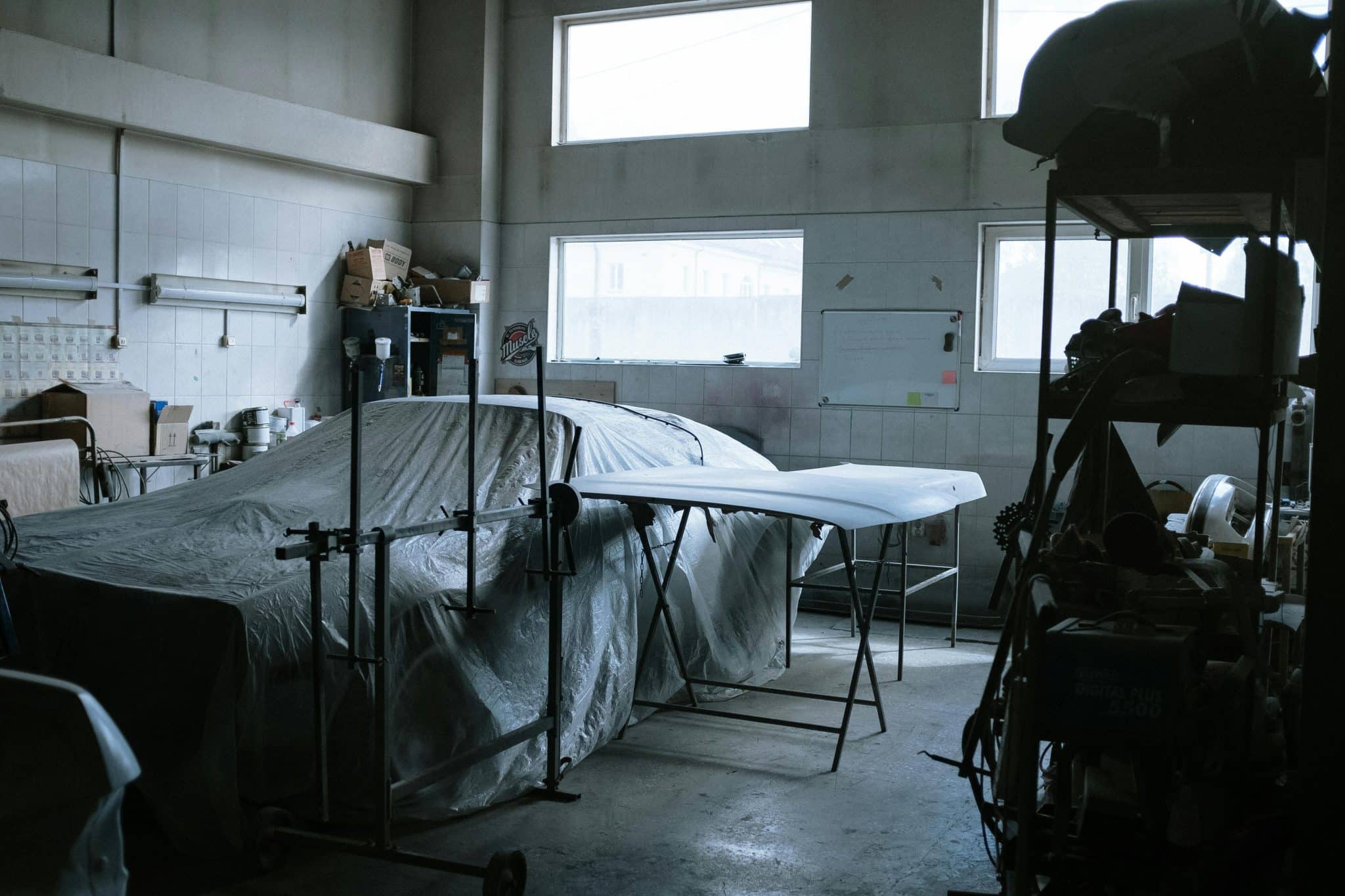
Every garage starts out in the same way. It’s clean, organized, and primed for becoming the useful working space. And then life happens – oil drips from cars, tools are strewn about, dust accumulates, and in no time flat the floor looks horrendous. The garage is that space that no one wants to deal with because what’s the point in cleaning it if it’s going to get just as dirty again?
Yet the reality is, it’s not that garages are geared toward becoming filthy. It’s that most garages are constructed with materials that cannot withstand what occurs inside them. Floors stain. Storage systems collect dust. Surfaces show every little movement. When the structure itself works against keeping it clean, maintenance is exhausting.
A truly low-maintenance garage is one that utilizes materials and systems that work with the intended purpose instead of against it. Keeping a garage perfectly spotless isn’t the goal, but instead, creating a space where normal use and function doesn’t cause permanent damage or require scrubbing up every day.
Start With Floors That Actually Resist Stains
Concrete is the most common garage floor material, and it doesn’t make sense. Concrete is porous – which means spills soak it rather than sit on the surface. Oil and antifreeze and paint – once it enters concrete, it has become permanent. One can scrub and treat and try anything under the sun, but stains aren’t going anywhere.
People try epoxy coating and to some extent, it’s better than bare concrete. But epoxy also peels and chips if not done correctly or applied correctly, and repairs are egregious once they’re damaged. High-end epoxy jobs cost a fortune and DIY cheap epoxy fails in a year or two.
Metal flooring is an entirely different solution. It does not absorb anything, scratches can occur and it can remain without permanent damage, and cleaning is as simple as soap and water. The raised pattern of chequer plate also gives it grip but interestingly enough helps to camouflage minor scratches which would be glaring on a flat surface.
Even better, a metal floor holds up against the spills that garages cause – natural or intentional. Liquids that spill sit on the surface instead of soaking in; dirt doesn’t bond and simple hosing every once in awhile or sweeping can get things to look decent without scrubbing. For a space that requires constant use, 5754 aluminium alloy checker plate is easy to clean and maintain when cleanliness doesn’t matter but more so how it performs in that space.
Storage That Doesn’t Create More Work
Open shelving collects dust. Everything sitting on that surface collects dust. In a matter of weeks, everything needs to be wiped down before it’s even used. This is why many people’s garages become littered with open shelving full of dusty items that nobody ever touches because they need to clean whatever they’re about to grab first.
Closed storage makes more sense for low-maintenance purposes. Cabinets with doors, bins with lids, drawers that close – anything that keeps items contained keeps dust away. While this costs more upfront it saves countless of hours of cleaning down the road.
Mounted systems help reduce maintenance over freestanding as well. When shelves exist off the ground, cleaner becomes easier. One can sweep or hose out the floor without maneuvering around shelf legs or having to move something else on wheels or freestanding. This seemingly small difference makes for frequent enough cleaning of the floors that it actually gets done instead of put off.
Drips and Leaks from Vehicles
Cars drip. Oil, coolant, condensation – something always finds its way to the ground from your vehicle – underneath every vehicle. On concrete, this becomes decoration for life. Even with sealed floors, it’s just a matter of time before repetition causes issues.
Drip trays exist under vehicles so that 90% of leakage never hits the garage floor. Basic plastic trays work well but crack; metal trays work better and can be emptied for a lifetime of re-use. If placed under vehicles with known leak points, 90% of floor staining never happens with little-to-no effort aside from emptying every now and again.
For especially leaky vehicles, absorbent mats provide an additional level of protection. They soak up leaks and can be replaced or thrown out when saturated – it’s cheaper than constantly treating stained floors or refinishing coating damage.
Dust and Dirt Over Time
Garages are dusty areas. Concrete floors create dust. Work produces dust. Dirt gets tracked into the garage from vehicles. To fight against dust is largely useless – the goal is to control it instead of eliminate it.
Sealed walls and ceilings help to prevent dust from settling into crevices; painted drywall or smooth wall panels clean much easier than exposed studs or rough surfaces. While this does not prevent dust from existing, it prevents it from becoming embedded forever.
Floor mats or runners in high-traffic areas catch dirt before it spreads throughout the entire garage; even entry points near doors or pathways between vehicles and workbenches are the catchment areas for most dirt tracking efforts. Containing mess to specific areas means cleaning can be targeted as opposed to needing access to the entire space each time.
Maintenance is also minimal but frequent; a weekly blowout or quick sweep helps keep dust in check before it accumulates in heaps that required serious cleanup at once. Five minutes each week makes more sense than an hour every month.
Work Surface That Can Take Abuse
Wooden work surfaces are beautiful in the beginning but will show every stain, burn mark, and crack over time. Within a few months of actual use they look horrendous even if they’re still operationally sound. But the visual impact drives people bananas so they either stop using their space correctly or spending time trying to restore its appearance.
Metal work surfaces can take a beating without showing anything. The scratches blend into the textured pattern; spills wipe off without showing marks; heat from tools creates no permanent damage. It can show use but it won’t look like junk like wood does after similar treatment.
When serious workshops occur, investing in a usable surface that doesn’t have to be babied makes sense for actual use instead of constant anxiety over potential damage.
Lighting That Does Not Highlight Dirt
It sounds backwards, but lighting matters for perceived cleanliness. Harsh overhead lighting highlights every little bit of dust that’s settled and every little mark that’s on the floor; more muted lighting or directed lighting reduces visibility of faults while keeping operability high.
Task lighting at work areas provides brightness without flooding an entire garage just to show how imperfect cleanliness exists everywhere. It’s not about hiding the mess – it’s about keeping regular operations from looking worse than they actually are.
Control Over Temperature And Moisture
Humidity does a number on garages – condensation creates rust; moisture creates mildew; temperature swings make some materials worse for wear faster than anticipated when conditions aren’t controlled.
Basic ventilation goes a long way here – fans or vents operating once in a while are enough to keep air moving, thus preventing moist buildup and reducing temperature extremes without an elaborate HVAC job taking place.
Dehumidifiers can easily be purchased in especially damp climates – protecting tools and avoiding that musty smell that compounds when things aren’t professional inside limited space is critical – but running one costs resources just like anything else over time.
Changing the Mindset
Low maintenance doesn’t mean no maintenance; it means the maintenance that’s required is reasonable enough that it’s completed without avoidance because it takes too much effort. A garage needing five minutes per week stays usable; a garage needing three hours of constant attention monthly falls into disarray because who has that time?
Selecting appropriate materials and systems constructed based upon realistic use make maintenance easier than if someone attempted to maintain inappropriate materials for a highly-utilized garage.
The space works against purposeful operations – and eventually, the space wins.
Making Things Work Long Term
The goal isn’t to create a showroom space where everything looks perfect but ultimately can’t be used; instead we want to foster a space that’s able to withstand actual function – vehicle storage or parking, project work, storage – without needing constant efforts just to look presentable.
A blend of smart materials, practical storage options, and straightforward systems that prevent problems natural to typical function create garages destined to maintain usefulness year after year for spaces that thrive in usefulness rather than become yet another area within a home where nobody wants to venture.
A truly low-maintenance space should not exude perfection – but instead be functional enough that it doesn’t demand consistent attention just to remain usable – or else people will quickly fall out of love with their space over time as they tire of consistent maintenance frustrations.. When spaces are constructed in such a way they withstand normal functional activities without crumbling apart, maintenance becomes easy instead of cumbersome.