Supporting a loved one through serious health challenges can be emotionally overwhelming and physically demanding. Whether the condition is temporary or long-term, illness often reshapes daily routines, family roles, and emotional dynamics. Family members frequently become caregivers, advocates, and sources of emotional stability, all while navigating their own stress and uncertainty.
Understanding how to provide effective support without losing sight of your own well-being can make a meaningful difference for everyone involved. This post details understanding the emotional impact of illness, communicating with compassion and clarity, and more.
Understanding the Emotional Impact of Illness
Serious health challenges often bring changes that affect the individual and their family. Recognizing these shifts can help family members respond with empathy rather than frustration. Common emotional responses may include:
Fear and anxiety about the future.
Frustration related to physical limitations or pain.
Feelings of grief over lost independence or lifestyle changes.
Mood swings caused by stress, treatment side effects, or fatigue.
Patience, active listening, and emotional validation can help your loved one feel supported during these difficult moments.
Communicating with Compassion and Clarity
Clear, compassionate communication is one of the most valuable forms of support. Ask open-ended questions about how your loved one is feeling and what they need, rather than making assumptions. Some people want to talk openly about their condition, while others prefer to focus on everyday topics to maintain a sense of normalcy.
It’s also important to communicate honestly within the family. Discuss responsibilities, schedules, and boundaries early to prevent misunderstandings and burnout. Regular check-ins can help ensure everyone feels supported and informed as circumstances evolve.
Navigating Medical Information and Appointments
Medical care often involves complex terminology, frequent appointments, and important decisions. Family members can provide critical assistance by helping manage these responsibilities, such as:
Attending appointments to offer support and take notes.
Asking clarifying questions about diagnosis or treatment options.
Organizing medical records, test results, and prescriptions.
Having an extra set of ears and hands can reduce stress and help ensure continuity of care.
Managing Practical and Financial Concerns
Illnesses can disrupt work, income, and daily responsibilities, creating financial and logistical strain. Family support often extends beyond emotional care to practical assistance such as managing household tasks, transportation, or childcare.
In some situations, families may need to explore external resources, including insurance benefits, disability support, or legal guidance related to illness and exposure risks. Consulting professionals such as financial advisors or a trusted lung cancer lawyer when appropriate can help families better understand their options and reduce uncertainty during an already difficult time.
Respecting Independence and Dignity
While the instinct to help is natural, it’s important to respect your loved one’s independence. Overstepping or making decisions without consent can lead to feelings of loss of control or resentment. Whenever possible, involve them in choices about their care, schedule, and daily activities.
Small gestures like asking before assisting or encouraging them to do what they can on their own help preserve dignity. Support should empower, not replace, their sense of self and autonomy.
Caring for the Caregiver
Caregivers often focus so heavily on their loved one that they overlook their own well-being. Over time, this can lead to exhaustion or burnout. To maintain balance, caregivers should consider:
Scheduling regular breaks and personal downtime
Asking other family members or friends for help
Joining support groups or seeking professional counseling
Maintaining healthy routines such as sleep, nutrition, and exercise
Prioritizing self-care enables caregivers to provide more sustainable and compassionate support over time.
Building a Network of Support
No family should face health challenges alone. Building a broader support network can ease pressure and provide diverse forms of help. This may include extended family, friends, community organizations, healthcare professionals, or faith-based groups.
Delegating tasks, such as meal preparation, errands, or companionship, allows everyone to contribute in manageable ways. A shared approach reduces individual stress and fosters a sense of collective care and resilience.
Adapting to Change Over Time
Health journeys are rarely linear. Needs, emotions, and abilities may change over time, requiring families to adapt continually. What worked early on may need adjustment later, and flexibility is key.
Regular reassessing roles, expectations, and support strategies helps families respond proactively rather than reactively. Staying open to change and to ongoing learning can make the journey more manageable and compassionate for everyone involved.
Encouraging Hope and Maintaining a Sense of Normalcy
While medical treatments and caregiving responsibilities often take center stage, maintaining a sense of normalcy can greatly improve emotional well-being. Simple, familiar routines, such as shared meals, light hobbies, or watching favorite shows together, help remind your loved one that they are more than their diagnosis.
Celebrating small milestones, setting short-term goals, and finding moments of joy can foster hope even during challenging periods. By balancing care with everyday life, family members can help create an environment that feels supportive, stable, and emotionally grounding.
Final Thoughts
Supporting a loved one through health challenges is a profound act of care that requires empathy, patience, and resilience. By understanding emotional needs, communicating effectively, seeking appropriate resources, and caring for yourself along the way, you can provide meaningful support without becoming overwhelmed.
While the path may be difficult, shared understanding and thoughtful support can strengthen family bonds and help everyone navigate the journey with greater confidence and compassion.
Pull-up assist bands have revolutionized the way fitness enthusiasts approach their workout routines, especially when it comes to mastering pull-ups. Whether you’re a newbie or a seasoned athlete, these bands can be a game-changer. They offer the necessary support to help you perform pull-ups with correct form, build muscle strength, and gradually reduce reliance until you can perform an unassisted pull-up. The thicker the band, the more assistance it provides, making it easier to lift your body weight. This allows users to focus on the pull-up motion without straining too much, which can prevent injuries and enhance muscle engagement.
Resistance Levels in Pull Up Bands
Understanding resistance levels is fundamental when selecting bands for assisted pull-ups. Resistance levels typically range from light to heavy, and each level caters to different fitness needs and goals. The lightest bands are ideal for beginners who need the most assistance, while heavier bands are suited for advanced users looking to enhance their strength training.
Light Resistance Bands: These bands offer minimal assistance and are perfect for those who are just starting. They allow beginners to perform pull-ups with ease, helping them build the necessary upper body strength gradually without overwhelming the muscles.
Medium Resistance Bands: As you progress, medium resistance bands become more suitable. They offer a moderate level of assistance, allowing intermediate users to challenge themselves while still benefiting from some support. This level is ideal for those who have mastered the basics and are looking to enhance their endurance and strength.
Heavy Resistance Bands: For advanced users, bands with heavy resistance provide the least assistance. These are designed for individuals who are close to achieving unassisted pull-ups but still need a slight boost. Heavy bands are also beneficial for adding extra resistance in other exercises, enhancing overall muscle development.
Selecting the right resistance level is critical as it directly impacts your workout effectiveness and progress. Consider your current fitness level, strength, and goals when choosing a band. This ensures you’re neither overcompensating nor under-challenging your muscles.
Best Pull Up Assist Bands for Beginners
When you’re just starting your pull-up journey, the best pull-up assist bands are those that offer significant support while allowing you to focus on technique and muscle engagement. Here are some top recommendations for beginners:
Fit Simplify Resistance Loop Bands: Known for their durability and comfort, these bands provide excellent assistance for newcomers. With a range of resistance levels, they help gradually build strength and improve posture during pull-ups.
WOD Nation Pull Up Assistance Bands: These bands are popular among beginners due to their versatility and range of resistance levels. They are crafted from high-quality latex, ensuring long-lasting performance and effective support for those starting their pull-up routines.
Serious Steel Assisted Pull-Up Bands: Offering a comprehensive set of resistance levels, these bands are perfect for beginners seeking guidance and support. Their robust design ensures stability and safety during workouts, making them a reliable choice.
For beginners, it’s essential to focus on consistency and form. Using the right band can prevent strain and facilitate proper muscle activation, which is fundamental in developing the necessary strength for unassisted pull-ups. Incorporate these bands into your routine, and you’ll notice significant improvements in your pull-up performance over time.
Intermediate Resistance Bands for Assisted Pull-Ups
As you advance from a beginner to an intermediate level, your needs change, and so should your choice of resistance bands. Intermediate bands offer a moderate level of assistance that allows you to challenge your muscles further while still providing the necessary support.
Rogue Monster Bands: Known for their quality and effectiveness, these bands are perfect for intermediate users. They offer a balanced level of resistance that helps in enhancing endurance and strength without overwhelming the muscles.
Protone Heavy Duty Resistance Bands: These bands cater to intermediate users looking to push their limits. Offering a variety of resistance levels, they are ideal for those who have outgrown beginner bands and are ready for more challenging workouts.
Lifeline USA Pull Up Revolution Pro: This system includes adjustable bands that allow you to tailor the resistance to your exact needs, perfect for the intermediate user. It offers a unique approach to assisted pull-ups by providing progressive resistance and enabling incremental strength gain.
Intermediate users should aim to gradually reduce the band assistance as their strength improves. This transition phase is crucial for building the confidence and capability needed for unassisted pull-ups. Incorporate these bands into your routine to continue progressing and achieving new fitness milestones.
Advanced Pull Up Bands for Experienced Users
For those who have crossed the intermediate threshold and are venturing into advanced territory, the selection of pull-up assist bands becomes more strategic. At this level, the focus shifts towards enhancing muscle endurance and maximizing strength gains.
Iron Core Fitness Bands: These bands are designed for advanced users looking to fine-tune their pull-up technique and build muscle definition. With minimal assistance, they offer just enough support to help users execute clean and efficient pull-ups.
Bodylastics Resistance Bands: Known for their versatility, these bands are ideal for advanced users aiming to diversify their workout routines. They offer the least resistance, encouraging users to push their limits and strive for unassisted pull-ups.
Rogue Echo Bands: Offering premium quality and durability, these bands are built for high-performance workouts. They are perfect for experienced users who require minimal assistance and are focused on refining their pull-up skills.
Advanced users should aim to use bands that provide barely any assistance, as this encourages the muscles to work harder and adapt. The ultimate goal is to transition to unassisted pull-ups while using bands to enhance other aspects of your training regimen. Whether you’re building muscle mass or improving endurance, selecting the right band is key to achieving your fitness aspirations.
How to Choose the Right Pull-Up Assist Band
Selecting the right pull-up assist band is crucial to achieving your fitness goals and ensuring safe and effective workouts. Several factors should be considered to make an informed decision:
Fitness Level: Determine your current fitness level—beginner, intermediate, or advanced—to select a band with the appropriate resistance. Beginners benefit from more assistance, while advanced users require minimal support.
Goals: Identify your fitness objectives. Are you aiming to build strength, increase endurance, or perfect your pull-up technique? Your goals will influence the type of band you choose.
Band Material: Consider the material and durability of the bands. High-quality latex bands are preferred for their elasticity and longevity, while fabric bands offer comfort and skin-friendliness.
Versatility: Bands that can be used for multiple exercises improve adherence and training consistency. Research shows that varied resistance training programs are associated with better long-term compliance and strength outcomes.
Brand Reputation: Opt for reputable brands known for producing reliable and durable fitness equipment. Customer reviews and expert recommendations can guide you in making the right choice.
Choosing the right pull-up assist band is a personal decision that depends on your unique fitness journey. Taking the time to evaluate your needs and preferences ensures you select a band that complements your workout routine and supports your progression towards unassisted pull-ups.
Finding the Right Band for Your Fitness Journey
Incorporating the right pull-up assist band into your workout routine is a strategic step towards achieving your fitness goals. From beginners to advanced users, these bands offer varying levels of assistance tailored to your needs, ensuring you build strength, enhance endurance, and refine your pull-up technique. As you embark on your fitness journey, remember that consistency and dedication are key. Regularly challenge yourself by adjusting the resistance levels and exploring different exercises to maximize the benefits of your pull-up assist bands. Whether you aim to conquer your first unassisted pull-up or enhance your existing skills, the right band can make all the difference.
Attics often go unnoticed, yet they influence how a home feels, smells, and functions. Dust, pests, and old insulation can quietly harm air quality and comfort. Deep attic cleaning and sanitation help create a cleaner, safer home environment that supports healthy living and lower energy use.
In places with humid climates like Houston, keeping the attic clean offers lasting protection against moisture, heat, and unwanted pests. A professional cleaning process refreshes the entire space, preparing it to support better airflow and insulation performance throughout the year. This article explains how deep attic cleaning delivers practical benefits for any household.
Enhances indoor air quality by removing dust and allergens
Attics often collect dust, insulation fibers, pollen, and other debris that can spread through the house. Over time, this buildup can lower air quality and cause irritation for those with allergies or breathing issues. Regular deep cleaning helps remove these hidden contaminants before they travel through air ducts.
Professional attic deep-cleaning solutions in Houston can clear away thick layers of dust and reduce allergens that collect on insulation and framing. This process can also remove mold spores or pests that affect air circulation and cause unpleasant odors. By using safe cleaning products and proper sanitation methods, the air inside the home can become noticeably cleaner.
A well-sanitized attic can support better airflow throughout the HVAC system. Clean ducts and attic areas allow the system to run more smoothly and circulate fresher air. Homeowners who schedule attic cleaning often notice less dust settling on furniture and a more comfortable living environment.
Improves energy efficiency through clean, functional insulation
A clean attic allows insulation to work at its best. Dust, debris, and pest waste can block airflow and trap moisture, which weakens insulation and reduces its ability to control temperature. Proper cleaning removes these barriers so the insulation can keep heat inside during winter and release it during summer.
Houston’s warm climate makes attic performance especially important. Any loss in insulation efficiency forces heating and cooling systems to work harder, which raises energy bills. A clear and dry attic space supports consistent indoor temperatures and helps maintain comfort throughout the year.
Regular sanitation also prevents mold or bacteria from forming within insulation materials. These issues can damage insulation fibers and lower air quality. By keeping insulation clean and functional, homeowners reduce strain on HVAC systems, save money on utilities, and improve overall energy efficiency in their homes.
Prevents pest infestations and related damage
A dusty or cluttered attic often attracts rodents and insects that search for hidden spaces to nest. These pests chew wires, tear insulation, and leave droppings that spread unpleasant odors. A deep cleaning removes materials that can draw them in, such as food scraps, paper, or fabric waste.
After a detailed sanitation process, fewer scents and debris remain to attract pests again. It also becomes easier to notice small gaps or cracks that serve as entry points. Sealing these openings helps stop further intrusions and protects stored belongings from contamination or damage.
Regular attic maintenance in Houston homes limits long-term repair costs. It also protects insulation performance by preventing rodents from burrowing into it. As a result, homeowners maintain a cleaner, safer, and more energy-efficient space above their living areas.
Reduces risk of mold growth in damp attic spaces
Deep attic cleaning and sanitation help control the moisture that mold needs to grow. Dust, dirt, and old insulation can trap damp air and create spots where mold takes hold. Removing this buildup allows air to move more freely and keeps surfaces dry.
Professional sanitation also removes spores already present on wood or insulation. This step greatly lowers the chance of mold returning after humidity levels rise. Clean surfaces make it easier to spot leaks or condensation that might otherwise go unnoticed.
Improved airflow plays a key role in prevention. A clean attic allows vents and fans to work as intended, moving out warm, moist air. As a result, the space stays balanced and less prone to hidden dampness.
Regular deep cleaning supports long-term protection by keeping insulation dry and intact. Over time, this helps maintain better indoor air quality and guards the home against costly repairs from mold damage.
Maintains structural integrity by clearing debris and moisture
Deep attic cleaning keeps a home strong by removing dust, dirt, and clutter that can hold moisture. Over time, trapped moisture damages wood, weakens insulation, and invites mold growth. Regular sanitation reduces these risks and helps a house remain stable.
Moisture often builds up through roof leaks or poor ventilation. Once present, it can warp beams and cause small cracks that grow larger. By clearing debris, homeowners allow air to move freely and keep materials dry.
Each cleaning session gives a chance to check for signs of leaks, rot, or pest nests. Detecting these issues early prevents costly repairs later. In addition, removing old materials and damp insulation improves air flow and temperature control, which supports the attic’s strength.
In a humid city like Houston, this upkeep matters even more. High humidity encourages mold and structural decay. Regular cleaning and sanitation protect the property from this damage and extend the building’s life.
Conclusion
Deep attic cleaning and sanitation provide real value for Houston homeowners who want a cleaner, safer, and more efficient home. Regular cleaning helps stop dust, mold, and pest issues before they grow, which protects both the structure and air quality inside the house.
Homeowners also benefit from improved insulation performance and lower energy costs. A clean attic allows air to move freely through ducts, which reduces strain on heating and cooling systems.
Professional cleaning and sanitation also create a healthier environment by removing allergens and waste that can circulate through vents. As a result, families breathe cleaner air and experience fewer odors.
Key Takeaway:
Benefit
Impact
Cleaner air
Fewer allergens and pollutants
Better insulation
Lower utility costs
Pest prevention
Less damage and odor
Safer home
Reduced mold and contamination risks
Regular attention to the attic supports overall home comfort and safety. By keeping this space clean and well-maintained, homeowners can protect their health, preserve their investment, and extend the life of their property systems.
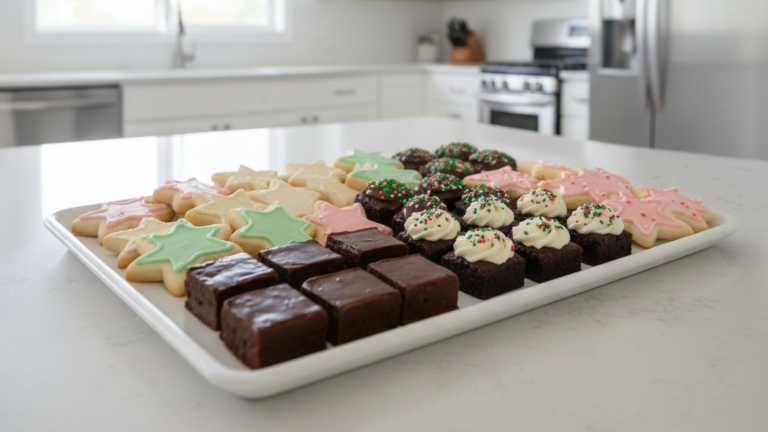
Simple and easy Christmas desserts make the holidays feel sweeter without taking hours in the kitchen. These recipes use everyday ingredients, come together quickly, and still look festive and fun on the table.
You don’t need special tools or expert baking skills, just a few simple steps and a little creativity.
These desserts are great for holiday parties, family gatherings, gift boxes, or cozy nights at home. They help keep the season stress-free while still giving you something homemade and delicious to share.
With just a bit of mixing and decorating, you can enjoy treats that feel cheerful, comforting, and perfect for the Christmas season.
Why Simple Christmas Desserts Work So Well
Simple Christmas desserts are loved because they fit perfectly into busy holiday life. December is full of events, errands, and family time, so quick recipes make things easier without losing any of the fun.
A dessert that takes only a few steps means less stress, fewer dishes, and more time to enjoy the moments that matter. These easy treats also let everyone join in. Kids can help decorate, mix, or sprinkle toppings without feeling overwhelmed.
Even beginner bakers can make something tasty and festive with confidence. Plus, simple recipes are easy to customize, add a new topping, switch a flavor, or try a different shape, and suddenly you have something unique.
Most of all, simple desserts bring comfort. They’re warm, familiar, and full of holiday cheer, making them the perfect ending to a cozy dinner, a party plate, or a quiet movie night by the tree.
Simple Christmas Desserts Anyone Can Make
Simple Christmas desserts are perfect when you want something delicious without spending hours in the kitchen.
They come together quickly, use basic ingredients, and still bring all the cozy holiday flavors you love.
Each dessert here is beginner-friendly, fun to make, and great for parties, gift boxes, or family nights at home.
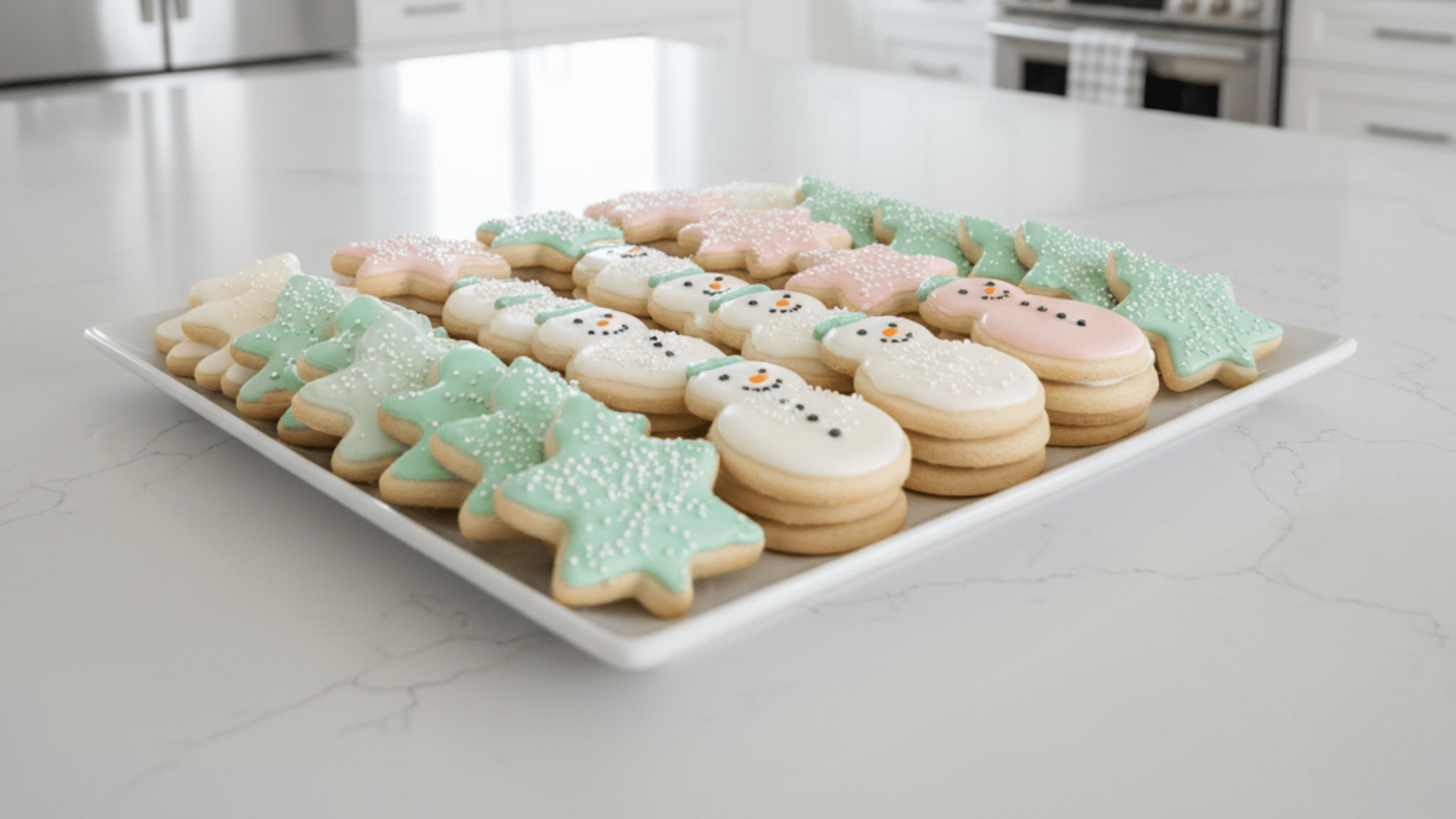
1. Christmas Sugar Cookies
These cookies are soft, buttery, and perfect for decorating with icing and sprinkles. The no-chill dough means you can go straight from mixing to cutting shapes, which saves a lot of time.
They hold their shape well in the oven, so stars, trees, and snowflakes look clean and sharp. The cookies stay soft for days, making them great for gifting or cookie exchanges.
Kids love helping with the decorating, so this dessert doubles as a fun holiday activity too.
Ingredients: Flour, sugar, butter, egg, vanilla, baking powder, salt
Recipe:
Cream softened butter and sugar together until light and fluffy.
Mix in the egg and vanilla until smooth.
In a separate bowl, whisk flour, baking powder, and salt.
Add dry ingredients to wet ingredients in small portions to form a soft dough.
Roll dough on a lightly floured surface and cut into Christmas shapes.
Place on a baking sheet and bake at 350°F for 8–10 minutes.
Cool completely before decorating with icing or sprinkles.
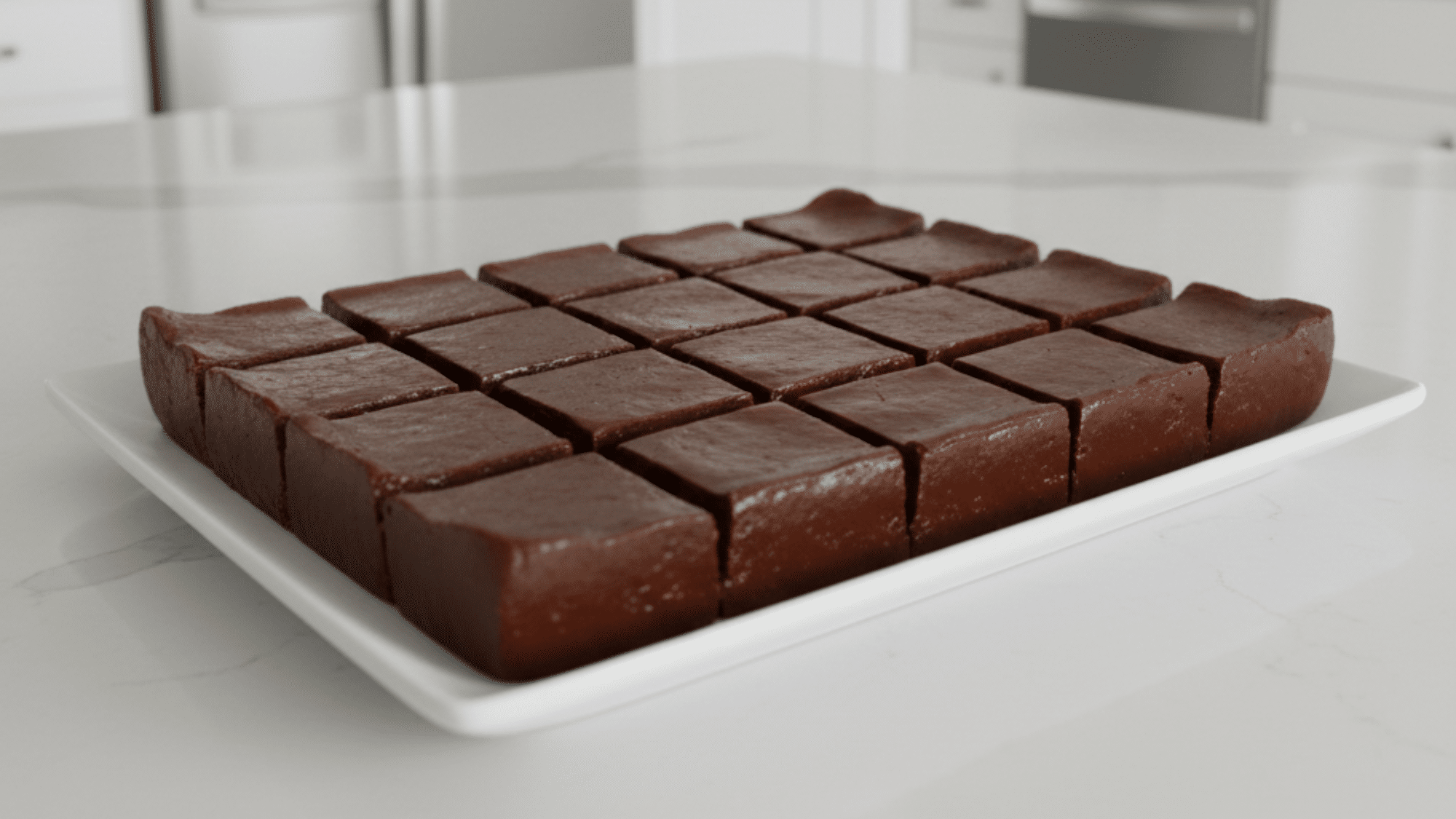
2. Easy Chocolate Fudge
This fudge is rich, smooth, and melts in your mouth with every bite. It takes only a few minutes to prepare because everything melts together in one pot. Once it chills, it cuts cleanly into perfect squares that look great on dessert platters.
You can also customize it by adding nuts, caramel swirls, pretzels, or dried fruit. It keeps well in the fridge for days, making it an ideal make-ahead treat for busy weeks.
Ingredients: Chocolate chips, condensed milk, butter, salt
Recipe:
Add chocolate chips, sweetened condensed milk, butter, and salt to a saucepan.
Heat on low, stirring until everything is melted and smooth.
Line a small pan with parchment paper and pour the mixture in.
Smooth the top with a spatula to create an even surface.
Refrigerate for 2–3 hours until firm.
Lift out the fudge and cut into squares with a sharp knife.
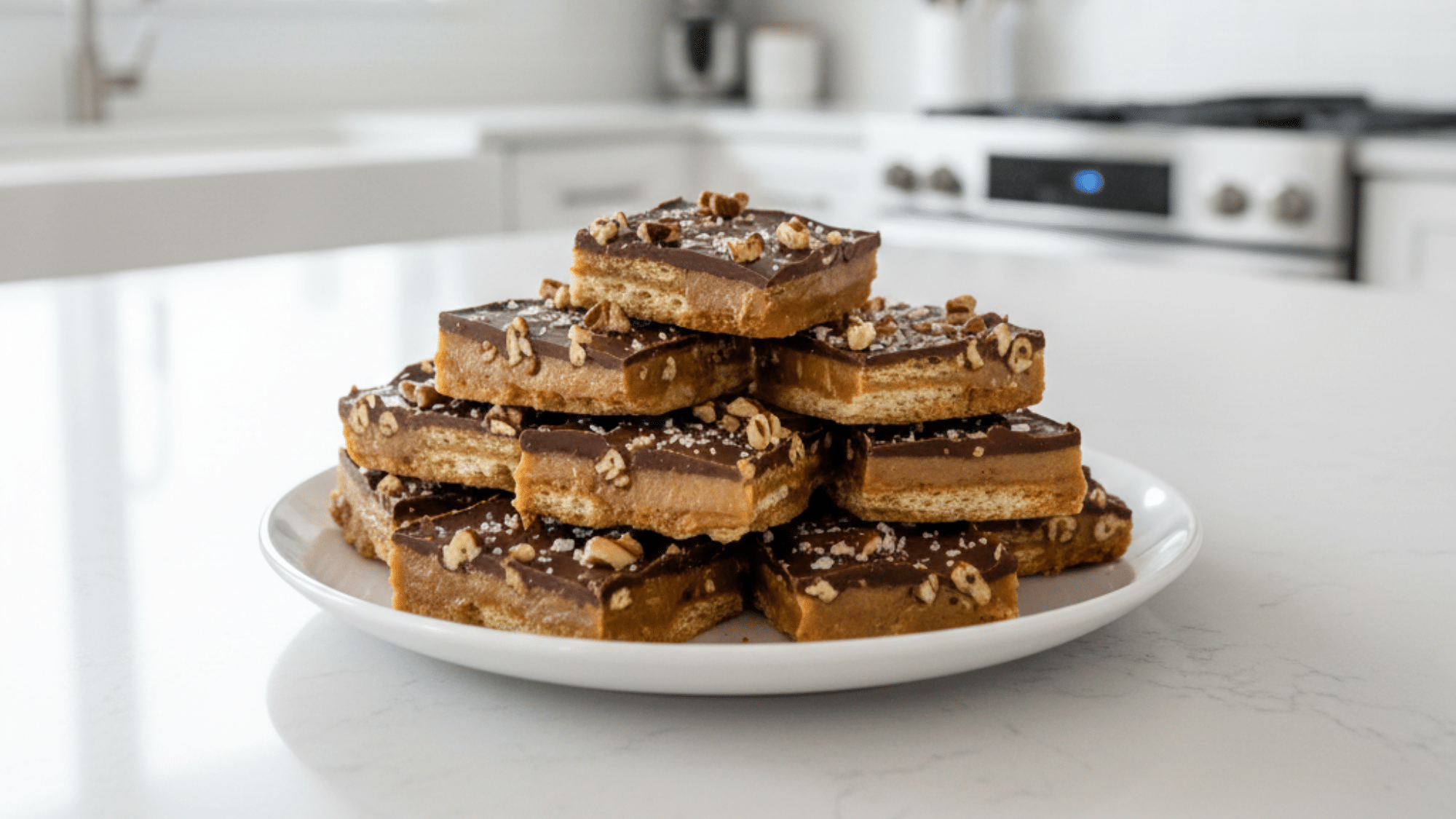
3. Christmas Crack
This dessert has the perfect mix of salty, sweet, crunchy, and chocolatey all in one bite. The toffee bubbles into the crackers, giving them a candy-like texture that breaks apart beautifully. It’s extremely addictive and always disappears fast at parties.
You can top it with nuts, sprinkles, crushed candy canes, or drizzle white chocolate for extra color. It stores well in the fridge or freezer, so you can make big batches for gifting.
Ingredients: Crackers, butter, brown sugar, chocolate chips, toppings
Recipe:
Line a baking sheet with foil or parchment and cover it with saltine crackers.
Melt butter and brown sugar over medium heat until bubbling and thick.
Pour the hot toffee over the crackers and spread quickly with a spatula.
Bake at 350°F for 8–10 minutes until the toffee is bubbling all over.
Sprinkle chocolate chips on top and let them melt for 2 minutes.
Spread the chocolate evenly, add toppings, and chill until firm.
Break into uneven “crack” pieces once fully cooled.
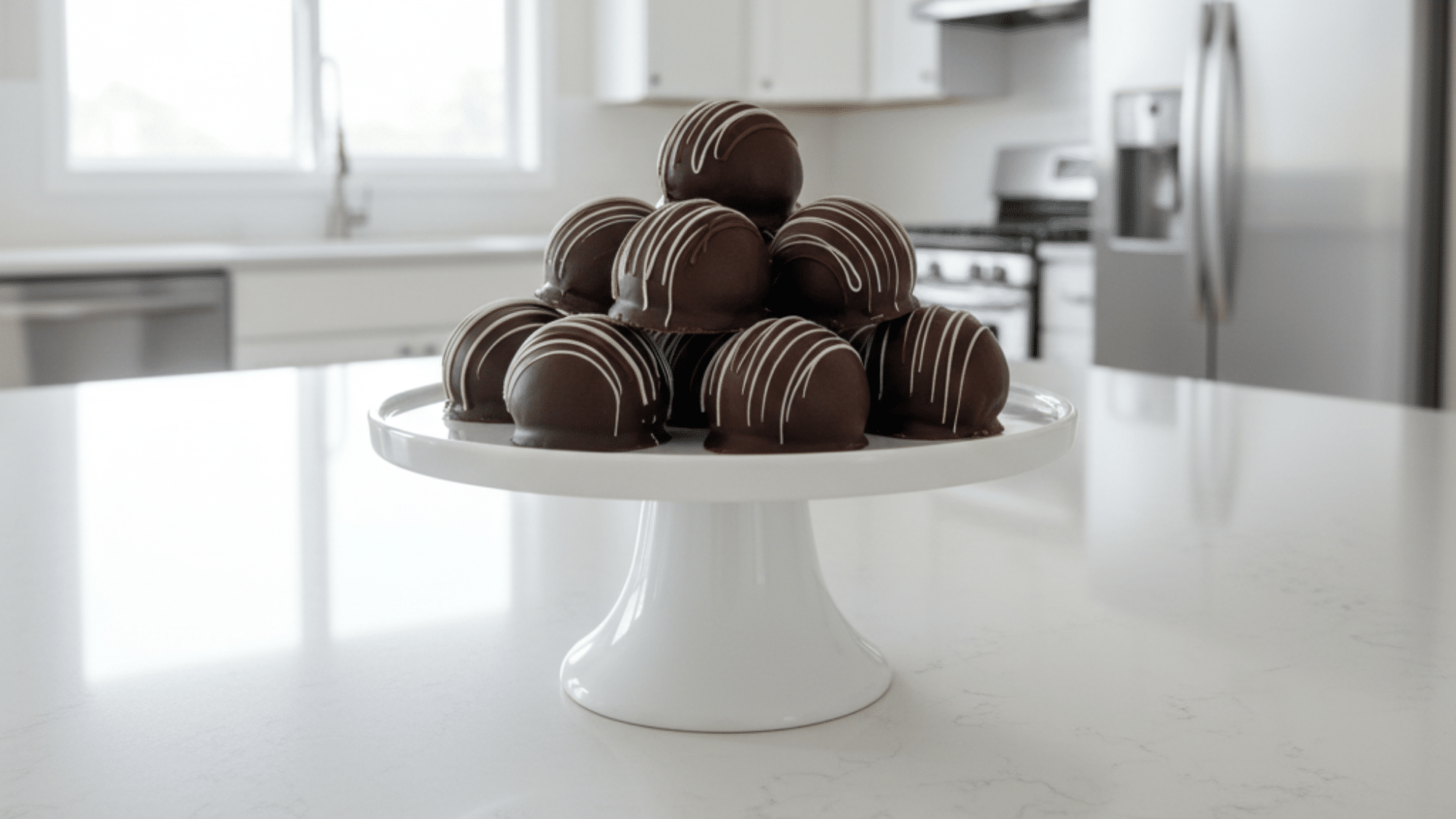
4. Oreo Truffles
Oreo truffles taste like cookies-and-cream cheesecake wrapped in a smooth chocolate shell. They require no baking at all, and the dough only needs two ingredients before dipping.
These little treats look elegant on dessert plates, even though they’re so easy to make. You can decorate them with drizzle, crushed candy canes, or colored sprinkles for a festive touch.
They freeze well too, so you can prepare them early and save them for later.
Ingredients: Oreos, cream cheese, and chocolate
Recipe:
Crush Oreos into very fine crumbs using a blender or rolling pin.
Mix crumbs with softened cream cheese until smooth and dough-like.
Roll mixture into small balls and place on a parchment-lined tray.
Freeze for 10–15 minutes to firm up.
Dip each ball into melted chocolate and place back on parchment.
Chill until the chocolate coating is fully set.
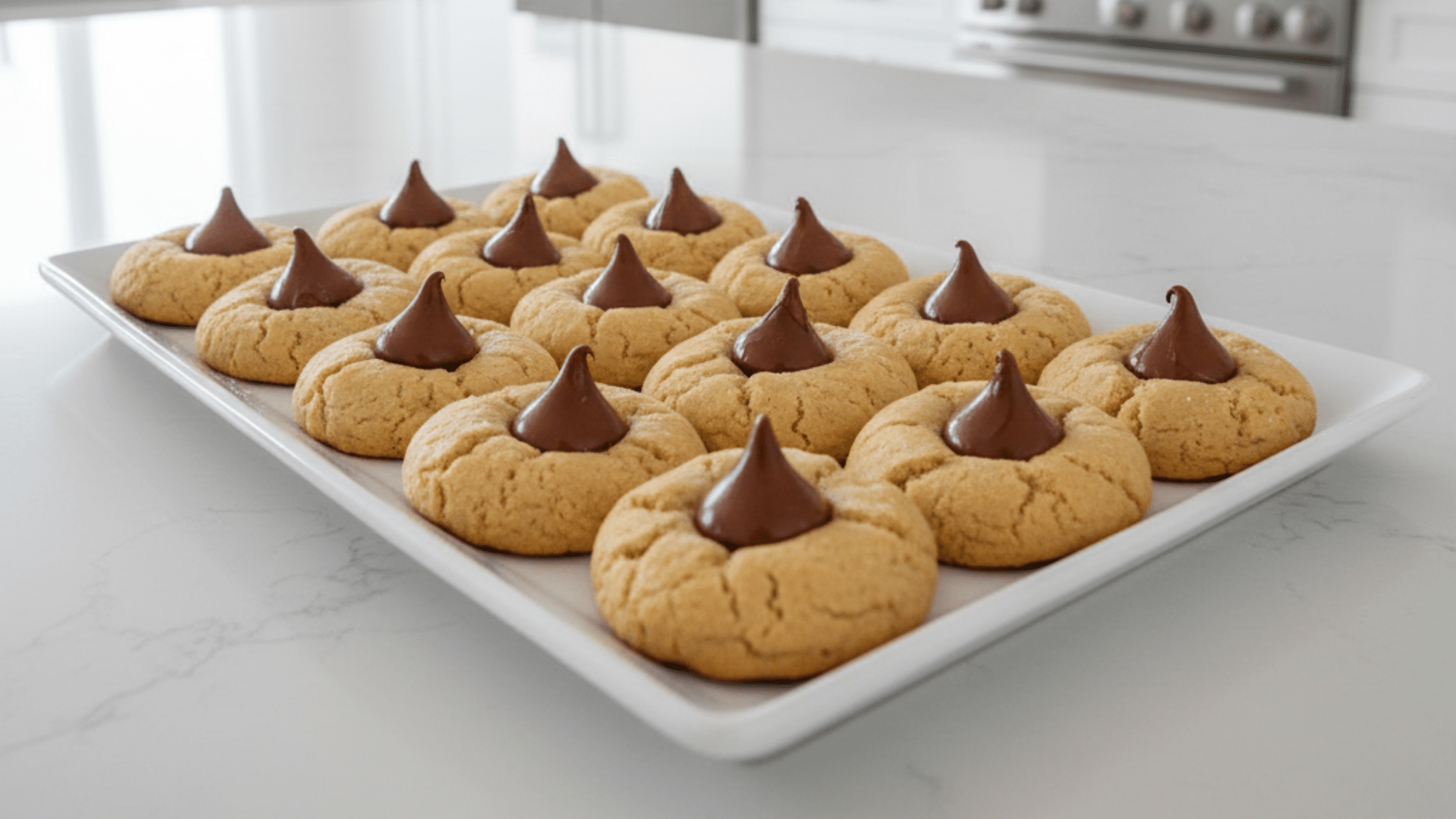
5. Peanut Butter Blossoms
These soft, chewy peanut butter cookies are topped with a chocolate kiss while they’re still warm, which melts slightly and sticks perfectly. The combination of salty peanut butter and sweet chocolate is a holiday classic.
They stay soft for days and pack well into cookie tins or treat bags. Kids love pressing the chocolate kisses on top, making it a fun family baking moment.
This recipe is also naturally simple because it requires only a few ingredients.
Mix peanut butter, sugar, egg, and baking soda in a bowl.
Stir until a smooth dough forms.
Roll dough into small balls and place on a baking sheet.
Bake at 350°F for 10 minutes until just golden.
Immediately press a chocolate kiss into the center of each cookie.
Allow cookies to cool so the chocolate sets properly.
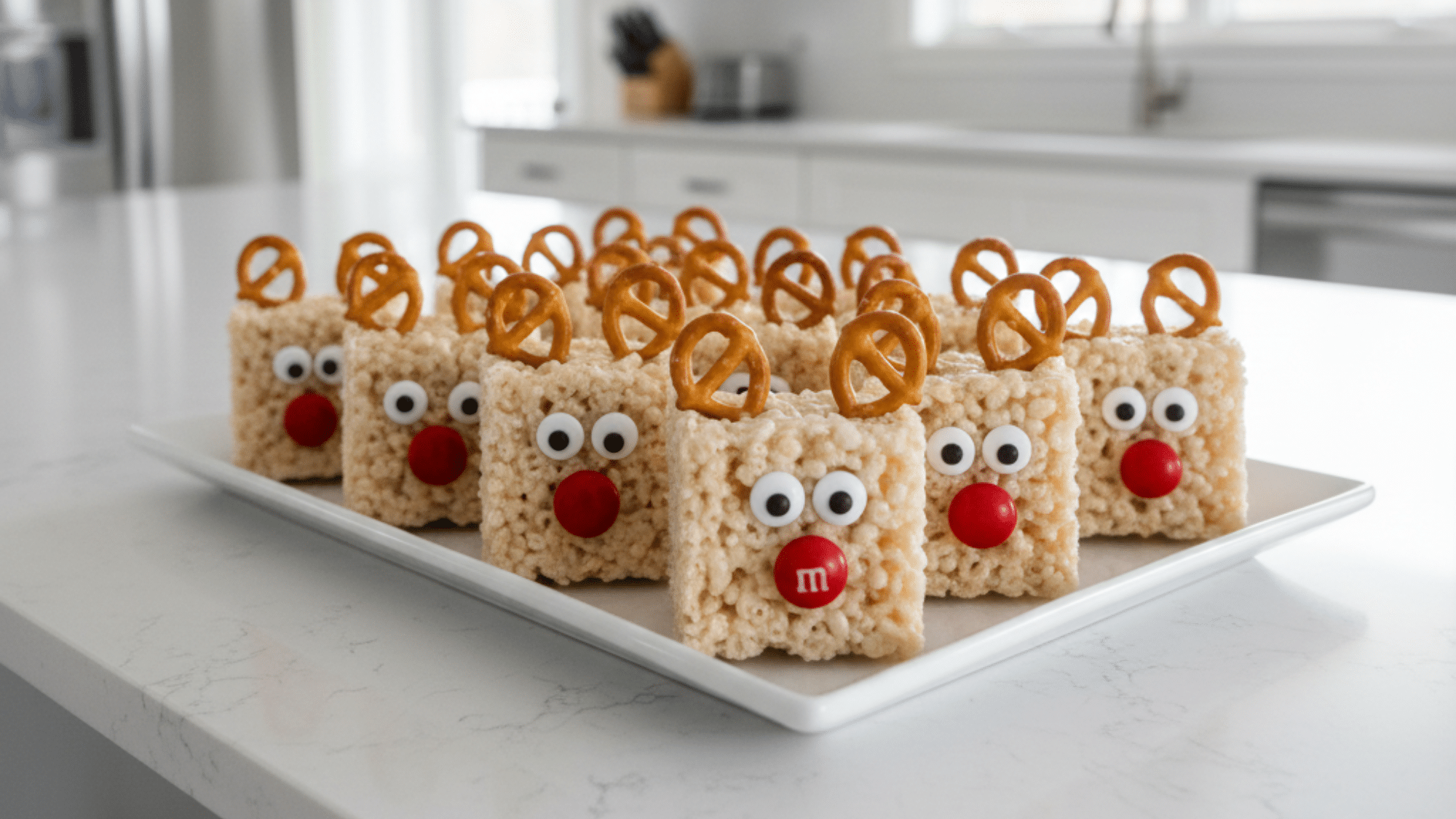
6. Reindeer Rice Krispie Treats
These treats turn the classic Rice Krispies square into adorable reindeer using pretzel antlers and candy noses. They have that light, gooey texture kids love and come together quickly on the stovetop.
You can make a large batch in minutes, which is great for school parties or gift plates. The decorating part is fun and easy, so kids can help bring the reindeer “faces” to life. Plus, they stay fresh for days, making them perfect for make-ahead holiday events.
Melt butter and marshmallows in a large pot, stirring constantly.
Add Rice Krispies and mix until fully coated.
Press the mixture into a greased pan and let it cool slightly.
Cut into squares and press pretzels on top as antlers.
Add chocolate dots or candies for the eyes and nose.
Let them set for 10–15 minutes before serving.
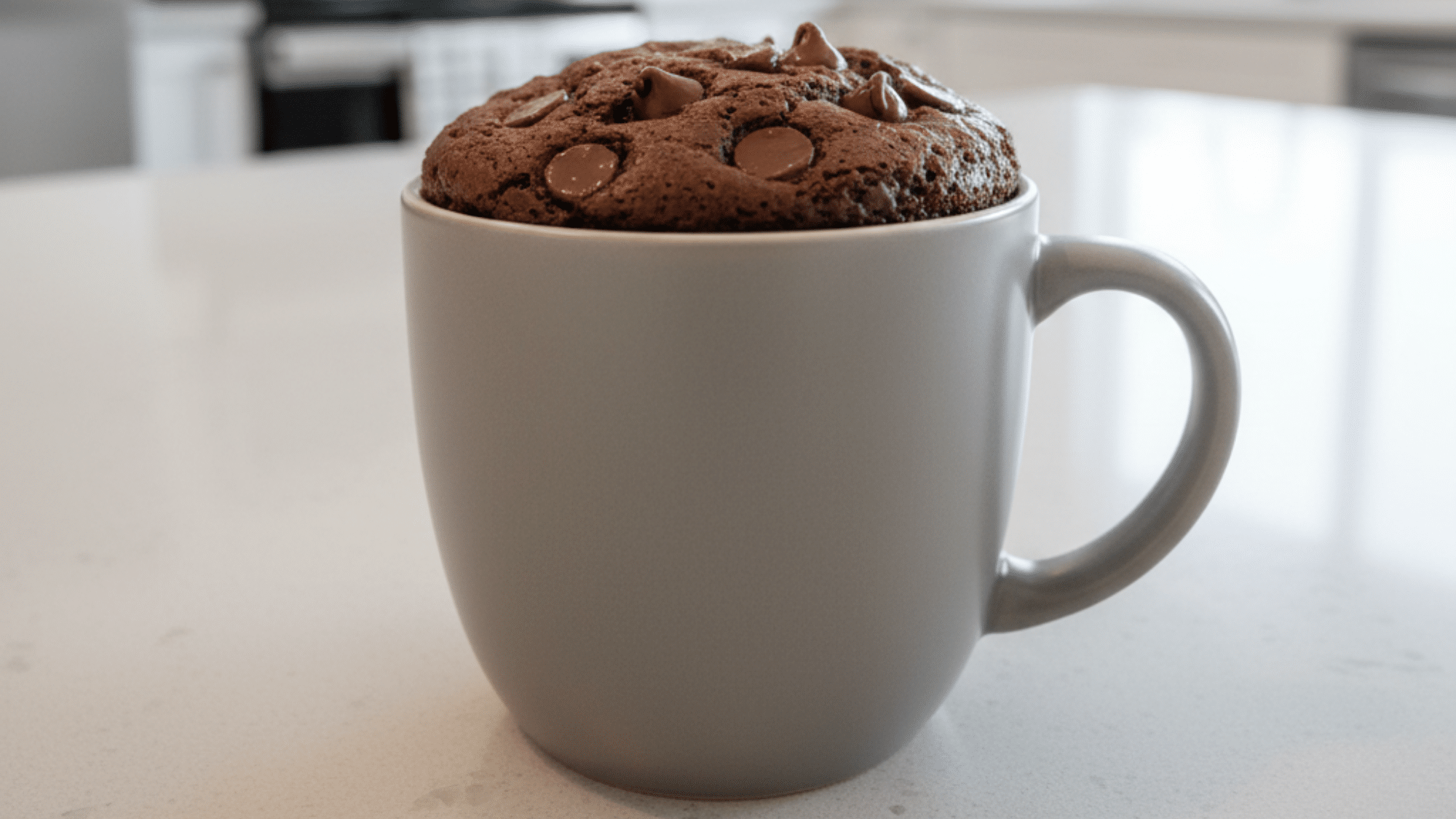
7. Microwave Mug Brownie
This mug brownie is warm, gooey, and ready in less than 2 minutes. It’s perfect for nights when you want a dessert without baking a whole pan. You mix everything right in the mug, so there’s barely any cleanup.
You can add chocolate chips, crushed candy canes, or a scoop of ice cream to make it extra special. It’s great for teens, kids, and anyone who wants a quick, cozy dessert on cold winter evenings.
Ingredients: Flour, sugar, cocoa, oil, milk, vanilla, salt
Recipe:
Add flour, sugar, cocoa powder, milk, oil, vanilla, and a pinch of salt to a mug.
Stir until the batter is completely smooth with no lumps.
Microwave for 60–90 seconds, watching so it doesn’t overflow.
Let it cool for 1 minute (it will be hot!).
Add whipped cream or ice cream if you want a richer dessert.
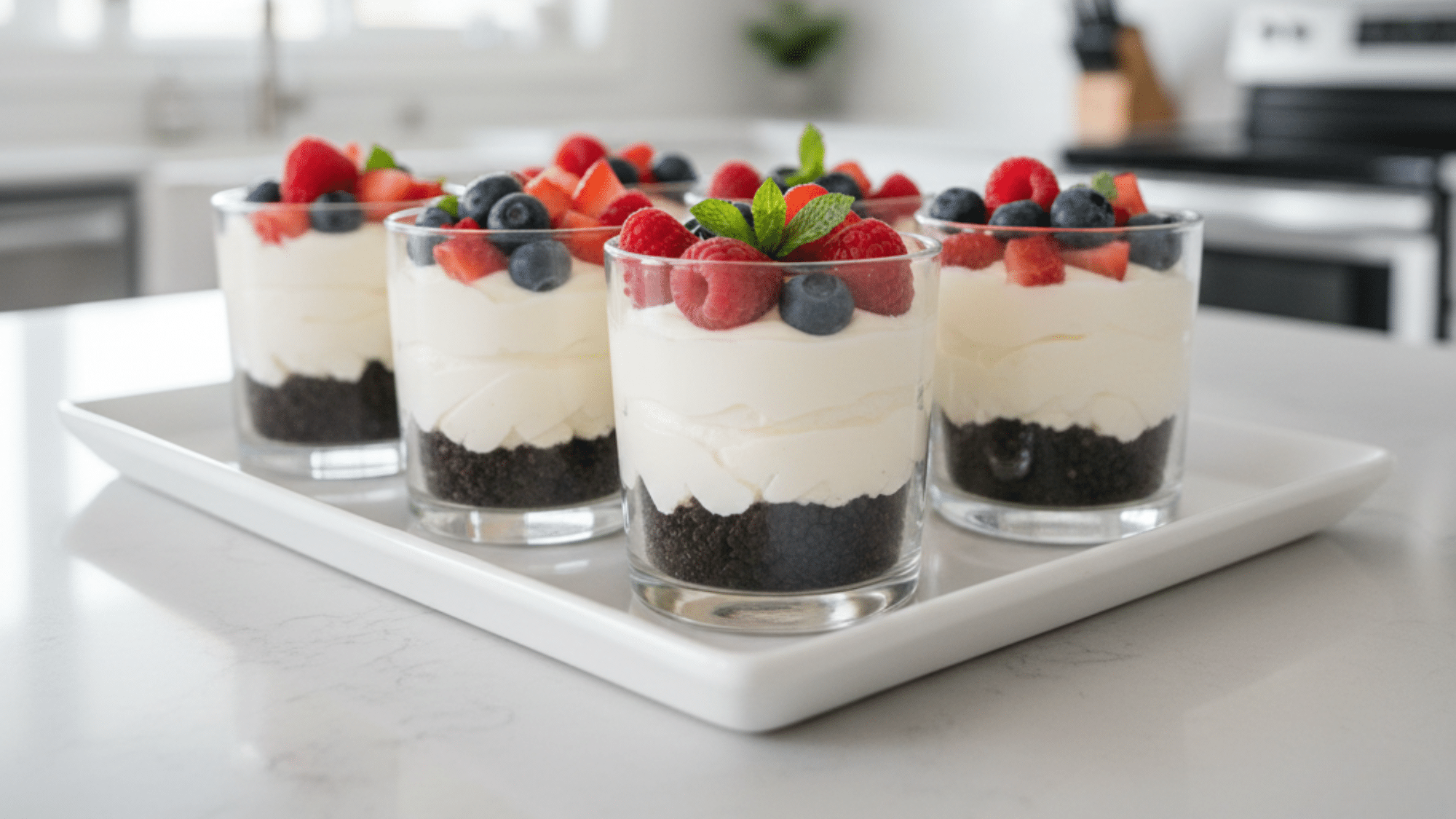
8. No-Bake Cheesecake Cups
These cups are creamy, fluffy, and taste like mini cheesecakes without the need for baking. The cookie crumbs give them a crunchy base that pairs perfectly with the smooth filling.
They look impressive in small cups or jars, making them perfect for parties or dinner desserts. You can top them with berries, caramel, chocolate chips, or crushed candy canes.
They chill quickly, so you can make them the same day and serve them fresh.
Ingredients: Cream cheese, powdered sugar, vanilla, whipped cream, cookies
Recipe:
Beat cream cheese, powdered sugar, and vanilla together until creamy.
Fold in whipped cream gently to create a fluffy mixture.
Crush cookies and place a layer at the bottom of small cups or jars.
Spoon or pipe cheesecake filling on top of the crumbs.
Add another cookie layer or topping if desired.
Chill for 1 hour so the filling sets before serving.
9. Chocolate-Dipped Pretzel Rods
These treats are the perfect mix of salty and sweet with a satisfying crunch. They look festive when dipped in chocolate and decorated with sprinkles or crushed candy canes.
They’re also great for gifting because they don’t melt easily and can be wrapped in treat bags. Kids love decorating these, so it’s a fun hands-on holiday activity.
You can make big batches quickly and store them for later.
Ingredients: Pretzel rods, chocolate, sprinkles
Recipe:
Melt chocolate chips in the microwave, stirring every 20–30 seconds.
Dip pretzel rods halfway into the melted chocolate.
Spin gently to let excess chocolate drip off.
Lay pretzels on parchment paper.
Add sprinkles, crushed candy canes, or nuts before the chocolate sets.
Allow to harden at room temperature or chill for quick setting.
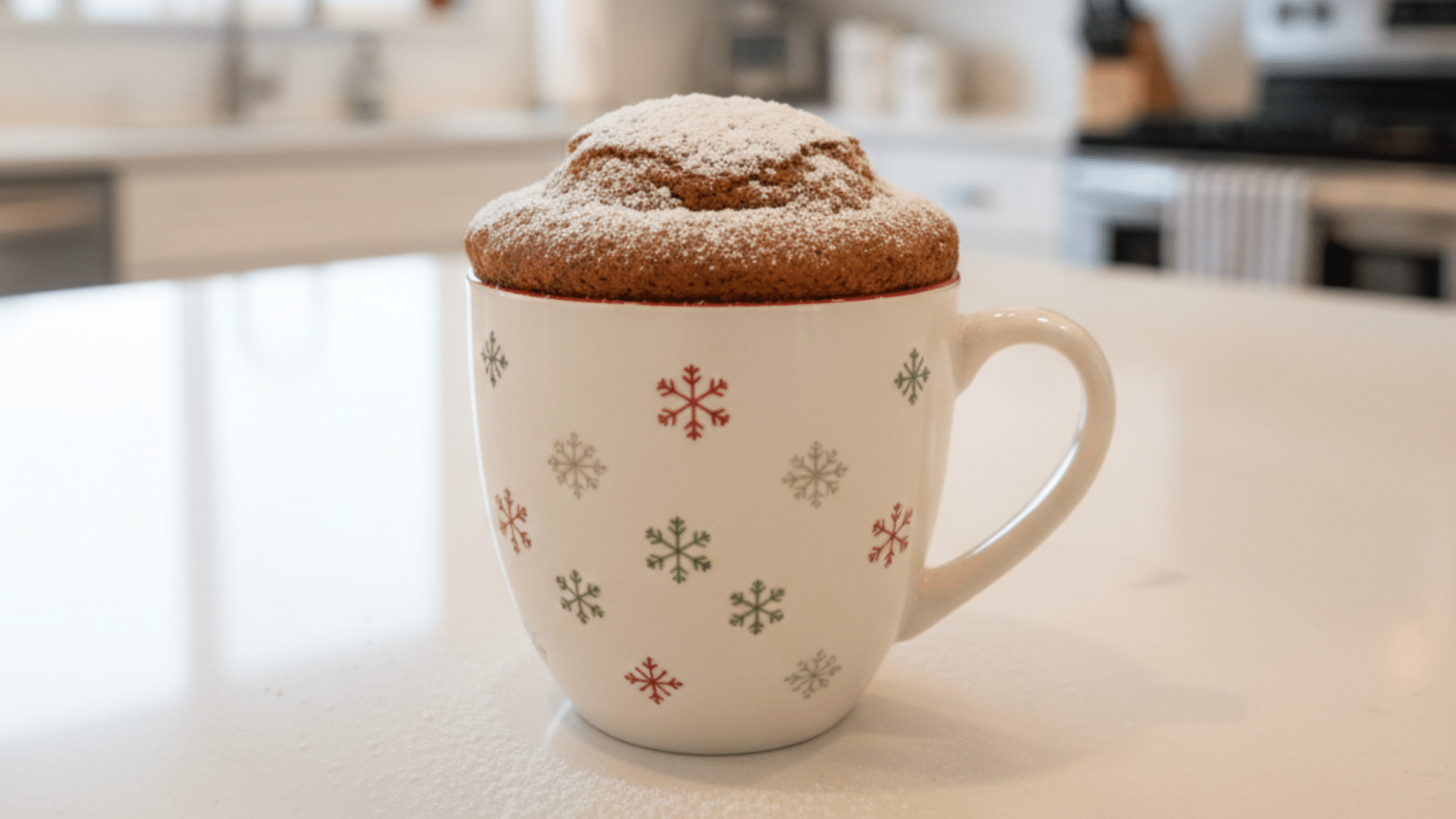
10. Gingerbread Mug Cake
This cozy mug cake brings warm holiday spices into a soft, fluffy dessert that’s ready in minutes. It tastes like classic gingerbread but requires no baking pans or ovens. The flavor is comforting with notes of molasses, cinnamon, and ginger.
You can top it with whipped cream, powdered sugar, or even a drizzle of caramel. It’s perfect for cold evenings, last-minute guests, or personal holiday treats.
Add flour, sugar, butter, milk, molasses, cinnamon, ginger, and baking powder to a mug.
Stir until the batter is smooth and well-mixed.
Microwave for 1–2 minutes until the cake rises and the top looks firm.
Let it cool slightly before eating.
Top with whipped cream or powdered sugar for extra flavor.
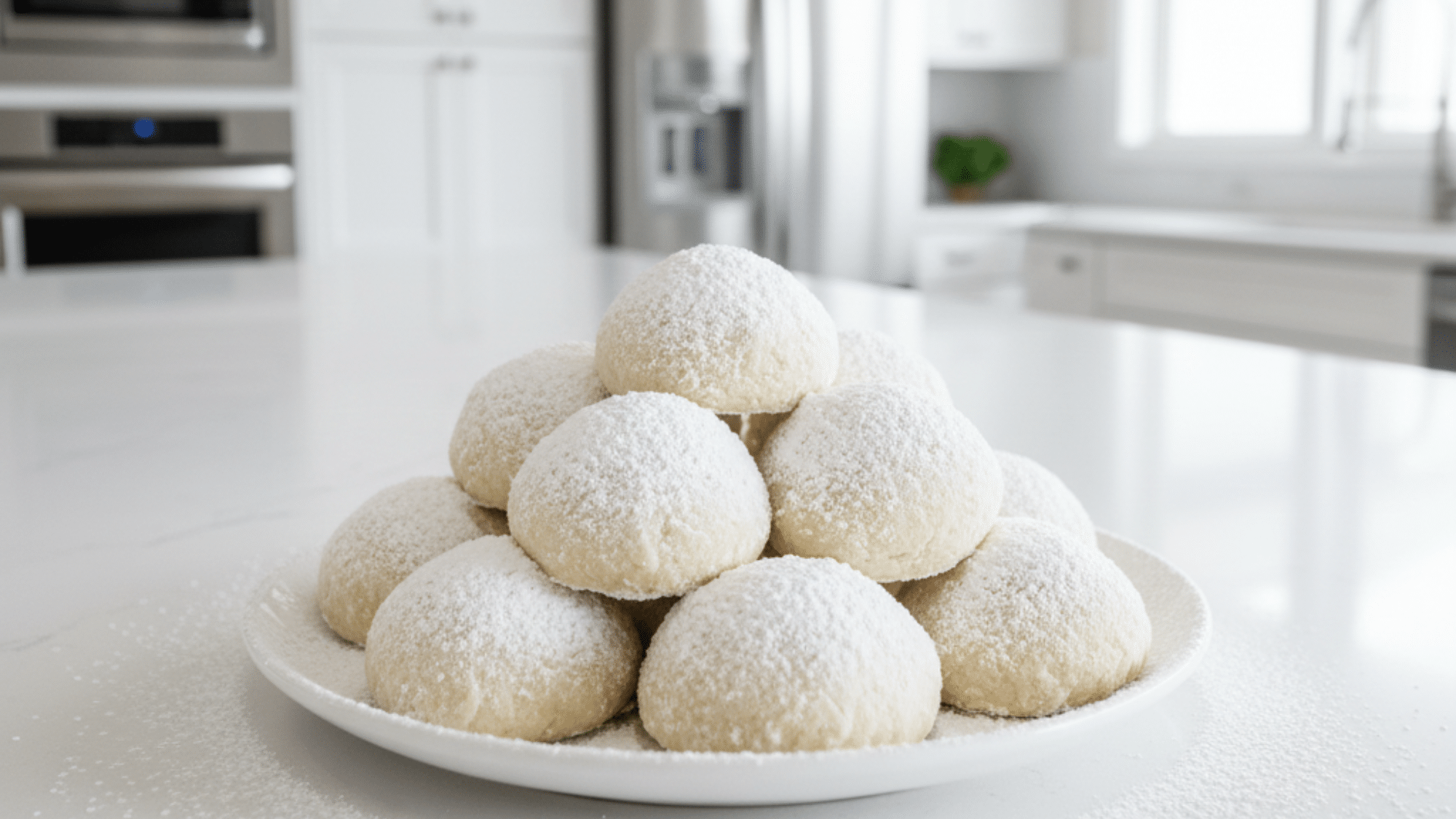
11. Snowball Cookies
Snowball cookies have a rich, buttery texture that melts in your mouth. The powdered sugar coating makes them look like tiny snowballs, perfect for winter celebrations. They’re soft on the inside with a gentle crunch from finely chopped nuts.
These cookies don’t spread much, so they always keep their cute round shape. They store beautifully and taste even better after a day as the flavors deepen.
Cream butter and powdered sugar until soft and smooth.
Mix in vanilla and finely chopped nuts.
Add flour slowly until the dough forms a soft ball.
Roll dough into small balls and place on a baking sheet.
Bake at 325°F for 12 minutes.
Roll warm cookies in powdered sugar, then roll again once cool.
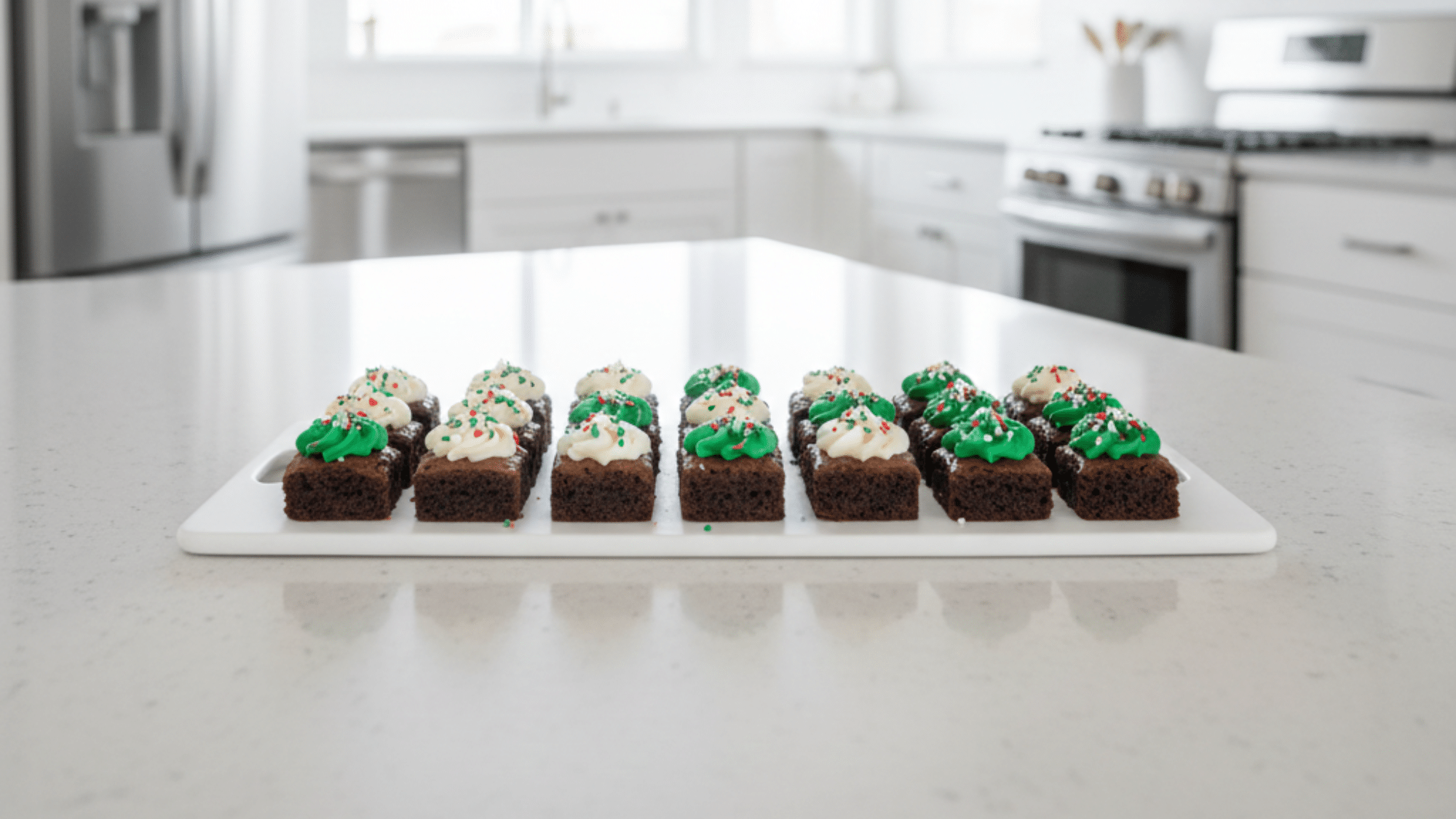
12. Christmas Brownie Bites
These mini brownies are soft, chocolatey, and bite-sized perfect for dessert platters. The chewy centers pair perfectly with frosting and festive sprinkles. Because they’re small, they bake quickly and cool fast, making them great for rushed holiday schedules.
You can decorate them like Christmas trees, ornaments, or tiny wreaths. They’re a hit at school parties and family gatherings because they’re easy to grab and eat.
Prepare brownie batter as directed on the box or recipe.
Grease a mini muffin pan and fill each cup ¾ full.
Bake at 350°F for 10–12 minutes until set.
Let brownie bites cool completely in the pan.
Top with frosting, sprinkles, or candy decorations.
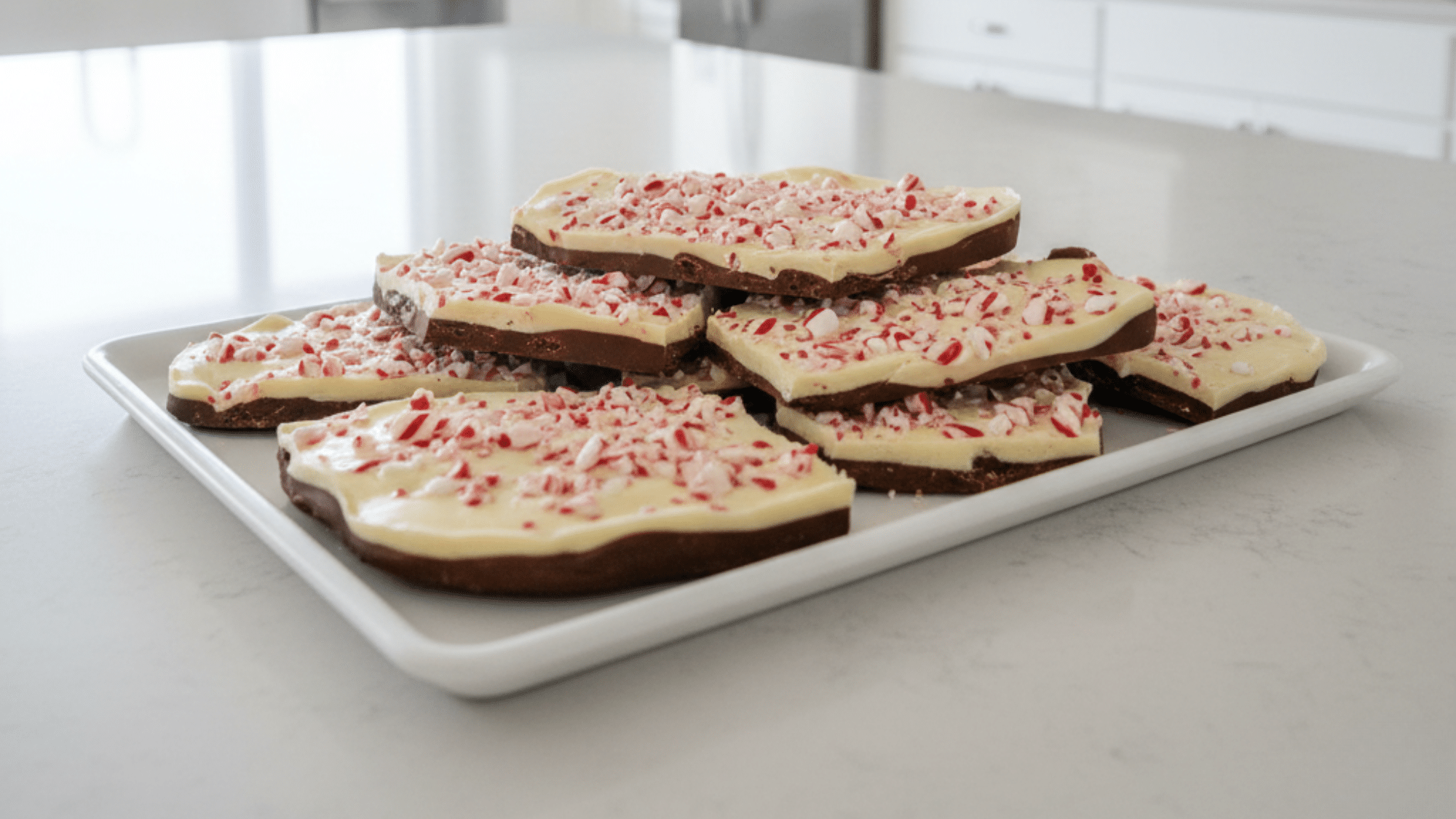
13. Peppermint Bark
Peppermint bark has a beautiful layered look with white and dark chocolate topped with crushed candy canes. It’s refreshing, festive, and super easy to break into rustic pieces. The contrast of mint and chocolate tastes like Christmas in every bite.
It keeps well at room temperature and makes a great homemade gift. You can customize it with sprinkles or drizzle extra chocolate for a fancy finish.
Ingredients: Dark chocolate, white chocolate, candy canes
Recipe:
Melt dark chocolate and spread a thin layer on a parchment-lined tray.
Chill in the fridge for 10 minutes.
Melt white chocolate and spread it over the dark chocolate layer.
Sprinkle crushed candy canes on top.
Chill until fully set, then break into pieces.
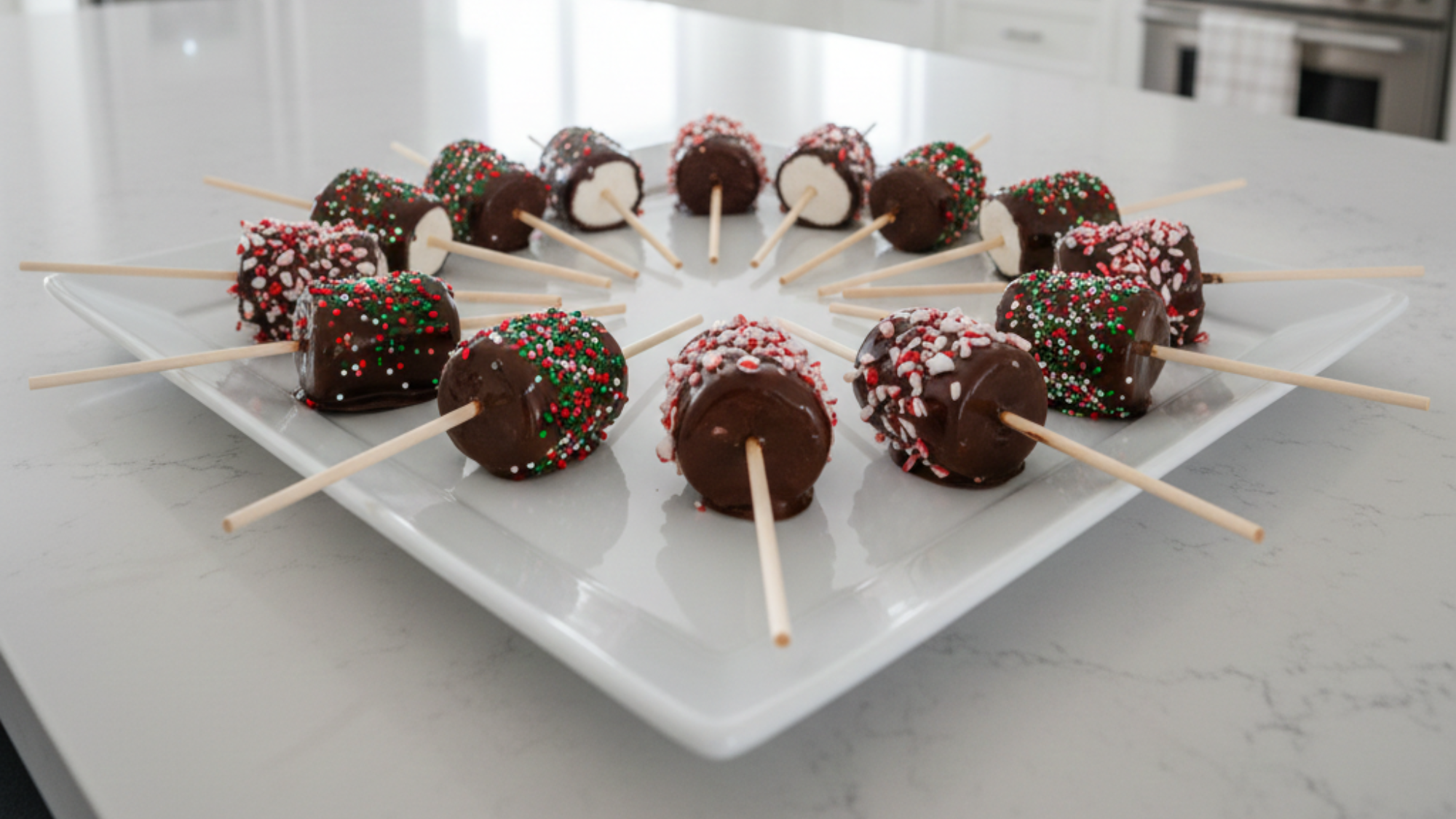
14. Hot Cocoa Marshmallow Pops
These fun little treats taste like hot chocolate on a stick. They’re super quick to make and perfect for kids’ holiday parties. Dip marshmallows in chocolate, add sprinkles, and let them set.
You can package them for gifts or serve them with hot cocoa for dipping. They bring a playful, cheerful touch to any dessert table.
Dip marshmallows into melted chocolate, covering them halfway.
Roll in sprinkles or crushed candy canes.
Place on parchment to set.
Chill for 10 minutes for a firmer coating.
Serve on dessert plates or with hot cocoa.
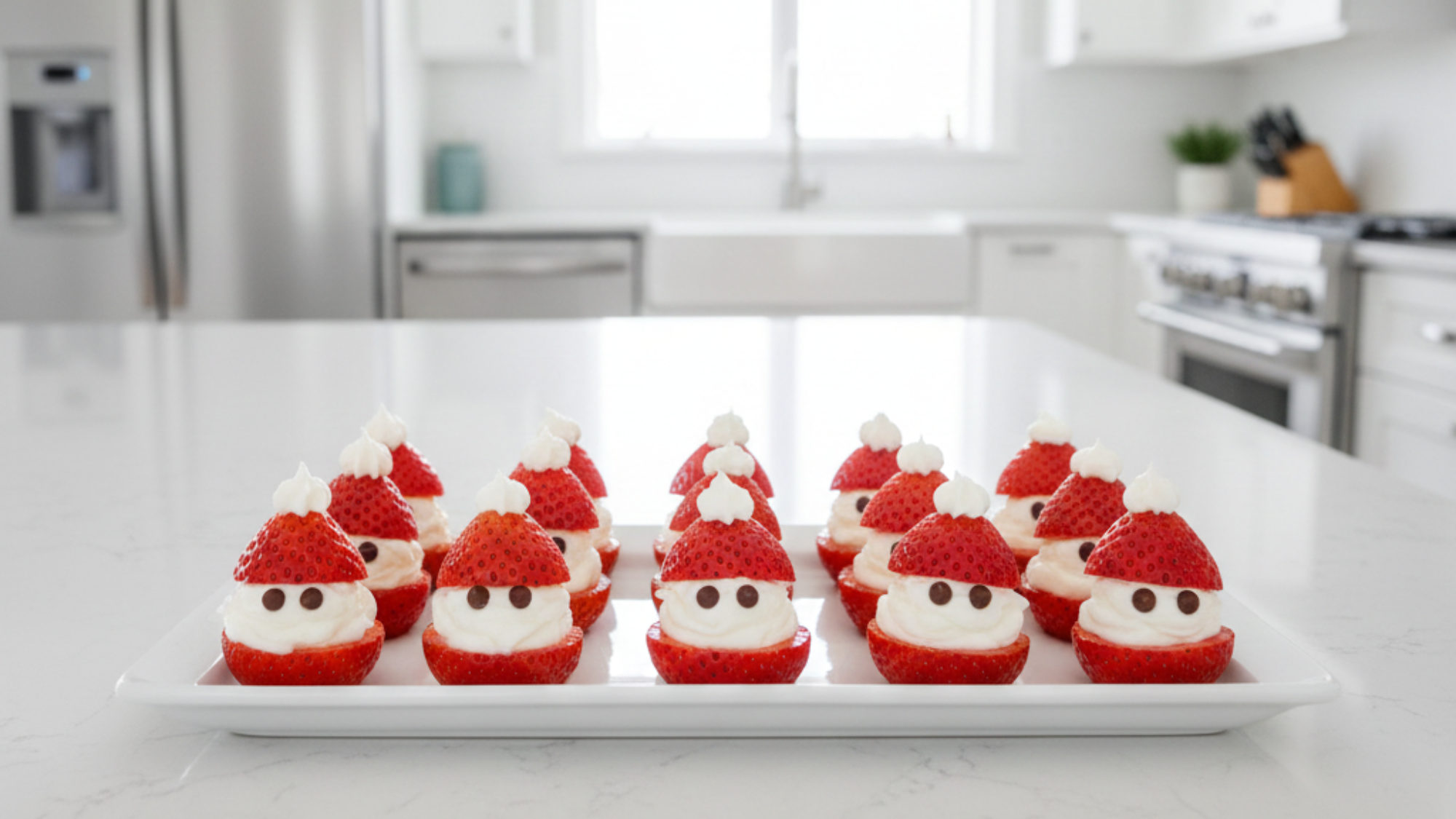
15. No-Bake Strawberry Santas
These adorable Santas are made from fresh strawberries filled with whipped cream. They’re cute, light, and naturally red and white perfect for Christmas.
They take just a few minutes to assemble and look great on dessert trays. Kids love making them because they’re simple and fun. Serve them right away for the best texture and flavor.
Ingredients: Strawberries, whipped cream, mini chocolate chips
Recipe:
Slice the leafy top off each strawberry to make a flat base.
Cut off the tip to form a tiny “hat.”
Pipe whipped cream onto the base as the face and belly.
Place the strawberry hat back on top.
Add mini chocolate chips as eyes.
Serve immediately for the best freshness and texture.
Wrapping Up
Simple Christmas desserts make the season feel special without adding extra stress to your busy days. With quick steps, basic ingredients, and fun flavors, these treats fit perfectly into holiday parties, school events, or cozy nights at home.
They’re easy enough for beginners but still festive enough to impress your family and friends.
These recipes also give you room to get creative, switch toppings, add new flavors, or decorate them in your own style.
The best part is how little time they take, leaving you free to enjoy the things that matter most: warm moments, shared laughter, and time with the people you love.
A plate of easy desserts can make any day of December feel brighter and more delicious.
Frequently Asked Questions
What are the Easiest Desserts to Make when I’m Short on Time?
No-bake treats like Oreo truffles, peppermint bark, and Rice Krispie reindeer are the fastest options. They take only a few minutes and don’t require baking or special equipment.
Can These Desserts be Made Ahead for Parties?
Yes! Most of these sweets, like fudge, Christmas crack, brownie bites, and sugar cookies, store extremely well. You can prepare them 1–3 days ahead and keep them in airtight containers.
What Desserts are Best for Gifting During the Holidays?
Fudge, peppermint bark, Christmas crack, and decorated sugar cookies pack well and stay fresh longer. They fit nicely into tins, gift bags, or small boxes
How do I Store Leftover Desserts so They Stay Fresh?
Most treats keep well in airtight containers. Refrigerate anything with cream cheese or whipped cream, while cookies and bark can usually stay at room temperature.
Christmas crack is one of those treats that looks fancy but is secretly very easy to make. It’s salty, sweet, crunchy, and chocolatey all at the same time, exactly the kind of snack that disappears fast from the holiday plate.
With a simple base of crackers, buttery toffee, and melted chocolate on top, it feels special without taking hours in the kitchen.
You don’t need baking skills or lots of tools to make it. Most of the ingredients are probably already in your pantry, and the steps are simple enough for kids to help with.
You can also add your own twist with nuts, sprinkles, or different types of chocolate. Christmas crack is perfect for gifting, sharing at parties, or keeping in a tin for cozy movie nights by the tree.
Why Is Christmas Crack Suddenly Everywhere Again?
Christmas crack has been around for years, but it’s popping up again because it fits how people like to bake now: fast, fun, and almost foolproof.
It uses simple pantry ingredients, doesn’t need fancy tools, and comes together in just a few steps. With busy holiday schedules, a treat that feels special but doesn’t take all day is very easy to love.
It’s also perfect for photos and videos, which is why it keeps trending on social media. The bubbly toffee, melted chocolate, and topping “crack” apart in a way that makes people want to share it online.
Every year, new versions appear: peppermint, pretzel, dark chocolate, even gluten-free twists, so it never feels old or boring.
Now, a new generation is discovering it, passing the recipe between friends, and adding their own toppings. That mix of nostalgia, ease, and endless flavor ideas is exactly why Christmas crack is having a big comeback.
The Secret Behind Perfect Christmas Crack
A perfect batch of Christmas crack has that crisp, glassy snap on the bottom and a smooth, rich chocolate layer on top.
Each bite should feel light but still satisfyingly crunchy, with the cracker base holding everything together without going soggy or too hard.
The magic starts with the toffee. When the butter and sugar bubble together, they should turn a deep golden color and thicken slightly. This stage gives you that classic candy texture firm enough to crack, but not so hard that it hurts your teeth.
Poured hot over the crackers and baked just until it’s bubbling all over, the toffee seeps into every gap and fuses the layers into one solid sheet.
On top, the chocolate should melt gently from the heat of the toffee, then spread into a smooth, even layer.
When the toffee is cooked just right, the chocolate is silky and set, and the crackers stay crisp, you get true Christmas crack: salty, sweet, crunchy, and completely addictive in every bite.
Ingredients You’ll Need
Base
1 sleeve saltine crackers (about 35–40 crackers)
1 cup (2 sticks) unsalted butter
1 cup packed brown sugar
1 tsp vanilla extract
Pinch of salt (skip if using very salty crackers)
Chocolate Layer
2 cups chocolate chips (semi-sweet or milk chocolate)
½ tsp sea salt flakes (for that sweet–salty crunch on top)
½ tsp peppermint extract (for a minty twist)
½ cup chopped nuts (pecans, almonds, or walnuts)
¼ cup crushed pretzels (extra salty crunch)
¼ cup toffee bits or caramel chips (for extra richness)
Toppings & Finishers (mix & match)
Crushed candy canes (festive color and flavor)
Holiday sprinkles (fun and kid-friendly)
Extra chopped nuts or seeds (for more crunch)
Drizzle of white chocolate (pretty swirl on top)
A light dusting of flaky sea salt (to balance sweetness)
Recipe Notes
Information
Details
Prep Time
15 minutes
Cook Time
10 minutes
Cooling Time
30 minutes
Total Time
55 minutes
Method
Stovetop + Baking + Chilling
Yield
1 sheet pan (about 24–30 pieces)
Cuisine
American, Holiday Treat, Christmas Candy
How to Make Christmas Crack
Christmas crack looks impressive, but the process is very simple. You build it in layers: first, crackers; then, hot toffee; then, melted chocolate; and toppings.
The key is to work in order and not rush the cooling time, so everything sets into that perfect, crackly sheet.
1. Prep Your Pan and Crackers
Line a rimmed baking sheet (about 10×15 inches) with foil or parchment paper, making sure it goes up the sides a little so you can lift everything out later. Lightly grease the foil or paper so the toffee doesn’t stick.
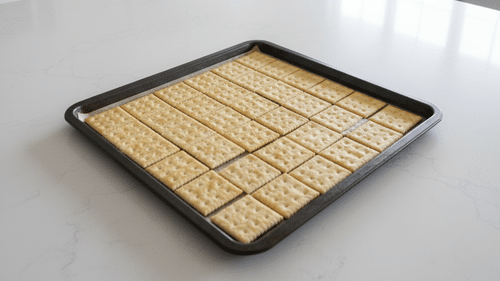
Arrange the saltine crackers in a single, tight layer across the entire pan, with no large gaps. This cracker “floor” is what gives the Christmas crack its structure and salty crunch.
2. Make the Toffee Base
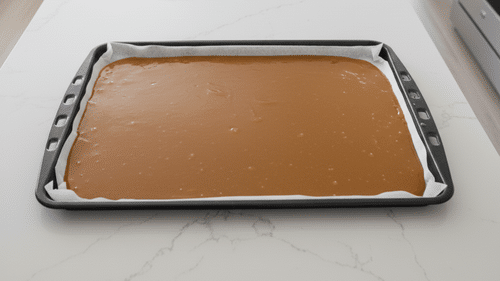
In a medium saucepan, add the butter and brown sugar. Place it over medium heat and stir gently as the butter melts and mixes with the sugar. Once it turns smooth and starts to bubble, stop stirring so it can cook evenly.
Let it boil for about 3–4 minutes, until it thickens slightly and looks glossy and caramel-like. Take it off the heat and stir in the vanilla and a small pinch of salt to deepen the flavor.
3. Pour and Spread the Toffee
Carefully pour the hot toffee over the cracker layer. It will be very hot, so work slowly and safely. Use a spatula to spread it from edge to edge, trying to cover every cracker as evenly as you can.
Don’t worry if a few corners peek through; the toffee will move a bit as it bakes. This step helps the toffee soak into and around the crackers, so they all fuse together later.
4. Bake until Bubbly
Place the pan in a preheated oven at 350°F (175°C). Bake for about 8–10 minutes, or until the toffee is bubbling all over the surface. Keep an eye on it near the end so it doesn’t burn.
When you see steady bubbles across the whole pan, and the color is a rich golden brown, carefully remove the pan from the oven and set it on a heat-safe surface.
5. Add and Melt the Chocolate
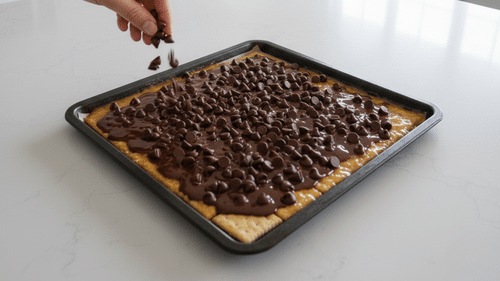
Right away, while the toffee is still very hot, sprinkle the chocolate chips evenly over the toffee. Try to cover as much of the surface as possible. Let them sit undisturbed for 1–2 minutes so the heat from the toffee can melt the chocolate.
When the chips look soft and shiny, use a clean spatula to gently spread the chocolate into a smooth, even layer from corner to corner.
6. Sprinkle on Your Toppings
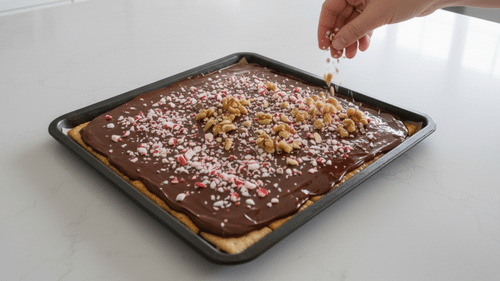
While the chocolate is still warm and soft, add your toppings. You can use chopped nuts, crushed candy canes, sprinkles, pretzels, toffee bits, or a little flaky sea salt.
Sprinkle them evenly over the chocolate so each piece gets a bit of crunch or color. Press very lightly with your hand or the back of the spatula so the toppings stick without pushing them deep into the chocolate.
7. Let It Cool and Chill until Firm
First, allow the pan to cool at room temperature for about 10–15 minutes. This takes some of the heat out and helps the toffee and chocolate start to set.
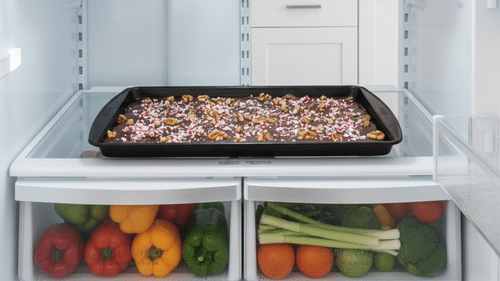
Then move the pan to the fridge or freezer and chill until everything is completely firm, usually 20–30 minutes. This chilling time is what gives you those clean “cracks” and helps the layers hold together.
8. Crack, Serve, and Store
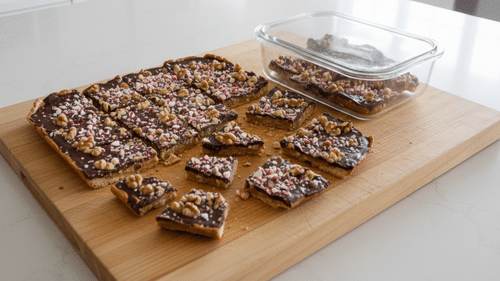
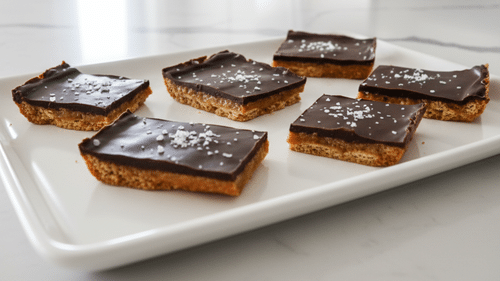
Once the chocolate is firm to the touch, lift the whole sheet of candy out of the pan using the foil or parchment edges. Place it on a cutting board and break it into uneven pieces with your hands, or use a sharp knife for more even shapes.
Store the pieces in an airtight container in the fridge or a cool place to keep them crisp. Now you’ve got salty-sweet, crunchy Christmas crack ready for gifting, snacking, and sharing.
Nutrition Facts
Nutrient
Per Piece (about 25g)
Calories
130 kcal
Protein
1 g
Fat
7 g
Saturated Fat
4 g
Carbohydrates
16 g
Sugar
13 g
Fiber
0–1 g
Sodium
85 mg
Disclaimer: These values are approximate and can change depending on the type of crackers, butter, chocolate, and toppings you use (such as nuts, candy, or extra salt), as well as the exact size of each piece.
Christmas Crack Variations You’ll Love
Once you’ve nailed the basic Christmas crack, it’s so easy to play with flavors.
A few simple swaps or toppings can turn one recipe into many different treats. Here are some fun twists to try:
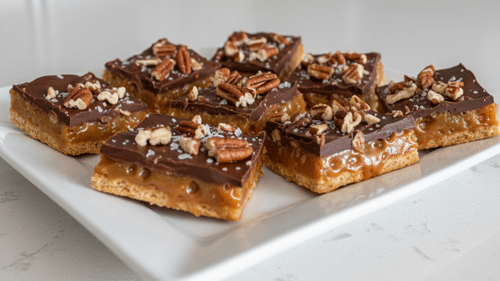
1. Salted Caramel Pecan Christmas Crack
Sprinkle chopped pecans over the chocolate, then finish with a light dusting of flaky sea salt. The mix of caramel-like toffee, nuts, and salt tastes like a grown-up candy bar.
Ingredients: Base recipe + ½–1 cup chopped pecans + ½–1 tsp flaky sea salt.
2. White Chocolate Cranberry Christmas Crack
Use half dark or milk chocolate and half white chocolate, swirling them together on top. Add dried cranberries and a few chopped pistachios. The red and green colors look beautiful and feel very holiday-ready.
Ingredients: Base recipe + 1 cup white chocolate chips + ½ cup dried cranberries + ¼ cup chopped pistachios.
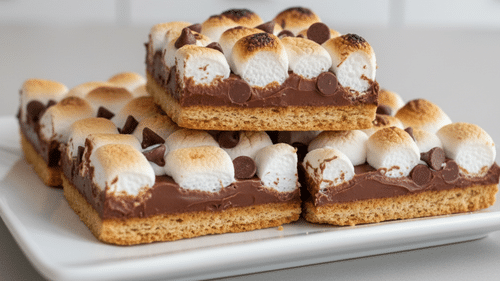
3. S’mores Christmas Crack
Use graham crackers instead of saltines for the base. After spreading the chocolate, top with mini marshmallows and a few extra chocolate chips. Broil for a very brief time (or use a torch) to toast the marshmallows, then chill.
Ingredients: Graham crackers instead of saltines + base toffee + 2 cups milk chocolate chips + 1–1½ cups mini marshmallows.
4. Dark Chocolate Sea Salt Christmas Crack
Use dark chocolate chips for a deeper, less sweet flavor. Finish with a little flaky sea salt on top. It’s simple, rich, and perfect for people who don’t like overly sugary desserts.
Ingredients: Base recipe + 2 cups dark chocolate chips + ½–1 tsp flaky sea salt on top.
5. Peanut Butter Swirl Christmas Crack
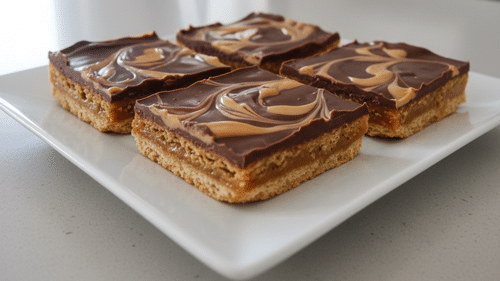
After spreading the melted chocolate, drizzle warmed peanut butter on top and swirl it in with a knife or toothpick. Chill as usual. You get a peanut butter cup vibe in crunchy, crackly form.
Ingredients: Base recipe + 2 cups chocolate chips + ¼–⅓ cup warmed peanut butter for drizzling and swirling.
What to Serve With Christmas Crack
Christmas crack is rich, sweet, and crunchy, so it goes really well with simple drinks and light snacks that balance all that flavor. Here are some tasty ways to serve it and make your treat plate feel extra special.
Hot chocolate: The creamy, warm drink pairs perfectly with the salty-sweet crunch of Christmas crack.
Coffee or latte: A hot cup of coffee cuts through the sweetness, making each bite feel even richer.
Tea (black, or herbal): A cozy mug of tea keeps things light while still feeling warm and festive.
Vanilla ice cream: Serve a small scoop with a few chunks of Christmas crack on the side for a fun “ice cream sundae” twist.
Fresh fruit: Strawberries, orange slices, or apple wedges add a fresh, juicy break from all the chocolate and toffee.
Salty snacks: Bowls of pretzels, nuts, or popcorn help balance the sweetness and make a great snack mix on a party table.
Whipped cream: A small dollop on the side feels soft and airy next to the crunchy candy pieces.
Baking & Storage Tips for Perfect Results
Making Christmas crack is simple, but a few smart steps will help you get that shiny, crunchy, perfect batch every time. These little details protect the texture, flavor, and freshness.
Line your pan well: Always line your baking sheet with foil or parchment, letting it hang over the edges.
Lightly grease it: This keeps the toffee from sticking and makes it easy to lift the whole slab out and crack it later.
Watch the toffee closely: When boiling the butter and brown sugar, let it bubble until it turns a rich golden color and thickens. Stir gently and don’t walk away.
Bake until evenly bubbly: Once you pour the toffee over the crackers and bake, look for steady bubbles across the entire surface. That’s a sign the toffee has set into the crackers. If only the edges bubble, give it another minute or two.
Cool, then chill completely: Let the pan cool to room temperature, then transfer it to the fridge or freezer. The Christmas crack needs to be fully cold and firm before you break it.
Storage: Store Christmas crack in an airtight container in the fridge for up to 1 week. For longer storage, freeze it for up to 2 months. Keep it away from warm spots or humidity so it stays crisp, not sticky.
Wrapping Up
Christmas crack is one of those recipes that quickly becomes a tradition. It doesn’t need fancy tools, long prep, or perfect baking skills, just simple steps and a bit of patience while it cools. Once you’ve made it once, the process feels easy and almost automatic.
It also fits into almost any holiday moment. You can pack it into tins for gifts, add it to dessert boards, tuck a few pieces into lunchboxes, or keep a secret stash for movie nights.
If you’re looking for a crowd-pleasing treat that feels special but doesn’t keep you stuck in the kitchen all day, Christmas crack is that recipe.
A simple pan of crackers, toffee, and chocolate turns into something people remember and ask for again and again.
Frequently Asked Questions
Can I make Christmas crack ahead of time?
Yes. Christmas crack is great for making ahead because it keeps well. You can make it a few days before you need it and store it in an airtight container in the fridge. It will stay crunchy and fresh for about a week.
Can I make a dairy-free version?
Yes. Use a dairy-free butter alternative and dairy-free chocolate chips. Check the labels to be sure. The texture will be slightly different, but the sweet, crackly effect will still work.
What can I use instead of saltine crackers?
You can swap saltines for graham crackers, pretzels, Ritz crackers, or even a gluten-free cracker. Just remember that each one changes the flavor a bit: Graham crackers are sweeter, pretzels are saltier, and buttery crackers are richer.
The phrase business casual used to land somewhere between confusing and forgettable. Now it has a whole new life thanks to women who want clothes that move with them rather than fight back. There is real freedom in treating style like a tool instead of a test. Once you stop worrying about passing some invisible dress code, you start building outfits that are modern, polished, and quietly confident. That balance is what makes business casual feel fresh again, especially when you tilt it toward chic instead of safe.
Redefining Modern Work Staples
Women are no longer settling for the tired idea that office wear has to feel stiff. Soft tailoring has become the unofficial uniform for anyone who wants structure but still wants to breathe during a long day. This is where pant suits for women are the gold standard because they shift seamlessly from morning meetings to late afternoon catch up sessions without looking forced. The trick is finding fabrics with enough drape to feel relaxed but enough shape to look intentional. When your clothes look like they belong to you instead of the other way around, the whole vibe changes. There is nothing louder than quiet confidence delivered through well shaped trousers and an easy blazer.
Choosing Silhouettes That Feel Effortless
Chic often comes from proportions rather than decoration. When you play with length and shape, business casual becomes a much more interesting category. Think wide leg trousers with a subtle taper, cropped jackets that sit right at the hip, or longer tops that skim rather than cling. You do not need dramatic details to look stylish. You just need pieces that feel thoughtfully chosen. Little tweaks create harmony without turning your outfit into a project. That restraint reads as sophistication rather than hesitation, and it makes dressing for work feel more natural.
Adding Personal Style Through Accessories
The fastest way to turn a basic outfit into something chic is to let your accessories do some of the work. Shoes, bags, and even a watch shift the tone immediately. A luxury watch adds a grounded sense of authority that still feels feminine because it is all in the details. Subtle textures and interesting materials help the rest of your outfit land with ease. You can keep everything else simple and still look polished. Accessories give you room to express taste without overwhelming your core pieces. When you treat them as part of your uniform rather than afterthoughts, your entire look carries a little more intention.
Working With Color And Texture In A Fresh Way
Color is where business casual often gets stuck, so pushing it forward helps more than people realize. Neutrals always have a place, but richer tones like deep olive, warm rust, or soft slate blue create dimension without feeling loud. Texture matters just as much. Tweed, brushed cotton, and fluid knits bring depth to outfits that might otherwise feel flat. The goal is to layer complexity without crossing into chaos. A single textured piece can shift the whole mood, making everything feel more expensive without you saying a word. When you mix color and texture thoughtfully, the result feels elevated even on the most ordinary weekday.
Letting Footwear Shape The Final Look
Shoes ground the entire outfit, so choosing the right pair can quietly change the narrative. Low heels, sleek flats, and refined boots all work within business casual, each giving your clothes a slightly different energy. If your outfit leans relaxed, a structured shoe pulls it back toward professionalism. If your look already feels tailored, a softer shoe keeps it from feeling rigid. Footwear becomes your built in mood setter. It is one of those small decisions that pays off because people notice balance even when they cannot explain why it works.
Creating A Wardrobe That Keeps Up With You
A chic business casual wardrobe works best when it supports your routines rather than complicates them. You want pieces that mix easily, fit comfortably, and hold up through long days. It is less about collecting trendy items and more about curating clothes that help you show up the way you want to. When your wardrobe feels cohesive, getting dressed becomes a part of your day that energizes you. Style becomes a steady companion instead of another thing to manage. Women today are rewriting the idea of business casual because they understand that confidence starts long before the meeting begins. It starts in the closet when you choose clothes that feel like an extension of yourself.
Chic business casual is not about reinventing your whole closet or chasing every new trend. It is about shaping a wardrobe that supports your energy, reflects your taste, and moves with your day. When you let comfort, intention, and personality sit at the same table, business casual becomes something far more appealing, a lived in style that still feels elevated.
Have you been seeing a lot about Shilajit lately? Have you wondered why?
Shilajit is in the trends again. Since everyone now wants natural and plant-based solutions for their problems, Shilajit is gaining more attention than ever. It’s especially more when talking about men’s wellness.
The new surge in popularity Shilajit now faces is astonishing, even influencers are marketing this mysterious resin. From gym enthusiasts to busy professionals, anyone who considers themselves health-conscious is now running for this dark, powerful resin. And it doesn’t end here, Shilajit is estimated to receive even more popularity by 2033.
What this ancient substance offers will blow your mind, from energy to strength, this resin even manages hormones, and day-to-day vitality. Let’s dive more into how we can use it and the precautions we must follow to make our Shilajit journey successful.
What is Shilajit?
Many of you may have known Shilajit as an Ayurvedic supplement. Shilajit isn’t something new, as it has already been popular for thousands of years in most South Asian countries.
Many consider it a “myth”, as its benefits include overall energy, vitality, fertility, and many more. But trust, Shilajit has positive roles for almost every function in your body is something new you will hear about. Made up of 60-80% of fulvic acids, Shilajit consists of humic substances, trace minerals, and bioactive compounds. Each of your problems related to strength, vitality, and fertility can be cured easily by using Shilajit daily. And, as modern studies are progressing, new benefits of Shilajit are unfolding constantly. Modern research has now started to point toward some incredible benefits of Shilajit for males.
Where It All Begins: Himalayan Shilajit Origin
And it’s not just Shilajit, it’s Himalayan Shilajit that everybody wants their hands on. Extracted from the heart of the Himalayas, this product is developed after centuries of compression of plant and mineral matter. This is why products called Shilajit Nepal are considered among the potent and purest ones.
This Shilajit is sourced by local sherpas themselves, and it is highly abundant in fulvic acid, humic substances, amino acids, and over 80 trace minerals. All of these components play an essential role in male health and performance.
Thanks to that richness, most men choose this Shilajit to solve their problems like lower testosterone, less sperm counts, and infertility. The clean, mineral-rich surroundings make it naturally superior and desirable among men.
1. Energy and Stamina Naturally Boosted
If you ever find yourself tired halfway through your day at college, work, or during your workout, using Shilajit can make a great difference. The high presence of fulvic acid in it will help the transportation of nutrients into the cells. The flow of energy you will feel in your body will be natural and sustained throughout the day.
Since Shilajit functions on a cellular level, it also enriches mitochondrial function, and let your body feel better and energetic. This is the reason why many men report having felt more active, focused, and less fatigued after its consistent use.
2. Hormonal Balance and Testosterone Support
One of the most well-recognized Shilajit benefits for male is the support of healthy testosterone levels. Based on the latest research, the purified Shilajit supports increasing total and free testosterone when supplementation is taken on a regular basis.
This doesn’t mean it acts like a synthetic hormone booster.
Instead, Shilajit aids your body by:
Lowering stress-related hormonal imbalances
Reinforcing the endocrine system
Enriching overall nutrient absorption
The result? Better mood, improved libido, enhanced muscle strength, and a stronger sense of vitality.
If you’re working out or trying to get in proper shape, Shilajit can help you in many ways:
Enhances post-workout recovery
Reduces inflammation
Supports joint and muscle health
Improves endurance
This makes Shilajit resin a favored choice for males who seek a natural remedy to enhance their fitness journey.
4. Enhanced Fertility and Reproductive Health
Shilajit, as a reproductive tonic, is one of its major benefits supported by Ayurveda. Now, modern findings also support this. Studies depict that it may help:
Improve sperm motility
Increase sperm count
Boost overall reproductive function
For men seeking natural fertility support without relying on synthetic alternatives, this is what makes Shilajit especially valuable for your needs.
5. Mental Clarity and Stress Reduction
Modern life is full of efforts and struggles. Today, men navigate work stress, family responsibilities, social pressures, and personal health, all together.
But worry less, Shilajit helps here too.
Its antioxidant and adaptogenic actions support brain health through:
Improving focus and attention
Enhancing memory power
Reduces mental fatigue and exhaustion
Helping the body adapt to daily stress.
This holistic effect is one of the reasons Shilajit is often called a “mind–body rejuvenator.”
Precautions: What Every Man Should Know Before Using Shilajit
Shilajit is completely natural, though it doesn’t mean every batch on the market is going to be safe for you. Here’s what you must keep in mind:
1. Always Choose Purified Shilajit
The unrefined, natural state of Shilajit might contain heavy metals, soil, or various other harmful impurities. This is the reason Shilajit Nepal is highly desired globally. Original Shilajit from Nepal is always a top choice for customers who prefer quality over anything.
Especially from trusted brands such as Everest Shilajit, Shilajit comes with a high level of purification and lab test reports.
2. Start with Small Doses
Because taking more than is suggested can cause digestive discomfort. Several other side effects such as dizziness, nausea, are also observed.
3. Avoid During Certain Medical Conditions
Shilajit should not be used by men with gout, kidney difficulties or chronic conditions without first consulting a physician.
4. Not a Replacement for Medical Treatment
Shilajit supports overall good health, but it is not intended to replace the consultation of your medical professional.
How to Take Shilajit Correctly
Form choices: resin (most effective), capsules, tablets, gummies.
Optimal time: early morning before eating
Consistency: Changes occur slowly; hence, one should expect results to take weeks, not days.
Final Thoughts
Shilajit is more than what you call a “trend”; it has always been a popular one. Though this fresh fame feels like something new, Shilajit has always lived up to its incredible benefits till now. It’s a natural force, backed by both ancient wisdom and contemporary science.
Shilajit provides numerous advantages related to men’s health, including energy, testosterone, fertility, and mental clarity. It is a wonderful gift from nature.
If Shilajit comes as something you would like to experience yourself, go for it. Opt for premium Shilajit Nepal for optimal results, as it’s one of the best. After that, all you have to do is be regular and allow your body time to react. You will be amazed at the wonderful outcomes that will follow. Shilajit’s benefits for males are long-term and absolutely life-altering.
Thanksgiving is the perfect time to gather with loved ones, share a delicious meal, and express gratitude for all the good things in life.
It’s also a wonderful opportunity to showcase your personal style while staying comfortable throughout the day.
If you’re hosting dinner, visiting family, or celebrating with friends, finding the right outfit can help you feel confident and relaxed.
Here are the top Thanksgiving outfit ideas that blend comfort with style, ensuring you look great while enjoying every moment of the holiday festivities.
Finding the Perfect Balance Between Comfort and Style
When planning your Thanksgiving look, comfort should be at the top of your priority list. After all, this holiday involves plenty of sitting, eating, and moving around.
Choose breathable fabrics and relaxed silhouettes that allow you to enjoy your meal without feeling restricted. Sweaters, wrap dresses, and stretchy pants are excellent choices that provide both flexibility and style.
Layering is another smart strategy for Thanksgiving dressing. Indoor temperatures can vary, especially if you’re moving between the kitchen and dining room.
Having a cardigan or light jacket on hand gives you the option to adjust as needed. For outdoor gatherings, consider bringing a tailored coat or stylish vest to stay warm while maintaining your fashionable appearance.
Don’t forget about footwear. Ankle boots, loafers, or even fashionable flats can keep your feet happy while still complementing your outfit beautifully.
Outfit Ideas for Every Thanksgiving Celebration
From casual family gatherings to dinner parties, Thanksgiving calls for outfits that blend style with comfort. These 35 carefully curated looks offer something for every occasion, personal taste, and celebration style.
Let’s find classic options that keep you looking fabulous while you enjoy every moment of the holiday.
1. Chunky Knit Sweater and Jeans
This classic combination never disappoints and works perfectly for relaxed Thanksgiving gatherings. Pair an oversized knit in autumn colors with dark denim for instant warmth and approachable style.
Complete the look with suede ankle boots and minimal jewelry. It’s effortless, comfortable, and always fashionable for casual celebrations.
A sweater dress provides the perfect balance of comfort and polish for family dinners. The boots add height and create a sleek, elongated silhouette that looks put together without trying too hard.
Choose neutral tones or rich autumn shades, such as burgundy or forest green. This outfit transitions beautifully from afternoon cooking to evening festivities.
Channel classic autumn charm by pairing a plaid skirt with a fitted turtleneck in a complementary color. Add tights for extra warmth and a touch of holiday-appropriate class.
This look works beautifully for more formal family gatherings or traditional celebrations. Finish with ankle boots or loafers for comfort that lasts all day.
Corduroy brings wonderful vintage texture to your Thanksgiving outfit while remaining comfortable for long hours of sitting. Balance the casual fabric with a satin or silk blouse in jewel tones or soft neutrals.
This combination creates a look that’s both relaxed and refined, perfect for dinner at someone else’s home. Add simple jewelry and comfortable flats to complete the ensemble.
A belted cardigan flatters your waistline and layers beautifully over a printed or solid midi dress. This feminine and functional combination allows you to adjust your warmth level throughout the day.
Choose a dress in fall florals or warm solids, then add a coordinating cardigan. Complete with ankle boots and delicate accessories for a polished appearance.
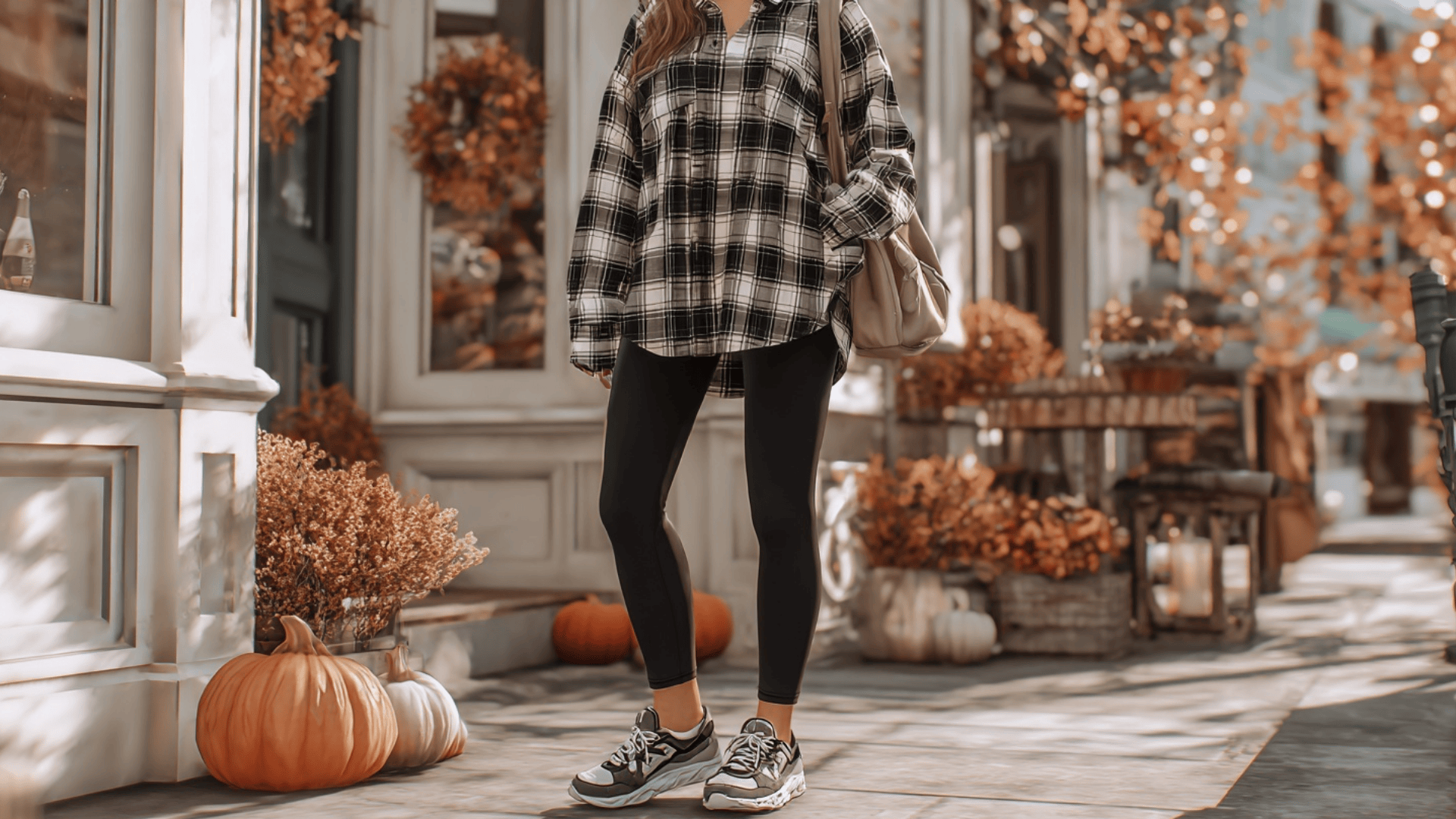
For a relaxed celebration with friends, throw on a plaid flannel over black or dark leggings. It’s cozy, cute, and perfect for a laid-back atmosphere where comfort is the priority.
Add sneakers or slip-on shoes and simple gold jewelry. This outfit works wonderfully for casual potlucks or outdoor Thanksgiving activities.
Make a statement with a velvet jumpsuit in burgundy, emerald, or forest green for instant classiness. The luxurious fabric brings holiday grace to your look while remaining surprisingly comfortable.
This one-and-done outfit requires minimal styling and works beautifully for both hosting and attending formal dinners. Add heeled boots and statement earrings to complete the glamorous ensemble.
Combine a denim skirt with a thick knit sweater and tights for a relaxed yet stylish outfit. This combination keeps you comfortable all day while maintaining a fashionable appearance.
Choose a sweater in autumn tones and pair it with ankle boots or loafers. It’s an approachable look that works perfectly for family gatherings with mixed age groups.
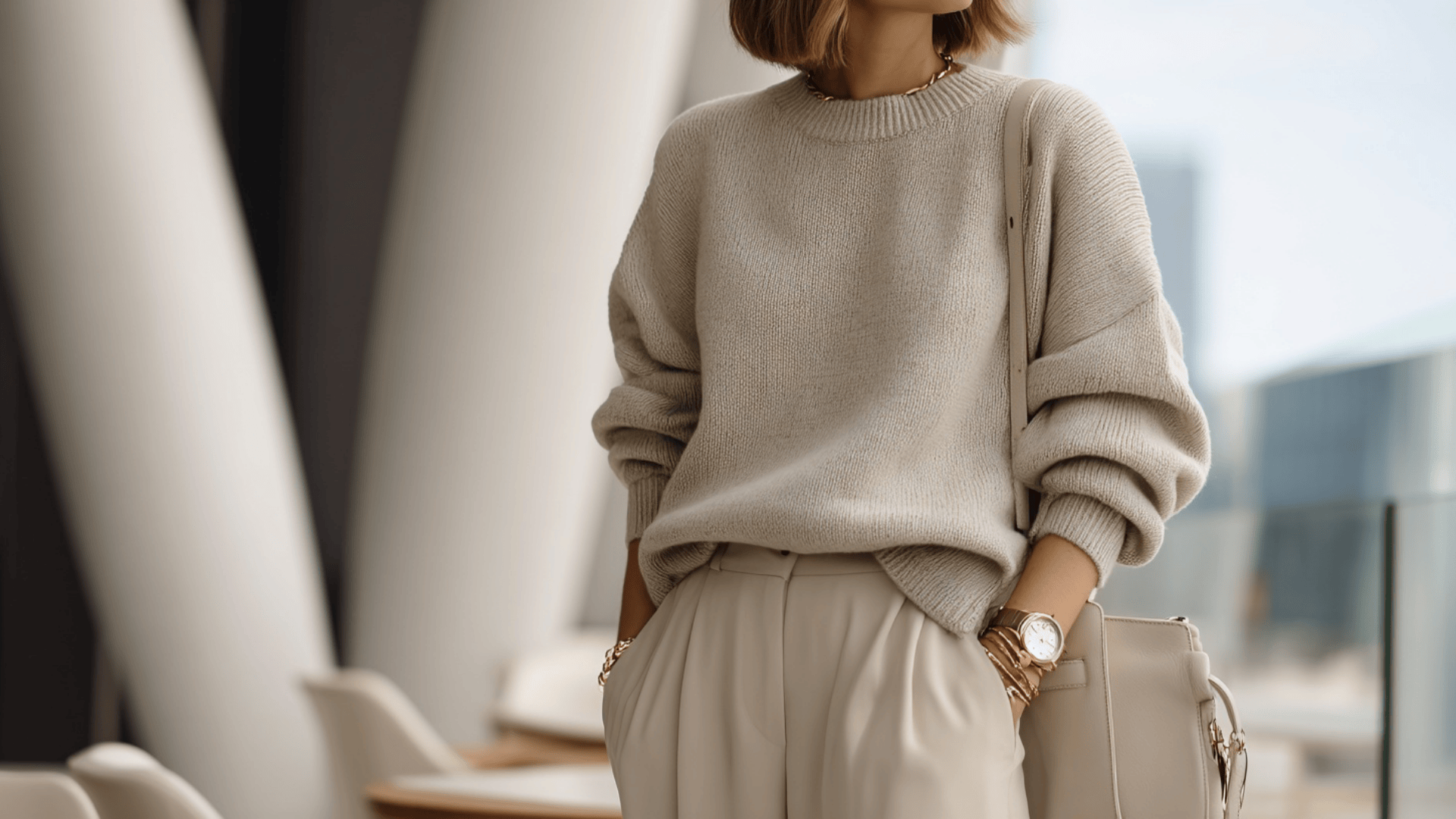
Head-to-toe neutrals create a classy, minimalist vibe that’s perfect for graceful family gatherings. Mix different shades of beige, cream, and camel for depth and visual interest.
This monochrome approach looks polished and intentional without being overly formal. Add texture through different fabrics like knits, silks, and suede for a refined finish.
Balance flowing and fitted silhouettes by pairing a maxi skirt with a cropped sweater. This chic, modern combination offers comfort and style in equal measure.
Choose a skirt in autumn prints or solid colors, then add a coordinating cropped knit. Complete with ankle boots and layered necklaces for a trendy, put-together look.
A structured blazer instantly upgrades casual denim for a polished yet comfortable appearance. Layer it over a fitted turtleneck in complementary colors for added warmth and class.
Add heeled boots to complete this outfit that works beautifully for semi-formal Thanksgiving dinners. This combination strikes the perfect balance between professional and relaxed.
Add a touch of edge to your Thanksgiving look with faux leather pants paired with a neutral knit. The leather brings modern style while the soft sweater creates a perfect balance.
Choose a cozy knit in cream, beige, or soft gray to offset the boldness of the pants. Add ankle boots and simple jewelry for a contemporary holiday outfit.
Transform your slip dress into a fall-appropriate outfit by layering a cozy knit cardigan. This combination works beautifully for indoor celebrations where temperatures are comfortable.
Add ankle boots and delicate jewelry for a feminine, pulled-together look. Choose a slip dress in autumn tones like rust, olive, or burgundy for seasonal appeal.
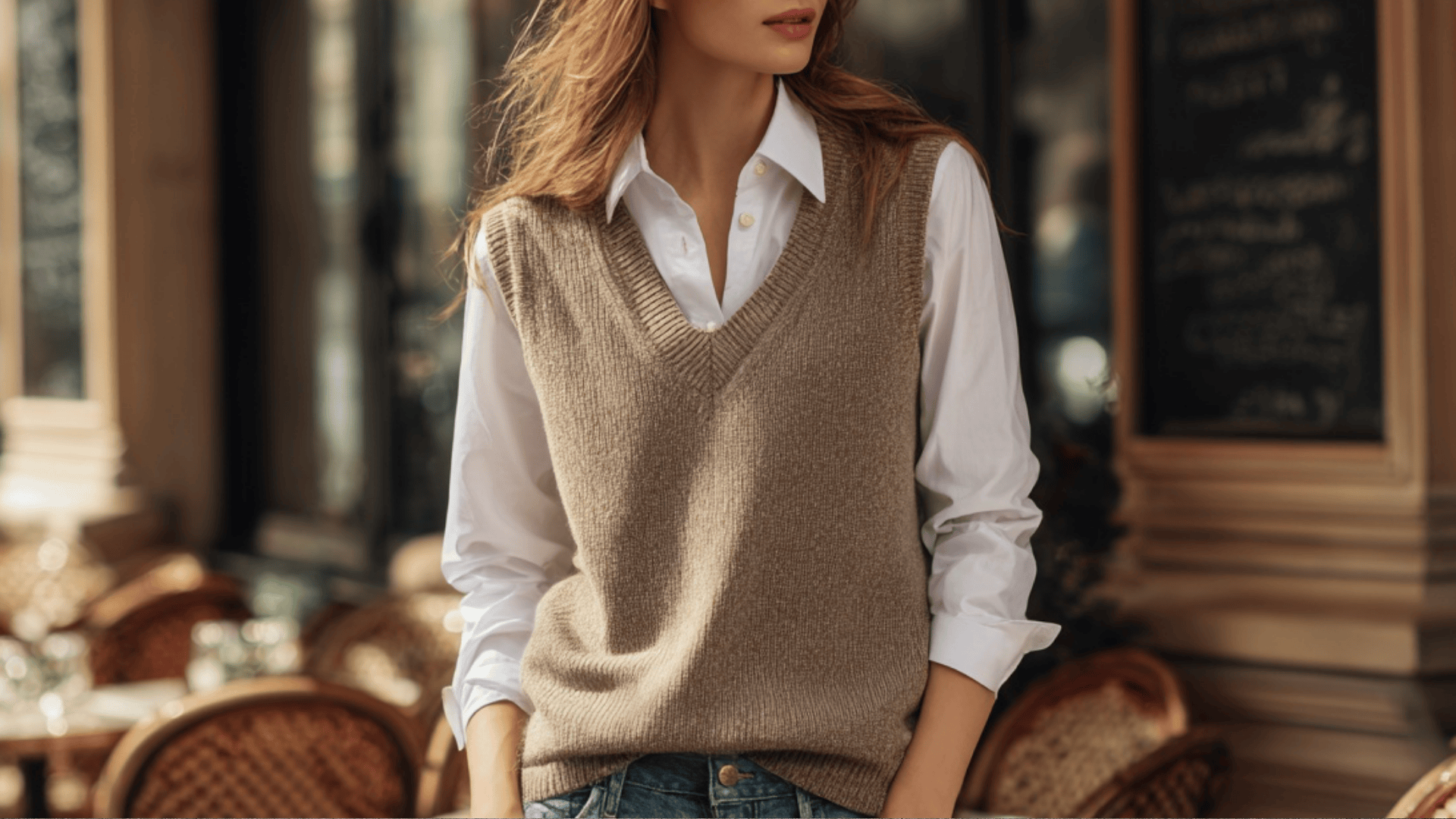
Layer a sweater vest over a crisp white or chambray button-down shirt for preppy chic style. This look brings personality and visual interest to your Thanksgiving table while remaining comfortable.
Pair with jeans or trousers and add loafers or ankle boots. It’s a playful yet polished combination that works well for younger celebrations.
Choose darker florals in autumn colors for a seasonal touch that remains feminine and festive. A midi-length dress offers the perfect balance of coverage and movement for holiday activities.
Pair with ankle boots and a leather jacket or cardigan for cooler weather. This romantic look works beautifully for both hosting and attending Thanksgiving dinners.
A plaid shacket worn over a simple tee with high-waisted jeans creates a trendy yet relaxed outfit. This comfortable combination works perfectly for casual celebrations or outdoor activities.
The shacket provides warmth without bulk and adds instant style to basic pieces. Complete with sneakers or boots and minimal accessories for an effortless appearance.
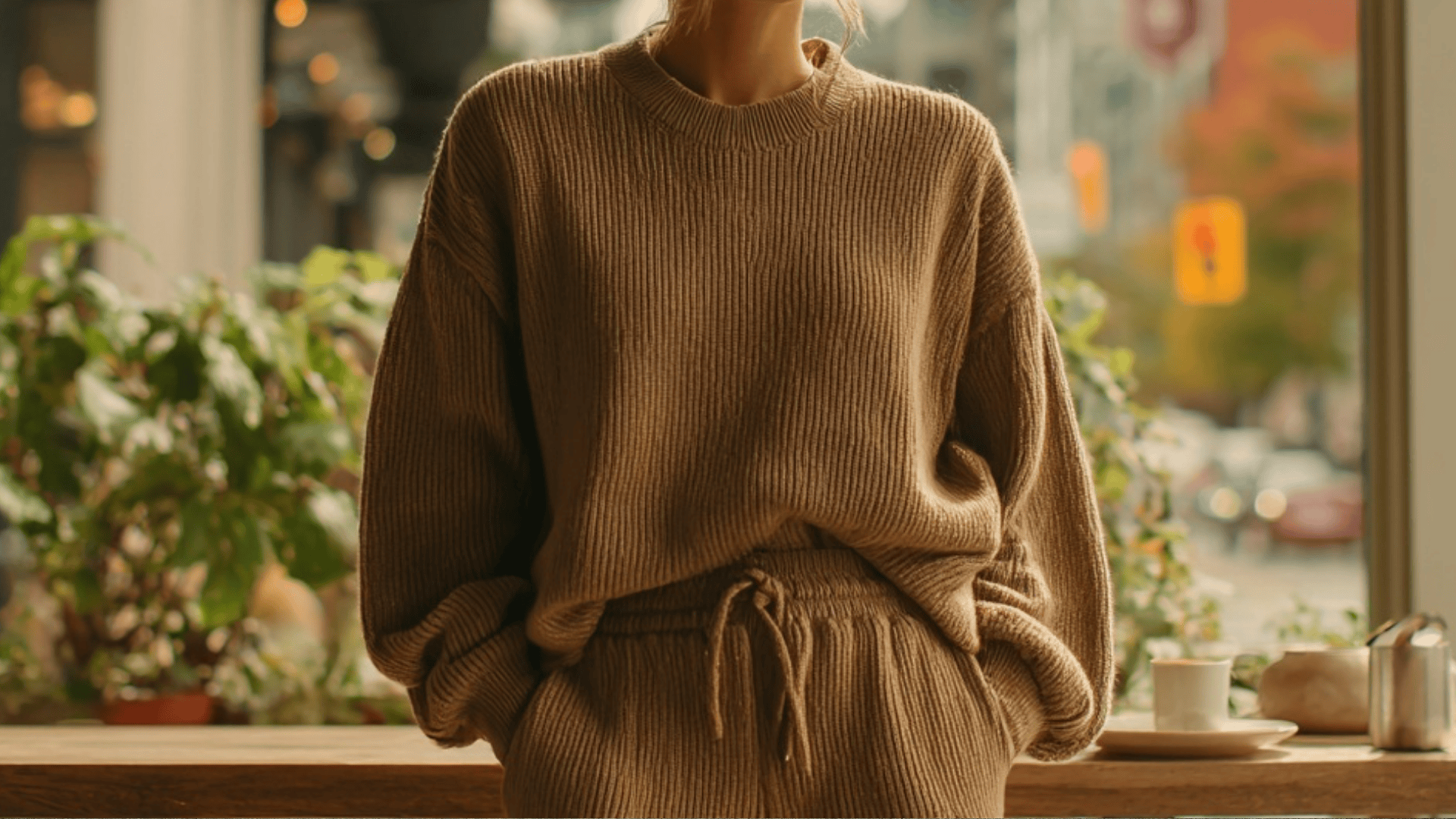
A matching knit set feels as comfortable as loungewear but looks completely put together for long holiday dinners. Choose sets in neutral tones or rich autumn colors for seasonal appropriateness.
This coordinated look requires minimal styling effort while creating maximum impact. Add simple jewelry and comfortable shoes for an outfit that’s both stylish and practical.
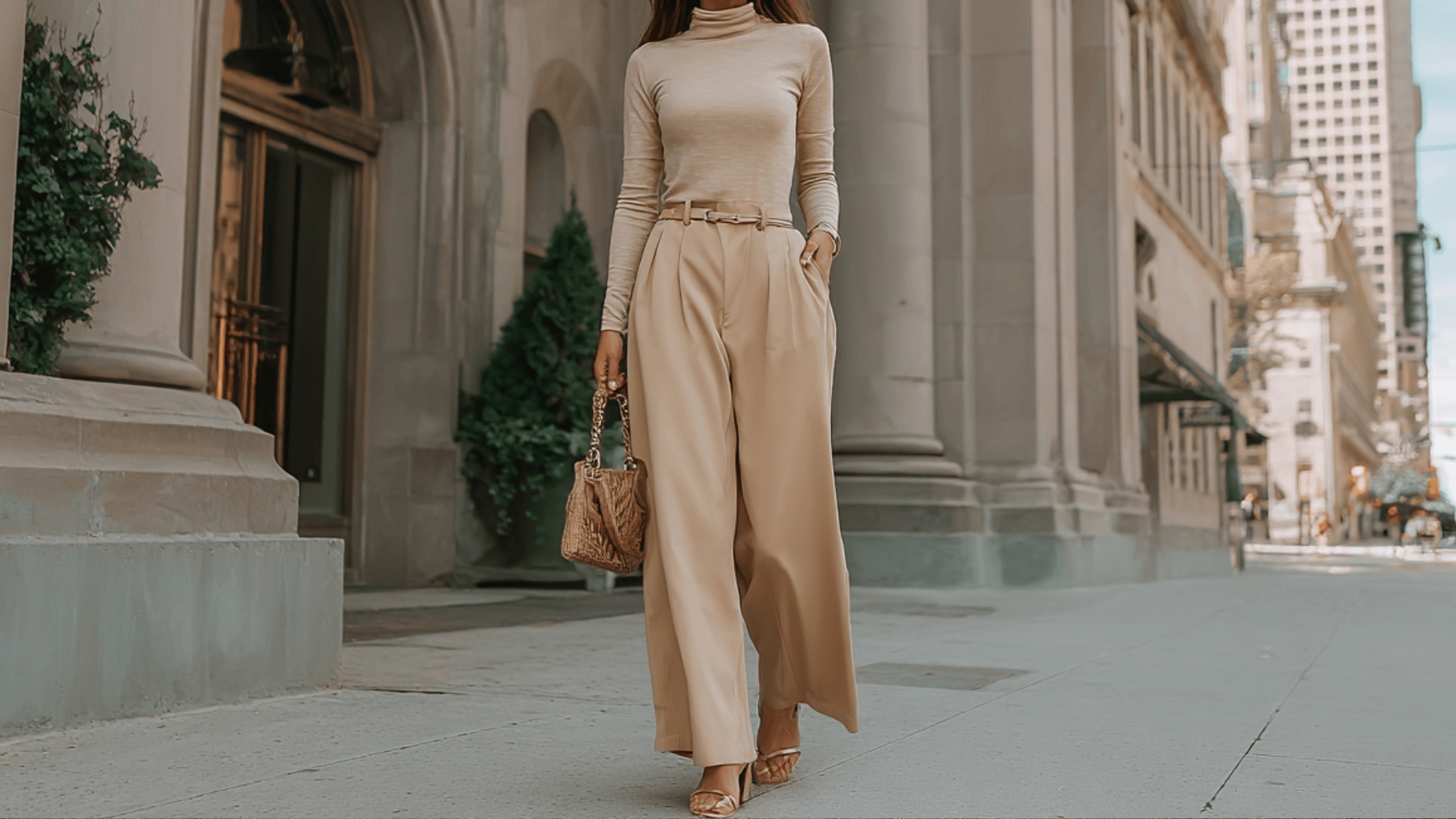
This combination offers both comfort and class for Thanksgiving celebrations. Wide-leg pants offer ample room for eating while maintaining a polished silhouette.
Pair with a fitted mock neck top in complementary colors and add statement earrings. It’s a minimal yet striking look that feels modern and refined.
Go bold with double denim, balanced by a cozy scarf or statement belt that ties the outfit together. Mix different washes for visual interest and depth in this classic combination.
This casual look works wonderfully for relaxed family gatherings or friend celebrations. Add boots and layered jewelry to complete the coordinated denim ensemble.
Perfect for outdoor festivities, this combination adds warmth and texture while maintaining a casual, approachable style. Layer a puffer vest over a classic flannel shirt, then pair it with jeans or leggings.
This practical outfit works beautifully for activities like outdoor games or pumpkin patch visits. Complete with hiking boots or sneakers for maximum comfort and functionality.
Add festive sparkle while keeping things grounded with dark denim for a look that feels special. A sequin top brings holiday glamour without being overly formal or dressy.
This combination works beautifully for evening celebrations or parties with friends. Pair with heeled boots or classic flats and keep jewelry minimal to let the top shine.
Flattering and flowing, a wrap dress in rust or olive tones offers effortless style that moves with you. The adjustable tie allows you to customize the fit throughout the day as needed.
This classic silhouette works for virtually any Thanksgiving occasion and flatters all body types. Add ankle boots and simple accessories for a classic, feminine appearance.
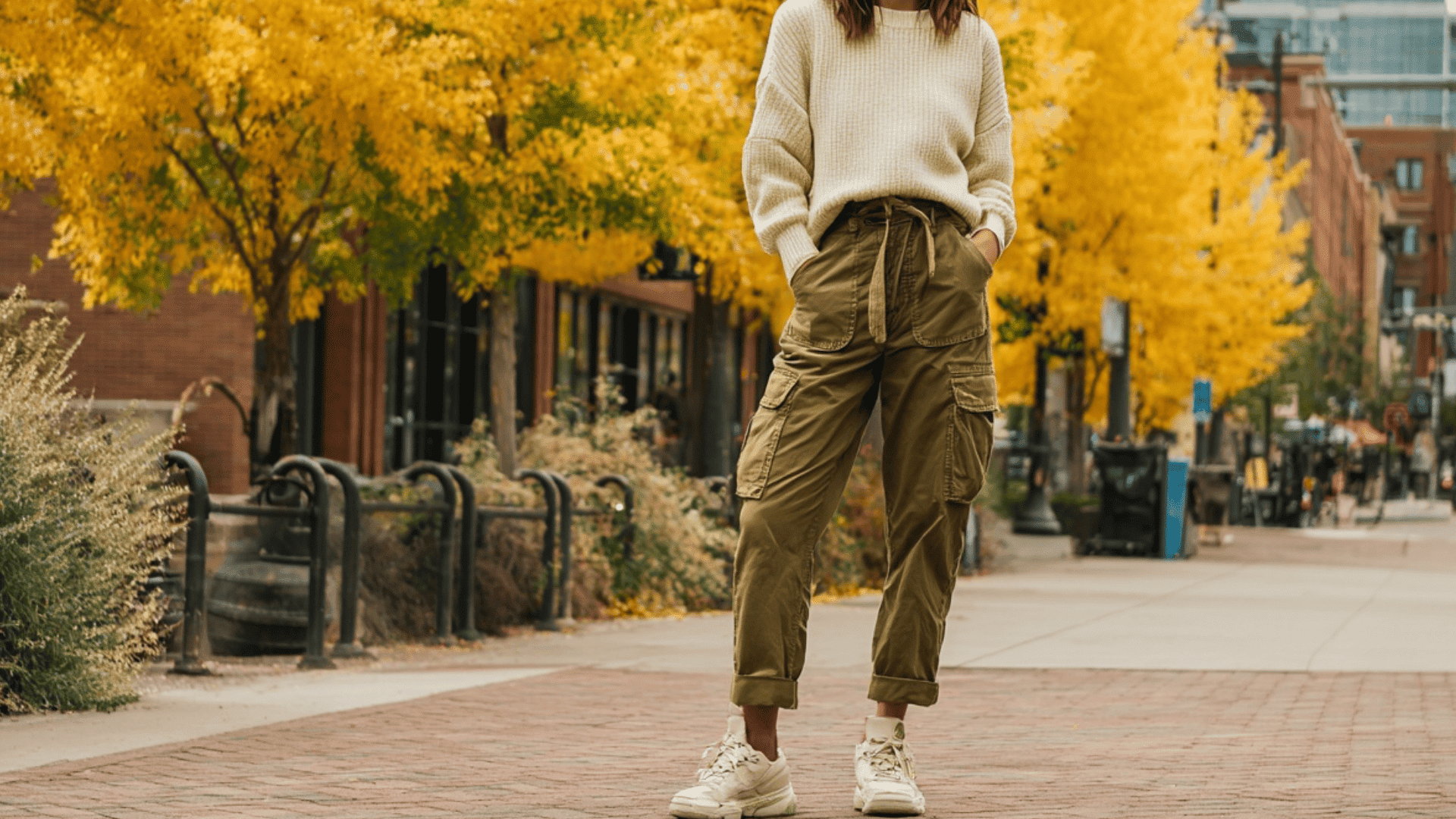
Utility meets cozy in this casual choice, perfect for active Thanksgiving plans with family and friends. Cargo pants offer comfort and practicality while maintaining a trendy, contemporary appearance.
Pair with a cropped sweater in complementary colors and add sneakers or ankle boots. This relaxed combination works perfectly for celebrations that involve outdoor activities or for meal preparation.
Soft prints create rustic chic perfection that brings relaxed class to your celebration. Choose a maxi dress in autumn florals or earthy patterns for seasonal appeal.
Layer with a denim jacket or cardigan for added warmth and dimension. This free-spirited look works beautifully for outdoor gatherings or casual indoor celebrations.
A poncho feels like wearing a cozy blanket while looking effortlessly put together for any holiday gathering. This comfortable piece provides warmth without restricting movement, perfect for long days of eating and socializing.
Pair with skinny jeans and ankle boots for a balanced silhouette. Add simple jewelry and you’re ready for a comfortable, stylish Thanksgiving.
Classic layers that express understated fall luxury, perfect for cooler weather celebrations. A neutral trench coat over a fitted sweater dress creates grace with minimal effort.
This combination works beautifully for traveling between locations or attending outdoor portions of celebrations. Complete with knee-high boots and a structured handbag for polished refinement.
Playing with textures creates a refined, holiday-ready outfit that feels special without being overly formal. A suede skirt in autumn tones paired with a silk or satin blouse brings visual interest.
This combination strikes the perfect balance between dressy and comfortable for traditional family dinners. Add heeled boots and delicate jewelry to complete the classy ensemble.
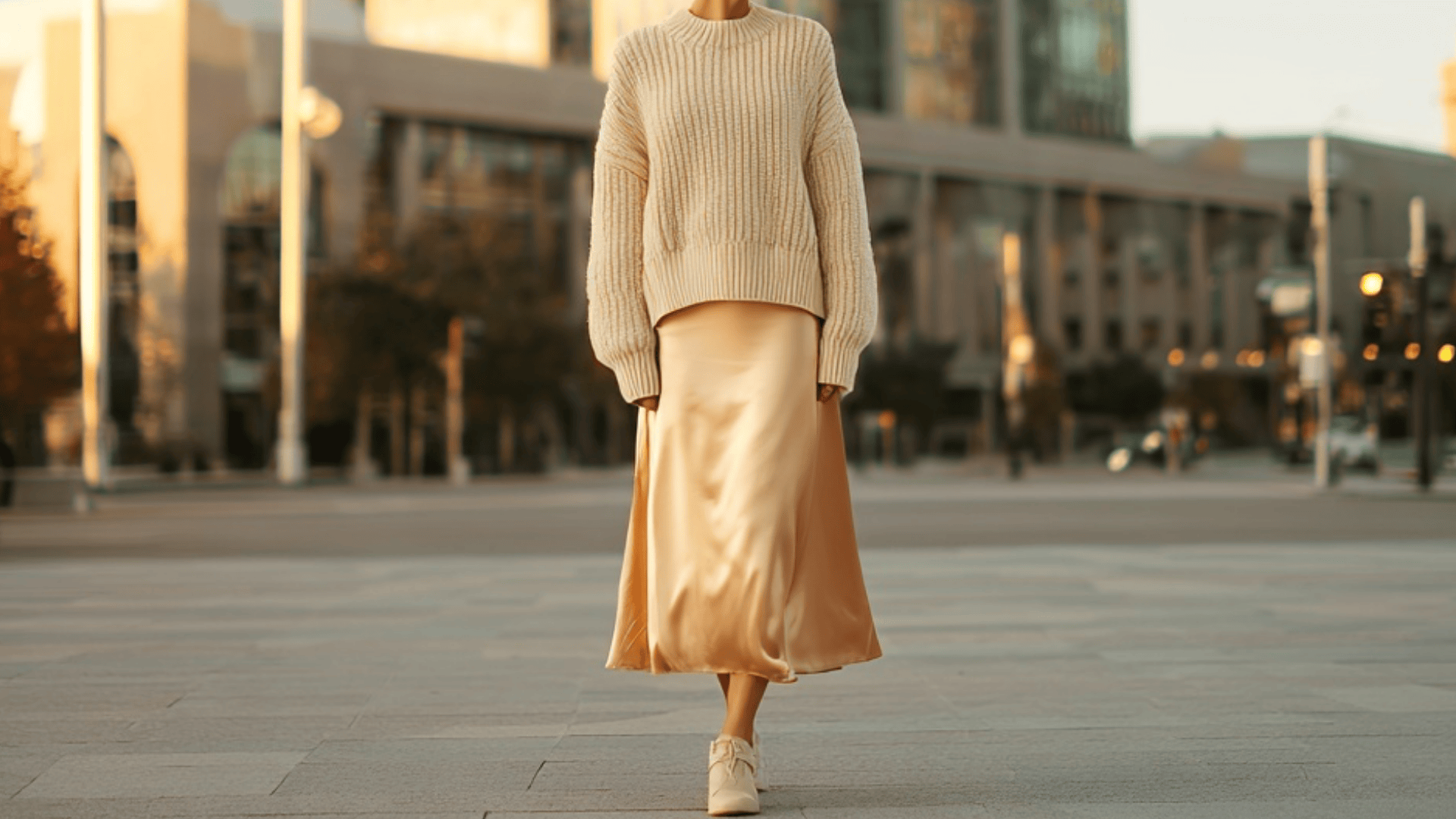
Mix cozy knits with satin for a balanced, stylish look that combines comfort with refined details. The oversized sweater provides warmth and relaxed comfort, while the slip skirt adds unexpected class.
Choose complementary colors or create contrast with neutrals and jewel tones. This modern combination works beautifully for fashion-forward Thanksgiving celebrations.
Sharp yet comfortable, this outfit works beautifully with loafers or heeled boots for a polished appearance. A cropped blazer paired with high-waisted trousers creates a contemporary, professional look.
This combination offers plenty of room for movement while maintaining a structured silhouette. Add a simple top underneath and minimal jewelry for a clean, modern style.
This perfect transitional outfit offers feminine, flowing, and functional style for all-day comfort. A longline cardigan provides coverage and warmth while adding visual length to your silhouette.
Pair with a printed dress in autumn colors and add ankle boots or flats. This layered look works wonderfully for fluctuating indoor temperatures throughout the celebration.
Cinching at the waist creates a sleek, cozy, and flattering silhouette that’s both practical and pretty. A belted turtleneck dress offers warmth, comfort, and style in one simple piece.
Choose rich autumn colors or classic neutrals and pair with knee-high boots. This streamlined look requires minimal accessories while delivering maximum impact.
Cute and practical, this playful combination works great with sneakers or boots for a fun, relaxed look. Overalls in denim or corduroy paired with a fitted turtleneck create a youthful, approachable style.
This comfortable outfit works perfectly for casual celebrations or helping with cooking and preparation. Add simple jewelry and you’re ready for a laid-back Thanksgiving.
Add instant glamour and warmth to any casual outfit with a stylish faux fur jacket. This statement piece transforms a simple jeans-and-top outfit into a special-occasion look.
Choose neutral tones or rich autumn colors for seasonal appropriateness and classicness. Complete with ankle boots and minimal jewelry, letting the jacket be the star.
Comfy matching sets are trending and look wonderful paired with hoop earrings and white sneakers. Choose elevated athleisure in neutral tones or rich autumn colors for polished comfort.
This contemporary look offers maximum comfort without sacrificing style for casual celebrations. Add a structured bag and you’re ready for a relaxed, modern Thanksgiving.
This combination brings together holiday sparkle and comfort, creating the ideal blend of festive and cozy. A metallic pleated skirt catches the light beautifully while maintaining movement and comfort.
Pair with a simple sweater in complementary colors and add ankle boots or heels. This glamorous yet approachable look works perfectly for evening celebrations or special Thanksgiving dinners.
Thanksgiving fashion embraces the warmth of autumn through cozy, earthy hues and rich textures. Here’s a quick guide to the best color combinations and fabric pairings for the season.
Color Family
Example Shades
Style Effect
Best Paired With
Warm Tones
Burnt Orange, Mustard, Burgundy
Adds vibrance and captures autumn’s essence
Neutrals like beige or cream
Earthy Neutrals
Beige, Cream, Camel, Taupe
Classic, soft, and flexible base tones
Bold hues or metallic accessories
Nature-Inspired
Olive Green, Rust, Deep Brown
Evokes fall foliage and grounded grace
Knitwear and suede textures
Monochrome Neutrals
All-Beige, All-Cream Looks
Creates sleek, minimal class
Gold jewelry or tonal layering pieces
Rich Textures
Corduroy, Suede, Velvet, Knit
Adds depth and dimension to any outfit
Complementary earthy or jewel tones
These fall colors and textures combine effortlessly to create outfits that feel cozy, stylish, and seasonally on point—perfect for any Thanksgiving celebration.
Thanksgiving Outfit Inspiration & Pinterest Ideas
Pinterest is a treasure trove of creative Thanksgiving outfit inspiration. From cozy knits to glam dinner looks, it’s the perfect place to visualize and plan your holiday style. Here are five ways to make the most of it:
Search Smart: Look for keywords like “autumn outfit ideas,” “neutral Thanksgiving outfits,” or “holiday dinner fashion” to find trending looks.
Spot the Staples: Pins often feature classic pieces like plaid skirts, sweater dresses, and cozy layered knits.
Build Your Board: Create your own Pinterest board to curate outfit ideas that match your personal style and comfort level.
Follow Influencers: Many fashion creators share easy, budget-friendly looks that can be recreated using pieces you already own.
Mix Textures & Styles: Combine cozy, rustic elements with chic, modern touches, like pairing knits with suede or metallic accents.
Pinterest makes Thanksgiving styling effortless and inspiring, helping you craft a festive, comfortable, and confidence-boosting holiday look.
Making Your Thanksgiving Outfit Your Own
Thanksgiving fashion should reflect your personality while keeping you comfortable throughout the day.
If you prefer cozy knits, earthy neutrals, or shimmering metallics, these outfit ideas provide plenty of inspiration for creating your perfect holiday look.
Focus on layering, texture, and balance to achieve an appearance that feels both festive and effortless. Take cues from your favorite style inspiration, find fall color combinations, and make each outfit uniquely yours.
Most importantly, choose pieces that make you feel confident and comfortable so you can fully enjoy the celebration. After all, feeling great in what you wear is truly something to be thankful for this holiday season.
Autumn brings fresh crisp air, glowing foliage, and a special chance to pause and enjoy the season’s warmth.
With so many ways to embrace the golden days ahead, it’s the perfect time to try simple outings, home projects, and seasonal traditions.
If you’re drawn to fresh orchard fruit, rich kitchen smells, or a calm stroll under tall grasses, this list offers varied ideas to fill your calendar with comforting moments.
Pick the ones that call to you, check off what feels right, and make this season one you’ll remember long after the leaves have fallen.
Why Everybody Loves Fall Activities
Fall carries a kind of charm that feels naturally comforting. The air turns crisp, trees shift into warm shades, and everyday routines gain a softer, cozier rhythm.
People enjoy fall activities because they offer simple pleasures that feel grounding, fresh apples, glowing pumpkins, warm drinks, gentle walks, and small seasonal moments that spark nostalgia.
Many fall traditions also bring communities together, creating shared experiences that feel warm and inviting.
Homes feel cozier, outdoor spaces look brighter, and even the smallest activities feel more meaningful.
It’s a season that encourages slowing down, enjoying familiar comforts, and appreciating beauty in its most natural, effortless form.
Classic Fall Activities
Celebrate autumn’s charm with classic activities that bring cozy nostalgia, seasonal beauty, and simple joy to your fall bucket list every year.
1. Go Apple Picking
Apple picking offers crisp air, bright orchards, and fresh fruit straight from the tree. Walk the rows, fill your basket, and enjoy a relaxing seasonal outing that feels warm, simple, and perfectly fall.
2. Visit a Pumpkin Patch
Pumpkin patches bring cheerful displays, bright pumpkins, and farm charm. Choose your favorite pumpkin, enjoy small seasonal treats, and appreciate the cozy atmosphere that makes fall feel comforting, familiar, and pleasantly festive every year.
3. Carve Any Design On Pumpkins
Carving pumpkins is a classic fall craft. Scoop, design, and light your creation for a seasonal display. It’s a simple way to add cheerful warmth and traditional charm to your home in autumn.
4. Roast Pumpkin Seeds
Roasting pumpkin seeds creates a warm, crunchy snack with minimal effort. Season them sweet or salty, enjoy their aroma, and appreciate a small, satisfying treat that brings simple comfort during cooler fall days.
5. Jump Into a Pile of Leaves
Jumping into leaves brings carefree fun and nostalgic joy. Rake a large pile, leap in, and enjoy the crisp sound as they scatter. It’s a lighthearted way to enjoy the season’s bright colors.
6. Walk a Modern Fall Garden Path
A modern garden path lined with tall grasses and warm outdoor lights creates a calm seasonal moment. The soft glow, natural textures, and clean design make it a peaceful way to enjoy the early fall atmosphere.
7. Visit Any Barn
Visiting a barn brings warm seasonal charm with wooden beams, earthy scents, and quiet surroundings. Enjoy the calm atmosphere, natural textures, and gentle stillness that make fall feel cozy, simple, peaceful, and pleasantly connected to traditional countryside settings.
8. Attend a Harvest Festival
A harvest festival brings seasonal food, music, crafts, and a friendly gathering. Walk through vendor booths, enjoy warm fall treats, and spend time appreciating community traditions that feel comforting and spirited during the season.
9. Pick Seasonal Flowers
Autumn flowers like mums and sunflowers bring warm color and cheerful energy. Visit a field or stand, choose bright blooms, and bring them home to add simple, uplifting beauty to your space during fall.
10. Go Leaf-Peeping
Leaf-peeping focuses on fall’s bright colors. Walk or drive through areas filled with red, orange, and yellow leaves. Enjoy the cool air, quiet moments, and natural color that make the season feel peaceful.
11. Take a Scenic Fall Drive
A fall drive gives wide views of colorful trees and quiet roads. Stop for photos, sip a warm drink, and enjoy the stillness that makes seasonal drives feel calming, simple, and pleasantly reflective.
12. Collect Colourful Leaves
Collecting leaves highlights the season’s shapes and colors. Gather different styles, press them, or use them for crafts. It’s a relaxing way to appreciate fall’s natural beauty in a small, meaningful moment.
13. Make a DIY Fall Wreath
A fall wreath adds seasonal charm to your home. Use leaves, pinecones, or ribbons to build a warm, simple decoration that brings cozy color to your door or wall throughout the season.
14. Visit a Farm Stand
Farm stands offer fresh produce, baked goods, and local items. Pick up apples, pumpkins, or jams. Enjoy simple, small-town charm, and support local growers while bringing home seasonal treats that feel warm and homey.
15. Decorate Your Porch for Fall
A fall porch display sets a welcoming tone. Add pumpkins, lanterns, mums, and warm colors to create simple seasonal charm. It’s an easy way to bring gentle coziness to your home’s entrance.
Cozy At Home Fall Vibes
Create warm seasonal comfort with simple at-home moments that bring soft lighting, inviting scents, and soothing routines.
16. Light Fall Scented Candles
Fall scented candles fill your space with warm, comforting aromas like pumpkin, cinnamon, or maple. Their soft glow creates a gentle atmosphere, making any room feel cozy, peaceful, and perfect for relaxing during cooler autumn evenings.
17. Have a Cozy Movie Night
A cozy movie night sets the perfect tone for staying in. Add blankets, warm drinks, and soft lighting to create a calm space. Where you can enjoy your favorite seasonal films with comfort and simple relaxation.
18. Bake Pumpkin Bread
Pumpkin bread brings warm spices and an inviting aroma into your home. Its soft texture and rich flavor make it an ideal fall treat, filling the kitchen with comfort and creating a pleasant, homey moment during the season.
19. Make Spiced Apple Cider
Spiced apple cider creates a soothing fall drink with cinnamon, cloves, and warm apple notes. Simmering it fills your space with a gentle aroma, bringing comforting flavor and seasonal coziness to quiet evenings or relaxed gatherings.
20. Create a Fall Hot Chocolate Bar
A fall hot chocolate bar adds fun seasonal charm. Set out marshmallows, whipped cream, cinnamon, and toppings to create a warm. An inviting treat that brings comfort, sweetness, and cozy atmosphere to your autumn evenings.
21. Read Under a Warm Blanket
Reading under a warm blanket creates a peaceful retreat during cool fall days. Soft textures, quiet surroundings, and your favorite book combine to bring calm, comfort, and gentle moments that help you unwind and enjoy slower evenings.
22. Have a Fall Themed Game Night
A fall-themed game night adds seasonal fun to your home. Choose cozy games, light candles, and enjoy warm snacks to create an inviting atmosphere. That feels comfortable, relaxed, and perfect for spending time with loved ones.
23. Bake Seasonal Treats
Baking seasonal treats fills your home with warm aromas and inviting flavors. Cookies, muffins, or pastries bring comforting sweetness. That makes fall feel cozy, homey, and pleasantly simple, turning your kitchen into a warm seasonal space.
24. Make Caramel Apples
Caramel apples combine crisp fruit with a smooth, sweet coating. Creating them at home brings seasonal charm, warm aroma, and nostalgic fall flavor, making them a delightful treat that adds comfort and simple joy to your autumn days.
25. Do a Fall Puzzle
A fall puzzle offers calm activity and gentle focus. Choose an autumn scene, set up a cozy spot, and enjoy steady progress. That brings quiet satisfaction and peaceful moments perfectly suited to cool evenings indoors.
26. Set Up a Reading Nook
A reading nook creates a quiet corner for calm fall moments. Add pillows, a blanket, soft lighting, and seasonal décor to build a small, comfortable space that encourages relaxation and peaceful time with your favorite books.
27. Journal Your Fall Goals
Journaling fall goals brings clarity and intention to the season. Writing in a quiet space helps you reflect, plan simple routines, and stay connected to what matters, creating meaningful moments that make autumn feel grounded and purposeful.
28. Start a Fall Scrapbook
A fall scrapbook lets you save seasonal memories with photos, notes, and small keepsakes. Creating it brings calm focus and gentle creativity, turning simple fall moments into something meaningful you can enjoy long after the season ends.
29. Decorate With Cozy Throws
Cozy throws add warmth, color, and soft texture to your home. Layering them on chairs, sofas, or beds instantly creates a welcoming atmosphere. That feels comfortable, soothing, and perfectly suited to cool fall days indoors.
30. Create a Comfort Food Dinner Night
A comfort food dinner night brings warmth to your table with simple, hearty dishes. Soft lighting, calm music, and seasonal flavors. Create a relaxing atmosphere that turns an ordinary evening into a cozy fall experience.
Food & Drink Fall Favorites
Enjoy autumn’s best flavors with comforting meals, seasonal drinks, and homemade goodies that highlight the richness and warmth of fall-inspired cuisine.
Sip a pumpkin spice latte
Make mulled wine
Visit a cider mill
Try seasonal donuts
Make butternut squash soup
Try maple-glazed recipes
Host a chili cook-off
Attend a fall food festival
Try a fall craft beer flight
Host a wine-tasting night
Make roasted root veggies
Enjoy a campfire dinner
Bake pumpkin muffins
Make homemade jam
Try a new fall dessert recipe
Halloween Fun
Hug spooky-season excitement with creative costumes, festive treats, thrilling activities, and Halloween traditions that bring playful fun to your autumn celebrations.
Visit a haunted house
Create your Halloween costume
Decorate your home spooky style
Host a Halloween party
Go trick-or-treating
Watch classic Halloween movies
Make Halloween cookies
Carve pumpkins with friends
Try Halloween makeup looks
Go on a ghost tour
Visit a Halloween pop-up shop
Make a spooky charcuterie board
Do a glow-stick night walk
Host a costume contest
Make DIY Halloween décor
Outdoor Autumn Adventures
Experience fall’s breathtaking beauty outdoors with crisp-weather adventures, colorful foliage, and refreshing activities that let you embrace nature’s seasonal change.
Go on a fall hike
Plan a camping or glamping trip
Visit a national park
Go kayaking among fall colours
Try horseback riding
Explore a new nature trail
Go fishing in the crisp air
Have a fall picnic
Go biking through foliage
Explore a botanical garden
Spend a night stargazing
Visit a waterfall
Go bird-watching
Take an outdoor yoga class
Go rock climbing or bouldering
Creative Autumn Projects
Get inspired with hands-on fall crafts and DIY projects that celebrate seasonal colors, creativity, and cozy artistic expression throughout the autumn months.
Make a leaf collage
Do leaf rubbings
Paint fall landscapes
Make DIY centerpieces
Create a fall printable
Start a fall bullet journal
Paint pinecones
Make DIY candles
Try fall watercolor painting
Make seasonal bookmarks
Create a fall vision board
Decorate pumpkins without carving
Make a fall doormat
Sketch nature outdoors
Start a fall photography challenge
Family & Kids Fall Fun
Make unforgettable memories with fun, family-friendly fall activities designed to spark joy, encourage connection, and celebrate autumn together in playful, meaningful ways.
Build a backyard bonfire
Toast s’mores
Visit a petting zoo
Make cinnamon-salt dough ornaments
Have a family game night
Do a fall scavenger hunt
Bake cookies together
Explore a children’s museum fall event
Make fall-themed slime
Have a backyard treasure hunt
Visit a fall carnival
Go mini-golfing
Make a scarecrow
Enjoy a family picnic
Do pumpkin painting with kids
Fall Self-Care Ideas
Nurture your mind and body this season with gentle self-care rituals that promote calm, reflection, gratitude, and cozy comfort during crisp autumn days.
Start a gratitude journal
Take a long autumn walk
Create a cozy bath with fall scents
Make a fall playlist
Buy cozy loungewear
Do a digital detox
Watch a fall sunrise
Practice meditation outdoors
Celebrate “slow Sunday” routines
Get a fall-themed manicure
Prep your home for wellness
Create a morning warm-drink ritual
Try aromatherapy with seasonal oils
Take yourself on a fall solo date
Write down your fall intentions
Travel & Seasonal Experiences
Find beautiful destinations and unique fall experiences that highlight stunning foliage, cozy travel vibes, charming towns, and unforgettable seasonal adventures across the country.
Visit New England during peak foliage
Stay in a mountain cabin
Explore a new city in the fall
Take a fall train ride
Visit a vineyard
Go apple cider tasting
Take a fall road trip
Visit a lakeside town
Explore a sunflower or mum field
Stay in a treehouse cabin
Visit a lighthouse
Go on a fall bike tour
Visit a waterfall trail
Find a historic small town
Visit a craft fair out of town
Seasonal Events & Community Fun
Connect with your community through festive fall events, vibrant markets, cultural celebrations, and seasonal gatherings that bring people together in the spirit of autumn.
Attend Oktoberfest
Visit a fall farmer’s market
Join a local fun run or 5K
Attend a community bonfire
Join a pottery/class workshop
Visit a fall-themed café
Attend a seasonal concert
Volunteer at a food bank
Participate in a charity event
Join a fall book club
Take a cooking class
Visit an autumn craft show
Attend a cultural festival
Watch a local sports game
Join a community clean-up day
Host a neighbourhood potluck
Visit a fall pop-up market
Wrapping Up Your Fall Experience
As autumn moves through its rich colors and calm moments, the season offers endless ways to bring warmth into everyday life.
Soft lighting, earthy scents, textured décor, fresh flavors, and peaceful outdoor scenes create experiences that feel comforting and memorable.
Each activity carries its own charm, giving you space to enjoy familiar comforts or try something new at a gentle pace.
These moments gradually build into meaningful memories that stay long after the season ends.
Let this collection inspire you to bring more color, comfort, and intention into the coming weeks. Begin choosing your favorite ideas now, and start shaping your ideal fall season today.
Resistance bands are versatile tools in the fitness world that offer various levels of resistance to enhance your workouts. One of the primary benefits of resistance bands is their portability. Unlike bulky gym equipment, these bands are lightweight and compact, making them perfect for home workouts, outdoor sessions, or even when traveling. They provide a cost-effective solution for those who may not have access to a gym, allowing you to maintain your fitness regimen without breaking the bank. Moreover, resistance bands engage your muscles differently compared to free weights, as they offer constant tension throughout the movement, leading to improved muscle endurance and strength.
Why Pull-Ups Are Challenging for Beginners
Pull-ups are often regarded as one of the most challenging upper-body exercises, especially for beginners. This is primarily due to the significant amount of strength and coordination required to lift your entire body weight using just your upper body muscles. For many, the lack of initial strength in the back, shoulders, and arms makes it difficult to even perform a single pull-up.
The complexity of pull-ups lies in the engagement of multiple muscle groups, including the latissimus dorsi, biceps, deltoids, and the core muscles. Beginners often struggle with pull-ups because these muscles may not be sufficiently developed to support the movement. This is where exercise bands for assisted pull-ups from Tribe Lifting can help. Using these bands provides the extra support needed to perform pull-ups safely and effectively, allowing beginners to build strength while maintaining proper form and reducing the risk of injury.
Another challenge that beginners face is the psychological barrier. The thought of lifting oneself off the ground can be intimidating, especially after several failed attempts. This can lead to discouragement and a lack of motivation to continue practicing pull-ups. Understanding these challenges is the first step toward overcoming them, and this is where exercise bands for assisted pull-ups come into play, offering a practical solution for building strength and confidence.
How Resistance Bands Make Pull-Ups Easier
Exercise bands for assisted pull-ups provide the extra support needed to perform the movement with proper form and technique. By reducing the amount of body weight you need to lift, resistance bands allow you to focus on strengthening the muscles involved in the pull-up. This assistance not only makes the exercise more manageable but also helps in gradually building the necessary strength to perform unassisted pull-ups in the future.
The way resistance bands work is simple yet effective. By looping the band over a pull-up bar and placing your foot or knee into the band, you create a counterbalance that aids in lifting your body weight. This assistance enables you to complete more repetitions, which is crucial for developing the muscle endurance needed for pull-ups. As your strength improves, you can switch to bands with less resistance, gradually challenging your muscles further.
In addition to physical assistance, resistance bands also help in maintaining proper form during pull-ups. They encourage a full range of motion, ensuring that you engage the correct muscle groups throughout the exercise. This can prevent the common mistake of relying too heavily on arm muscles alone, which can lead to muscle imbalances and hinder progress. By incorporating resistance bands into your pull-up routine, you can effectively work toward achieving your first unassisted pull-up.
Choosing the Right Band for Your Strength Level
Selecting the appropriate resistance band is crucial for maximizing the benefits of assisted pull-ups. Resistance bands come in various thicknesses and resistance levels, typically indicated by color-coding. Beginners may start with a thicker band that offers more assistance, while those with more upper body strength might opt for a thinner band with less resistance. It’s essential to choose a band that provides enough support to complete the exercise without compromising form.
When selecting a band, consider your current strength level and the number of repetitions you can perform comfortably. If you can barely complete a pull-up with a certain band, it may be too challenging, and you should opt for a thicker band. Conversely, if you can perform many repetitions effortlessly, you may need to switch to a band with less assistance. The key is to find a balance that challenges your muscles while allowing for gradual improvement.
To ensure you’re using the right band, it’s helpful to test different resistance levels. Many fitness enthusiasts find it beneficial to have a set of bands with varying resistance levels. This allows for progression as you build strength and confidence in your pull-up abilities. By regularly assessing your progress and adjusting your band choice accordingly, you can effectively work toward mastering unassisted pull-ups.
How to Set Up and Perform a Band-Assisted Pull-Up
Setting up for a band-assisted pull-up is straightforward but requires attention to safety and proper technique. Begin by selecting the right resistance band for your strength level. Loop the band over the pull-up bar, ensuring it is securely positioned in the center. It’s important to double-check that the band is firmly in place to prevent slipping during the exercise.
Once the band is secure, step onto a stable surface, such as a box or bench, to reach the bar. Carefully place one foot or knee into the band, depending on the level of assistance needed. Grip the pull-up bar with your palms facing away from you, ensuring your hands are shoulder-width apart. Engage your core and initiate the pull-up by retracting your shoulder blades and pulling your chest toward the bar. Focus on maintaining a controlled motion both on the way up and down.
Performing the exercise with proper form is crucial for maximizing the benefits and minimizing the risk of injury. Keep your body straight and avoid swinging or using momentum to complete the movement. As you become more comfortable with band-assisted pull-ups, aim to reduce the resistance gradually by switching to lighter bands. This progression will help you build the strength needed to eventually perform pull-ups without assistance.
Common Mistakes to Avoid
While resistance bands can significantly aid in performing pull-ups, certain common mistakes can hinder progress and increase the risk of injury. One frequent mistake is relying too much on the band for assistance, leading to improper form. It’s essential to focus on engaging the correct muscles, such as the back and shoulders, rather than allowing the band to do all the work.
Another mistake is using momentum or swinging the body to complete the pull-up. This not only reduces the effectiveness of the exercise but also increases the risk of injury. To avoid this, concentrate on controlled movements, maintaining a steady pace throughout the exercise. Engaging the core muscles can help stabilize the body and prevent swinging.
Lastly, many individuals neglect to adjust the resistance level of the band as they progress. Sticking to the same band even as strength improves can lead to a plateau in performance. Regularly assessing your progress and challenging yourself with lighter bands will ensure continuous improvement. By being mindful of these common mistakes, you can make the most of your band-assisted pull-up routine.
Progression: Transitioning to Unassisted Pull-Ups
As you gain strength and confidence with band-assisted pull-ups, it’s important to focus on progressing to unassisted pull-ups. Transitioning requires a combination of strength training, consistent practice, and patience. Consider incorporating additional exercises that target the muscles used in pull-ups, such as rows, lat pull-downs, and bicep curls, to further enhance your upper body strength.
Gradually reducing the resistance of the band is a key step in the progression process. As your pull-up technique improves, switch to bands with less assistance, challenging your muscles more with each workout. Additionally, focus on increasing the number of repetitions and sets to build muscle endurance. This incremental approach will help you develop the strength needed for unassisted pull-ups.
Another effective strategy is to incorporate negative pull-ups into your routine. These involve starting at the top of the pull-up position and slowly lowering yourself down with control. Negative pull-ups emphasize the eccentric phase of the movement, which can significantly enhance muscle strength.
Embrace Resistance Bands for Your Fitness Journey
Incorporating exercise bands for assisted pull-ups into your fitness routine is an excellent way to build strength, improve technique, and ultimately achieve your first unassisted pull-up. As you progress, remember to choose the right band for your strength level, focus on proper form, and avoid common mistakes. With dedication and consistency, resistance bands can be a powerful tool in your fitness arsenal, helping you achieve your goals and take your training to new heights. Whether you’re a beginner or a seasoned athlete, embracing resistance bands can make your fitness journey more rewarding and enjoyable.