
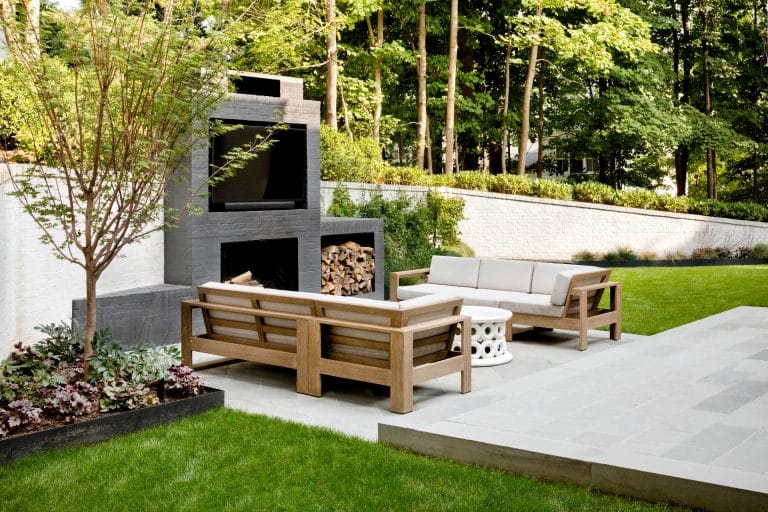
Is your backyard feeling a bit dull? Don’t let that empty outdoor space go to waste. With some clever design and cozy furnishings, you can easily turn your backyard into an extension of your home — an inviting spot for relaxing, entertaining, and embracing the great outdoors. Read on for tips to create a comfortable, stylish outdoor living area you’ll never want to leave.
Start With a Plan
Before you start buying furniture or planting gardens, take a step back and envision how you want to use the space. Do you need room for kids to play? A spot for grilling and outdoor dining? A peaceful lounge area for morning coffee or evening cocktails? Map out different zones for different activities, keeping in mind the traffic flow and sun exposure at various times of day.
Create an Atmosphere With Landscaping
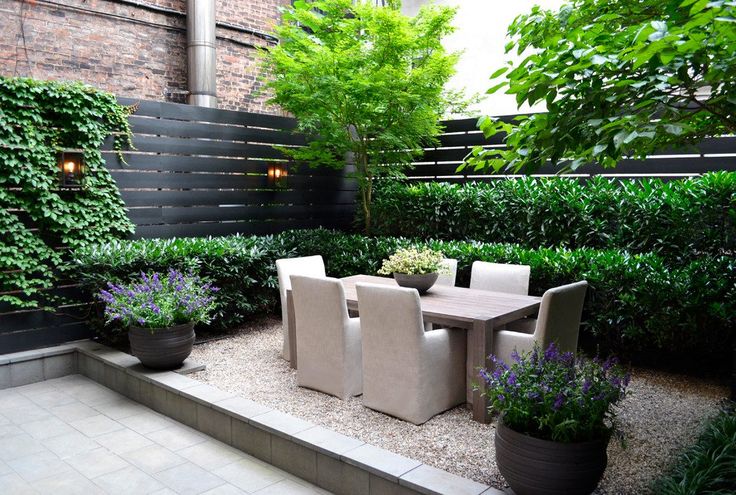
Well-planned landscaping and gardens can turn a bland backyard into an oasis. Use trees, shrubs, and flowers to define spaces, provide shade and privacy, and add pops of color. You could border a patio or lounge area with low hedges or planters filled with blooms, or line a path or driveway with tall grasses or sculptural plants.
Install trellises or pergolas with vines for a romantic, secret garden vibe. And don’t forget fragrant flowers and herbs to engage your sense of smell.
Designate an Outdoor Living Room
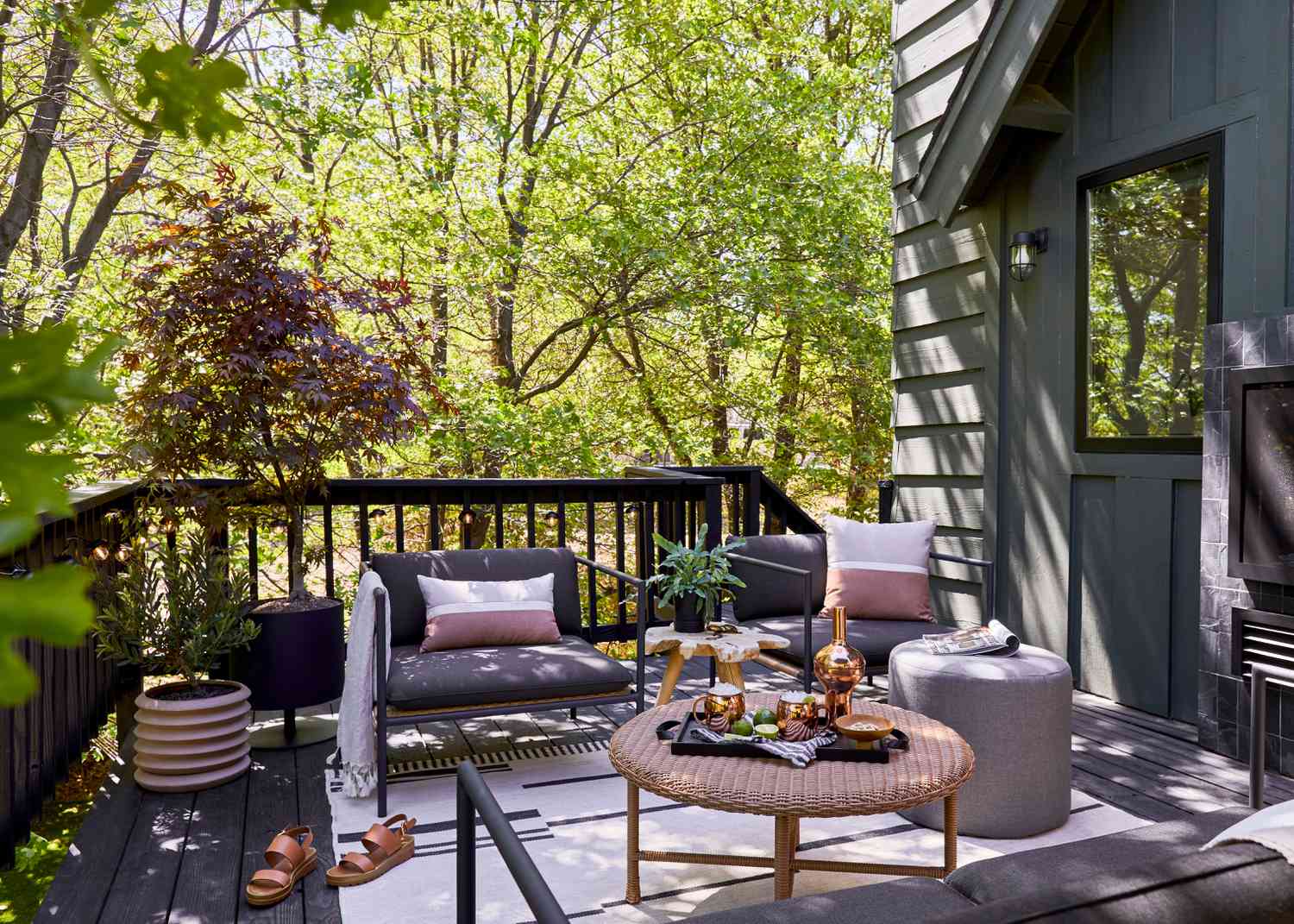
A dedicated outdoor living room should be at the heart of your backyard haven. This is the main hangout spot, a place for conversation, drinks, reading, lounging, or just admiring the view.
To define this area, use an outdoor rug to anchor the space. Outdoor rugs are made from durable, weather-resistant materials and can instantly make the area feel cozier and more living room-like.
For seating, arrange outdoor lounge furniture such as sofas, loveseats, chairs, and ottomans in a welcoming conversational setup. Look for all-weather wicker, teak, aluminum, or resin pieces and include side tables for drinks and an outdoor coffee table as a central focal point.
Establish an Alfresco Dining Zone
If outdoor entertaining is a priority, incorporate a separate dining area complete with a patio table and chairs. A large umbrella is a must for shading the table from harsh sunlight. You could also add a pergola overhead and drape it with curtains or vines for a romantic feel.
Surrounding trees could offer natural coverage, or use planters filled with tall grasses or bamboo to create a natural canopy. Jazz up a basic table with a bright outdoor tablecloth and placemats and use ambient lighting like strings of patio lights or outdoor-safe lanterns to beckon guests to linger long after the meal is over.
Create a Cozy Lounge Spot
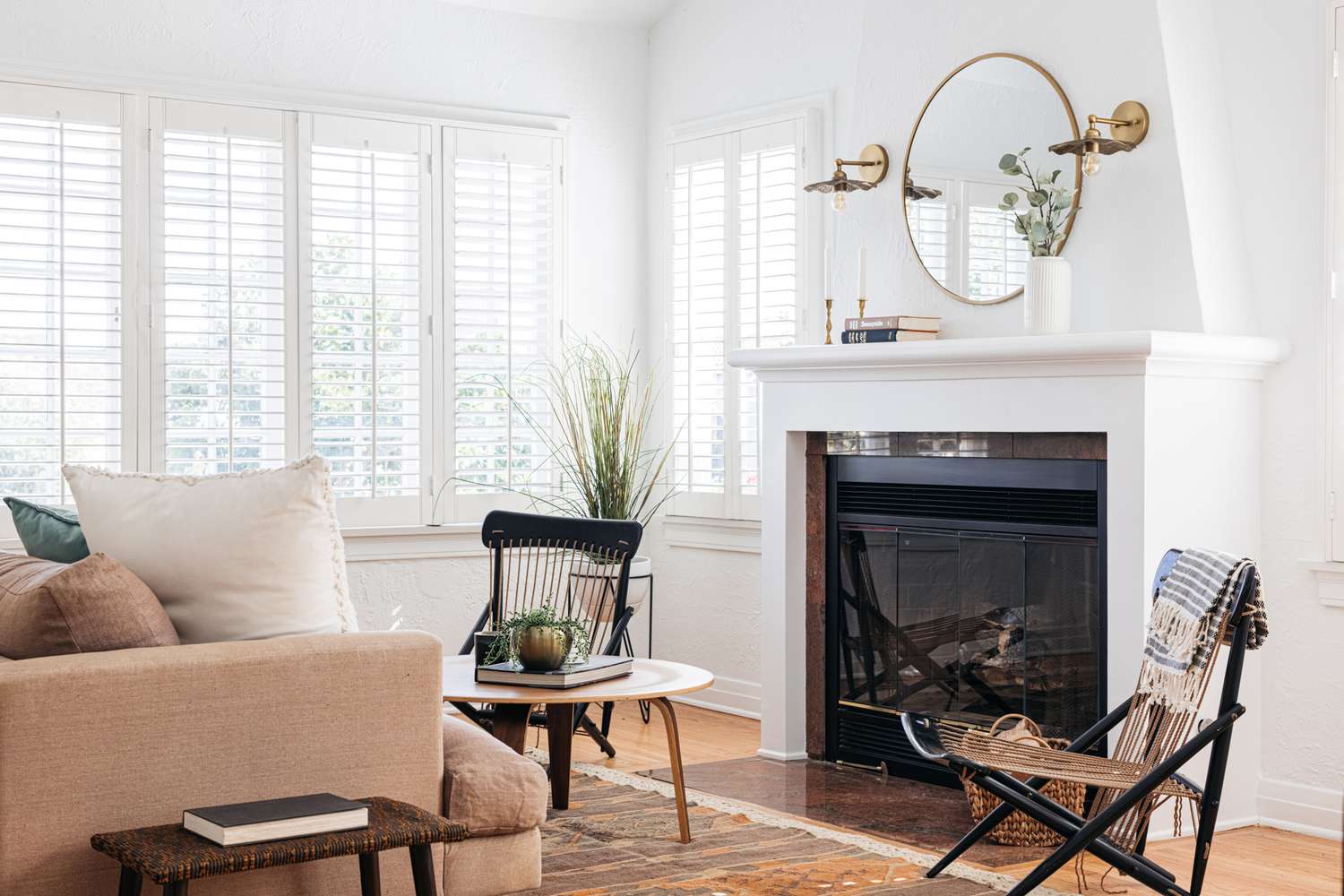
For more intimate outdoor seating, add a separate conversation area or even a hammock or porch swing for afternoon naps. Weather-resistant wicker chairs and a side table create an ideal spot for morning coffee or evening wine, while a deep seating sectional with a fire pit makes for the ultimate outdoor lounging zone.
Don’t Forget the Outdoor Kitchen
If your budget allows, an outdoor kitchen can be an absolute game-changer for entertaining and enjoying your backyard living area. Install a grill, cooktop, mini fridge, storage, and counter space for an open-air cooking and prep zone. Run gas lines for a built-in grill or tuck a portable grill cart into a corner. Add an outdoor sink and you’ll eliminate the back-and-forth to the house while cooking, and consider splurging on an outdoor pizza oven for pro-level alfresco dining.
Fun Accessories and Finishing Touches
Now for the extras that really make an outdoor room feel special and homey. Sprinkle in a few candles, string lights, wall art, outdoor speakers for music, outdoor heaters, and plush waterproof blankets.
Set up open shelving or cabinets for outdoor storage of tableware and linens, or a chic bar cart or beverage tub to hold supplies for mixing cocktails.
Outdoor Living Made Simple
With smart zoning, comfortable seating arrangements, and cozy accessories, your outdoor living area will become the shining star of backyard living. So plan ahead, get creative, and design the ultimate open-air retreat tailored exactly to your style and needs.










 The milder ambient conditions in spring and autumn in Adelaide provide a beautiful respite from the extreme summer and winter months. These seasons offer a unique opportunity to optimise energy consumption and work towards maximising energy savings.


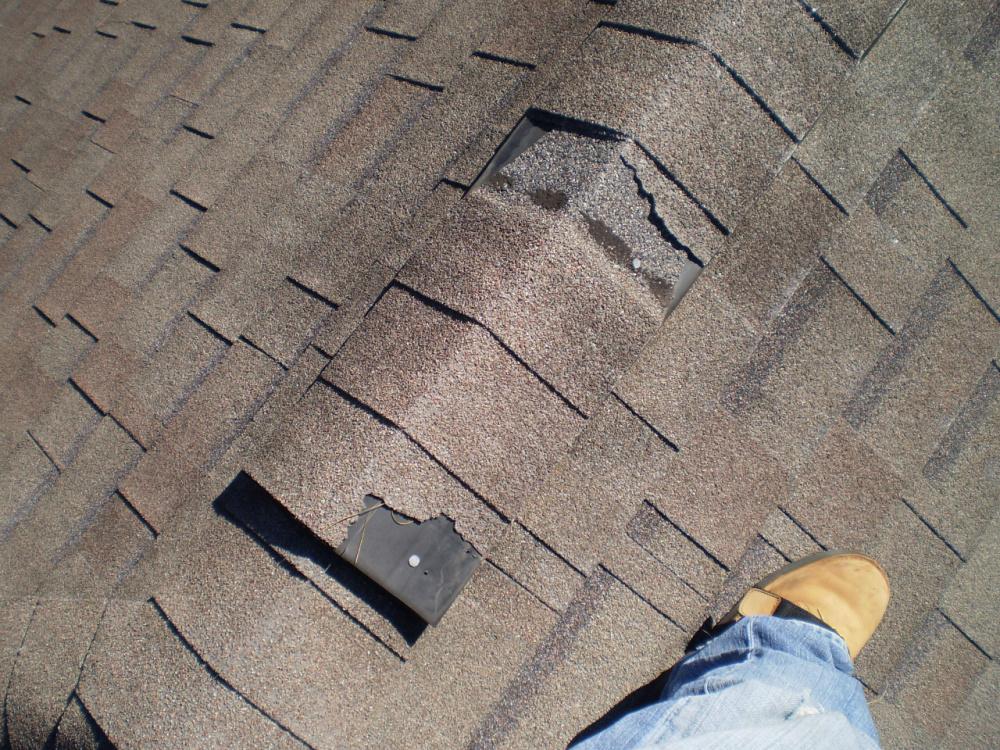

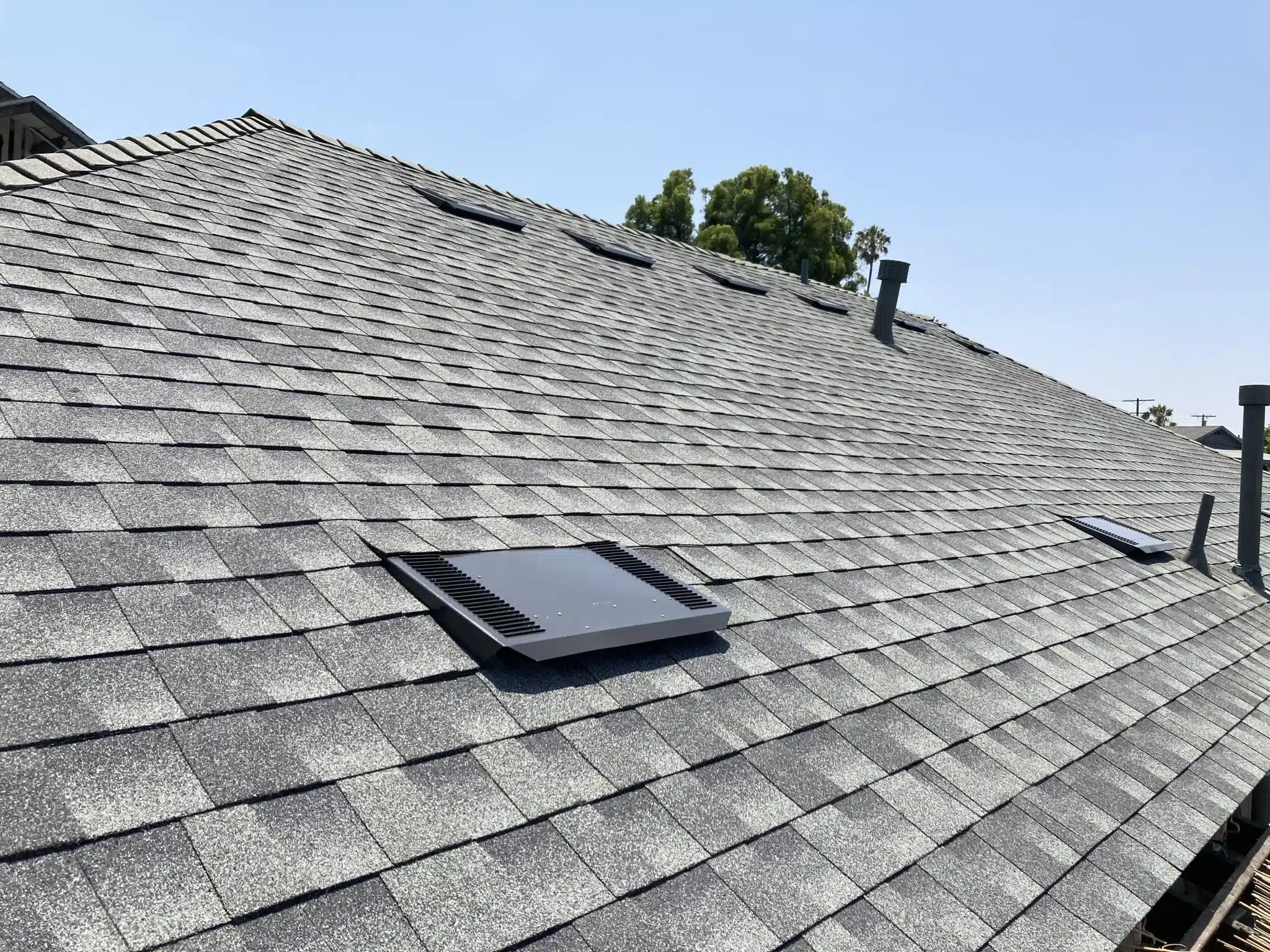 Ventilation is the process that replaces stale indoor air with fresh outdoor air, crucial for diluting indoor pollutants and moisture. There are two main types of ventilation: natural and mechanical. Natural ventilation occurs when air moves through opened windows and doors, relying on natural forces like wind and thermal buoyancy.
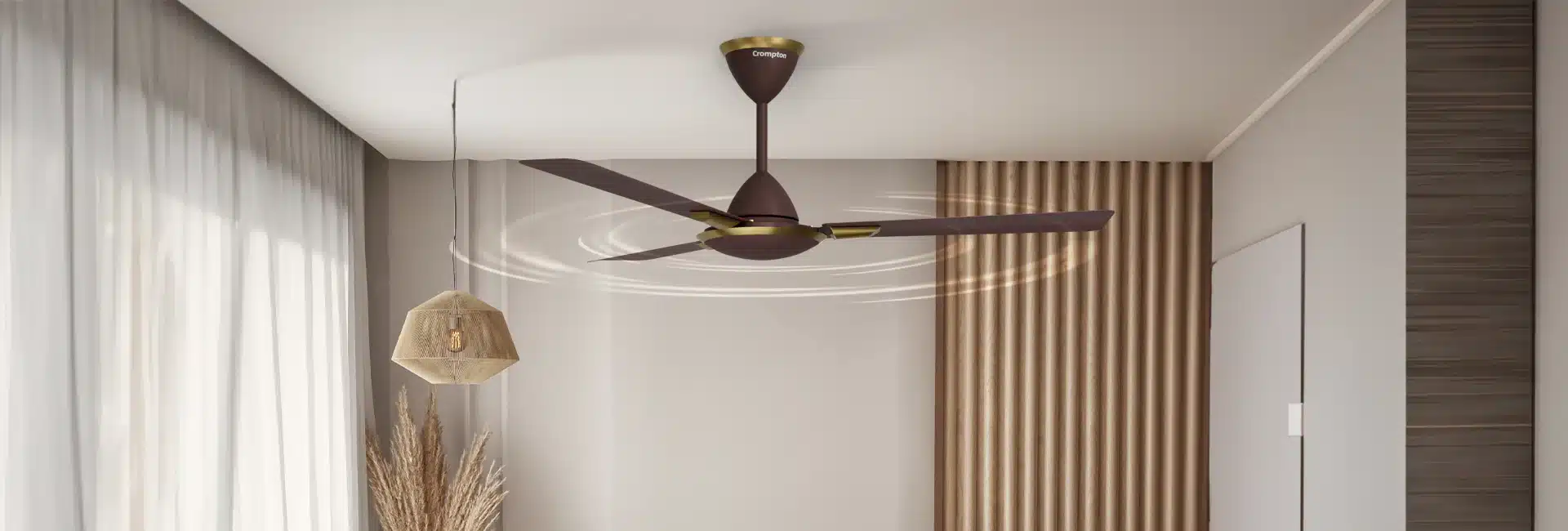 Ceiling
  Modern homes can benefit significantly from smart ventilation systems that integrate with other home automation systems to optimize air quality. These systems adjust the flow of air based on various factors, such as the number of people in the home or the presence of pollutants.
 Keeping your heating, ventilation, and air conditioning (
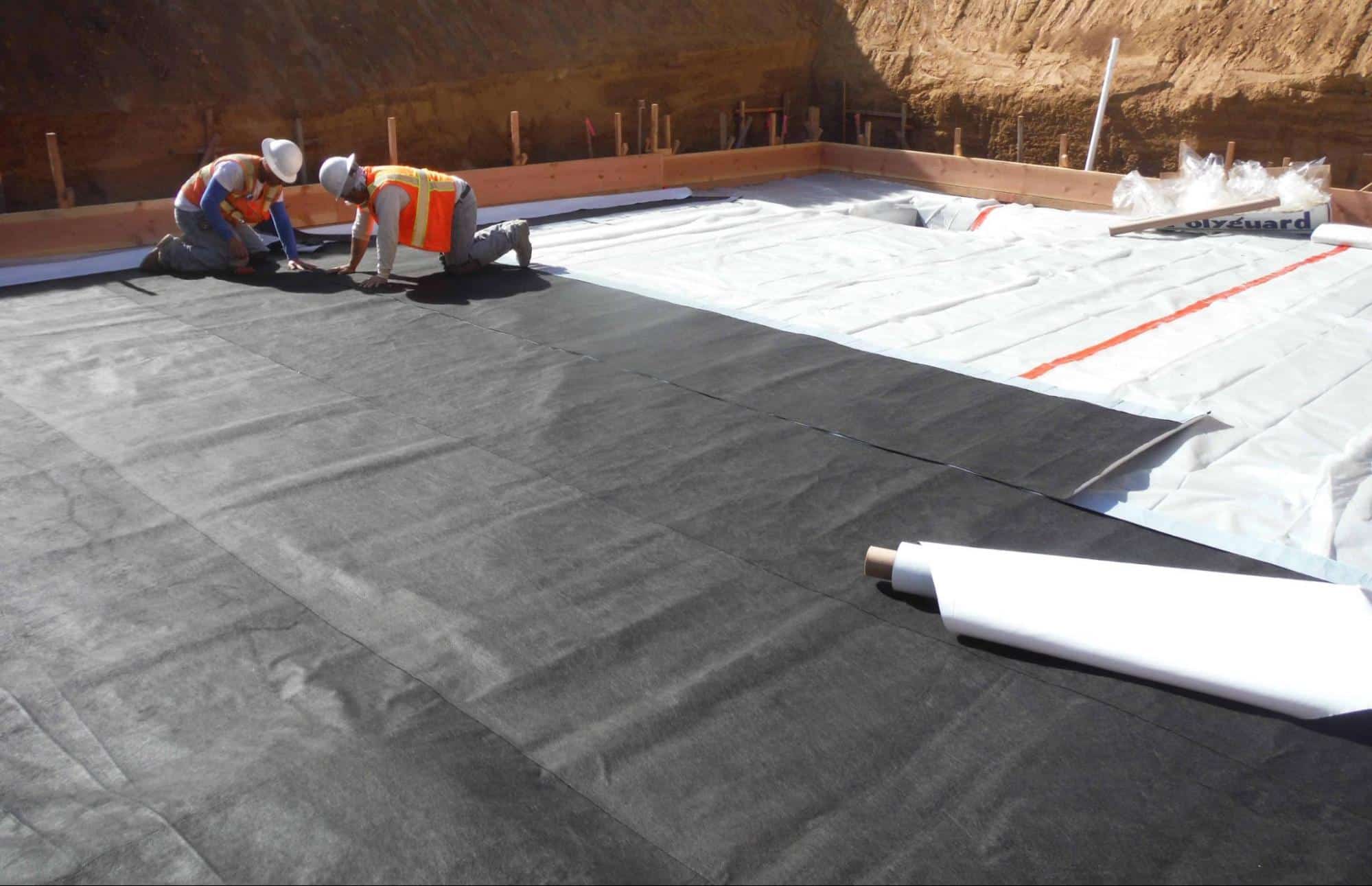 Sealing leaks around doors, windows, and other openings can significantly improve your home’s ventilation by preventing unwanted drafts and maintaining controlled airflow.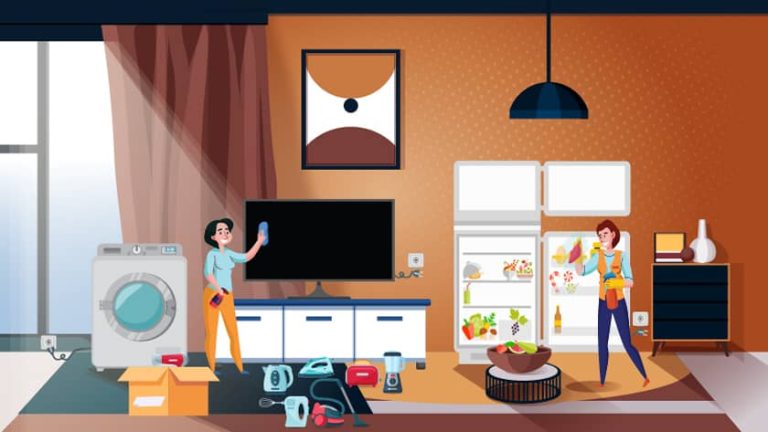
 Before you start packing your white goods, you need to prepare them properly. Here’s how:
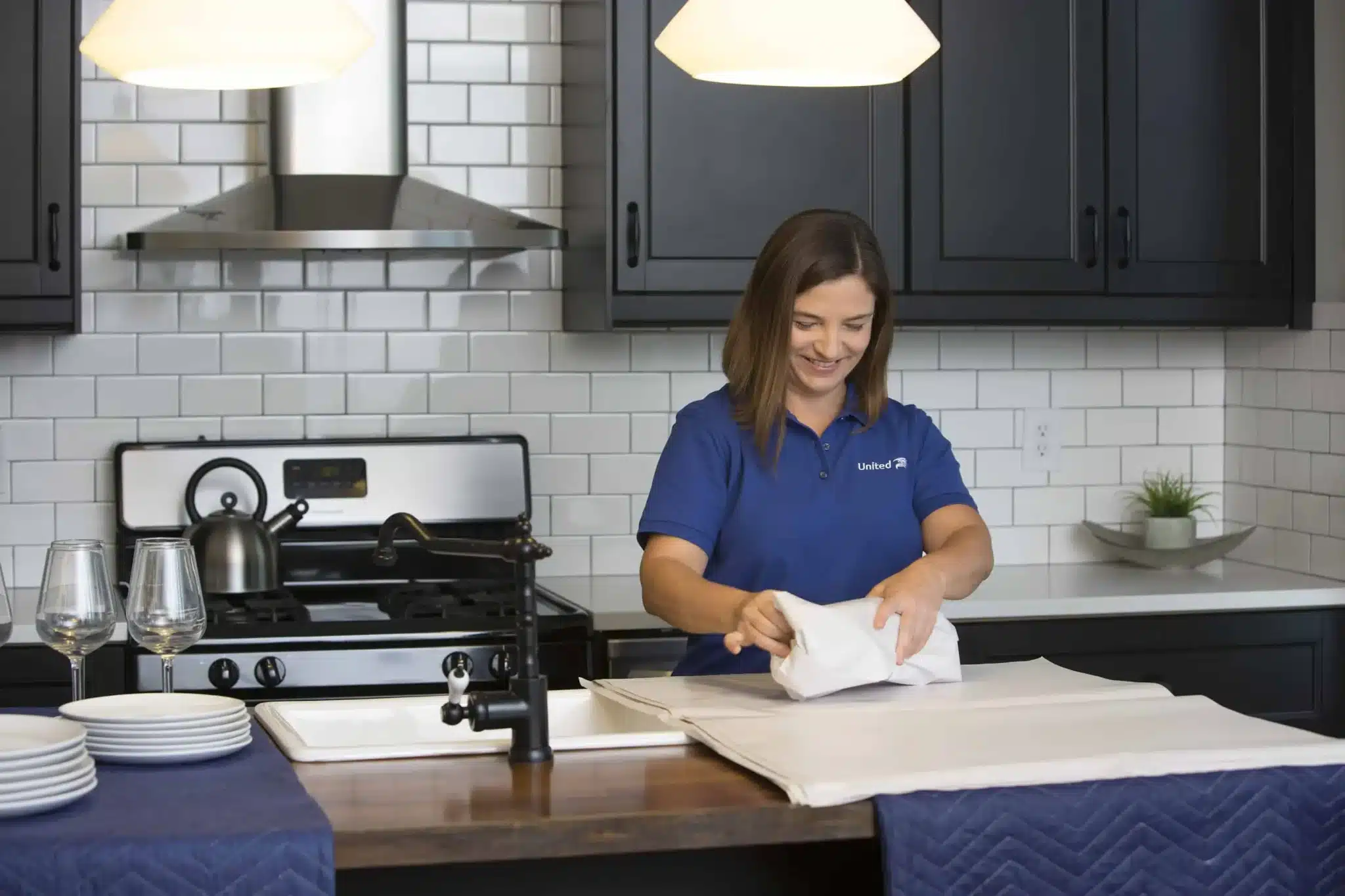 Now that your white goods are prepared, it’s time to pack them safely. Here’s what you need to do:
 Getting your white goods onto the moving truck requires some care and attention:
 Once you’ve arrived, it’s important to

 When choosing a first home builder, customer service and communication should be high on your list of priorities. You want a builder who is responsive, transparent, and easy to work with. Here are some things to consider: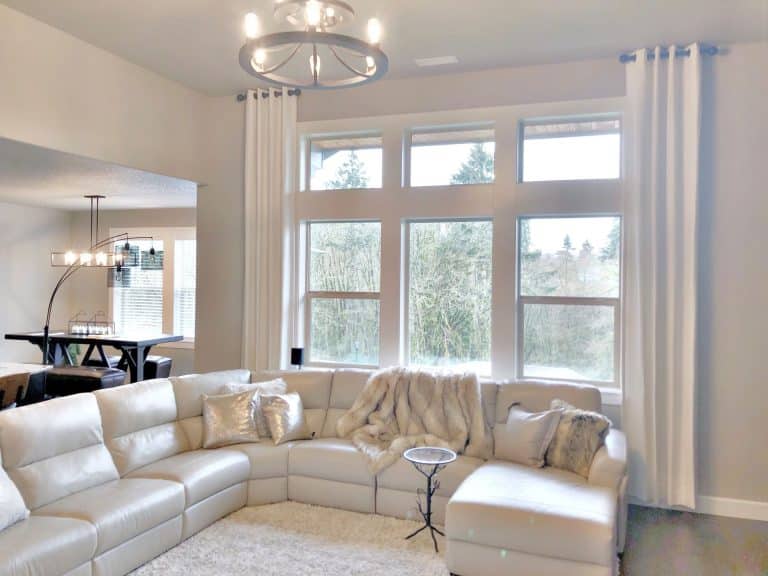
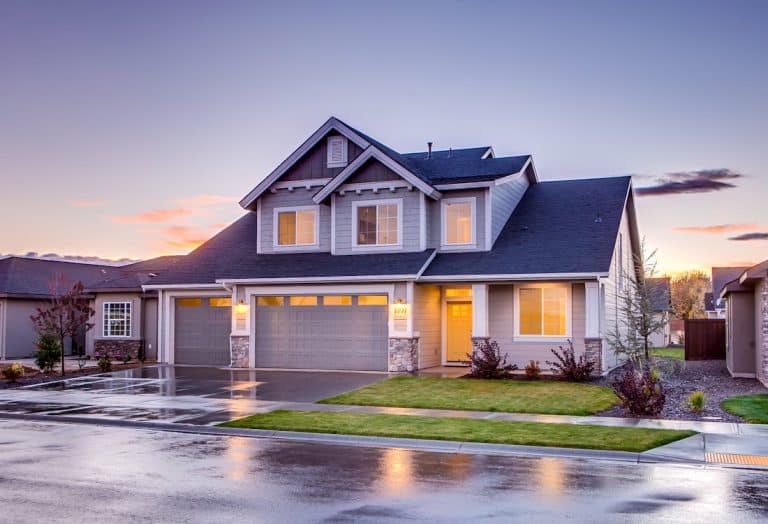
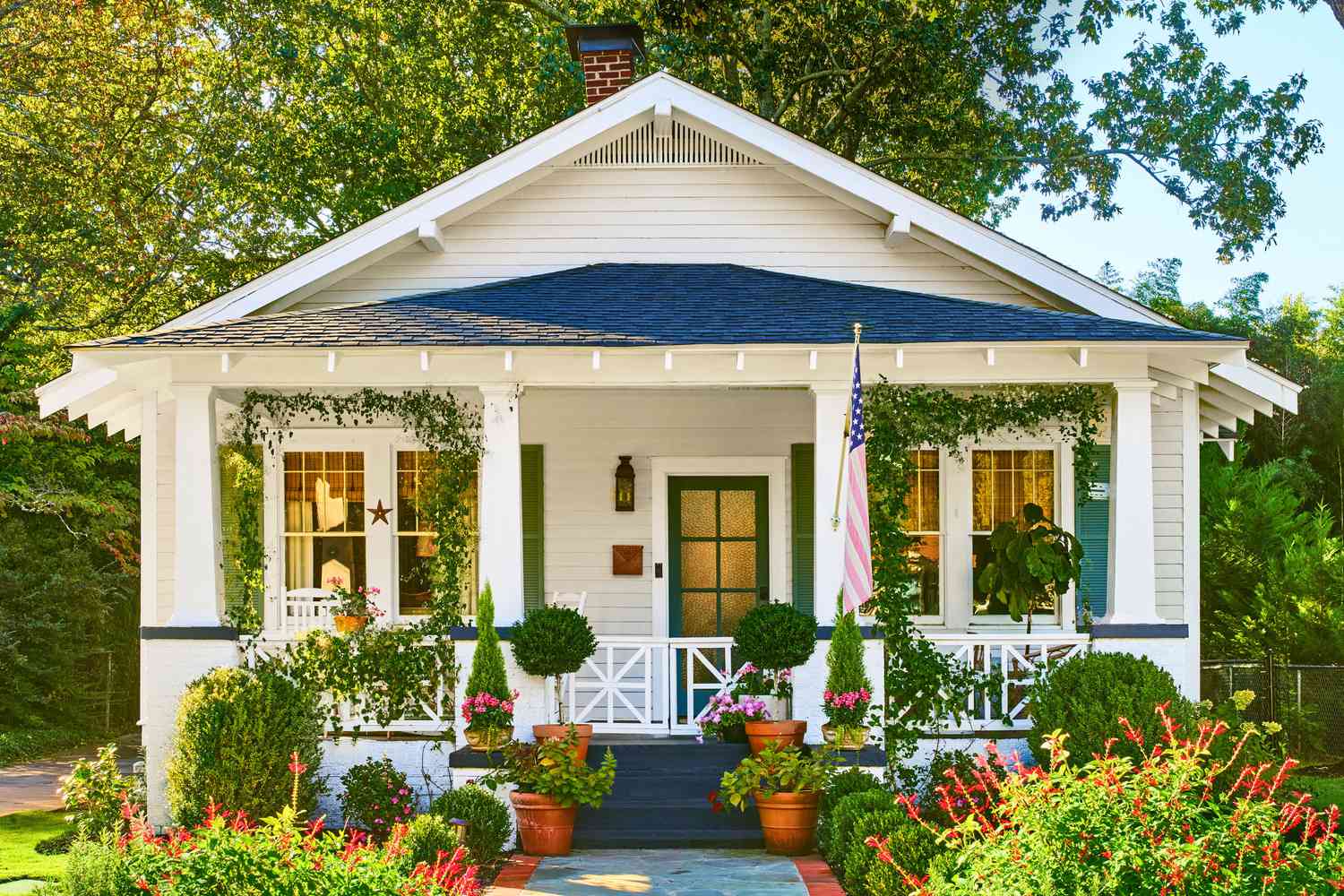 One of the most impactful ways to enhance your home’s exterior is a fresh paint job. Choose high-quality, weather-resistant paints designed to stand up to your local climate conditions. Opting for contemporary colors can update the look of your home, while classic hues might better suit a traditional style.
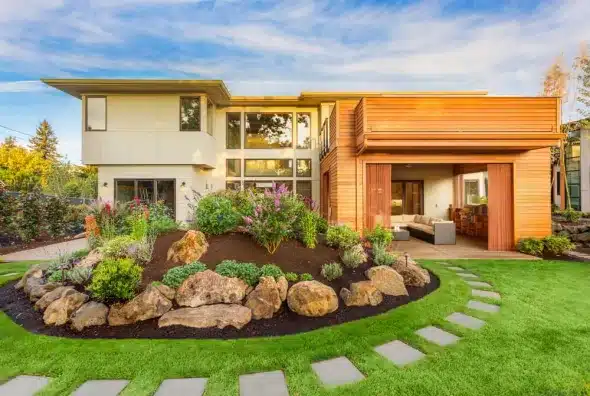 Landscaping is a powerful tool for transforming the exterior of your home. Focus on creating a clean, attractive layout that highlights the home’s best features.
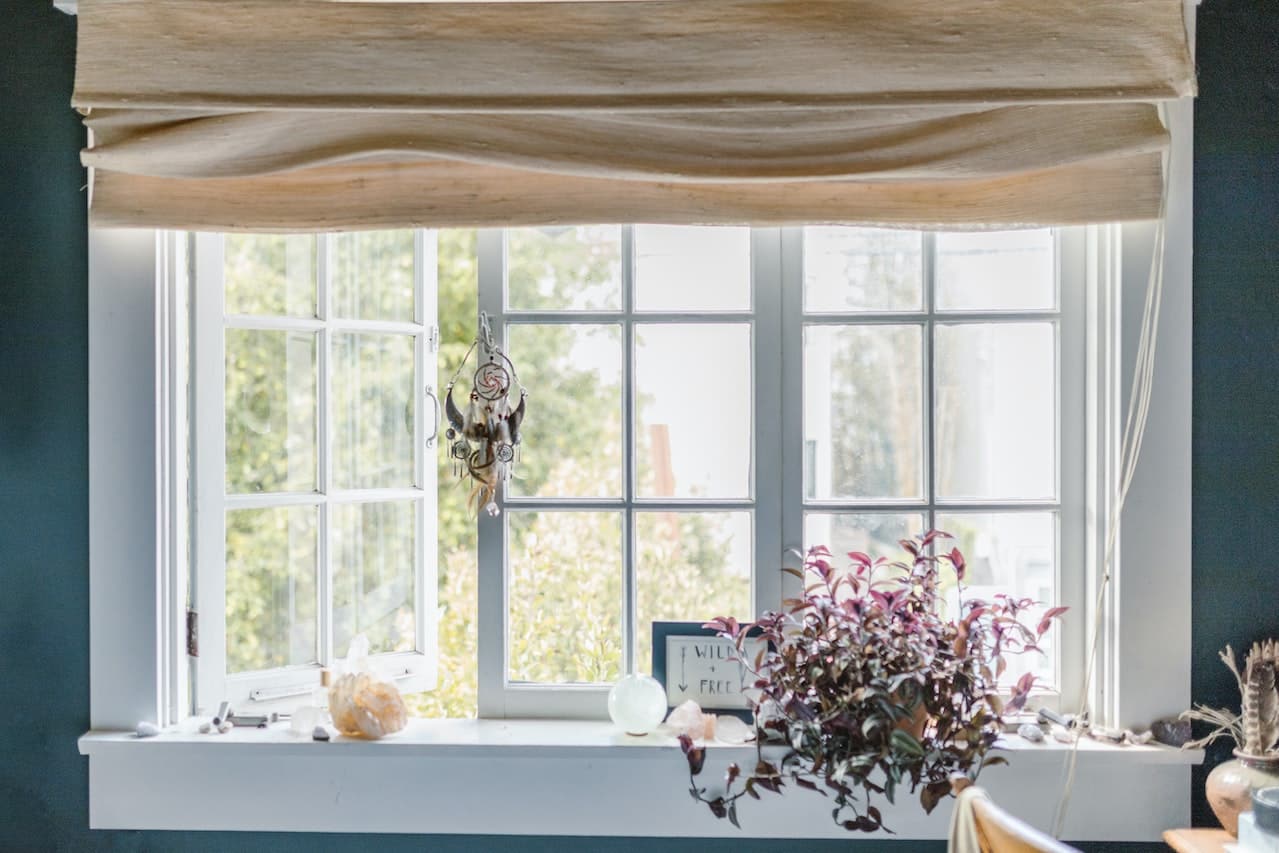
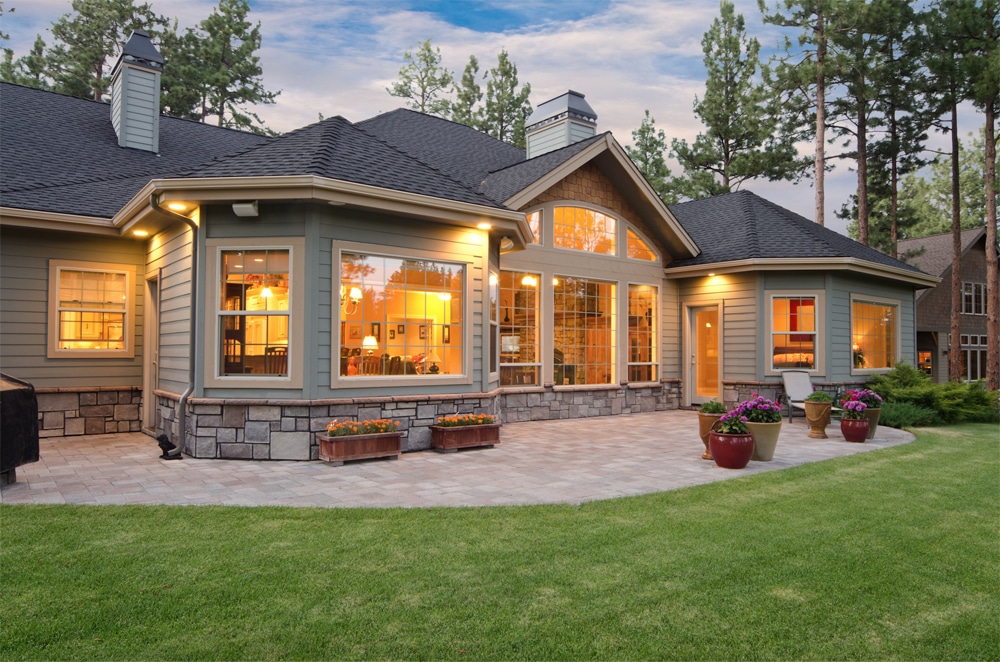 Replacing old, inefficient windows can dramatically improve both the appearance and energy efficiency of your home.
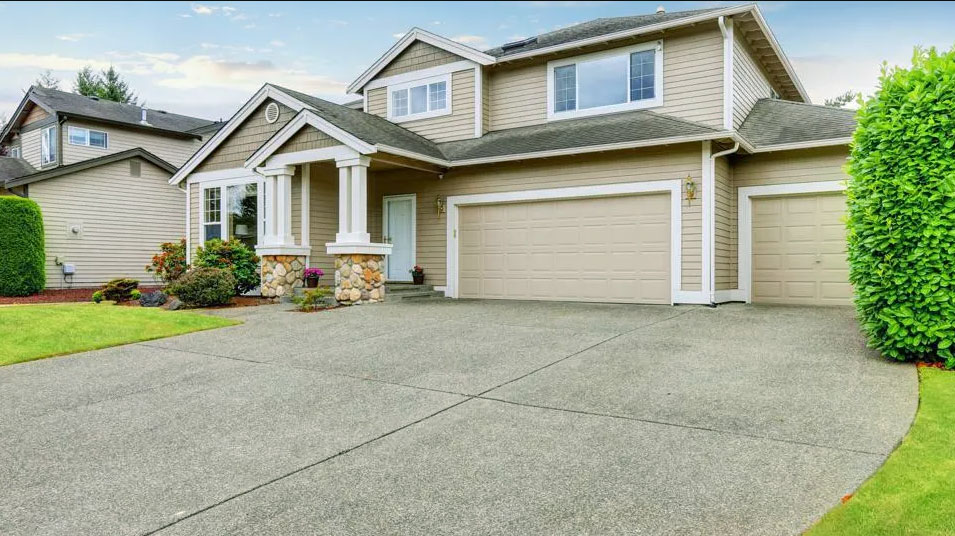 Your driveway and walkways are fundamental to the overall appearance and accessibility of your home. If they are cracked or stained, consider resurfacing or replacing them. Using pavers or stamped concrete can add a luxurious look and are available in various patterns and colors to match your home’s style.
 Incorporating smart technology into your home’s exterior can significantly increase its modernity and functionality.