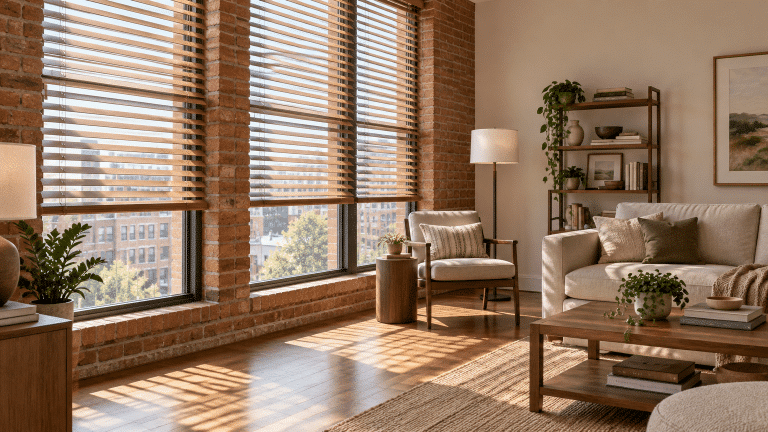
Older homes have something special that newer properties often lack. From original hardwood floors to decorative moldings and vintage fireplaces, these details tell a story.
However, outdated layouts, aging fixtures, and inefficient features can make everyday living less comfortable.
The good news is that you don’t need a complete renovation to modernize an older home. With thoughtful updates, you can create a fresh, functional space while preserving the charm that made you fall in love with it.
Preserve the Features That Give Your Home Character
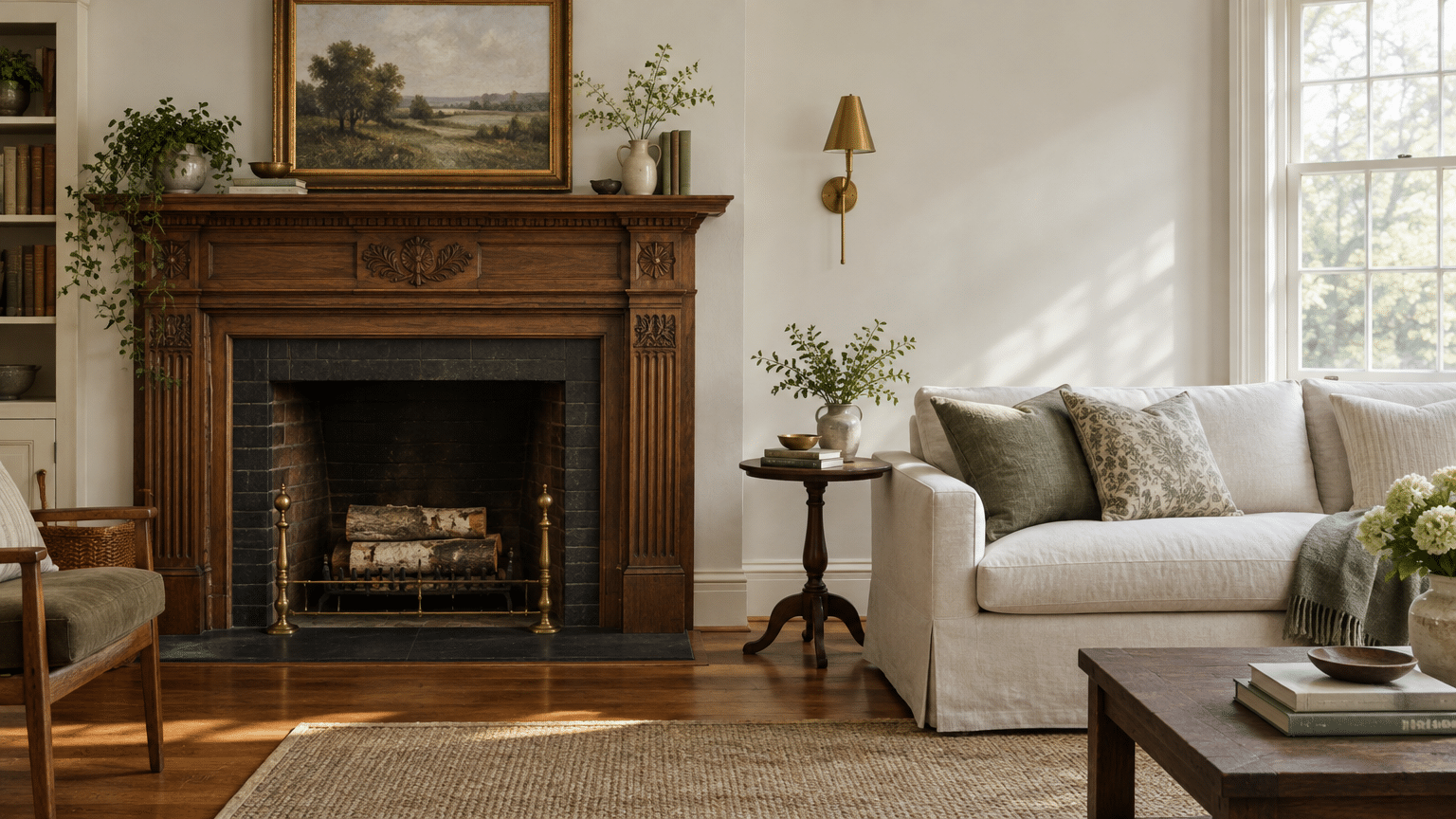
Before making changes, identify the architectural details that make your home unique. Original woodwork, exposed beams, decorative trim, and traditional fireplaces can become beautiful focal points in a modern interior.
Instead of replacing these features, consider restoring them. Refinish worn hardwood floors, repair damaged moldings, or refresh an old fireplace with careful cleaning.
The National Park Service recommends identifying and protecting character-defining interior elements during historic building renovations.
Preserving these details helps maintain your home’s identity while allowing newer design elements to blend naturally with its original style.
Update Your Color Palette for a Fresh Look
One of the easiest ways to modernize an older home is through paint. Dark or dated wall colors can make rooms feel smaller, while lighter shades create a brighter, more welcoming atmosphere.
Consider warm whites, soft greige, muted sage, or gentle beige. These colors complement traditional architectural features without making the space feel overly contemporary.
You can also introduce contrast through furniture, artwork, and accessories. For example, pairing cream-colored walls with dark wood furniture creates a balanced look that feels both classic and current.
Modernize Lighting Without Changing the Architecture
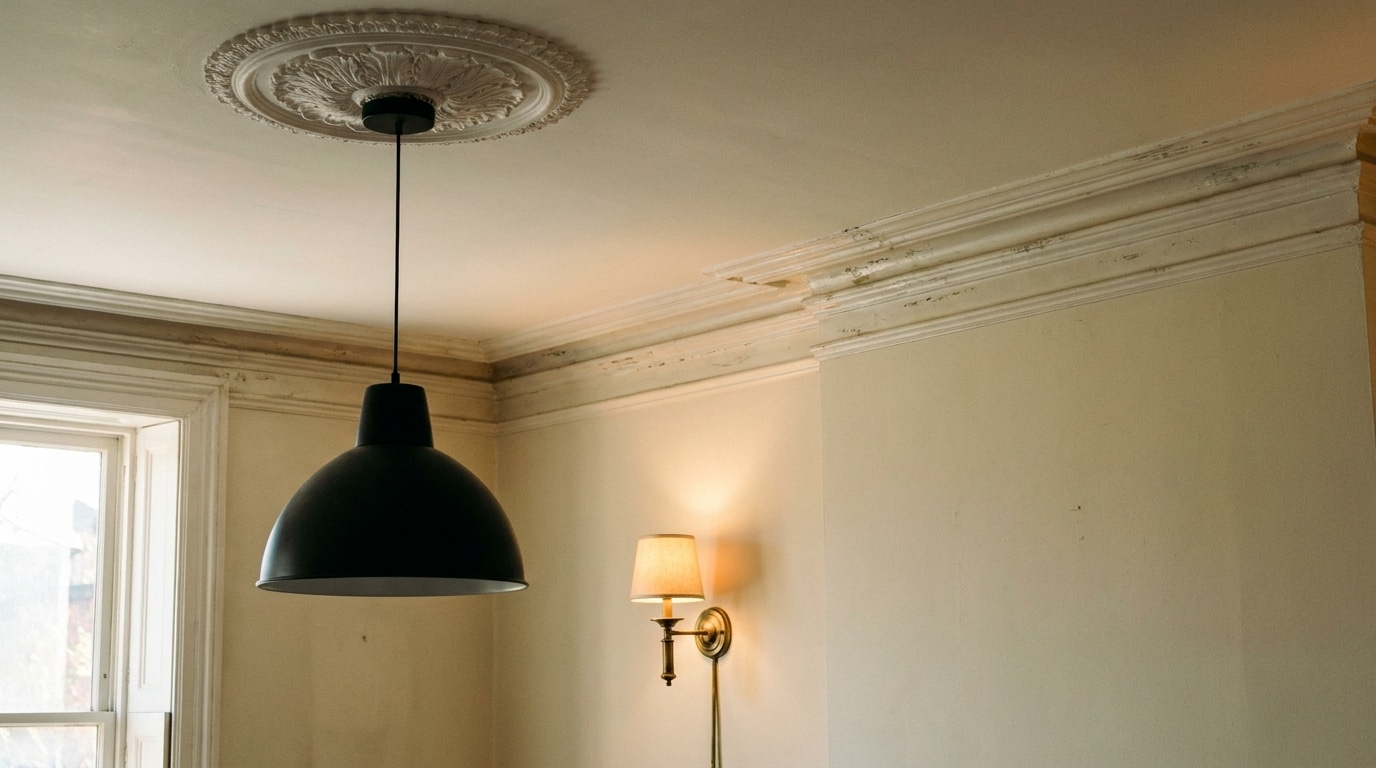
Lighting can dramatically influence how an older home looks and feels. Outdated ceiling fixtures and poorly lit corners often make interiors appear tired.
Replace old fixtures with simple pendant lights, elegant wall sconces, or contemporary chandeliers that complement the home’s architectural style.
Layer different light sources to create a comfortable atmosphere. Combine overhead lighting with table lamps and accent lighting to brighten rooms without overwhelming their original features.
Where possible, use existing electrical locations to minimize unnecessary changes to walls and ceilings. Have a qualified electrician assess aging wiring before installing new fixtures.
Refresh Kitchens and Bathrooms Thoughtfully
Kitchens and bathrooms often need the most attention when updating an older home. Fortunately, improving these spaces doesn’t always require removing everything.
In the kitchen, consider repainting cabinets, replacing worn countertops, or installing updated hardware. A classic subway tile backsplash can bridge traditional design with modern finishes.
Bathrooms can benefit from improved lighting, water-efficient fixtures, and practical storage solutions. Retaining a vintage vanity or original tile can also add personality.
According to the National Association of Realtors’ 2025 Remodeling Impact Report, kitchen upgrades rank among remodeling projects associated with high homeowner satisfaction.
Focus on improvements that make daily routines easier while respecting the home’s existing design.
Improve Functionality Without Major Structural Changes
Older homes sometimes lack the storage and convenience expected in modern living spaces. Rather than removing walls immediately, explore smaller improvements.
Built-in shelving, multifunctional furniture, and thoughtfully organized closets can make rooms more practical without changing their layout.
If you’re considering selling in the future, researching what to do before listing your home can help you prioritize improvements that address maintenance and presentation.
Start with practical changes that improve comfort, safety, and usability before committing to expensive structural renovations.
Consider Long-Term Value When Planning Updates
Not every renovation needs to follow the latest design trend. Timeless materials, durable finishes, and consistent styling often work better in older properties.
Before investing in major upgrades, understanding how to get a home appraisal can provide useful context about your property’s current condition and value. However, an appraisal doesn’t guarantee that renovation costs will be recovered.
It’s also worth consulting experienced professionals when working with historic features, especially if your property has preservation restrictions.
Choose improvements that suit your budget, support everyday living, and complement the home’s original architecture.
Bring Old and New Together Naturally
Modernizing an older home is about finding the right balance rather than erasing its history. Small changes, such as updated lighting, fresh paint, improved storage, and carefully selected finishes, can make a noticeable difference.
By preserving meaningful architectural details and focusing on practical improvements, you can create a home that feels comfortable and current while retaining the warmth and character that make it special.