Curating Aboriginal art offers an incredible opportunity to engage with one of the world’s oldest continuing cultural and artistic traditions.
From modern paintings and sculptures to rare, traditional works, Aboriginal and Torres Strait Islander artists express a stunning world of cultural knowledge, stories, personal experiences and connections to Country through their view point.
Whether you’re searching for your very first purchase or you’re adding to your existing collection, understanding the nuances of Aboriginal art can help you make informed, ethical decisions when buying pieces at auction. Below, explore everything you need to know when you are purchasing Aboriginal art at auction in 2026.
Understanding Aboriginal Art
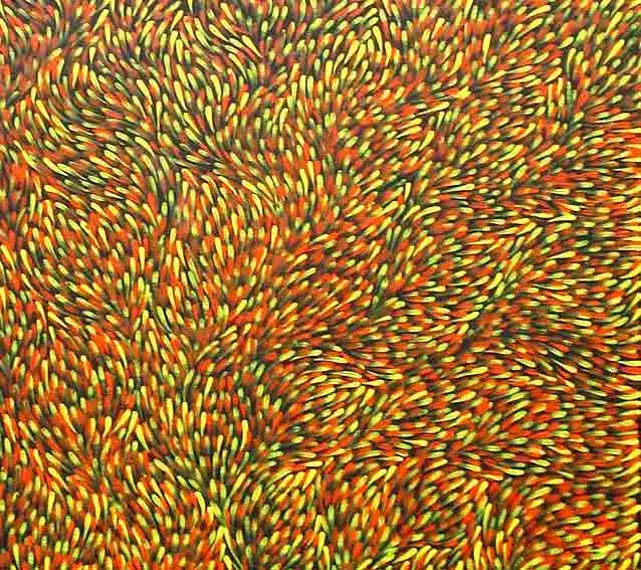
Aboriginal art encompasses a vast range of different creative practices, styles and mediums shaped by unique cultural traditions as well as experiences and communities.
Modern Aboriginal art has soared in its demand and recognition across the globe, with works represented in major collections and galleries, as well as across the wider Australian art Market.Aboriginal art is never defined by just one singular style, artists draw on a world of cultural traditions, techniques and subject matter, making it essential to consider the medium on a piece by piece basis and to view each item through its own artistic and cultural context.
For collectors, learning about the artist, their process and the story that lies within and behind each work can enrich the experience beyond its aesthetic prowess.
Why Provenance Matters
Provenance refers to the documented history of an artwork, including its original and any previous ownership. This is an especially important consideration when you are purchasing Aboriginal artwork, as it helps you to understand where a work originated and gives you a verified record of its history.
Before you bid, review the available catalogue information, this can include previous sale records, gallery documentation or a certificate of authenticity allocated by a relevant source.
How to Buy Aboriginal Art Ethically
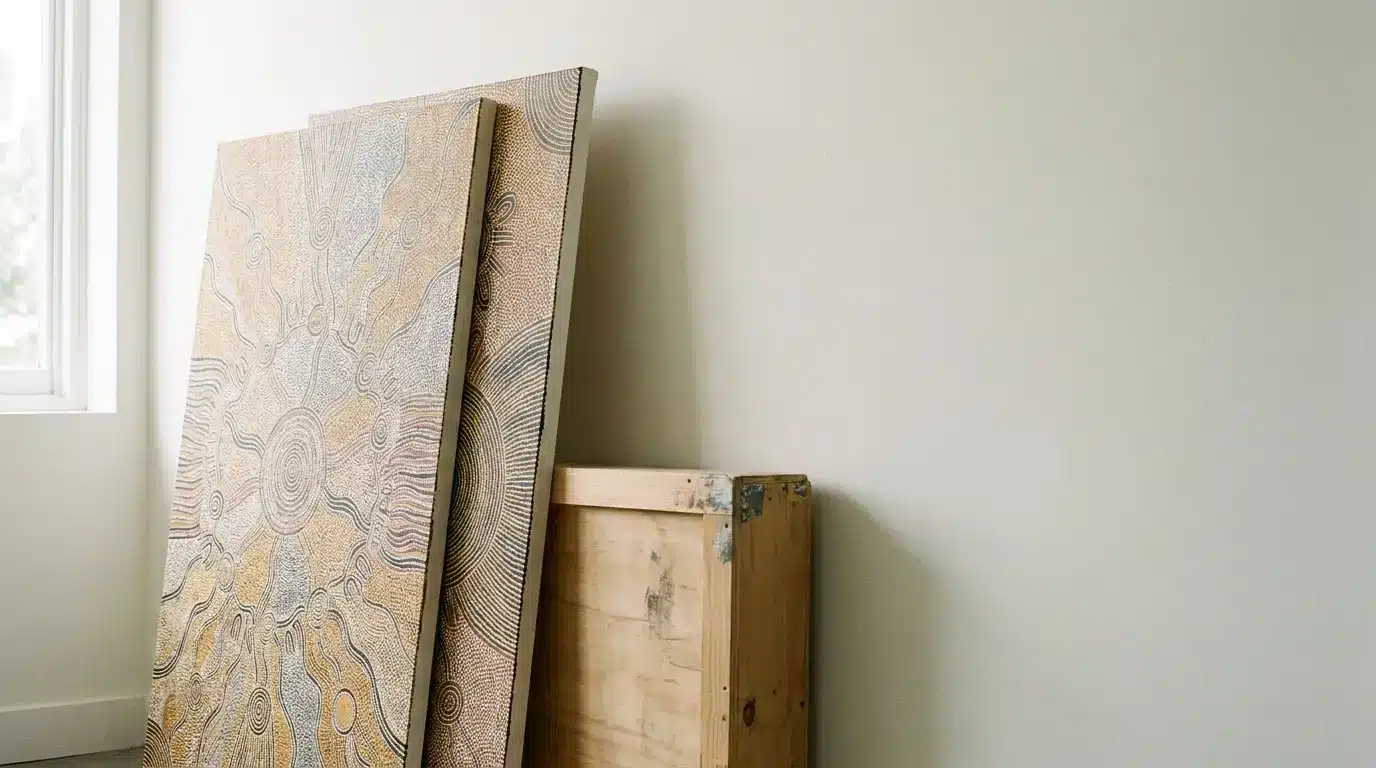
Ethical art collecting means considering how an artwork came to market and whether the artist’s rights and best interests have been honoured during the sale process.
Many Aboriginal artists work through Aboriginal-owned art centres, which support ethical production, administration and connections with responsible buyers. Others may choose to operate independently and develop relationships with galleries, dealers or agents.
Buyers should search for transparent information about the work’s origins, the auction house’s history with the artists and accredited transaction processes.
What to Consider Before Bidding at Auction
Before you purchase, take the time to review the item’s description, any condition information available and provenance documentation if relevant. Researching the artist and their previous market activity can also help you assess the work and shape your budget. Remember to account for additional costs such as shipping or buyer’s premiums to cover your numbers accurately.
Building Your Art Collection
Curating your own selection of Aboriginal art is an amazing opportunity to discover unique artists and engage with diverse creative perspectives. By considering factors such as provenance, authenticity and context alongside your own aesthetic interests, you can approach the process with greater confidence and capability.
Explore Aboriginal artwork in online auctions to start curating your portfolio today.