A full kitchen remodel sounds appealing right up until the estimates come in. Between cabinetry, countertops, and labor, a complete overhaul can easily run into the tens of thousands, which is a hard number to justify when the actual complaint is usually something smaller, like “this room feels dated” or “I never have enough light to actually cook.” The good news is that a handful of targeted, budget-friendly upgrades can solve those exact frustrations without the five-figure price tag.
Start With What Actually Bothers You
Before spending a dollar, it helps to get specific about what’s actually wrong with the kitchen. Vague dissatisfaction (“it just feels old”) is expensive to fix because it invites a full remodel. Specific dissatisfaction (“the lighting is terrible” or “the cabinet hardware looks dated”) is cheap to fix because it points directly to a small, targeted upgrade.
Most kitchens that feel outdated aren’t actually outdated in a structural sense. The bones, cabinets, layout, and countertops, are often perfectly functional. What’s usually driving that dated feeling is a handful of surface-level details: old lighting, tired hardware, or a color palette that hasn’t been touched in a decade.
Lighting Does More Work Than People Expect
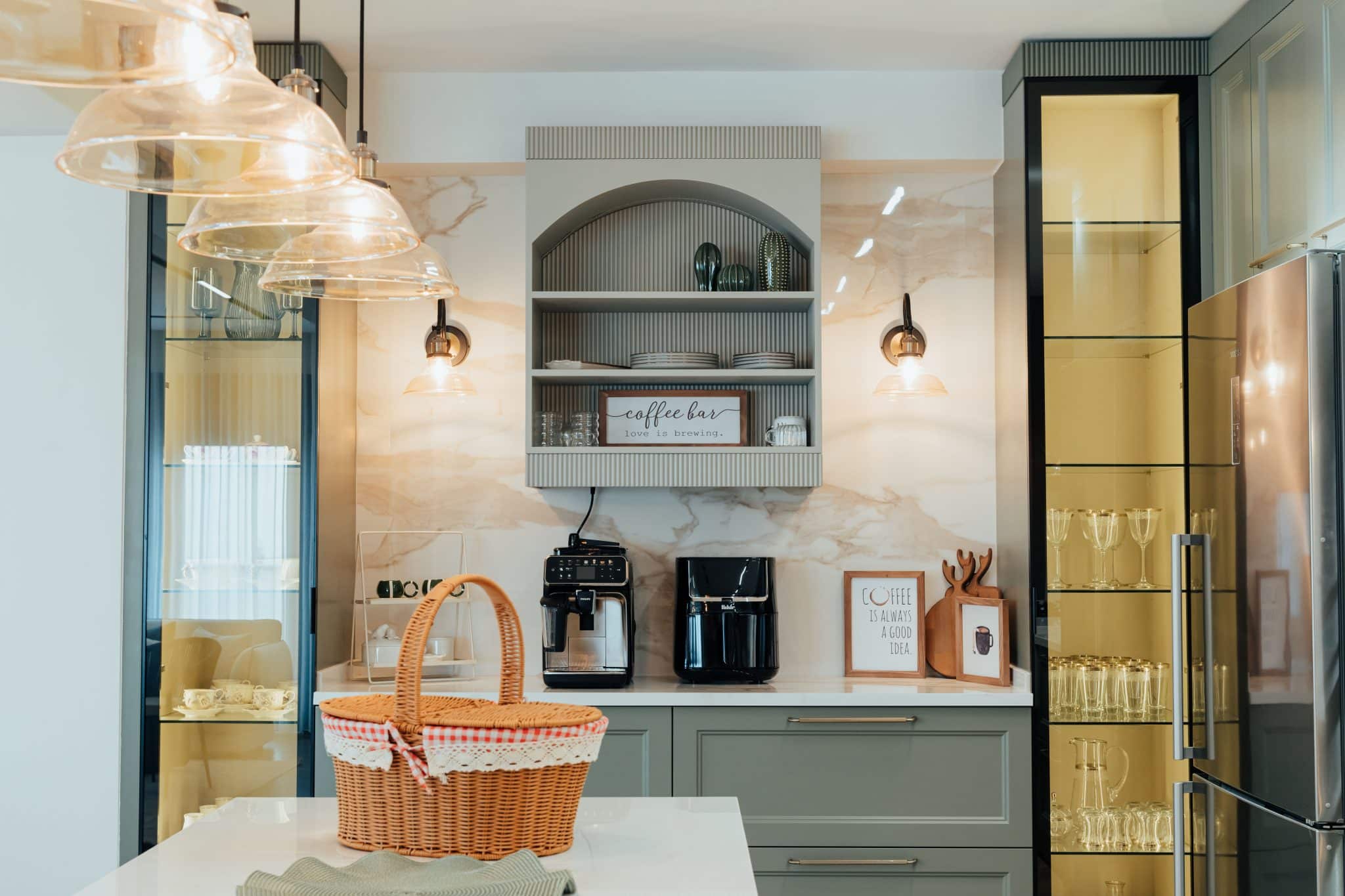
Of all the small upgrades available, lighting tends to deliver the most noticeable change for the lowest cost. Most kitchens built even a decade ago rely on a single overhead fixture or a couple of basic can lights that were never really enough to properly light the countertops and workspaces where actual cooking happens.
Swapping outdated fixtures for recessed kitchen lighting solves this problem directly. Recessed fixtures sit flush with the ceiling, so they don’t compete visually with cabinetry or add clutter to a space that’s often already busy, while providing much more even, functional light across the whole room. For kitchens where the current lighting leaves countertops dim or creates awkward shadows while chopping vegetables, this is often the single upgrade that makes the biggest functional difference.
The cost here is modest compared to almost any other kitchen project, and the payoff shows up immediately: a brighter, more functional space that feels current without touching a single cabinet or countertop.
Hardware Is the Fastest, Cheapest Win
If lighting is the upgrade with the biggest functional impact, cabinet hardware is the upgrade with the best cost-to-visual-impact ratio in the entire kitchen. Swapping out old knobs and pulls for updated hardware is a project that can realistically be finished in an afternoon, and it changes the entire feel of the cabinetry without touching the cabinets themselves.
This is especially effective in kitchens with cabinets that are otherwise in good shape, just outfitted with hardware that hasn’t been updated since installation. New hardware in a modern finish, matte black, brushed brass, or brushed nickel are all currently popular, can make cabinets look significantly newer than they actually are.
Paint and Backsplash: High Impact, Manageable Cost
Two other upgrades worth considering together:
- A fresh coat of paint on walls or even cabinets (if they’re solid wood and in good condition) can shift the entire tone of a kitchen for a fraction of replacement cost
- A new backsplash, especially a peel-and-stick or smaller-format tile option, adds visual texture and a clear sense of intentional design without the labor cost of a full tile job
Neither of these requires touching the kitchen’s layout or structure, which keeps costs contained while still delivering a meaningful visual shift.
Faucets and Fixtures: Small Parts, Big Perception
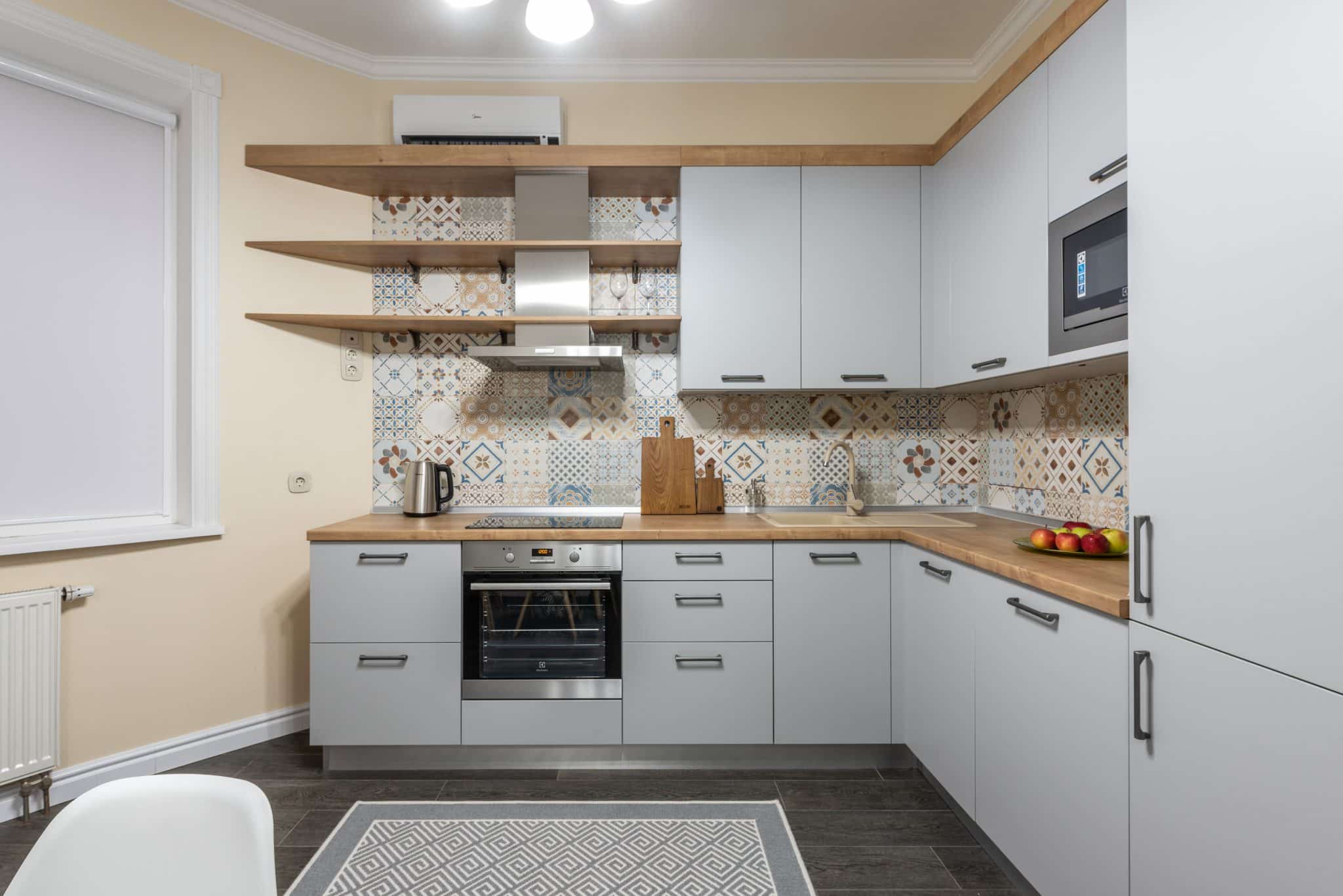 A dated or worn faucet is one of those details that quietly signals “this kitchen hasn’t been updated” even when everything else in the room is fine. Replacing a kitchen faucet is a relatively low-cost, low-labor project, and a modern faucet in a finish that matches the new hardware pulls the whole room together in a way that’s easy to underestimate until it’s done.
Knowing When Small Upgrades Aren’t Enough
None of this means small upgrades are always the right call. If a kitchen has genuine layout problems, insufficient counter space, poor traffic flow, non-functional appliances, that’s a different conversation, and no amount of lighting or hardware will fix a workflow that doesn’t work.
But for kitchens where the core layout is fine and the real issue is that everything just feels tired, a focused round of small upgrades, better lighting, updated hardware, a fresh coat of paint, a faucet swap, can deliver most of the visual and functional benefit of a remodel at a small fraction of the cost.
The Bigger Principle at Work
The same logic that applies to cutting costs without cutting corners in a business setting applies just as well here: the goal isn’t to spend less by doing less, it’s to spend intentionally on the details that actually change how a space looks and functions. A kitchen doesn’t need a five-figure remodel to stop feeling dated. It usually just needs someone to correctly identify which handful of small, targeted changes will make the biggest difference, and then follow through on exactly those.