If you’ve ever done the “ninja parent exit” after bedtime—slow steps, silent door close, praying the floor
doesn’t creak—and still heard a tiny voice say, “Mom, where are you going?”… yeah, you already know
the struggle.
Modern parenting also comes with its own background noise: kids who randomly quote Peppa Pig one
minute, then switch to Minecraft logic, and somehow throw in a meme reference they definitely didn’t
learn from you.
It’s giving low-key Inside Out emotions management… but in real life, every night. That’s where a toddler floor bed comes in. A low sleeping space gives kids more freedom and control.
They can climb in and out on their own, slowly get used to their own sleep space, and start building confidence around bedtime instead of it always being a “parent-led operation.”
Benefit 1. Safe Low Height for Everyday Use
A toddler floor bed sits close to the ground, which makes it way easier (and safer) for little kids to use on
their own.
No climbing. No scary drops. No “mini Olympic gymnastics routine” just to go to sleep.
It’s especially great for kids transitioning from a crib, when everything still feels new and slightly
chaotic—like a soft landing into “big kid bed” life.
Benefit 2. Building Real Independence (Tiny Humans, Big Energy)
Kids at this age LOVE the phrase “I do it myself.”
A floor bed actually supports that energy.
They can:
● climb in on their own
● get out after naps
● grab their stuffed animal without calling for backup
● and decide when they’re “ready” for sleep (even if it’s debatable)
It’s giving Toy Story 4 Forky energy—learning independence one small chaotic step at a time.
Benefit 3. A Smoother Transition from the Crib
Moving from a crib can feel like a big deal—for kids and parents.
A toddler floor bed makes it less dramatic.
There’s no big height difference, no intimidating structure, just a simple, familiar sleep space that still
feels safe.
Honestly, the first night often goes better than expected… which feels suspicious, like something from a
Disney movie where everything suddenly works out.
Benefit 4. Easier Bedtime Routines for Parents
Bedtime isn’t just “put kid to sleep.” It’s a full ritual.
Stories, cuddles, water breaks, another story, negotiations, emotional bargaining, and finally sleep…
maybe.
A floor bed makes it easier because you can just sit or lie next to your child, read a book, and actually be
comfortable while doing it.
Less leaning over crib rails = less “why does my back hurt after bedtime?” energy.
Benefit 5. Practical for Any Kids’ Room Setup
A toddler floor bed fits almost anywhere.
It doesn’t visually overwhelm the room, and it works well with:
● soft rugs
● night lights (hello Bluey bedtime vibe)
● toy shelves
● reading corners
● and general “controlled chaos” kids naturally create
It keeps the room open, flexible, and actually usable—not just a furniture showroom.
Benefit 6. Option for Extra Safety with Guardrails
For younger toddlers, you can choose a floor bed with guardrails for extra comfort.
It adds that extra layer of “okay, we’re good” feeling for parents while still keeping the independence
benefits for kids.
Think of it like a gentle safety net—not a cage, just a cozy boundary.
How to Choose a Toddler Floor Bed
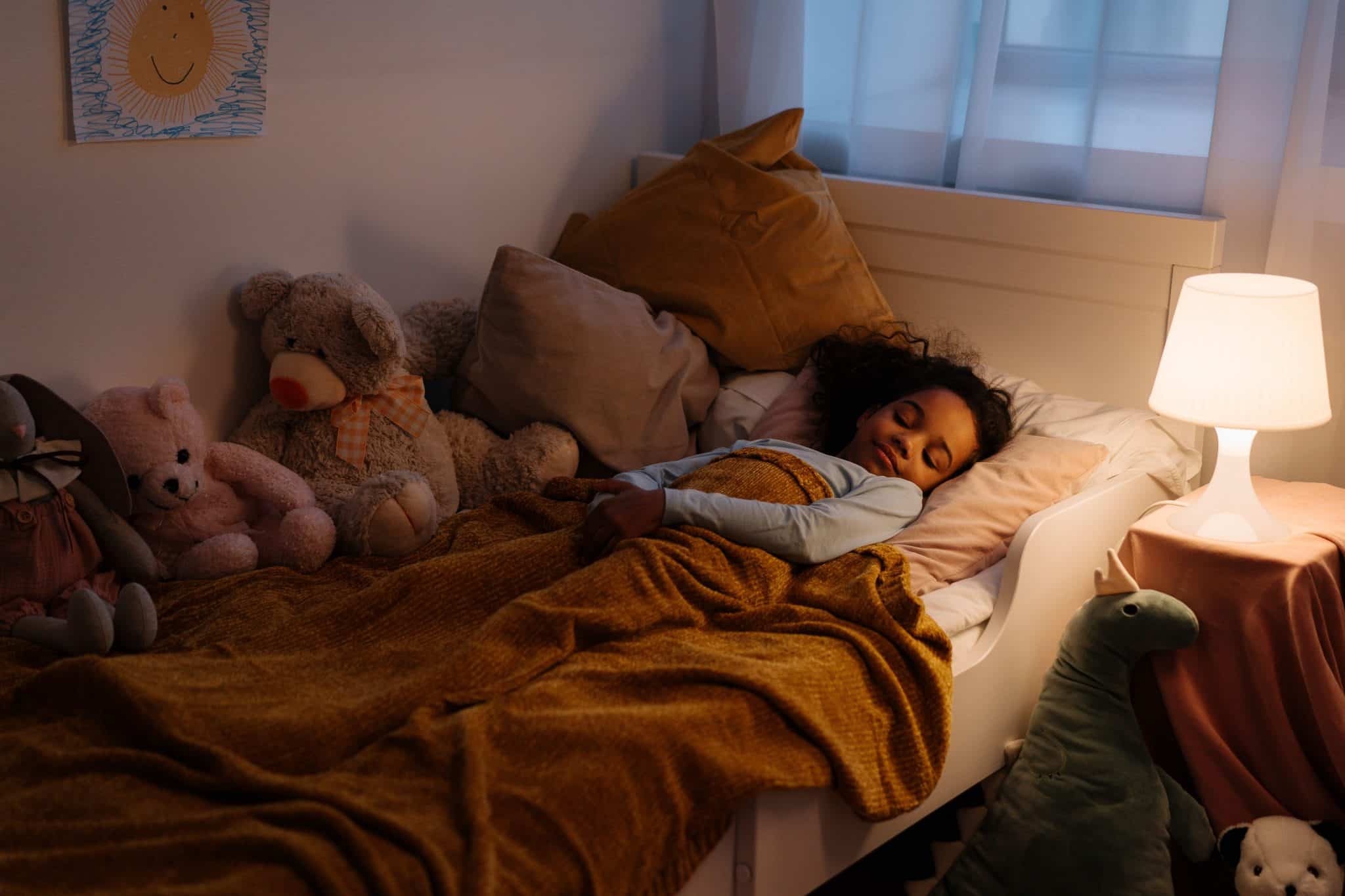 When picking a toddler floor bed, focus on the real-life stuff:
● solid natural wood (no flimsy vibes)
● smooth, rounded edges (kid-proof matters)
● stable, strong construction
● safe low height
● right size for your room
● optional guardrails for younger kids ● simple, timeless design that won’t age out in 6 months
Basically: it should survive both sleep and occasional “jumping like I’m in Spider-Man” energy.
BusyWood Floor Beds for Independent Sleep
BusyWood creates toddler floor beds designed for real family life—not just aesthetic Pinterest boards.
Their Montessori-style beds focus on safety, natural materials, and helping kids develop independence
in a calm, comfortable environment.
From simple floor beds to models with guardrails, each design supports an easier transition to
independent sleep while keeping the bedroom warm, functional, and kid-friendly.
A toddler floor bed isn’t just a piece of furniture—it’s a small shift toward independence.
It helps kids feel more confident at bedtime, makes transitions from crib easier, and gives parents a
more relaxed, less “bedtime negotiation marathon” experience.
And if it turns bedtime from a full-blown Pixar emotional arc into something slightly more predictable…
that’s already a win.