
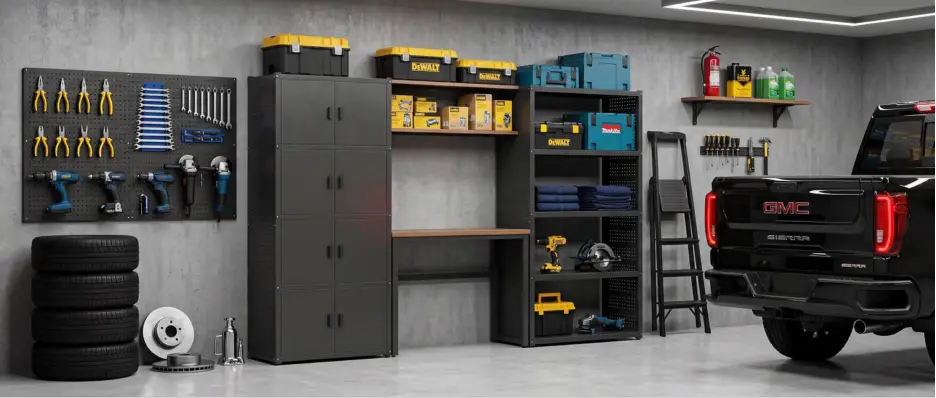
Setting up a workshop sounds simple—until you actually try to use it.
For a long time, my garage looked like a workshop, but it didn’t function like one. Tools were everywhere, storage didn’t make sense, and I never really had a proper place to work.
After reworking my entire setup, I realized something: building a functional workshop isn’t about having more tools—it’s about having the right system. What I really needed was a garage
cabinet system that could grow with my needs, keeping everything organized while adapting as my projects and tools evolve.
Here’s what made the biggest difference for me.
Start With a Real Workspace
The first thing every workshop needs is a proper work surface.
Before, I was working on whatever space I could find. It worked, but it was never stable or convenient.
Switching to a setup with a built-in workbench completely changed that. Having a dedicated workspace in the center makes it much easier to stay focused, and the shelf above keeps frequently used tools within reach.
That one change alone made my garage feel more like a real workshop.
Make Your Tools Easy to Access
A workshop only works if your tools are easy to grab.
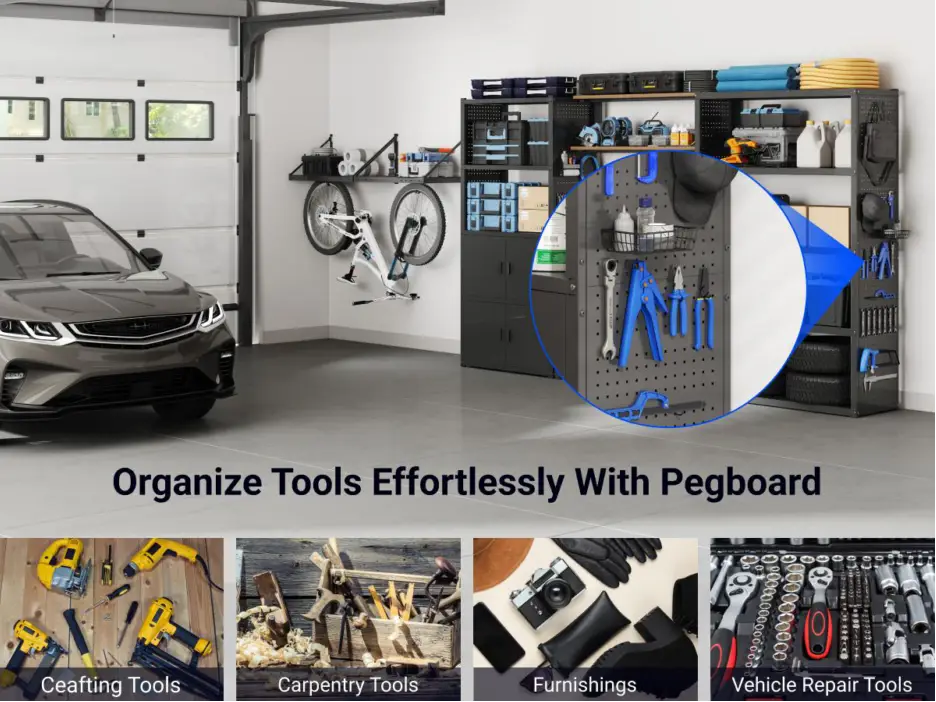
One feature that helped more than I expected was using perforated side panels for smaller tools. Instead of digging through drawers, I can keep things visible and right next to the workspace.
It’s one of those small upgrades that ends up saving time every single day.
Choose a System That Adapts to Your Needs
This is where I think a lot of setups fall short.
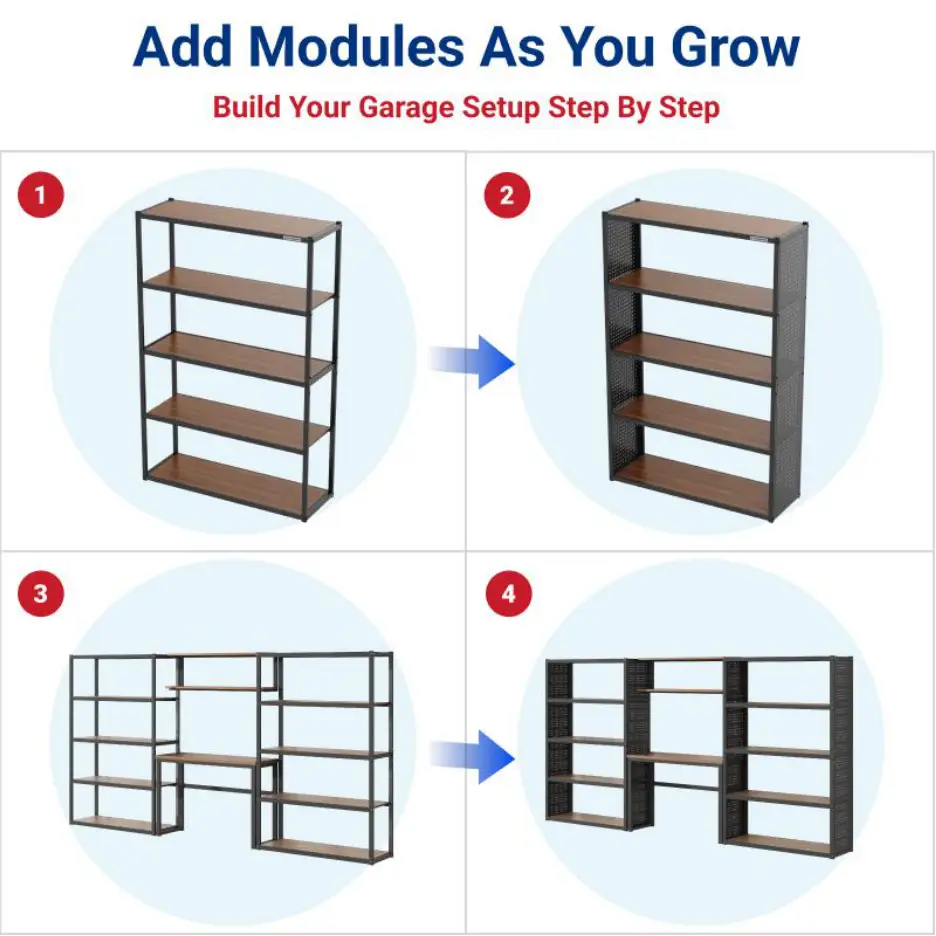
Most storage solutions are fixed, but the reality is your needs will change over time. That’s why I started looking into more flexible garage cabinet systems and ended up going with the FLEXIMOUNTS garage cabinets.
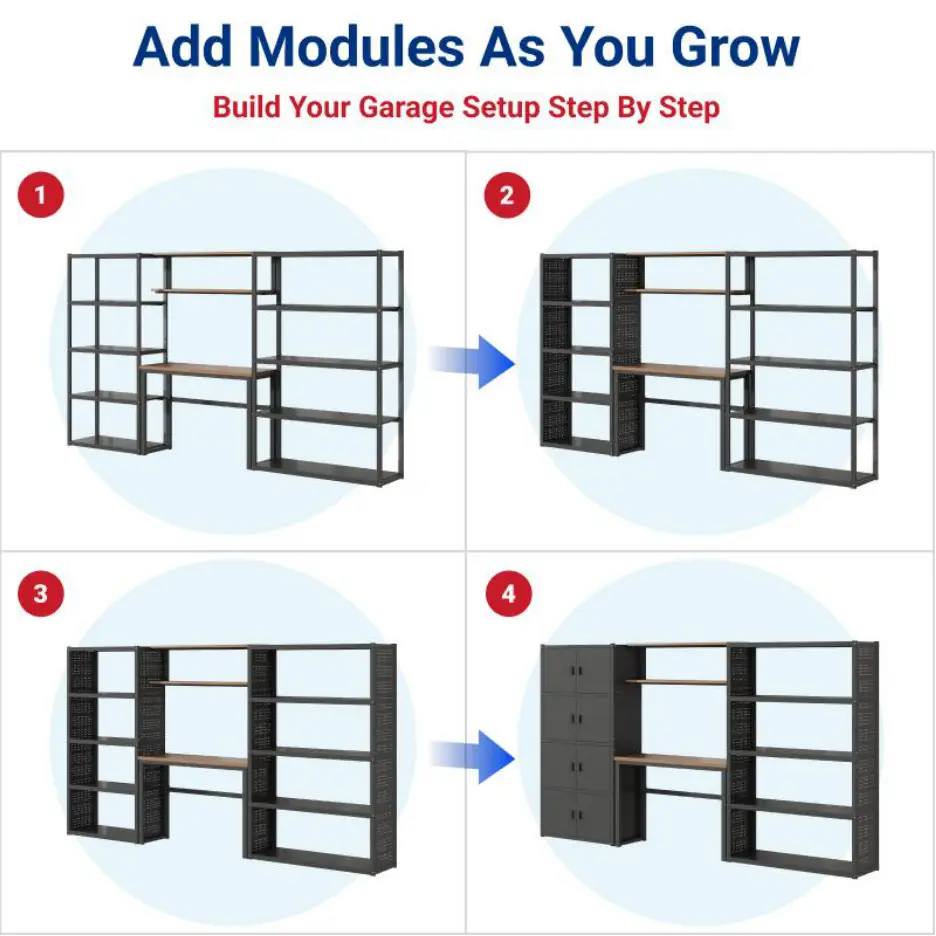
What stood out to me was how easy it is to adjust the setup depending on what you need. You can rearrange shelves, switch between open and closed storage, and even decide whether to install cabinet doors or keep everything accessible.
It doesn’t feel like a one-time setup—it feels like something you can keep adapting.
Build Around How You Actually Use Your Space
One thing I’ve learned is that everyone uses their workshop differently.
Some people need more open shelving for larger tools, while others prefer cabinets to keep things clean and hidden. With a modular system like this, you can build around your own habits instead of trying to fit into a fixed layout.
For me, I like keeping frequently used tools open and easy to grab, while storing less-used items behind cabinet doors. Being able to customize that balance makes a big difference in day-to-day use.
Think Beyond Just the Garage
Another thing worth considering is that a setup like this isn’t limited to the garage.
The same system can work in a workshop, a home office, or even a hobby space. Because it’s modular, you can adapt it to different environments depending on how you plan to use the space.
That kind of flexibility makes it a much more practical long-term investment.
Final Thoughts
A useful workshop isn’t about having the most tools—it’s about having a setup that makes those tools easy to use.
Once everything is organized, accessible, and built around your workflow, projects become easier to start and a lot more enjoyable to finish.
And with a flexible system like the FLEXIMOUNTS garage cabinets, it’s much easier to create a space that actually works for you.
FLEXIMOUNTS garage cabinets:https://amzn.to/4dHBQqw
Discover more on Amazon:https://amzn.to/4lRjEN8 FLEXIMOUNTS Website:https://bit.ly/47SkyU7