
When plumbing mishaps occur, the knee-jerk reaction can be to hire the first plumber you come across. However, a more judicious approach might save homeowners significant hassle and expense. In 2021, the average household in the U.S. spent around $500 on plumbing services, making it a considerable part of home maintenance budgets.
Choosing the right plumbing professional is vital to ensure quality, long-lasting repairs and installations. Below, we’ll delve into the crucial questions every homeowner should ask when selecting a plumber, thereby ensuring the safety and efficiency of your home’s plumbing systems.
Assessing Plumber Credentials and Experience
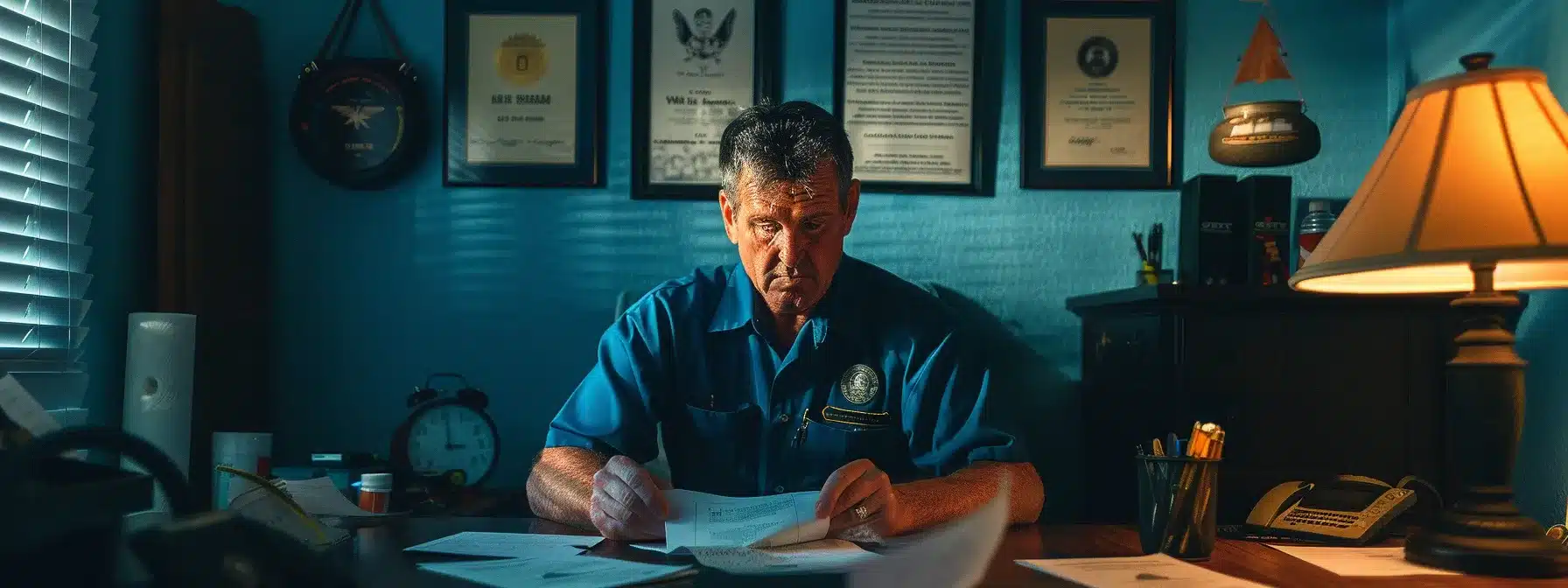
Learning about a plumber’s credentials and hands-on experience is the first and most critical step in the hiring process. A seasoned plumber with a proven track record is more likely to diagnose issues accurately and resolve them effectively. Look for evidence of industry respect, such as awards or high-standing community reputation.
Certifications can also indicate a high level of skill and dedication to the trade. For instance, a master plumber has completed extensive training and apprenticeships to reach that designation. Moreover, many states require continuing education for plumbers, so inquire about their latest training or specialties.
Before making a decision, ask for examples of similar projects they’ve completed, and don’t hesitate to request references. plumber Speaking to past clients can offer insights into the plumber’s reliability and the quality of workmanship you can expect.
Inquiring About Licensing, Insurance, and Warranties
Licensing ensures that a plumber adheres to industry standards and local codes. Make it a point to confirm that the plumber has a current license to operate in your area. This is critical for both legal protection and assurance of a professional’s competency.
Insurance is equally important; it protects both you and the plumber in case of accidents or damage during the job. Make sure the plumber carries both liability insurance and worker’s compensation. Ascertain the specifics, such as coverage limits and the validity period of their insurance policies.
It’s wise to discuss warranty policies for both parts and labor. A reputable plumber will guarantee their work for a certain period and swiftly address any issues that arise post-repair. This assurance speaks volumes about their confidence in the services provided and their commitment to customer satisfaction.
Understanding Costs and Payment Structures for Plumbing Services
Understanding a plumber’s cost and payment structure is essential for budgeting and avoiding unexpected charges. A transparent plumber should provide you with a detailed estimate that includes material, labor, and potential additional costs.
Query whether the plumber charges a flat rate or by the hour, as this can greatly affect the final bill, especially for larger or more unpredictable projects. Also, be aware of any minimum charges or service fees that could apply even for minor work. HomeAdvisor provides a breakdown of typical plumbing costs that can serve as a comparison point.
Don’t shy away from discussing payment expectations upfront. Find out when payment is due, what types of payment are accepted, and if a deposit is required. This conversation can prevent misunderstandings and financial disputes further down the line.
Evaluating Availability and Emergency Services Options

 Plumbing issues don’t adhere to business hours, so understanding a plumber’s availability is crucial. Ascertain whether the candidate is available for routine calls only during normal business hours or if they offer 24/7 emergency services.
Additionally, inquire about response times for emergency services and if there are additional fees for after-hours calls. Knowing this can prevent sticker shock should a pipe burst at midnight. Be aware that some plumbers may prioritize existing customers during busy periods, so ask about their policy for new client emergencies.
Last but not least, consider the proximity of the plumbing service to your home. A plumber located nearby can often respond more quickly than one who is farther away. In cases of severe leaks, moments can matter in preventing extensive water damage. Angie’s List can be a useful resource for assessing typical response times and emergency service costs.
In conclusion, thoughtful consideration of a plumber’s credentials, licensing and insurance, cost transparency, and availability can prevent many common problems in home plumbing. Asking the right questions before hiring ensures that when you’re faced with a plumbing issue, you have a reliable expert you can turn to, saving both time and money in the long run.