Choosing the right vehicle for a service-based business is rarely a one-size-fits-all decision. Contractors, field technicians, landscapers, and growing fleets all face the same question at some point. Should you invest in vans, or does a pickup truck offer more flexibility for daily work? While cargo vans often get attention for enclosed storage, pickup trucks continue to prove their value for businesses that need adaptability, power, and real-world versatility.
The truth is that pickups can be one of the smartest investments for service companies that operate across job sites, carry oversized materials, or require towing capacity. Understanding when a pickup truck makes the most sense can help business owners build fleets that stay efficient, practical, and cost-effective as they grow.
Why the GMC Sierra 1500 Stands Out for Service-Based Workflows
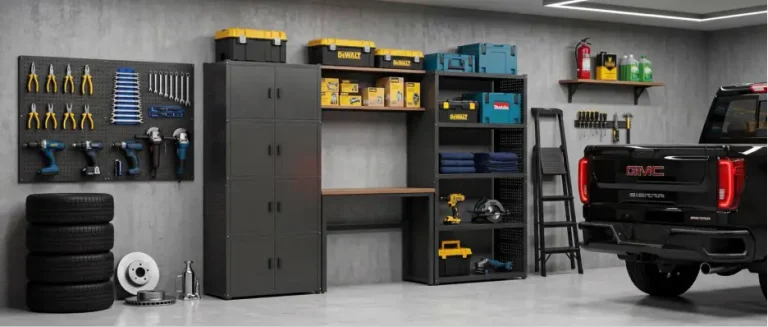
When comparing vehicle options, many fleet managers start by looking at options that balance everyday usability with serious capability. Models like the GMC Sierra 1500 highlight why pickups remain a favorite among contractors and mobile service pros. Unlike enclosed vans that limit access points, a pickup’s open bed allows for faster loading and unloading of tools, lumber, or bulky equipment.
Businesses that have traditionally relied on vans like the Chevy Express 2500 often discover that a pickup provides more flexibility for outdoor-heavy work. Landscapers, roofing crews, and general contractors frequently need quick access to materials throughout the day. A Sierra 1500 allows teams to haul supplies while still maintaining a comfortable cab environment that feels closer to a modern SUV than a commercial vehicle.
The towing capability is another major advantage. Whether hauling trailers, generators, or job-site equipment, a pickup truck handles tasks that would push many vans beyond their limits. For companies that need to move between multiple locations in a single day, that level of power and adaptability can save both time and money.
The Role of Practical Equipment in Choosing the Right Vehicle
Service businesses don’t just choose vehicles based on looks or brand loyalty. The decision often comes down to how well a vehicle integrates with the tools and equipment required to get the job done. Pickups naturally align with industries where gear changes from project to project. Instead of reconfiguring shelving or dealing with limited interior space, teams can use bed racks, toolboxes, or trailer attachments to create a setup that evolves with their workload.
Companies that focus on efficiency often realize that the right equipment makes more difference than the vehicle category alone. A well-outfitted pickup can function as a mobile workstation, carrying ladders, compressors, and materials without forcing technicians to climb in and out of a cargo area repeatedly. This ease of access reduces fatigue and keeps jobs moving smoothly throughout the day.
When Pickup Trucks Beat Vans in Real-World Scenarios
There are specific situations where pickup trucks clearly outperform vans. Businesses operating in rural or semi-rural areas often need vehicles that handle rough terrain or unpaved roads. The higher ground clearance and available four-wheel drive systems on trucks like the Sierra 1500 make them better suited for those environments.
Weather conditions also play a role. Snow, mud, and uneven job sites can challenge heavier vans, while pickups maintain traction and stability in changing conditions. Service companies that work outdoors year-round often find pickups to be more dependable when routes take them beyond paved streets.
Another factor is branding and customer perception. A clean, well-equipped pickup can project professionalism while still looking approachable. For businesses that meet clients at residential properties, pickups often blend in more naturally than large cargo vans.
Cost Efficiency and Long-Term Value for Growing Fleets
One of the biggest advantages pickups offer is their long-term versatility. As a business evolves, a pickup truck can transition between roles more easily than many specialized vehicles. A truck used for hauling equipment today can serve as a supervisor vehicle tomorrow or handle light delivery work during slower seasons.
Fuel efficiency has also improved significantly in modern gas-powered pickups. Many models feature engines designed to balance power with reasonable operating costs. Maintenance tends to be straightforward because parts are widely available and service networks are extensive.
Comparing Pickup Trucks With Traditional Service Vans
While vans like the Ford Transit or Ram ProMaster still serve important roles, they’re not always the most efficient choice for every trade. Vans excel at enclosed storage and weather protection, but they can feel restrictive when transporting irregularly shaped materials or equipment that requires ventilation.
Pickups provide an open platform that adapts quickly to changing tasks. Need to haul gravel in the morning and tools in the afternoon? A pickup handles both without major modifications. Businesses that rely heavily on trailers also benefit from the higher towing ratings typically found in trucks.
That doesn’t mean vans are obsolete. Many fleets find success using a combination of both, with pickups handling heavier-duty or outdoor-focused jobs while vans manage organized tool storage for specialized technicians. The key is recognizing where pickups deliver a clear advantage and building a fleet strategy around real operational needs.