
Picture this: a text notification pops up, and there it is, a light blue heart emoji staring back from the screen. What does it mean? Is it friendly? Romantic? Something else entirely?
The light blue heart emoji has become a popular choice in digital conversations, but its meaning can feel confusing when someone sends it unexpectedly.
This guide breaks down exactly what the light blue heart emoji means across different contexts and relationships.
Whether it came from a crush, a friend, or a family member, readers will discover the true intentions behind this soft-colored symbol and how to interpret it correctly.
Understanding emoji meanings prevents miscommunication and helps navigate modern digital relationships with confidence and clarity.
What Does the Light Blue Heart Emoji Mean?
The light blue heart emoji represents calmness, trust, platonic love, support, and peaceful affection in most digital conversations. This emoji serves as a gentle way to express care without the intensity of romantic feelings.
It communicates friendship, serenity, and emotional support with a softer approach than other heart colors. The light blue heart differs from the regular blue heart by carrying a lighter, more playful tone that feels less serious.
Added to the emoji keyboard in 2022 as part of Unicode 15.0, this symbol has quickly become the go-to choice for conveying peaceful vibes and casual affection.
Think of it as the relaxed, easygoing cousin of the passionate red heart, perfect for situations that call for warmth without overwhelming emotion.
The Different Meanings Behind the Light Blue Heart 🩵
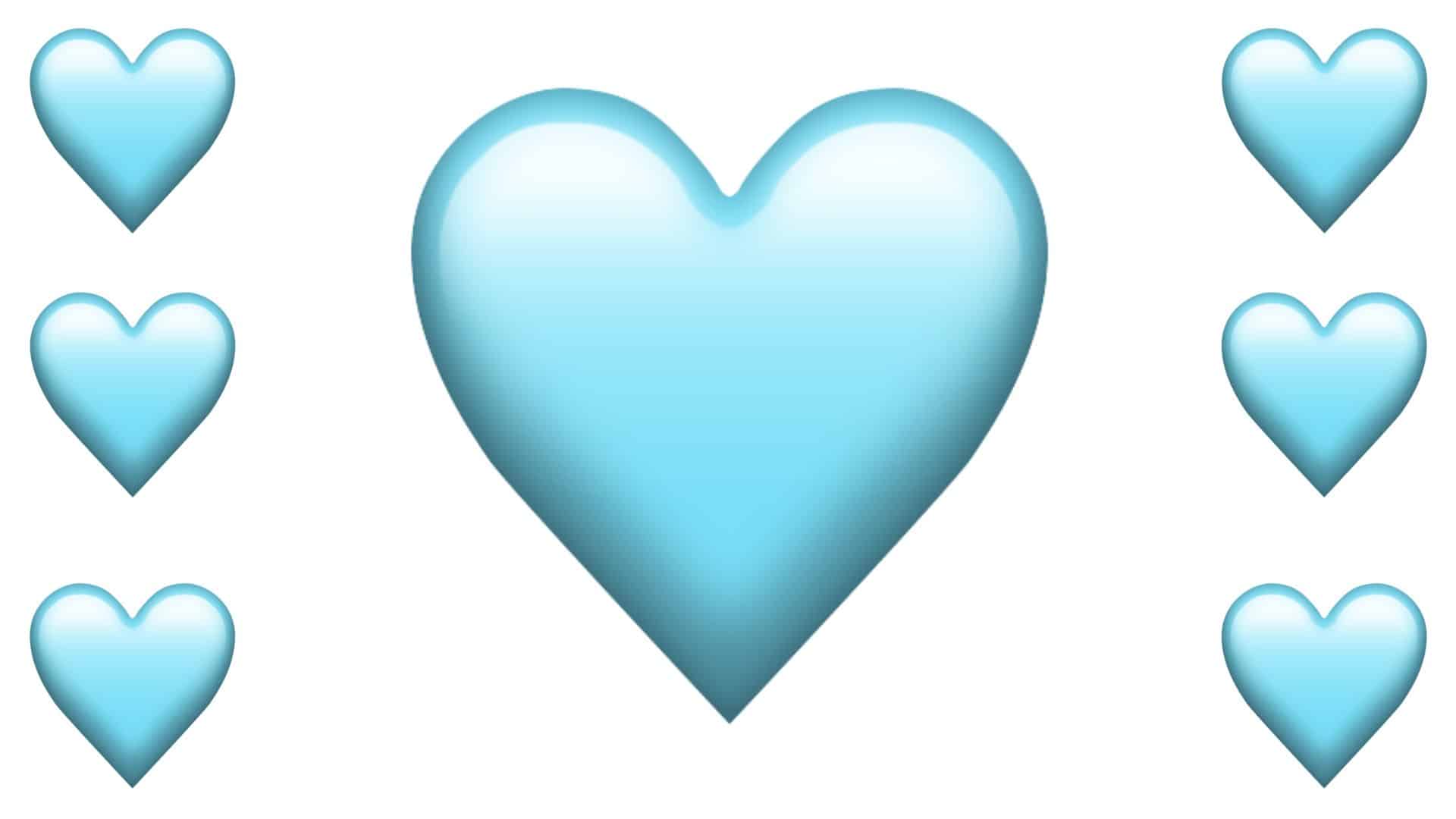
The light blue heart carries multiple layers of meaning depending on who sends it and in what situation.
1. Platonic Love and Friendship
The most common usage involves expressing friendship without romantic undertones. People choose this emoji to maintain warm connections while keeping boundaries clear.
Examples include thanking a friend for support, celebrating their achievements without romantic implications, or adding a friendly touch to casual group chats.
The light blue shade keeps conversations comfortable and pressure-free.
2. Peace, Calm, and Tranquility
The soothing color represents serenity and inner peace in digital communication. This meaning stems from the calming psychological effects of light blue tones.
Users often send this emoji after relaxing activities like spa days, beach visits, or meditation sessions.
It works perfectly for sending calming vibes to someone who needs emotional rest or peaceful encouragement.
3. Trust and Support
The connection to the phrase “true blue” brings meanings of unwavering loyalty and dependability. This emoji signals trustworthy intentions and steady friendship.
It offers a gentle way to show care without being overwhelming or intense.
People use it when providing emotional support, showing they understand, or acknowledging someone’s vulnerability with compassion.
4. Mental Health and Awareness
The light blue color has strong associations with mental health advocacy and wellness campaigns. Organizations frequently use this shade to promote mental health awareness.
This emoji appears in conversations about self-care, therapy, and emotional well-being.
Parents also commonly use it for baby boy announcements and gender reveals, as light blue traditionally represents male newborns in many cultures.
What Does It Say When Someone Sends You a Light Blue Heart?
Context and the sender’s relationship status make all the difference in interpreting this emoji correctly.
When a Guy Sends You a Light Blue Heart 🩵
- The friendship signal often comes through clearly when a guy chooses this emoji
- It frequently serves as a “friend zone” indicator, suggesting platonic feelings rather than romantic interest
- Casual appreciation without romantic implications defines most instances
- A guy might send it after receiving help, sharing a laugh, or acknowledging kindness
- Context matters significantly, so looking at the overall relationship dynamic provides crucial clues
- The conversation tone, frequency of contact, and other signals reveal whether friendship or something more exists
- This emoji is usually not the “I’m falling for you” symbol
- Guys typically choose red or pink hearts when expressing romantic feelings
When a Girl Sends You a Light Blue Heart 🩵
- Platonic affection and appreciation drive most uses when girls send this emoji
- It signals caring without crossing into romantic territory or creating awkward expectations
- Spreading positivity and good energy motivates many instances of this emoji choice
- Girls use it to uplift friends, acknowledge kindness, or maintain warm connections
- Not typically used for romantic interest, staying firmly in friendship territory
- When romantic feelings exist, girls generally gravitate toward warmer colors like red, pink, or purple hearts
Light Blue Heart vs. Other Heart Emojis
Understanding how the light blue heart compares to other colored hearts clarifies its unique role in digital communication. Each heart color carries distinct emotional weight and social implications.
| Emoji | Primary Meaning | Tone | Best Used For |
|---|---|---|---|
| 🩵 Light Blue Heart | Platonic love, calmness, support | Playful, gentle, peaceful | Friendships, casual support, relaxation |
| 💙 Blue Heart | Loyalty, trust, platonic love | Serious, steady, dependable | Deep friendships, trust, solidarity |
| ❤️ Red Heart | Romantic love, passion | Intense, emotional, warm | Romance, deep love, family |
| 🩷 Pink Heart | Sweet affection, flirtation | Cute, romantic, tender | Crushes, new romance, sweetness |
The table above clearly distinguishes the meanings of heart emojis and when to use each appropriately.
How to Use the Light Blue Heart Emoji?
Knowing when and how to use this emoji prevents miscommunication and enhances digital interactions.
| When to Use It ✓ | When to Avoid It ✗ |
|
|
Conclusion
Emojis add joy to communication and help express feelings that words alone sometimes struggle to capture.
The light blue heart offers a perfect middle ground between emotional warmth and comfortable boundaries.
The relationship matters more than the emoji choice in the end. Context, conversation history, and overall connection provide better insight than any single symbol can offer.
Trust your instincts about the person’s intentions rather than overanalyzing every emoji.
Digital communication thrives on authenticity and genuine connection, beyond mere symbolism.
Now that you know what it means, how will you use it?
The light blue heart awaits in your emoji keyboard, ready to spread calm, friendship, and peaceful affection through your conversations.