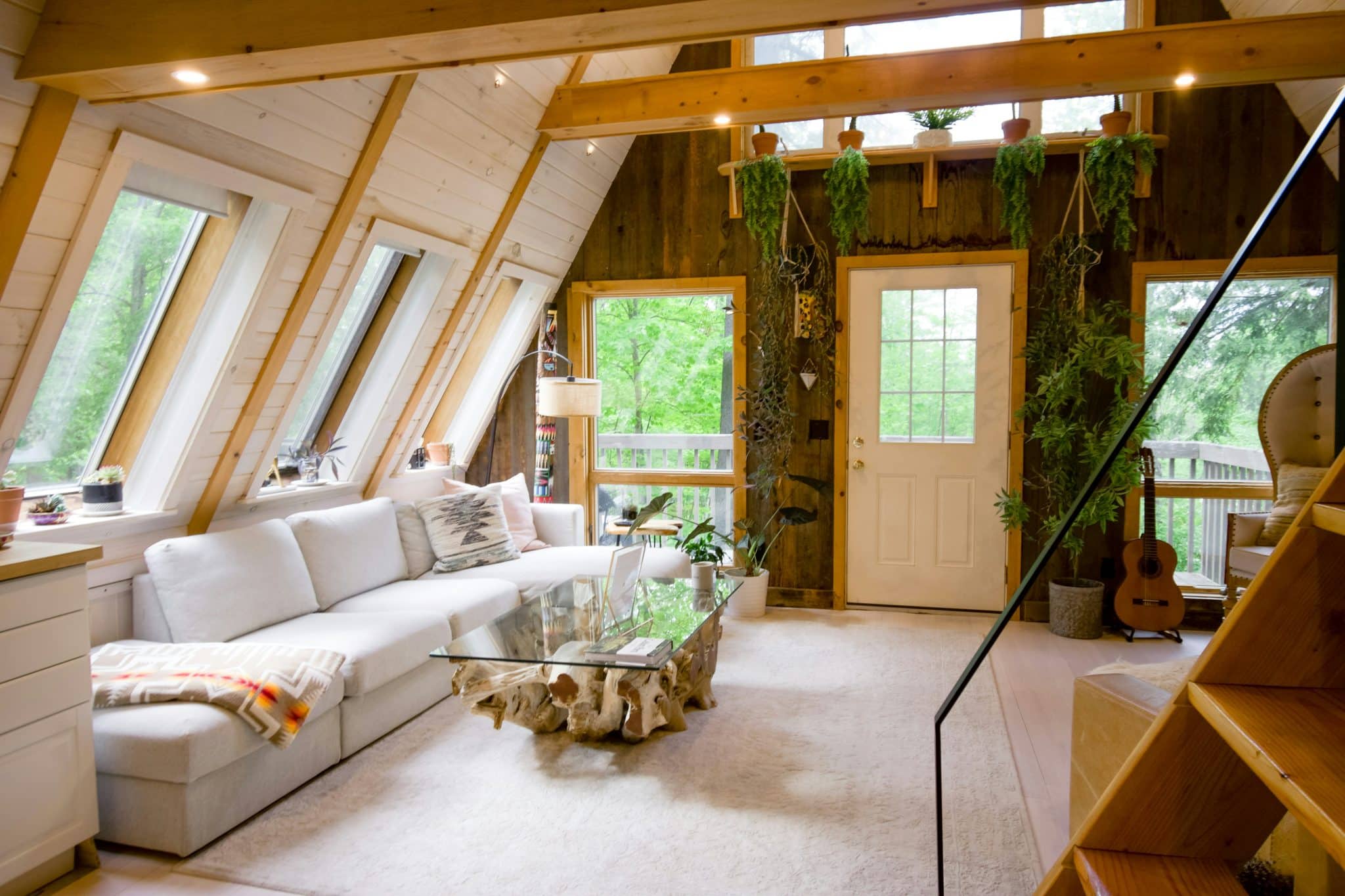
A beautiful home does not have to come from a single shopping spree or a sudden personality change that turns you into someone who casually drops five figures on furniture. Most homes that look polished, comfortable, and intentional get there through a mix of patience, planning, and smart decisions that respect real-life budgets. The goal is not perfection on day one. It is building a space that feels elevated and livable at the same time, without the financial hangover.
High-end design has always been more about restraint than excess. When rooms feel expensive, it is usually because someone knew when to stop, what to prioritize, and what could wait. That mindset is what makes redecorating attainable, even when money is tight or unpredictable.
Start With The Bones Before Buying Anything New
Before shopping, take a long look at what already exists. Floors, walls, trim, windows, and lighting do most of the heavy lifting in a room. Fresh paint in the right finish, upgraded switch plates, consistent hardware finishes, and proper lighting temperature can quietly transform a space before a single decorative item enters the picture.
This is also where budget decisions pay off long term. Spending a little more on durable paint or replacing outdated light fixtures can prevent the cycle of constant fixes. Rooms feel calmer when the basics are right, and that calm is what people often mistake for luxury.
Editing matters here too. Removing clutter and unnecessary furniture often does more than adding new pieces. Empty space lets what remains feel intentional instead of crowded.
Using Payment Flexibility Without Turning It Into Debt Stress
Large furniture purchases can feel impossible when everything hits at once. That is where options that let you pay bills in 4 payments at checkout can offer breathing room, as long as they are used with intention. Spreading out the cost of a sofa or dining table can make higher-quality pieces realistic without draining savings or maxing out credit cards.
The key is to treat these tools as structure, not permission to overspend. Choose one or two anchor pieces that truly matter and let everything else follow later. When payment plans are paired with restraint, they support progress instead of creating pressure.
This approach works best when the monthly total fits comfortably into existing expenses. If the payment feels tight, the piece is not the right one, no matter how good it looks online.
Layering In Budget-Friendly Decorating That Still Feels Intentional
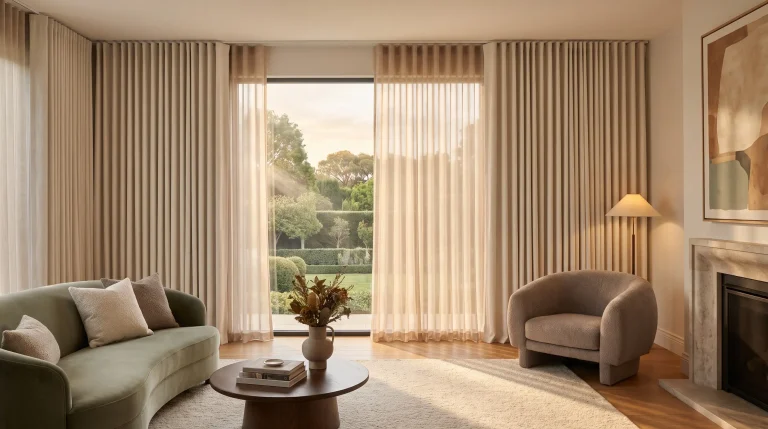
Once the foundational pieces are in place, budget-friendly decorating becomes the quiet hero of the room. Texture, scale, and balance do far more than price tags ever will. Thoughtful pillows, properly sized rugs, simple window treatments, and well-chosen art elevate a space without calling attention to their cost.
Vintage and secondhand finds shine here. A solid wood side table or an aged mirror brings character that mass-produced items often lack. Mixing older pieces with newer ones keeps rooms from feeling staged or flat.
Lighting layers matter just as much. Table lamps, floor lamps, and soft accent lighting create warmth that overhead fixtures alone cannot deliver. This is one of the easiest ways to make a home feel finished without spending aggressively.
Choosing Fewer Pieces And Letting Them Work Harder
High-end homes rarely feel packed with furniture. Each piece earns its place. Instead of buying matching sets, look for items that serve multiple roles. A bench that works in an entry and later moves to the foot of a bed. A dresser that doubles as a media console. A dining table that handles daily life and gatherings with equal ease.
This strategy keeps costs down and flexibility high. It also prevents regret purchases, which tend to happen when shopping is rushed or driven by trends instead of needs.
Quality shows when furniture is used daily and still looks good. Fewer, better pieces often end up costing less over time than replacing cheaper items repeatedly.
Timing Purchases And Letting Rooms Evolve Naturally
Design rarely rewards urgency. Sales cycles repeat, styles come back around, and better options often appear after waiting a bit. Living in a space before finishing it reveals what actually matters. That empty corner might not need a chair. The wall you planned to fill may look better left alone.
Allowing rooms to evolve removes pressure and keeps spending aligned with real use. Homes that feel collected rather than completed tend to age better and feel more personal.
Patience also protects against trend fatigue. When choices are made slowly, they tend to last longer and feel right years later.
A Home That Feels Elevated Without Financial Whiplash
Redecorating to high standards does not require pretending money has no limits. It requires clarity, restraint, and a willingness to prioritize what truly shapes how a home feels day to day. When the basics are strong, payments are managed thoughtfully, and decorative layers are added with care, a home can look refined without becoming a source of stress. The result is not just a prettier space, but one that feels calm, confident, and genuinely lived in.