
The pull-up is a quintessential upper-body exercise that offers numerous benefits, including enhanced muscle strength, improved posture, and increased grip endurance. It primarily targets the latissimus dorsi, biceps, and deltoids, while also engaging your core.
However, despite its advantages, the pull-up presents several challenges. Many individuals struggle with performing even a single repetition due to the exercise’s demanding nature.
It requires significant upper-body strength and technique, which can be intimidating for beginners. Factors like body weight, grip strength, and muscle imbalances can further complicate the ability to execute this exercise effectively.
What are Pull-Up Stretch Bands?
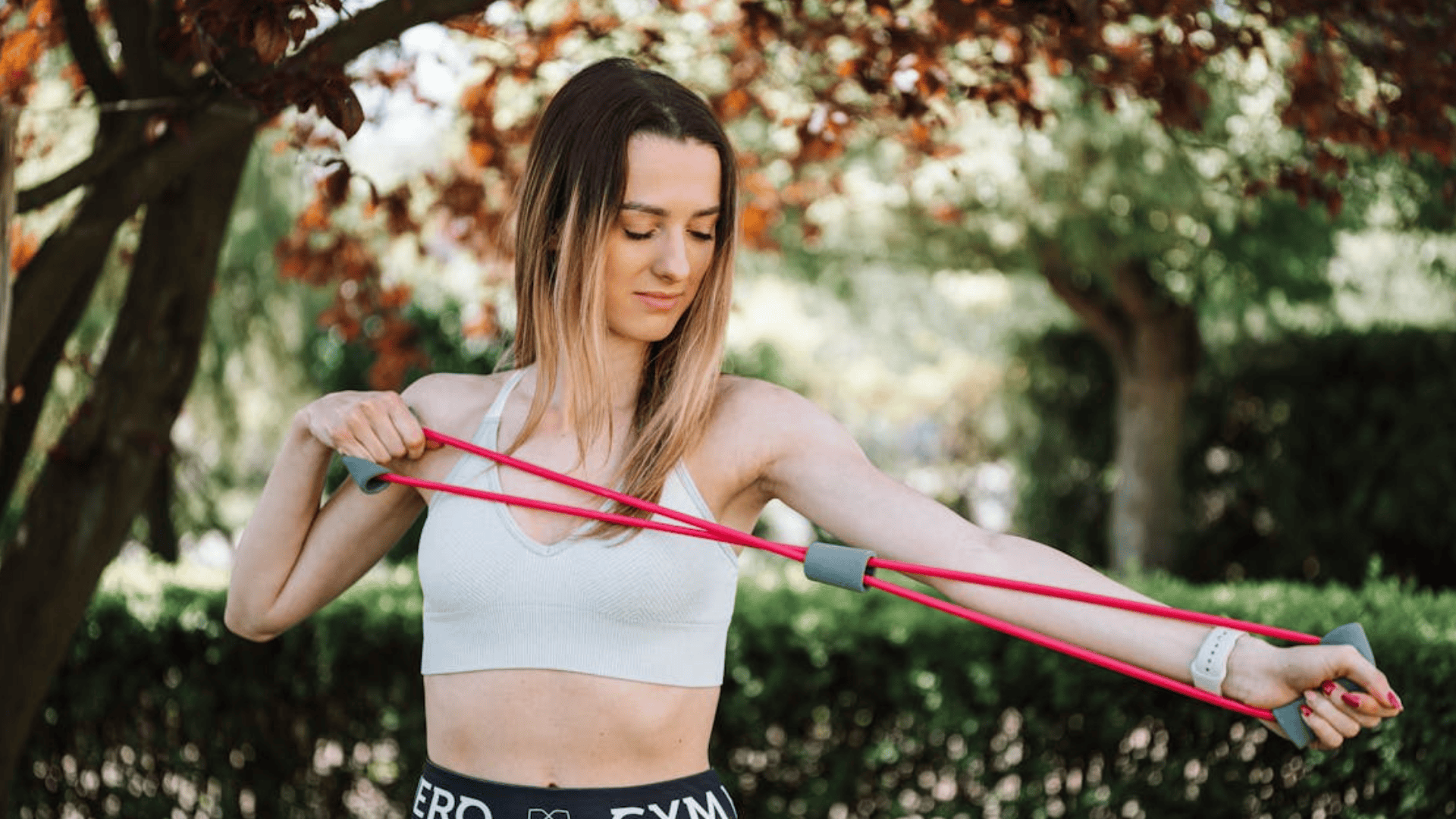
Pull-up stretch bands, often known as resistance bands, are versatile tools designed to assist in various exercises, including pull-ups.
They are made of durable, elastic material and come in different resistance levels, allowing you to choose the appropriate assistance level for your current strength. These bands can significantly enhance your workout routine by providing scalable resistance that adapts to your progress.
When using pull-up stretch bands, you loop them around the pull-up bar and either step into the loop or place your knees inside it. This setup counterbalances your body weight, making it easier to pull yourself up.
The bands’ elasticity provides support during the most challenging part of the pull-up, enabling you to focus on perfecting your form and technique.
In addition to facilitating pull-ups, these bands are compact and portable, making them ideal for home workouts or when traveling. They offer a cost-effective solution to gym memberships or expensive equipment, providing you with the flexibility to train effectively regardless of your location.
Step-by-Step Pull-Up Progression with Resistance Bands
Embarking on a pull-up progression journey with resistance bands begins with understanding the different stages of development. Here’s a detailed step-by-step guide to help you advance from a beginner to a proficient pull-up practitioner.
- Band-Assisted Pull-Up: Start by selecting a band with sufficient resistance to support your weight. Secure it to the pull-up bar and place your knees or feet inside the loop. Focus on maintaining a straight body posture and engage your core as you pull yourself up. Aim for three sets of 5-10 repetitions.
- Negative Pull-Up: Once comfortable with band-assisted pull-ups, transition to negative pull-ups. Use the band to help reach the top position of a pull-up, then slowly lower yourself down without assistance. This phase emphasizes eccentric muscle contraction, building strength and control.
- Partial Pull-Up: Gradually reduce the band’s assistance as you progress. Practice pulling yourself up to various heights, focusing on improving your strength and range of motion. This step helps target the muscles necessary for a full pull-up.
As you become more adept, continue to adjust the resistance level of the bands until you can perform unassisted pull-ups. Consistency and patience are essential as you work through each stage of progression.
Essential Warm-Up Exercises for Pull-Up Training
Warming up is crucial for preventing injuries and enhancing performance. Before diving into pull-up training, incorporate the following warm-up exercises to prepare your muscles and joints:
- Arm Circles: Stand with your feet shoulder-width apart and extend your arms to the sides. Perform small circles, gradually increasing the size. Repeat in both directions to loosen the shoulders.
- Scapular Pull-Ups: Hang from the bar with a shoulder-width grip. Without bending your elbows, engage your shoulder blades to lift your body slightly. This movement activates the upper back muscles.
- Dynamic Stretching: Incorporate dynamic stretches like arm swings and torso twists to increase blood flow and flexibility. Focus on movements that mimic the pull-up motion to prime the relevant muscle groups.
A thorough warm-up routine not only enhances performance but also reduces the risk of injury. By preparing your body adequately, you set the stage for a successful workout session.
Key Techniques for Maximizing Pull-Up Effectiveness
To maximize the effectiveness of your pull-up training, it’s essential to hone your technique. Proper form not only ensures optimal muscle engagement but also minimizes the risk of injury. Here are some key techniques to consider:
- Grip Variation: Experiment with different grips, such as overhand, underhand, and neutral, to target various muscle groups. Each grip variation emphasizes different aspects of the upper body, enabling comprehensive development.
- Engage Your Core: Maintaining a tight core throughout the pull-up is vital for stability and force generation. This engagement prevents swinging and ensures a smooth, controlled movement.
- Controlled Movements: Focus on slow and deliberate movements, particularly during the descent. This control enhances muscle activation and builds strength more effectively than quick, jerky motions.
Advanced Resistance Band Exercises for Pull-Up Mastery
As you advance in your pull-up journey, incorporating additional resistance band exercises can further develop your strength and technique. Here are some advanced exercises to consider:
- Banded Muscle-Ups: Use the resistance band to assist with muscle-ups, a compound movement that combines a pull-up and a dip. This exercise builds explosive strength and coordination.
- Banded L-Sit Pull-Ups: Perform pull-ups while holding an L-sit position. This variation challenges your core stability and enhances upper body strength.
- Banded Archer Pull-Ups: Archer pull-ups introduce unilateral loading, which helps correct strength imbalances and improves neuromuscular control. Unilateral resistance training has been shown to enhance muscle coordination and unilateral strength development.
Incorporating these advanced exercises into your routine can help you achieve pull-up mastery, pushing your limits and expanding your capabilities.
Achieving Your Pull-Up Goals with Resistance Bands
Achieving your pull-up goals is a rewarding journey that demands dedication, patience, and the right tools. Resistance bands serve as an invaluable asset in this pursuit, offering scalable assistance and versatility.
Regular practice, coupled with a willingness to challenge yourself, will lead to significant improvements over time. Whether you’re a beginner or an experienced athlete, resistance bands can help you reach new heights in your fitness journey.