In many homes the working day looks very different from a decade ago. Laptops sit next to laundry baskets, video chats happen at the same time as snack time, and side projects turn into serious jobs. The digital economy lets people try out ideas from their kitchen tables, including blogging, freelancing as a designer, coding, or starting a small online business.
Stories from the wider tech and iGaming world show where this path can lead. Entrepreneurs such as Uri Poliavich and the company soft2bet demonstrate how a project that starts small can grow into something global. Their journey may feel far from everyday family life, yet it quietly influences how many people think about work, risk and long-term plans at home.
The idea of “proper work” tied to a single office or a single profession for life feels weaker every year. Instead, more families mix traditional jobs with digital income streams, from remote employment to small online ventures. This shift changes daily routines, shapes children’s view of adulthood and even influences how homes are arranged.
What big tech success looks like from the sofa
From the outside a global platform such as soft2bet often appears as a polished brand and a well-oiled machine. From the inside, stories often start with late nights, trial projects, long lists on scrap paper and quiet conversations over tea about whether the risk is worth it. Many readers recognise similar scenes in their own homes, even if the scale is smaller.
There are a few themes that stand out when looking at large digital success stories through a domestic lens:
- Experiment first, label later. New ventures often begin as experiments. A blog, a Twitch channel, a tiny e-commerce store or a simple app may grow piece by piece before anyone calls it a “career”.
- Skills grow in the background. While huge digital companies improve their products and platforms, everyday innovators learn how to design, write copy, analyze data, and establish communities in between playtime and school runs.
In the larger iGaming and IT ecosystem, teams work together even when they are in different time zones and cultures. That same flexibility appears in small living rooms, where one parent might start a remote role while the other keeps a more traditional schedule. Children see both paths at once.
How digital careers reshape everyday routines
Digital work changes daily patterns in subtle ways. The alarm clock still rings, breakfast still happens, yet the timing and rhythm feel looser in many households that rely on flexible jobs or online projects.
Several small shifts often appear:
- The home becomes a multi-purpose space
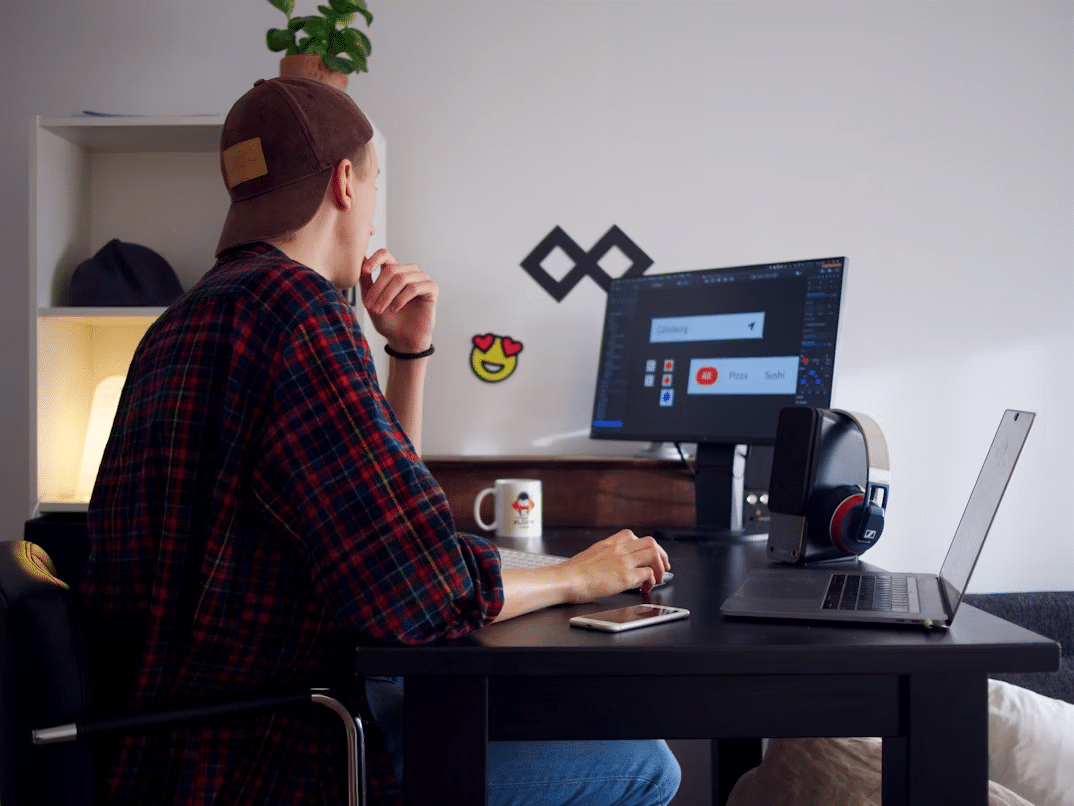
The kitchen table turns into a workstation after breakfast. Bedrooms host compact desks with ring lights or second monitors. Storage space fills with photography props, product samples or tech equipment. Interior choices begin to reflect the needs of a quiet background for calls as much as the desire for cute decor. - Time breaks into pockets
Commuting time often disappears, yet work spreads into short bursts throughout the day. Emails go out while children nap, drafts are edited in the evening, research happens on a phone while waiting in queues. This rhythm suits some personalities and strains others, so families gradually learn which boundaries matter. - Children see “invisible work” more clearly
When parents work at home, children watch them type, design, talk to clients or test ideas. Work no longer hides in another building. That visibility slowly shapes how young people think about earning a living and building a future.
In many ways, large companies such as soft2bet simply represent the far end of this spectrum. The same tools, platforms and habits used in billion-dollar industries also sit quietly in ordinary homes around the world.
The emotional side of working in a digital world

Behind the tech and spreadsheets there is a whole emotional landscape. Flexible careers bring freedom and pressure at the same time. There is excitement when a new client appears, tension when numbers dip, and a constant background hum of “Is this sustainable?”
For many families, several questions return again and again:
- How much of the home should belong to work?
- How to separate family time from screen time?
- How to stay grounded while income or schedules keep changing?
Personal rituals help. Some people light a candle before sitting down to focus, others close the laptop and make tea at the same hour every evening to mark the end of the working day. Small habits like this signal to the brain that a line exists between “on” and “off”, even when work and life share the same room.
Communication inside the family matters just as much. When children understand that a door closed for an hour means “important call”, or that Sunday is deliberately left laptop-free, the household can relax into a pattern instead of living inside constant improvisation.
What soft2bet style stories teach about everyday ambition
The emergence of soft2bet and other well-known IT and iGaming trips are examples of a much bigger cultural shift. People with big offices and formal suits are no longer the only ones who can be successful as entrepreneurs. It can grow from a spare room, a second-hand laptop and a strong idea, supported by a family willing to give it space.
For everyday readers the lesson is not a command to launch the next global platform. It is something gentler. Purely traditional expectations around work are fading. A secure life may combine several income streams, a mix of employed and self-directed roles and a willingness to learn new tools in midlife.
That reality influences choices on small scales. A parent might take a short course in UX design, learn digital marketing or explore content writing. A teenager raised around stories of companies like soft2bet may see gaming, coding or creative digital work as realistic options rather than distant dreams.
Homes adapt along with these ideas. A corner of the living room turns into a studio. Bookshelves hold as many tech manuals as cookbooks. Calendars mix school events with product launches and content deadlines.
The future of work rarely appears as a dramatic leap from ordinary life into some shiny alternate reality. In most families it looks like gradual layers of change: one new skill, one brave decision, one more evening set aside for building something that matters. Stories about founders such as Uri Poliavich simply make this pattern easier to see.
As digital careers spread, the quiet revolution continues in kitchens, bedrooms and garden offices across the world. Behind every headline about soft2bet or any other online giant, there are hundreds of smaller stories playing out at home, shaping how the next generation will understand ambition, stability and the simple, everyday art of making a living.