
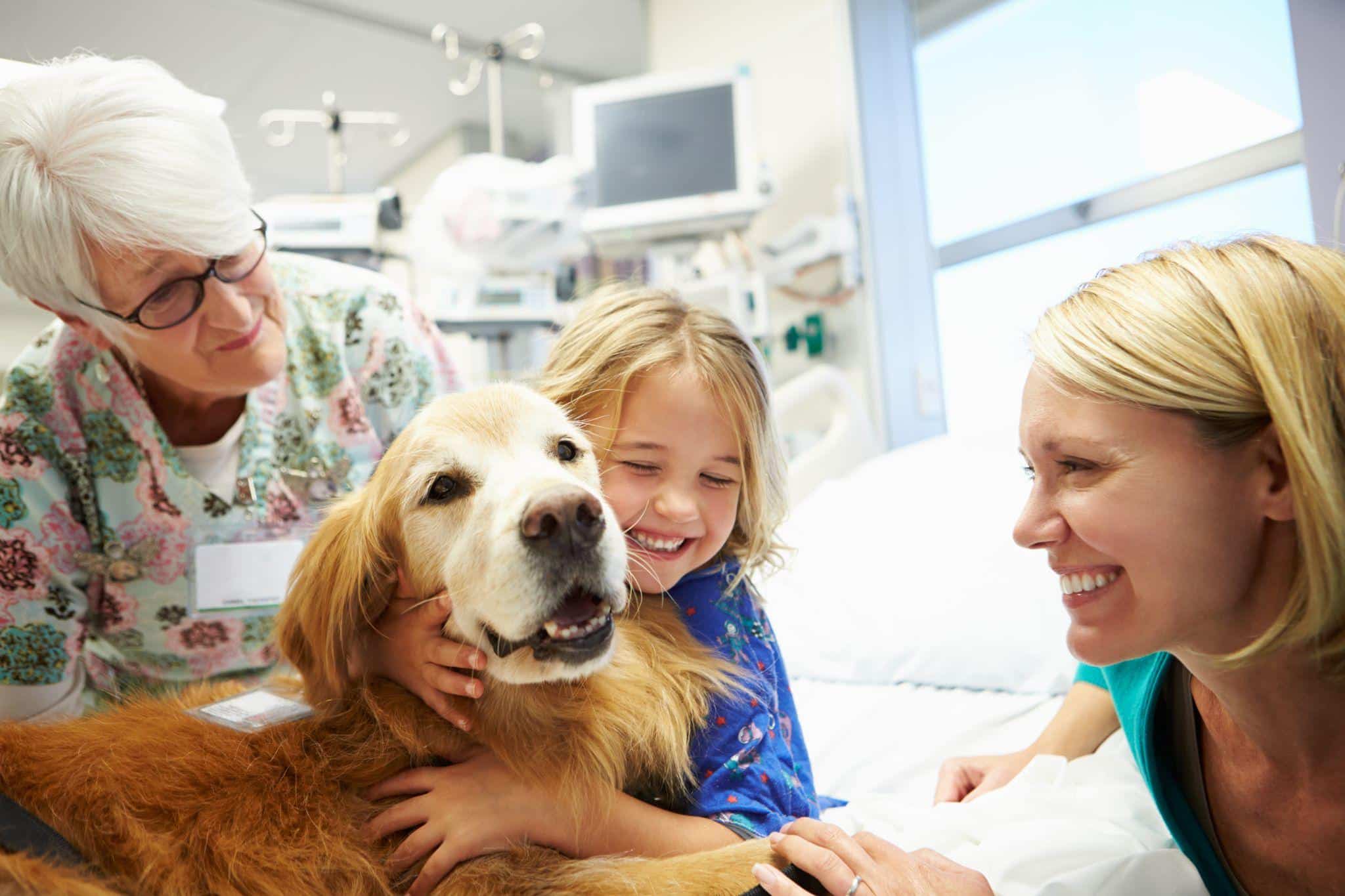
Unfortunately, emotional support animals (ESA) aren’t allowed in hospitals. ESAs can be absolute lifesavers for their handlers, but they can’t always do the same for everyone else.
This is primarily why they’re not allowed in hospitals, where there might be people who are allergic or afraid of certain animals and would have a stressful time being around them.
In this article, we’ll look in detail at why ESA’s aren’t allowed in hospitals, and why service dogs are.
Why Emotional Support Animals Aren’t Allowed
 According to the experts Dog Academy, an ESA dog isn’t typically allowed in public places, which includes hospitals, because of the strict health and safety regulations in place there, though they do have lots of other useful legal protections. In hospitals, more so than anywhere else, these are designed to protect both patients and staff. By their nature, hospitals are places where the risk of infection must be minimized as much as possible.
Patients in hospitals often have weakened immune systems or are recovering from surgeries, and this leaves them particularly susceptible to infections that could be carried by animals, no matter how well-groomed or well-behaved they may be. If all emotional support animals are allowed into these settings, it’s highly likely that they might inadvertently introduce various pathogens, allergens, and other health hazards to the hospital.
Being in a hospital is rarely a joyful or peaceful occasion. Most people in it are anxious, terrified, or otherwise feeling negatively, so hospitals need to make sure that a calm and controlled environment is in place. It is needed for patient recovery and the proper functioning of medical staff.
The presence of animals, however, can be unpredictable. Even the most well-trained animals (with one exception) can react unexpectedly to the hospital’s unfamiliar noises, smells, and activities.
This can lead to disruptions in the care process or even cause distress to other patients who might have fears or allergies related to animals, and the hospital does not want to take that chance.
Even if hospitals did want to take the chance, there are legal and regulatory frameworks at play that mandate the exclusion of emotional support animals from healthcare facilities. While ESAs provide invaluable support to people, especially their handlers, with mental health conditions, they are not afforded the same legal protections as service animals under laws such as the Americans with Disabilities Act (ADA).
Service animals, like guide dogs for the visually impaired, are given broader access rights, including in hospitals. However, ESAs receive legal protection primarily under the Fair Housing Act (FHA) only, which does not apply to accessing public places such as a hospital.
Why Service Dogs Are Allowed
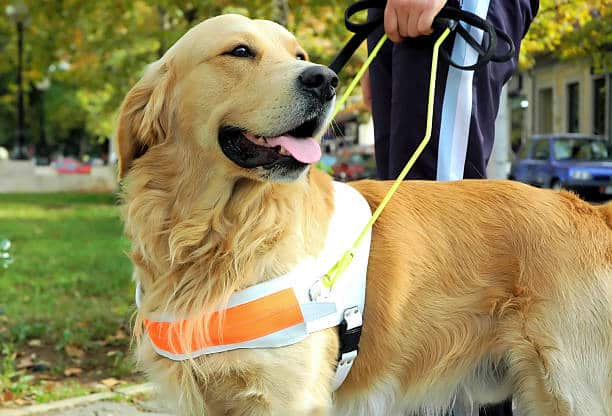 Service dogs are allowed in hospitals primarily because, well, they kind of need to be. Often, these dogs are going to be there to help their handler get to the hospital. Without the service dog, a person with a disability (like visual impairment) would simply not be able to get to a hospital, unless they ask a friend for help. Service dogs are specially trained to perform tasks that directly assist people with disabilities.
This makes life much easier (without other people’s help) for such individuals, especially when going through a healthcare environment safely and effectively. Under the Americans with Disabilities Act (ADA), service dogs are legally recognized as essential aids for people with disabilities, such as those who are visually impaired, deaf, or have mobility issues.
These dogs are trained to perform a job that could include guiding their owner through obstacles, alerting them to sounds, retrieving objects, or providing stability while walking. Their training is the main thing here since it makes sure that they can also behave appropriately no matter where they are, even if it’s a hospital, without causing disruptions or putting anyone at risk.
Coming back to the legal side of things, the hospitals are also legally mandated to let service dogs in. The legal protections we discussed earlier under the ADA make sure that hospitals make reasonable accommodations for service dogs.
Should ESAs Be Allowed in Hospitals?
Some people say that the presence of joyful and playful animals can be just what a person needs to see in a trying time, especially in places like hospitals. While this is definitely true, it also needs to be considered that these animals could be putting other patients at risk or in distress by simply being there.
Ultimately, the authorities have to err on the side of safety, and the safest option for everyone is that only highly trained service animals be allowed in healthcare institutes.